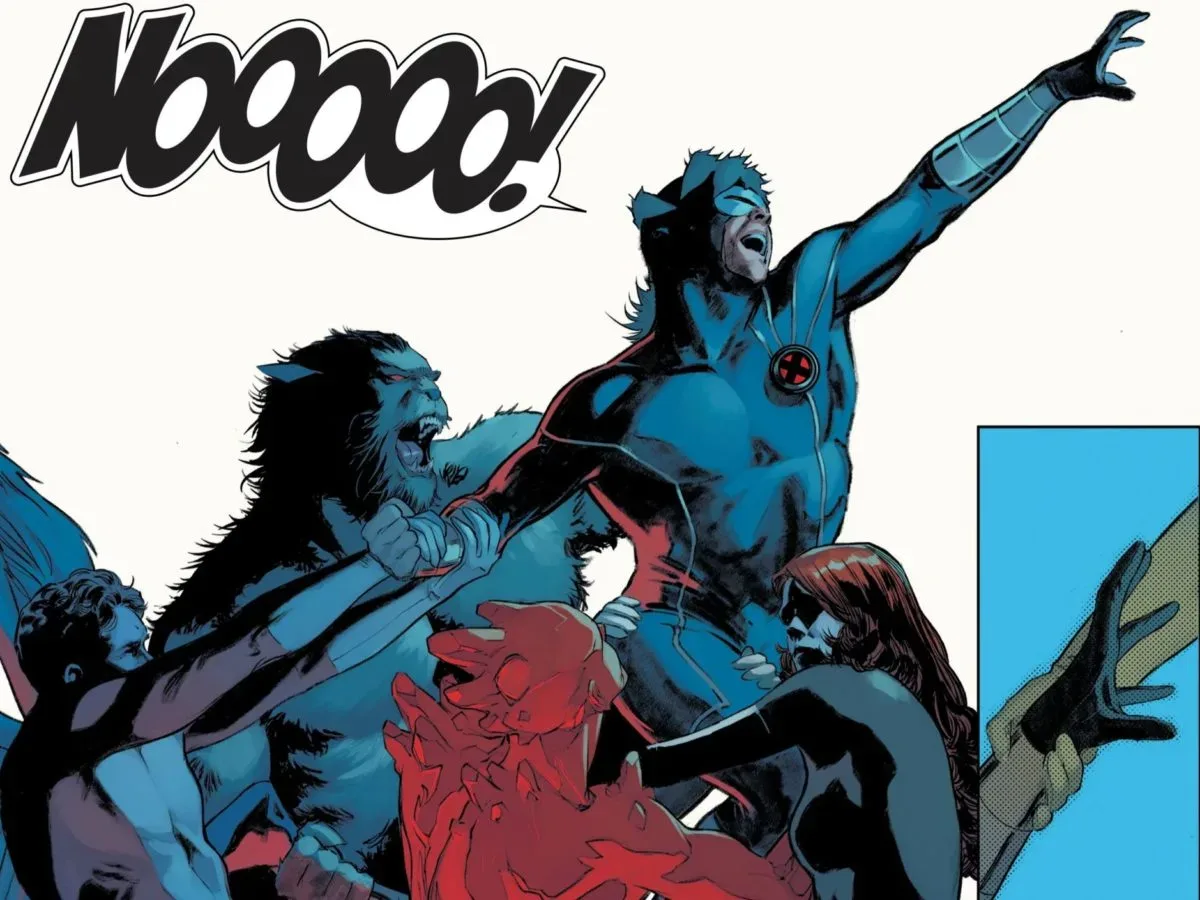
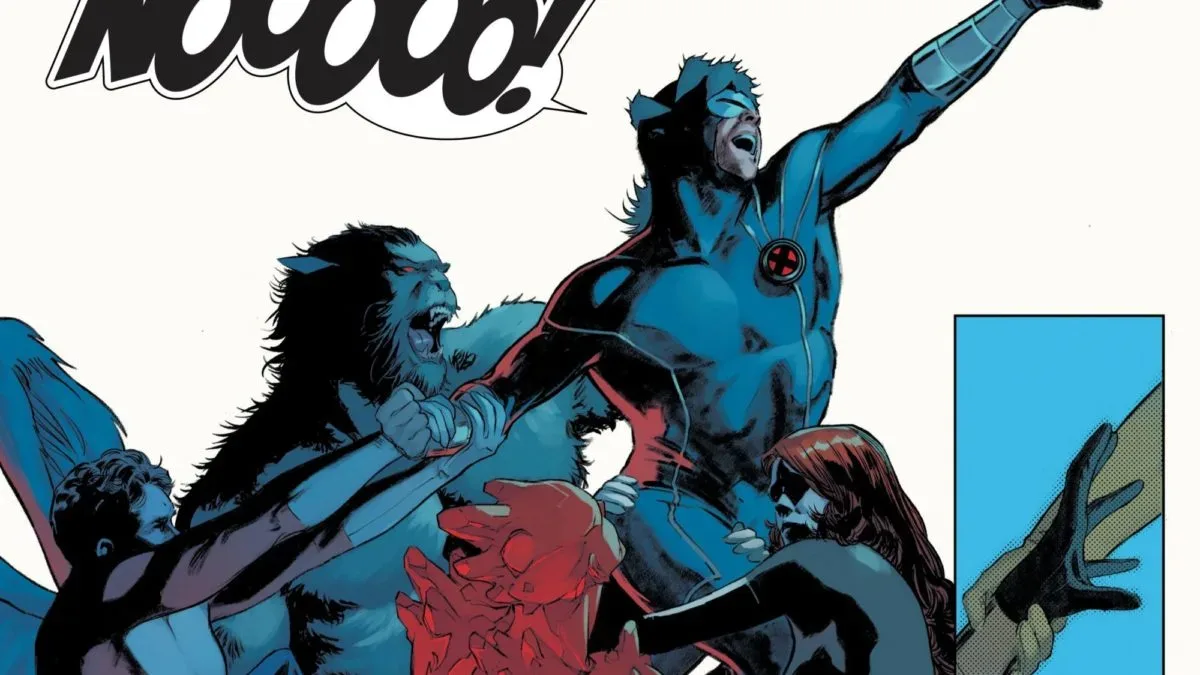
Spoilers for Midnight X-Men #2 follow.
Midnight X-Men #2 turns its vampire premise into a grim piece of mutant bookkeeping. Written by Jonathan Hickman with art by Matteo Della Fonte, the issue identifies who has been made into a vampire, who created whom, who remains under a vampire’s control without apparently being turned, and which mutants did not survive the encounter at all.
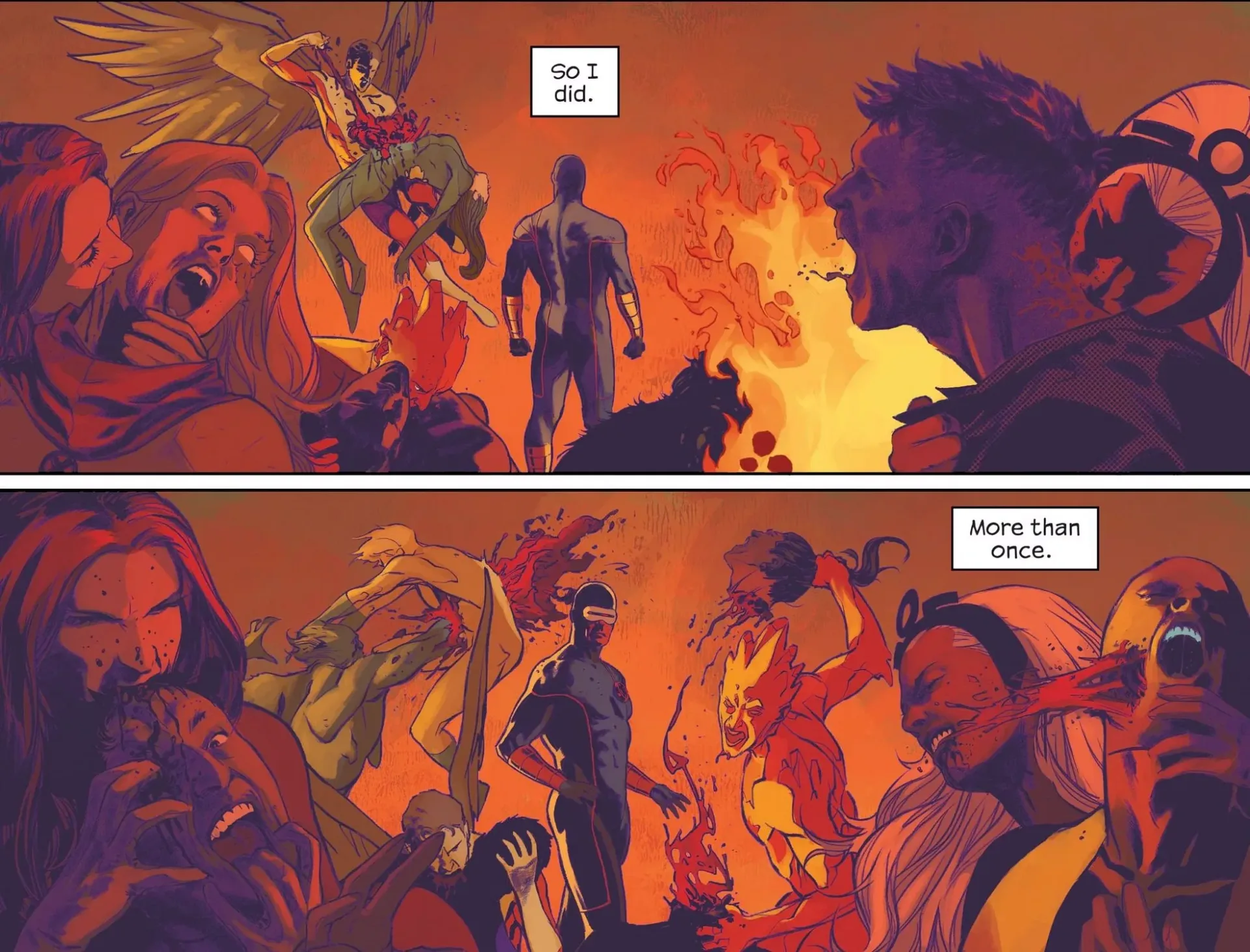
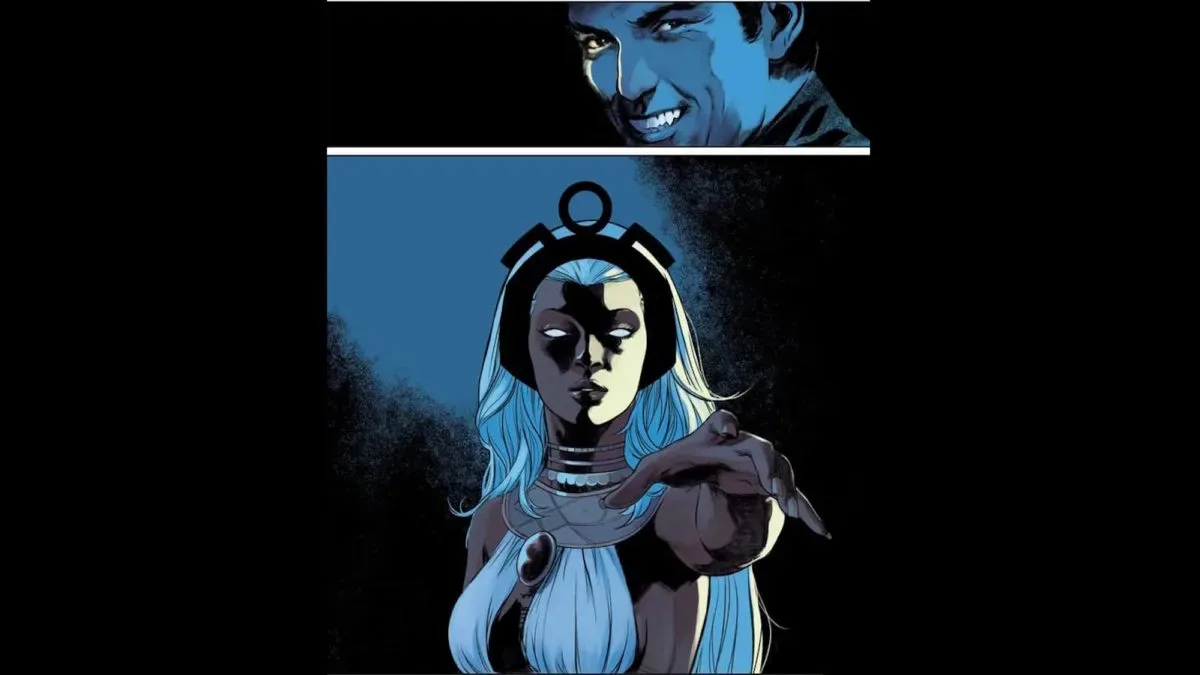
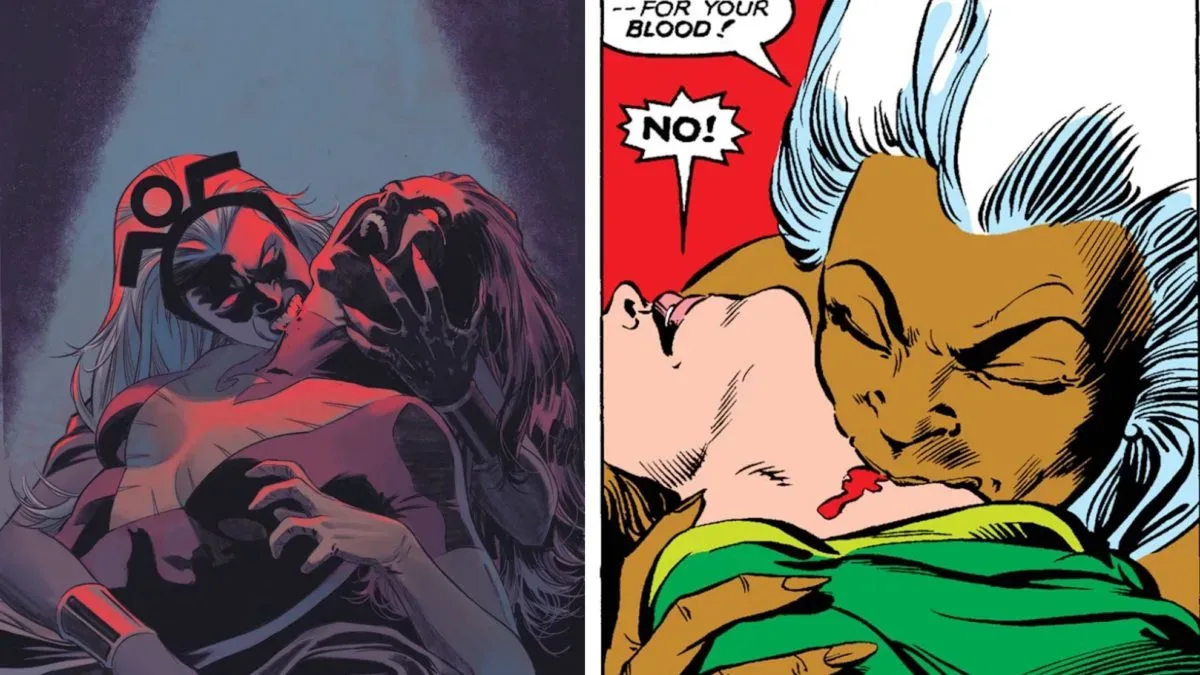
The central reveal is the extent of Dracula’s direct influence. Dracula has turned Storm, Iceman and Phoenix. Those three, in turn, have already extended the outbreak through their own conversions. The result is not simply a roster of familiar X-Men in vampire form; it is a clear lineage that establishes a growing hierarchy and shows how quickly one initial attack can reshape an entire mutant community.
The issue is on sale November 18, 2026, for $4.99. It arrives alongside Midnight Spider-Man #2 and Midnight Fantastic Four #2, positioning the X-Men chapter as part of a wider Midnight release.
Every confirmed vampire conversion in Midnight X-Men #2
At the top of the revealed chain is Dracula, whose direct converts are:
- Storm
- Iceman
- Phoenix
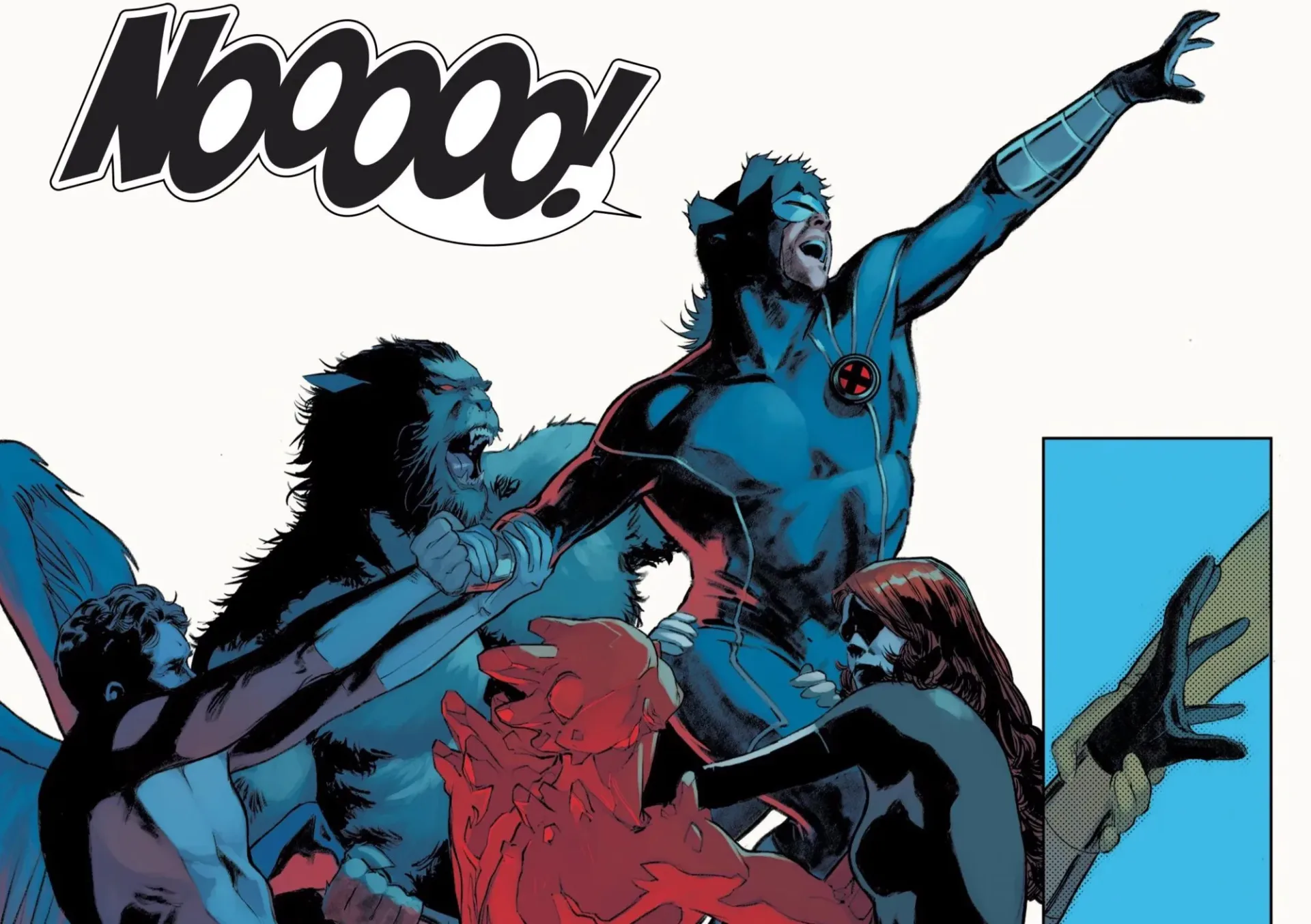
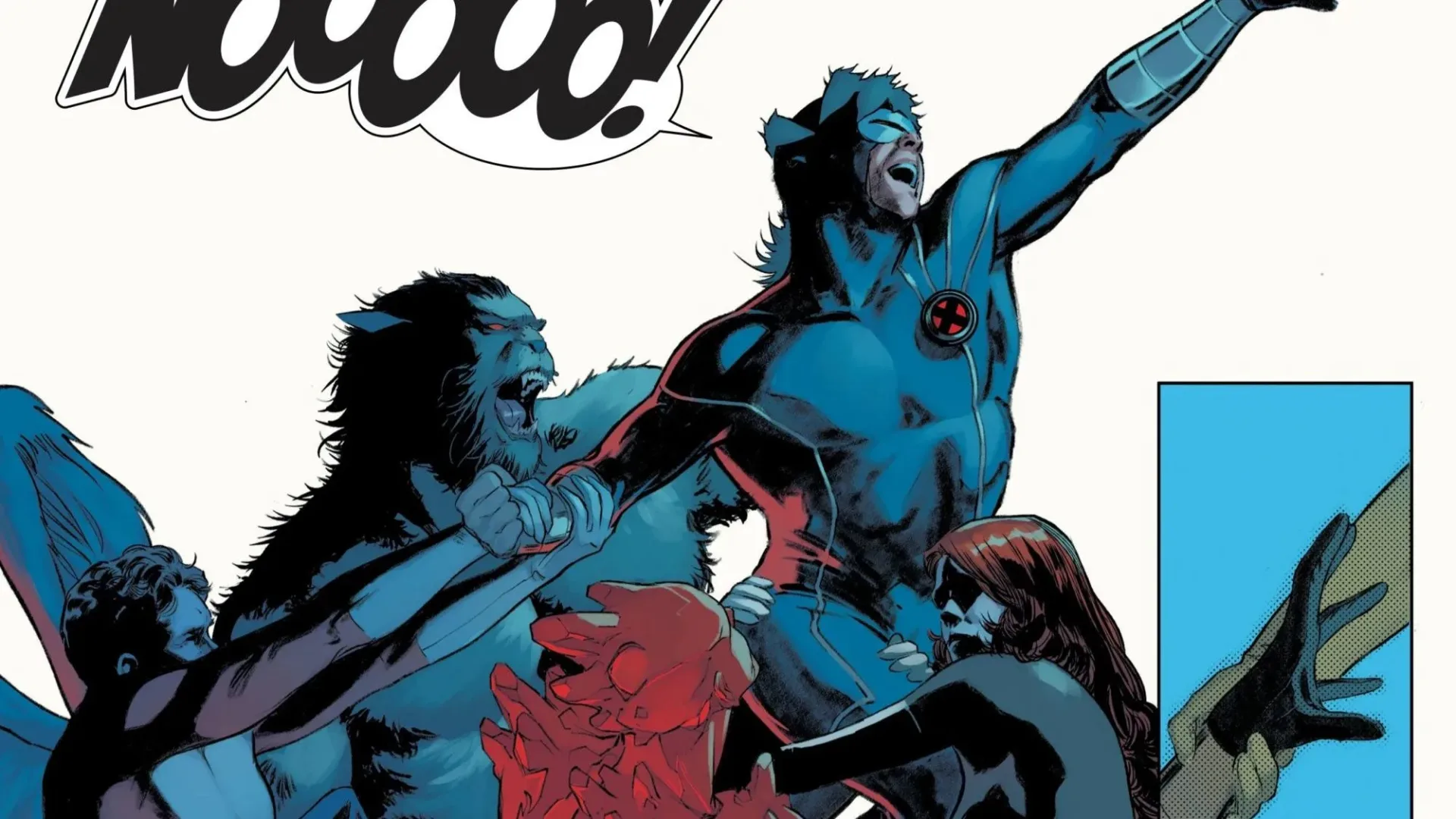
Storm’s own vampire branch is the largest of those named in the issue. She has turned Angel, Beast, Banshee and Rusty Collins. That immediately gives the infection a sense of acceleration: a single conversion is no longer an isolated tragedy when the converted character can produce several more vampires.
Beast then turns Thunderbird, while Banshee turns Umbra. Phoenix turns Husk, and Iceman turns Rictor. In straightforward lineage form, the known network currently looks like this:
- Dracula → Storm, Iceman, Phoenix
- Storm → Angel, Beast, Banshee, Rusty Collins
- Beast → Thunderbird
- Banshee → Umbra
- Phoenix → Husk
- Iceman → Rictor
That structure matters because the issue does more than identify a collection of changed characters. It provides causality. Readers can distinguish Dracula’s original selections from the secondary spread driven by the new vampire mutants. Storm stands out as the major distribution point in the disclosed chain, with four direct converts and two of those converts—Beast and Banshee—continuing the process themselves.
There is an unsettling practical implication to that layout. An X-Men team normally gains strength through a broad group of allies with different abilities and loyalties. Here, the same social web becomes a vulnerability. The issue’s named lineage suggests that every fresh vampire can become another source of conversion, with trust, proximity and established relationships potentially becoming weapons for the expanding vampire side.
Wolverine apparently cannot be turned
Wolverine is a crucial exception. His healing factor prevents him from being turned. The issue does not provide a wider rule that makes all regenerative mutants safe, nor does it explain every limit of Wolverine’s resistance. Still, the stated result gives the surviving side an important point of difference: vampirism is not presented as an automatic outcome for every mutant Dracula’s forces attack.
In this context, a healing factor is the mutant ability associated with rapid recovery from injury or biological harm. Midnight X-Men #2 specifically connects Wolverine’s healing to his failure to convert. That does not necessarily mean the condition is easily cured, transferable, or vulnerable to any other medical intervention; it only establishes Wolverine’s resistance to being turned.
It also raises a useful narrative tension. Wolverine may be harder to claim as a vampire, but immunity to conversion is not the same thing as immunity to danger. The issue separately establishes that vampires may choose outcomes other than turning a mutant. Resistance can make someone difficult to recruit without guaranteeing their safety.
Cyclops is enthralled by Phoenix, not listed as a vampire
Cyclops occupies a different and potentially more complicated category. Rather than being identified as a vampire, he is described as being in Phoenix’s thrall.
Enthrallment, as presented in the issue, is a vampire’s supernatural domination of another person. The distinction is important. A thrall is controlled by a vampire master, but the information disclosed here does not classify Cyclops as another completed vampire conversion. He is under Phoenix’s influence, making his status a story problem of agency and control rather than simply another entry in the bloodline chart.
The issue frames this control through an in-world Muir Institute report. It says medical observation has recorded both brain and body responses in enthralled human and mutant subjects. Those reactions include an endorphin surge and strong stimulation in mesolimbic pathways, followed by painful withdrawal when the vampire’s influence weakens.
Endorphins are chemicals associated with pain relief and pleasurable sensation. The mesolimbic pathway is commonly used to describe a brain circuit involved in motivation, reinforcement and reward. Within the comic’s fictional medical framing, the point is clear: enthrallment does not merely resemble an order imposed from outside. It creates a physiological and psychological state that can reinforce attachment to the vampire and make separation agonizing.
The report says attempts to interrupt the effects with pharmaceuticals have failed. That is a particularly bleak detail for Cyclops’ situation. It removes the easy expectation that a laboratory solution can simply neutralize the condition. The report instead suggests a master-and-servant connection that conventional analysis has not fully captured.
It additionally notes that vampire “empyres” with telepathic mutant powers have demonstrated influence over humans and mutants far exceeding normal recorded levels. The term is used in the report for these vampire figures, while telepathic refers to mental powers that can affect thoughts or minds. Phoenix’s hold over Cyclops is therefore given both an emotional-horror dimension and a pseudo-clinical explanation: his apparent susceptibility is not evidence that the threat is trivial, but evidence that the threat operates beyond ordinary medical countermeasures.
The five mutants who were eaten
Not every victim becomes part of the vampire hierarchy. Skids, Hellion, Graymalkin, Match and Velocidas are identified as having been eaten.
The issue’s Index Nominum Pallidorum offers the story’s explanation for this especially brutal choice. Consuming a mutant whole, rather than turning them or simply feeding from them, gives a vampire an experience vastly greater than consuming a human. The statement leaves several questions open: it does not define precisely what is gained, how long the effect lasts, or whether every vampire can benefit identically. But it does establish that mutants represent more than an available food source in this setting.
That revelation changes the stakes of an encounter. For the vampires, a mutant can be a potential recruit, a controlled thrall, a victim used for feeding, or a target for total consumption. For the remaining mutants, survival is not merely about avoiding infection. The threat has multiple outcomes, and the most final one is explicitly treated as unusually rewarding to the predator.
The concept also places a particularly savage pressure on the broader superhero premise. If mutants are valuable to vampires in a way humans are not, then their powers and identities become part of the horror rather than a straightforward defense against it. That is a different kind of monster story from one where the only question is whether a bite creates another creature of the night. For a little fantasy-monster context outside Marvel’s vampire outbreak, Joking Joystick has also explored why a dragon reference can carry major weight in a fantasy world.
What the issue confirms—and what it leaves unanswered
Midnight X-Men #2 provides unusually direct answers about the immediate mutant vampire network. Dracula turned Storm, Iceman and Phoenix; Storm converted Angel, Beast, Banshee and Rusty Collins; Beast, Banshee, Phoenix and Iceman each make one further named convert. Wolverine resists turning due to his healing factor. Cyclops is controlled by Phoenix. Skids, Hellion, Graymalkin, Match and Velocidas have been eaten.
But the issue also preserves major unknowns. The status of Professor X is not resolved by the details presented here. The information does not say whether he has been turned, enthralled, eaten, escaped, or remains outside the conflict. Likewise, the disclosed medical material establishes that pharmaceutical efforts against enthrallment have failed, but it does not rule out every imaginable solution or identify a path to freeing Cyclops.
That balance makes the issue’s named roster more than a spoiler checklist. It gives readers a map of the immediate catastrophe without claiming that the map is complete. Dracula’s line has spread through several prominent mutants, Phoenix’s control of Cyclops introduces a separate threat within the surviving side, and the fate of the eaten mutants makes clear that conversion is not the only danger. The Midnight X-Men are not facing one uniform condition; they are facing an expanding system of vampirism, coercion and predation.
Shop the products
Check current price, model and availability at the retailer.