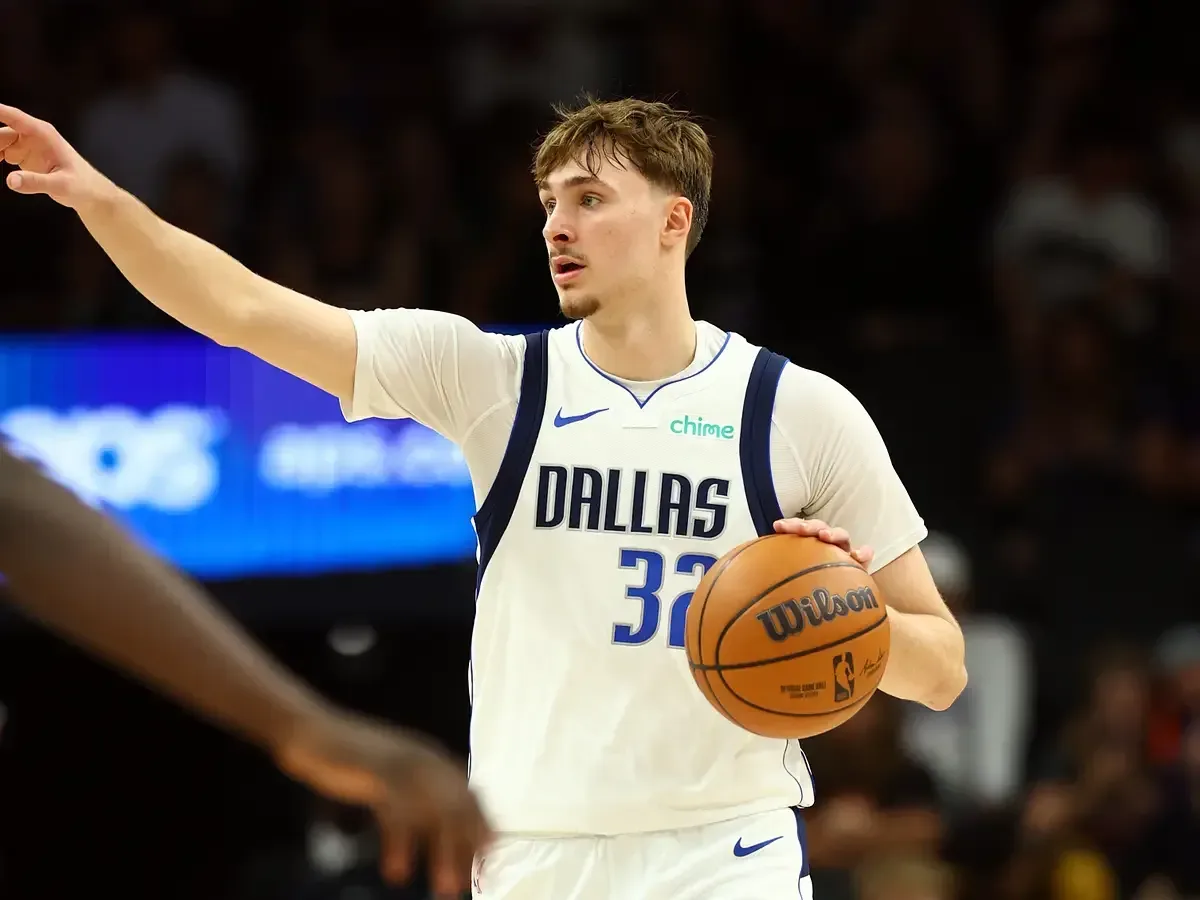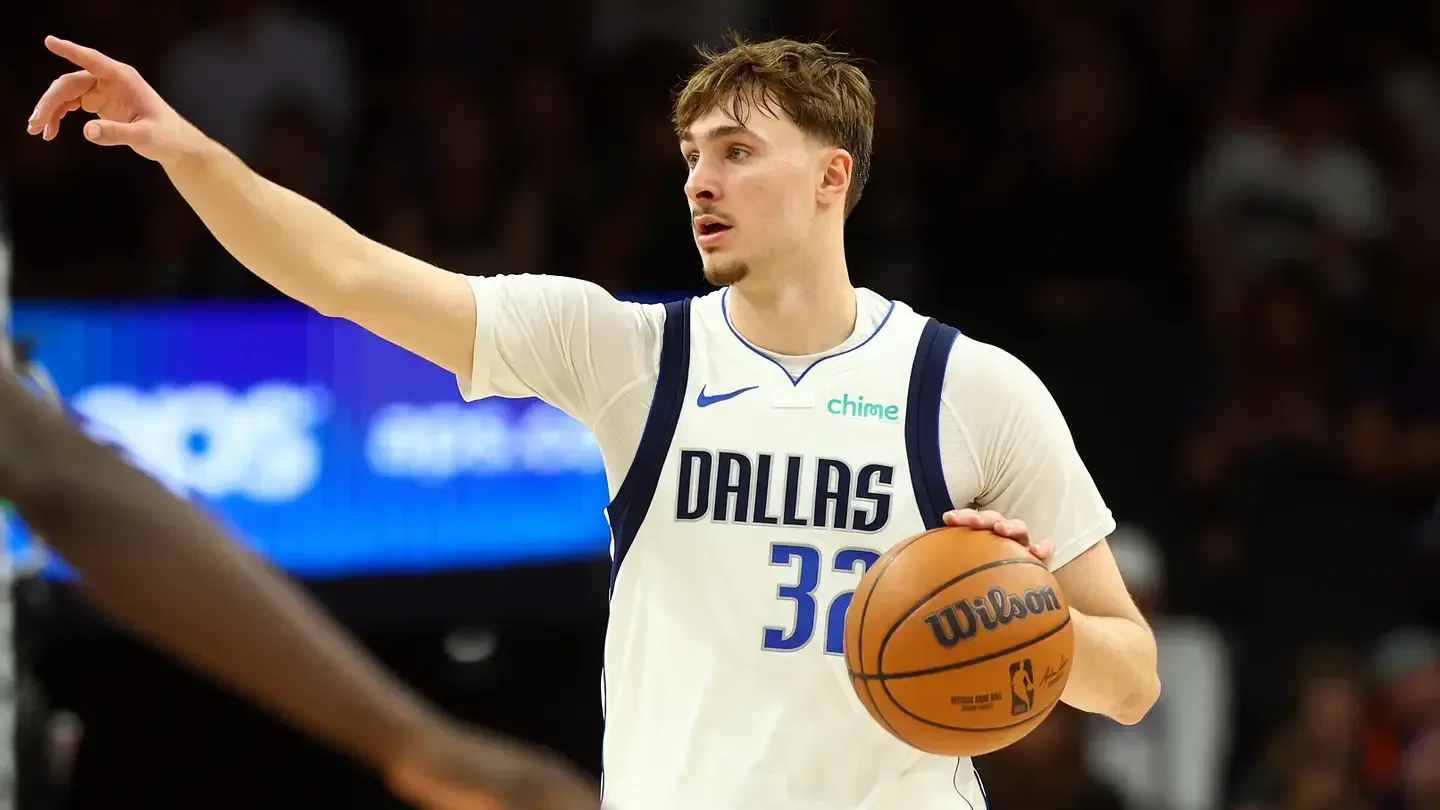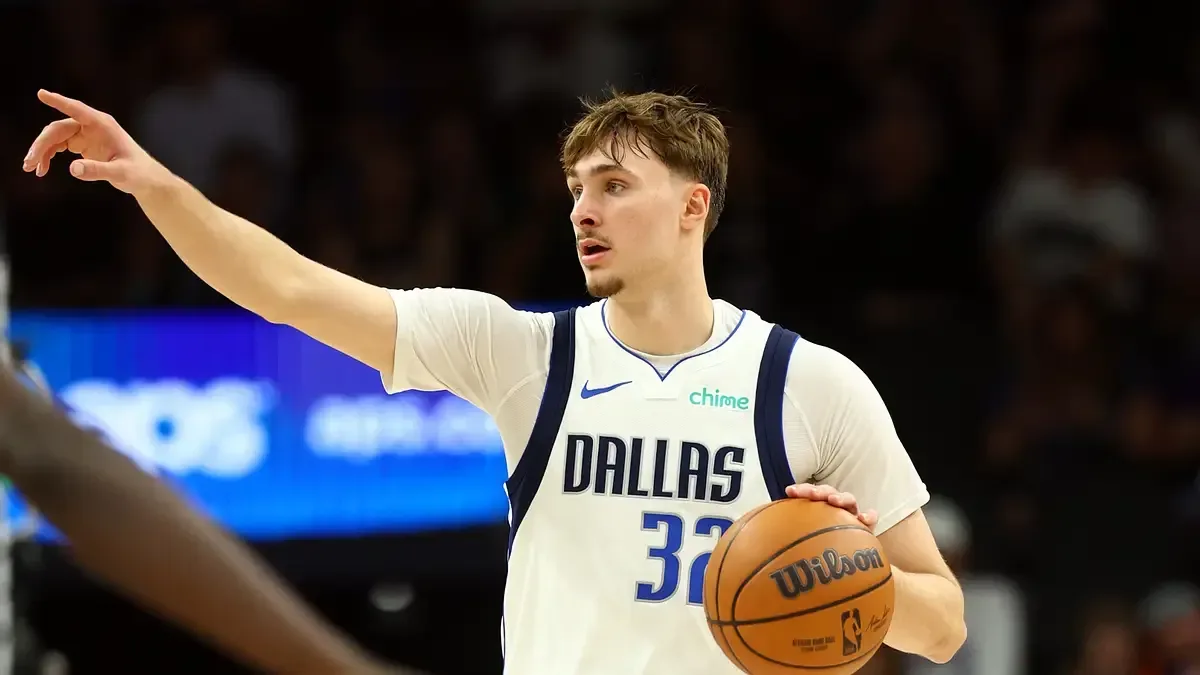
Cooper Flagg has moved from being one of basketball card collecting’s biggest current names to becoming a hobby-shop owner. Flagg Trading Co., opened with his cousin Tyler Flagg, held its grand opening in Bangor, Maine, on September 12.
The response made the local interest clear: collectors reportedly began lining up at 3 a.m. for the store’s 10 a.m. opening. For a shop built around an athlete whose cards are central to a current premium-product chase, that turnout is notable. More importantly, the store puts a physical gathering point in the same part of Maine that shaped Flagg’s early basketball story.
Bangor is roughly 26 miles, or about 30 minutes, from Newport, where Flagg grew up and attended Nokomis Regional High School before transferring to Montverde Academy. The location gives Flagg Trading Co. an obvious hometown connection rather than positioning it solely as a celebrity-branded stop.
A shop tied to Maine roots
Flagg’s connection to the state is already visible in his card history. His first Bowman card arrived in 2024-25 Bowman University, and he inscribed a 1/1 Superfractor autograph with “From the 207,” a reference to Maine’s area code.
That inscription matters because sports cards can turn small player-specific details into part of a card’s identity. A signature is not merely a name on the card; a distinct inscription can connect the item to a player’s place, career moment or personal story. In this instance, the line directly reinforces the same Maine identity behind the new store’s Bangor location.
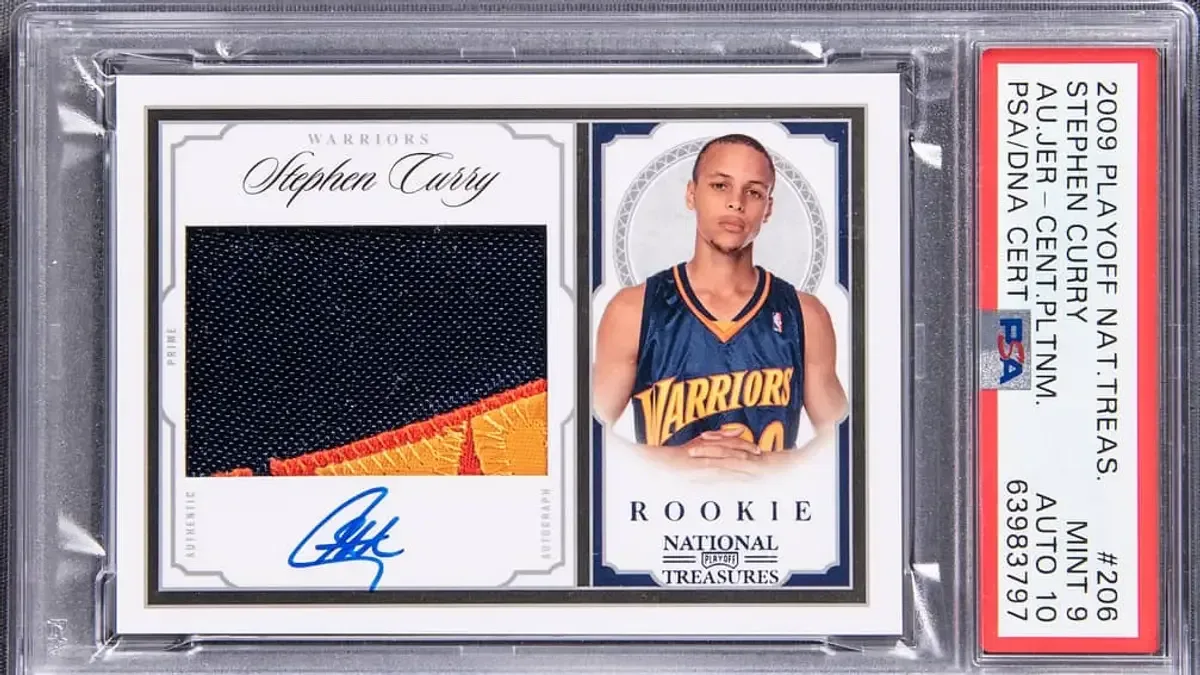
The terminology attached to that card also explains why collectors pay close attention. A 1/1, spoken as “one of one,” denotes a card with a stated print run of one. A Superfractor is a named, highly limited parallel format in Bowman products. An auto is collector shorthand for an autograph card. None of those labels automatically establishes a future sale price, but together they identify an exceptionally scarce signed version rather than an ordinary base card.
For Maine-area collectors, Flagg Trading Co. creates a place where that local link can be discussed and shared beyond a single online listing or headline. The opening crowd suggests that the shop arrives with immediate attention. Whether that becomes a lasting community fixture will depend on its ongoing role as a destination for collectors, but the combination of hometown proximity and Flagg’s card-market profile gives it a distinct starting point.
Flagg’s key rookie card is still in auction
The shop opening comes shortly after another major Flagg card entered the spotlight. In early August, RhodyBreakers pulled a 2025-26 Topps NBA Debut Rookie Patch Auto 1/1 in Rhode Island. RhodyBreakers is part of Baseball Cards of Rhode Island, a retail shop.
Related coverage includes Cooper Flagg Opens Flagg Trading Co. in Maine as Card Hobby Momentum Keeps Building.
The card is now in the Fanatics September Premier auction. At the time reflected here, bidding stood at $2.2 million with 10 days remaining. That is a live-auction figure, not a final price, and it is especially important to keep that distinction in view. Bids can change before the lot closes, while fees and other transaction details can affect how a final result is discussed afterward.
Collectors often abbreviate Rookie Patch Auto as RPA. The phrase describes a card that combines three major collecting elements: rookie-card status, a patch or memorabilia component, and an autograph. “Debut” in this product’s name signals the card’s connection to Flagg’s NBA arrival, while the 1/1 designation establishes that only one copy of that specific version exists.
It is also described as the set’s main chase. In hobby language, a chase card is the high-interest pull that can drive attention toward sealed packs and boxes. The term is about collector demand and the hunt for a particular card; it is not a guarantee of a particular auction outcome. Still, the $2.2 million bid level with time left in the sale shows why this Flagg RPA has become a focal point.
The card is expected to reach seven figures, but that remains an expectation until the auction is complete. The more concrete point is that Flagg’s collectible presence is currently operating on two tracks at once: a one-of-one card in a major auction and a new brick-and-mortar shop in his home state.
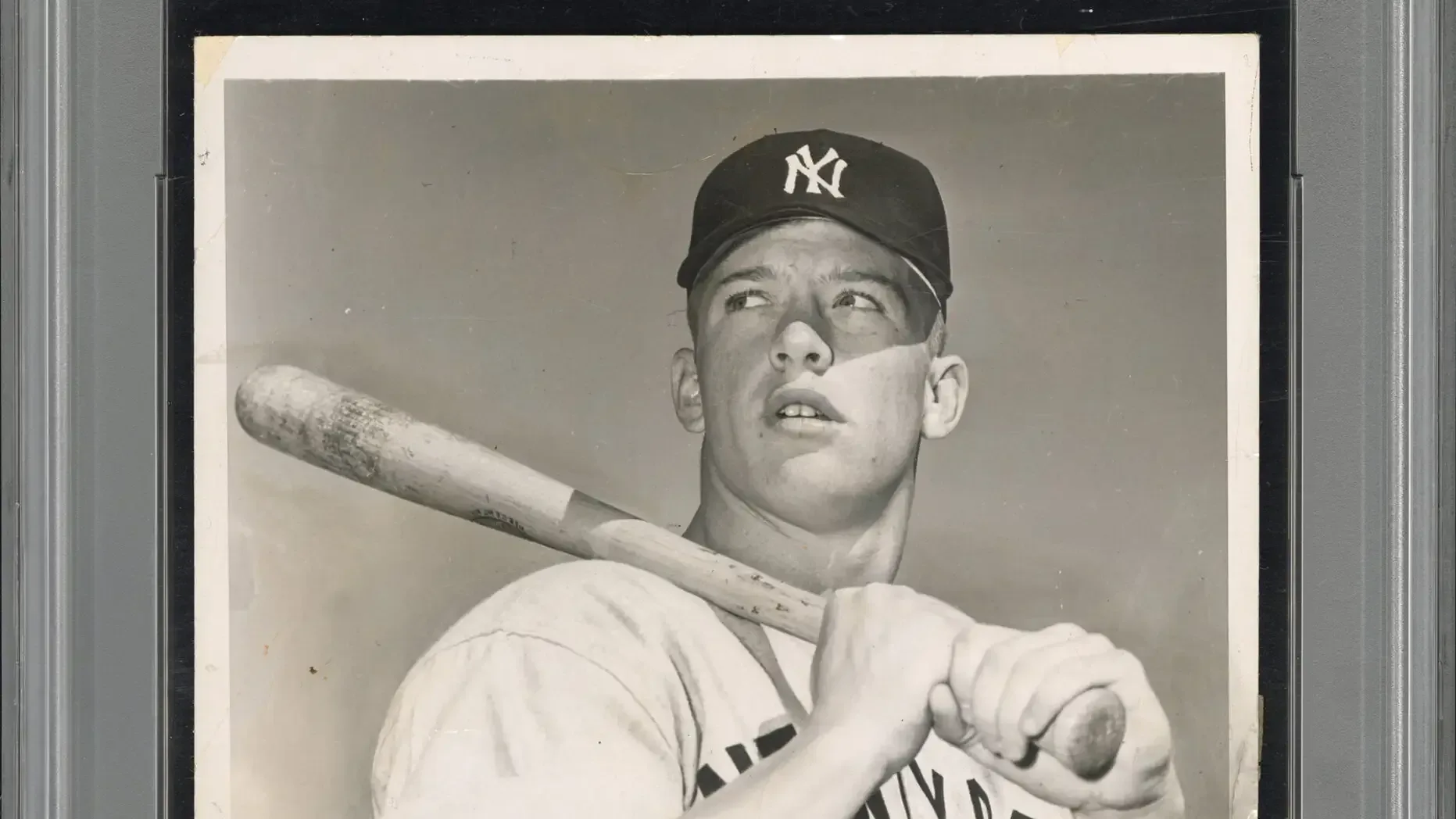
High-value cards frequently generate interest beyond the particular athlete or product involved. The recent private $3 million sale of the original photo connected to the 1952 Topps Mickey Mantle card is another example of how the stories and source material around landmark collectibles can become collectibles themselves. That Mickey Mantle-related photo sale concerned a different era and object, but it illustrates the wider attention that rare, narrative-rich card items can attract.
A growing athlete-owned hobby-shop group
Flagg joins a small but growing group of professional athletes with a direct stake in card-shop retail. Tom Brady’s Card Vault by Tom Brady has 20 stores open nationwide, including a Dallas location outside American Airlines Center, where the Dallas Mavericks play.
Candace Parker announced in April that she was partnering with Score More Sports on a Charlotte, North Carolina, card store expected to open in October. Mo Bamba Cards and Collectibles Store opened near the University of Texas at Austin campus on September 11, one day before Flagg Trading Co.’s grand opening.
These projects should not be treated as identical simply because each involves an athlete and a card shop. The available details point to different cities, partners and scales. Brady’s operation, with 20 open shops, is a larger nationwide footprint. Parker’s announced Charlotte project was still expected to open in October. Bamba’s and Flagg’s stores are newly opened locations with their own local settings.
What they share is a direct connection between athlete visibility and the physical side of the card hobby. A hobby shop is more than a place to display expensive singles. It can serve collectors looking for sealed products, individual cards and opportunities to talk through a release or a pull. The evidence around Flagg Trading Co.’s opening does not specify its inventory, services or event schedule, so those details remain unknown. But the early line outside the shop indicates collectors were motivated to show up for the launch itself.
What the opening means for collectors
For collectors evaluating this story, it is useful to separate the confirmed developments from the speculative ones. Confirmed: Flagg and Tyler Flagg opened Flagg Trading Co. in Bangor on September 12; the opening drew an early-morning line; and Flagg’s Topps NBA Debut Rookie Patch Auto 1/1 had reached $2.2 million in live bidding with 10 days left at the stated point in time.
Not yet confirmed: the rookie patch autograph’s final auction total and how the store will develop after its opening-day interest. The card’s projected seven-figure finish is plausible as an expectation attached to a headline 1/1, but no forecast substitutes for a completed sale. Likewise, a strong first morning is a meaningful signal, not a complete measure of a shop’s long-term place in its community.
Even so, the timing is unusually clean. Flagg’s cards have a premier 1/1 auction story, his Maine-themed Bowman inscription points back to his roots, and his first shop now sits close to Newport. Flagg Trading Co. gives that connection a permanent address in Bangor, while collectors follow the still-unfinished auction for one of the season’s most prominent basketball cards.