October can make a baseball card feel newly important in a single night. A late home run, a shutdown postseason start or a surprise series run does not alter a card’s print run, condition or place in a checklist. It can, however, radically change the attention around the player pictured on it. That distinction matters for collectors weighing six American League names whose markets may be especially sensitive to playoff performance.
The players below are not identical opportunities, and they should not be treated as if they are. Some are established stars whose cards already reflect major expectations. Others are rookies, injured players returning to form, or players whose most accessible cards have comparatively modest recent sales. A deep run is never guaranteed, and even a memorable game need not create lasting demand. But the combination of a compelling story, visible October moments and an easy-to-identify card can bring short-term hobby movement.
Collectors should also separate collecting from speculation. A low purchase price does not make a card low-risk, while an expensive parallel is not automatically a better choice. A refractor is a shiny, reflective parallel treatment commonly found in Chrome-style products; a base refractor is generally more available than serial-numbered color parallels. A card graded PSA 10 has received a Gem Mint grade from PSA, but it remains a particular copy of a card—not a guarantee that every raw version will perform the same way.
With that framing, here are six American League playoff names whose postseason narratives have clear reasons to resonate with card collectors.
Jeremy Peña: an October track record that still carries weight
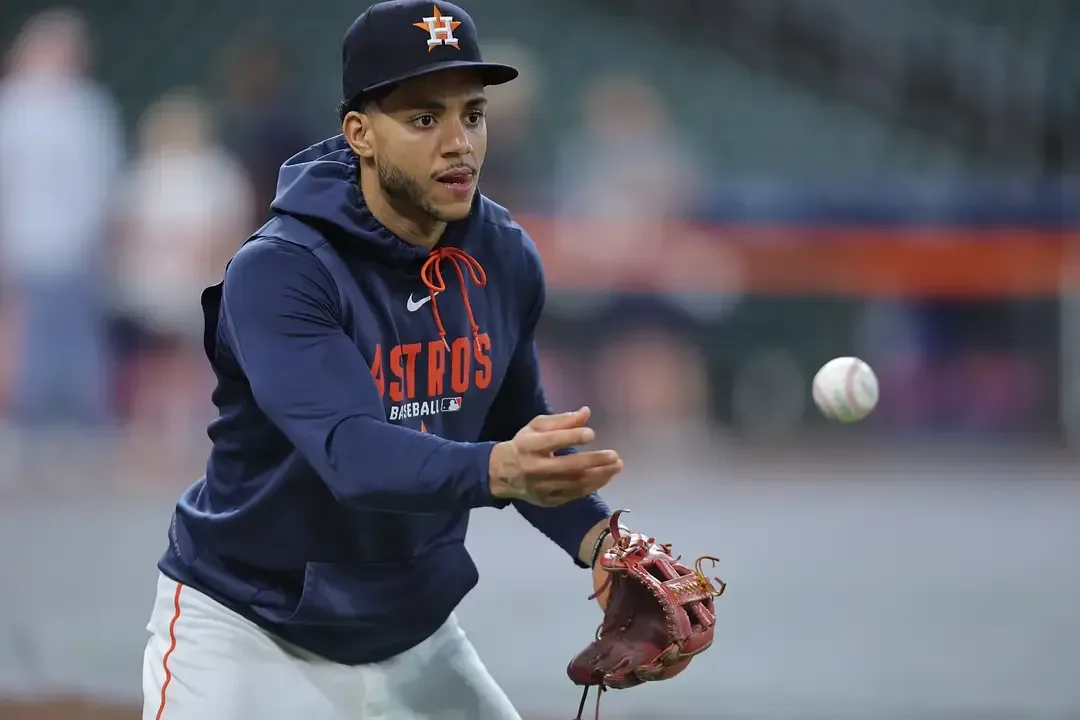
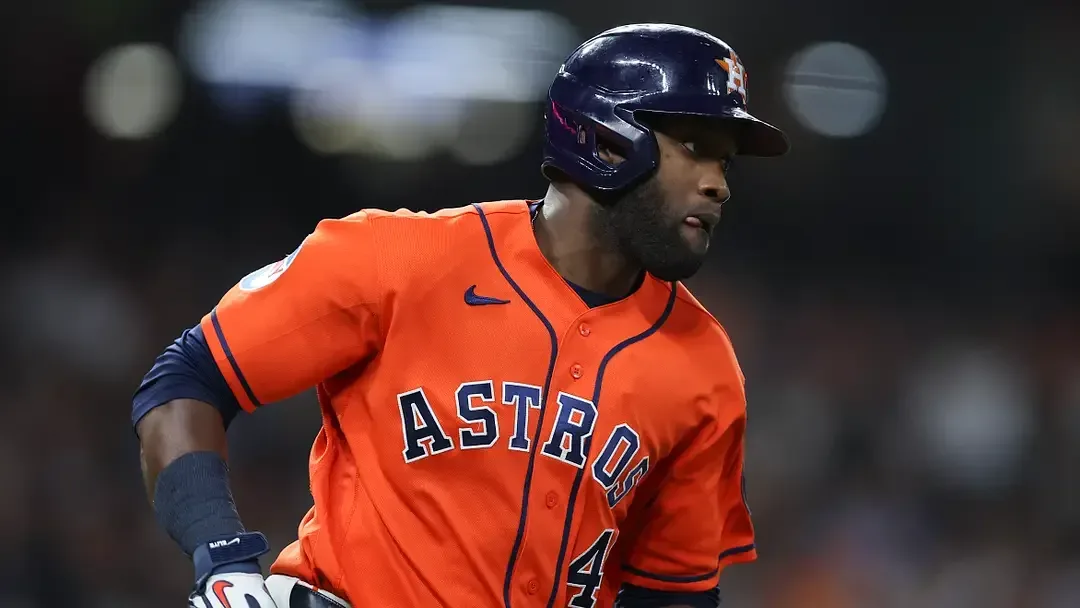
Houston shortstop Jeremy Peña has the most straightforward postseason case in this group because he has already authored one. As a rookie in 2022, Peña hit .345 with four home runs and eight RBI in the playoffs, collecting both American League Championship Series MVP and World Series MVP honors as Houston beat Philadelphia for the championship. That kind of résumé gives collectors a ready-made point of reference if Peña becomes a central figure again.
His 2026 regular season supplied useful support. Despite appearing in a career-low 112 games, Peña matched his career high with 22 home runs, hit .277 and drove in 56 runs. The appeal is not that a new playoff run would introduce him to collectors; it is that it could reconnect the hobby with one of the defining performances of his rookie year.
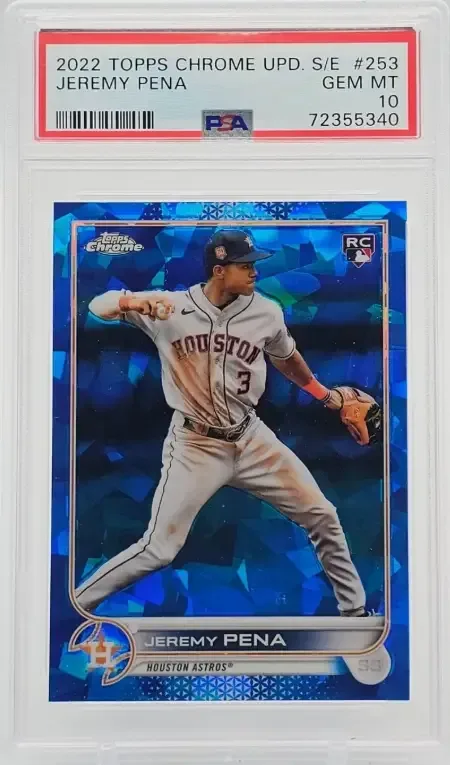
For collectors seeking a recognizable rookie-era card, the 2022 Topps Chrome Sapphire route has a clear recent benchmark: a PSA 10 Peña rookie sold at auction for $19. That is a notable contrast with the scale of his playoff pedigree, though it should be viewed as one reported sale rather than a universal valuation. Sapphire’s distinctive Chrome presentation makes the card easy to explain and identify, a practical benefit when interest is driven by a fast-moving moment.
Munetaka Murakami: power remains the obvious catalyst
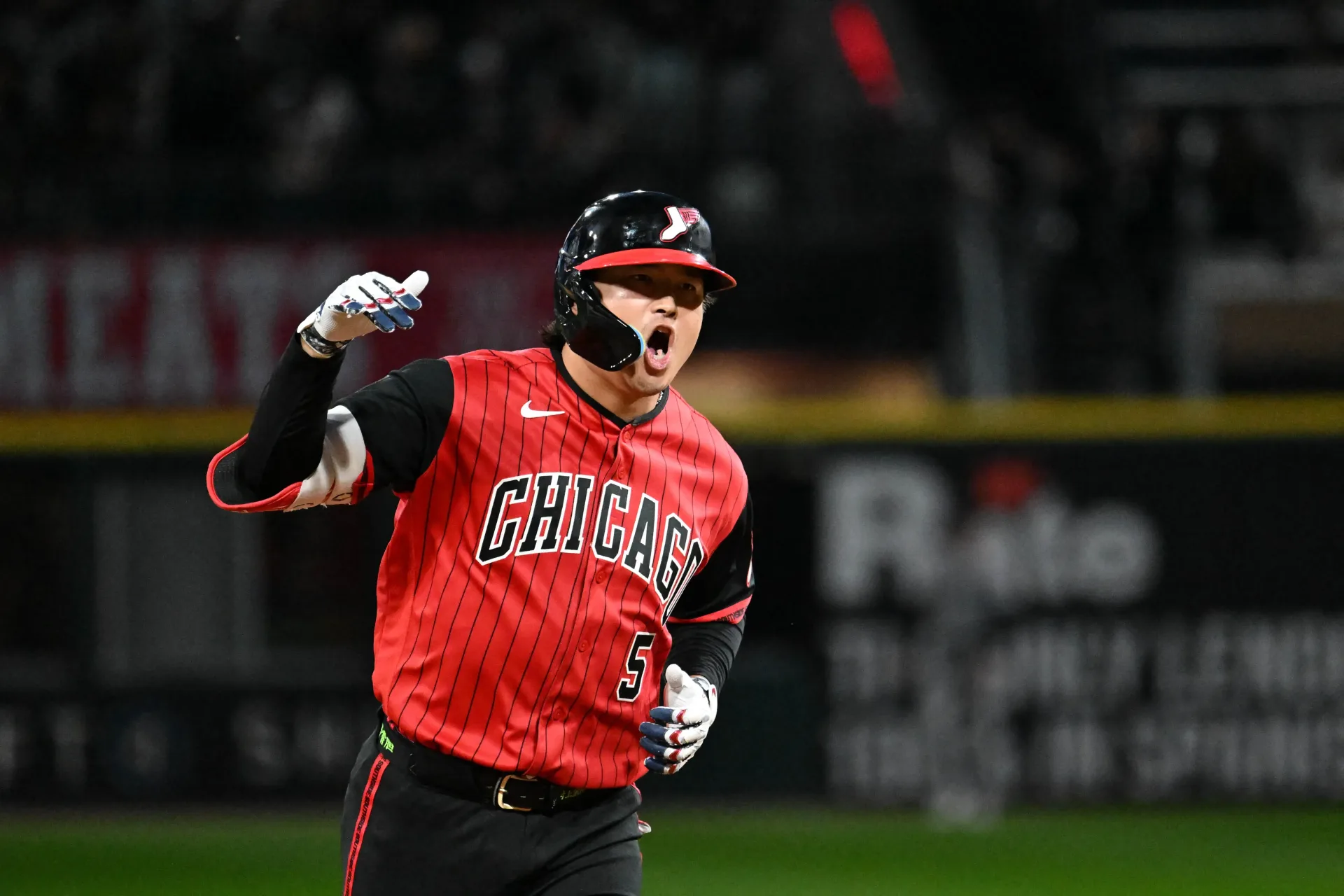
Chicago’s Munetaka Murakami presents a much more volatile profile. His rookie season included a difficult batting average, but his power production was substantial: 35 home runs and 77 RBI in 127 games. In an October setting, the easiest route for that profile to catch fire is equally obvious. A few consequential home runs can overwhelm broader concerns in the short term and put a power hitter at the center of the conversation.
Related coverage includes 6 American League Playoff Card Targets to Watch Before October Starts.
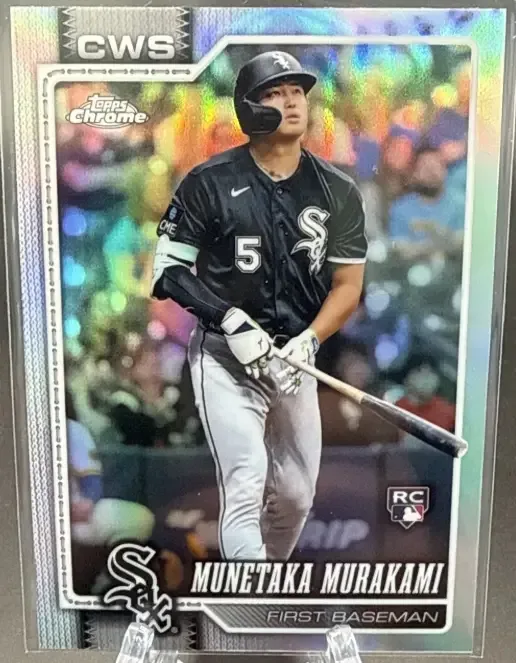
Murakami had already experienced a period of elevated hobby interest during the summer before an injury interrupted the momentum. That does not ensure a repeat, but it does demonstrate that collectors have shown willingness to engage with his market. His cards also illustrate why card selection matters. Parallels have retained stronger prices, while a recent sale of his 2026 Topps Chrome rookie refractor came in just under $10.
That price gap is useful context rather than a promise. A parallel is a version differentiated from the standard issue by design, color, numbering or another variation, and scarcity can make it more sensitive to demand. The base rookie refractor offers a lower-cost entry point; the parallel may carry more scarcity but also a higher starting expectation. For a collector who simply wants a card tied to a possible October power story, the accessible refractor makes the thesis clear without requiring a large commitment.
Travis Bazzana: rookie momentum meets a first postseason
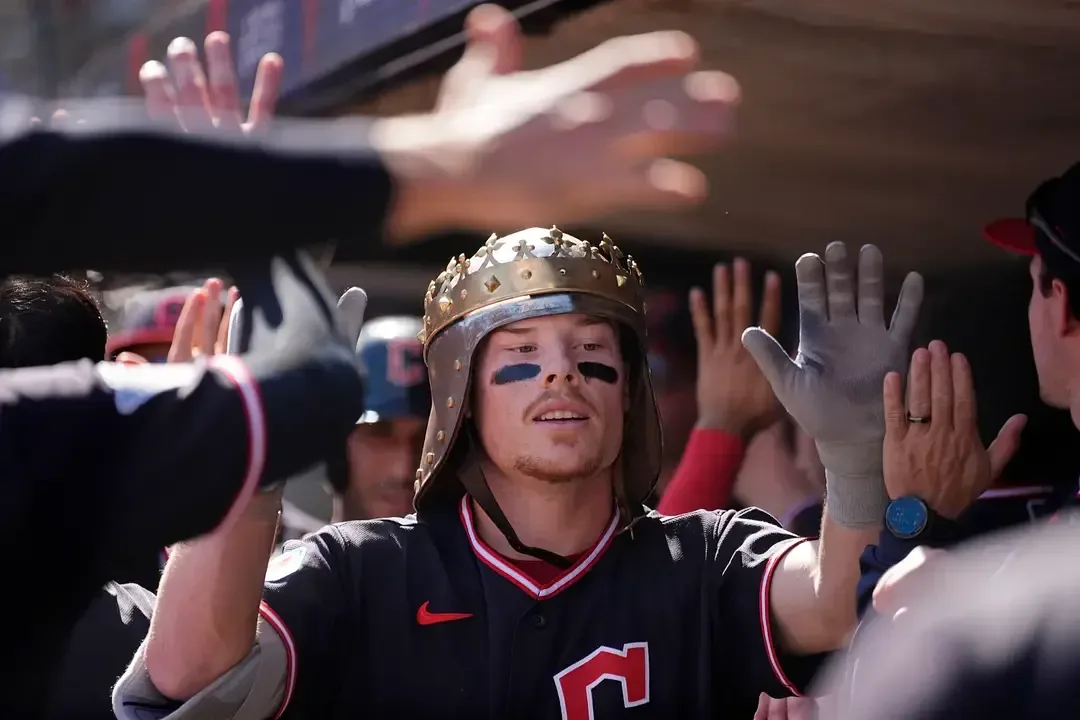
Cleveland second baseman Travis Bazzana brings the classic rising-rookie angle. The former No. 1 overall pick finished his first Major League season with a .245 average, 15 home runs and 57 RBI, but his more recent production is what sharpens the playoff argument. Over his previous 30 games, Bazzana batted .288 with six homers and 21 RBI.
A late-season upswing can give a rookie a cleaner runway into October than season-long totals alone suggest. It does not establish a permanent level of performance, but it gives collectors a recent, concrete reason to pay attention. Add a first postseason appearance and an Australian-born player’s distinctive background, and there is a narrative that can build quickly if the on-field moments arrive.
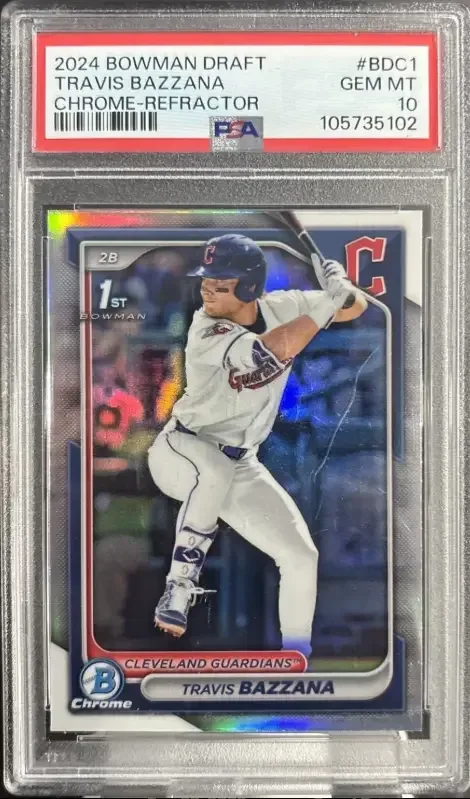
The relevant prospect-card reference is his 2024 Bowman Draft Chrome 1st. In hobby language, a player’s Bowman 1st is often treated as a key early licensed prospect card, making it a familiar focal point before or around a player’s full rookie-card cycle. A PSA 10 of Bazzana’s 2024 Bowman Draft Chrome 1st most recently sold for $140. That is not an entry-level price in the same sense as a $10 refractor, but it is presented as comparatively inexpensive beside certain other highly watched rookies.
For collectors, Bazzana is a reminder that prospect cards and rookie cards answer different questions. The Bowman 1st prioritizes early prospect significance. A mainstream rookie card may offer a more direct connection to the player’s Major League arrival. Neither is automatically superior; the choice depends on which chapter of the player’s story the collector actually wants to own.
Roman Anthony: a chance to reset a changed market
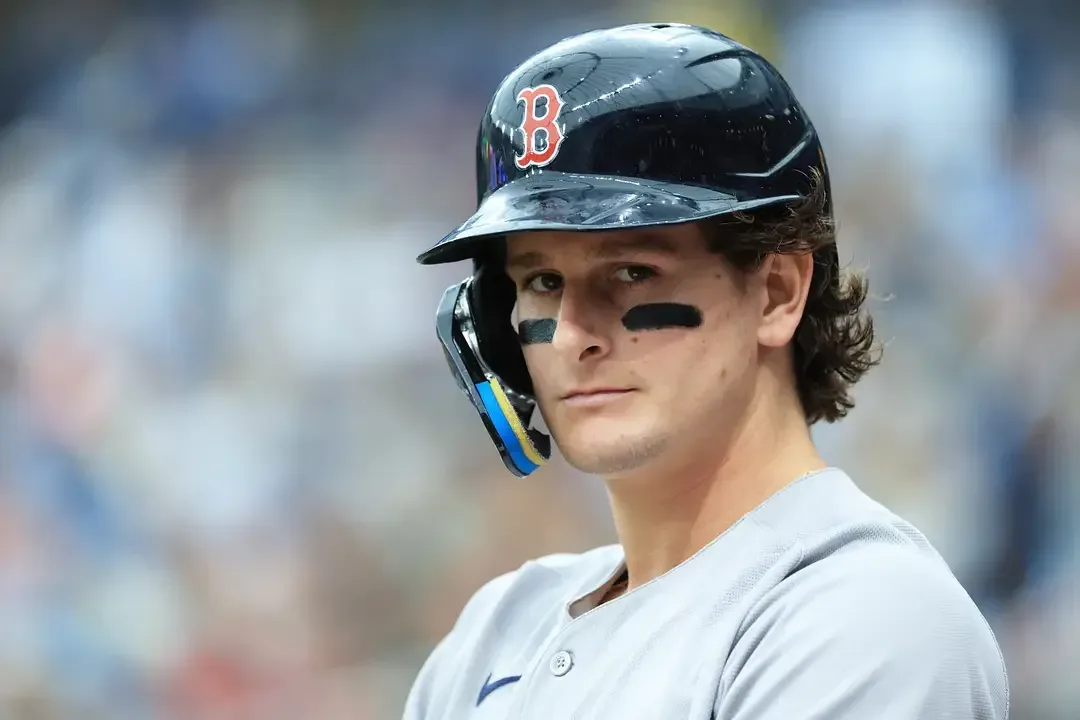
Boston outfielder Roman Anthony was a prominent prospect-market name after being drafted in 2022, and his rookie-year line in 2025—.292, eight home runs and 32 RBI in 71 games—helped strengthen that enthusiasm. The picture changed after a poor start to 2026 and then a lengthy absence from May 7 through August 30. That sequence helps explain why a postseason could matter so much: Anthony would not merely be trying to add to existing momentum, but to redirect an already altered market narrative.
His return has supplied encouraging evidence. Across his most recent 30 games, Anthony hit .273 with four home runs and 10 RBI. Those numbers are not a guarantee of an October breakout, but they establish a recovery-period foundation for someone entering his first postseason.
Anthony’s market has options at very different price levels. Certain Bowman Chrome 1st parallels and rookie cards still command premiums, while a 2026 Topps Chrome base rookie refractor has been available at around $10. That makes the refractor a simple collecting lane for those who value the Major League rookie designation and want exposure to the possibility of a postseason reset. The prospect parallel route is aimed more at collectors who want the earlier-draft identity that made Anthony a hobby favorite in the first place.
The lesson here is broader than one player: when a market has cooled, a playoff surge can attract renewed attention, but it also arrives with more uncertainty. A collector should not confuse “cheaper than before” with “undervalued.” It may be an affordable way to collect a player they believe in; it is not proof of an inevitable rebound.
Cam Schlittler: the pitcher with a prior big-stage signal
New York pitcher Cam Schlittler is the outlier on this list because his market is already hot. His inclusion rests less on bargain hunting than on the evidence that a high-profile postseason performance has already helped establish his hobby appeal. As a rookie, Schlittler posted a 1.26 ERA and struck out 12 Red Sox hitters in an American League Wild Card Series game.
For readers less familiar with pitching statistics, ERA, or earned run average, estimates how many earned runs a pitcher allows per nine innings. A 1.26 ERA is exceptionally low. In a playoff context, a 12-strikeout outing is the sort of unmistakable performance that can be replayed, discussed and attached to a player’s card market long after the game ends.
The pricing split in Schlittler’s cards is stark. His Topps Chrome rookie aqua refractor, numbered to 199, most recently sold for more than $500. Serial numbering means the manufacturer designated a finite quantity—in this case, 199 copies—giving that parallel a direct scarcity claim. By comparison, a base Topps Chrome rookie refractor most recently sold for $6.75.
That difference does not mean the inexpensive refractor will move in lockstep with the numbered aqua version. Scarcity, grade, buyer pool and eye appeal all affect how cards react. Still, Schlittler’s base refractor offers a materially lower-cost way to collect a pitcher whose playoff credentials are already established. It is also a useful example of why collectors should compare like with like: a base refractor and a numbered color parallel are related cards, not interchangeable assets.
Junior Caminero: exceptional production, with October still to be written
Tampa Bay third baseman Junior Caminero enters the postseason after the loudest regular-season line in this group: a .276 average, 42 home runs and 101 RBI. Those figures make the MVP conversation plausible and explain why his card market is already receiving attention. The tension for prospective buyers is straightforward. He has already done enough to create excitement, meaning a purchase is not purely a bet on an overlooked breakout.
Caminero did appear in two postseason games during his 2023 rookie season, but Tampa Bay’s return to the playoffs after three years gives him a fresh chance to become a more meaningful October figure. A player with 42 homers does not need a complicated playoff script to draw attention. Timely power is enough.
One lower-cost avenue is the 2024 Bowman’s Best rookie refractor, which most recently sold for under $7. Bowman’s Best is positioned below flagship Topps Chrome in the source material, offering collectors a less expensive route into Caminero while retaining the refractor-style visual appeal. It will not carry precisely the same hobby hierarchy as a flagship Chrome card, and that is part of the point: collectors can choose a product based on presentation and budget instead of assuming the most prominent release is the only meaningful one.
For more perspective on how scarcity and player milestones can shape sports-collectibles attention, see the growing focus on debut patches and historic jerseys. Card collecting has its own product-specific rules, but the shared principle is that a tangible item becomes more compelling when it is anchored to a story people want to remember.
How to approach the playoff-card rush
These six players represent different versions of the same October possibility: Peña has proven postseason mythology; Murakami has game-changing power; Bazzana has rookie momentum; Anthony has a recovery narrative; Schlittler has a prior playoff showcase; and Caminero has elite regular-season production. The best choice is not necessarily the one with the lowest last sale or the largest theoretical spike.
- Set the purpose first. Decide whether the purchase is for a personal collection, a player collection, a particular set, or an attempt to follow a short-term market event.
- Check the exact card. “Refractor,” “aqua refractor,” “Bowman 1st,” rookie card and PSA 10 all describe meaningfully different items.
- Use recent sales as reference points, not forecasts. A reported last sale shows what one buyer paid for one copy at one moment.
- Do not chase after the moment by default. The strongest on-field performance can bring the fastest attention, but the market response may be uneven and temporary.
- Buy the story you will still enjoy if the series changes. Baseball’s postseason is short, and even excellent players can have quiet Octobers.
That final point is the durable one. October can create heroes and jolt card markets, but it also compresses uncertainty into a few games. A card tied to a player or a design you genuinely appreciate has value to its owner even when the next swing, start or series does not produce the hoped-for hobby fireworks.