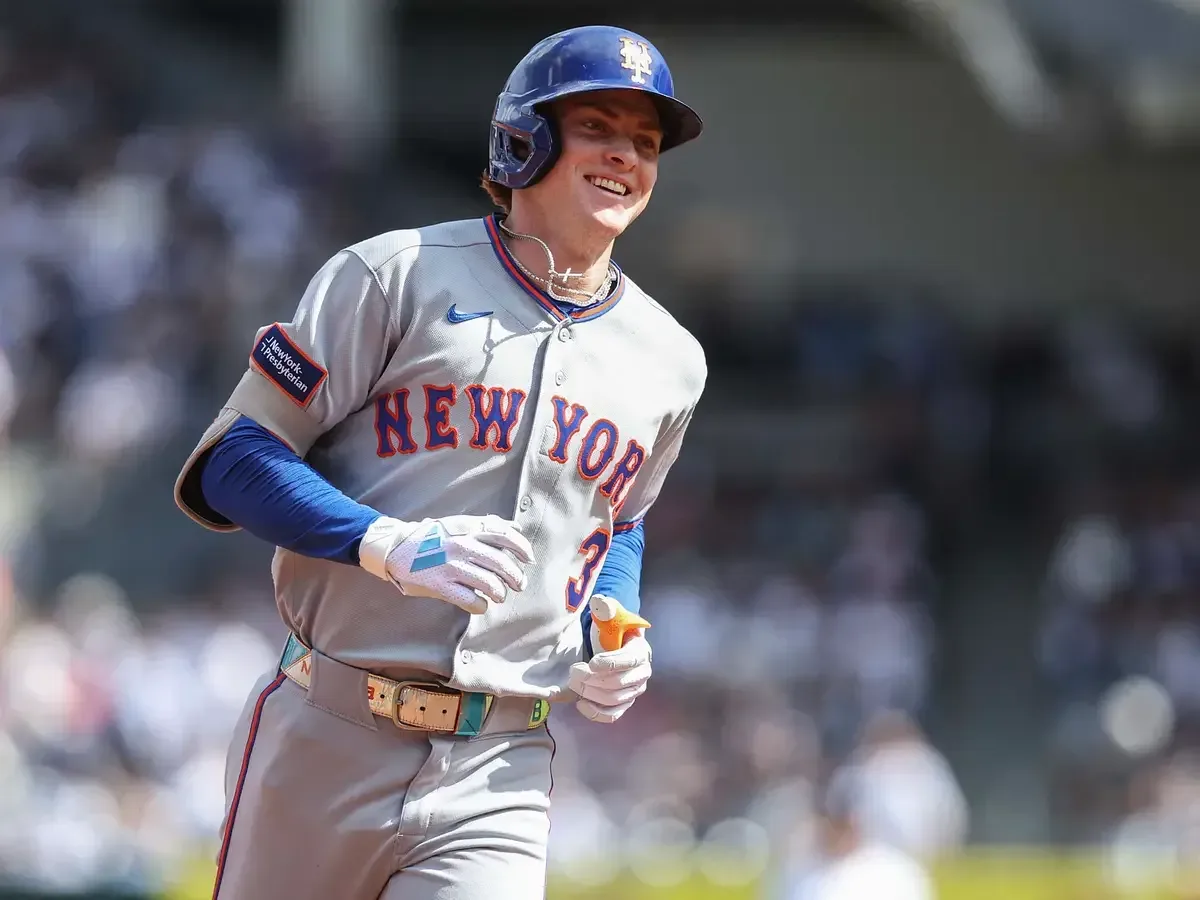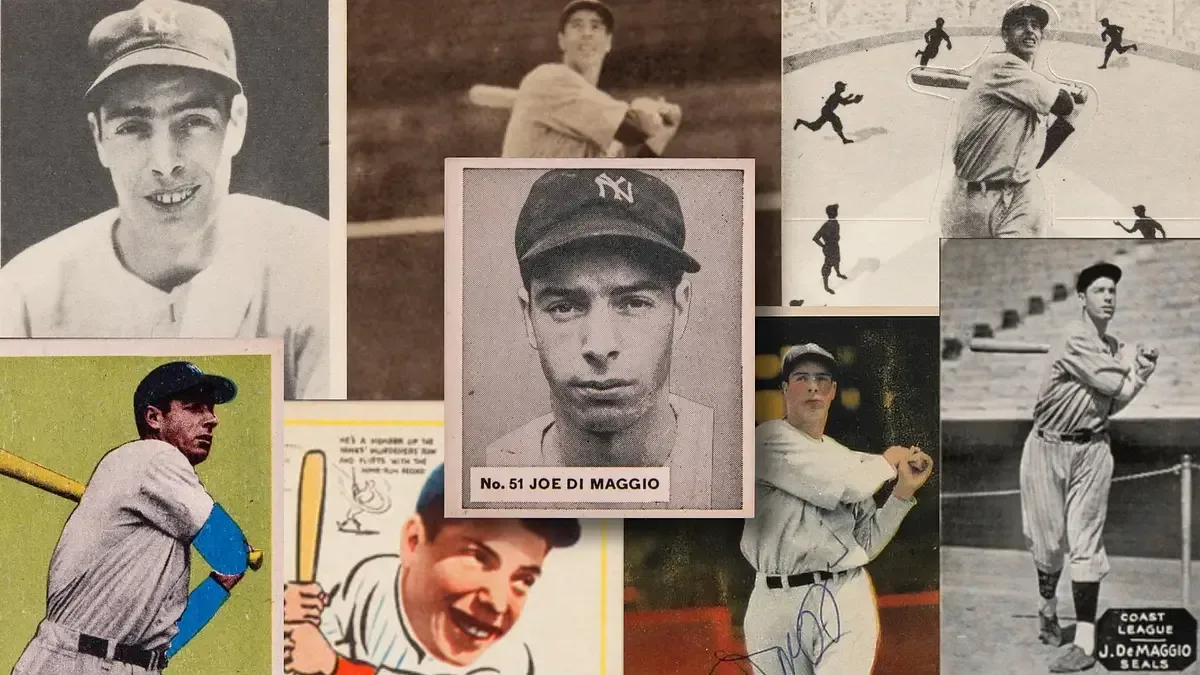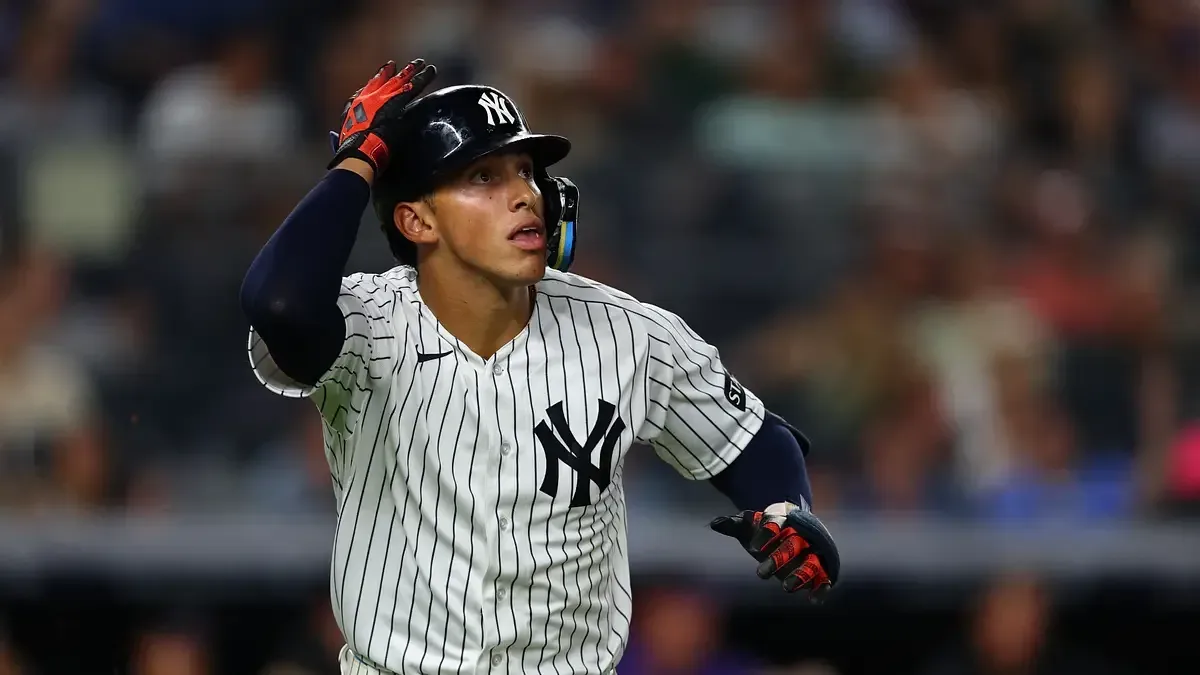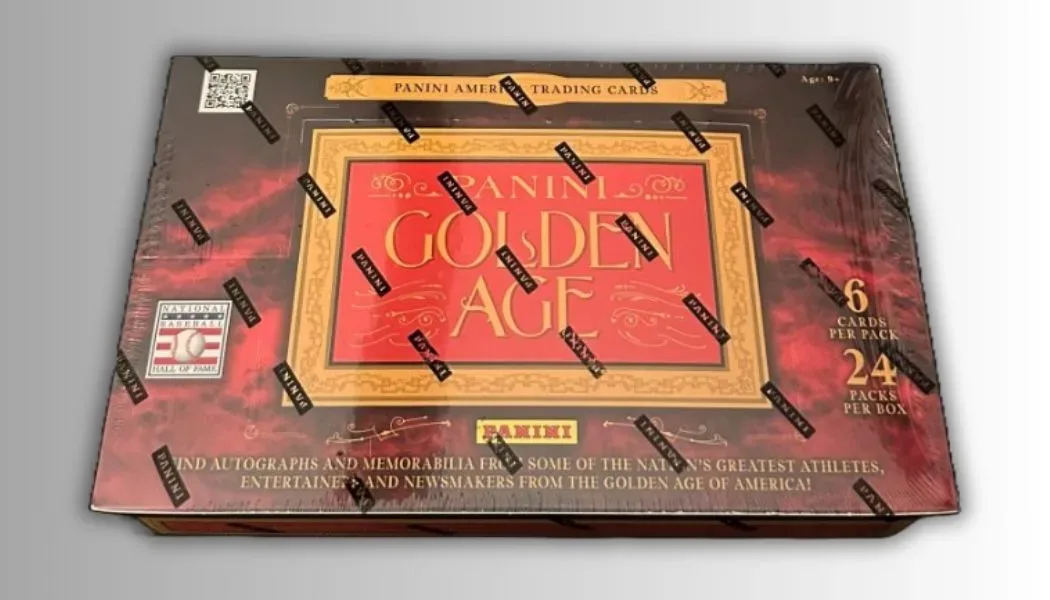
The baseball calendar is approaching its late-season stretch, which means the annual card-collecting ritual of checking transactions, rookie debuts and fresh uniform photos is about to collide with 2026 Topps Update Series Baseball. As the capstone to the flagship Topps Baseball run, Update traditionally fills in the gaps left by Series 1 and Series 2 while giving collectors another large-scale pack-opening route toward current stars, veteran legends and newly eligible rookies.
For 2026, pre-orders are scheduled to begin Monday, September 14 at 12 PM ET through the Topps website. An official pre-order price had not been disclosed at the time these early details emerged, so collectors should treat any expected price range as an estimate rather than a promise. Hobby boxes are expected to retain their standard configuration of one autograph or relic card per box, while Jumbo boxes are also planned for the pre-order period and eventual release window.
The early preview points to a product built around two complementary pleasures: tracking the newest names entering flagship cardboard and revisiting designs that reward baseball-card memory. That mix is particularly fitting for a brand celebrating the 75th anniversary of Topps Baseball. And while the 1991 throwback insert calls back to an entirely different era, collectors with a taste for retro returns may also appreciate how games revisit their roots, as seen in Diablo 4’s planned trip back through much of Diablo 1.
When 2026 Topps Update Series Baseball pre-orders begin
The key date is September 14, with the Topps online pre-order set for noon Eastern Time. This is a pre-order date, not a confirmed street-date announcement, and collectors should distinguish between those two milestones. Product pricing was not announced in the available early information.
There is some market expectation that a hobby box could land roughly below or around the $130 to $150 range, based on the product’s usual positioning, but that figure is not confirmed. Until Topps posts a price, buyers planning a break, personal rip or sealed-box purchase should keep their budgets flexible. A familiar format does not necessarily mean a fixed cost from one year to the next.
- Pre-order date: Monday, September 14, 2026
- Pre-order time: 12 PM ET
- Sales channel named in the early details: the Topps website
- Hobby-box hit: one autograph or relic card per box
- Jumbo boxes: expected to be available during pre-order and release
- Official pre-order price: not yet announced
That hobby-box guarantee is important to read precisely. It means a box is expected to contain one card from either category; it should not be read as a guarantee of both an autograph and a relic in the same hobby box. As always, an autograph or memorabilia hit establishes a product-floor expectation, not the identity, player, parallel level or long-term desirability of the card inside.
Four cover athletes span multiple baseball generations
Topps has named Derek Jeter, Albert Pujols, Elly De La Cruz and Munetaka Murakami as the 2026 Update Series cover athletes. It is an intentionally wide-ranging group: Jeter and Pujols provide instantly recognizable Hall of Fame-era star power, De La Cruz represents a prominent active MLB presence, and Murakami gives the box another major contemporary baseball name.
The cover lineup also feeds directly into one of the returning autograph concepts. Cover Athletes autograph cards use a visual arrangement tied to previous Update packaging, combining a player image with a depiction of the box design and a signature. The result makes the packaging part of the collectible rather than merely the wrapper that got thrown away five minutes after the rip began.
Related coverage includes 2026 Topps Update Series Baseball: Pre-Order Date, Box Details and Rookie Cards.
For set builders, this kind of insert has a different appeal than a standard autograph. It is not solely about a player signature; it documents the identity of a particular Update release. For player collectors, the appeal will naturally depend on which athletes make the checklist and how the cards are distributed. Early imagery has included an Aaron Judge Cover Athletes autograph, indicating that the subset reaches beyond the four players selected for the product cover.
Flagship rookie cards are the central early chase
The most consequential part of any Update checklist is usually its rookie content. Update operates as the final chapter after Series 1 and Series 2, making it a logical landing spot for players whose flagship timing did not fit earlier in the year. The early 2026 information identifies Konnor Griffin, Travis Bazzana, Carson Benge, Joe Mack, Owen Caissie and Trey Gibson among the players expected to receive rookie cards in the set.
For collectors, “rookie card” and “rookie debut” should not be treated as interchangeable labels. A flagship rookie can be a player’s first flagship Topps card, while a rookie debut card is still a rookie card but not necessarily that player’s first flagship appearance. Jac Caglianone and Sal Stewart are among the players expected to have rookie debut cards in 2026 Update.
That distinction matters most to collectors focused on sequencing and player-card chronology. A rookie debut card can be a desirable addition to a player collection and may have its own design or checklist appeal. But buyers specifically hunting a first flagship rookie should verify the card designation rather than relying on the broader “RC” description alone. It is a tiny detail on cardboard that can become a very large detail when someone is sorting a binder, building a registry or weighing which parallel to chase.
Names highlighted in the early rookie picture
- Konnor Griffin
- Travis Bazzana
- Carson Benge
- Joe Mack
- Owen Caissie
- Trey Gibson
- Jac Caglianone, listed for rookie debut cards
- Sal Stewart, listed for rookie debut cards
Additional names may emerge when a full checklist is released. For now, this is an early group rather than a definitive accounting of every base card, insert, parallel, autograph subject or short print in the product.
1952 variations bring another rookie route
The 1952 design variation returns with a new rookie crop, providing a short-printed parallel path for collectors who prefer vintage visual language over the base flagship design. Konnor Griffin, Carson Benge and Travis Bazzana are among the rookies expected in this variation set.
There is a reason the 1952 template remains so durable in modern Topps products: it lets a current prospect or rookie inhabit one of baseball card collecting’s most recognizable visual frameworks. The appeal is not that the card attempts to pass as an original 1952 issue. Instead, it creates a conversation between present-day player collecting and a foundational Topps design.
Because these are identified as short-printed insert cards, they occupy a different collecting lane from ordinary base rookies. A collector can pursue the full rookie base run, select one favorite player’s 1952 variation, or make the entire short-print set the mission. Those are three very different levels of commitment—and three very different ways to discover that the “one more pack” plan had no exit strategy.
The 1991 Topps insert keeps the nostalgia engine running
Another returning component is the 1991 Topps insert set, featuring a mix of legends, rookies and current stars. These inserts are described as relatively common pulls, which makes them a potentially approachable target for collectors who want more than base cards without committing to the scarcity chase attached to short prints or premium autographs.
The 1991 design has a straightforward nostalgic function: it gives collectors who remember opening packs in that year a visual callback, while offering newer hobbyists an accessible way to experience an older Topps look. Early material points to a Munetaka Murakami card in the set, aligning one of the cover athletes with the retro subset.
Common does not mean disposable. A widely available insert can be ideal for completing a set, trading with friends, building team lots or keeping a low-pressure pack-opening project alive. Not every card needs to become a courtroom argument about scarcity. Sometimes a bright, recognizable design and a player you like are enough.
What is confirmed, and what remains to be revealed
At this stage, the strongest confirmed buying details are the September 14 noon ET pre-order, the hobby-box autograph-or-relic configuration, planned Jumbo availability, the four cover athletes, and the returning Cover Athletes autograph, 1952 variation and 1991 insert concepts. The early rookie and rookie-debut names provide a useful first map of the set’s player appeal.
Several details remain open. There is no announced pre-order price in the information currently available. A full checklist has not been established here, and neither odds nor a complete parallel breakdown have been detailed. Collectors who make decisions based on print runs, color matches, team-checklist depth or particular autograph signers will need to wait for those additional disclosures.
For everyone else, 2026 Topps Update Series Baseball is shaping up as the familiar flagship finale: a current-season snapshot with rookies at the center, a few deliberate trips through Topps history, and enough inserts to turn every pack into a tiny cardboard side quest. Pre-orders begin September 14 at 12 PM ET; the remaining question is what the final price and full checklist will put on the board.