There are baseball card products that focus tightly on the diamond, and then there is Topps Allen & Ginter, a long-running hobby oddity that has never been entirely interested in staying inside the foul lines. The 2026 edition is headed to pre-order on Tuesday, September 8 at 12 PM ET, with its familiar blend of MLB subjects, celebrity signatures, miniature cards and non-sport material once again central to its appeal.
For collectors who like a break to have the energy of opening a baseball product while also wondering whether the next unusual card might concern music, a machine, a historical curiosity or another topic far from a box score, that approach is the point. Allen & Ginter’s personality comes from the collision. A player collector can chase a favorite star, while a set builder may find themselves unexpectedly pulled toward a themed run of minis. It is a format where Mike Trout can share product space with a jukebox, and somehow that is exactly the expected outcome.
Topps had not disclosed a pre-order price at the time these details emerged. Previous hobby boxes have generally occupied the roughly $175 to $200 range, but that history should not be treated as a confirmed price for the 2026 product. Collectors planning a purchase will need to wait for the listed cost and final purchasing details when the pre-order window opens.
The release arrives on the same day as another high-end baseball card pre-order, as covered in our look at 2026 Topps Museum Collection Baseball. The two products offer notably different collecting identities: Museum Collection leans into premium relic and autograph presentation, while Allen & Ginter makes room for whimsy, miniature designs and subjects that would make a conventional baseball checklist blink twice.
What is confirmed for the 2026 Allen & Ginter checklist so far
A complete checklist was not yet available, so collectors should be careful not to treat early revealed names as the full roster of inserts and signers. Still, several confirmed cards provide a useful snapshot of the intended mix.
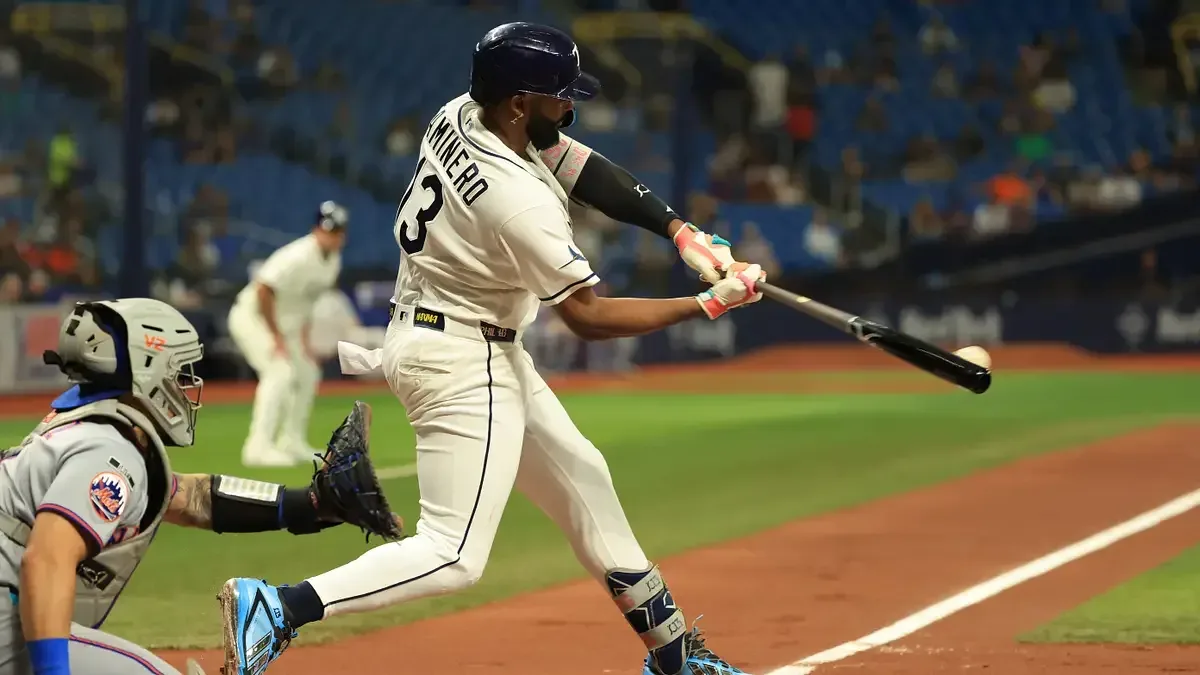
On the baseball side, Francisco Lindor and Bobby Witt Jr. are confirmed autograph signers. Those names give the product two major modern-player chases: Lindor, a star shortstop with an established following, and Witt Jr., one of the hobby’s prominent young talents. Autographs in Allen & Ginter tend to be part of the product’s larger grab bag rather than its only identity, but they remain a substantial reason many collectors rip sealed boxes.
The celebrity side includes confirmed signatures from Rob Lowe and Jesse Eisenberg. Their presence follows the line’s established habit of treating autographs as a broad guest list rather than an MLB-only affair. Allen & Ginter has built much of its reputation on those unexpected intersections. A collector may come for baseball, but a celebrity autograph can become the card that makes a particular box memorable—or the one that sends somebody to the secondary market in search of a specific signature.
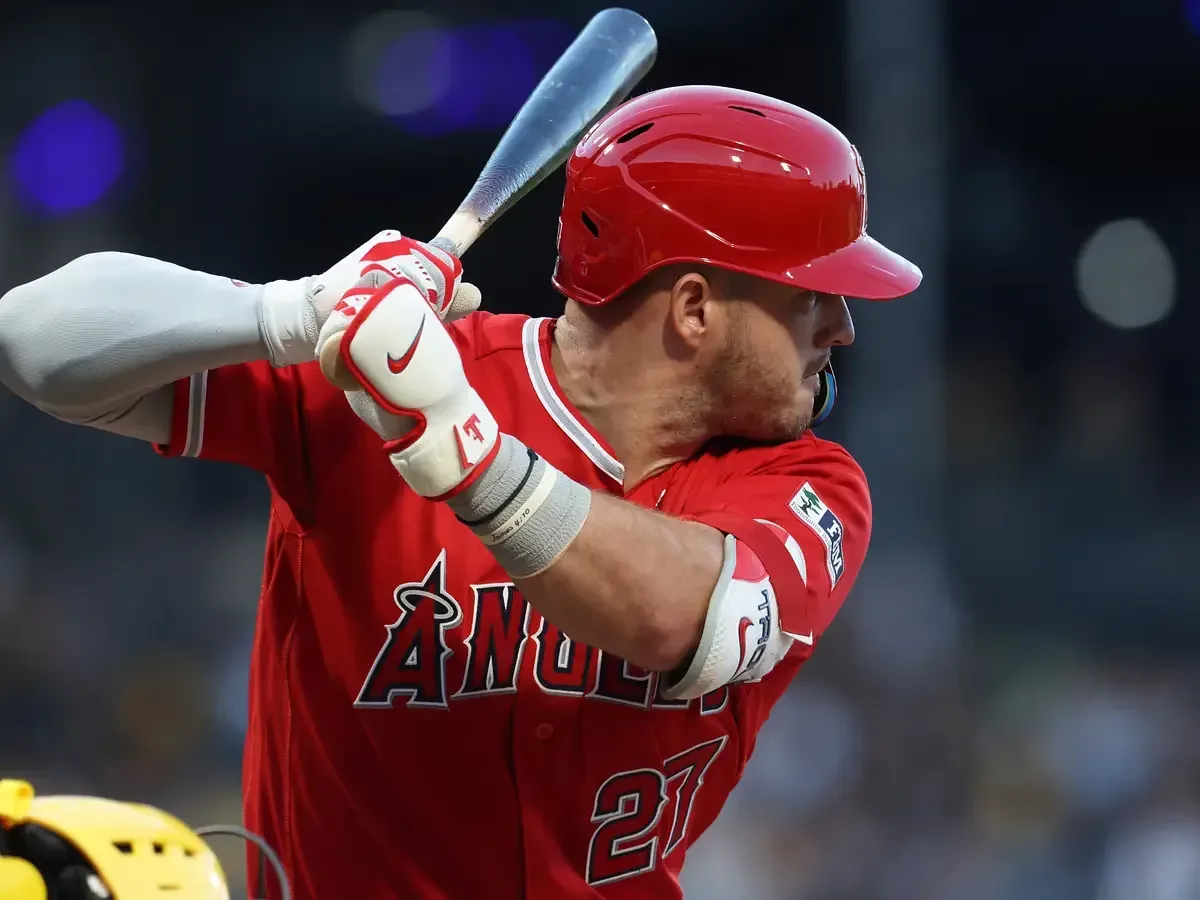
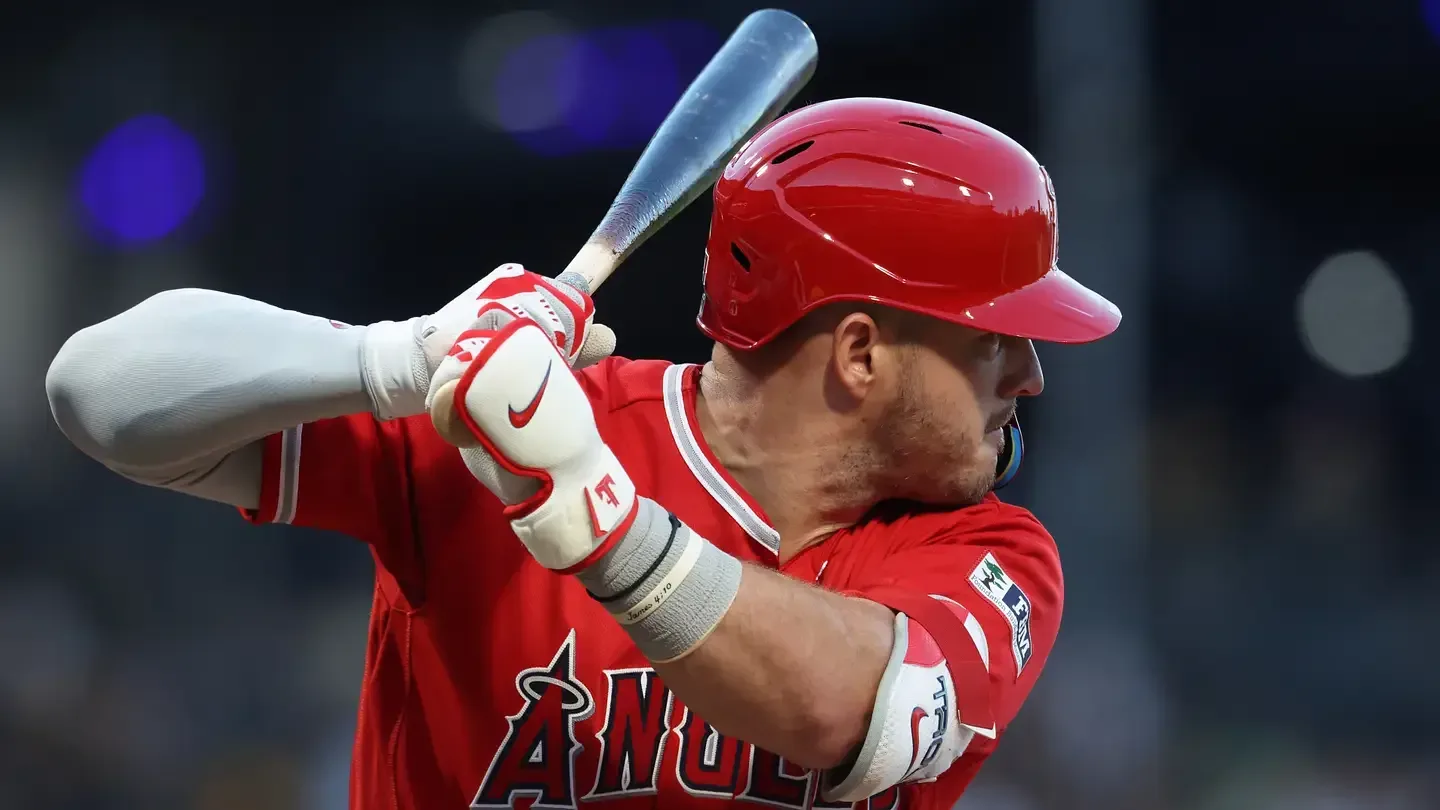
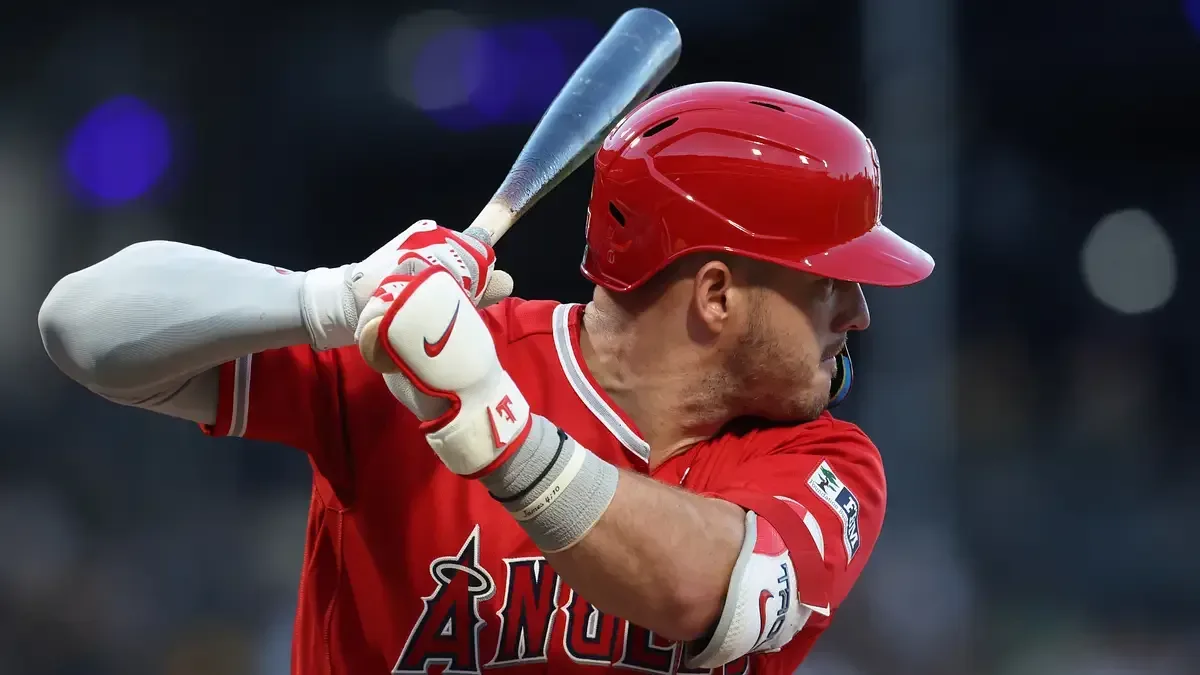
Mike Trout is confirmed for an insert called Wicked Power. The title and early visual direction point toward a power-hitting theme, fitting Trout’s place in any conversation about elite offensive talent. Its lettering has a Halloween-like flavor, which suits the release’s autumn timing without changing the basic baseball premise: this is an insert focused on players who bring formidable home-run potential.
Related coverage includes 2026 Topps Allen & Ginter Baseball Pre-Order Opens With MLB Stars, Celebrities, and Signature Non-Sport Inserts.
A Kevin McGonigle parallel has also been shown. Parallels offer another path for collectors who prefer player-focused pursuits, whether they are building a team collection, looking for a specific prospect or trying to locate a scarcer variation of a card they already enjoy in base form.
The non-sport cards are not a side quest
Calling Allen & Ginter a baseball release is accurate, but incomplete. The non-sport material is not merely an afterthought thrown in to fill space between rookies and retired greats. It is one of the brand’s defining features, and it is the reason this product has a different atmosphere from releases built around a more traditional sports-card checklist.
The 2026 product includes Musical Methods, a mini-card-oriented insert that explores ways people listen to music. A jukebox is among the revealed subjects. It is easy to imagine two very different reactions from the hobby. One collector may open that card while searching for a favorite player and immediately ask why a baseball box contains it. Another may see it as precisely the charming, unpredictable detour that keeps Allen & Ginter from feeling like every other release on the shelf.
Neither reaction is particularly surprising. Non-sport inserts naturally complicate the value proposition for buyers who only want baseball content. Yet they also give the product a collecting texture that is hard to reproduce elsewhere. The unusual subjects create their own mini checklists, encourage trades across collecting communities and make a binder of Allen & Ginter look more like a cabinet of curiosities than a standard season recap.
Allen & Ginter’s strange combination is the feature, not the bug: baseball cards are joined by broader pop-culture and everyday-life subjects, especially in the product’s signature mini format.
The minis are particularly important. Small-format cards are closely associated with Allen & Ginter, and they can turn a normal insert concept into something immediately recognizable. They are also the source of the product’s ongoing debate. For every collector who wishes every slot were devoted to another ballplayer, there is another who appreciates that the same pack can plausibly hold an MLB star, a celebrity signer and a card about a method of listening to music.
Hits, odds and the information still missing
Historically, hobby boxes in the Allen & Ginter line have routinely contained two hits, drawn from autographs and memorabilia cards. That expected configuration is useful context, but it is not a confirmation of the 2026 box format. No final configuration was established in the available early details, and collectors should wait for the official product specifications before assuming the number or type of hits remains unchanged.
That distinction matters. In modern trading cards, an established format can be a reasonable expectation, but it is not a promise until the product listing spells it out. The same goes for pack counts, box counts, parallel structure, serial numbering, complete autograph subjects and odds. Early previews are best used to understand the product’s direction, not to calculate guaranteed returns or map every chase card.
There is also an important difference between a card being compelling and a card being likely. Trout’s Wicked Power appearance, the Lindor and Witt Jr. autographs, the celebrity signatures, and the McGonigle parallel establish interesting possible pulls. They do not say how frequently any one card will appear. Anyone approaching a box should regard it as a randomized collecting experience, not a direct route to a particular autograph or insert.
Who this release makes sense for
Allen & Ginter has always asked collectors to decide what they want from a baseball product. If the answer is a strict concentration on MLB imagery, team sets and on-field themes, a more conventional release may offer a cleaner fit. If the answer includes discovery, eclectic set-building and the chance that an unrelated subject becomes a favorite card in the stack, the 2026 edition is positioned to continue the brand’s particular tradition.
- Player collectors have confirmed targets in Trout, Lindor, Witt Jr. and McGonigle, with the full checklist still to come.
- Autograph collectors can look toward both baseball and entertainment names, including Rob Lowe and Jesse Eisenberg.
- Mini-card fans have Musical Methods as an early indication that the small-format non-sport tradition remains intact.
- Set builders may find the broad subject matter more engaging than a standard all-baseball checklist.
- Sealed-box buyers should keep the undisclosed price and unconfirmed final box details in mind before making a decision.
The early information points to a 2026 Topps Allen & Ginter Baseball release that understands its assignment. It is bringing recognized MLB names, serious autograph chases and a power-themed Trout insert. It is also making sure a jukebox can occupy the same collecting universe. For this brand, normal has never been the goal, and the September 8 pre-order is shaping up to deliver another deliberately unpredictable mix.