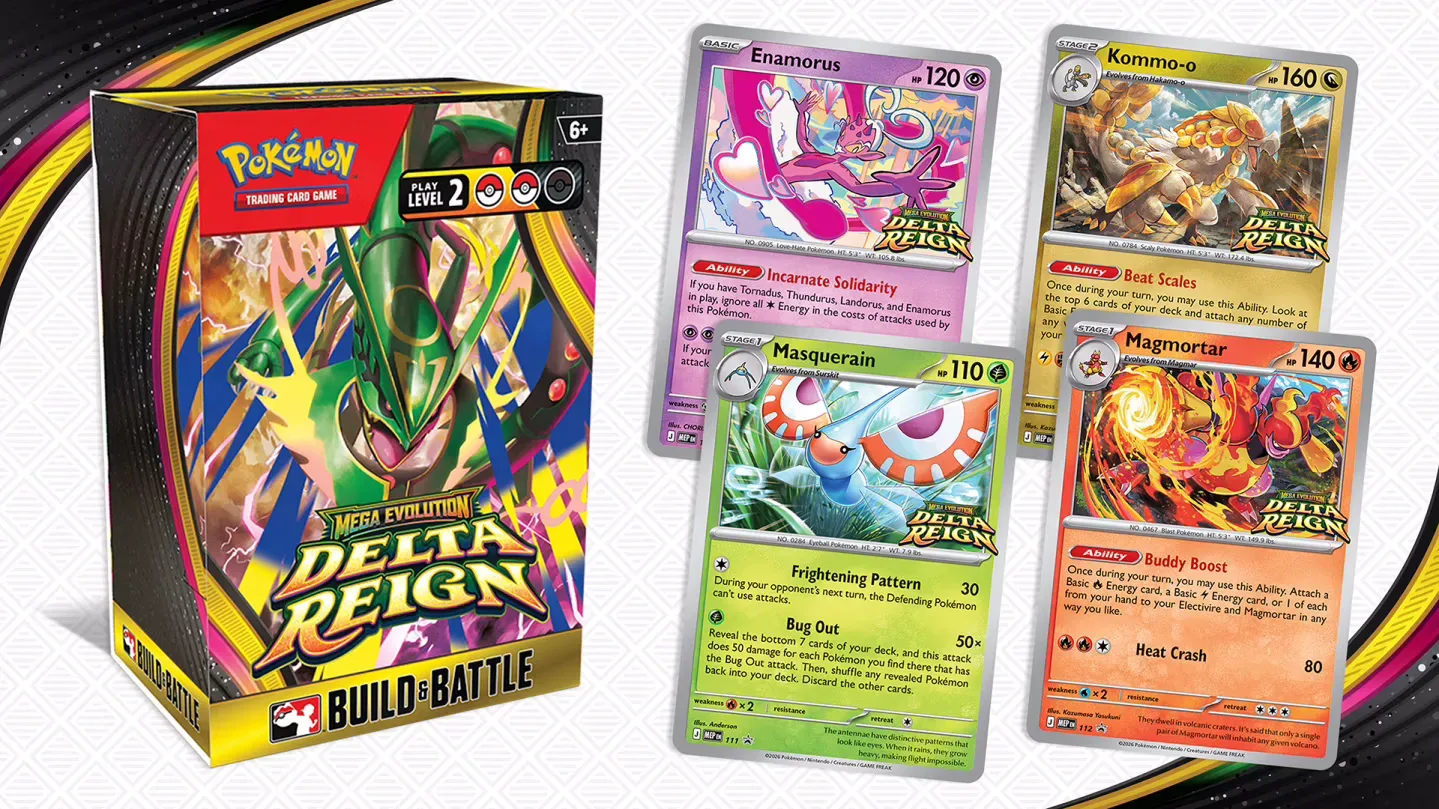
The Pokémon Trading Card Game’s Mega Evolution—Delta Reign expansion is scheduled to launch on November 6, 2026, with more than 135 cards in the set. Players who would rather start shuffling than wait can look for Prerelease events from October 24 at select Play! Pokémon Stores, where Build & Battle Boxes will put the new cards into circulation early.
There is a useful distinction to make here: a Prerelease is not simply ordinary Pokémon TCG play with newer card art. It is a deliberately condensed, limited-card-pool format. Players use 40-card decks and set aside four Prize cards, rather than the usual 60-card decks and six Prize cards. That changes the rhythm of a game considerably. Decks are smaller, fewer Prize cards are required to win, and the cards available to each player are constrained by what came in their product.
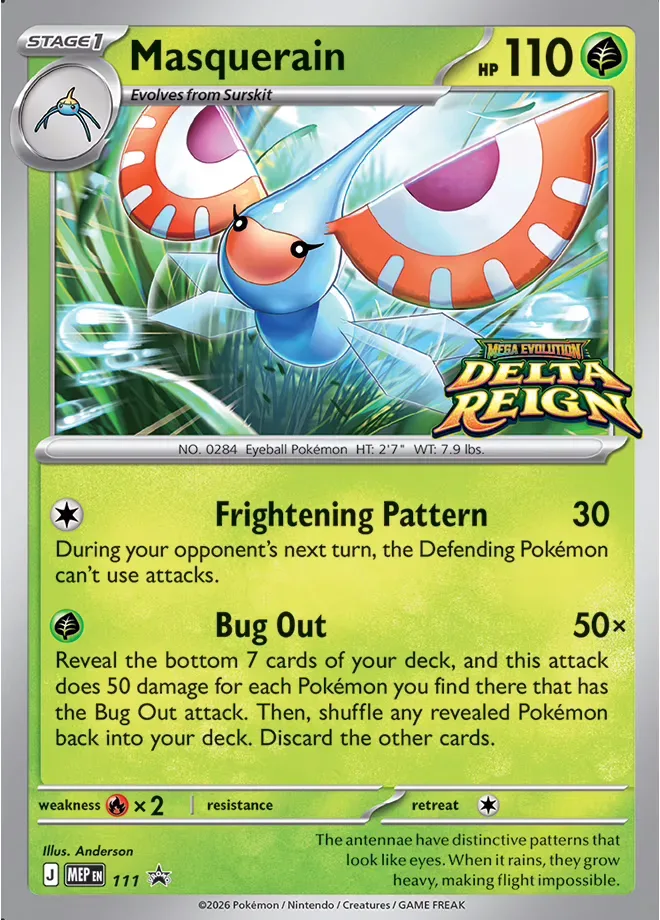
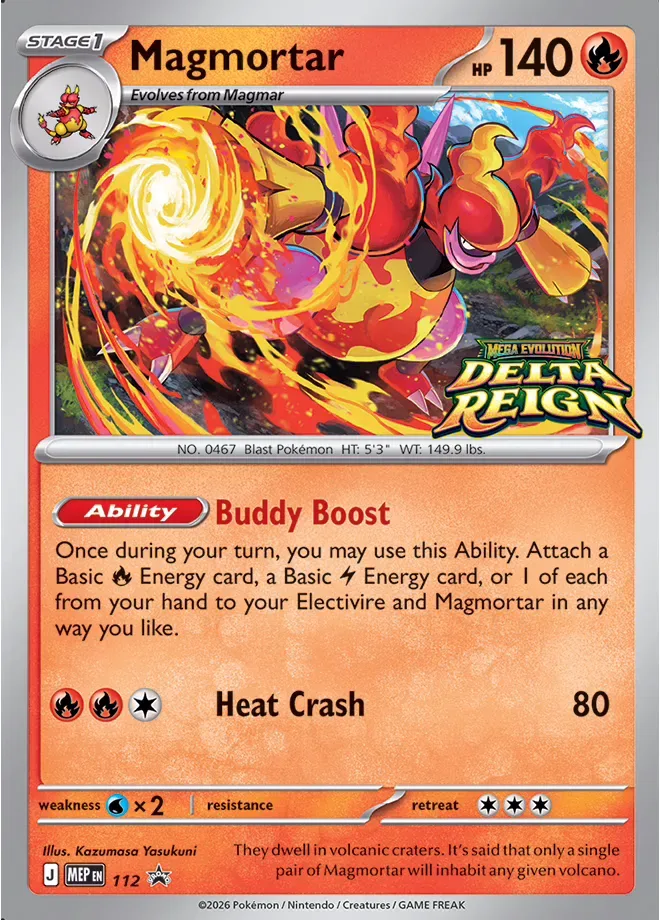
That last point is where the appealing bit of controlled chaos comes in. A Build & Battle Box includes four Mega Evolution—Delta Reign booster packs, a ready-to-play 40-card deck built with key cards from current and previous expansions, and one of four foil promo cards. The promo is not merely shiny cardboard with a seat at the table: it directs the kind of strategy a player can explore. The four possible promos are Masquerain, Magmortar, Enamorus, and Kommo-o.
For players used to constructed decks—decks assembled from a large personal collection—Prerelase asks a different question. Instead of beginning with an optimized list and seeking maximum consistency, the challenge is to recognize the strongest relationships among a limited set of cards. An Energy cost that looks clumsy in a normal game may be manageable if the deck has the right acceleration. A modest attacker may become important if it supplies card draw, returns useful Pokémon from the discard pile, or enables a promo’s central Ability.
What Build & Battle changes at the table
In Pokémon TCG terms, Prize cards are the facedown cards claimed when an opponent’s Pokémon is Knocked Out. Reducing the total from six to four makes each knockout more consequential and gets games to their finish faster. A 40-card deck also means players will see a larger share of their deck during a match, although that does not remove the need to manage resources carefully.
Colorless Energy in an attack cost is flexible: it can normally be paid with Energy of any type. By contrast, a Grass, Fire, Lightning, Fighting, or other typed symbol requires that specific type. This matters throughout Delta Reign’s promo options. Some strategies reduce or bypass broad Colorless requirements; others enable unusually quick Energy attachment; another rewards building a board around a shared attack name.
The Build & Battle format also gives newer players a more contained entry point than attempting to build a full 60-card deck immediately. The included deck provides a playable foundation, while the four boosters create room for adjustments. Experienced players, meanwhile, get the deckbuilding puzzle: identify what the promo wants, decide which supporting cards belong, and avoid loading a small deck with cards that do not advance a clear plan.
Masquerain: turn Bug Out into a real plan
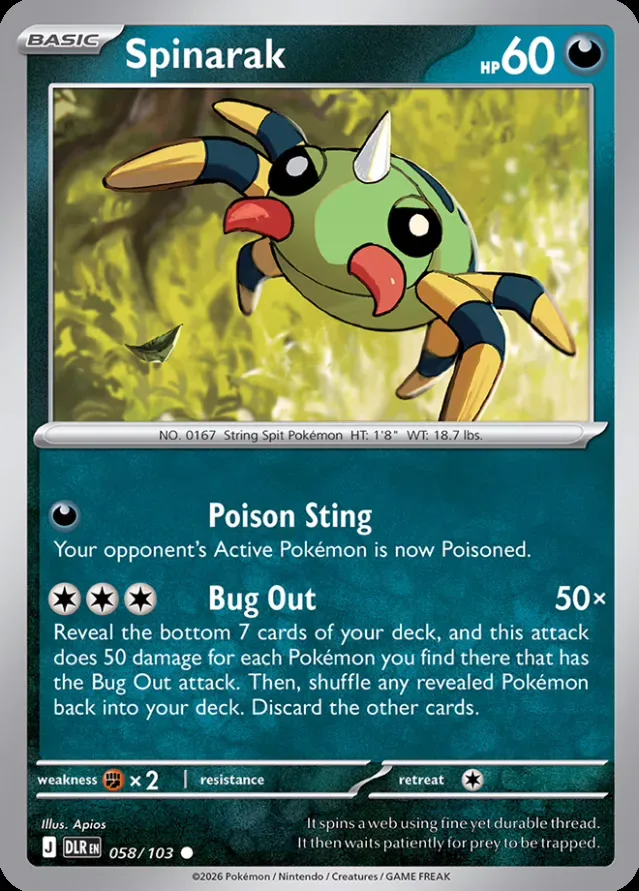
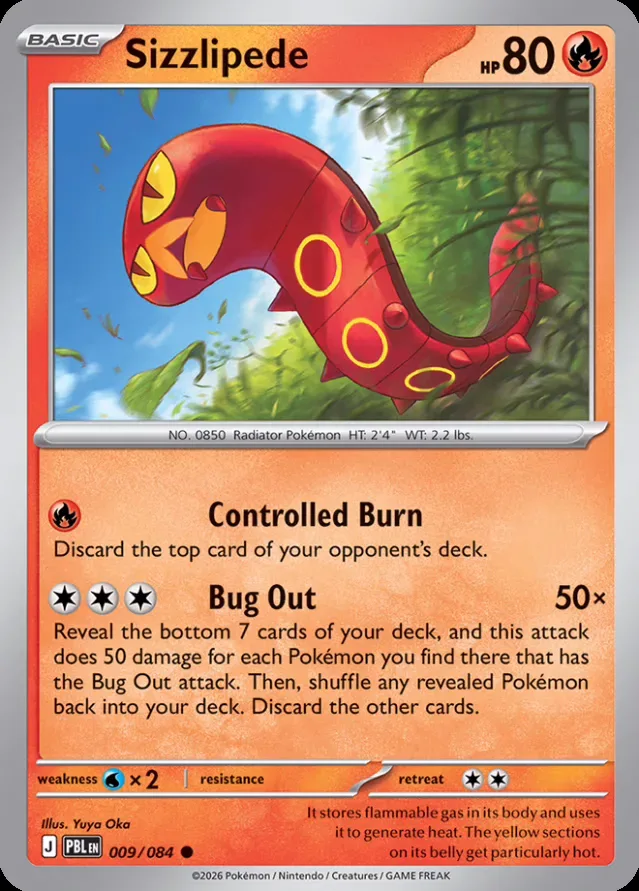
Masquerain’s route is the most overtly synergistic of the four. Its Bug Out attack costs only one Grass Energy, and its output grows with other Pokémon that also have Bug Out. Sizzlipede, whose version of the attack appeared in Mega Evolution—Pitch Black, and Spinarak are the named partners.
Related coverage includes Pokémon TCG Mega Evolution Delta Reign Prerelease Details.
Spinarak itself has a three-Colorless-Energy cost for Bug Out, making it a less attractive primary attacker. Its value is instead in being part of the larger Bug Out count that empowers Masquerain. That is a classic limited-format lesson: not every important Pokémon is meant to take the Active Spot. Some exist to establish the condition that makes the centerpiece work.
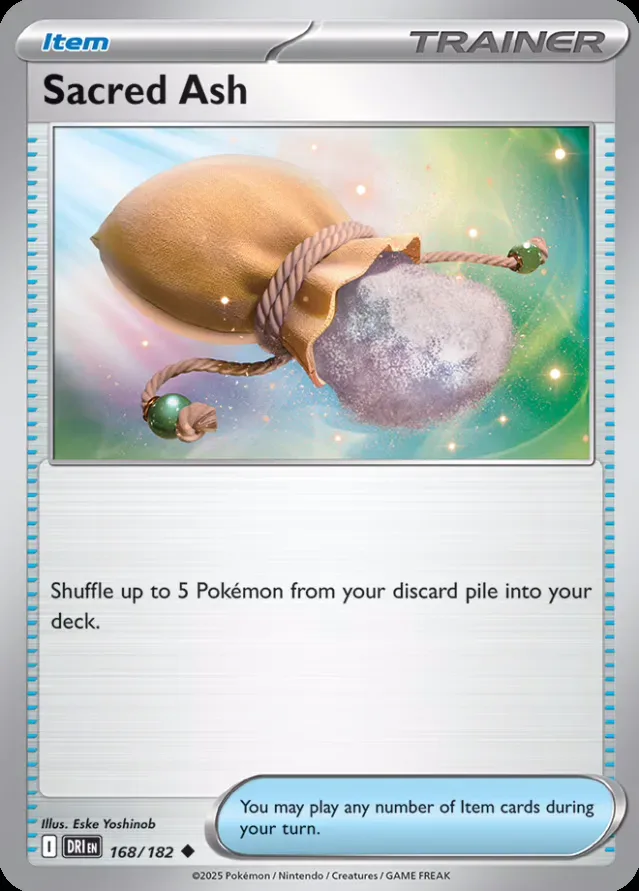
Sacred Ash is the key recovery tool cited for the strategy. It returns Pokémon from the discard pile to the deck, allowing the Bug Out engine to regain pieces rather than permanently shrinking after knockouts or discards. The practical objective is straightforward: preserve or rebuild the roster of Bug Out Pokémon, then keep attacking with the low-cost Masquerain.
This is a board-dependent approach. It asks players to look beyond the immediate damage number and protect the supporting Pokémon that make that damage possible. In a short, four-Prize game, that can be rewarding—but it also means losing key pieces may change the deck’s ceiling quickly.
Magmortar and Electivire: Energy acceleration with a payoff
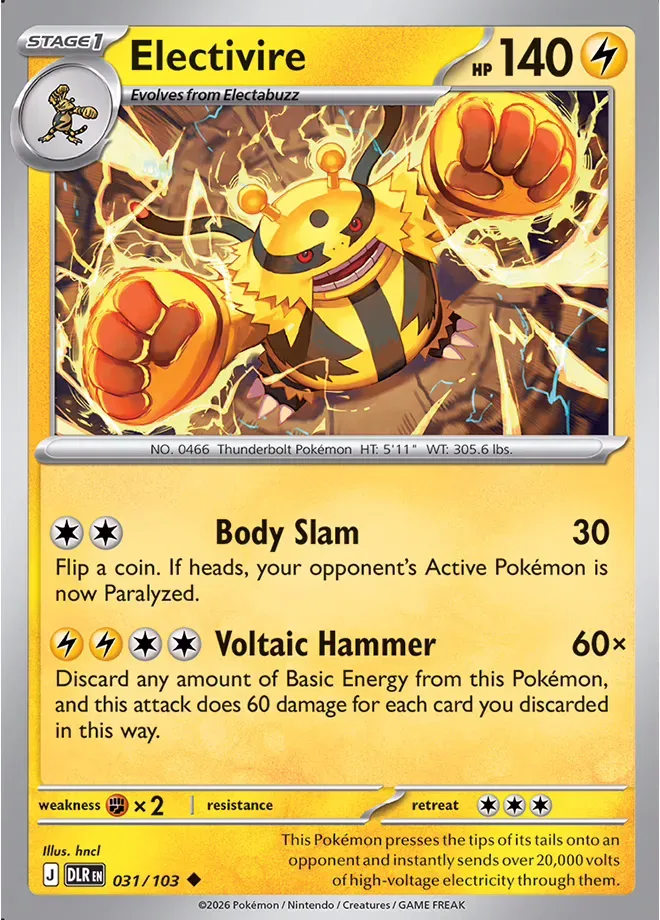
Magmortar brings a more direct Energy-focused package. Its Buddy Boost Ability lets a player attach a Basic Fire Energy, a Basic Lightning Energy, or one of each to Magmortar or Electivire. An Ability is a persistent card effect distinct from an attack, and this one creates the deck’s central decision: whether to power Magmortar itself or build toward Electivire’s larger payoff.
Magmortar can use Heat Crash for 80 damage, but the more explosive partnership is Electivire’s Voltaic Hammer. That attack deals 60 damage for every Energy card discarded to use it. Buddy Boost can load Energy onto Electivire, while Adventure Lantern can find Lightning and Fire Energy from the deck. In combination, those effects create a recognizable sequence: locate the Energy, attach it efficiently, then convert it into damage via Voltaic Hammer.
The apparent downside is also the deck’s resource-management question. Discarding Energy for damage can produce a powerful turn, but it leaves the attacker needing to be powered again afterward. Players will need to judge whether a large discard is necessary to take a decisive knockout or whether holding some Energy back makes the next turn more stable. That tension is far more interesting than simply attaching an Energy once per turn and hoping the numbers line up.
Enamorus and the Incarnate Solidarity crew
Enamorus offers two complementary reasons to build around it. Rising Heart can deal substantial damage to Pokémon ex, while its Incarnate Solidarity Ability ignores Colorless Energy in the attack costs of Enamorus, Thundurus, Landorus, and Tornadus. The four Pokémon share that Ability, turning a collection of individual cards into a unified package.
Ignoring Colorless costs does not erase typed Energy requirements, but it can dramatically lower the amount of Energy needed to attack. Landorus is the clearest example supplied: with Incarnate Solidarity active, it can deal 110 damage for one Fighting Energy. Tornadus can use Corkscrew Dive without paying Energy, dealing damage while drawing cards.
Card draw is particularly meaningful in a limited deck because it offers more chances to find the Pokémon, Energy, and Trainer cards needed to establish the board. The Enamorus package therefore appears to split its jobs efficiently: Tornadus helps sustain the hand, Landorus supplies an inexpensive main attack, and Enamorus gives the group a response to Pokémon ex. Its big requirement is assembly. The more of the Incarnate Solidarity group that reaches play, the more dramatic the Energy savings become.
Kommo-o: a concentrated Dragon attack plan
Kommo-o is presented as the most self-contained of the four promo directions. Its Beat Scales Ability can attach large amounts of Energy to Dragon-type Pokémon, and Kommo-o’s Hammer In attack deals 170 damage. That creates a focused priority: accelerate Energy onto Kommo-o and let the big attack do the work.
Druddigon provides a useful secondary attacker. Since Beat Scales can attach any kind of Basic Energy, it can also help power Druddigon’s Claw Slash. The phrase “any kind” is important in a format where typed Energy costs can otherwise force a deck toward narrow choices. It gives the Dragon package more flexibility when the available Energy and attackers do not line up perfectly.
Kommo-o’s plan may be easier to explain than the other three, but it still asks for sensible sequencing. An Energy-acceleration Ability is strongest when it is attached to attackers that can immediately threaten meaningful damage. The deck’s question is not whether 170 damage is impressive—it is how reliably it can put Kommo-o in position before the opponent claims enough Prize cards to end the compact match.
What players can take from the four promos
- Masquerain rewards a wide Bug Out board and uses Sacred Ash to keep that count recoverable.
- Magmortar turns Fire and Lightning Energy into a partnership with Electivire, balancing setup against Voltaic Hammer’s discard cost.
- Enamorus asks players to assemble its fellow incarnate forces, then cashes in with sharply reduced Colorless costs, inexpensive attacks, and draw.
- Kommo-o centers on Beat Scales, broad Basic Energy attachment for Dragons, and a 170-damage Hammer In.
The expansion’s early play window makes these four packages the immediate points of interest, but the boosters are equally part of the equation. A promo establishes a direction, not a fully solved list. Players should assess the cards they open for whether they supply Energy, draw, recovery, supporting Pokémon, or a backup attacker that fits the promo’s needs. A card can be strong in isolation and still be wrong for a particular 40-card deck.
Those unable to attend a Prerelease are not locked out of the product: Mega Evolution—Delta Reign Build & Battle Boxes will also be available when the expansion officially launches on November 6. For Pokémon fans following both the tabletop game and the video-game side of the franchise, see our coverage of Pokémon EVERGREEN’s planned rebuilt Kanto adventure.
For Delta Reign players, the immediate practical step is simpler: check the Event Locator for a participating local store, then arrive prepared to build around what the box actually gives you. In Prerelease play, the sharpest deck is not necessarily the one with the flashiest promo. It is the one whose limited pieces have been made to pull in the same direction.