Pokémon TCG: 30th Celebration appears to be delivering a rare bit of good news for collectors who want cards rather than a second job monitoring resale listings. Within days of release, many of the set’s prominent pulls were trading below $100, a sharp contrast with the four-figure opening-market prices sometimes attached to recent high-demand releases.
The exception is not a conventional chase card. It is the strange trio informally called RGB Mew: red, blue and green Mew cards that have not appeared in official documentation and have not been formally acknowledged by The Pokémon Company. Reported completed marketplace sales have clustered around $4,000, but the cards’ pull rate, provenance in the set, and longer-term market behavior are all uncertain.
That split makes 30th Celebration unusually interesting. Its regular top cards are expensive enough to inspire caution, but they are not universally inaccessible. Meanwhile, an undocumented oddity is attracting prices that make even a Crystal Lugia look like the sensible option. For collectors, the more useful story is not simply which card ranks first today; it is how quickly supply seems to have changed the conversation around almost everything else.
A fast cooldown for the main set
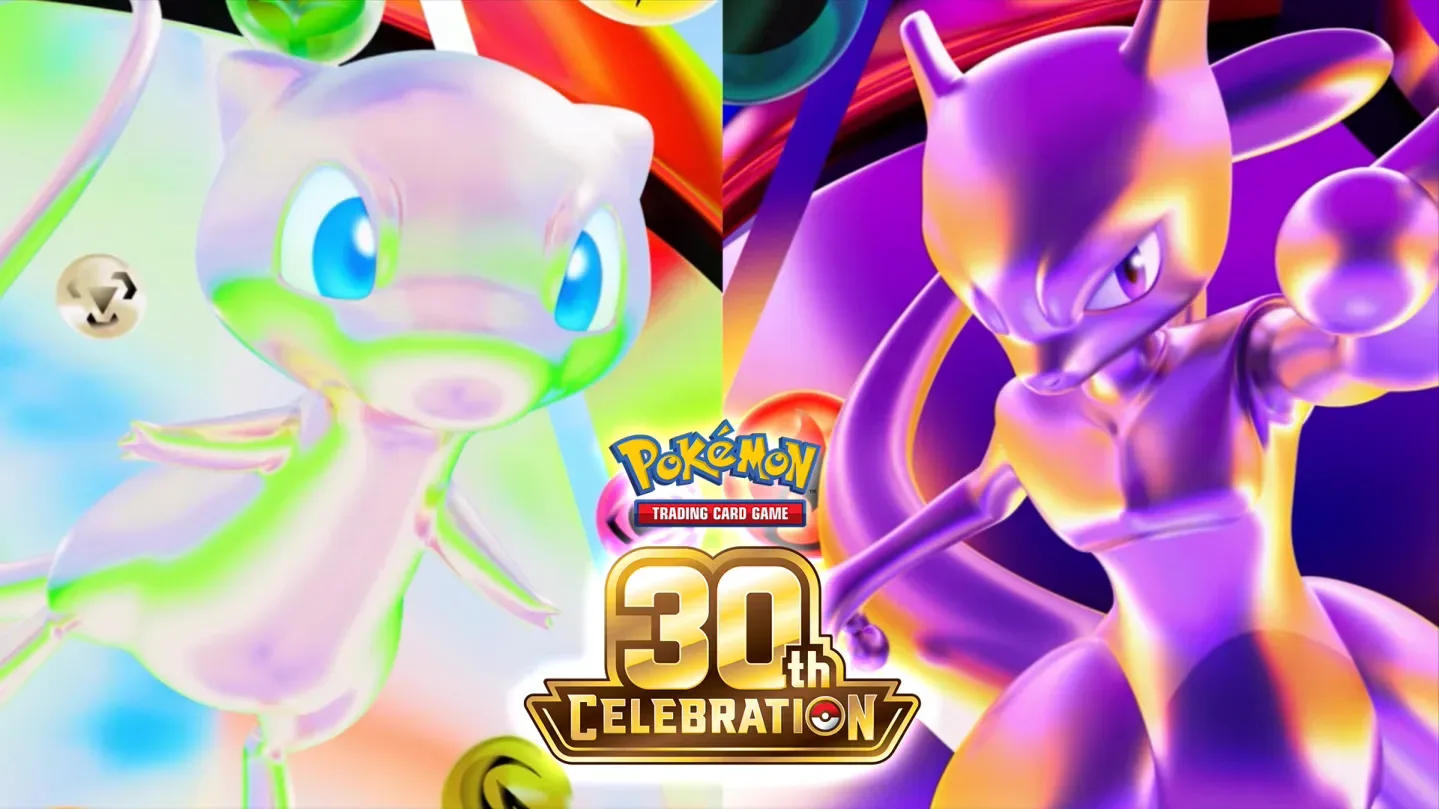
The most valuable regular main-set card at the time of the reported prices is Mew ex Special Illustration Rare, at roughly $150 to $152. That is still a substantial amount for a single modern card, especially for someone filling a binder or building a favorite-character collection. Yet it is notably lower than the early spikes seen around some recent sets, where top pulls reached well above $1,000 shortly after release.
Early single-card prices are a snapshot of a moving market, not a promise. A card’s resale value reflects how many copies are being opened and listed, how many buyers are chasing it immediately, and how much of its appeal comes from artwork, character popularity, nostalgia, or rarity. When more product is opened, the number of available singles can grow quickly. If demand does not rise at the same pace, prices can soften just as quickly.
That seems particularly relevant here. The reported pull rates have been generous enough that collectors are seeing a healthier flow of main-set chase cards. This does not make any pull guaranteed, and it does not mean every card will decline forever. It does mean that a launch-week price can be a poor guide to what a card costs once more copies reach the market.
For buyers, the practical implication is straightforward: if a card is intended for a collection rather than an immediate competitive need, patience may be valuable. Waiting a month or two after a set launches can avoid the premium created by launch-day excitement. That is not a universal rule, since some cards retain or regain value, but it is a reasonable response to a market that has already cooled unusually fast.
The Classic Collection is the pressure point
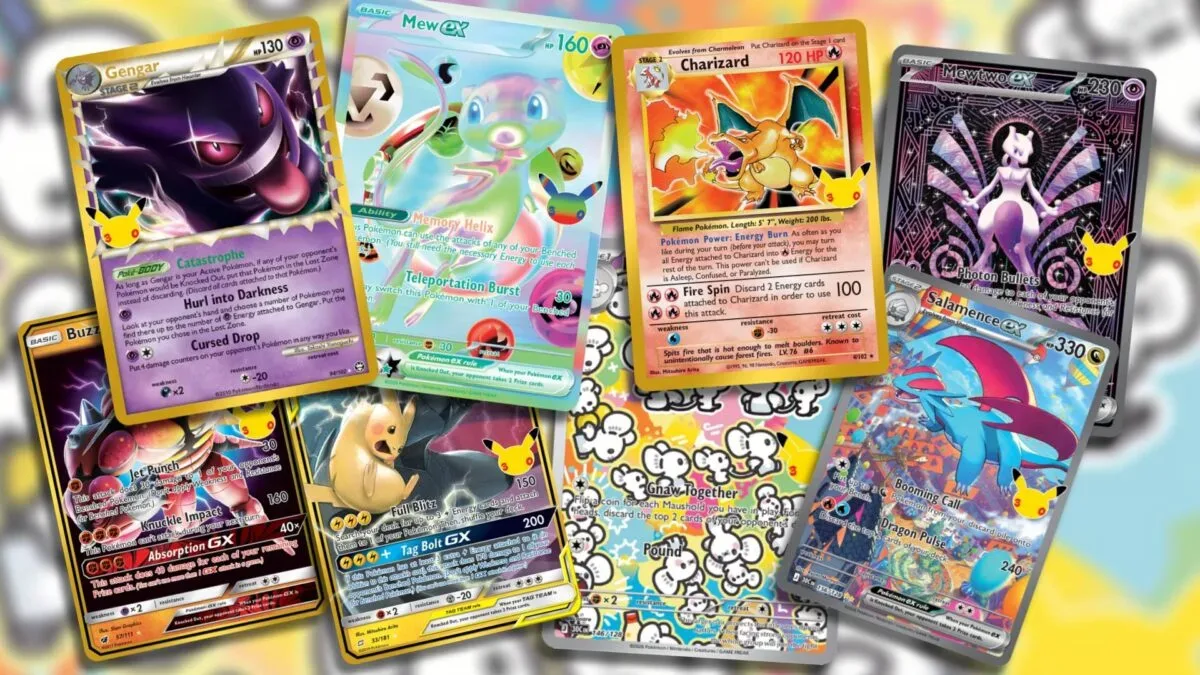
30th Celebration’s Classic Collection complicates the otherwise broad price decline. This 30-card subset revisits older fan-favorite designs with a new “30th” stamp. Because its cards are reportedly tougher to pull than many of the modern main-set hits, the Classic Collection accounts for several of the set’s most expensive standard cards.
Related coverage includes Pokémon TCG 30th Celebration Prices Settle Fast, While RGB Mew Sells for Thousands.
Crystal Lugia sits atop that conventional hierarchy at about $280. It has moved ahead of the Classic Collection’s Base Set Charizard, reported at around $185. The result is a welcome change for anyone who has grown accustomed to Charizard automatically claiming every price-chart crown, though the two cards are serving different collector instincts. Charizard remains the iconic, repeatedly reprinted centerpiece, while Lugia’s Crystal version carries its own high-end nostalgia.
The gap between reprint and original matters. The original Crystal Lugia from 2003’s Aquapolis is cited at approximately $4,500, while the 30th Celebration version is dramatically cheaper. Likewise, the Classic Collection’s Magikarp is around $107, whereas the original Shinji Kanda Magikarp from 2023’s Paldea Evolved has been selling around $370. A stamped anniversary version can be highly desirable without replacing the scarcity, condition history, or original-set significance of the earlier printing.
That distinction is central to collecting modern anniversary cards. A reprint is not automatically an inferior object; it may be the version a collector actually wants, especially if the stamp and anniversary context are the appeal. But an original and a newer tribute should not be treated as interchangeable merely because the underlying artwork or card identity is familiar.
What the rarity labels actually tell collectors
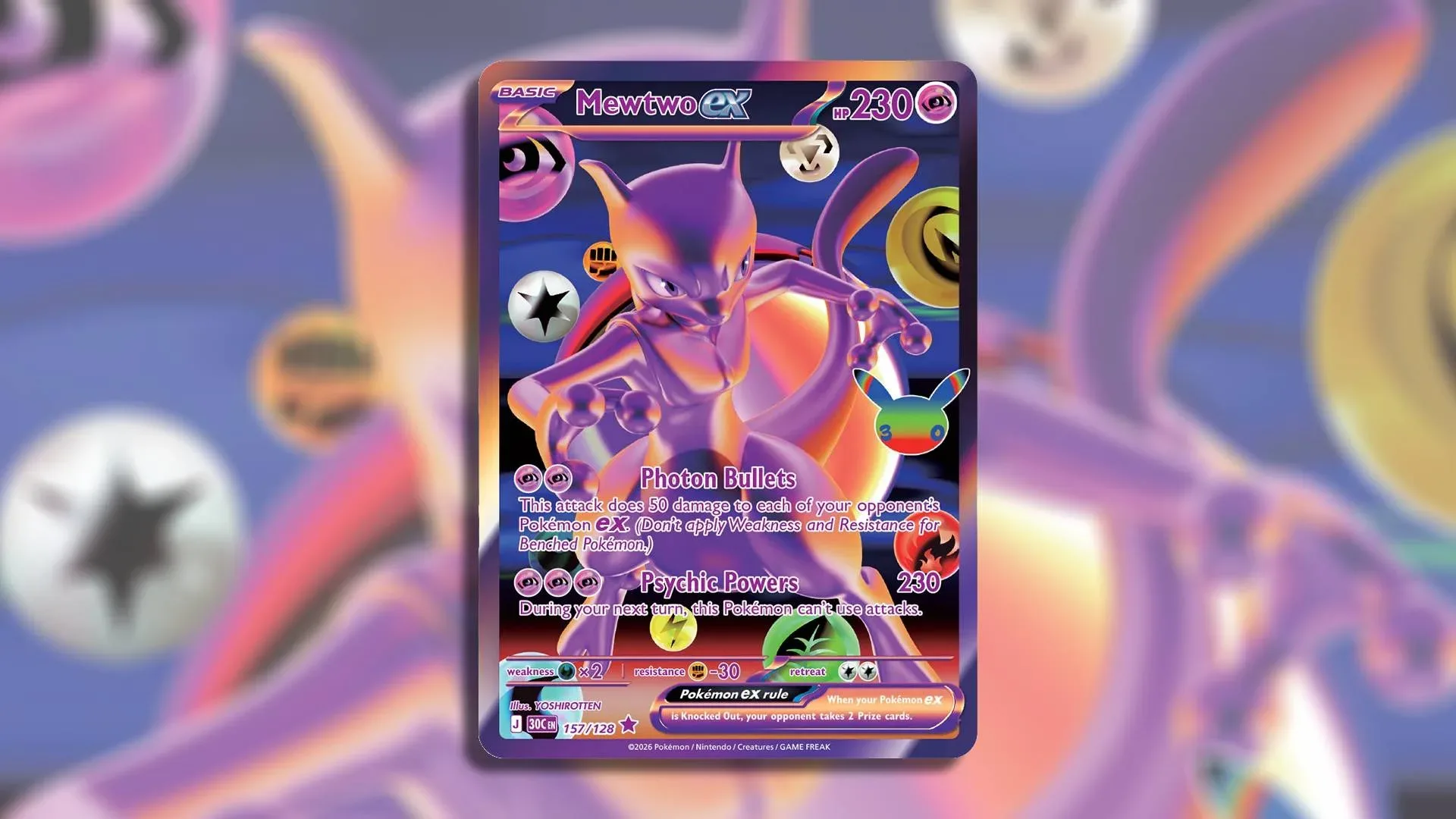
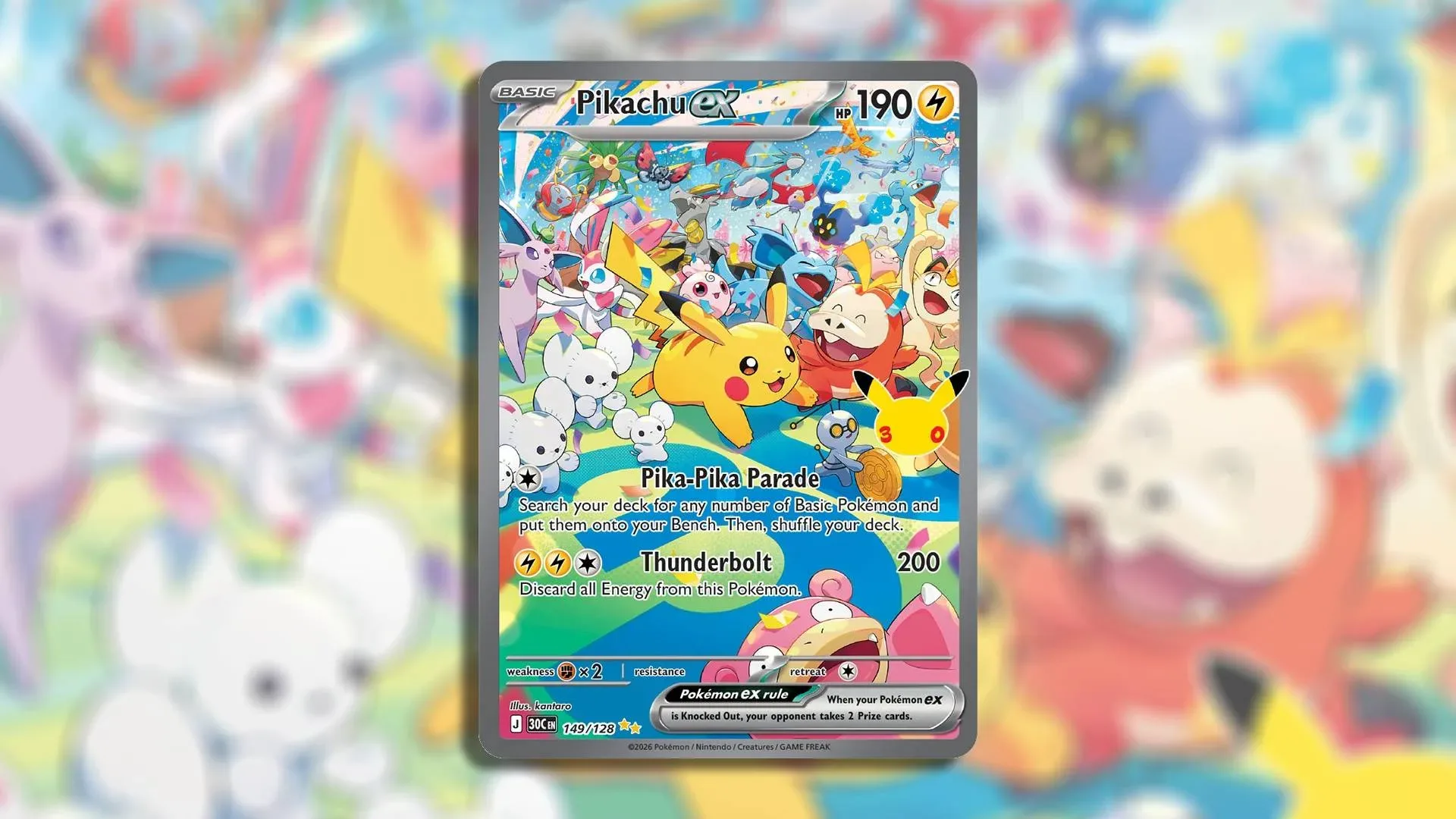
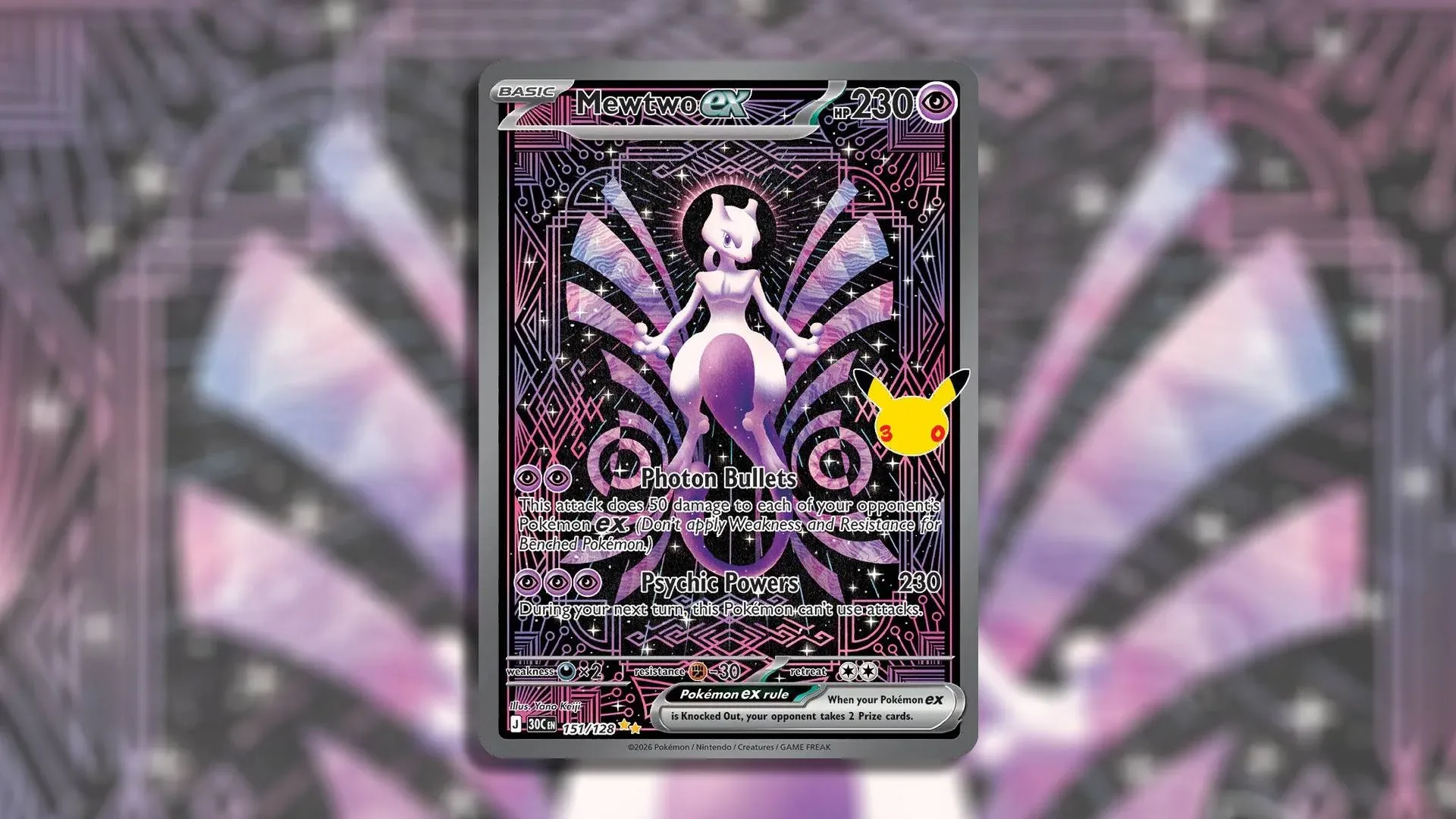
Several of the biggest main-set names use terminology that can be intimidating if you do not follow every release. A Special Illustration Rare, often shortened to SIR, is a premium rarity associated here with elaborate full-art presentation. Mew ex, Mewtwo ex, Jirachi ex, Gengar ex, and the day and night Pikachu ex cards are among the examples drawing attention.
The “ex” in these names is part of the card’s modern naming and game identity; it should not be read as a condition label or a claim that a card is old. In collecting terms, the important differentiators in this set are the specific version, its rarity treatment, its artwork, and whether it belongs to the main set or Classic Collection.
The reported main-set price order highlights how much art and character choice still matter:
- Mew ex SIR is around $150 and leads the main set.
- Gengar ex SIR is around $126, with cartoon-styled art by Choriso. It is identified as the artist’s first full-art Pokémon card.
- Mew ex Future Rare and Pikachu ex Night are each around $103.
- Jirachi ex SIR is near $101.
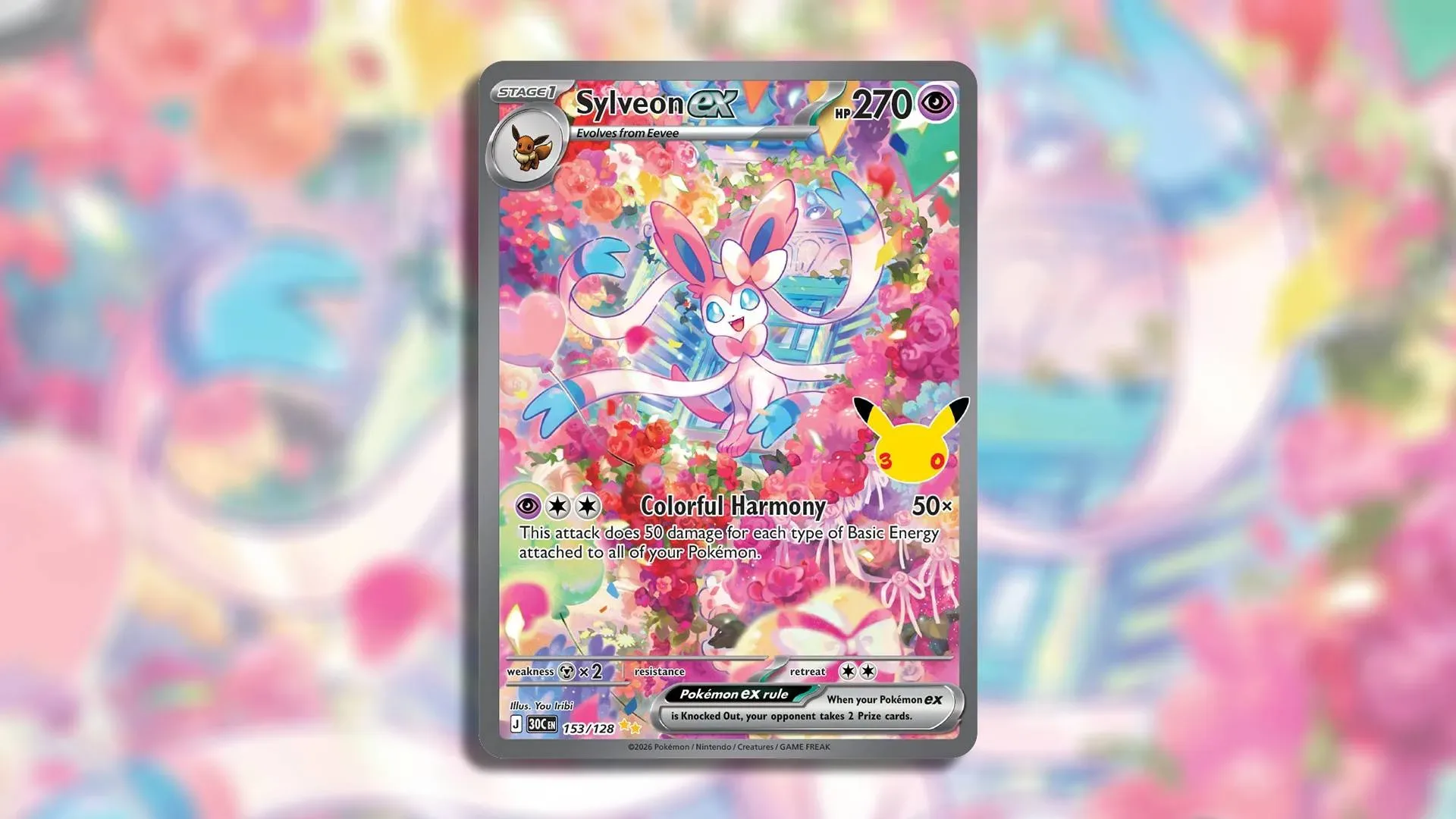
- Mewtwo ex SIR is around $85, while Pikachu ex Daytime is around $81.
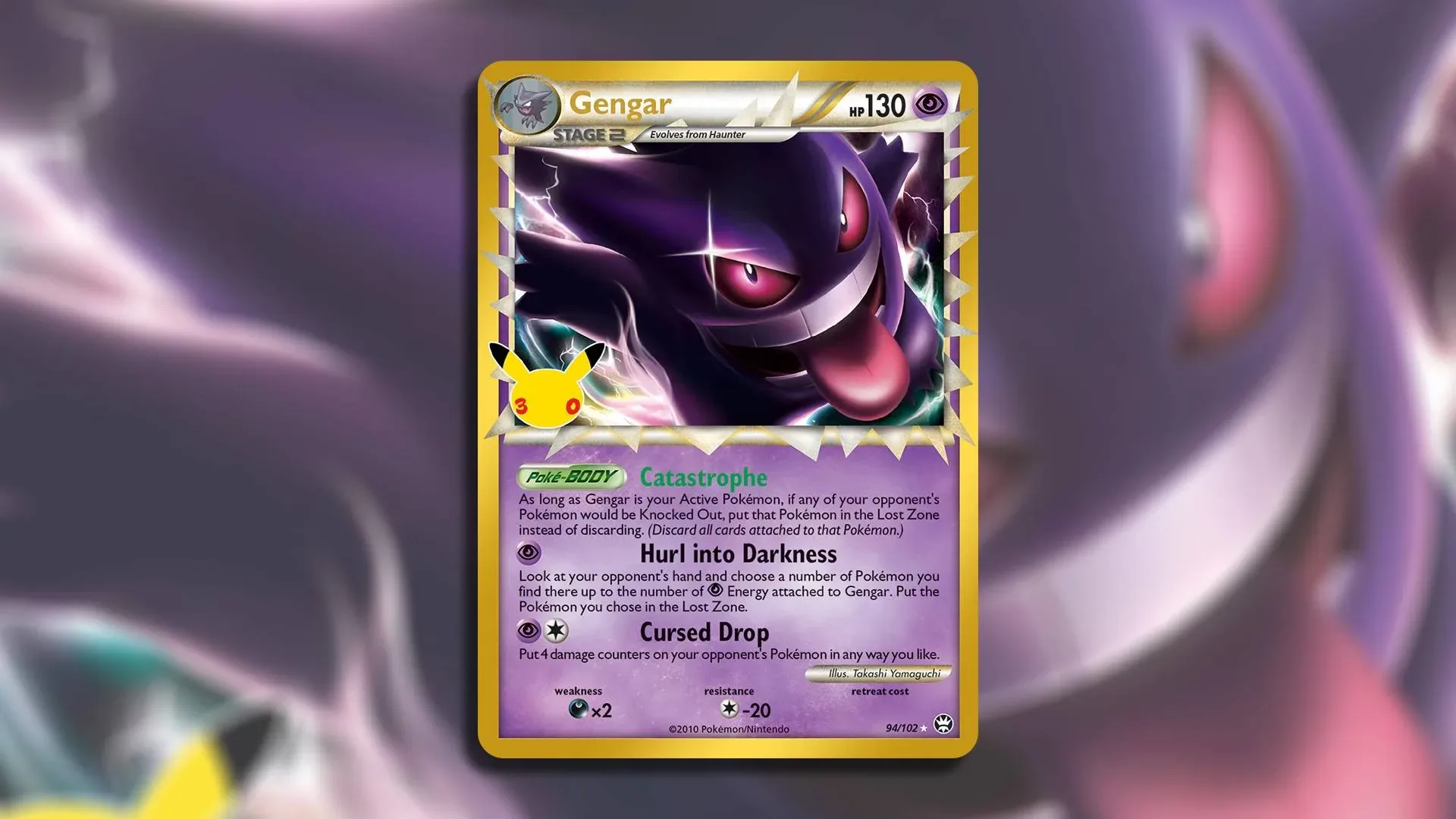
- Gengar Prime, a Classic Collection card, is around $79, and Mewtwo ex Future Rare is around $72.
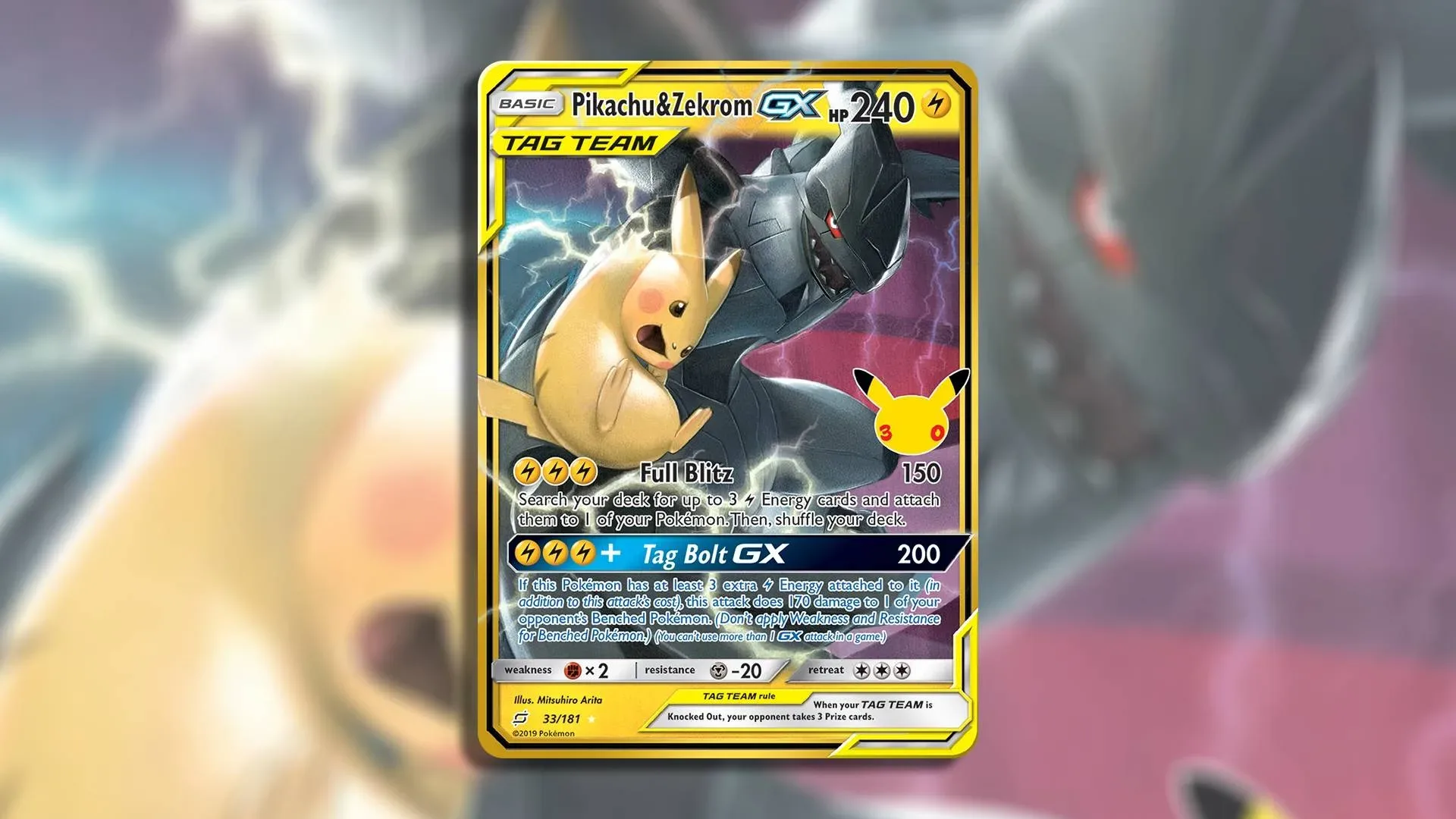
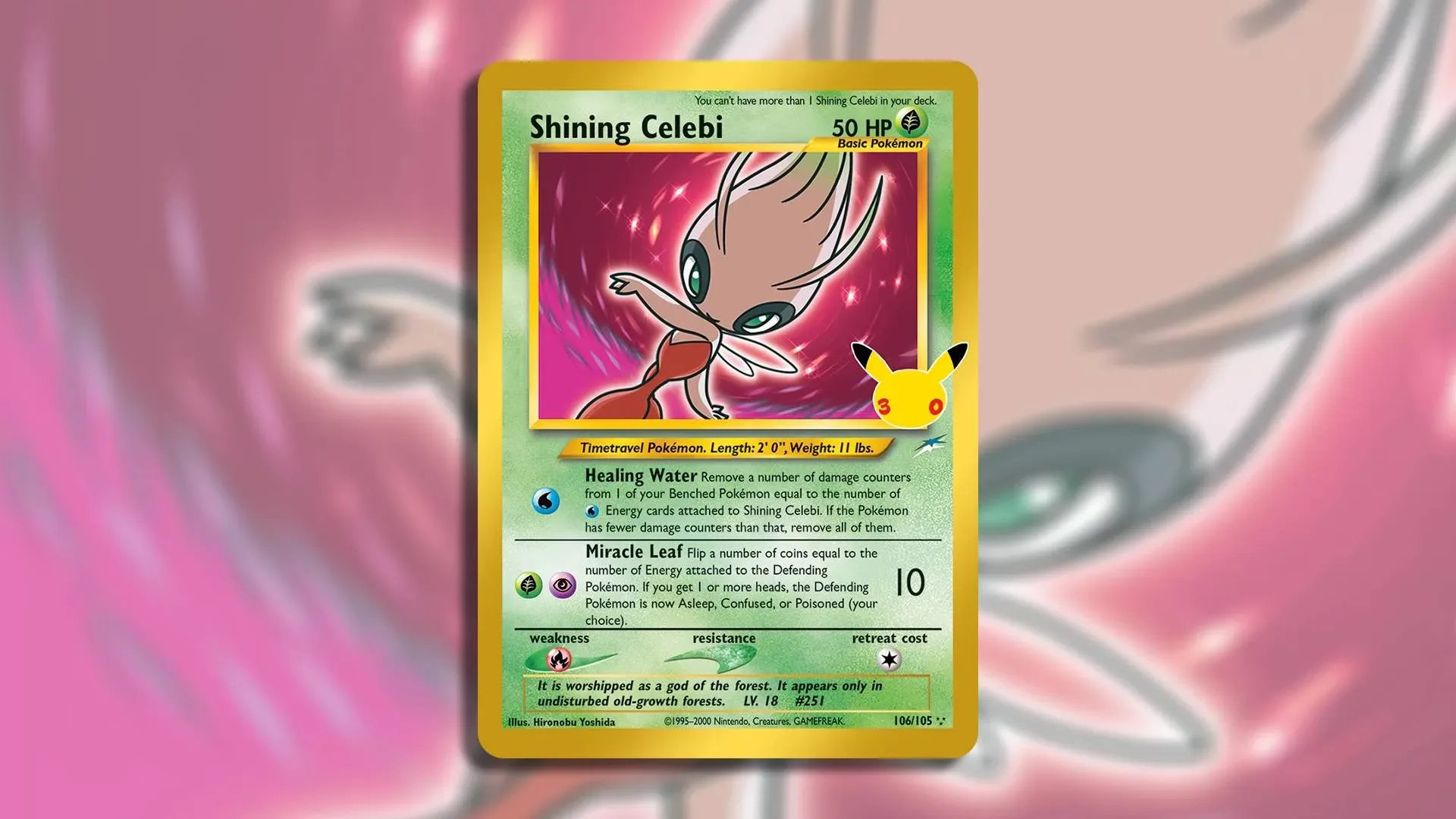
- Sylveon ex SIR is around $65, while Classic Collection cards Shining Celebi and Pikachu & Zekrom GX sit in the mid-$40s to low-$50s.
The closely priced Mew and Pikachu cards are also a reminder that popularity does not make an outcome predictable. The nighttime Pikachu is currently ahead of the daytime version, and both feature art by Kantaro packed with Pokémon. Yet a card’s current ranking is not a verdict on the artwork or the character; it is simply the current intersection of collector demand and available supply.
Future Rare prices show why launch hype needs context
The two Future Rare cards are an especially clear warning against treating pre-release buzz as settled value. Mew ex Future Rare is now around $103 and Mewtwo ex Future Rare around $72, after reported pre-launch prices of roughly $3,000. That is an enormous correction.
It is worth separating two ideas often blurred in card-market chatter. Asking price is what a seller hopes to receive. Completed sale price is what a buyer has actually paid. Neither alone establishes a permanent value, especially early in a set’s life, but completed sales are generally more meaningful evidence of what the market is doing at that moment. Even then, the sample can be small, cards can be listed under imperfect names, and a single unusual sale can distort expectations.
For collectors, that means resisting the urge to treat a high early listing or an enthusiastic prediction as proof of scarcity. The availability of opened product and the real number of copies entering the market matter far more than hype. The Future Rare decline does not say the cards lack artistic or personal appeal. It says early financial certainty was not warranted.
RGB Mew is a separate, unverified phenomenon
The RGB Mews should not be placed casually beside the other 15 cards. They are reported to exist in red, blue, and green variants, and they have been described as visually rough or knockoff-like. More importantly, the cards have not been included in official documentation and have not been acknowledged as real by The Pokémon Company.
That lack of official confirmation changes how their reported $4,000 average should be read. The figure is based on reported confirmed marketplace sales, not a formal price guide for an established, documented card. There is no reliable calculated pull rate. A rumor points to a one-in-10,000 digital pull rate in Pokémon TCG Live, but it remains a rumor and should not be used as a verified probability for physical packs.
There is also a basic statistics problem. Reported pull-rate sample sizes often reach only about 5,000 packs. If an item is genuinely scarcer than one in 10,000, a sample of that size can easily produce zero examples. No appearance in a limited data set is not proof that a card does not exist, and a handful of sales does not establish a dependable population estimate.
That combination—unusual design, apparent scarcity, missing official acknowledgement, and high reported sales—makes RGB Mew an intriguing curiosity. It also makes it the least stable basis for a purchase decision. Anyone evaluating one should be careful about the difference between a documented set card and an unverified market anomaly. Until more information is available, the cards are best understood as an unresolved collecting story rather than a normal chase-card target.
Classic cards, modern prices, and the condition question
30th Celebration also puts the vast distance between a modern reprint and a high-grade vintage original into focus. The cited original Gengar Prime from 2010’s Triumphant is around $570, climbing to approximately $14,400 in PSA 10 condition, while the new Classic Collection version is around $79. PSA 10 refers to a top grade from a third-party grading service; condition can radically affect the value of older cards because clean surviving copies are far less common than played ones.
The same pattern can be seen with Base Set Charizard. Examples cited include a raw shadowless version around $2,250, Legendary Collection around $900, Base Set 2 around $500, XY Evolutions around $103, and the 25th-anniversary Classic Collection around $160. The 30th Celebration printing sits near $185 at the reported moment. These are distinct printings with different eras, supply profiles, and collector audiences. “Charizard” is not one market.
If the aim is enjoyment, a modern anniversary print can offer striking art and a meaningful place in a themed binder without requiring vintage-card money. If the aim is preserving value, condition, exact version, and a willingness to wait through market swings become much more important. Those are different collecting goals, and neither needs to borrow the other’s logic.
What to watch next
The key questions for 30th Celebration are whether continued openings push main-set SIR prices lower, whether Classic Collection scarcity maintains a premium, and whether any official clarification arrives around RGB Mew. The leading cards may change places as listings accumulate, but the broad early signal is already unusually clear: a large portion of the set has become more attainable faster than many collectors expected.
That is encouraging for people who want to collect the art, build character pages, or pick up a favorite card without paying a launch-week premium. It also provides a useful reminder that scarcity claims deserve evidence, and that a card’s first few days of sales rarely tell its whole story. Pokémon remains a major part of the wider hobby, from cards to collaborations such as the Pokémon-themed Starbucks Japan collection, but the 30th Celebration singles market is a more focused lesson: availability can be the best friend a collector has.