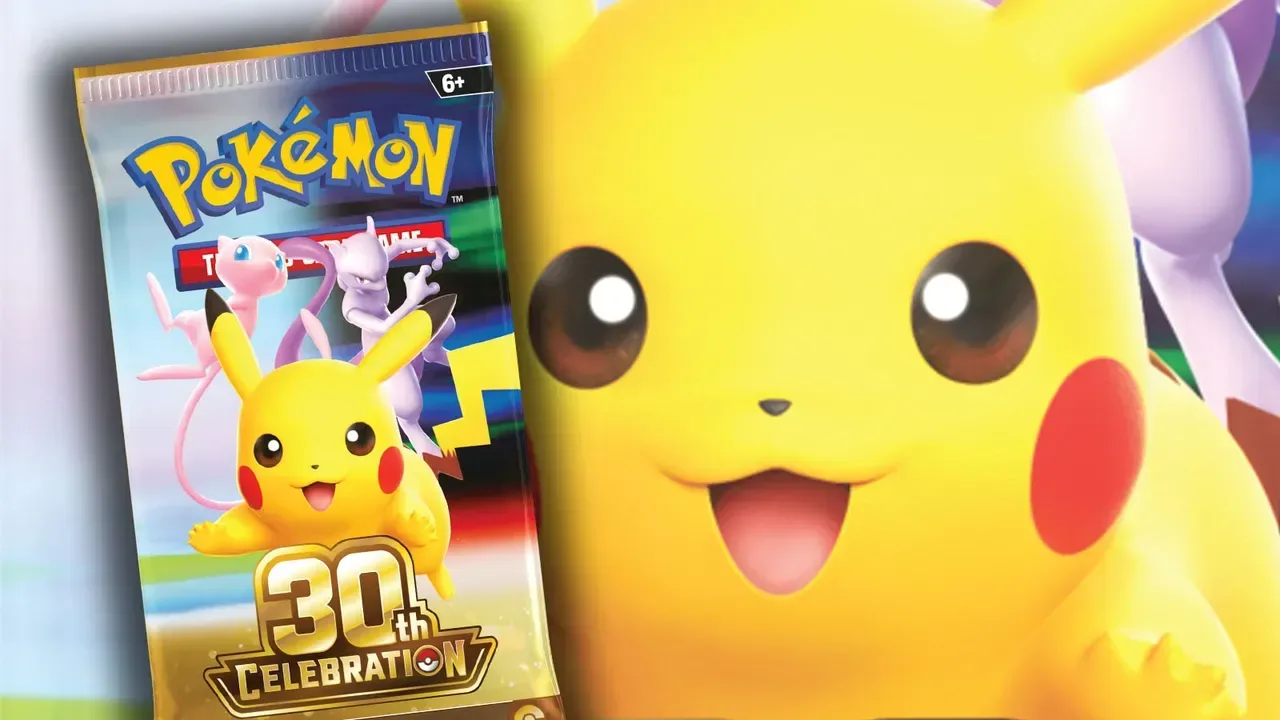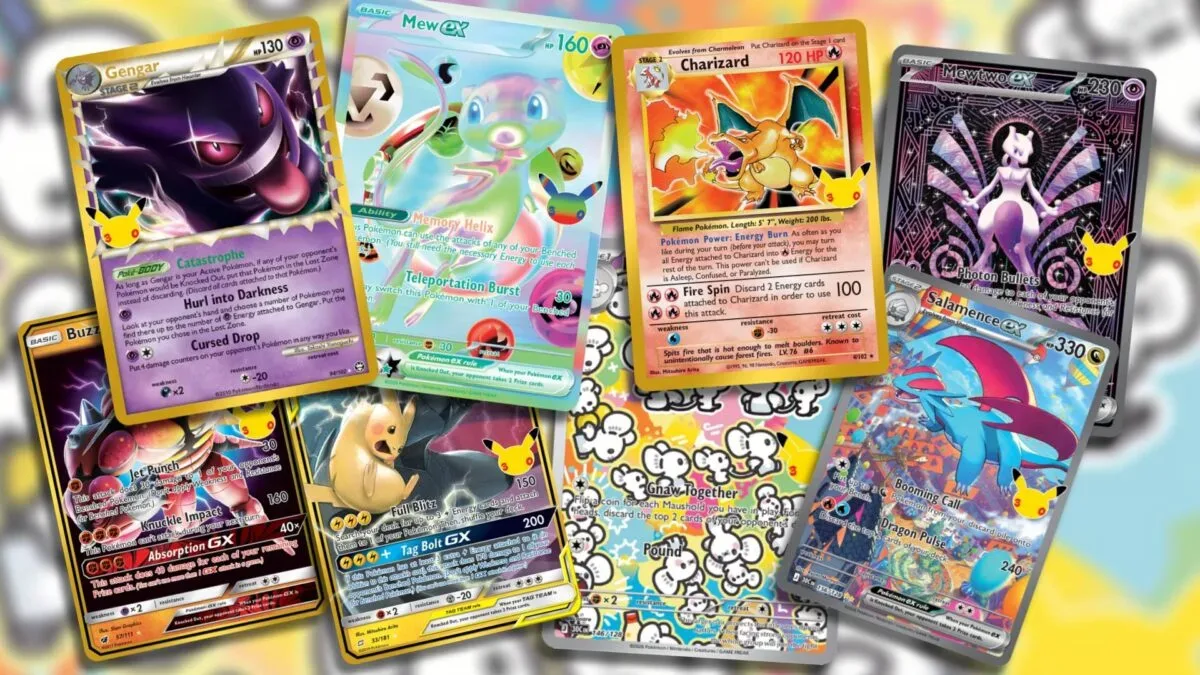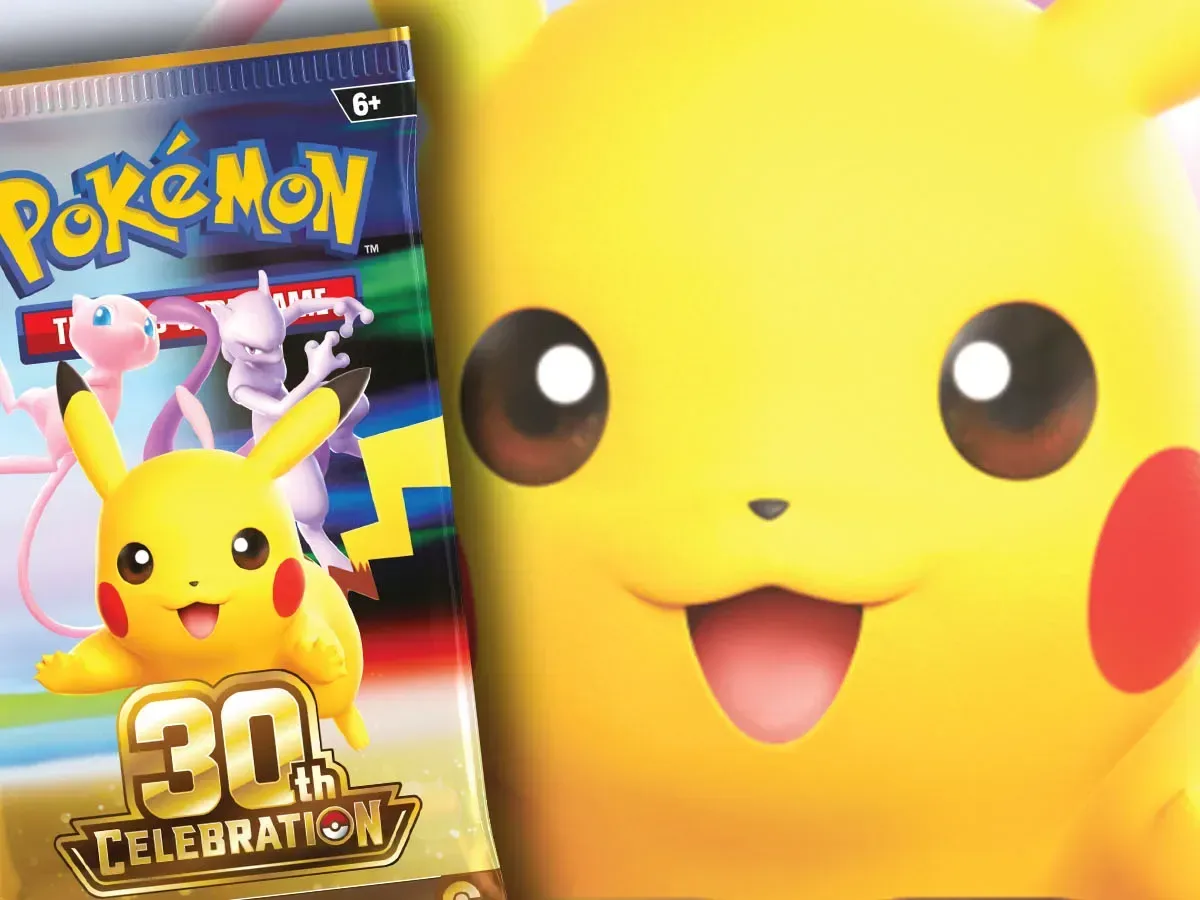
Pokémon’s 30th Anniversary Trading Card Game set is producing an outcome that many everyday collectors have wanted from a major release: the cards people actually want appear attainable. While the set initially prompted the familiar scramble for sealed stock, the emerging resale picture suggests that its principal pulls are turning up often enough to limit dramatic aftermarket premiums.
That is a problem only if the goal was never really to collect or play with the cards. Buyers who treated the anniversary release as a short-term investment, and who bought substantial quantities in expectation of a scarcity-driven price spike, are now confronting a less forgiving proposition: if more people can pull a card themselves, fewer people need to pay a reseller a large premium for it.
The exception appears to be a trio of unusually colored Mew cards—Red Mew, Green Mew and Blue Mew—which are still reselling in the low-thousands of dollars and seem to be considerably harder to find. Beyond those chase cards, however, the set’s top resale values fall sharply. Other cards are reportedly selling for under $250, with most of the 15 highest-priced cards assessed at around $100 or less.
For fans filling a binder, that is not a disappointing anniversary. It is the point.
What “easy hit rates” mean in practice
A hit rate is collector shorthand for how frequently a booster pack or other product delivers a card above its ordinary pulls—typically a rare, special-art, premium-finish or otherwise desirable card. It does not mean every pack has the same contents, nor does it guarantee that a particular buyer will pull a specific card. It describes the broader experience of opening enough product to see how commonly notable pulls appear.
When a set has generous hit rates, collectors are more likely to open a manageable amount of product and come away with cards they are excited to keep, trade or play. The supply of those cards on the secondary market also rises as more copies enter circulation. That usually restrains individual-card prices, especially for cards that are popular but not exceptionally scarce.
The 30th Anniversary set seems designed around precisely that dynamic. The main cards are reportedly findable with relative ease, while the three colored Mew variants retain the much lower apparent pull frequency normally associated with marquee chase cards. The result is not that rarity has disappeared; rather, scarcity seems concentrated in a small number of cards instead of defining the experience of completing much of the set.
That distinction matters. A set can preserve a handful of long-shot pulls for people who enjoy the chase without placing a large portion of its best-looking or most recognizable cards beyond the reach of ordinary buyers.
Related coverage includes Pokémon TCG's 30th Anniversary Set Makes Rare Cards Easier to Pull, Frustrating Resellers.
The gap between a collector market and a resale bet
Sealed Pokémon product can attract two very different kinds of demand. One buyer wants packs to open, cards for a binder, or singles to finish a personal collection. Another may buy product primarily on the expectation that constrained supply and hype will make it more valuable soon afterward. These interests overlap sometimes, but they react very differently when pull rates are generous.
For a collector, a lower aftermarket price for a wanted single can be a straightforward benefit. It lowers the barrier to completing a page, makes trading less intimidating and reduces the sense that an anniversary celebration is reserved for people who arrived first with the largest budget.
For a buyer who accumulated product expecting fast appreciation, more available hits undermine the entire wager. A high asking price is not the same as a completed sale, and a card’s value can change quickly when more copies are opened and listed. The publicly discussed prices surrounding this release should therefore be read as a moment-in-time view of a moving secondary market, not a promise of what any card or sealed item will command later.
That uncertainty is especially relevant after the initial launch rush. Demand can be intense before collectors know what is inside products in meaningful numbers. Once opening results circulate and supply reaches sellers, assumptions made on release day can be revised quickly. The anniversary set’s apparent abundance has done exactly that for many of its biggest cards.
Launch-day queues did not guarantee a resale windfall
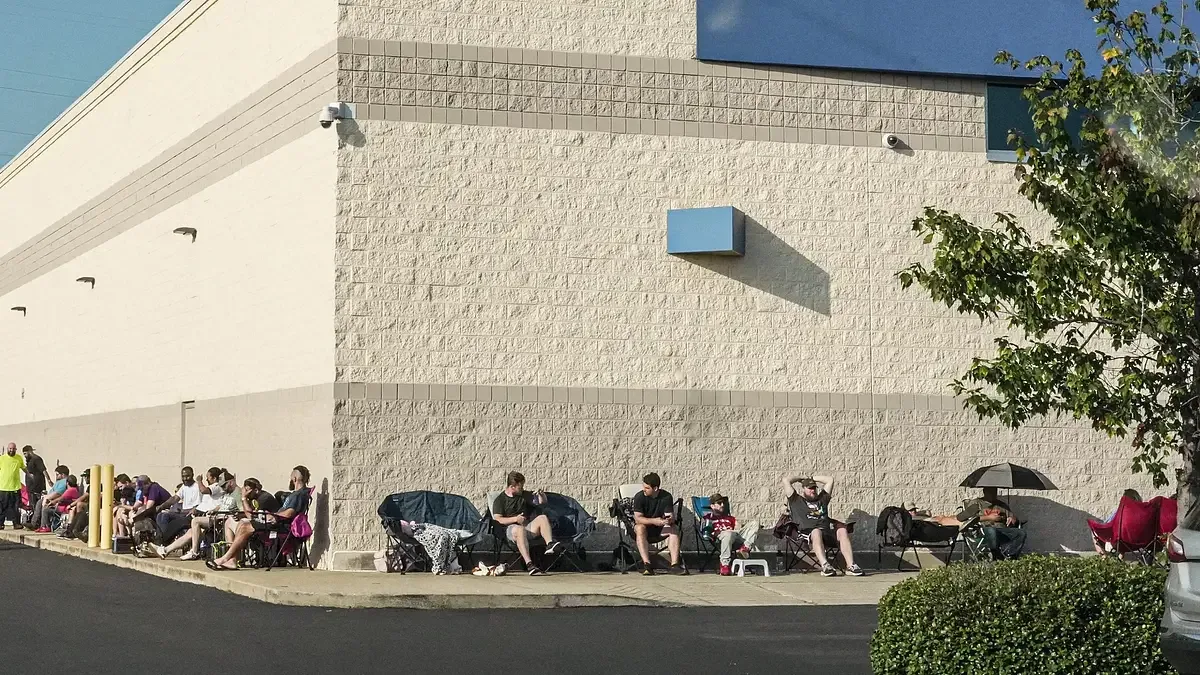
Demand at release was still significant. Stores in the United States saw long lines, including frustration around so-called ghost chairs: chairs left in queues for extended periods as placeholders. In the United Kingdom, the release also brought controversy following allegations that a minor celebrity disregarded purchasing limits and cut the line to secure stock.
Those scenes demonstrate why buyers may have assumed a major profit opportunity was waiting. High-profile Pokémon releases can inspire a rush before anyone has a clear picture of supply or pull distribution. Yet a crowded line establishes only that people want product at that moment. It does not establish that every pull inside will remain scarce, or that sealed boxes bought at a premium will deliver a sustainable margin.
That is the central lesson of the early market response: retail scarcity and card scarcity are related, but they are not identical. A product can be difficult to buy on launch weekend and still contain enough desirable cards to keep most singles comparatively accessible once packs are opened.
The distinction also helps explain why a small number of Mew cards can remain expensive while much of the rest of the set does not. The colored Mews appear to have a genuinely lower drop rate; their pricing is therefore being driven by a different supply situation from the set’s more frequently found highlights. Collectors looking at the market should avoid treating the price of those three outliers as a measure of the whole release.
Community reaction shows two competing views of the hobby
Discussion among Pokémon-focused investing communities has been blunt. Some participants had seen the 30th anniversary as a potentially bullish event that could provide an exit point for earlier investments. The perceived ease of pulling major cards has instead prompted warnings that values could fall further if disappointed holders begin selling at once.
That concern is understandable from a speculative perspective, but it is not universal. Other participants have argued that an enjoyable, reasonably obtainable anniversary set could be healthier for the hobby over time. Their reasoning is simple: an exciting opening experience can make children and newer collectors more likely to stay engaged, and a hobby with engaged participants has value beyond a brief spike in resale prices.
Neither view is a reliable forecast. The future value of any card or sealed product depends on unknowns that are not answered by the first wave of listings: future supply, continuing interest, collector preferences and the performance of later releases. But the disagreement does clarify what people want from this set. One camp wants a scarcity event. The other wants an anniversary product people can enjoy without paying a gatekeeper’s premium.
The latter case has a practical appeal. Pokémon cards are physical collectibles, but they are also designed to be opened, handled, traded and played. A release that lets more people encounter its showcase cards directly may create more positive experiences than one where the most visible cards immediately become distant financial targets.
What collectors can take from the early prices
Anyone assembling the set should resist turning early price charts into a verdict on personal collecting decisions. Prices below a few hundred dollars may still be substantial, and a lower-cost card is not automatically cheap. More importantly, market value is separate from the value a collector gets from completing a favorite Pokémon page or owning a particular illustration.
- Separate chase cards from the broader set. The Red, Green and Blue Mew cards appear to be exceptional cases, not proof that every card is rare.
- Be careful with the word “investment.” Rapidly shifting listings and uncertain future supply make short-term resale assumptions risky.
- Consider singles for a binder goal. When the majority of key cards are available on the secondary market, buying a specific card can avoid opening product solely to chase it.
- Do not confuse launch chaos with lasting scarcity. Queues and purchase-limit disputes show elevated demand, but they cannot by themselves predict card values.
- Allow the market time to settle. Early enthusiasm, additional openings and more listings can all affect prices.
The episode also arrives amid persistent anxieties about reseller activity around hobby releases. Reseller-rush concerns have surfaced in other collecting communities too, where limited stock and fear of missing out can reshape how fans approach a launch. Pokémon’s anniversary release offers a different possibility: even after a frantic start, generous availability within the product itself can redirect the market toward collectors rather than flippers.
Delta Reign is next, but this set has already made its point
The next Pokémon TCG set, Mega Evolution — Delta Reign, is expected as soon as November. Its pull rates and market behavior remain unknown. It would be a mistake to assume that the 30th Anniversary set establishes a permanent pattern for future releases, just as it would be a mistake to treat one difficult-to-pull Mew as evidence that the entire anniversary collection is inaccessible.
What is clear from the early response is that the 30th Anniversary set has disrupted a familiar expectation. Buyers who rushed in anticipating a profitable scarcity play may find that the main appeal is instead a more approachable collection. For collectors who want to open packs and see recognizable, desirable cards land in their binder, that is less a market failure than an anniversary gift with the wrapping already removed.