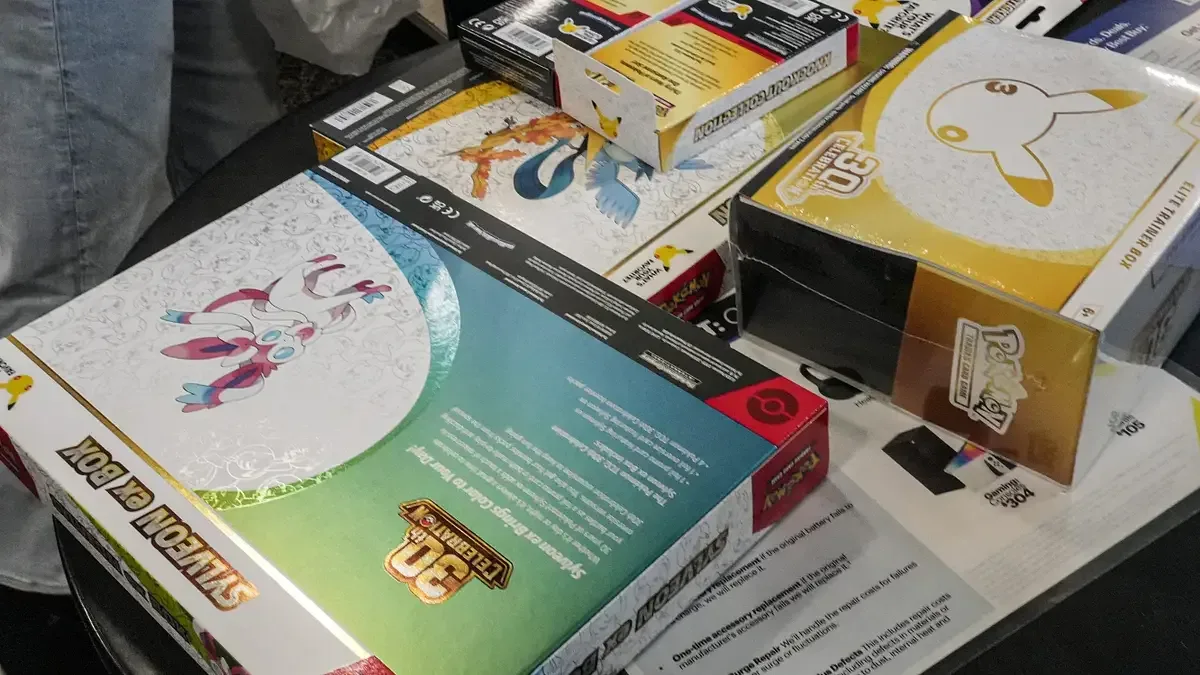
Pokémon’s 30th Anniversary Celebrations trading-card line is arriving with the familiar combination of nostalgia, multiple product formats and an immediate aftermarket scramble. The range revisits notable Pokémon across the franchise’s three-decade history while introducing a new rarity treatment, and it stretches from single booster packs to a 30-pack Ultra Premium Collection.
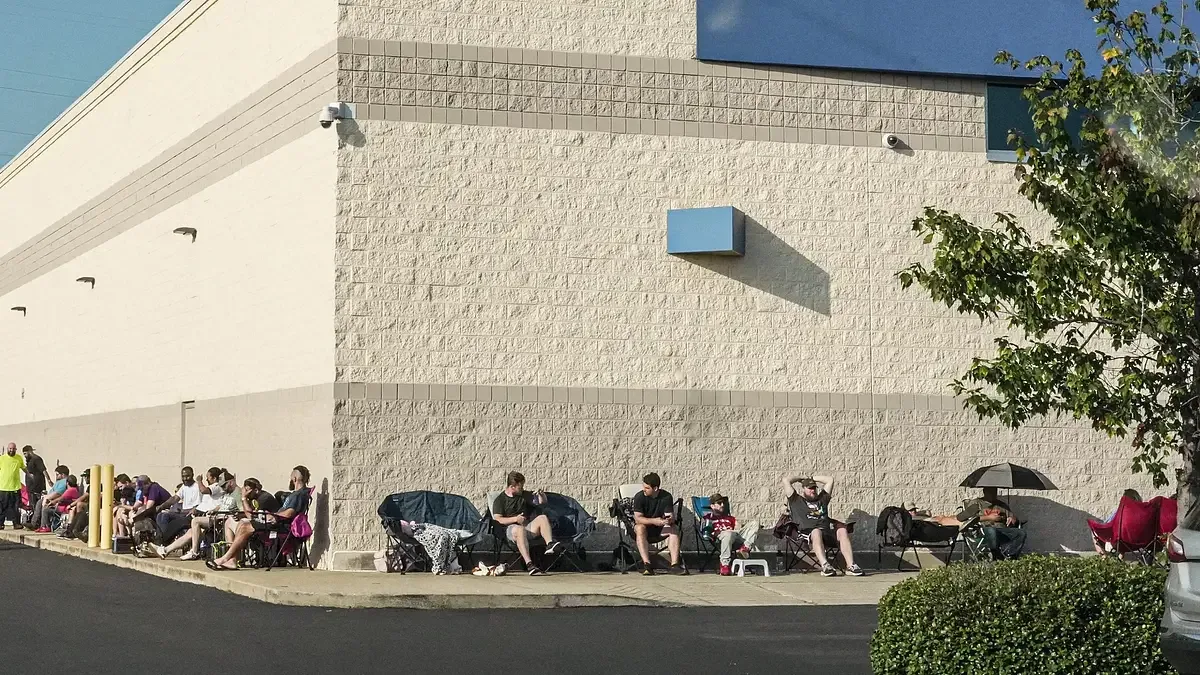
For collectors, though, the defining early story is not simply which cards are chase cards. It is the distance between suggested retail pricing and the resale listings appearing around the first wave. That gap is substantial on several sealed products, particularly the Pokémon Center version of the Elite Trainer Box. Yet the available information also points to an unusually important counterweight: the 30th Anniversary set is expected to be printed in greater numbers than earlier releases, and more release waves are scheduled through December.
That makes Celebrations 30th Anniversary a set where timing may matter as much as format. A product can be desirable, limited at a particular moment and still become far easier to obtain later. Collectors deciding whether to open, display or keep sealed should separate those questions from the noise of an early resale market.
What is in the 30th Anniversary lineup?
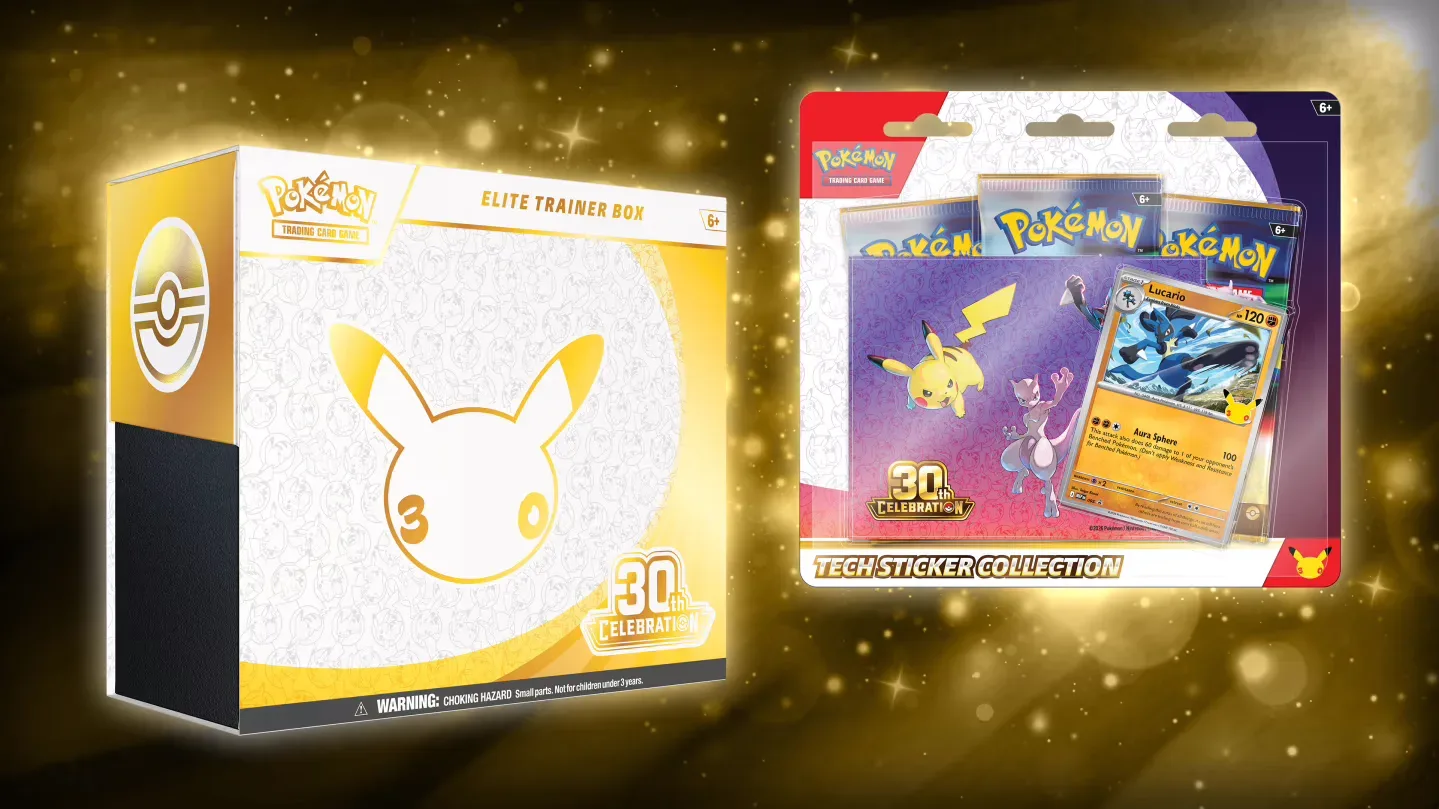
The initial retail lineup contains entry-level options as well as premium boxes. At the low end, individual booster packs carry a $4.99 retail price. The $9.99 Knock Out Collection includes two booster packs, a 30th-anniversary coin and a special foil Eevee card. A six-pack Booster Bundle is listed at $26.94.
For more context, explore Control Resonant Review: Stunning Paranatural Manhattan Can’t Escape a Repetitive Melee Loop.
There are also larger presentation-oriented products. The Pokémon Center-exclusive Elite Trainer Box contains 11 packs along with card-game accessories and has a $59.99 retail price. The Mini Tin set is $99.99 and includes 10 mini tins with two packs in each. At the high end, the Ultra Premium Collection is priced at $179.99, packs 30 boosters, and includes special Pikachu and Espeon foil cards.
The range extends beyond those headline items to tins, binders, pin collections, figure collections and other boxes. That breadth matters because each product serves a slightly different kind of collector. Someone trying to pull cards is primarily buying pack quantity; someone who values a particular promo, coin, pin, tin or branded accessory is buying an object that is not interchangeable with loose packs.
It also means that the word product needs to be used carefully in any market discussion. A booster pack, an Elite Trainer Box and an Ultra Premium Collection may all contain cards from the same anniversary set, but they are not the same collectible. Their pack counts, exclusive contents, retail channels and display appeal differ. Comparing every item only by its cost per pack can miss the point of a promo-focused box, while ignoring pack count can make a premium collection look like a straightforward route to card pulls when much of its price may rest in its extras.
Early resale prices are well above retail
Early market pricing shows sharp premiums across the first-wave products. The figures below are a snapshot rather than a promise: resale values move, listings do not always mean completed sales, and a product’s condition, shipping costs and buyer demand can change the actual amount paid.
- Booster pack: $4.99 retail; about $7 resale.
- Knock Out Collection: $9.99 retail; about $27.96 resale.
- Tech Sticker Collection: $14.99 retail; about $38.38 resale.
- Poster Collection: $14.99 retail; about $43 resale.
- Sylveon box: $21.99 retail; about $69 resale.
- Greninja box: $21.99 retail; about $62 resale.
- Elite Trainer Box: $49.99 retail; about $170 resale.
- Pokémon Center Elite Trainer Box: $59.99 retail; about $290 resale.
The Pokémon Center Elite Trainer Box illustrates both the heat of the opening market and its volatility. It reportedly appeared around $490 in early September before falling to around $290 by the time these comparisons were compiled. Even after that decline, $290 remains far above the $59.99 listed retail price. But a fall of that size is a useful reminder that an early peak is not a stable valuation.
The Ultra Premium Collection is the highest-priced retail item named in the lineup at $179.99 and is described as the most sought-after collection. Its combination of 30 packs and special Pikachu and Espeon foils gives it obvious collector appeal, but it should not automatically be treated as a guaranteed resale winner. Interest and scarcity can support a premium, but neither factor alone establishes what a sealed product will be worth after further stock reaches buyers.
For a closer read on the opening market movement, see this contemporaneous roundup of early Celebrations 30th Anniversary retail and resale pricing.
Why the first-wave premium may not last
Two supply details make this launch especially worth watching. First, the 30th Anniversary set is slated for a larger print run than prior sets. Second, products are planned in a sequence of waves: September 16, October 2, October 30, November 6 and December 4.
In simple terms, a print run is the quantity of product made. A bigger print run does not establish that every item will be readily available at every store on every day, and it does not erase demand for specific promos or Pokémon Center exclusives. It does, however, create the possibility that scarcity during the first days of release is temporary rather than permanent.
A release wave is another scheduled batch of products reaching the market. More waves can ease pressure on a first batch because buyers who missed out have another chance to find an item at retail. The December 4 wave is particularly relevant for anyone facing a choice between paying a large premium now and waiting for the full rollout to play out.
That is the central practical implication here. The early resale market reflects what is available and desirable at that moment, not necessarily the eventual supply picture. The $490-to-$290 movement cited for the Pokémon Center Elite Trainer Box is a concrete example of how fast the opening premium can change before all scheduled waves are out.
Rarity, chase cards and pull-rate expectations
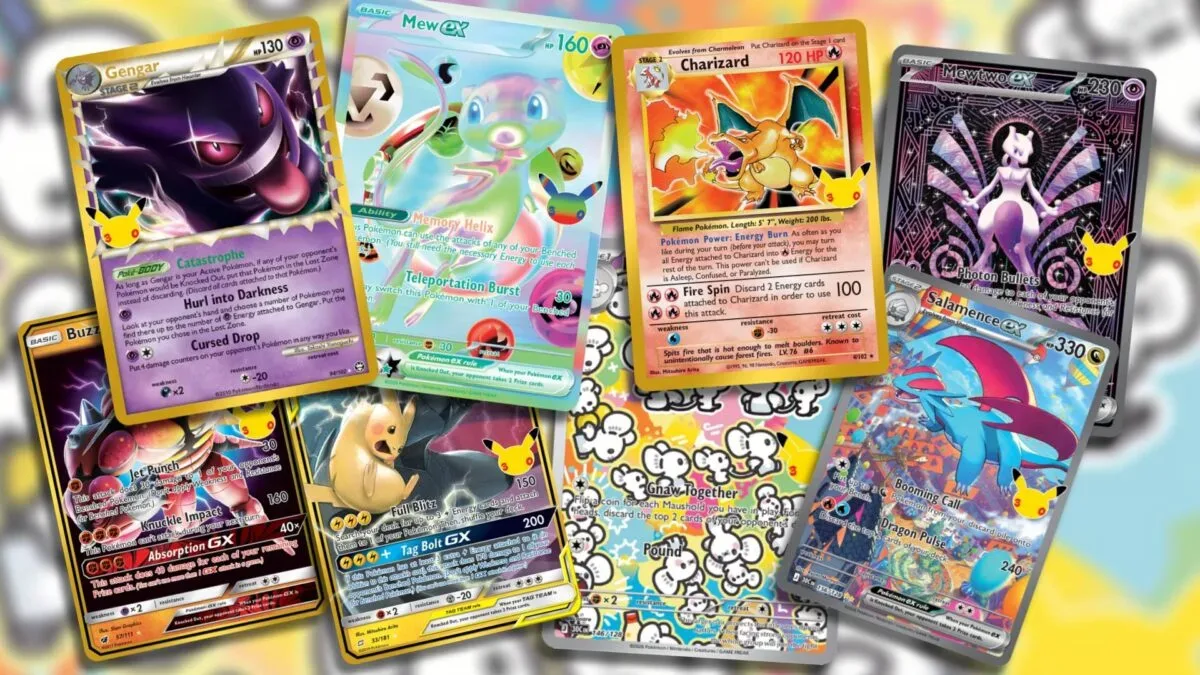
The anniversary set is said to include cards featuring Pikachu, Mewtwo, Mew and Jirachi among its chases, alongside a new “Futuristic Rare” rarity. The Futuristic Rare designs for Mewtwo and Mew extend into the 30th-anniversary logo, giving the card treatment a visual identity tied directly to the occasion.
In trading-card language, a chase card is a card buyers strongly want to pull from sealed product. It can be a chase because of the Pokémon, artwork, rarity, nostalgia, playability or some combination of those factors. A chase is not automatically the rarest card, nor does it guarantee a long-term value. It is a description of demand and collector attention.
Pull rate refers to how often cards of a given kind appear when packs are opened. More frequent pulls of rare cards can make the opening experience feel more rewarding, but it can also mean more copies enter circulation. The reported early indication is that rare cards are appearing more frequently. That is useful context for people buying boxes purely to hunt a particular card: an exciting rarity label should not be mistaken for proof that a card will remain difficult to obtain.
It is also worth distinguishing sealed-product demand from individual-card demand. A sealed box can draw interest because of its exclusive promo, its packaging, its retail channel or simply the anniversary branding. A single card’s market may follow a different path depending on how many copies are opened and listed. The two markets influence each other, but they are not identical.
A practical buying approach for collectors
Collectors who want to participate without letting launch pressure dictate every decision can start by identifying what they actually want from Celebrations 30th Anniversary.
- Buying to open: Compare products by the number of packs and by any extras you genuinely value. The six-pack Booster Bundle, 11-pack Pokémon Center Elite Trainer Box, 20-pack Mini Tin set and 30-pack Ultra Premium Collection all offer different mixes of packs and non-card contents.
- Buying a promo or display piece: Verify which foil, accessory or format is exclusive to the product you want. Paying for a premium collection solely for pack volume is a different decision from paying for a Pikachu, Espeon, Eevee, coin, tin or accessory that will matter in a display.
- Buying sealed: Recognize that an early premium is not the same thing as confirmed long-term scarcity. Additional waves and the stated larger print run are material risks for anyone paying far over retail primarily because stock is scarce today.
- Buying individual cards: Consider waiting for more openings to add supply. If rare cards are indeed appearing more often, the market could look different as more product reaches collectors.
There is no universal “best” box because the goals are different. The Ultra Premium Collection is the obvious flagship for buyers who want its special foils and 30 packs. The Pokémon Center Elite Trainer Box has a specific exclusive identity and an early resale premium. The Knock Out Collection offers a low-cost entry with a foil Eevee and coin. None of those facts makes one format objectively superior for every collection.
The key dates to watch
The staggered schedule is more informative than a single launch-day snapshot. The first wave began September 16, followed by planned waves on October 2, October 30, November 6 and December 4. Stock visibility and resale pricing can change after each point, especially if buyers who missed the first wave decide to wait rather than pay a secondary-market markup.
For now, the sensible reading of Celebrations 30th Anniversary is straightforward: early demand is real, the product variety is broad, and certain boxes are trading at dramatic premiums over retail. At the same time, the schedule contains more supply checkpoints, and the set is expected to be printed more heavily than previous releases. That combination makes patience a practical strategy for collectors whose priority is getting product at retail, rather than winning a race against the first-wave frenzy.