Pokémon Trading Card Game anniversary sets are usually built to create a very specific kind of frenzy: players want the cards, collectors want the artwork, and speculators want to be standing nearest the cash register when everyone else starts panicking. 30th Celebration, released last week to mark Pokémon’s 30th anniversary, appears to have disrupted that familiar script.
The set is reportedly popular, and sealed packs are still not consistently easy to find. Yet the cards expected to command enormous prices are arriving in enough quantity that the early resale market is rapidly adjusting downward. The immediate result is simple: more people opening packs have a realistic chance of pulling a desirable card, while buyers who treated scarcity predictions as investment certainty are facing substantially lower asking prices and sales.
That distinction matters. A trading card can be rare without being inaccessible, and it can be valuable without becoming the centerpiece of a speculative rush. The early figures surrounding 30th Celebration suggest that its most desirable cards may be settling at prices far below pre-release assumptions—not because interest evaporated, but because supply is proving much stronger than expected.
What changed: pull rates, not demand
The key term in this story is pull rate: the approximate frequency with which a particular rarity, or a card within that rarity, appears in booster packs. Pull rates shape the entire experience around a modern trading-card set. They affect whether a player views a beautiful card as a plausible binder addition, whether collectors buy singles instead of packs, and whether sellers can credibly claim a card is scarce.
For the recent Pokémon sets discussed here, the most sought-after full-art cards had reportedly appeared at roughly one per 100 packs. At that frequency, opening packs becomes an extraordinarily expensive and uncertain route to a specific card. If 100 packs cost about $1,000, as reported for many recent sets, the odds do not promise that a buyer will receive the one card they want; they only describe an average rate across a large volume of packs.
30th Celebration reportedly changes that calculation substantially. Its comparable top cards are said to appear at about one in 18 packs, while Illustration Rares reportedly show up about once every five packs. Those are still randomized products, not guarantees. But they mean more copies are likely to enter collections and resale listings as more packs are opened.
That growing supply has an obvious effect on a resale market that had priced many cards around the expectation of extreme scarcity. Buyers no longer need to pay whatever the first few sellers demand if another copy is likely to appear shortly afterward. Sellers, in turn, must compete with a larger number of listings. A card can remain popular and visually striking while its price falls because the market has more of it.
Early prices have fallen dramatically
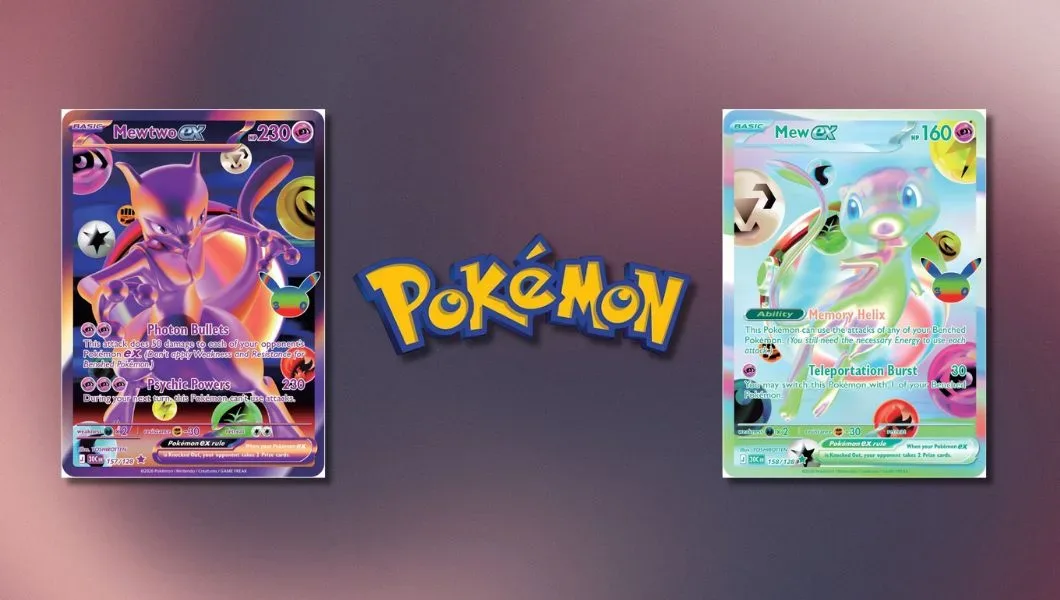
The clearest reported example is Future Mew, a card from the set’s Future Rare class. Before release, it was listed above $3,000, and copies obtained ahead of launch reportedly sold in the $850 to $1,400 range through late August and the first half of September. Within roughly five days of release, listings had moved closer to $120, with actual sales reportedly struggling to exceed $100.
Related coverage includes Pokémon TCG 30th Celebration’s Generous Pull Rates Are Pressuring Resale Prices.
Future Mewtwo, another card that had been expected to become a major chase, has also reportedly had difficulty reaching $100. The important point is not that every listing has settled at a single universal price—online listings, completed sales, condition and timing all vary—but that the difference between the pre-release narrative and the market shortly after launch is enormous.
Meanwhile, the reported top-priced card in the set is the Special Illustration Rare Mew ex, illustrated by Kuroimori, at a market price of $177. Gengar ex Special Illustration Rare reportedly sits second at $130. By the tenth-most-expensive card, prices were said to be below $40.
Special Illustration Rare, often shortened to SIR, refers to a high-rarity, full-art card treatment featuring detailed illustration. These are generally among the cards that players and collectors pursue most aggressively. A lower price for an SIR does not mean it is unwanted or poorly made. In this case, it instead indicates that cards which would normally be positioned as exceptionally scarce chase pieces are reaching a broader portion of the audience.
Why the difference between listings and sales is crucial
Anyone reading early trading-card prices should separate an asking price from a completed sale. A seller can list a card at any amount. That figure is evidence of the seller’s hope, not necessarily of demand. Completed sales are usually more useful for estimating what buyers were actually prepared to pay, although even those can be distorted by unusually early transactions, limited supply, auction timing and condition differences.
Pre-release markets are especially vulnerable to inflated expectations. There are few copies available, information about the final pull rates may be incomplete, and the people willing to buy early are often paying for immediacy as much as the card itself. That is why a card selling at four figures before the wider release does not establish that it will retain that value once ordinary pack openings begin.
30th Celebration is providing a particularly sharp example of that risk. The early market seems to have valued perceived rarity first. Once pack openings made the real availability clearer, buyers had more leverage and prices fell accordingly. That is not proof that every card will continue to decline, nor is it a promise that a card priced at $100 will stay there. It is a reminder that treating unverified scarcity as a durable financial thesis can go wrong very quickly.
Availability remains the less cheerful part
More favorable pull rates do not automatically mean every child, player or collector can walk into a shop and buy packs. Reports still describe people lining up and buying large amounts of product, whether for immediate resale or long-term sealed-product speculation. In other words, the cards may be more available inside packs, but the packs themselves can still be difficult to obtain at normal retail channels.
There is, however, a potentially meaningful counterweight. 30th Celebration is reported to be the largest print run for a Pokémon set so far and is expected to remain in print for many months. If that continues, an initially tight retail environment could ease as more product reaches stores. Sustained printing is not the same as a guarantee of shelf stock in every area, but it reduces the force of the claim that buyers must immediately pay inflated resale prices or miss out forever.
For people who simply want cards for a binder, deck or collection, the practical implication is patience. When a set has a long print window and higher hit rates, the first few days are often the least useful moment to decide what any single card is “worth.” Avoiding fear-driven purchases can be as important as avoiding inflated sealed-product prices.
- Buy singles when you want a particular card: opening packs is entertainment with a chance of a pull, not a reliable way to acquire one precise card.
- Watch completed sales rather than headline listings: an unsold four-figure listing tells a much different story from a string of completed transactions.
- Do not assume a pre-release sale establishes a floor: more stock and more openings can change the market quickly.
- Set a budget before buying packs: even improved odds remain odds, and no pull rate guarantees a specific Future Rare or SIR.
The speculation backlash, explained
The slump has prompted a conspicuously unhappy reaction in investment-focused corners of the card community. Posts shared online have framed wider product supply and stronger pull rates as an affront to people who bought enormous quantities. Some users characterized themselves as “secondary distributors” or argued that the brand owed them more information about production and pull rates.
That language is revealing. A distributor ordinarily participates in a manufacturer’s recognized supply chain. A person who purchases retail stock and resells it for more is participating in a secondary market. That market can exist, and can be useful for hard-to-find older singles, but it is not the same thing as an official distribution function. It also does not obligate a card maker to preserve the resale value of purchases made on speculation.
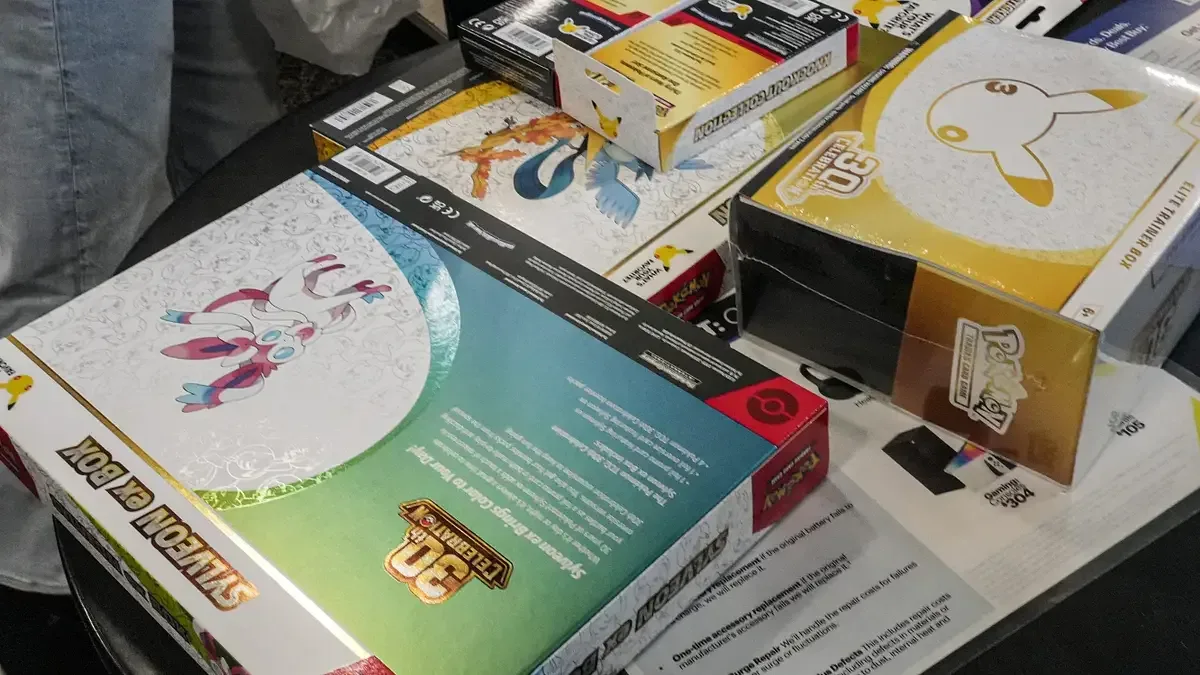
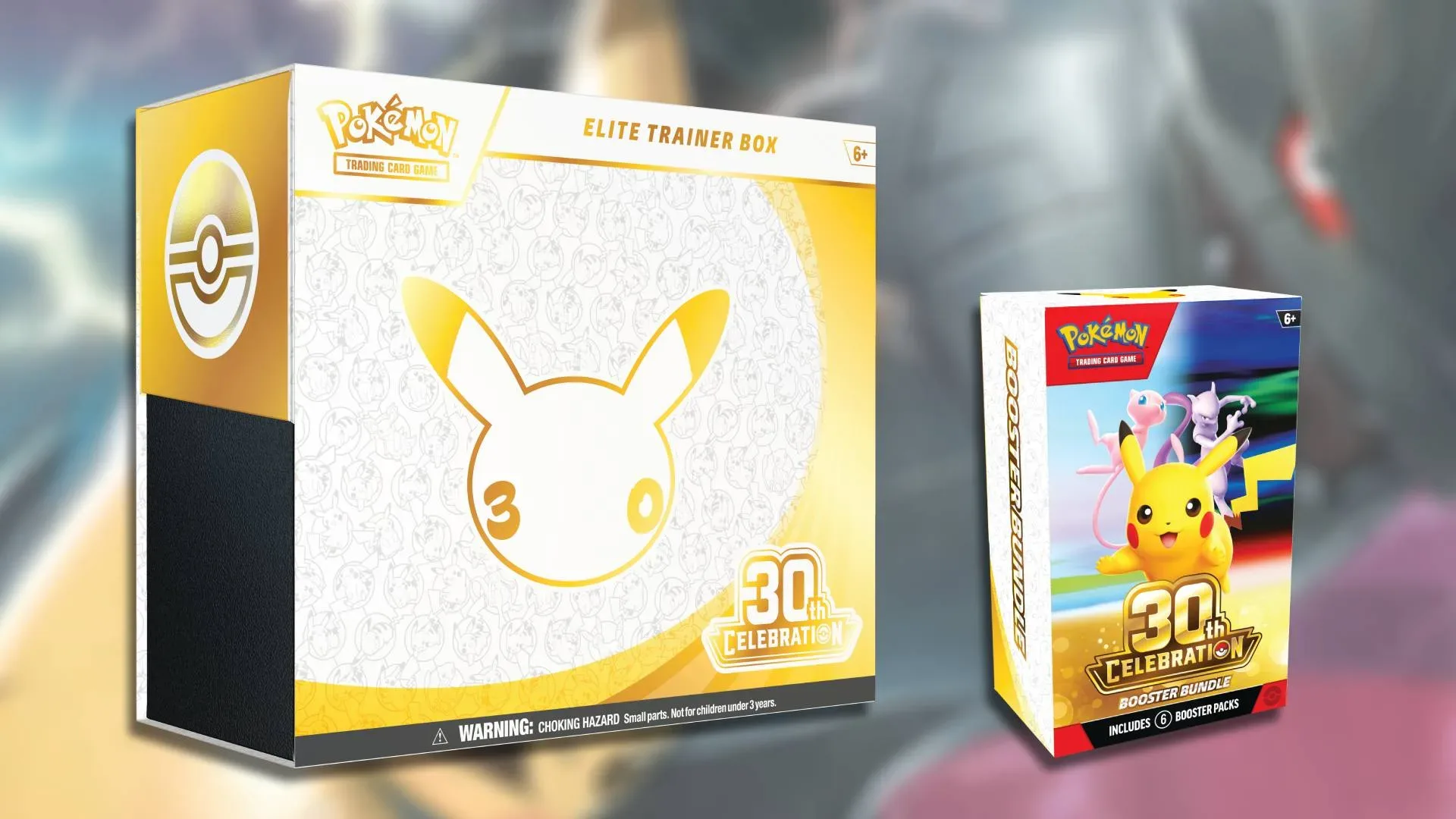
Several reactions reportedly went further, including claims of maxed-out credit cards, anger over buyers being able to purchase multiple Elite Trainer Boxes, and demands for action because higher hit rates had reduced card values. Those posts should not be treated as a representative picture of everyone who collects Pokémon cards. They do underline the danger of viewing a hobby product as a sure investment, particularly when the product is randomized and the manufacturer controls future print volume.
It is also worth being precise about the word scalper. It generally describes someone who buys scarce retail items with the intent of quickly reselling them at a markup. An investor may hold sealed boxes or individual cards for a longer period. In practice, the categories can overlap, especially when large purchases limit access for ordinary customers. Neither label changes the basic exposure: if supply rises or demand cools, the buyer holding excess inventory bears the loss.
Could this signal a wider reset?
It is too soon to describe 30th Celebration as the event that ends Pokémon TCG speculation. One set can have unusually favorable odds, and individual prices may change repeatedly as more sales data emerges. The set is also still difficult for some people to buy at retail, which means the supply story is not settled merely because chase-card prices are falling.
But its launch does create a useful test case. A set can maintain attention while giving more pack buyers access to visually impressive cards. It can offer valuable singles without requiring four-figure chase-card prices across the board. And it can expose the gap between a community built around collecting and play, and a smaller but loud market built around restricting supply and forecasting returns.
The next major checkpoint is Delta Reign, expected in November. If its pull rates follow 30th Celebration’s more generous pattern, the pressure on inflated resale expectations could continue. If they return to the far scarcer model reported for earlier releases, this anniversary set may be remembered as an exception rather than a shift.
That uncertainty is precisely why caution is warranted. The broader trading-card business can change quickly; even other products can be disrupted unexpectedly, as seen when the Magic: The Gathering Star Trek Beginner Box was cancelled worldwide. For Pokémon fans, though, the near-term upside of 30th Celebration is straightforward: a bigger print run and better odds give more people a chance to enjoy the art rather than chase an artificial scarcity story.