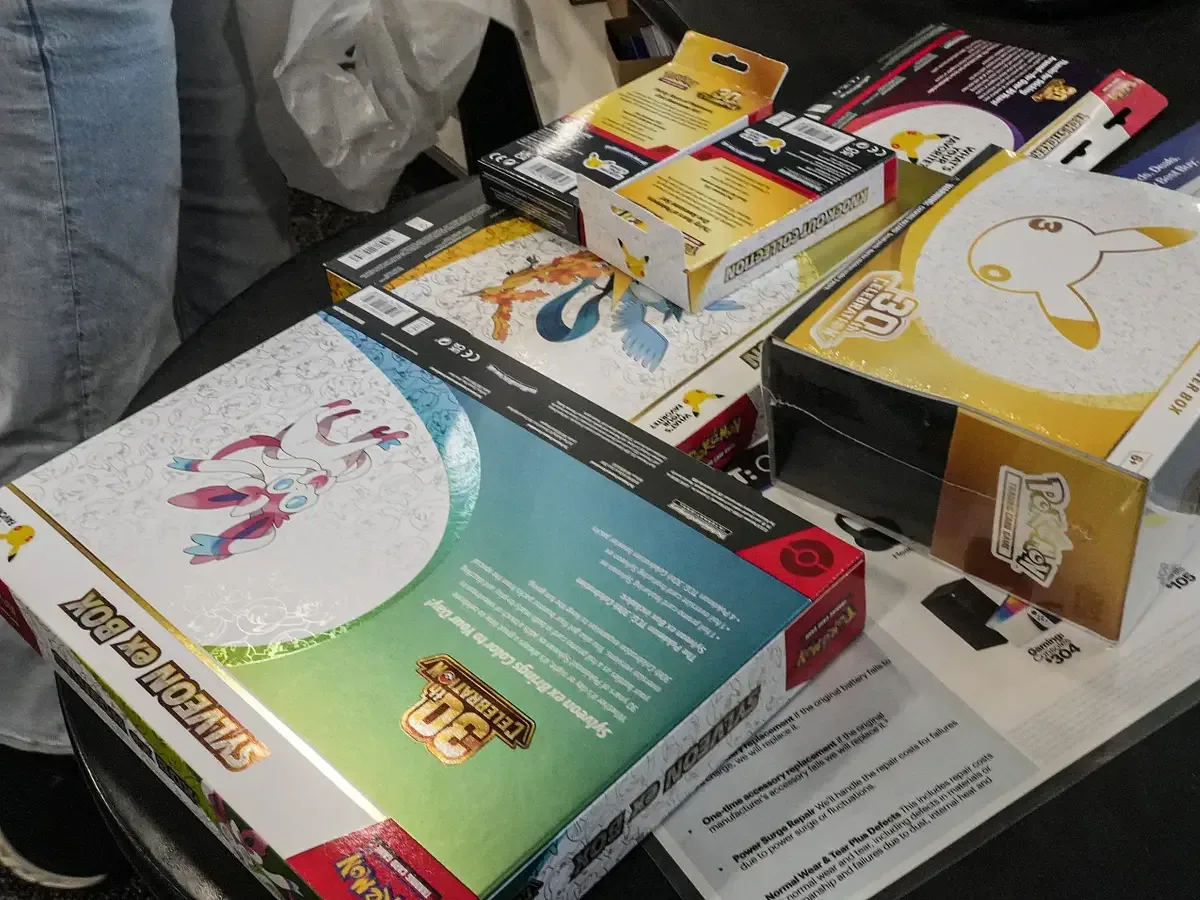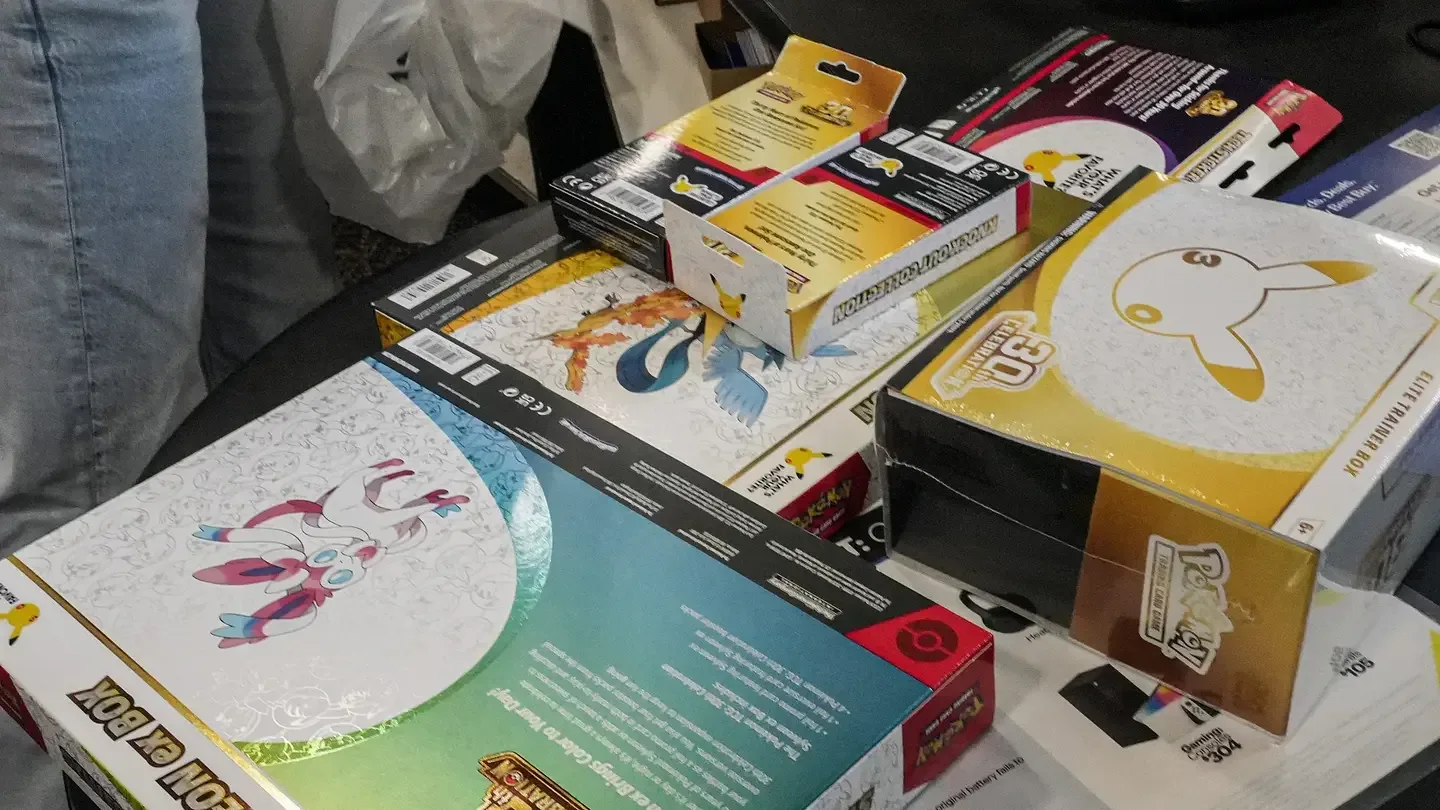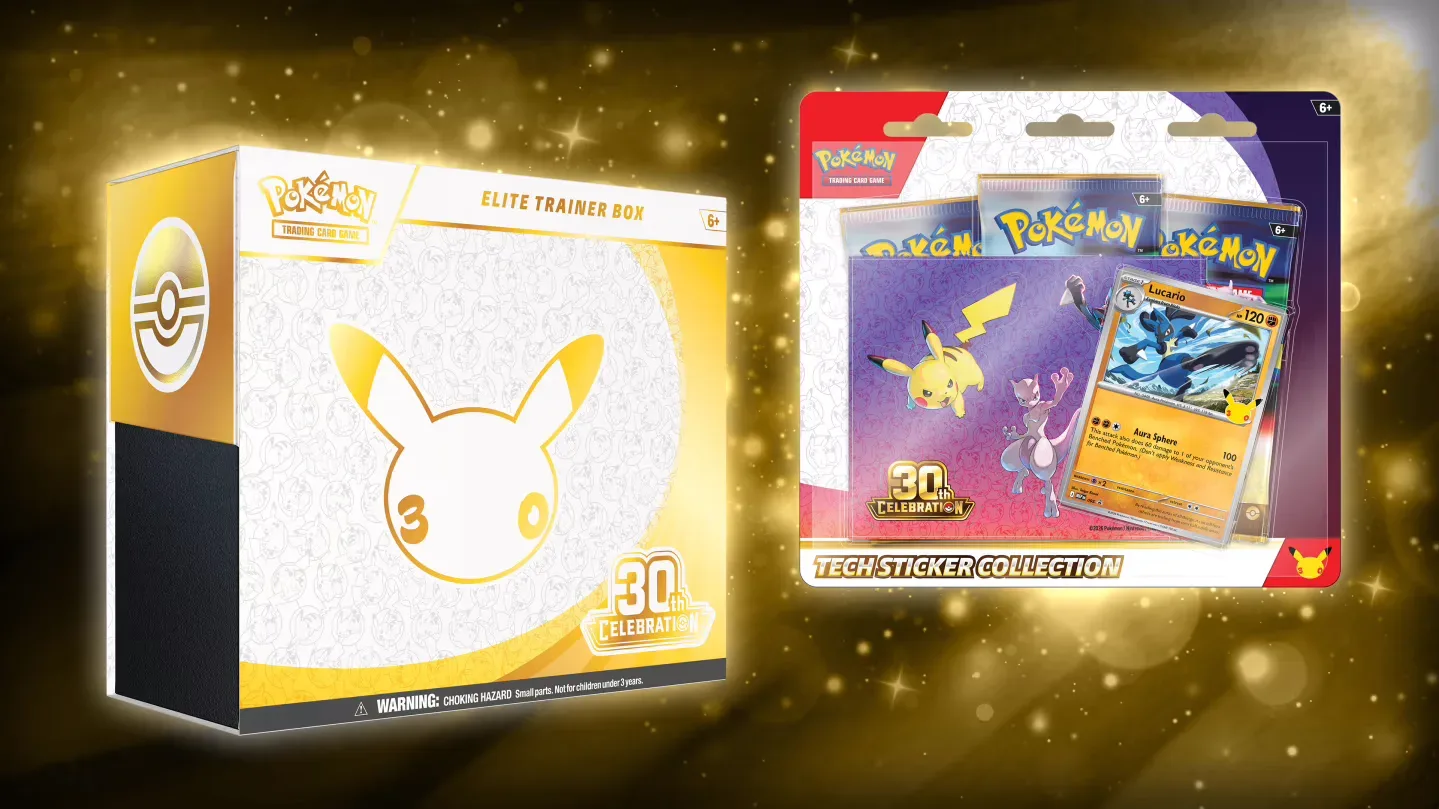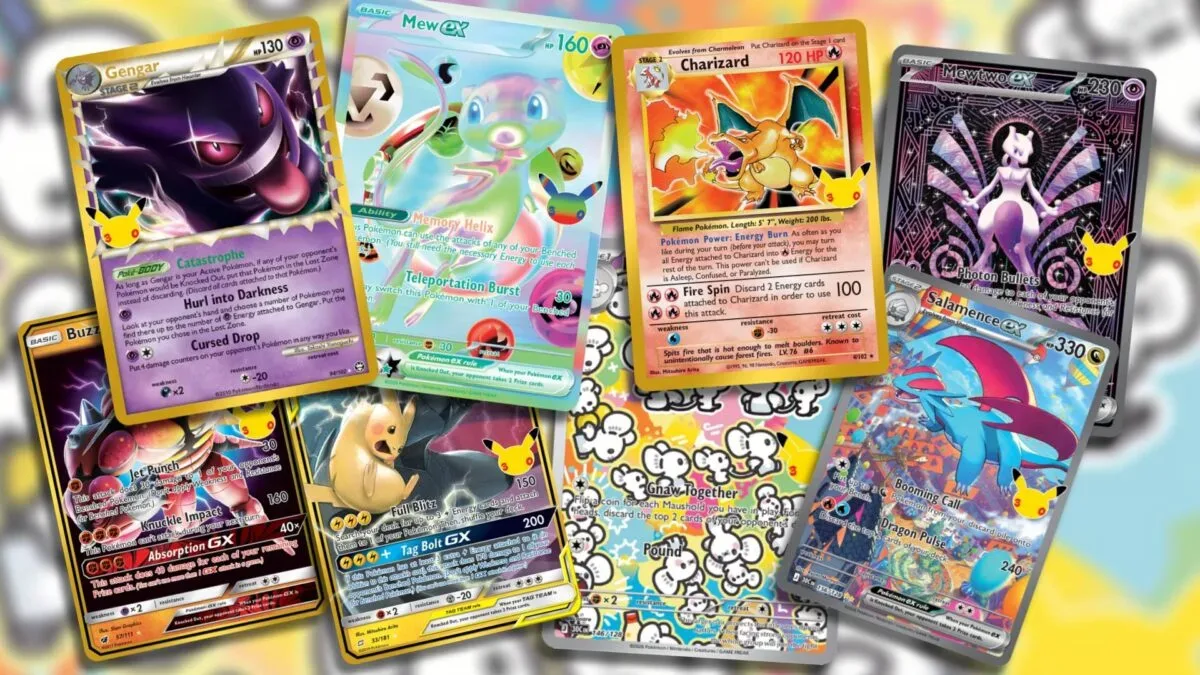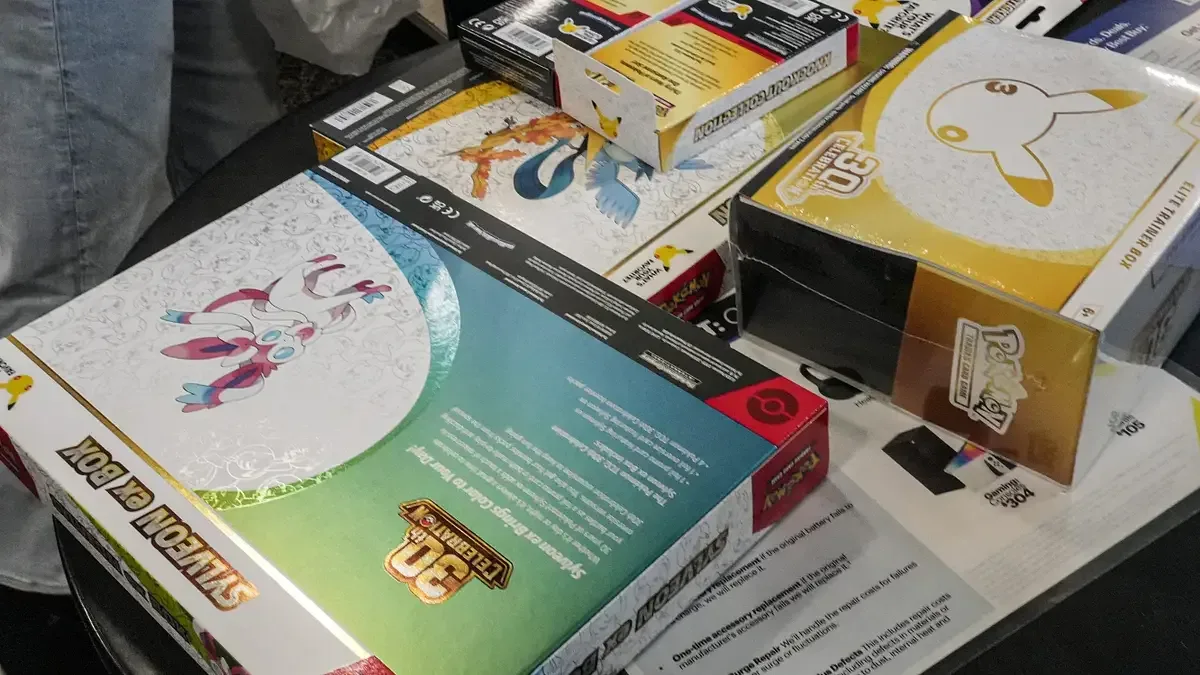
Pokémon 30th Celebration has arrived with the familiar ingredients of a major anniversary release: a deep checklist, strong anticipation and intense attention on its chase cards. But the early story is not simply one of scarcity. A reported pull-rate sample of 6,500 packs suggests that a large share of the set’s most appealing cards may be substantially more attainable than collectors expected before release.
That matters because collectible-card prices are ultimately shaped by the meeting point between demand and supply. A striking card can remain popular while becoming much cheaper if enough copies enter circulation. The early movement around 30th Celebration appears to be a sharp example: many singles are falling after release, including cards that had carried much bigger pre-release expectations.
There is still a very important exception. The new RGB rarity is reported at a dramatically lower rate than the set’s other chase tiers, and early sales show the premium that can attach to the scarcest version of a sought-after character. For everyone else, though, the available numbers make a simple practical case: opening packs can be a fun way to participate in the anniversary, but buying a specific card may be the less costly and less frustrating route.
What the reported pack data says
The pull-rate figures come from a 6,500-pack sample tracked by the X account @switchstock. A sample of that size is meaningful as an early snapshot, but it is not the same thing as an official guarantee from the manufacturer. It describes what appeared in the packs examined; it does not promise that every individual box, bundle or run of five packs will precisely reproduce the averages.
That distinction is especially useful when interpreting a phrase such as “one in five.” In trading-card terms, a 1:5 pull rate means an average frequency across a large number of packs. It does not mean a collector is assured a hit on their fifth pack. Short runs can be streaky in either direction. Someone can open several packs without the desired rarity, while someone else can pull multiple notable cards unusually quickly.
Even with that caveat, the reported distribution is unusually collector-friendly for several important tiers:
- ex cards: approximately one per four packs.
- Illustration Rares: approximately one per five packs.
- Classic Collection Rares: approximately one per 10 packs.
- Special Illustration Rares: approximately one per 20 packs.
- Futuristic Rares: approximately one per 117 packs.
- RGB cards: approximately one per 3,200 packs.
“Hit” is collector shorthand rather than a single formal rarity category. Here, it broadly refers to the more desirable pulls beyond ordinary cards. The most common of the listed hits are standard ex cards, while Illustration Rares and Special Illustration Rares represent increasingly premium presentation tiers. Classic Collection Rares revisit notable cards from the franchise’s 30-year history. The two newer tiers, Futuristic Rare and RGB, are where the published odds separate most dramatically from the rest of the checklist.
Why the gap between rarity tiers matters
At roughly one ex per four packs and one Illustration Rare per five packs, the reported rates suggest a comparatively steady flow of cards that many collectors will want to display or add to binders. A Special Illustration Rare at one per 20 packs is still meaningfully harder to pull, but it is not in the same supply universe as a 1:117 or 1:3,200 card.
Related coverage includes Pokémon 30th Celebration Pull Rates Are Pushing Singles Prices Down Fast.
This is why a set can feel generous to open while still retaining enormous chase-card premiums. Most participants may have a realistic chance of seeing appealing art or a recognizable character in a modest opening. Yet the one rarity that is far less likely to surface can command attention and money well beyond every other card in the set.
The reported Futuristic Rare tier is limited to Mew ex and Mewtwo ex, at about one card per 117 packs. That is already a sharp drop-off from the Special Illustration Rare rate. RGB then becomes the true outlier at roughly one per 3,200 packs. Put another way, the sample suggests RGB is vastly scarcer than a Futuristic Rare, which is itself much scarcer than a Special Illustration Rare.
Those comparisons explain why it would be a mistake to call the entire release “easy.” The set may be accessible where its bread-and-butter collector appeal lies, while reserving an extremely thin slice of supply for its most exclusive treatment. The sensible reading is more specific: 30th Celebration’s ordinary desirable pulls appear relatively plentiful, but its top new rarity remains a long-shot proposition.
Early sales show pre-release expectations meeting supply
The clearest price movement so far is around the Pikachu ex Special Illustration Rare in its “Night” variant. Its reported pre-release high was $1,250 a few weeks before the current market reading. It has since fallen to about $120, a decline of roughly 90% from that high-water sale.
That is a dramatic move, but it is also a useful reminder of what pre-release prices represent. Before packs are broadly opened, sellers and buyers are operating with less certainty about supply. The first copies of a high-profile card can attract buyers who want immediate ownership or who are pricing in the possibility of extreme rarity. Once a wider pool of product is opened and more copies reach marketplaces, the market gets a clearer answer about how many are available.
A card falling from a four-figure early sale to a low-three-figure price does not mean that its artwork, popularity or collector appeal disappeared. It means the early price was not sustainable once availability changed. For a Pikachu Special Illustration Rare, that can be good news for collectors who wanted the card itself rather than the prestige of owning one of the first copies offered.
The same principle appears in the RGB Mew ex market, although on a much more expensive scale. An eBay user, quantumsportsllc, made the first publicly known sale of an RGB Mew ex for $20,000. Other color versions of that card have subsequently fallen to a floor around $4,000. A single first-known sale is an attention-grabbing data point, but it should not automatically be treated as the lasting value for every comparable copy. Early transactions can reflect urgency, novelty and competition among a small number of buyers.
For a rarity reported at one per 3,200 packs, however, the RGB Mew ex is not directly comparable with the rapidly softening Special Illustration Rare. Its early price may move sharply as more sales occur, but the scarce pull rate supplies a stronger basis for a persistent premium than the more accessible tiers have. That does not establish a future price floor; it explains why this one corner of the checklist is behaving differently.
Useful terms for collectors following the set
Pull rate
A pull rate estimates how often a card or rarity appears in sealed packs. It is an average, not a personal guarantee. Results from a 6,500-pack sample can be informative, but collectors should allow for variance: real openings will not all match the overall rate exactly.
Singles
Singles are individual cards purchased separately rather than obtained by opening sealed product. When a desired card’s price falls because copies are plentiful, singles let a collector target the card without taking on the uncertainty of pack opening.
Floor price
A floor is the lowest current asking or sale area being observed for a card, depending on the market tracker and listings involved. It is a snapshot, not a promise that every copy will sell there. Condition, version, timing and buyer demand can all make individual transactions differ.
Graded card
A graded card has been evaluated and encapsulated by a grading service. Grading can create another layer of market separation because collectors may value condition differently. The raw-card market may settle first, while graded examples become more widely available later and establish their own price ranges.
What collectors can do with this information
Collectors deciding between sealed packs and singles should start by separating two goals: enjoying the opening experience, and acquiring a specific card. The reported rates imply that opening 30th Celebration can offer regular excitement across ex cards, Illustration Rares, Classic Collection Rares and Special Illustration Rares. That is valuable for someone building a binder, sharing a pack-opening session or simply enjoying surprise pulls.
It is a much weaker approach for someone determined to own one particular chase card. A 1:20 average is not a targeted purchase plan, and 1:117 or 1:3,200 is even less so. The purchase decision should account for the fact that a pack can contain something enjoyable without containing the exact card a collector wants.
For buyers focused on a Special Illustration Rare or another non-RGB chase, the early downward trend argues for watching the singles market rather than treating the first listing as the permanent benchmark. More product being opened means more copies can appear, and the available evidence already shows substantial price compression for Pikachu ex “Night.” There is no certainty that every card will decline at the same speed or reach the same level, but the early direction is clear.
For RGB and Futuristic Rare hunters, the situation calls for even more discipline. Their reported scarcity makes pack chasing particularly unpredictable. A collector can decide that the thrill is worth the cost, but should recognize the difference between buying entertainment and buying an efficient path to an individual card. The RGB Mew ex’s volatile early sales also show why a headline transaction alone should not dictate a buyer’s budget.
Condition deserves attention as well. A raw copy that looks excellent to one person may not match another buyer’s standards, and graded availability is still expected to develop over time. Collectors who care about eventual grading may want to assess centering, surface and edges carefully before paying a premium, while collectors building a personal binder may reasonably place more value on artwork and affordability.
30th Celebration’s apparent market pattern is therefore a welcome one for fans who want the set’s art and anniversary appeal in their collections. High-profile cards are not automatically cheap, particularly at the RGB level, but the reported pull distribution is bringing many desirable cards down from the speculative heights of pre-release trading. That makes the set more approachable without erasing the thrill of its rarest pulls.
Pokémon collecting naturally intersects with the wider Nintendo hobby, from cards kept in binders to hardware carried to local events; for a related accessory angle, see this look at PowerA’s Hyrule Crest East-West bag. For 30th Celebration specifically, the immediate takeaway is simpler: treat published pack odds as a guide, regard early prices as volatile, and let the goal of the collection determine whether sealed packs or targeted singles make the most sense.