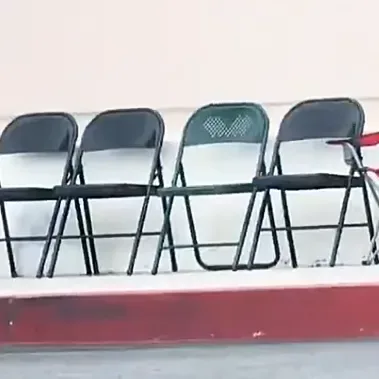
Pokémon’s 30th anniversary trading card release has arrived with the kind of demand that turns a hobby purchase into an endurance event. Customers in the U.K. and France have formed long lines, with some people using tents and camping chairs to hold out for stock. In parts of North America, queues reportedly began days before release.
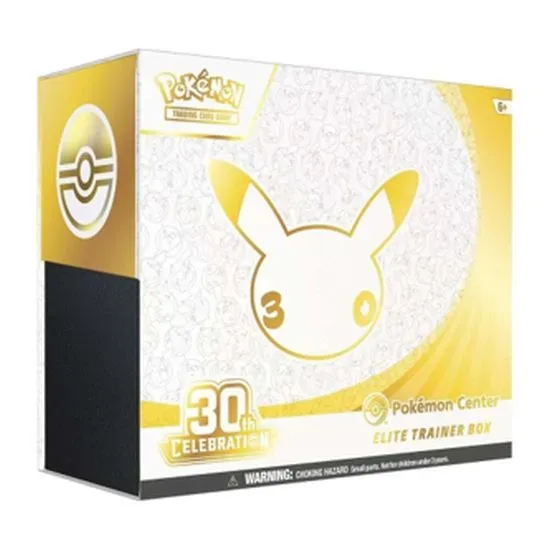
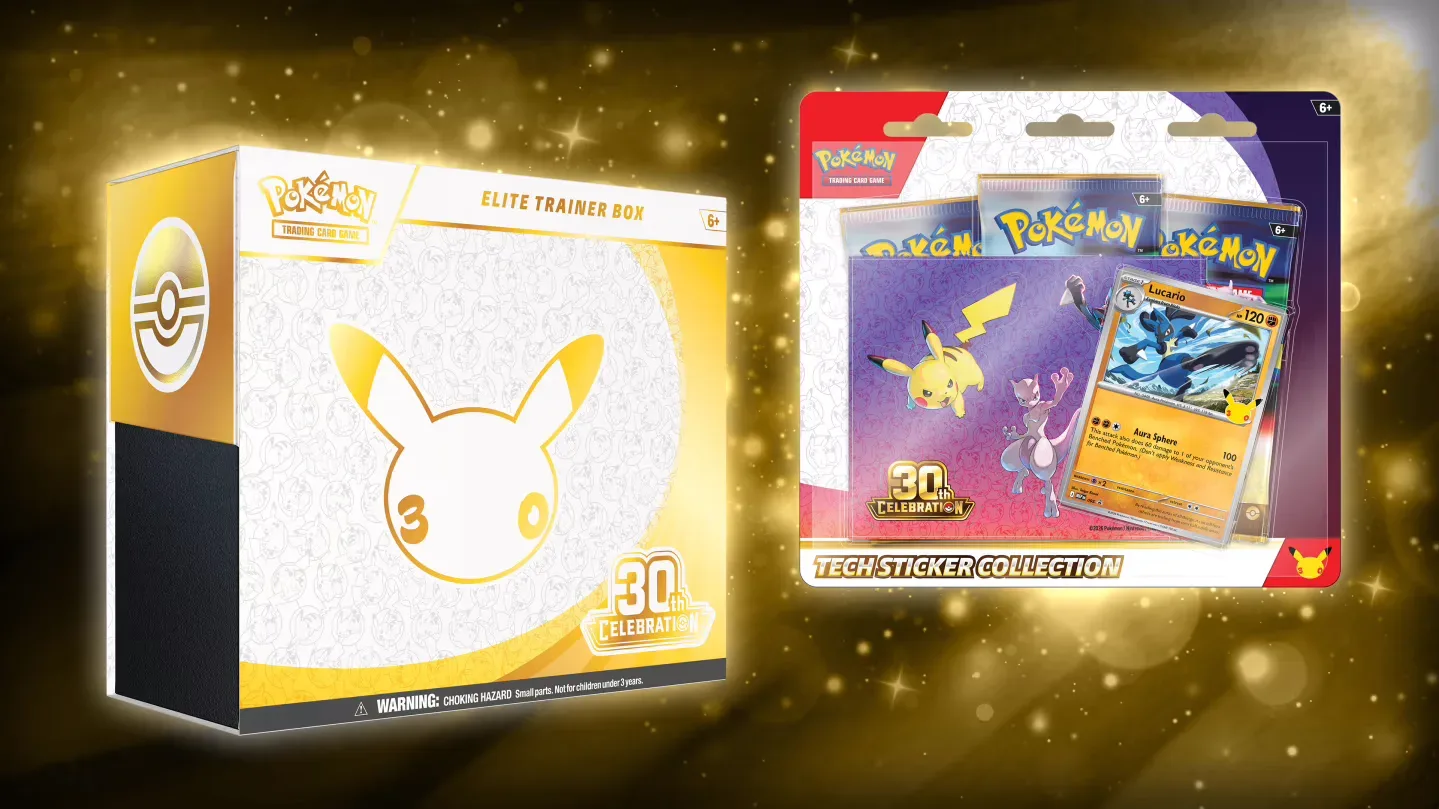
The pressure is not limited to finding a place in line. The $49.99 Elite Trainer Box has appeared at dramatically higher prices at some large retailers: GameStop is listing it for $169.99, while Dick’s Sporting Goods is listing the same package for $119.99. Those figures turn an anticipated celebration set into a much more complicated decision for anyone who simply wants cards to open, trade, or play with.
It is a familiar story for modern Pokémon releases, but the anniversary label raises the temperature. The set’s appeal rests on nostalgic returns of beloved cards alongside ultra-rare new designs. That blend creates interest from longtime fans, newer collectors, and people hoping unopened product or individual pulls can be resold for a fast gain. When all of those groups chase limited stock at once, the result is a market in which retail shelves, queue etiquette, and pricing policies become part of the event.
A $49.99 box, then $119.99 or $169.99
An Elite Trainer Box, often shortened to ETB, is a premium sealed Pokémon TCG product format rather than a single booster pack. It is therefore a natural target for buyers who want a larger opening experience and for resellers who prefer sealed items that can be stored and moved as one product. That does not make every ETB a guaranteed investment, and it certainly does not make every premium listing sensible for every shopper.
The important number in this launch is the gap between the $49.99 upfront price and the higher store listings. At $119.99, the difference is $70. At $169.99, it is $120. The latter is more than three times the $49.99 figure. These are retailer prices, not merely speculative listings from an individual seller on a resale platform, which makes the distinction especially significant for customers who expect major stores to be a refuge from the resale frenzy.
Calling any higher price a “market price” can obscure what a buyer is actually choosing. A retailer’s listing is an asking price, not proof that a product is worth that amount to every collector. Likewise, a high price for a sealed box does not tell a buyer what cards are inside; rare-card odds remain uncertain, and an opening can never be assumed to recover the cost of entry.
For a player or collector working to a budget, the practical implication is straightforward: decide the maximum price before joining a queue or refreshing a product page. A difficult launch environment encourages impulse buys because stock feels fleeting. But scarcity does not erase the difference between buying a product at its original $49.99 price and committing $119.99 or $169.99 for the same box.
Why anniversary cards attract so much attention
Anniversary releases have a built-in emotional advantage. Nostalgic card re-releases speak to people who remember earlier eras of Pokémon, while newly created ultra-rare cards offer the possibility of something elusive for established collectors. “Ultra rare” is a broad collecting term for cards designed to be much harder to pull than ordinary cards; it does not by itself establish a fixed future value.
Related coverage includes Pokémon's 30th Anniversary Card Launch Draws Huge Queues and Resale Backlash.
In a healthier retail environment, broad enthusiasm would mean a busy launch, a few sold-out products, and a chance for fans to catch later restocks. Here, demand and limited supply have collided once again. New Pokémon card releases have repeatedly sold through, despite 10 billion cards having been printed last year. That enormous total illustrates that a high overall production volume does not necessarily translate to easy access to a particular release at a particular store on launch day. Distribution, regional allocation, which product is being sought, and concentrated launch-day demand all matter to the person standing in a line.
The resale market magnifies that pressure. Sealed product means unopened packs, boxes, or other card products. Its appeal to resellers is that buyers can assess its condition and identity without needing to know which cards were pulled. Singles, by contrast, are individual cards, where attention centers on a specific character, treatment, rarity, and condition. Both can be sold on, but both also shift the hobby’s incentives: a person purchasing every box they can find may be competing with someone whose goal is not to keep or play with any of the cards.
The “ghost chair” problem is really a queue-rule problem
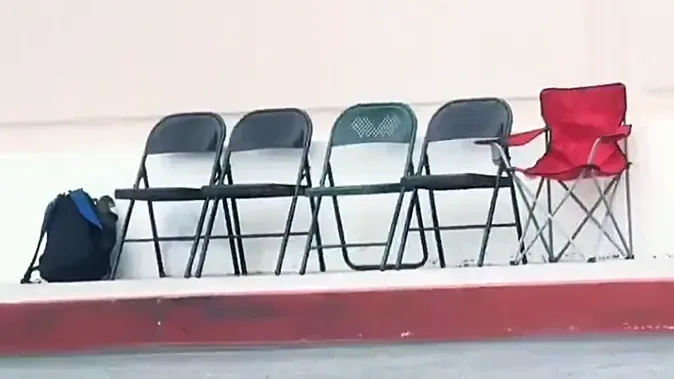
The most visible flashpoint around the launch may be the so-called ghost chair. The practice is simple: a person places a chair in a line to reserve a position, then leaves rather than physically waiting there, potentially for days. It reduces the physical burden on whoever put the chair down. It also asks everyone else to recognize a claim to stock made by an empty object.
That is why the criticism has been so sharp. A line normally conveys a basic social agreement: people are ordered by their presence. A chair changes the rule to “who marked a space first,” even if the marker is absent while others arrive, wait overnight, and endure the same conditions. Neither interpretation resolves itself automatically, especially when a shop has limited inventory and each place in the line may decide whether someone gets an ETB at all.
There is no universal answer in the reported situation about whether a person should honor an empty chair. Store rules are what matter, and customers should not assume that a chair is an officially accepted reservation. People intending to queue can reduce some uncertainty by checking whether the location has stated a policy on camping, line formation, attendance, wristbands, or purchase limits. If no policy is clear, asking staff before joining a disputed line is far safer than trying to settle it with fellow customers at opening time.
That advice may sound mundane, but it matters when sleep deprivation and perceived scarcity enter the equation. Launch-day disputes are rarely only about a chair. They are about whether people believe the process was fair, whether they think stock will run out, and whether someone else has cut in after days of invisible waiting. A policy communicated and enforced by the store is more useful than an informal chain of assumptions.
Retailers are testing ways to curb resale, with uneven results
Retailers and other sellers have already tried measures intended to slow bulk buying and immediate reselling. Purchase limits are the most recognizable approach: rather than allowing a customer to take whatever quantity is available, a shop caps the number of units per person. That can distribute a small shipment among more buyers, though it cannot create more stock.
Some sellers have gone further by opening packaging or cutting it in ways that damage the appeal of a sealed box. The aim is to reduce resale value, because an altered package is no longer pristine sealed product. It is a blunt solution. It may deter somebody whose only plan is to flip the item unopened, but it also changes the product for a legitimate collector who values sealed condition.
Some shops in Japan have introduced facial recognition as another response to demand. That measure underscores the scale of the problem, but it also illustrates how far a card release can drift from an ordinary retail transaction when scarcity becomes the central feature. None of these methods has stopped shoppers from converging on available stock for this anniversary launch.
For consumers, the useful distinction is between access controls and value guarantees. A purchase limit, opened packaging, or identity check may affect who gets to buy, but none guarantees a desired pull or ensures that the cards will rise in resale value. Anyone buying primarily to open cards should consider whether the product remains enjoyable at the price being asked. Anyone buying primarily for resale should recognize that the policies themselves can alter the attractiveness of sealed inventory.
What buyers can control amid the frenzy
There is no easy way to make a sought-after anniversary release plentiful on day one, and shoppers should be wary of treating a chaotic queue as proof that any price is justified. A few grounded steps can help keep a collecting decision from becoming a heat-of-the-moment financial one:
- Separate the original product price from the current listing. The $49.99 figure is a useful baseline when weighing $119.99 and $169.99 listings.
- Know whether you want cards, sealed product, or a specific single. These are different collecting goals, with different risks and costs.
- Check the store’s queue and purchase rules. Do not presume an unattended chair, an overnight spot, or an informal agreement will be honored.
- Set a firm spend limit before stock anxiety takes over. A sellout does not require an immediate purchase at a steep markup.
- Treat ultra-rare cards as uncertain pulls, not promised returns. Their desirability is part of the fun, but it does not eliminate the chance of an expensive disappointing opening.
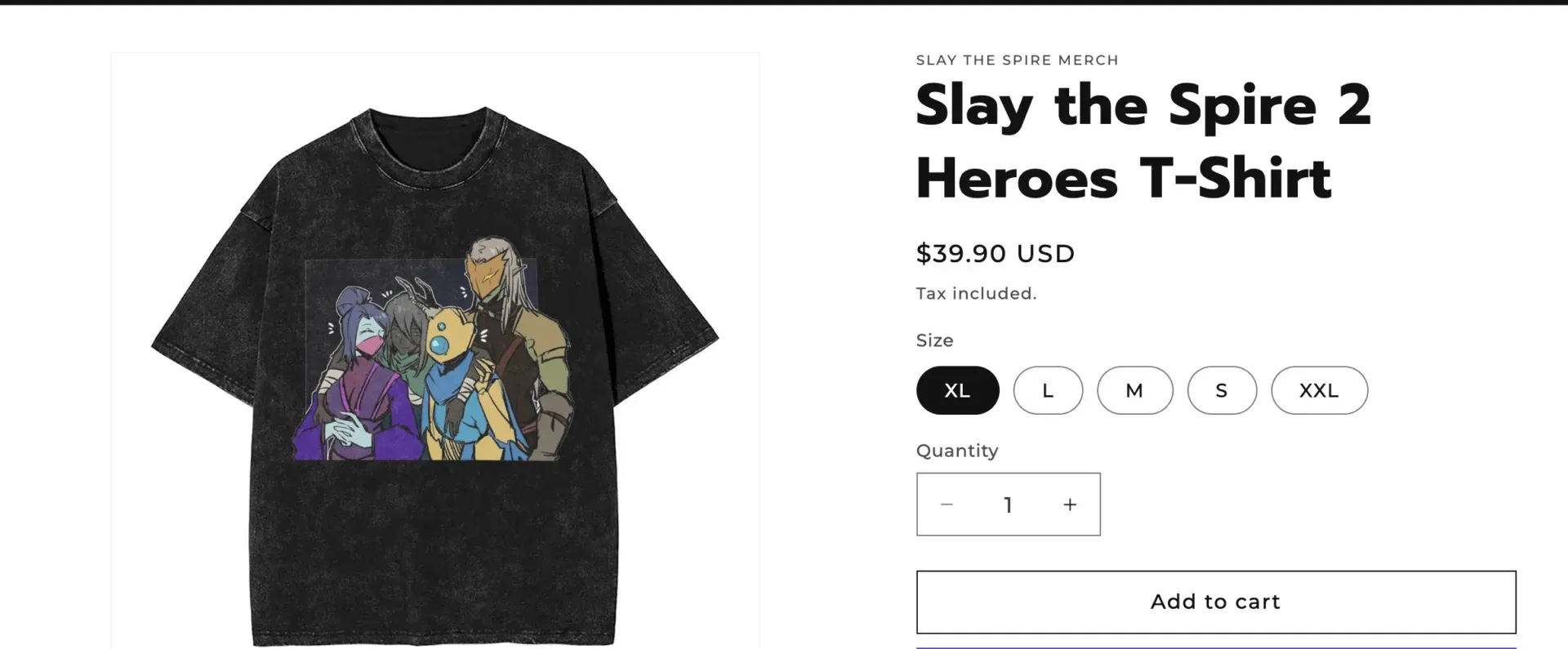
The launch also belongs to a broader tension around official gaming goods: fans often want a straightforward way to support something they enjoy, while the route from producer to buyer becomes crowded with scarcity, markups, and opportunism. That same friction extends beyond cards, as the challenge of buying official video game T-shirts makes clear.
Pokémon’s 30th anniversary cards will be remembered not only for the nostalgic cardboard and rare designs, but for what the release asks of buyers before a pack is even opened. Fans are being asked to navigate inflated retail listings, long waits, opaque availability, and arguments over whether an empty chair can have more claim to a place than the person standing behind it. The cards may be collectible; access to them has become the real contest.