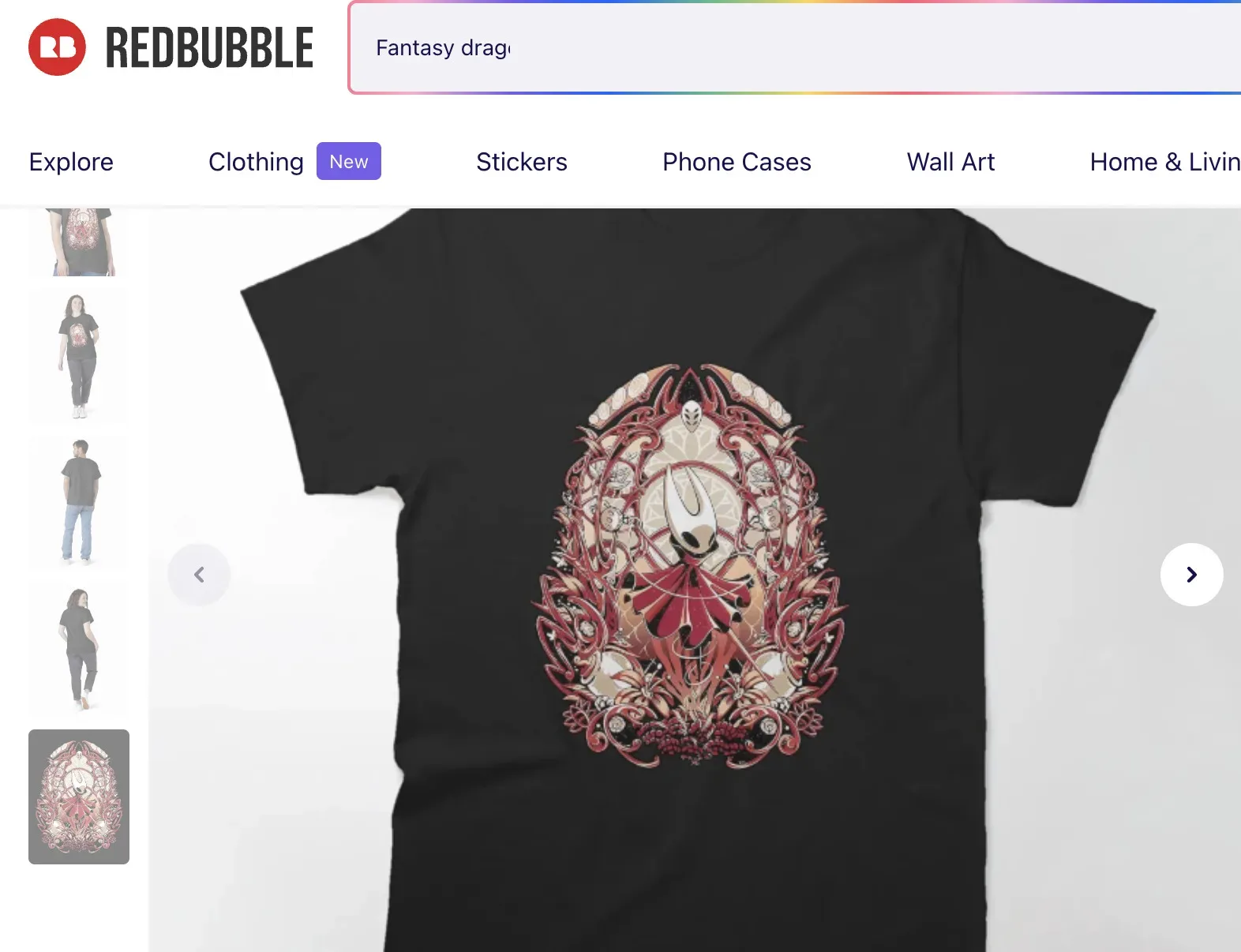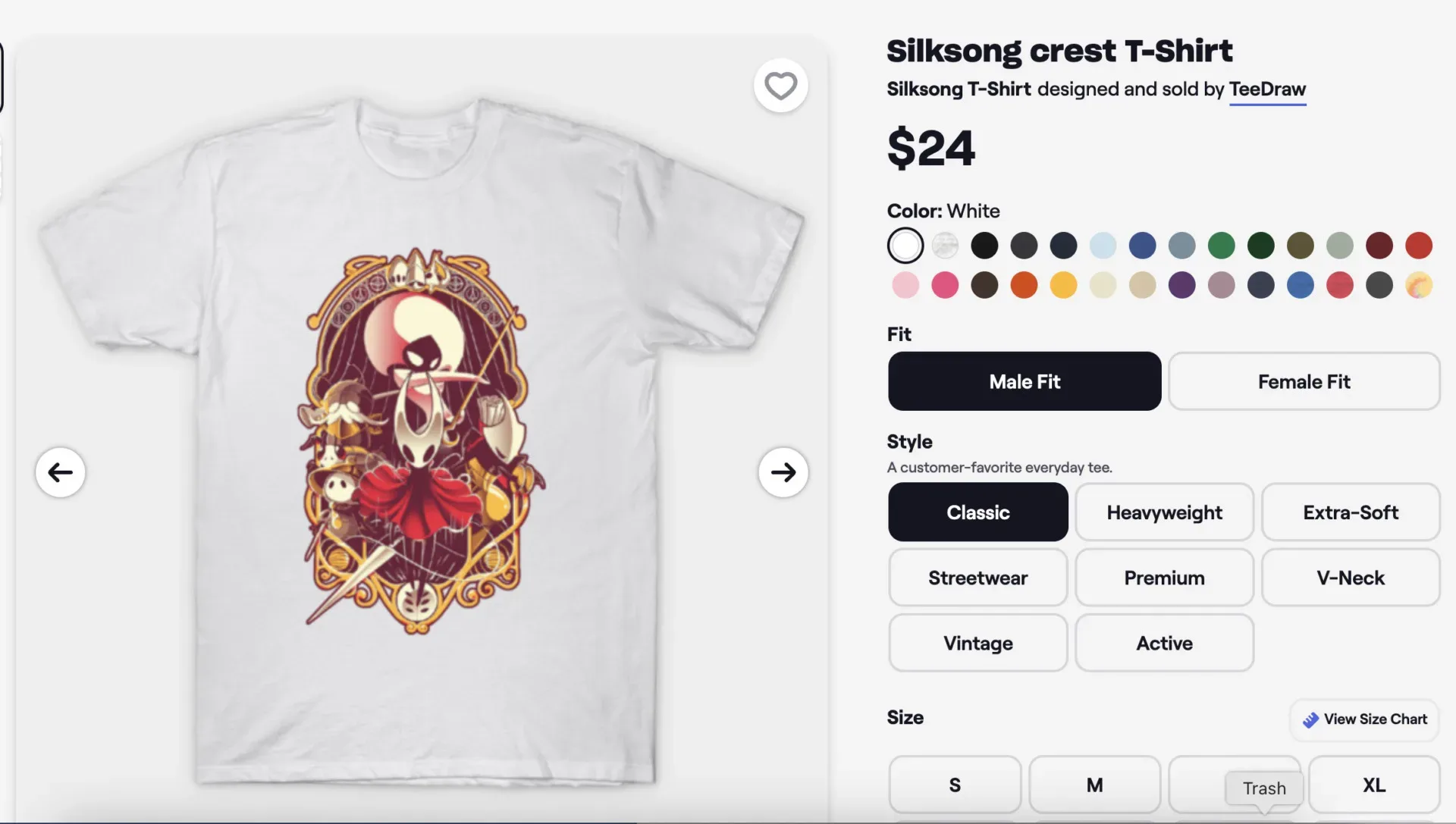
Buying a T-shirt for a game you love ought to be the easy part. Find the game name, add “official merch,” choose a design, and wait for the post. Instead, the modern search result can feel like a boss fight built entirely from storefronts that use the word official with tremendous confidence and very little reason.
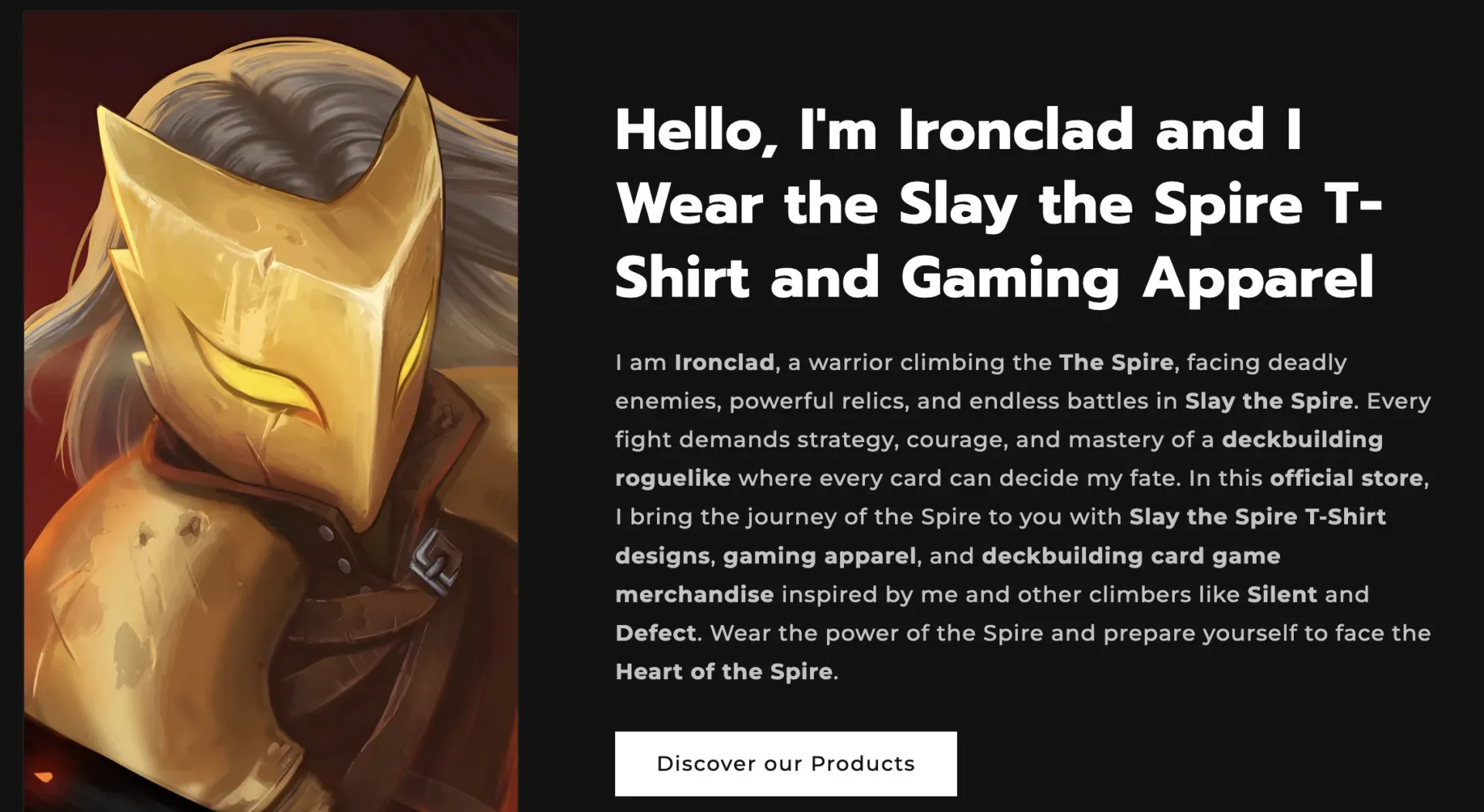
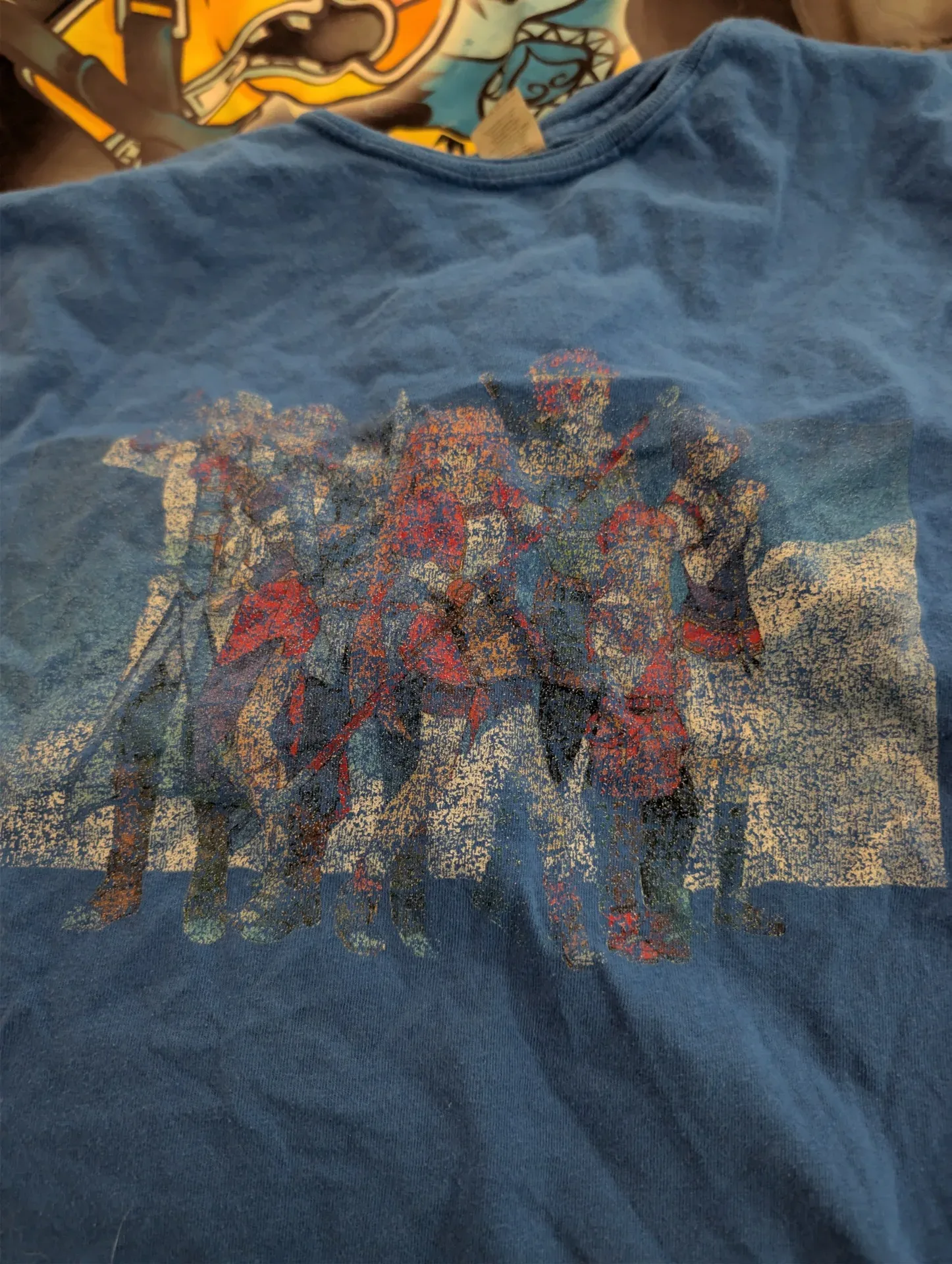
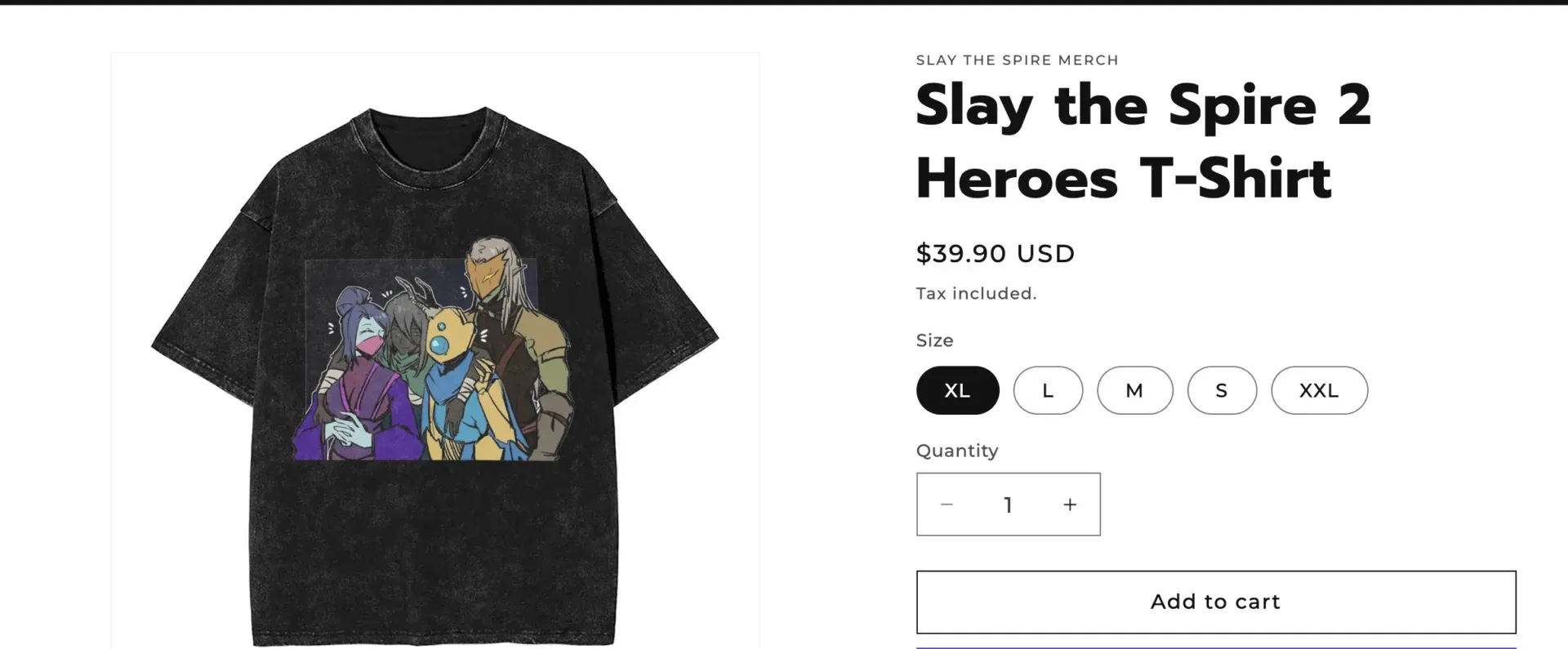
A recent fan purchase illustrates the problem neatly. A shopper seeking Slay the Spire apparel found a store presenting itself as official, bought shirts, and later reported that the printed graphics had conspicuous white borders. The sharper disappointment came after the purchase: the shop was not affiliated with developer MegaCrit at all.
This is not simply a story about one disappointing shirt. It is a consumer problem created by an enormous imbalance: launching an attractive-looking online merchandise store is now fast and comparatively accessible, while producing licensed apparel with deliberate art direction, reliable print quality and approval from a game’s rights holder is slow. Generative AI has added still more volume to that system, whether by rapidly creating new designs or by helping low-effort stores appear more substantial than they are.
The result is a market where the searcher must do more of the verification work, even when the product is supposed to celebrate a hobby rather than turn it into an investigation.
“Official” in a shop name is not proof of a license
The key distinction is plain but important: a store describing itself as official is not the same thing as a store being officially licensed. Licensing means the owner of the game’s intellectual property has authorized the company to make and sell merchandise using its characters, imagery or branding. That relationship generally involves review and approval, not merely an appealing site template and a game-related domain.
The visual problem is that a questionable store can borrow the vocabulary of legitimacy. Big “official” labels, game-specific product pages, numerous color options and expansive size selections can all create an impression of authority. Search placement compounds the issue. A person who types a game title plus “official merch” may see highly optimized pages before they locate a developer-backed retailer or a link shared by the studio itself.
That does not mean every print-on-demand listing is automatically fraudulent, nor does it mean a shirt is bad merely because it is not screen printed. It means shoppers should avoid making either leap: a polished storefront is not evidence of authorization, and a game image on a garment is not evidence that the artist or game creator benefits from its sale.
A practical verification routine before checkout
There is no single foolproof sign, but several small checks can be stronger together than one giant “official” banner:
Related coverage includes Why Finding Legitimate Video Game T-Shirts Has Become So Difficult.
- Start with the game developer or publisher. Look for a merchandise link on its own website or its established social channels. A retailer reached through that route has a much clearer connection than one reached only through a search ad or generic result.
- Look for a named licensing relationship. Legitimate partners commonly identify the studio, publisher or license they work with. Vague copy that repeatedly calls itself official without identifying the rights-holder relationship deserves skepticism.
- Read product descriptions rather than only viewing mock-ups. Details about garment, print method, care and fulfillment can tell a buyer more than a clean image on a digital model.
- Check whether the catalogue makes sense. An endless inventory of near-identical shirts in every imaginable format is not proof of wrongdoing, but it can be a reason to slow down and verify.
- Search for the seller independently. Do not rely on the store’s own claims. Find whether the developer points to it, and read customer accounts with particular attention to print longevity and the delivered item matching its preview.
The purpose is not to demand that every shopper become a licensing specialist. It is to prevent a quick purchase from relying entirely on a platform’s ranking and a shop’s self-description.
Why the print method changes the shirt
Part of the difficulty is that “graphic T-shirt” does not describe one manufacturing process. Two shirts with similar-looking web previews can arrive with markedly different color, texture and durability because the image was put on the fabric in different ways.
Screen printing is the older, more involved approach used by established game-merch company The Yetee. In broad terms, a printer uses stencils and pushes ink through them in layers to build the final artwork. It takes equipment, materials, workspace and preparation. Those requirements make it less nimble and can raise the cost, but the process has long been valued for high-quality apparel printing.
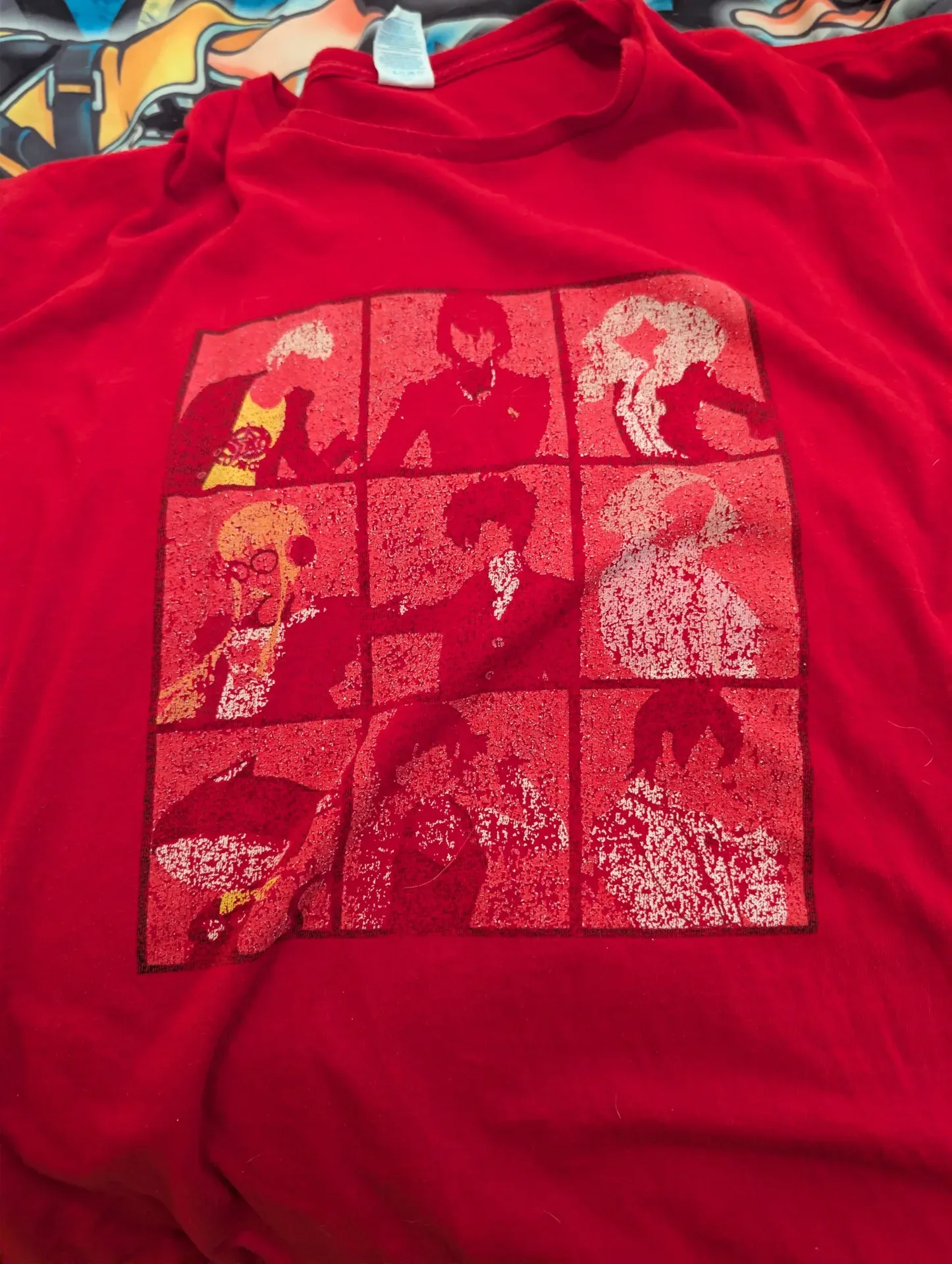
Direct-to-garment printing, or DTG, works more like an inkjet printer applied to clothing. It is faster, cheaper to set up and can accommodate a huge range of colors. It can also be done more easily at a small scale. That flexibility is useful, but it does not guarantee consistent results. Apparel designer Drew Wise noted that blended inks can lead to muted colors. A customer who bought game-related DTG shirts from TeePublic also reported that the graphics faded dramatically after roughly 10 washes.
Those accounts should not be read as a universal verdict on every DTG garment. Quality can vary. The useful takeaway is more modest: shoppers should understand that the preview art is not the finished physical object. Ask what printing method is being used when the retailer discloses it, inspect care information, and give real customer photos more weight than a pristine mock-up.
Print-on-demand refers to an arrangement in which an item is made after somebody orders it. Drop-shipping generally means the seller does not directly handle the product; another company fulfills and sends it. These models can lower the barriers for a small creator who wants to sell a design. They can also allow a seller with no meaningful connection to a game, artist or manufacturing operation to list a vast number of products with minimal delay.
In other words, the technology is not the villain by definition. The problem is the way speed and scale make it easier for weak, misleading or copied listings to crowd the same shelves as carefully licensed merchandise.
Official merch is slow because it is supposed to be accountable
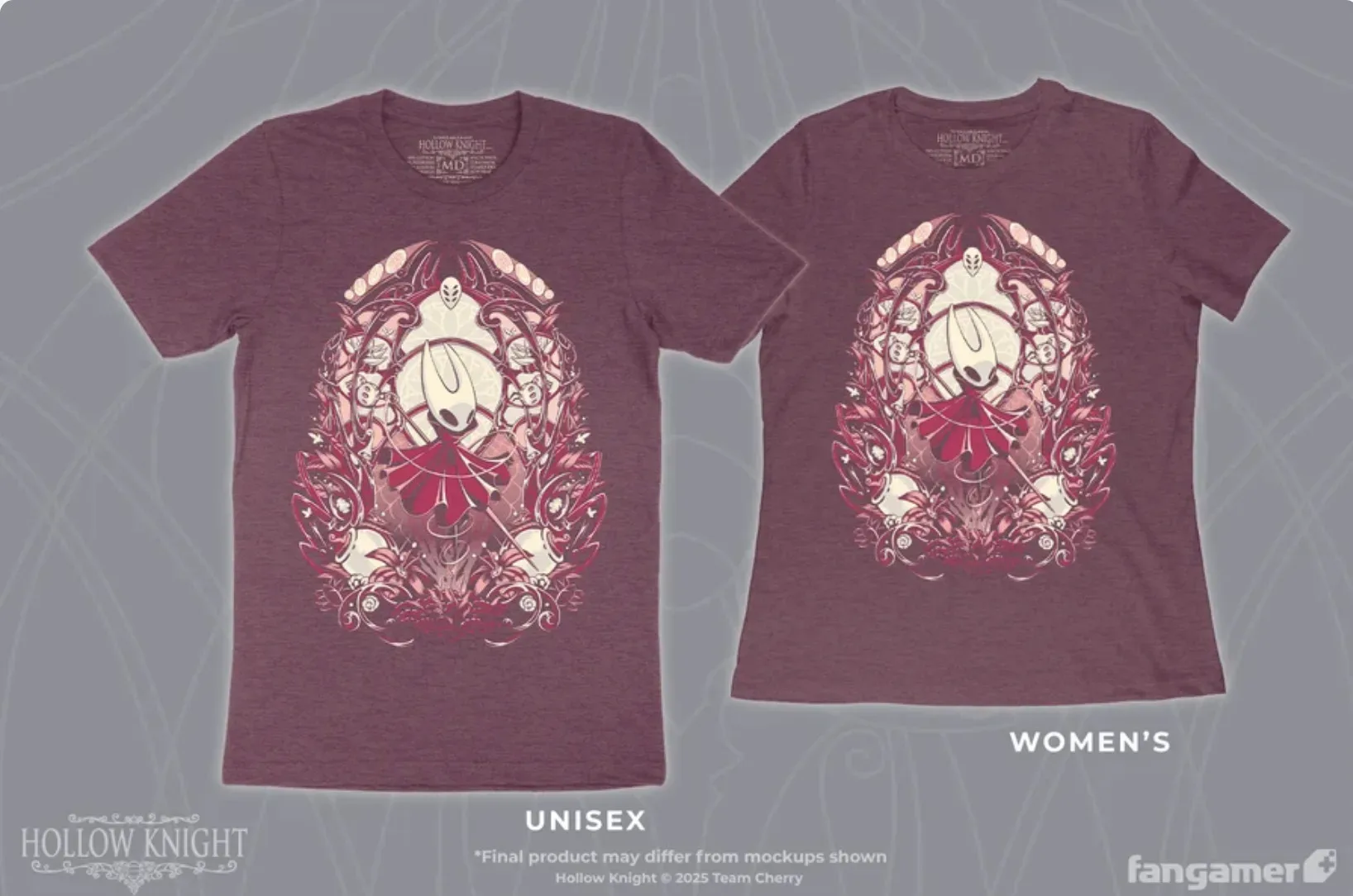
Fangamer CEO Reed Young describes licensed product creation as a multi-stage collaboration. Artwork is not simply uploaded and sold. Feedback is gathered, the rights holder reviews the result, and approvals can require multiple rounds. Young says doing this properly generally cannot be completed in less than about six months.
That timeline is a feature of responsible production, even though it looks like a disadvantage against a storefront that can react to a meme, a new character or a burst of online attention almost immediately. A licensed product must satisfy the people who own the game and, ideally, reflect the work with something better than a hastily repurposed image.
It also explains a frustrating gap for fans: the moment when enthusiasm is hottest is often the moment a legitimate physical product is least able to materialize. A low-effort operator can try to fill that gap first. An artist or licensee needs time for design, permission and production.
This dynamic is familiar elsewhere in gaming’s physical market. Limited digital or physical items can invite opportunism when scarcity and urgency are involved; the same incentive problem sits behind the frustration around exclusive gaming rewards and resale pressure. T-shirts are not identical to limited convention items, but the common thread is a marketplace that rewards whoever moves fastest, whether or not they are the party fans most want to support.
AI intensifies a problem that artists already faced
Unauthorized apparel did not begin with generative AI. Wise says he has dealt with artwork theft for nine years, eventually finding the pursuit so stressful that he stopped trying to fight every instance. What AI changes is volume and turnaround time. It can supply a constant feed of newly generated images, while storefront tools make it easier to convert those images into listings.
That is particularly damaging in a culture built around brief surges of attention. A creator may make a timely illustration, then decide it is not worth navigating production before the topic loses momentum. Meanwhile, countless AI-generated variations can already be appearing on shirts. Even where no single design is a direct copy, the flood can make original work harder to find and harder to sell.
There is a second cost: consumer confusion. AI-written site copy, generic product language and machine-made art can make a shop look populated and active without demonstrating that anyone with a genuine creative or licensing stake is behind it. For the buyer, that may mean dubious provenance. For artists and authorized businesses, it means being forced to compete for attention against an endlessly renewable catalogue.
Why takedowns do not solve the discovery problem
It is tempting to ask why the rightsholders do not just remove infringing listings. They sometimes do, especially when the infringement is substantial. But the process can require lawyers, emails and investigative work, and a removed listing may simply reappear on a different site. Young compares it to a multi-headed hydra: act on one instance and more arrive in the time spent doing so.
There is an awkward trade-off, too. A company needs to show clear, useful product images so people can decide whether to buy. Reducing image resolution or obscuring art could discourage copying in some cases, but it would also make the official shop less useful to normal customers. The same openness that helps fans see a shirt is what gives bad actors material to replicate.
The Yetee co-founder Glenn O’Neill’s answer is not surrender so much as triage: energy spent constantly chasing theft is energy not spent making new work. It is a grimly practical position. A small team can devote itself to removal campaigns, or it can put resources into authorized art and physical products that are worth owning. It cannot necessarily do both at the scale the internet’s copy-and-list machinery demands.
What fans can actually reward
The hopeful case is not that the junk will vanish. It is that more shoppers will learn to value the differences that a cheap listing cannot convincingly supply: a verifiable relationship with the game maker, paid artists, thoughtfully approved designs and a garment whose print is intended to survive being worn.
Wise believes younger buyers want non-AI art and want to support artists. Young is similarly confident that tangible, well-made work retains its appeal. That confidence makes sense as a value proposition, but it needs informed buyers to work. The best response to a suspiciously convenient game T-shirt is not necessarily to abandon merchandise. It is to pause, trace the seller back to the developer or publisher, and decide whether the purchase supports the people whose work made you want the shirt in the first place.
That extra minute is annoying. So is realizing a supposedly official shirt was neither official nor durable. But in a marketplace optimized for instant results, a little verification is increasingly part of the product.