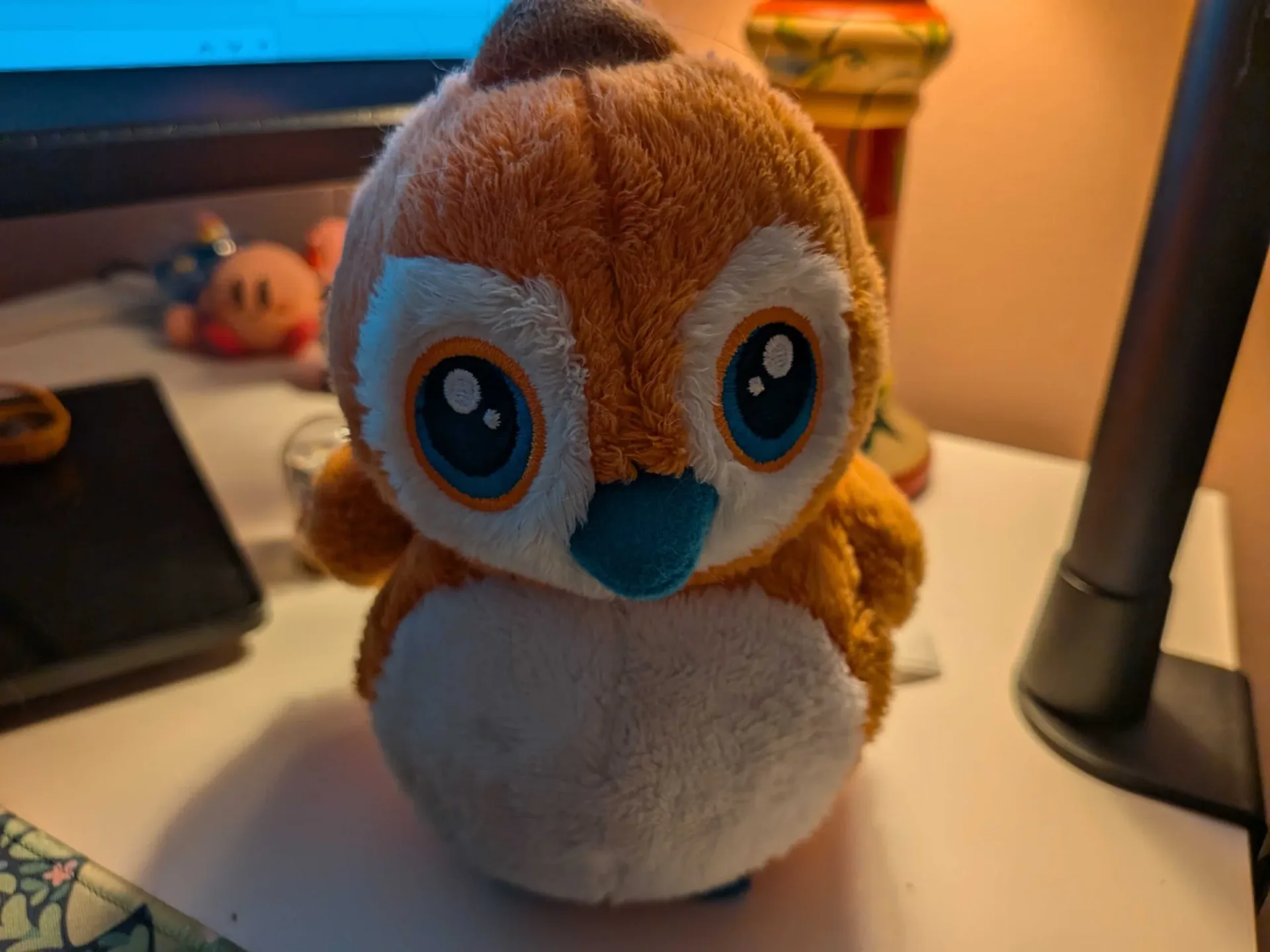
There is a difference between an exclusive souvenir and an obstacle course with a checkout button at the end. BlizzCon 2026 appears to have leaned far too close to the latter. Fans faced multi-hour merchandise lines before the convention proper was underway, while several highly desirable World of Warcraft items and in-game pet codes became fuel for expensive resale listings.
The individual products are varied: a cozy Pepe plush, a chance at a robotic-duck pet code, a chance at a flying-axolotl pet code, and the World of Warcraft: Forever Collector’s Edition. The common ingredient is not simply popularity. It is a pile-up of limited supply, event access, queues, additional purchases, random outcomes, and weak-enough purchase restrictions that determined bulk buyers may get an advantage over ordinary fans.
That does not mean every person who buys a rare item is a scalper, nor does it prove every quick sellout is automated. But the reported pattern is hard to ignore: people who want one item for themselves can come away empty-handed, then find the same thing—or the code associated with it—being offered at a huge premium on resale platforms.
A convention line is already a cost
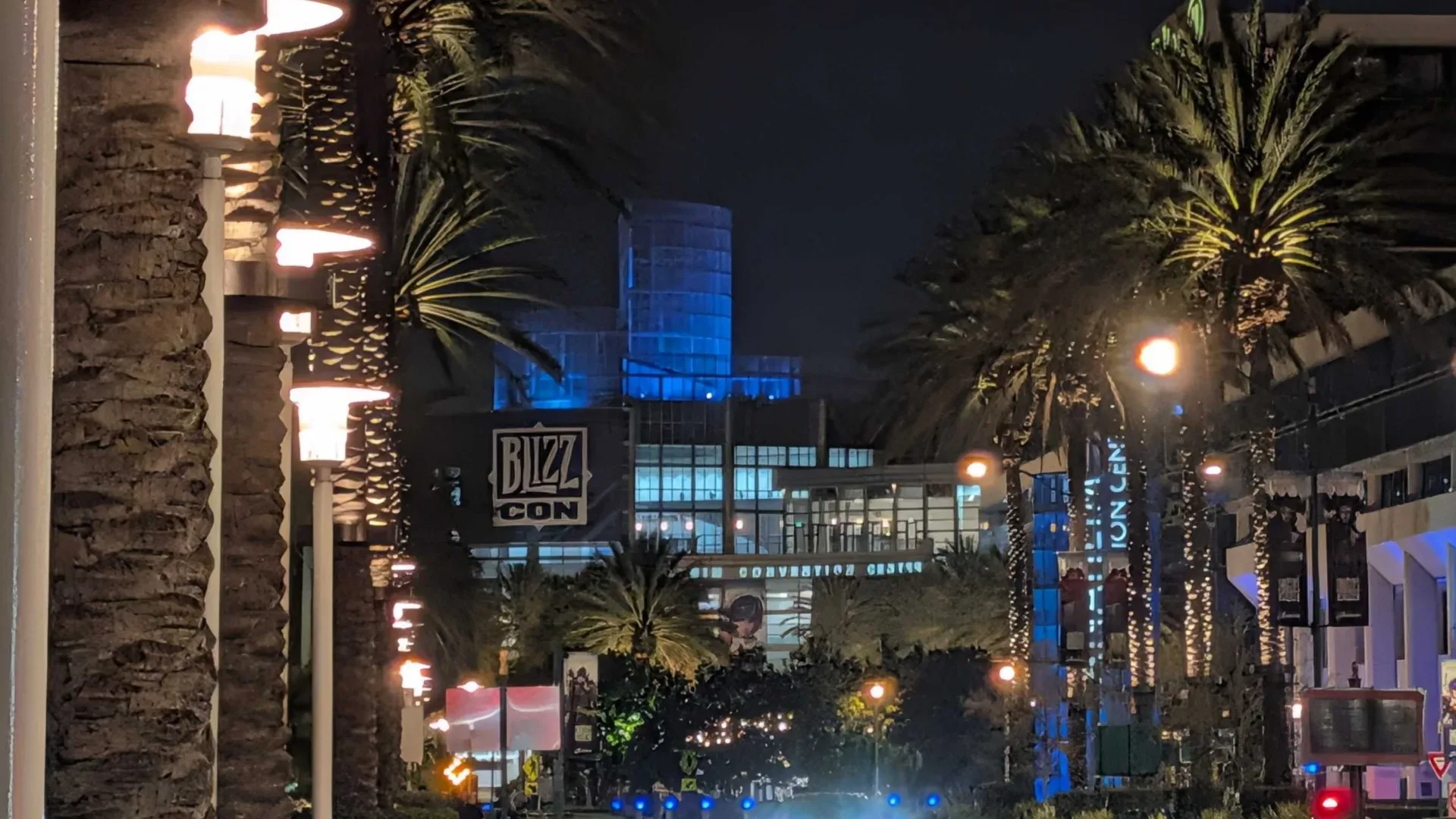
On the Friday badge-pickup day before BlizzCon’s main activity, the Blizzard merchandise-store line reportedly stretched across the hall and took several hours for some attendees. That is a meaningful cost before anyone reaches the cash register. A fan pays for travel and a BlizzCon pass, gives up time at a finite event, and then still has no guarantee that the item they want will be available at the front of the line.
The Comfy Cozy Pepe Plush illustrates the relatively straightforward side of this problem. Pepe, the small orange bird companion associated with World of Warcraft, has an established fan following. The 2026 plush dresses the character in a furry cloak and gives it a miniature cocoa. It reportedly cost about $30 at the event and sold out. Demand for a popular character item at a convention is unsurprising.
What turns a harmless sellout into something more sour is the resale gap. Listings described as sold reached as much as $155. A fan who missed the original purchase window is no longer deciding whether a $30 plush is worth buying; they are being asked whether the same plush is worth several times that price because someone else beat them to limited stock.
Resale pricing alone is not a measure of what every seller receives, and an asking price is not the same as a completed sale. Still, reported sold listings at that level point to a market created by scarcity rather than by any added value from the product itself. The plush did not become warmer, rarer in design, or more useful on the journey from the convention floor to an online listing. It merely became unavailable at retail.
The Darkmoon Faire adds chance to the queue
The more troubling cases come from BlizzCon’s Darkmoon Faire. The attraction has limited capacity, so entry itself requires a line. Inside are activities, freebies, pin trading, and merchandise. That sounds like a perfectly reasonable convention attraction. The problem begins when an exclusive digital reward is placed behind several separate gates.
One Darkmoon Faire duck-pond activity reportedly requires a ticket purchase, a wait to use the attraction, and then a fishing-rod attempt to catch a random duck. Catch one marked with a star and the buyer receives a code for an exclusive robotic duck pet in World of Warcraft. The reward is not presented as a standard purchase that every attendee can make after waiting their turn. It is a random outcome after spending money and time.
That distinction matters. A limited-run physical souvenir can be disappointing to miss, but it is at least a clear transaction: buy the item while stock lasts. A random reward creates two categories of frustration at once. Some fans cannot get into the activity in time. Others do everything required and still lose the draw.
In gaming language, this is a gacha-like mechanic: the desired result is awarded by chance, not selected directly. The term comes from systems built around randomized pulls or rewards. Here, the random component is tied to a real-world event activity and a digital code, rather than a conventional in-game purchase. The underlying consumer experience is familiar, though: pay and participate, then hope the random outcome is the one you wanted.
The reported resale stakes are substantial. Codes for the robotic duck have appeared in completed sales as high as $600. That figure should not be treated as an official valuation of the pet, and no one should assume all listings sell at that amount. It does, however, show why random, event-exclusive rewards can attract buyers who are not interested in the pet or the event experience. A sufficiently valuable code makes every attempt look like resale inventory.
That changes the atmosphere of the line. Instead of being filled only with fans taking part in a silly Darkmoon Faire activity, it can also become a bottleneck for people calculating expected profit. The more reliably a rare code can command hundreds of dollars, the more the system rewards repeat attempts and bulk participation.
Blind boxes have the same incentive problem
The Darkmoon Faire’s $30 plush blind box offers another version of the same dynamic. The box contains one of eight plush toys, including Pepe, and some purchasers can also receive a code for a flying axolotl pet. Blind boxes are not new, and enjoying surprise collectibles is a valid part of the hobby for many people. The issue is not that a plush assortment contains an element of chance.
The issue is the combination of a paid blind box with a separate chance at a digital item that is described as unavailable through another route. The flying-axolotl codes have reportedly appeared in resale listings for as much as $500. Once again, a low-cost convention purchase can become a speculative ticket.
For fans who collect World of Warcraft pets, these are not necessarily trivial bonuses. Companion pets may be mostly aesthetic, and their pet-battle system is optional, but optional content can still matter deeply to the people who enjoy it. Cosmetic does not mean meaningless. A player who likes assembling a particular collection, showing off a favorite creature, or participating in pet battles has a genuine reason to care about a missing pet.
Calling these rewards optional also skips over the design issue. Players are not asking for power advantages or mandatory progression. They are asking for a fair, comprehensible path to obtain a cosmetic they value. Tying that path to an in-person pass, capacity limits, several queues, a paid activity, and luck makes it unusually exclusionary even before scalpers enter the picture.
Scarcity is not neutral when it is designed into the reward
There is an important difference between scarcity caused by an unexpectedly popular physical product and scarcity produced by the rules of distribution. Pepe selling out may be an inventory-planning challenge. A code attached to a random result after multiple queues is designed to be scarce by construction. Its availability is limited not only by how many codes exist, but by how many people can reach the attraction, afford the process, wait through it, and win the chance outcome.
That setup makes a resale market predictable. If a reward has no alternate acquisition path, collectors who miss it have only two practical options: live without it or buy from someone else. The second option becomes much more tempting when the item has been framed as a one-time opportunity.
None of this requires a villainous interpretation of every event feature. A convention needs crowd management. An attraction can need limited capacity. A surprise reward can add excitement. Yet these pieces interact. When all of them surround a permanently exclusive digital reward, they turn an activity into an artificial choke point.
There are kinder ways to preserve an event’s special character. A convention could offer a physical memento that remains exclusive while allowing the associated digital pet to arrive later through another method. It could make every paid activity participant eligible for the code rather than making the code a rare outcome. It could use a post-event redemption period for badge holders. Those are examples of distribution approaches, not claims about plans currently in place. The key principle is simple: a fan’s access should depend less on queue endurance and lottery luck.
The Forever Collector’s Edition has a different, related problem
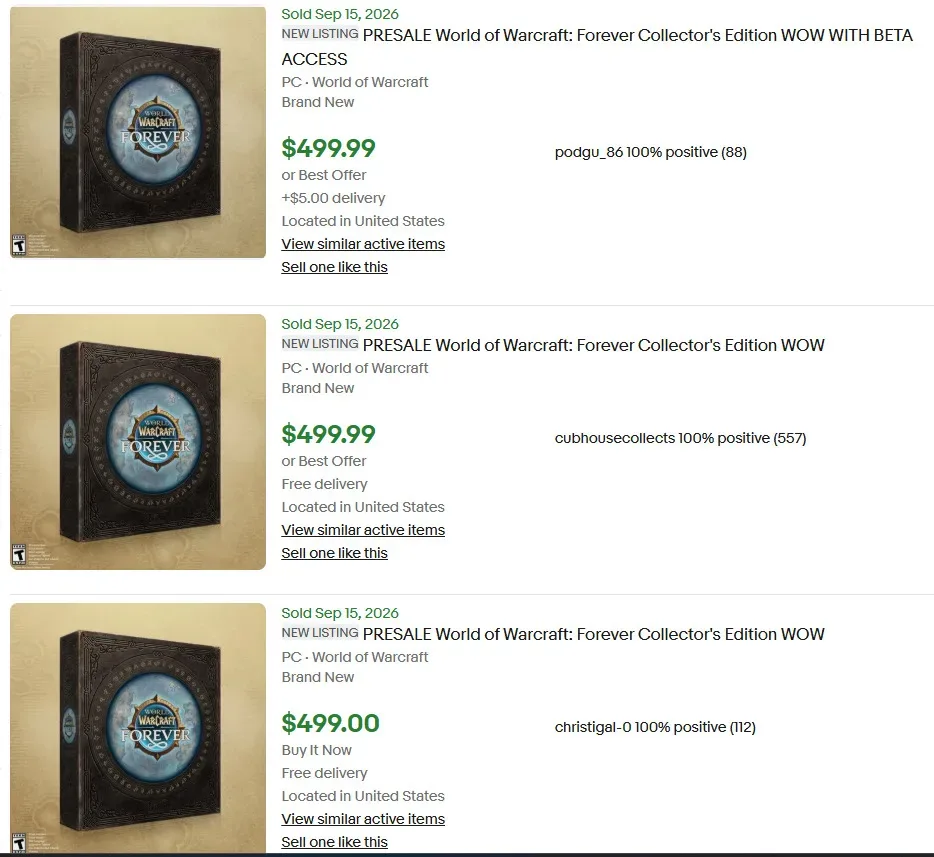
The World of Warcraft: Forever Collector’s Edition is not a blind-box reward. It is a $150 retail package containing the game bundle alongside physical extras including a statuette, pins, art prints, and a mousepad. Yet its sales pattern raises a parallel concern.
The edition reportedly sold out, returned in restocks, and sold out again repeatedly in the three days after its reveal. Players have said they were unable to secure one even when opening the store after receiving a restock alert, with stock apparently disappearing within seconds. Fast sellouts can happen when demand is enormous, but a repeated seconds-long window is exactly the experience that makes buyers suspect automated purchasing tools.
One reported concern is that a purchase did not require an existing Battle.net account. The stated household cap was three units, but an account-free checkout flow and the ability to use different email addresses may make it easier to evade an intended limit. That is not proof that every missed order was taken by a bot. It is a plausible weakness in a product release where a limited high-demand item has immediate resale value.
Anti-bot measures are never perfect. Scalpers can use multiple accounts, addresses, payment methods, and automated workflows; retailers have to balance fraud controls, accessibility, and legitimate gifting. But imperfection is not an excuse for doing the minimum. For a Collector’s Edition aimed at an established game community, account-based eligibility, tighter order controls, verified preorders, and a queue or lottery system are all approaches worth considering. Each has drawbacks, but each may offer ordinary buyers a clearer shot than a refresh race measured in seconds.
The fact that restocks occurred also cuts both ways. More official supply may relieve some pressure and reduce the premium on the secondary market. But it can also punish anyone who already paid a reseller several times retail price because they believed the initial sellout was final. Buyers should be especially careful in that period: an expensive resale purchase made during a stock panic may look very different if further official inventory arrives.
What fans can do without rewarding the system
The practical advice here is unglamorous: do not let fear of missing out make a reseller’s price look normal. A $500 or $600 code is not transformed into a sensible deal because it is rare. It is a signal that the market has become distorted. Waiting for official restocks, watching for a later legitimate acquisition route, or deciding a digital cosmetic is not worth the premium can be frustrating—but it avoids validating the incentive to hoard more stock.
Fans can also distinguish between direct retail scarcity and speculative hype. Check whether a product has received restocks before, whether the retailer has indicated future availability, and whether a marketplace page shows an asking price or a completed sale. That does not solve access, but it can prevent rushed decisions based on the loudest listing.
Most importantly, feedback should focus on the distribution design rather than merely the existence of rare merchandise. Fans can reasonably ask for better purchase protections on limited editions and less gambling-shaped access to exclusive digital collectibles. The convention magic is not harmed by making sure the people attending in good faith have a realistic chance to buy or earn the thing they came for.
BlizzCon should be a place where enthusiasm for Azeroth is celebrated, not where a cozy bird plush, a robot duck, and an axolotl become miniature case studies in how quickly fan excitement can be monetized by the secondary market. The broader pattern is familiar wherever scarce gaming hardware and collectibles appear; limited stock and surging demand can also drive steep aftermarket pricing for consoles. But recognizing the pattern is not the same as accepting it. Exclusive should mean memorable—not inaccessible by design.