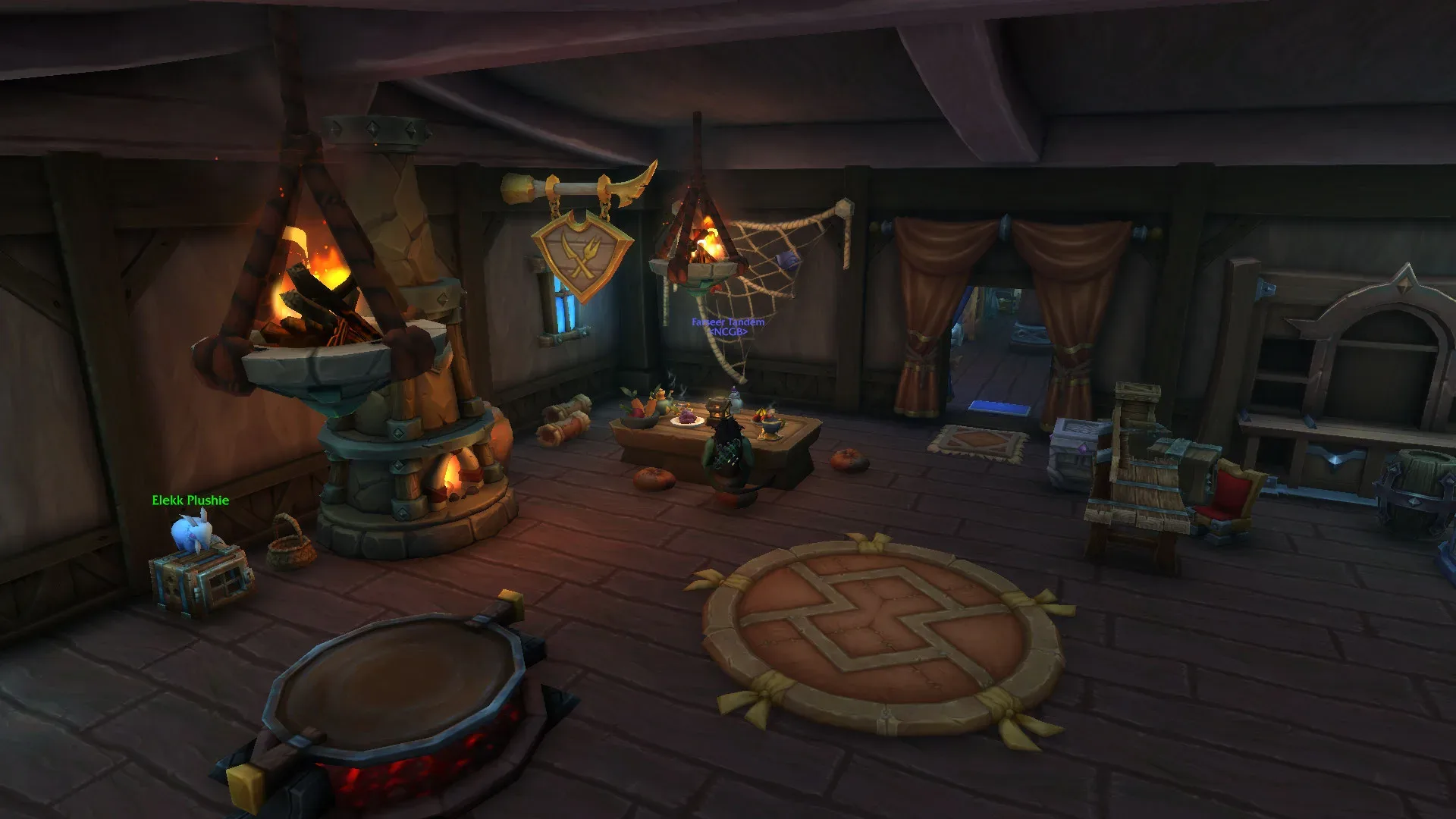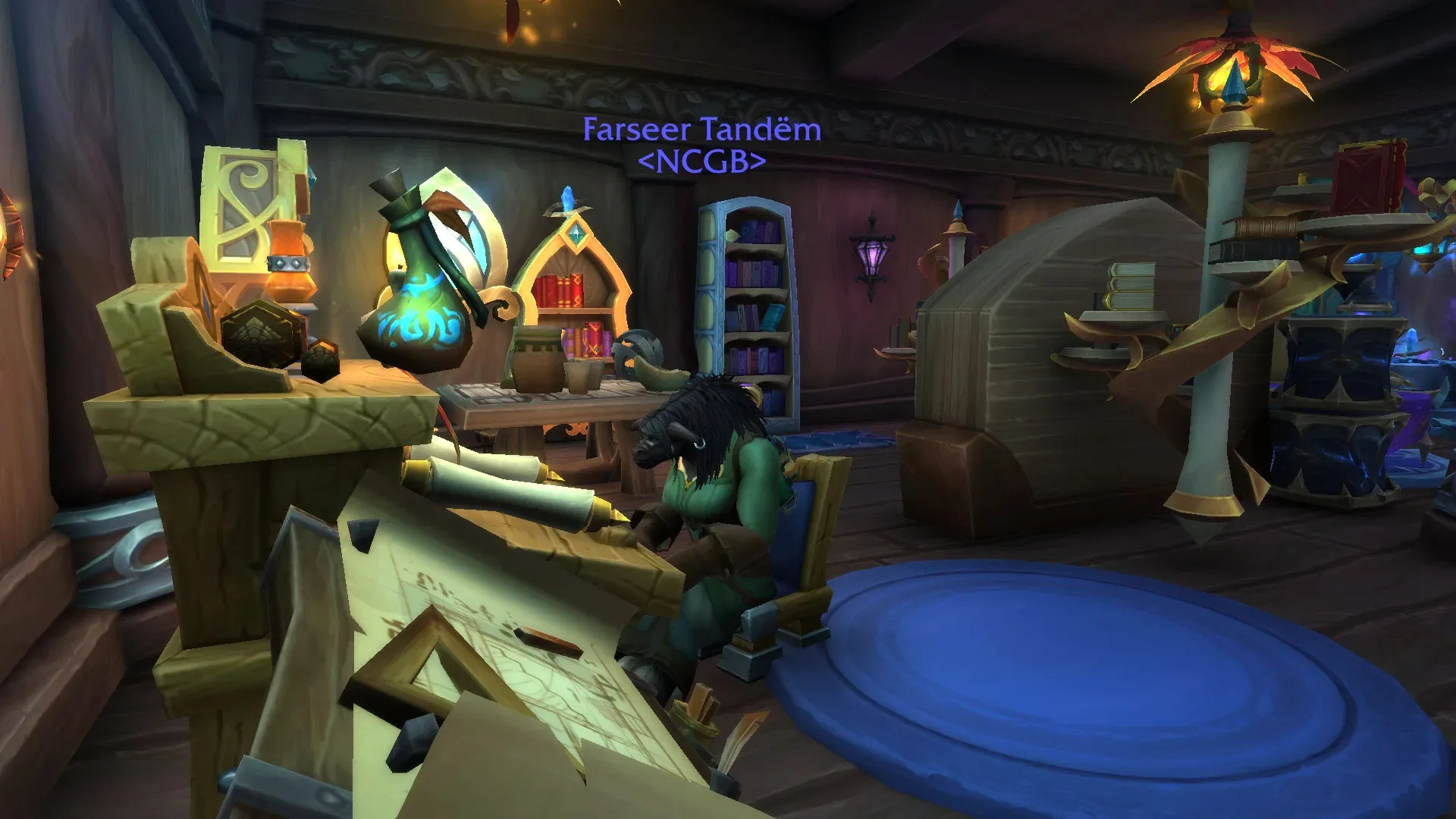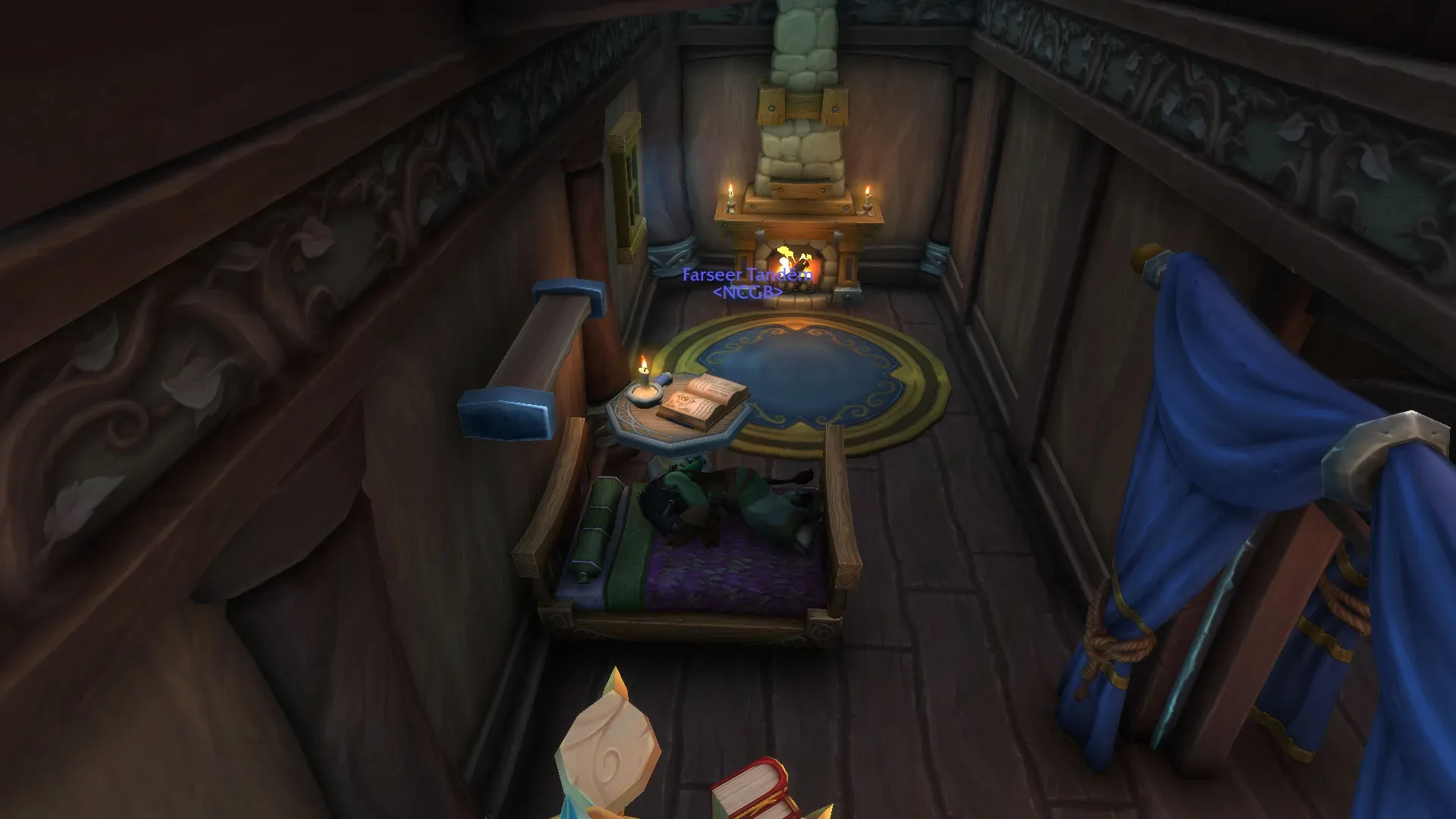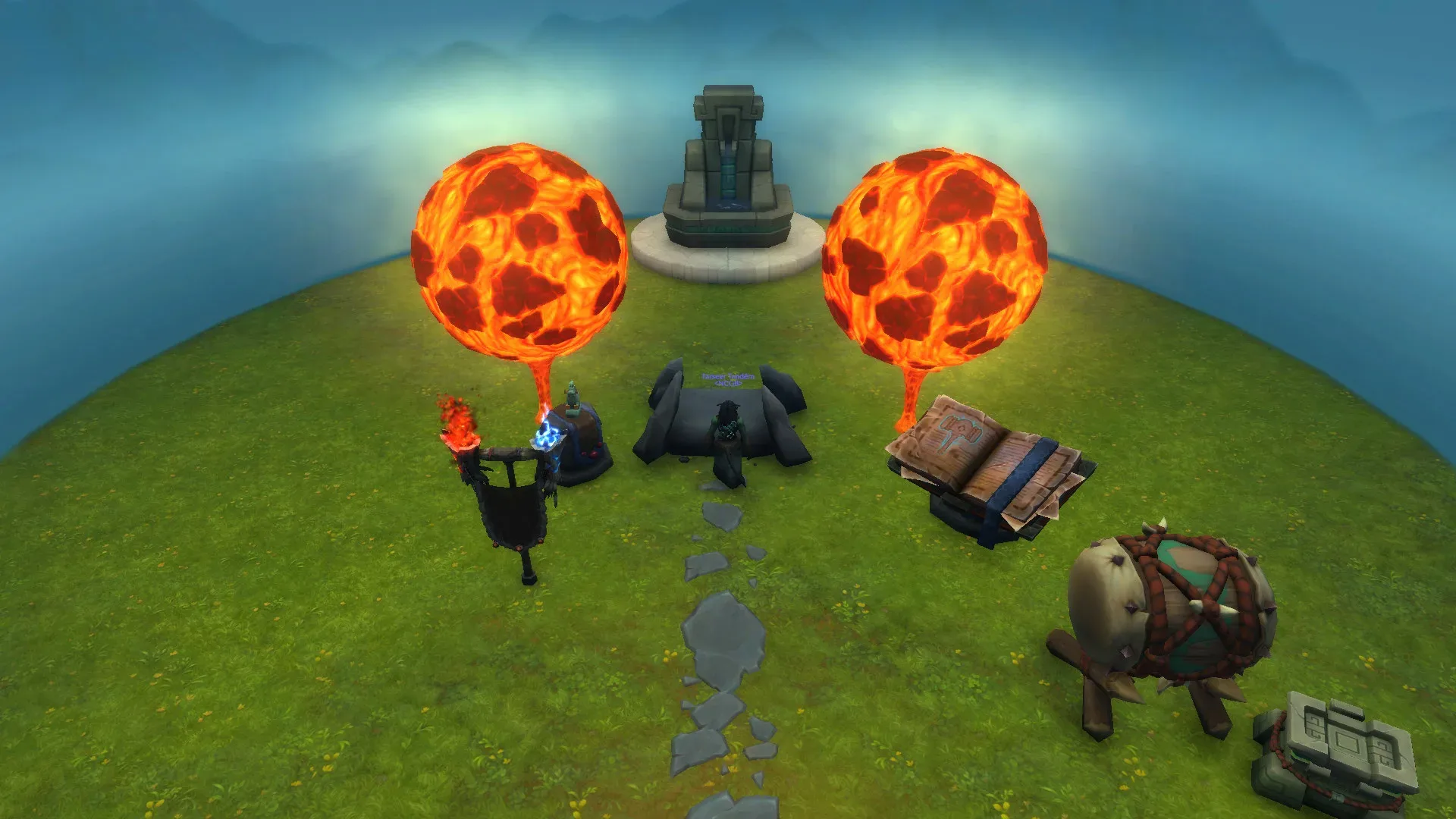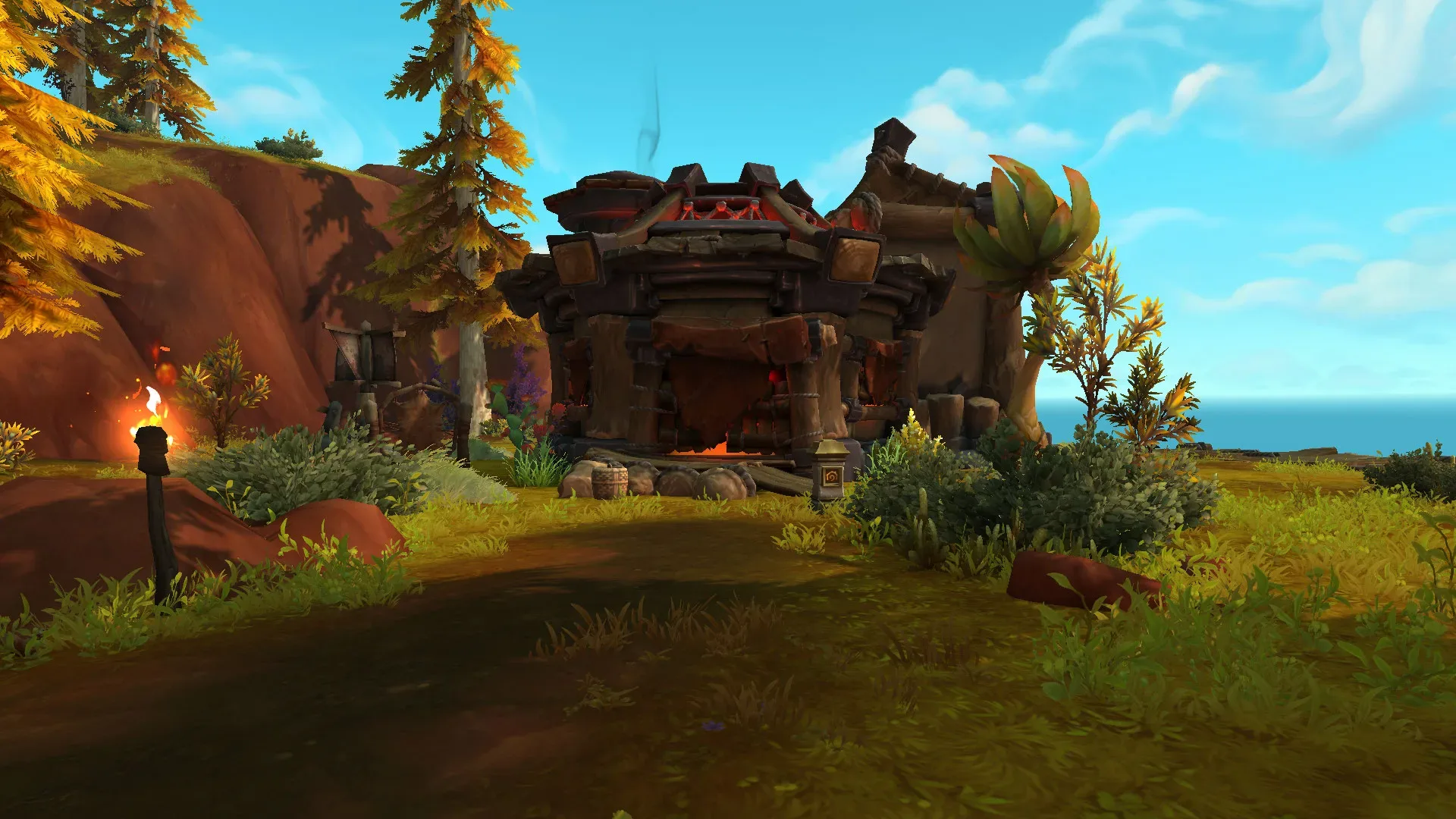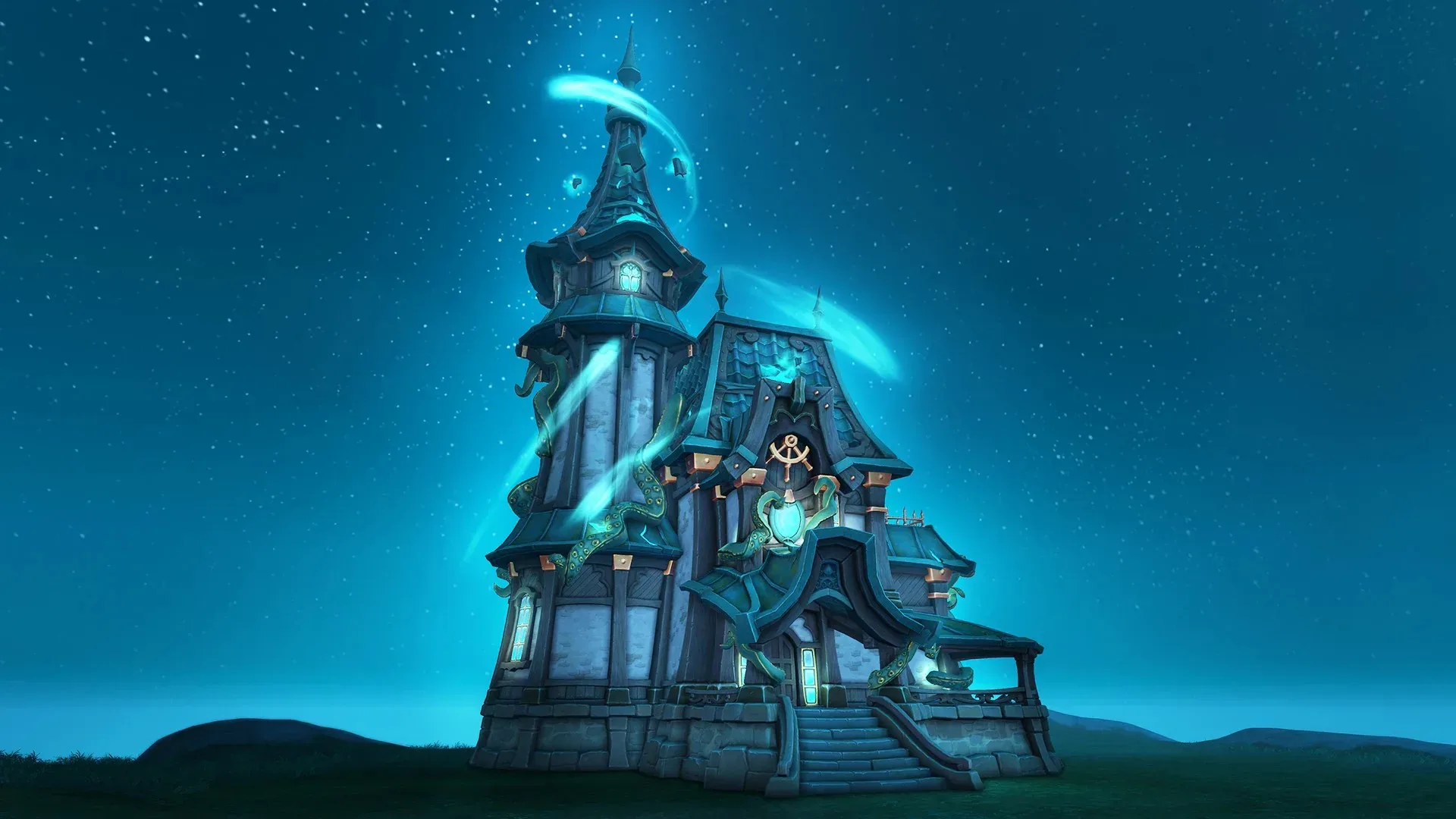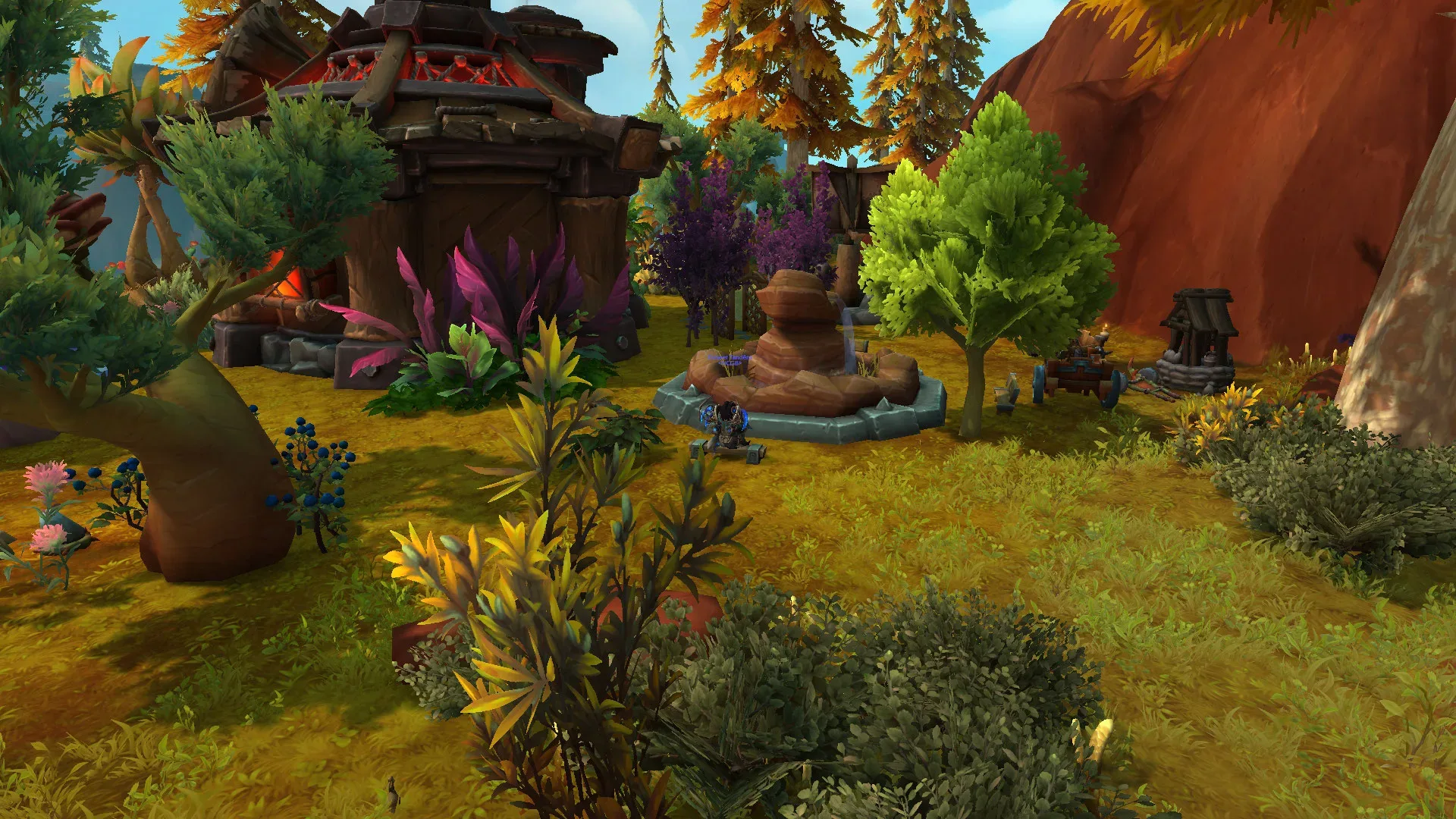
World of Warcraft’s housing system appears to have solved the difficult part first: making player homes genuinely satisfying to build. Rooms can be arranged with unusually granular placement, some items can be recolored, pets can roam indoors, and the available decorations support everything from magical studies to elaborate gardens. Recent additions reportedly brought more than 200 new items, alongside larger homes and a higher cap for a player’s decor collection.
That is an impressive foundation. Yet a beautifully furnished house can still feel strangely vacant if the larger game gives players little reason to return after the first decorating spree. The central tension is not whether housing has enough objects. It is whether the home is connected enough to the rest of an MMO to become a habit rather than a gallery.
One player’s experience illustrates the problem sharply. After spending several hours building a home near the start of Midnight, excitement gave way to long stretches without visiting it. A decoration earned from a dungeon or Delve can prompt a return trip, but placing the item may be the entire interaction: enter, position furniture, look around, leave. The home is personalized, but it does not yet feel embedded in the character’s daily life.
Decoration is strong; the destination loop is weak
Housing has clear creative strengths. Fine object positioning matters enormously in building systems because it lets players make a space look intentionally lived in rather than assembled from rigid preset slots. A library feels more convincing if books, glowing orbs and desks can be arranged at a chosen angle. A courtyard gains character when plants and ornaments can be placed as a composition rather than as icons on a grid.
The game’s decor also appears to offer real fantasy variety at the item level. Spinning bookcases, scholar tables, magical furnishings and garden pieces give collectors a meaningful reason to notice rewards obtained in other activities. In design terms, this is a good collection loop: play a dungeon, quest or Delve; earn an object; bring that object into a persistent personal space.
But a collection loop alone does not necessarily create a destination loop. A destination loop is the recurring reason a player chooses to spend time in a particular place. It can be a practical stop, a social meeting point, a role-playing venue, or simply an area where unexpected encounters regularly happen. Without one, even a brilliantly flexible housing editor can become a tool players open only when they have an item to place.
The reported shortcomings are mostly mundane, which is precisely why they matter. Homes do not currently provide ordinary conveniences such as a bank, a transmogrification service or broad quest access. There are housing-focused vendors and quests, but not much that makes a neighborhood feel like a living settlement. A decorative alchemy table cannot be used as an actual alchemy table, while a cooking pot is not a functional cooking station.
Those missing interactions make the home feel like a disconnected mode rather than another part of Azeroth. The distinction is important. A visual prop is something players admire; a usable object becomes part of a routine. If ordinary furniture is only scenery, then the most lavish kitchen remains less useful than a convenient city hub.
Related coverage includes World of Warcraft Housing Needs a Reason to Keep Players at Home.
An MMO home needs people as much as furniture
The social absence may be more consequential than the missing services. Housing naturally invites players to imagine guild gatherings, casual visits, toy-filled parties and familiar neighborhood faces between raids or other group content. That expectation is not merely decorative. A home in a multiplayer game carries the promise of shared ownership, conversation and spontaneous activity.
Instead, the described neighborhoods often seem empty. Guildmates are not commonly encountered there, and there is no dependable reason for a group to converge on a member’s home before heading back out into the wider game. An individual may be proud of a garden or a carefully arranged magic room, but pride does not automatically produce visitors.
This is where housing faces an especially awkward MMO-specific challenge. Solitary building can be relaxing and worthwhile on its own, but the system is being judged against the social potential of a persistent online world. If players cannot reliably use homes as hubs, the feature risks becoming a private creative diversion attached to a game built around shared spaces.
That does not mean every house needs to become an efficient service depot. Overloading player homes with every convenience could pull activity away from larger communal areas. The better point is that homes need enough meaningful interaction to justify a stop. Functional profession-themed furniture, reasons for guildmates to visit, or systems that make neighborhoods visibly active would all address the underlying issue more directly than simply adding another chair set.
For a wider look at how a game’s setting and systems can shape the feel of its fantasy action, read our Phantom Blade Zero review.
Faction style limits the fantasy of self-expression
Another friction point is aesthetic fit. Horde players are described as beginning with orc and blood elf housing options, including basic interior pieces such as doors, beds, tables and chairs. That is workable for players pursuing those specific looks. It is much less welcoming for someone playing a tauren character who wants a cozy magical cottage rather than an orcish structure or blood elf design language.
The concern here is not that every character must receive a perfect bespoke kit immediately. It is that basic structural pieces have an outsized effect on an entire build. A player can earn a dazzling centerpiece from a dungeon, but the exterior, rooms, doors, fencing and large furniture establish the home’s visual identity. If those fundamental assets do not match the character fantasy, the player’s incentive to undertake a total remodel falls away.
Faction exclusivity compounds the issue. Alliance players may have access to some styles that suit the desired cottage-like direction, while being unable to build an orc home themselves. The result is less a rich menu of freely mixed architectural traditions and more a set of lanes. That can preserve faction flavor, but it can also make a player feel that the character they chose is poorly represented by the place they are supposed to call home.
Basic items also create a practical resource problem. An individual chair or table may be inexpensive, yet architectural decorations such as fencing are needed in quantity. Building a yard is not a one-item purchase. When a design requires repeated pieces, costs can rise quickly, making experimentation feel less casual than the creative system encourages.
The cash-shop question is larger than one expensive house
The sharpest concern is the contrast between earnable decor and premium housing cosmetics. Most decor is said to be obtainable through gameplay, and the continuing flow of in-game pieces deserves recognition. More than 200 new items in a patch is meaningful support for builders, especially for those who prefer to earn additions by playing rather than paying.
At the same time, the Springtime Treehouse and Grimtide Estate are presented as especially desirable housing sets available through real-money spending on Hearthsteel. The Grimtide Estate is described as costing $25 for the house and another $10 for all of its decor, while the treehouse pack costs more. For players already paying a subscription, $35 for a house and matching furnishings can feel difficult to justify.
The objection is not simply that optional cosmetics exist. It is a question of confidence. When the most exciting exteriors appear to be premium items while a player’s preferred in-game architecture is thin or unavailable, it becomes easy to conclude that the best version of the system will always sit behind another purchase. The perception is intensified by an allegation that the Grimtide offering conflicts with an earlier promise about the feature’s monetization.
That perception can weaken engagement even among players who like the building tools. Why plan a large renovation around a compromise exterior if a much better-looking alternative is presented as a cash purchase? Why chase a long list of furniture drops if the overall visual direction still feels incomplete without a premium shell? The problem is emotional as much as economic: the player starts to question whether effort will lead to the home they actually want.
What the current design says about housing’s next challenge
None of this erases what housing has accomplished. The tools are flexible, the item pool is expanding, new gardening options have been welcomed, homes are growing, and the ability to treat a house as a personal creative project is evidently real. The feature has already enabled players to make ambitious spaces ranging from detailed interiors to far more unusual constructions.
But housing’s next phase should be judged less by raw decor totals and more by how naturally it enters everyday play. A house becomes durable when a player remembers it exists without being reminded by a newly acquired lamp. It becomes social when friends have a reason to turn up. It becomes personal when the baseline architecture supports more than a narrow selection of faction aesthetics. And it feels fairer when the most compelling looks do not seem permanently reserved for extra spending.
There is an instructive comparison within World of Warcraft’s own design history: the player in question reports spending more time in a Warlords of Draenor garrison than in the newer home. That is not presented as praise for garrisons; it highlights the value of integration. A less attractive or less beloved personal space can nevertheless become routine if it connects to the rest of a character’s life.
Housing does not need to become another checklist of mandatory chores. In fact, forcing players into homes through repetitive obligations would trade emptiness for resentment. The opportunity is to make visits feel useful, welcoming and voluntary: a place for friends to gather, for a character’s activities to have a small functional foothold, and for earned rewards to become part of a world that feels occupied rather than sealed off.
Right now, the house may be lovely. The question is whether anyone has a reason to knock on the door.