There are bigger reasons to revisit an older version of World of Warcraft: familiar quest routes, the texture of an earlier game world, or the pleasure of seeing systems and zones in the form players remember. But sometimes preservation is expressed through something much smaller, stranger and more important than it has any right to be.
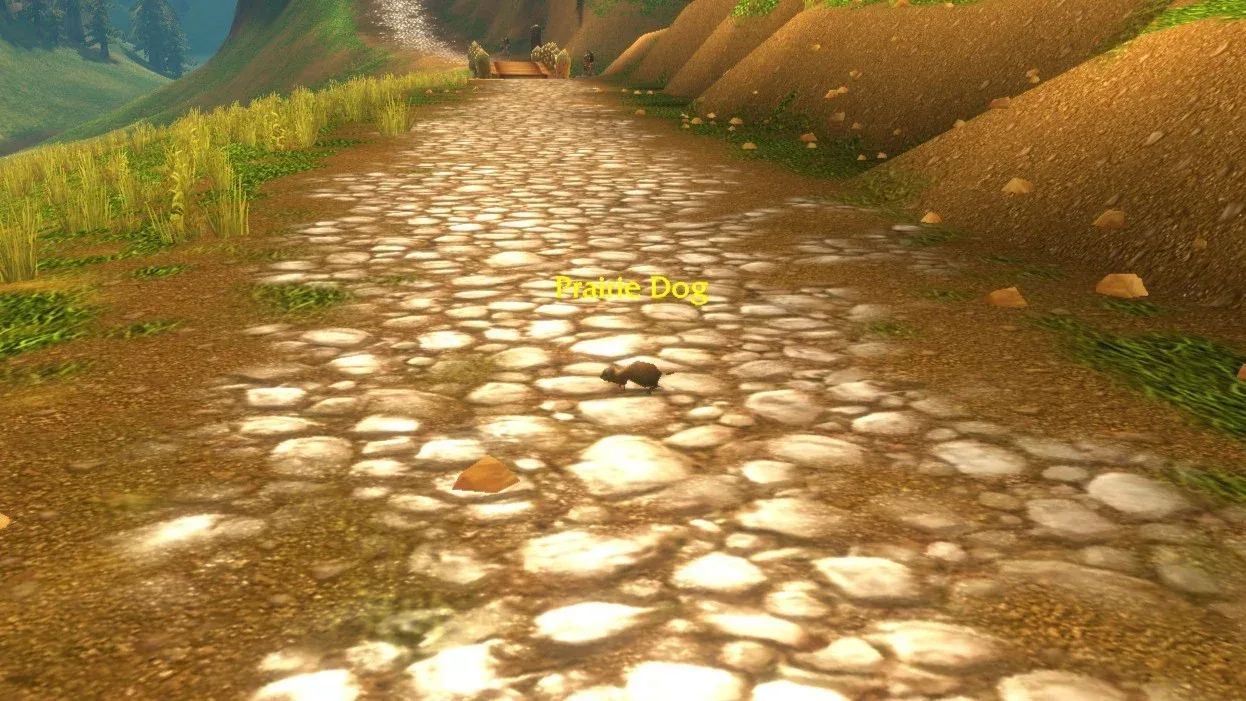
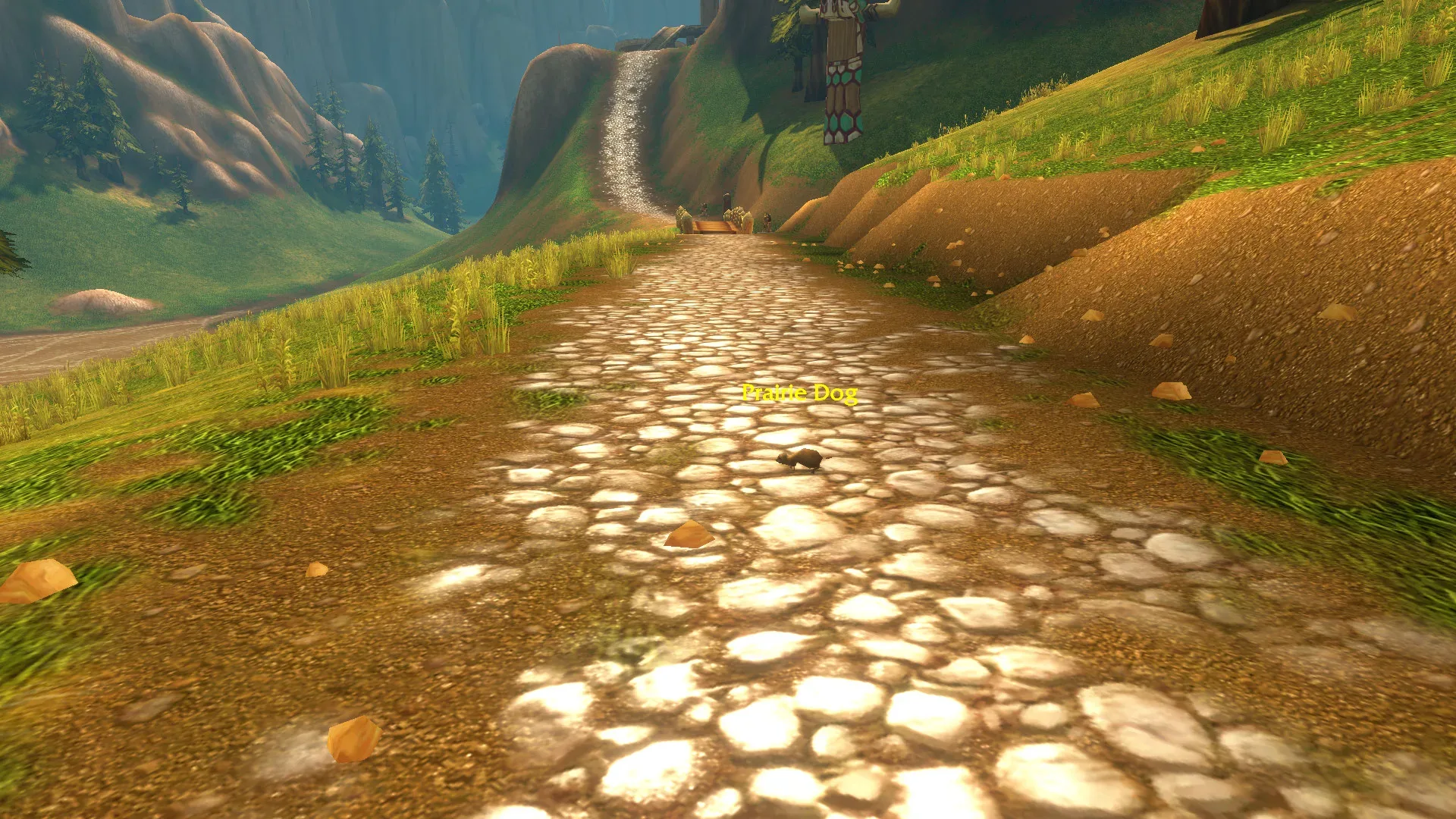
In World of Warcraft: Forever, that something is Mulgore’s original prairie dog: a tiny roaming critter with an aggressively angular head, a stiff, hunched silhouette and an expression that seems less like a wildlife observation than a low-poly warning. Retail World of Warcraft replaced this model with a more conventionally cute prairie dog. Forever, which is based on the original version of the game, keeps the oddball intact.
That makes this decidedly unlovely creature a miniature case study in what players can mean when they say they want an old game preserved. They do not always mean only major raids, famous bosses, character builds or class mechanics. Sometimes they mean the peculiar environmental details that gave a place its personality: the texture that looked strange even at the time, the incidental animal that scurried past a quest path, the model that became memorable precisely because it was not polished into invisibility.
Mulgore’s strangest resident
The prairie dog is encountered in Mulgore, the broad starting-region landscape closely associated with the tauren. Tauren characters provide a distinct alternative to fantasy’s standard humans, elves, dwarves and orcs: they are cow-like people, an idea that is both immediately readable and wonderfully specific. Mulgore’s plains are a natural backdrop for that identity, and small ground animals help make the zone feel inhabited rather than merely built to hold quests.
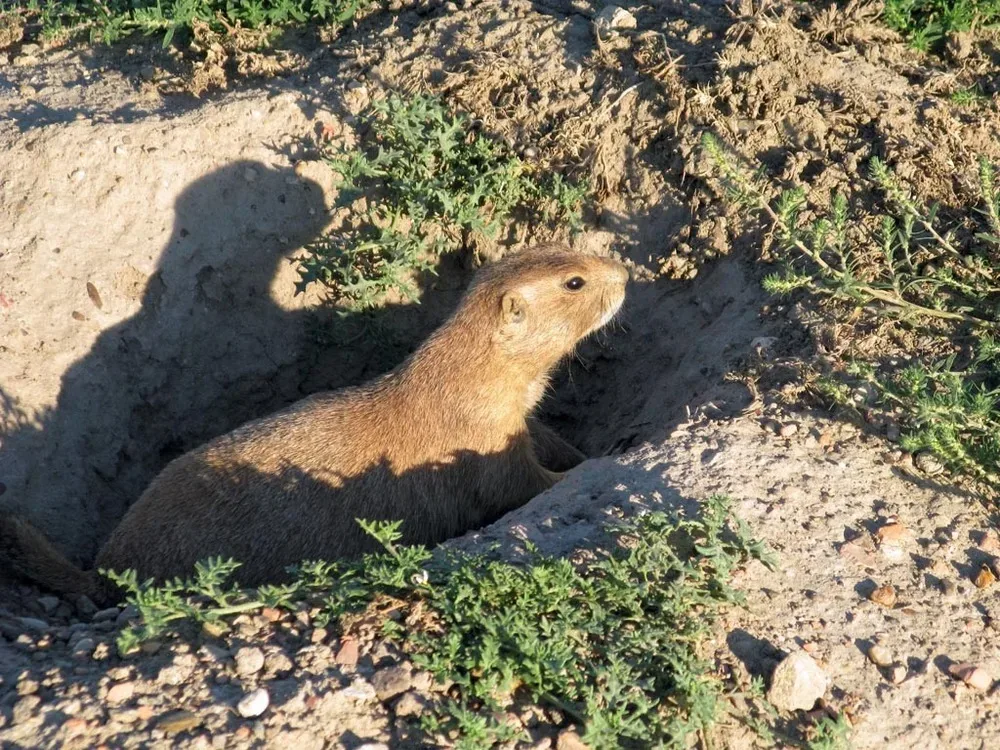
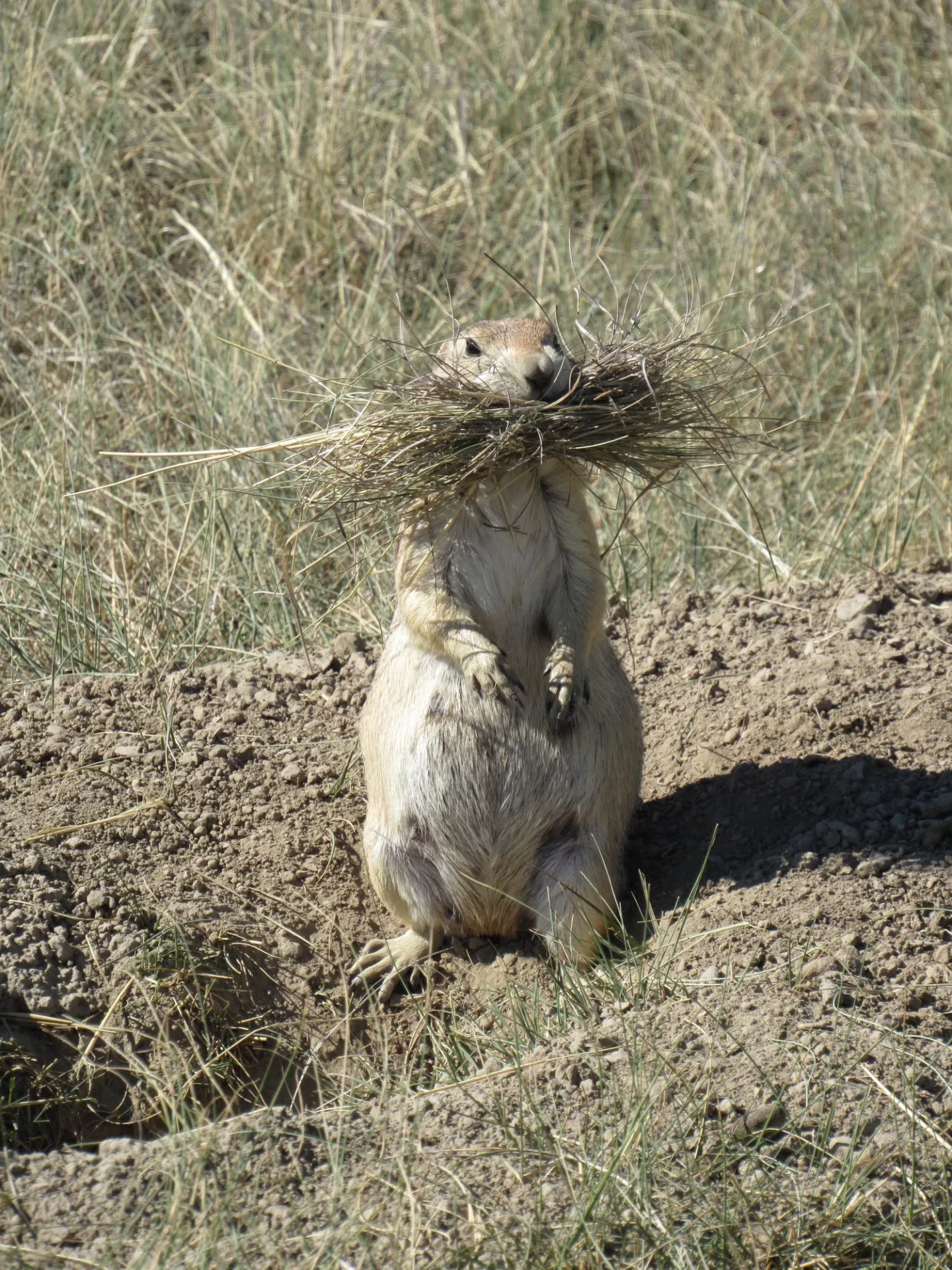
Real prairie dogs are rodents that burrow in North American grasslands and plains. They are ecologically significant in part because other animals feed on them. The digital version does not need to recreate that ecological role to do its job. It needs to appear briefly in the grass, move with enough urgency to be noticed and suggest that the zone continues beyond a player’s objective markers.
The original WoW model certainly succeeds at being noticed. Its most striking feature is not anatomical accuracy. It is a pointed, almost wedge-like face, paired with eyes that can look startlingly vacant when the creature is targeted for a closer view. A target is the game object a player selects, generally to inspect it or interact with it; here, selecting the prairie dog has the accidental effect of turning a passing background animal into a close-up encounter with early-era polygon work.
Polygonal is not simply a synonym for old. A polygon is one of the flat geometric surfaces used to construct a 3D model. Fewer polygons generally mean less rounded shapes and more visible angles. That technical limitation can be especially conspicuous on a small animal, where a tiny change in head shape can turn “cute burrowing mammal” into “mysterious grassland goblin.” The prairie dog’s appeal comes from that mismatch. The game intends an ambient critter; the model delivers an accidental little monster.
Why a replacement can still feel like a loss
Retail’s newer prairie dog is described as actually looking like a cute prairie dog, which is an understandable direction for a game continually revising its presentation. A more natural-looking model improves visual consistency and likely better communicates what the animal is meant to be at a glance. From a straightforward art-quality perspective, the update is difficult to argue with.
Related coverage includes World of Warcraft: Forever Keeps the Strange Old Prairie Dog Alive.
Yet visual improvement and historical value are not the same thing. The older prairie dog had an identity created by its limitations. It was not merely lower detail; it had a silhouette and facial quality distinct enough to inspire affection among players who remembered it. Replacing it made the local scenery more polished, but it also removed one of those tiny visual signatures that can bind a player to a particular version of a persistent online world.
That tension is common in long-running games. A live game is expected to evolve, but changes are cumulative. Models are revised, interfaces are redesigned, maps are adjusted and incidental details disappear. Any individual change may be sensible. Over years, though, the result can be a world that plays differently in memory than it looks in the present.
Forever’s continued use of the original prairie dog does not need to be framed as a rejection of the retail model. It works better as an alternative record: a playable reminder that the original world included this very particular creature. The value is in having room for both interpretations—the refined animal in the current game and the weirdly beloved artifact in the older-style version.
That is also why preservation is not purely a technical exercise. Keeping software running matters, but so does retaining the aesthetics that came with it. Players often remember visual rough edges with more fondness than the major systems around them because the rough edges are personal, low-stakes and easy to encounter again. A prairie dog by a path does not demand anyone’s attention. Once it has been noticed, however, it becomes hard to forget.
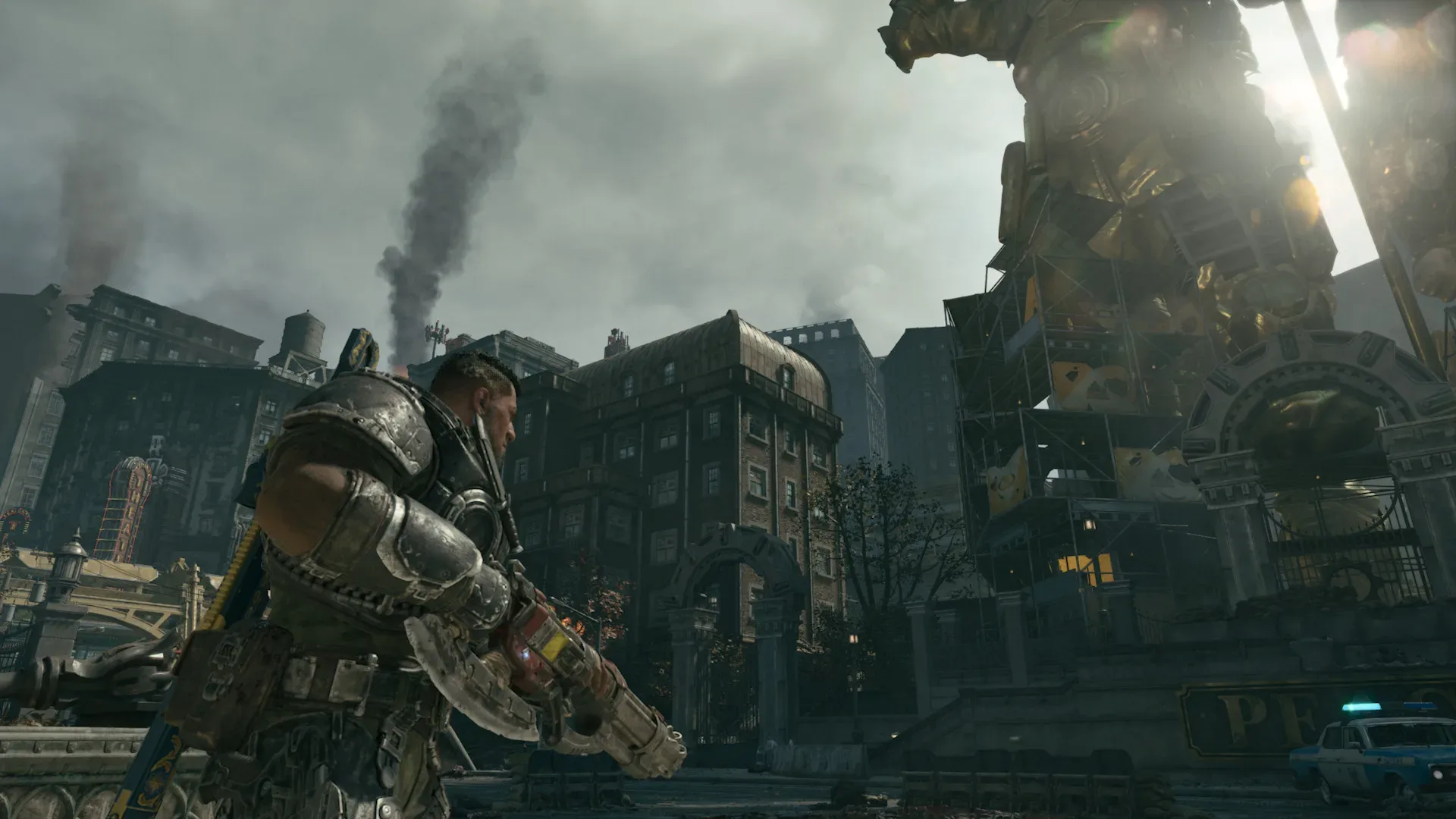
The same principle helps explain why visual tools can matter so much to communities attached to game environments. Our look at the importance of a missing photo mode in Gears of War: E-Day turns on a related idea: players value ways to linger over, document and share the details that make a game’s spaces memorable. Mulgore’s old prairie dog may not be conventionally photogenic, but it is certainly worth documenting.
A pet version turns an in-joke into a keepsake
The prairie dog is not limited to a fleeting wildlife sighting in Forever. Players can obtain a pet version of the old model from Halpa in Thunder Bluff. Halpa is found near the entrance to Hunter’s Rise, and the pet costs 50 silver.
That detail matters because a companion pet changes the animal’s role. A roaming critter is part of a zone’s ambience; a pet is something a player can bring elsewhere. In practical terms, anyone seeking this particular visual oddity needs to visit Thunder Bluff, locate Halpa around the Hunter’s Rise entrance and have 50 silver available for the purchase. The result is a portable fragment of old Mulgore rather than a memory tied to one patch of grass.
It is a fitting reward for a model that has become an in-joke. Companion pets are often valued for a combination of appearance, association and personal attachment rather than combat power. This one’s central selling point is bluntly aesthetic: it is the famously awkward original prairie dog. Players who prefer it are not choosing an idealized animal; they are choosing the charmingly wrong one.
What this tiny creature says about MMO nostalgia
It would be easy to reduce nostalgia to a claim that older assets were better. The prairie dog suggests something more precise. The older model is not “better” at looking like a prairie dog. Its significance lies in its specificity. It is recognizably a product of an earlier visual language, and it has survived in players’ collective memory because it is unusually strange.
That specificity is valuable in a massively multiplayer online game, or MMO. An MMO is designed as a shared, evolving space where players repeatedly pass through the same locations over long periods. Familiarity is therefore part of the experience. A minor NPC, sound effect, tree placement or critter model can become an emotional landmark simply because thousands of routine trips place it in front of players again and again.
Mulgore’s bizarre prairie dog is an ideal example because it is so unimportant mechanically. It does not need to anchor a questline to matter. It is not a raid reward or a competitive advantage. It is a small visual anomaly that contributes to the sense that Azeroth is full of idiosyncrasies rather than assembled exclusively from polished, interchangeable assets.
Forever retaining it offers a useful reminder for anyone discussing older game versions: fidelity includes the blemishes. The awkward shapes, the assets that received a later pass, and the details that no art review would necessarily prioritize can all be part of what players recognize as the original experience. In some cases, they are the most human parts of it—the accidental signatures left by the tools, budgets and artistic decisions of a particular moment.
The case for keeping the ugly one
There is no need to pretend that the original Mulgore prairie dog is a masterpiece of animal modelling. It looks bizarre. It is hunched. Its face is disconcerting. A player who sees it only through the lens of realism has every reason to prefer retail’s cuter update.
But games are not remembered only for what they did perfectly. They are remembered for their quirks: the little compromises that became distinctive, the visual accidents that communities turned into jokes, and the incidental details that quietly outlasted more important content. This prairie dog is one of those quirks.
So the continued presence of the older model in World of Warcraft: Forever is more than a gag for players who enjoy a wonderfully ugly critter. It preserves a small, authentic piece of Mulgore’s original texture. For anyone with 50 silver and a tolerance for deeply unsettling rodent geometry, Halpa’s pet offers the most compact possible souvenir of that history.