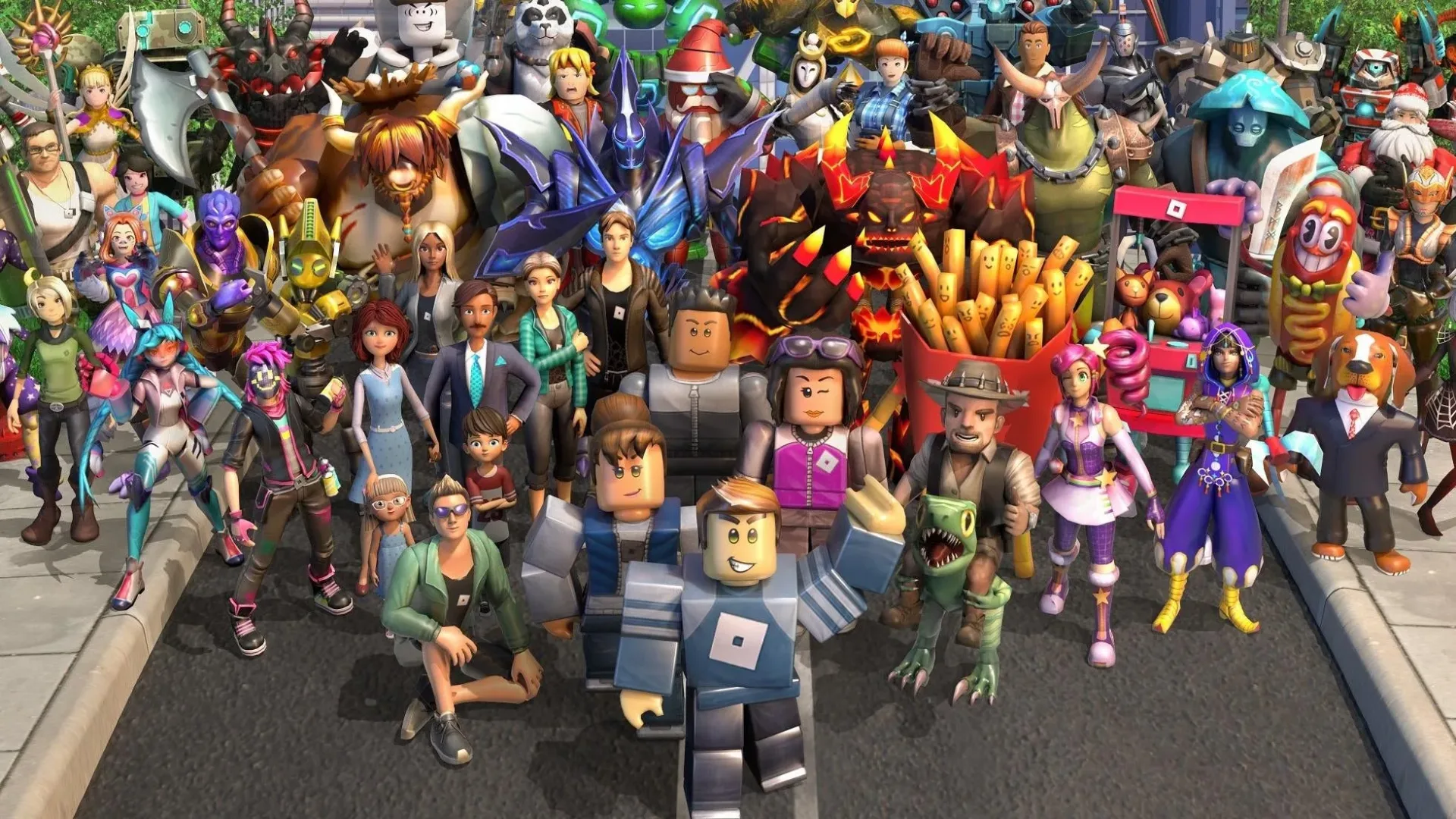
Roblox’s latest platform ambitions are easy to summarize: make games faster with AI, bring more games into Roblox, and help Roblox-made games travel beyond it. In a vacuum, each goal has an understandable business case. Faster tools can lower the barrier to making games. A huge existing audience can be attractive to developers. Wider publishing options can give creators more ways to reach players.
Put those goals together, however, and the less cheerful phrase is not “creative empowerment.” It is content flood.
Roblox says AI-enabled creation, automated code generation, and AI-supported asset creation are sharply reducing the time between an idea and a playable game. It also says that more than 80% of its 100 most-played games by hours engaged used AI tools to speed creation over the prior month, while daily asset uploads to the Roblox cloud rose threefold month over month.
Those numbers show adoption, not quality. That distinction matters. A tool can make production quicker without making a game more coherent, safer, more original, better balanced, or easier for an audience to discover. And when the output rate rises dramatically on a platform that already contains an enormous volume of user-made experiences, the hardest problem may no longer be building something. It may be ensuring anyone can find the worthwhile work at all.
What Roblox is proposing
Two initiatives sit at the center of the plan: The Universal Player and Roblox Everywhere. They point in opposite directions, at least from a distribution perspective. One would pull existing games into Roblox; the other would give Roblox creators routes to publish outside the platform.
The Universal Player: bringing outside games in
Roblox’s stated goal for The Universal Player is to enable existing console, PC, and mobile games to be imported into its cloud platform. The company describes AI as part of the process of converting a game so it can run multiplayer across devices, use Roblox services, support instant joining, receive user-generated-content updates, and access discovery, safety, communication, and monetization features.
That is an ambitious proposition. “Import” is doing an enormous amount of work here. A game is not simply a bundle of art files that can be dragged from one storefront to another. It has code, controls, performance requirements, interfaces, online systems, platform-specific assumptions, and often a business model. Transforming a pre-existing game to work in a different technical ecosystem can be complex even before multiplayer and cross-device support enter the conversation.
Code generation refers to AI assistance that produces or modifies programming code. Asset creation generally means producing the pieces used to make a game, such as models, textures, audio, or interface elements. These tools may accelerate narrow tasks, but Roblox’s description does not establish that every imported game can be converted automatically without meaningful developer work, oversight, or technical compromises. The proposal is a goal, not a demonstrated guarantee for every kind of game.
Related coverage includes Roblox's AI Expansion Plans Raise Fresh Fears of a Cross-Store Content Flood.
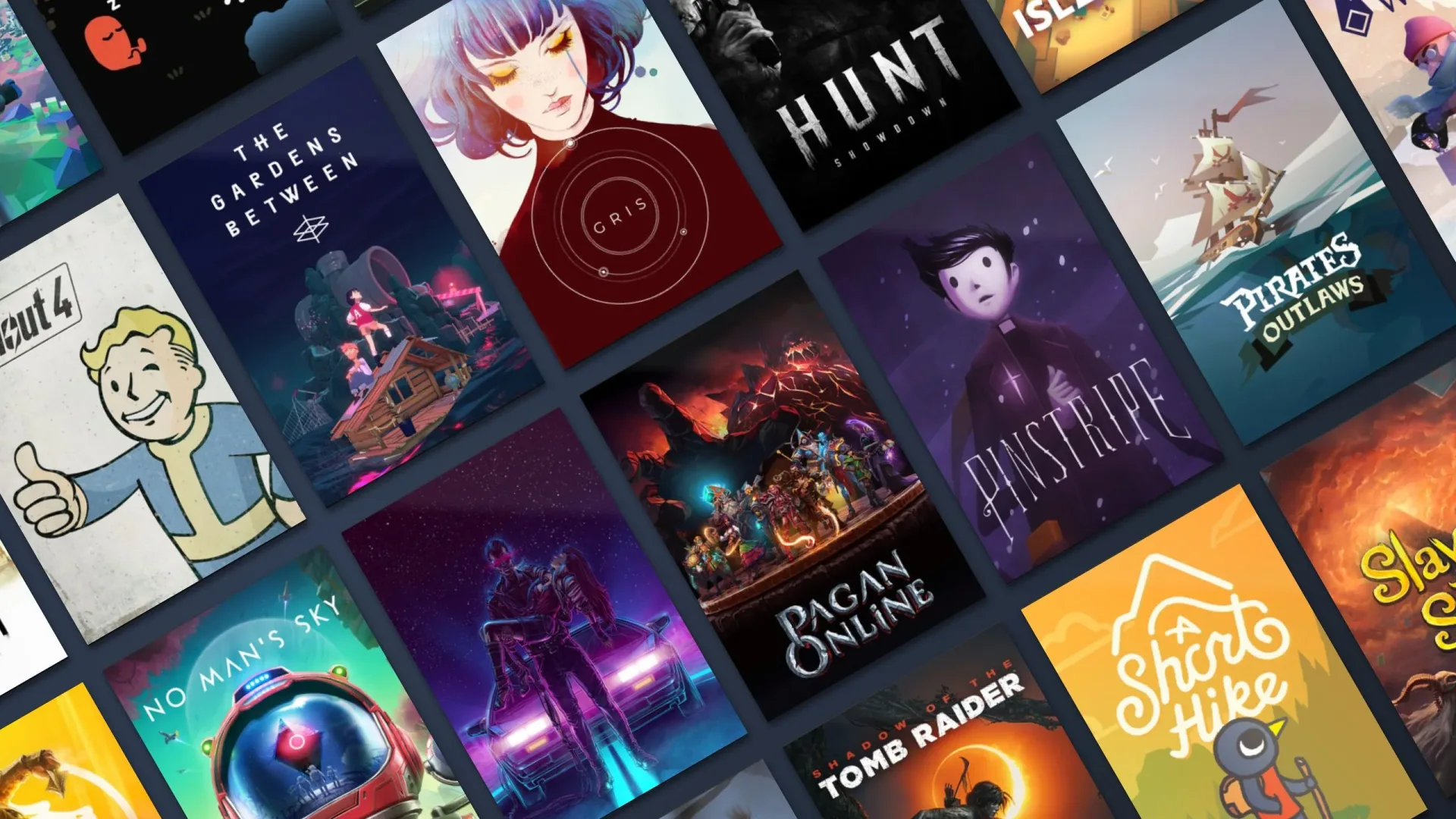
The potential audience is considerable. Roblox reports 138 million daily active users, a figure that could make the platform appealing to smaller developers looking for another route to players. More distribution choices can be valuable at a time when visibility is difficult across digital game stores. But another store is only useful if it offers meaningful discovery rather than another crowded shelf.
Roblox Everywhere: sending Roblox creations out
Roblox Everywhere is the outward-facing half of the strategy. Roblox has said creators will be able to “build once, publish anywhere,” with mobile, PC, and consoles identified as the broad destination categories. The company has not specified the individual storefronts involved, which means there is no basis to assume a particular store has signed on or that every Roblox game will be eligible for every platform.
That uncertainty is important. Publishing to a third-party store can involve technical, policy, age-rating, moderation, quality, and certification requirements. Roblox’s broad direction is clear, but the practical details—participating stores, approval processes, restrictions, and the degree of automation—remain unclear.
Roblox is also preparing a way for people to play a Roblox game directly through Chrome without downloading the Roblox application or installing other software. That feature is expected by the end of the year. Removing installation friction could make individual game links easier to share and try, which may help creators reach players. It could also increase the volume of material that players encounter with very little separation between a link and a playable experience.
Speed is not curation
The central tension is not that AI tools exist or that creators use them. Creative software has always changed the amount of effort required for particular tasks. The concern is what happens when a major platform treats a rapid rise in output as an uncomplicated measure of success.
Roblox’s use of the phrase “explosion of content” makes the trade-off unusually explicit. An explosion is a volume story. Players, though, do not experience platforms as a volume chart. They experience search results, recommendation feeds, thumbnails, social links, category pages, and whatever the platform puts in front of them first.
Discoverability is the ability of players to encounter a game that may interest them among competing releases. It is not the same as availability. A game can technically be on a store and still be effectively invisible if searches are noisy, recommendations favor familiar hits, or the release cadence is too fast for players and curators to process.
For a small developer, AI may reduce the time needed to make prototypes, create placeholder art, or write basic code. Yet the same tools, used widely, can also reduce the cost of producing derivative or minimally differentiated projects. The result can be a brutal paradox: the easier it becomes to publish, the harder it becomes to be noticed. A developer’s individual production problem may improve while the ecosystem’s discovery problem gets worse.
This matters especially because Roblox has long been associated with younger users, even as it says it wants to expand among people over 18 and replicate its success with younger cohorts. The platform does contain games with committed communities and strong ideas. A criticism of an AI-driven content surge should not erase the work of creators who make thoughtful experiences in Roblox. In fact, those creators are among the people most likely to lose attention when low-effort volume rises faster than the systems meant to sort it.
The moderation question does not disappear at the border
Roblox frames its services as including safety, communication, discovery, and monetization. Those are not optional extras when a platform has a large young audience and relies heavily on user-generated experiences. They are core infrastructure.
User-generated content, often shortened to UGC, is material made by users rather than by the platform operator or a conventional game studio. In a game context, that can include levels, cosmetic items, models, scripts, and entire playable experiences. UGC can produce remarkable creativity because the number of potential creators is vast. It also creates an enormous review and moderation challenge, because every increase in submissions increases the amount of work required to assess safety, rights, accuracy, and quality.
AI does not solve that automatically. If it leads to more assets and games being submitted every day, the platform must still decide how to surface good work, limit harmful material, respond to reports, and explain enforcement decisions. Exporting Roblox-made games to other app stores could add another layer: external platforms will have their own policies and their own responsibility to decide what they permit.
That is why “publish anywhere” should not be treated as synonymous with “publish instantly everywhere.” Broader access can be a genuine opportunity, but the safeguards, gatekeeping, and accountability behind that access will determine whether it helps creators or merely scales a problem outward.
Who benefits from the new pipeline?
There is a credible positive case for parts of Roblox’s plan. A developer with a game that has struggled to reach an audience elsewhere might value access to a platform with 138 million daily active users. A Roblox creator with a polished project might welcome a path toward PC, mobile, or console audiences. A browser-based entry point could make it simpler for a friend to try a game rather than abandon it at an installation prompt.
But those gains depend on selectivity and transparency. Creators need to know what publishing destinations are actually available, what standards apply, how revenue and monetization work, and how their games will be found. Players need tools that make trust and relevance easier to judge. Stores need confidence that an incoming distribution pipeline will not replace one discoverability bottleneck with a larger one.
Roblox’s strategy appears designed to make the platform both a destination and a distribution layer: bring outside games into its ecosystem, then enable games built in that ecosystem to travel outward. The business logic is expansive. The player-facing logic is less settled. More games are not automatically more choice when the added volume makes it harder to identify games made with care.
The wider games business is already wrestling with that imbalance. As development tools speed up, storefronts and platforms have to work harder on curation, search, recommendations, consumer protection, and meaningful labels around how products were made and maintained. Funding and production realities are evolving too, as shown by CI Games’ financing for Lords of the Fallen II through launch. Roblox’s plans do not exist apart from that broader pressure; they intensify the argument over whether the industry is prioritizing volume over visibility.
A platform needs better answers than “more”
Roblox has presented a future in which creation is faster, games can arrive from other platforms, and Roblox-made work can reach new storefronts. None of those outcomes is inherently bad. The issue is whether the platform can pair its growth ambitions with evidence that quality, safety, and discoverability will keep pace.
For players, the useful questions are practical: Will search and recommendations make it easier to find relevant games? Will labels and moderation standards be clear? Will polished games made by small teams remain visible amid accelerating uploads? For developers, the questions concern distribution terms, technical requirements, and whether a larger audience is genuinely reachable rather than merely theoretical.
Roblox has made its preference for faster creation unmistakable. It now needs to show that it understands the other half of the equation. A platform is not improved simply because it contains more things to play. It is improved when people can reliably find, trust, and enjoy the things worth playing.