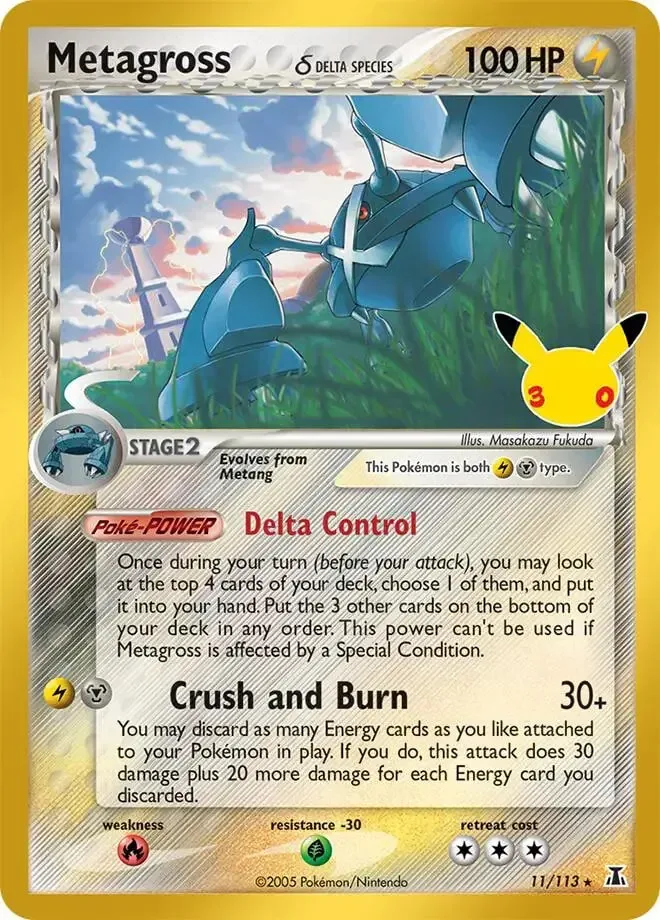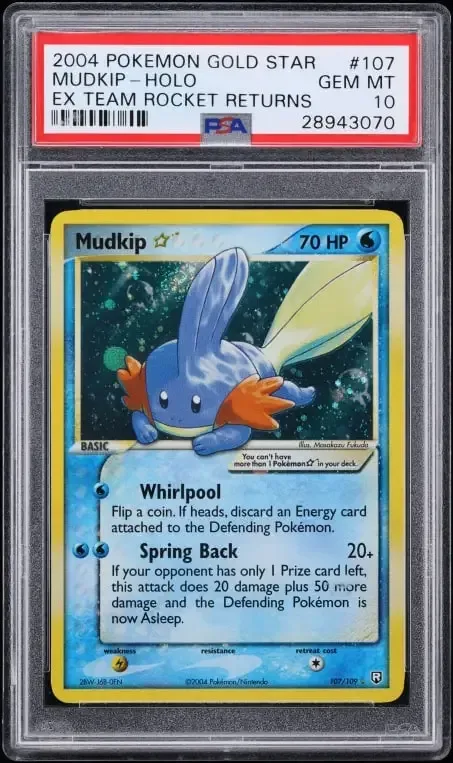
Coinbase has teased a digital card-opening service that appears aimed squarely at the Pokémon Trading Card Game crowd. In a September 28 social-media post, the US-based cryptocurrency exchange said users would be able to open packs on a phone, with every pull backed by a real physical card that could be placed in a vault or shipped to the customer.
The post did not explicitly name Pokémon in its text, but the accompanying artwork displayed five mock pack designs labelled Pokémon and numbered one through five. Coinbase also replied positively when commenters described the idea as Pokémon packs “on the chain,” adding further weight to the impression that Pokémon cards are the intended launch focus.
“Your binder is about to get a major upgrade,” Coinbase wrote, describing phone-based pack ripping alongside vaulting and shipping options. The post says the service is coming soon, but provides no launch date, pricing, pack contents, or explanation of how the physical-card side will operate.
The teaser is available in full through Coinbase’s original post. For collectors, though, the most important part of this story is not the mock packaging. It is the unanswered question sitting behind it: what exactly does “backed by a real, physical card” mean in day-to-day ownership terms?
What Coinbase has actually teased
The proposed loop appears simple on the surface. A customer opens a card pack digitally on their phone, sees what they pulled, then chooses between keeping the item in a digital vault or having the physical equivalent sent to them. Coinbase has also hinted that the product will include more than those basic choices, replying “And there’s more…” when a commenter called vaulting the real game changer.
That is a meaningful tease, but it is still a tease. There is no confirmed information on whether users would buy sealed packs, purchase entries into a digital mystery-pack system, receive any form of digital token, or use crypto in the transaction at all. The company’s role as a crypto exchange naturally raises questions about payment methods and ownership records, yet its post does not answer either question.
Nor does the material establish the commercial relationship behind the Pokémon imagery. The artwork and replies make Pokémon the apparent focus, but the information available does not explain whether this is a licensed program, what products may be included, or whether other trading-card games will be supported. Until those points are addressed, collectors should treat the Pokémon angle as a strong signal from the teaser rather than a complete product specification.
Digital opening is not the same thing as digital ownership
The distinction matters because “digital pack opening” can describe several very different systems. In the loosest sense, it simply means the reveal happens on a screen rather than at a kitchen table. The card itself could already exist in a facility, with a particular physical copy assigned to the buyer at the moment of the reveal. Alternatively, a platform might sell a chance-based product and fulfill a matching card later from inventory.
Related coverage includes Coinbase Teases Digital Pokémon TCG Pack Opening With Physical Card Fulfillment.
A vault, meanwhile, generally means a provider holds an item on a customer’s behalf rather than mailing it immediately. That can appeal to collectors who do not want to deal with repeated shipping, storage, or handling. It can also make future transactions faster if the card remains inside the same service. But the convenience only works if the service makes its custody and withdrawal rules clear: where is the item held, how is it identified, what conditions apply to shipment, and what happens if a user wants to move it elsewhere?
Coinbase has not yet laid out those terms. Its wording promises a physical card behind each pull, but does not specify whether that card will be graded, authenticated, raw, sealed, assigned to a serial or inventory record, or subject to any withdrawal fees or limits. Those are not minor footnotes in a collectibles service. They determine whether a buyer is receiving a straightforward stored collectible, a digital representation of one, or an entry in a platform-specific account system.
Proof of ownership is another phrase likely to become important. In practical collecting terms, proof can mean a custody record showing that a particular item is held for a particular account. In crypto conversations, it can also refer to a blockchain-based record. The teaser does not say which model, if either, Coinbase plans to use. A commenter’s “on the chain” description should not be read as confirmation of a blockchain feature, because Coinbase itself has not described the service that way.
The questions that will decide whether collectors trust it
Physical fulfillment is the central promise, and the central uncertainty. A card service can be entertaining at reveal time, but collectors will judge it on what happens after the animation ends. Coinbase will need to explain several basics before prospective users can assess the offer.
- Pack construction: Are users opening standard sealed products digitally, pre-assembled mystery packs, or another format entirely? The source material does not say.
- Card selection: Is each result tied to a specific physical card before the reveal, and how will the service demonstrate that assignment?
- Authentication and condition: Will cards be authenticated or graded, and if so, by whom? “Real physical card” does not itself answer questions about condition.
- Vault custody: What records will identify an item held in the vault, and what are the terms for retrieving it?
- Shipping: How and when can customers request delivery, and what protections apply during transit?
- Resale and buyback: Will the service offer internal trading, sales, or buybacks? Coinbase’s “there’s more” reply offers no details.
- Payments and regulation: Will purchases be handled like conventional card purchases, through crypto, or through a mix of methods?
These questions are especially important because card condition can be material to a collectible’s appeal. Two copies of the same printed card can be very different objects to a collector if one has visible wear and the other is professionally graded. A platform that puts the opening experience first still needs a precise method for describing the physical object a user may ultimately receive.
There is already a model for digital-to-physical card reveals
Coinbase would not be entering a totally untested format. GameStop’s Power Packs program already provides a digital mystery-pack option connected to physical collectibles. Buyers are told that each digital pack contains a real, authenticated item, with options to keep it in a digital PSA vault, have it shipped, or use an instant buyback option toward another pack.
That comparison does not tell us that Coinbase will offer the same features. It does show, however, that the basic pitch is legible to the current card market: make the surprise of opening a pack available online, then leave the buyer with a choice between vault storage, home delivery, and potentially further activity within the same ecosystem.
The competitive difference will come down to execution rather than the headline concept. A strong vault can reduce the friction of storing and moving cards. A weak or poorly explained one can make collectors feel disconnected from items they paid for. Similarly, an opening interface can make a reveal feel immediate and social, but it cannot substitute for transparent information about authenticity, condition, custody, and shipping.
Why the timing makes sense
The teaser arrives during Pokémon’s 30th-anniversary celebration, a period that has put an even brighter spotlight on demand for Pokémon cards and special merchandise. That demand has also created familiar retail headaches. Special anniversary drops at Target and other stores have drawn long lines, with reports of people attempting to hold spaces using unattended chairs.
A phone-based opening system offers an obvious answer to the logistical part of that problem: it removes the need to stand outside a store for a chance at product. That does not automatically solve the wider issue of access. If demand exceeds supply, any limited digital release can still be difficult to obtain. But a well-run fulfillment model could at least replace parking-lot uncertainty with clearer rules about inventory, purchase limits, and delivery.
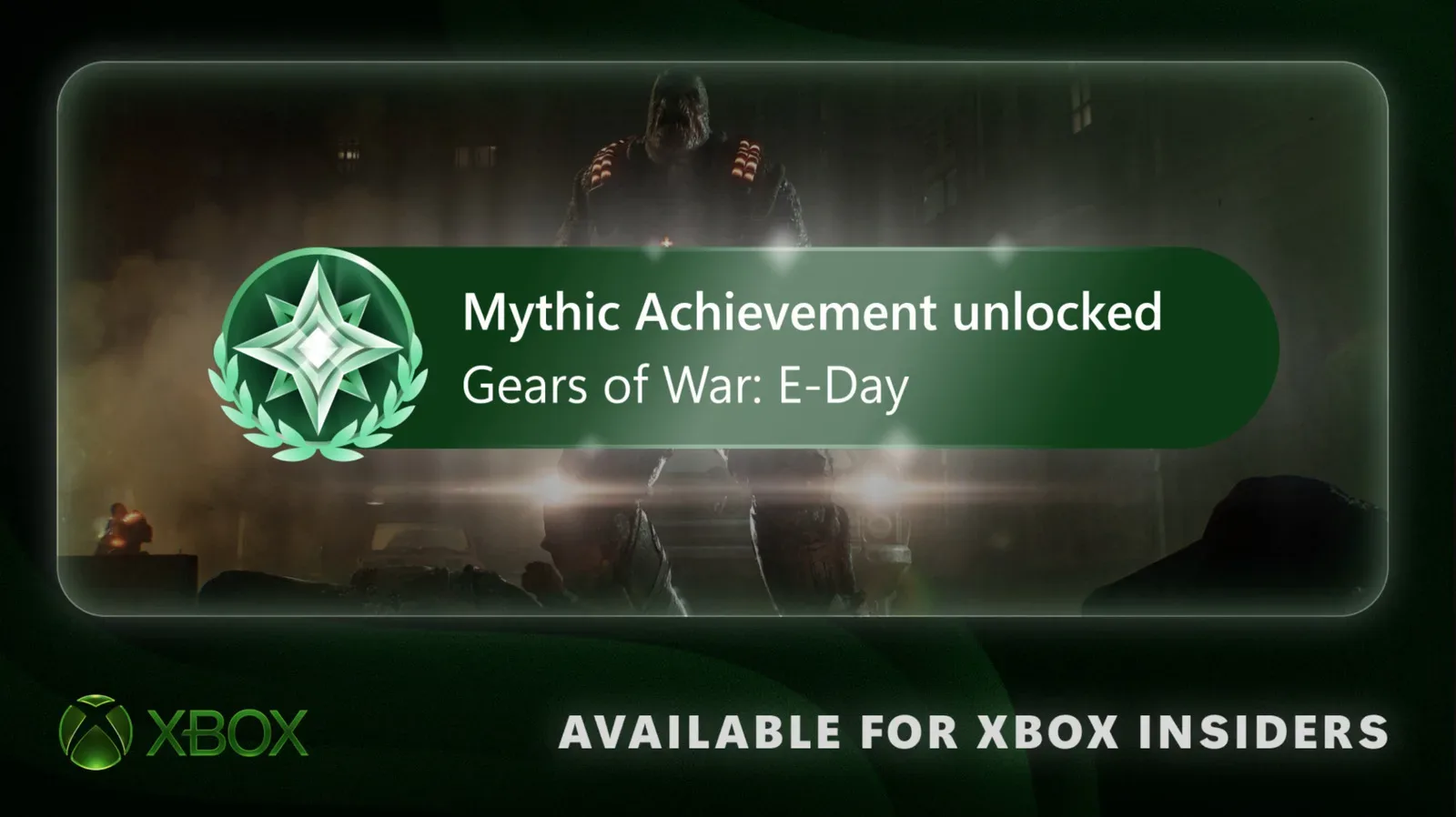
It also fits a wider shift toward account-based collecting experiences, where a platform keeps a record of an item, stores it, and gives the owner choices about when to take physical possession. In games, digital identity and long-term account recognition are increasingly part of the experience too; Xbox’s Mythic Achievements profile badge initiative is another example of platforms emphasizing persistent records of a user’s accomplishments. Cards are a different category because they involve a physical object, but the underlying appeal of a durable account record is easy to understand.
Convenience will need to coexist with collector confidence
Coinbase’s message is aimed at convenience: open on a phone, vault the pull, or send it home. For Pokémon collectors who are tired of crowded launches, that may sound appealing. Yet convenience is only one side of the proposition. Trading cards also carry expectations built around physical inspection, trusted authentication, carefully understood condition, and the ability to actually possess the object in question.
For now, the responsible reading is narrow. Coinbase has publicly signaled a forthcoming digital pack-opening product, showed Pokémon-branded mock packs, and said pulls will be backed by real physical cards with vault and shipping choices. It has also suggested undisclosed additional functionality. Everything beyond that—including the role of cryptocurrency, the mechanics of ownership, grading, authentication, pack sourcing, fulfillment terms, and a release date—remains unconfirmed.
Those details will determine whether the service is simply a flashy new way to reveal cards or a credible platform for collectors who want their digital convenience tied to clearly defined physical ownership.