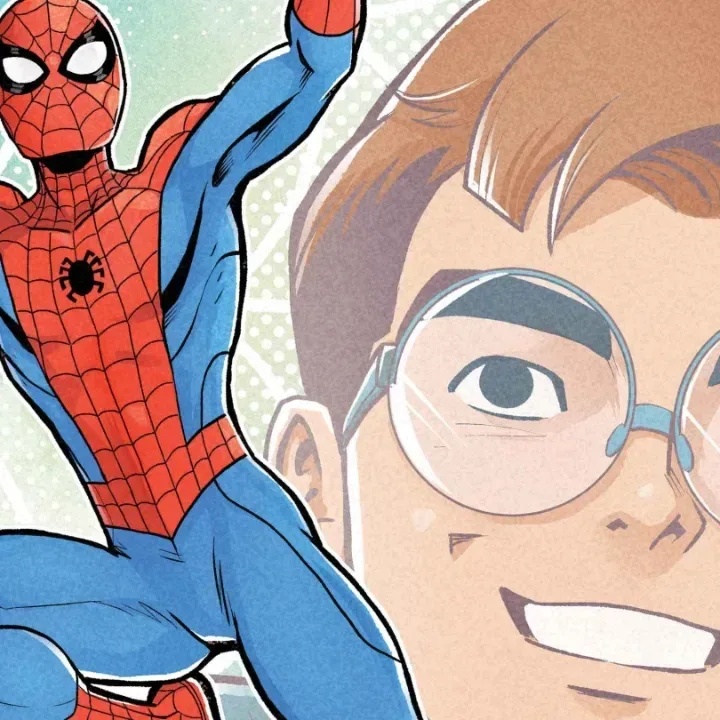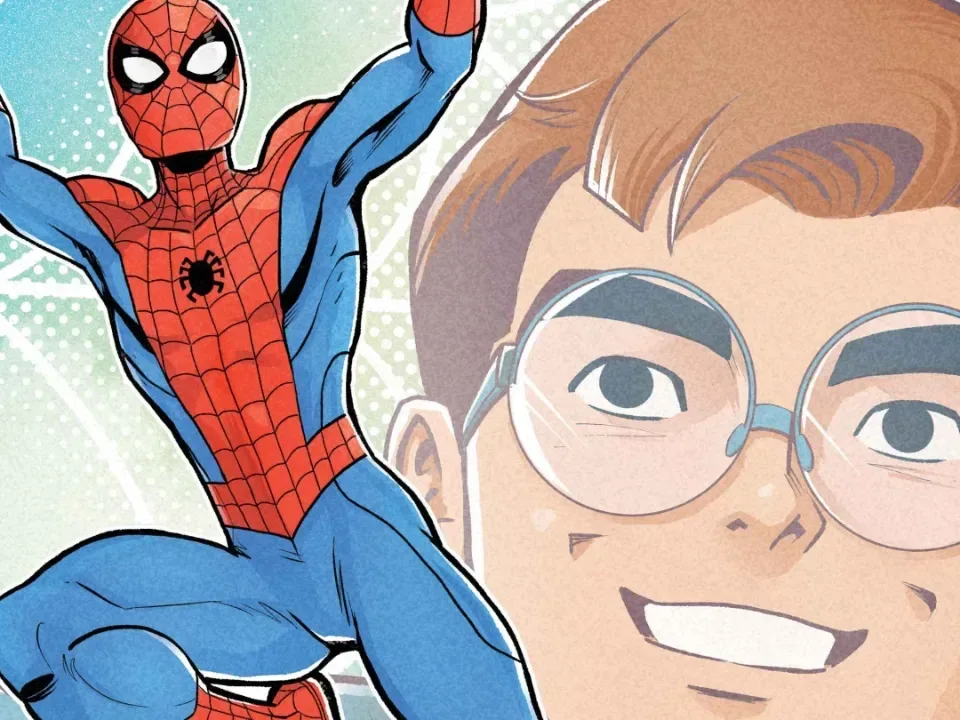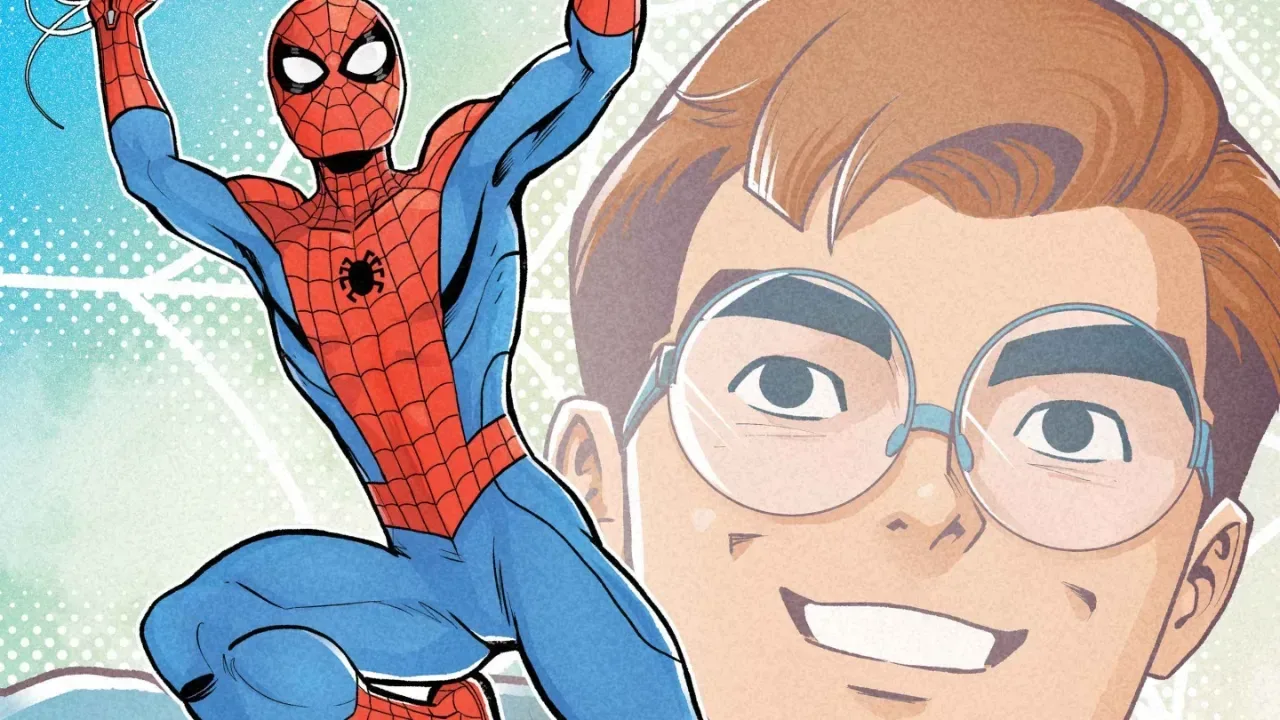
Spider-Man’s next swing through this particular animated universe will happen on paper before it happens on screen. Your Friendly Neighborhood Spider-Man #1, a new Marvel comic miniseries set between the Disney+ show’s first and second seasons, is due to arrive on December 9.
The comic’s job is more substantial than a side adventure with familiar costumes. It is intended as a continuity bridge: a story that occupies the gap left after Season 1 and helps carry the characters toward Season 2, which is set to arrive in early 2027. That makes the book a potentially useful chapter for viewers who want the fullest available version of Peter Parker’s ongoing story, rather than simply an optional superhero detour.
An Oscorp mystery follows Norman Osborn’s fall
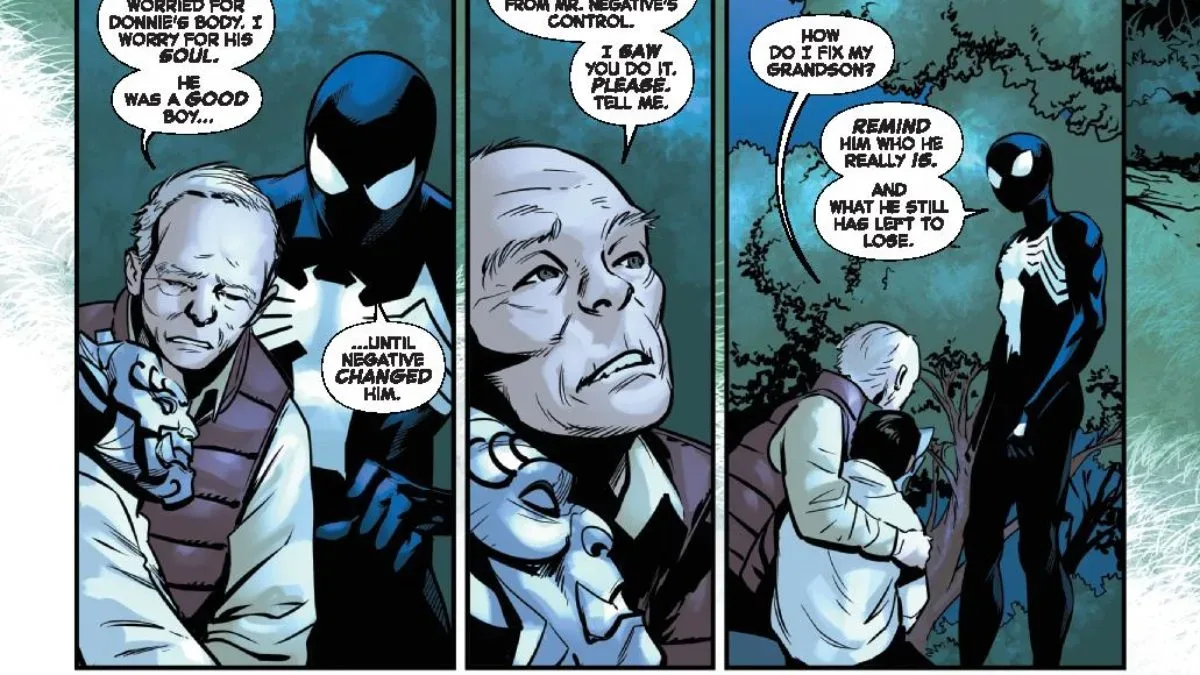
The central problem is another disturbance at Oscorp. Norman Osborn’s fall at the end of the first season has not apparently settled the company’s problems—or whatever dangerous work may have been left behind. Harry Osborn believes the situation is far from over, and Peter and his friends will investigate what is happening inside the company.
That premise places the series in a particularly productive part of the show’s status quo. A downfall is not the same thing as a clean ending. For a character-driven Spider-Man story, the aftermath can be as important as the initial clash: Peter has to manage the demands of being Spider-Man while his personal connections are under strain, and Harry has reason to fear that his father’s shadow remains active even if Norman himself is no longer in control.
The official setup also makes clear that Peter has been drifting away from his friends. That is a familiar pressure point for Spider-Man, but it matters here because the investigation is not framed as a strictly solo mission. Peter and his friends need to uncover the truth together. The comic therefore has room to treat the Oscorp plot as both a conspiracy and a test of whether those relationships can be repaired.
The returning creative team matters
Writer Christos Gage and artist Eric Gapstur are returning after the first Your Friendly Neighborhood Spider-Man comic. That consistency is worth noting for a tie-in intended to count. A bridge chapter has to preserve more than character names and surface details; it needs to maintain the show’s voice, its relationship dynamics and the consequences viewers have already seen.
Gage has said that showrunner Jeff Trammell has worked closely with the comic team so that the story is firmly part of the show’s continuity. In this context, continuity means the narrative connection between installments: events in the comic are meant to fit the animated series’ established world and its ongoing timeline rather than exist in a disconnected, parallel version of it.
That coordination should be particularly reassuring for readers trying to decide whether the issue is relevant before Season 2. It does not guarantee which individual plot threads the next season will revisit, nor does it reveal how much of the mystery will be resolved in the comic. But it does establish the intended role of the series: this is material designed to belong between the two seasons.
Gapstur’s return on art similarly gives the book a chance to feel visually connected to its predecessor. Two pieces of promotional art have also been credited to Leonardo Romero and Luciano Vecchio, offering distinct looks at the project ahead of its release.
Daredevil and classic villains are on the way
Gage has teased appearances by Daredevil and by classic Spider-Man villains making their debut within this version of the story. The comment does not identify those villains, which leaves the promise broad rather than a character-by-character confirmation. Still, it signals that the book will expand the animated setting while keeping Peter and the Oscorp plot at its center.
Daredevil’s involvement is especially notable because it suggests the series can widen its superhero cast without abandoning its street-level stakes. Spider-Man’s immediate problem remains an Oscorp conspiracy, but an additional hero can alter the investigation’s scope, provide a different perspective on the threat, or simply complicate Peter’s already crowded life. Until Marvel provides more plot details, those are possibilities rather than firm story claims.
Gage describes the project’s creative appeal as a blend of Silver Age flavor with newer characters and situations. The term Silver Age, in comic-book discussion, generally refers to a classic superhero sensibility associated with bold adventure, colorful villains and energetic serialized storytelling. In practical terms, that suggests the new issue is aiming for an accessible Spider-Man tone even as it deals with an unresolved corporate conspiracy and fraying friendships.
What viewers should take from the prequel label
“Prequel” can be a slippery label in franchise publishing, since it sometimes refers to stories set before an entire series and sometimes simply means an episode-like tale released ahead of a new season. Here, the position is clear: the comic follows Season 1 and bridges into Season 2. It is not a retelling of Peter’s beginnings, and it is not presented as an alternate-universe remix detached from the cartoon.
For viewers catching up, the sensible order is straightforward: finish the first season, then read the comic before Season 2 begins in early 2027. That arrangement should preserve the intended impact of Norman Osborn’s downfall while making the new Oscorp mystery easier to follow. Readers should also temper expectations about how much Season 2’s eventual plot will be revealed in advance. The announced material establishes a connective story, not a full season synopsis.
The model will be familiar to audiences who have seen comics used to extend animated continuity between releases. It gives a television world room to tell a focused adventure without requiring the show’s next season to spend its opening minutes explaining every consequence of the previous finale. At the same time, it gives readers an entry point that has a defined place in the timeline.
A comic that treats the gap as part of the story
The most encouraging part of the announcement is not merely that Spider-Man is getting another comic. There will never be a shortage of web-slinging books. The specific appeal is that this one has a precise narrative assignment: explore what happens after Norman’s loss, follow Harry’s concerns about Oscorp, and put Peter’s weakening connections with friends under pressure before the show resumes.
That approach makes the wait for Season 2 feel less like dead air. Whether the Oscorp plot introduces a lasting threat, resolves a loose end, or does a little of both remains unknown, but the comic has an established dramatic engine and a returning creative team. For fans of this animated incarnation, that is a stronger proposition than a generic promotional one-shot.
The wider appeal of comic extensions to screen stories is also evident across superhero media, including DC’s current live-action world, where viewers are watching closely for cross-project connections such as the Batman reference in the new DCU discussion around Lanterns. In Spider-Man’s case, the difference is that the new comic has been expressly positioned as a chapter in the animated series’ ongoing continuity.
Your Friendly Neighborhood Spider-Man #1 releases December 9 and can be preordered through local comic shops. For readers who want the transition from Season 1 to Season 2 in the intended order, it is the next stop on Peter Parker’s route.