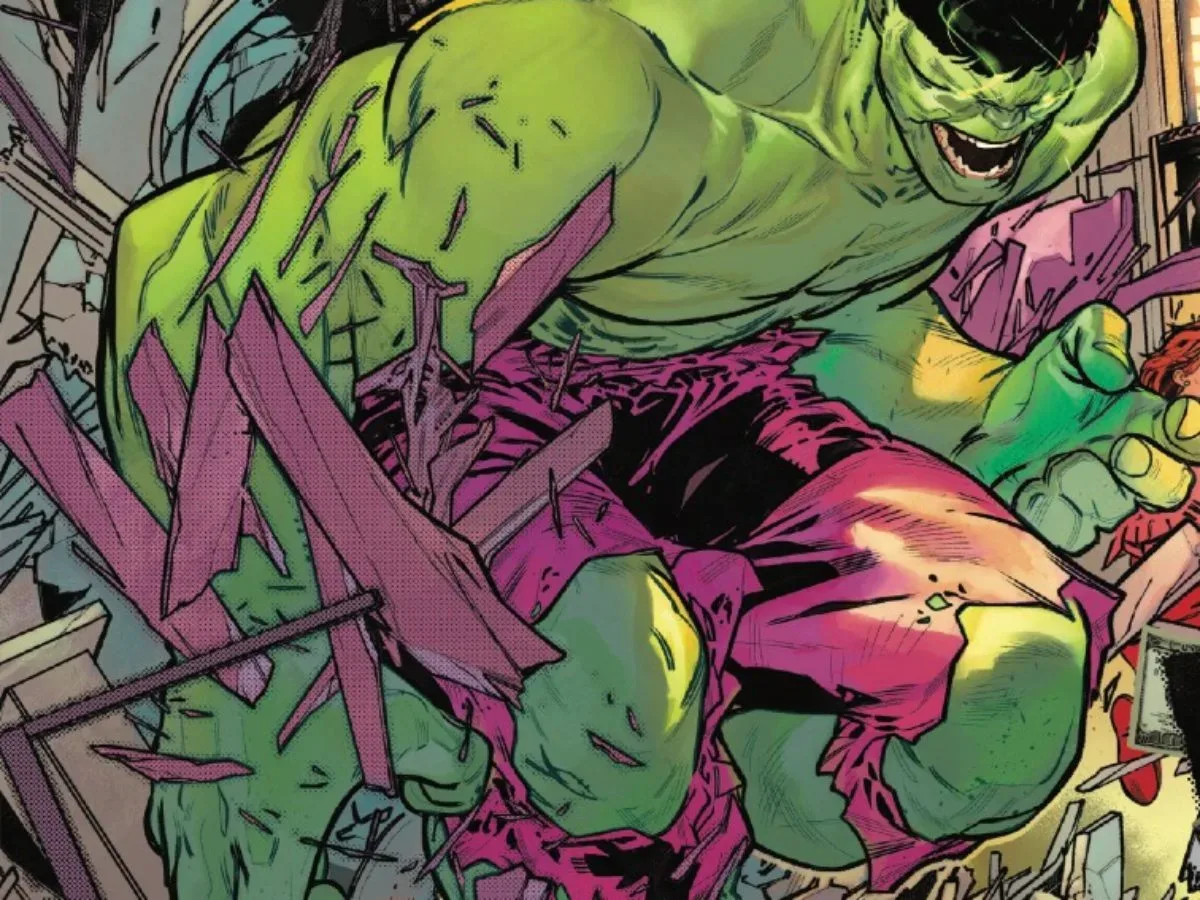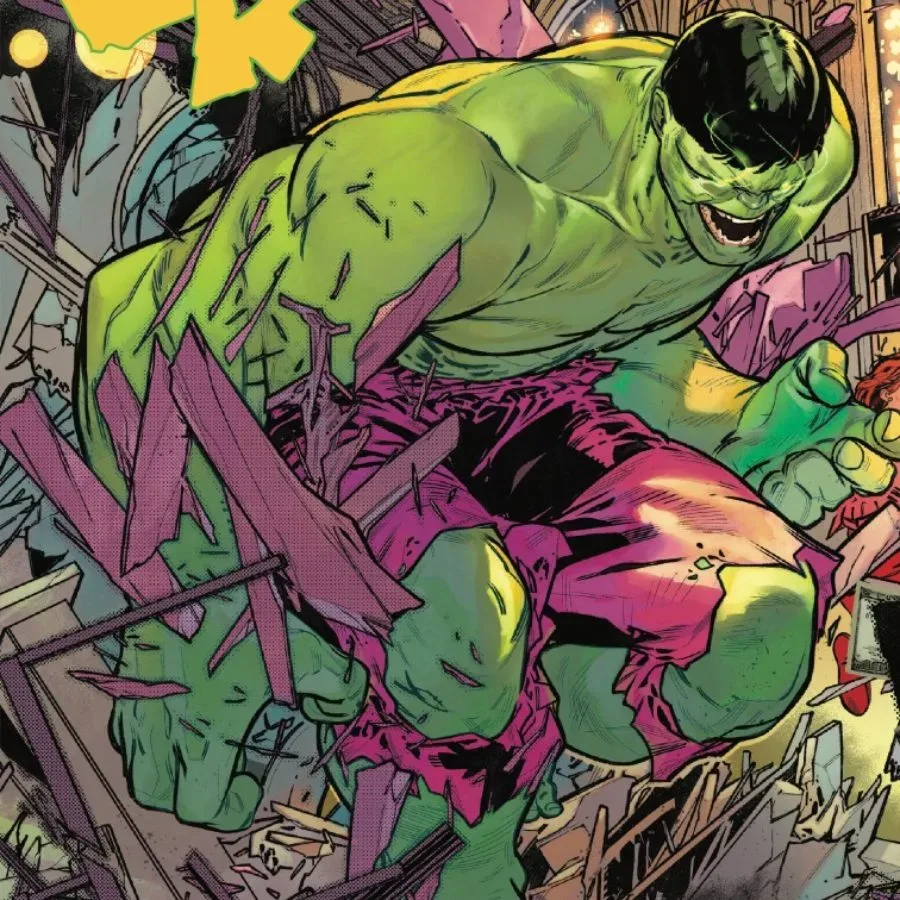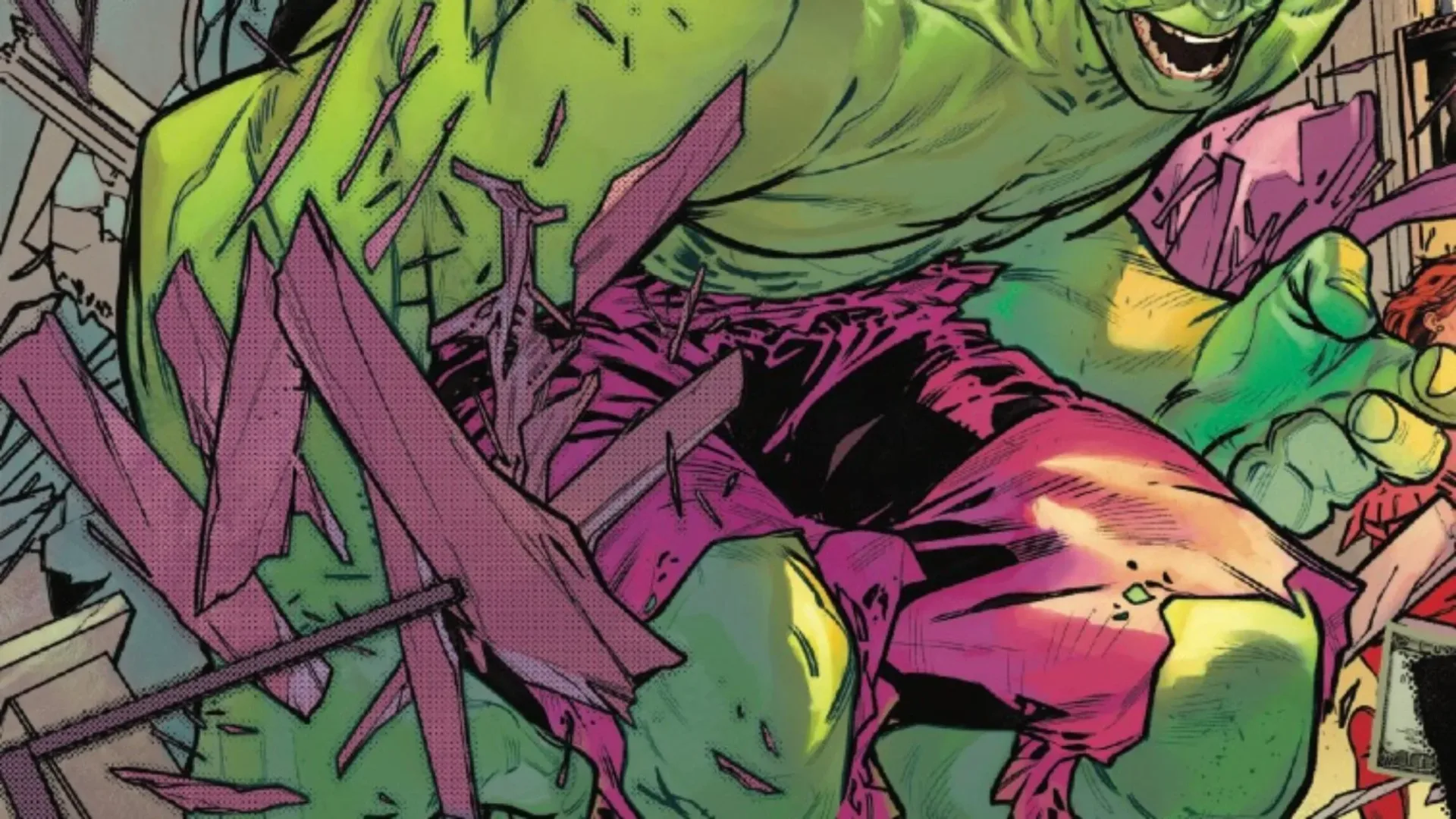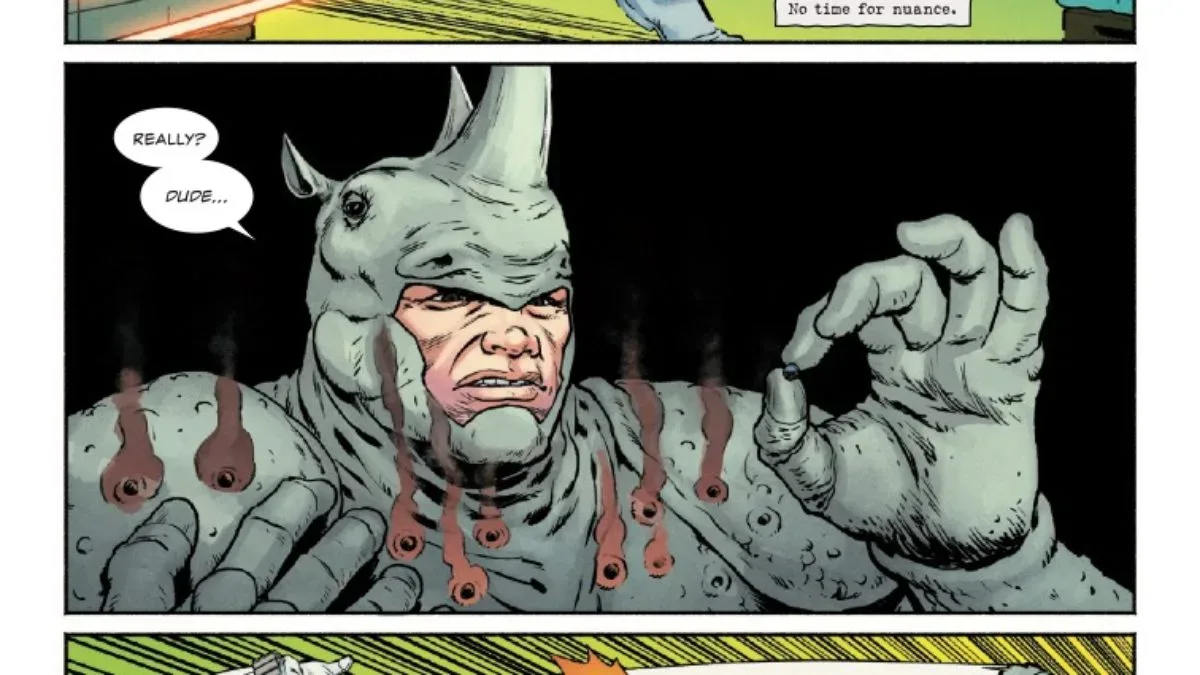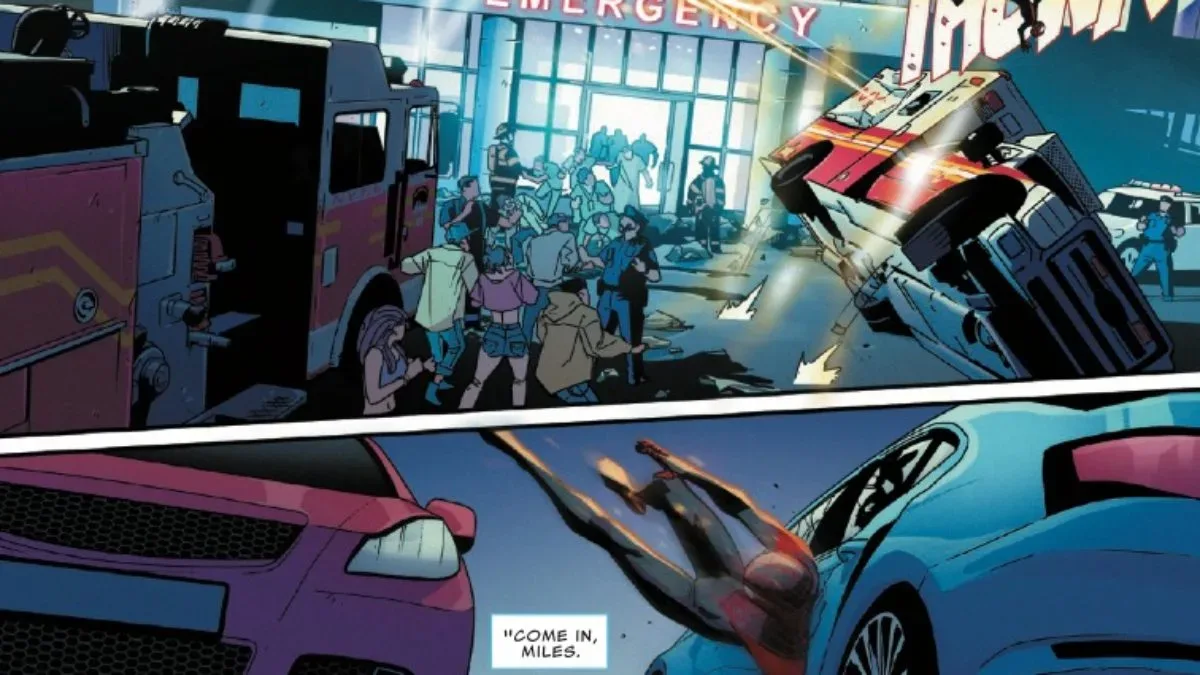
Spider-Man/Hulk: Fire and Brimstone #2 is scheduled to arrive from Marvel on September 23, 2026. Its premise splits the spotlight between two very different kinds of crisis: Bruce Banner’s attempt to explore faith, confession and salvation, and Spider-Man’s urgent effort to stop White Rabbit from turning Broadway into an even bigger disaster. Daredevil joins Spider-Man for the latter thread.
That combination gives the 32-page issue an unusually broad tonal range on paper. Banner’s internal conflict is framed through spirituality, while the Spider-Man material promises a public, theatrical supervillain problem. The solicitation’s “It’s showtime!” line is doing double duty: it points to the Broadway setting, but also suggests a comic prepared to let spectacle and introspection collide.
Banner’s spiritual search is the issue’s most unusual hook
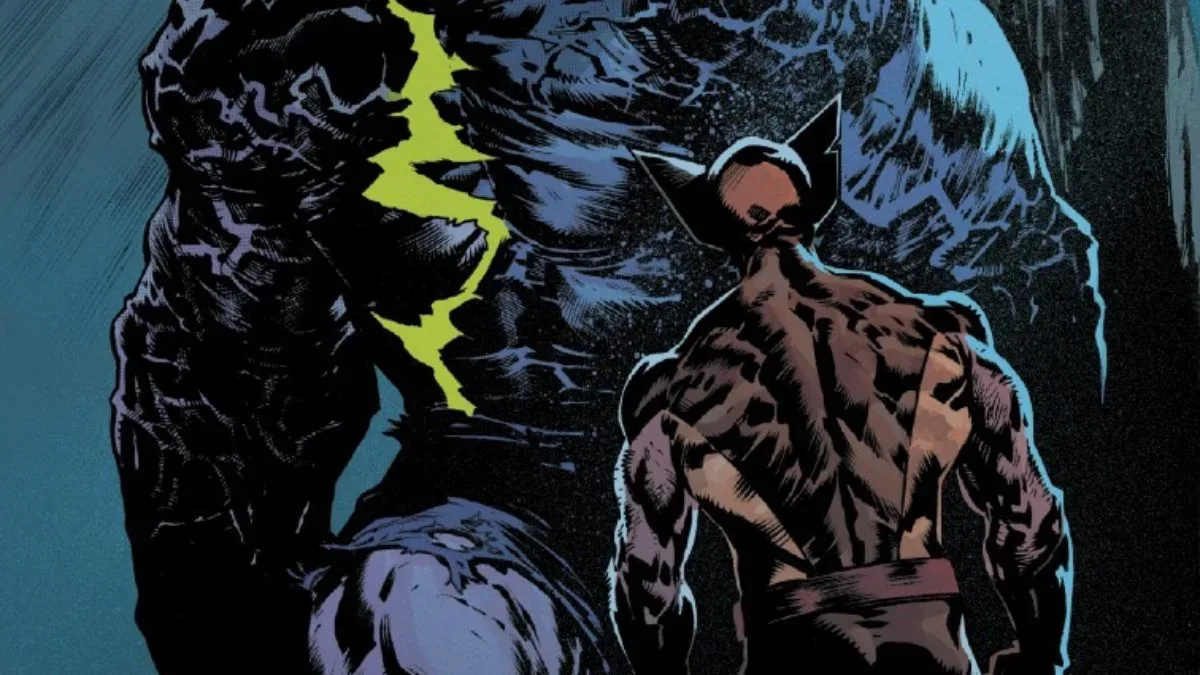
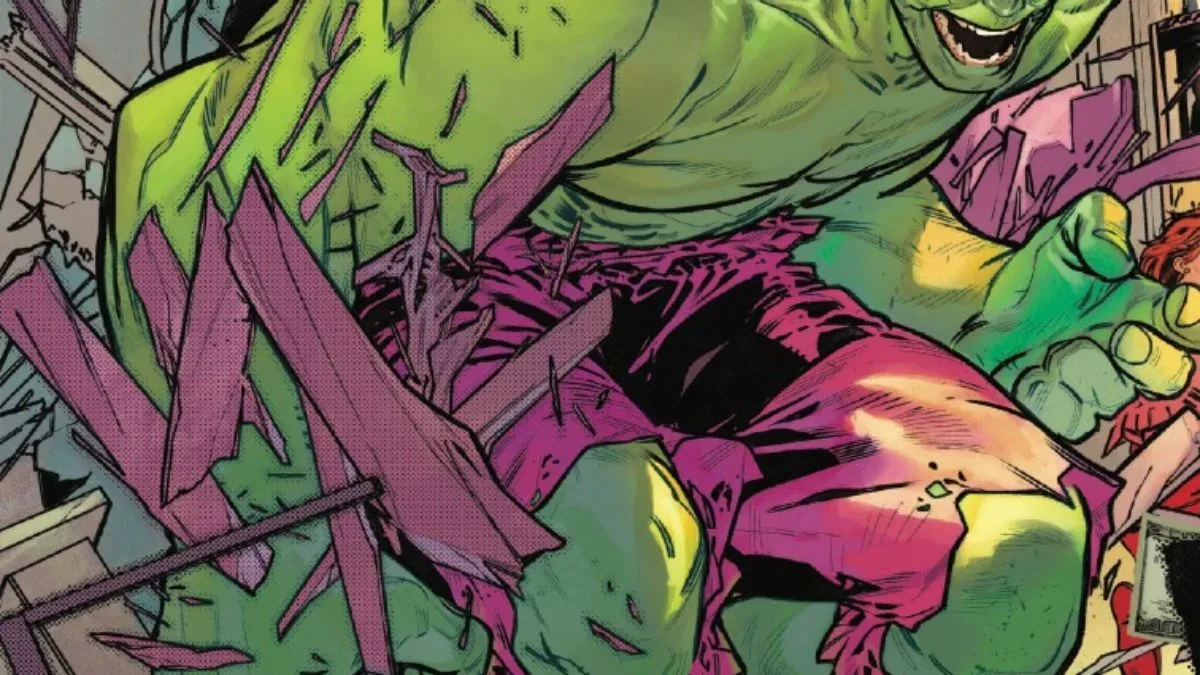
Bruce Banner has one of superhero comics’ clearest externalizations of inner turmoil: the Hulk. The character’s transformations turn anger, fear, trauma and loss of control into a physical event that can endanger everyone nearby. Fire and Brimstone #2 approaches that familiar premise through religion rather than through a laboratory, a battlefield or a conventional superhero intervention.
The published setup says Banner will dig into his spiritual side and seek salvation. Preview material also places him in a church setting with Cardinal Thornhill, raising the possibility that the story will examine the Hulk not simply as a danger to be contained, but as a burden Banner wants to understand in moral or spiritual terms.
For more context, explore Lufia I & II: The Sinistrals Saga Will Bring Two SNES RPGs to Steam Next Year.
That distinction matters. A cure is generally a technical goal: identify the cause, devise a treatment and eliminate the condition. Salvation is a much more personal idea, associated with forgiveness, absolution and transformation. The issue’s premise does not establish whether Banner expects a literal solution to the Hulk, a way to live with him, or simply an honest reckoning with the damage connected to his life. But the wording makes clear that this is meant to be more than a standard “Banner loses control” setup.
There is also a practical tension built into the concept. Banner’s desire for confession or peace is necessarily fragile when his alter ego can turn private distress into massive collateral damage. A church is a setting built around shelter, community and reflection; the Hulk represents disruption on an overwhelming scale. Putting both in the same story gives the series a natural dramatic pressure point before any physical confrontation begins.
Spider-Man and Daredevil face White Rabbit’s Broadway chaos
On the other side of the book, Spider-Man takes on White Rabbit, with Daredevil appearing as the guest star. The solicitation describes White Rabbit’s attack as the “second greatest disaster to hit Broadway,” a deliberately heightened phrase that signals a villainous event designed for visibility as much as destruction.
Broadway is more than a recognizable New York location in this setup. It establishes a crowded, performance-driven backdrop where danger can become a show. For Spider-Man, whose acrobatic movement and quick improvisation suit a dense city environment, the setting should offer a natural arena. For Daredevil, another New York-based hero, it makes the team-up feel geographically coherent without requiring the story to spend time relocating either character far from their usual territory.
White Rabbit’s involvement also promises a different texture from Banner’s material. Where Banner’s plot is positioned around self-examination, White Rabbit’s Broadway disaster sounds outward-facing and chaotic. The result is a story architecture built on contrast: a scientist looking inward for a sense of redemption, set beside two street-level heroes trying to keep a public spectacle from spiraling beyond control.
“Guest star” is a useful comics term here. It indicates that Daredevil is a featured participant in the issue but does not, by itself, confirm the size of his role or how long the partnership lasts. Readers should expect him to matter to the Broadway conflict, while avoiding assumptions that the comic is a full-scale Spider-Man/Daredevil team-up series.
A creative team that matches the issue’s crossover scale
The issue is credited to Kevin Smith, Andy McElfresh and R.B. Silva, with a cover by Silva. The listed credits identify the principal creative names but do not further break down each creator’s interior contribution in the available information.
Silva’s cover credit is particularly relevant for collectors choosing among editions, since this issue will also have several variant covers. The standard issue is listed at $4.99 in the United States and $6.25 in Canada, carries a T+ rating, and has a 32-page count.
The announced variants are:
- Alex Ross Timeless Virgin Sketch Variant
- Doaly Variant
- Alex Ross Timeless Virgin Variant
- Greg Land Variant
- Marvel Tokon: Fighting Souls Variant
“Virgin” generally describes a comic cover presentation without the usual trade dress, such as the logo and issue text. It is a format label, not a statement about the story or a guarantee of rarity. Similarly, a “sketch variant” identifies the cover’s visual treatment. Readers interested primarily in the narrative can use the standard edition as the straightforward entry point; those considering variant covers should choose based on the specific artist or design they want rather than presume anything about print quantities or future value.
What the solicitation confirms—and what it leaves open
The available details firmly establish four central pieces of the issue: Banner’s spiritual exploration, Spider-Man’s conflict with White Rabbit, Daredevil’s guest appearance and a Broadway-set disaster. They do not reveal how directly the two plotlines intersect, whether Banner’s church visit leads to an immediate Hulk emergence, or what form Cardinal Thornhill’s role will ultimately take.
That uncertainty is one of the more appealing aspects of the premise. A Spider-Man/Hulk story could easily lean entirely on the scale difference between its leads: Spider-Man’s agility and wit on one side, the Hulk’s raw power on the other. This issue instead foregrounds Banner before foregrounding the Hulk. If the comic follows through on that emphasis, the action may carry more weight because it is connected to an attempt at personal change rather than only another emergency caused by transformation.
Meanwhile, White Rabbit’s Broadway plan provides a clean counterbalance. Superhero stories often need a visible ticking-clock threat to keep momentum high, and a disaster in one of New York’s busiest cultural districts supplies it immediately. Spider-Man and Daredevil are well suited to that kind of scenario: both are associated with protecting civilians in the city, even though their methods and styles differ.
For readers deciding whether to pick up the issue, the best expectation is a Marvel team-up built around contrast rather than a simple two-hero-versus-one-villain formula. The Banner material appears aimed at questions of guilt, belief and control. The Spider-Man and Daredevil material is framed as an energetic effort to prevent a catastrophe in the heart of a theatrical landmark. Whether the comic blends those threads tightly or lets them run in parallel remains for the issue itself to answer.
Spider-Man/Hulk: Fire and Brimstone #2 goes on sale September 23, 2026. It is rated T+, runs 32 pages and has a listed U.S. price of $4.99.