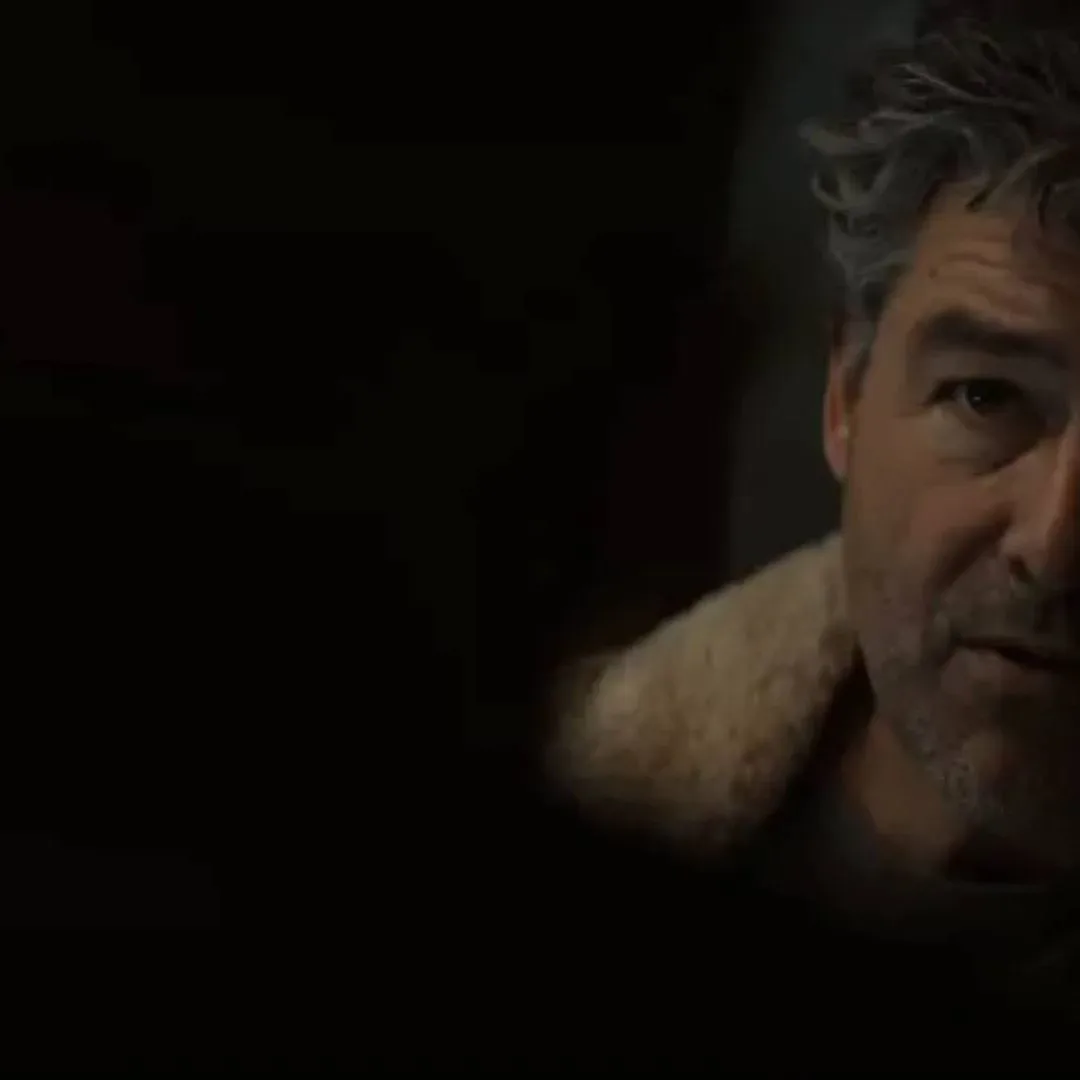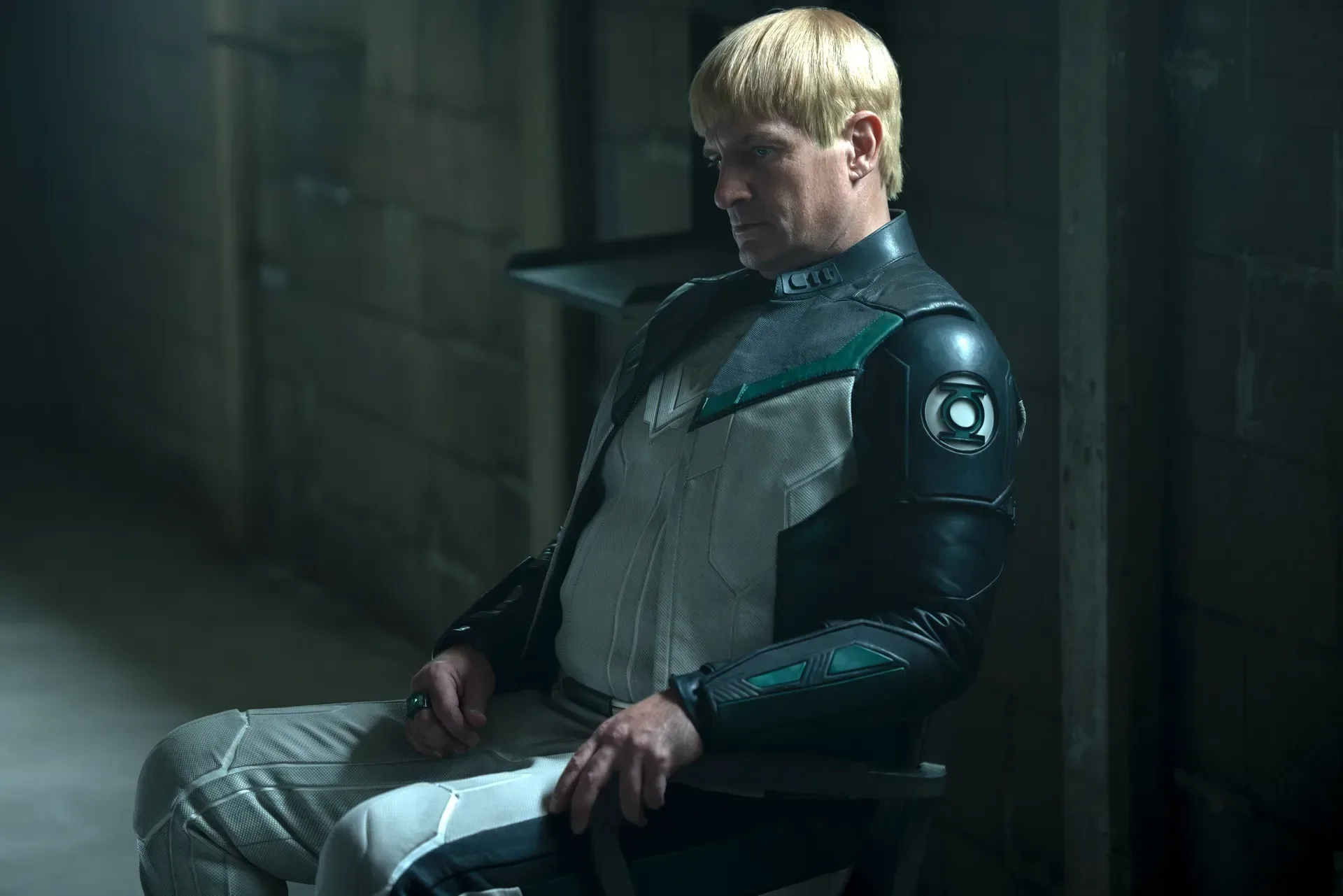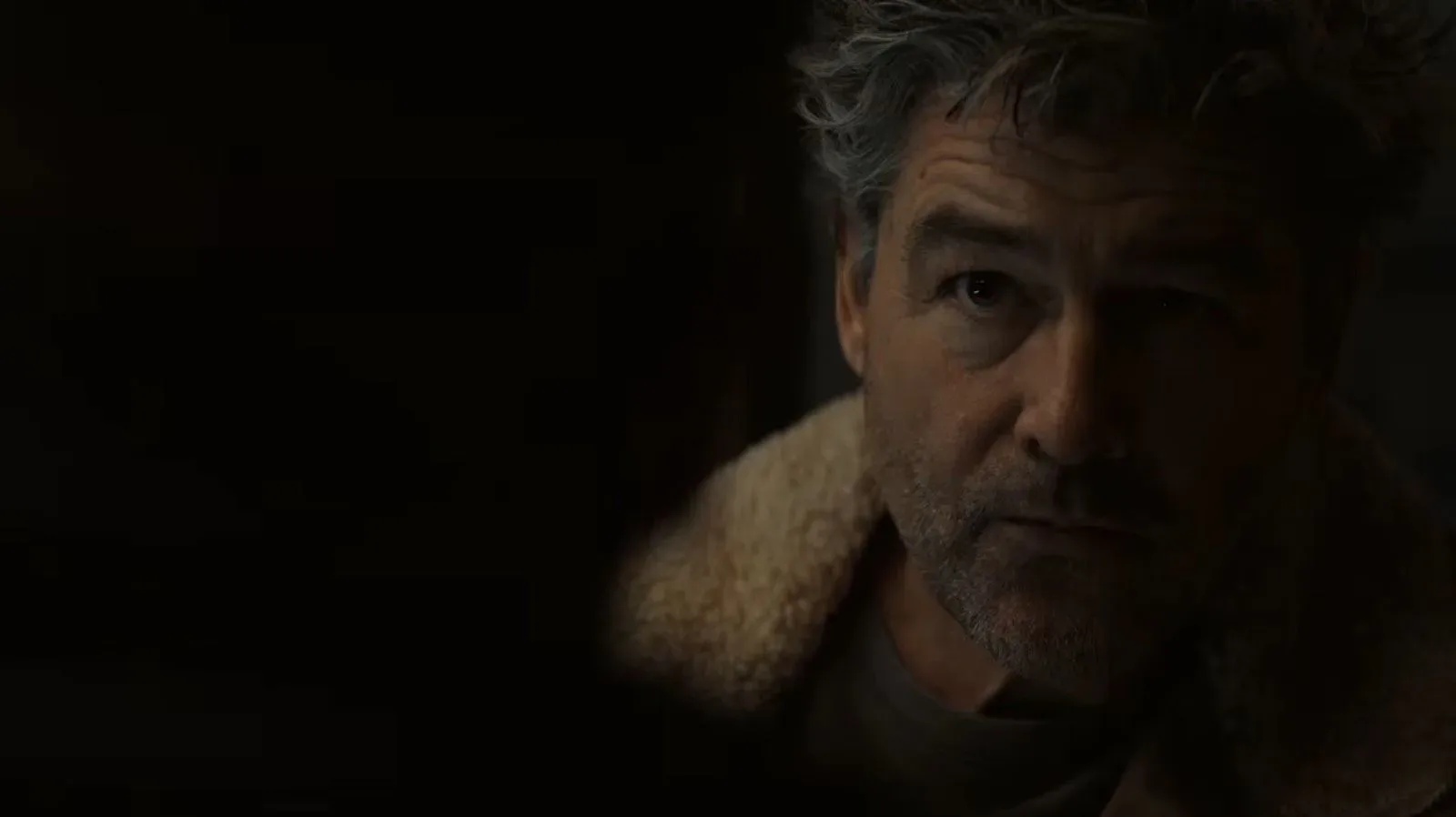
Minor spoilers for Lanterns episode 6 follow.
The DCU’s Batman has now been acknowledged in live action — and Lanterns did it with a diner complaint rather than a thunderous skyline reveal. In episode 6, Hal grumbles about Guy Gardner, describing the current Green Lantern as someone who copied “that Bat-guy from Gotham” by putting a beacon in town so people can call for him.
It is a small line with a deliberately small footprint. That restraint is the point. Showrunner Chris Mundy has said there were surprisingly few internal discussions needed to include the reference, because the series wanted its setting to register as part of a larger world without making the acknowledgement itself a major event.
For a franchise built around famous masks, logos and dramatic entrances, that is almost mischievously low-key. Batman’s latest DCU live-action presence is, effectively, an off-screen comparison made by an annoyed colleague over food. No actor appears. No suit is shown. No casting news is delivered. And that is exactly why the moment matters: it establishes the character as a known fact of life for the people in Lanterns, not a special guest who requires the episode to stop and applaud.
What happens in the Batman reference
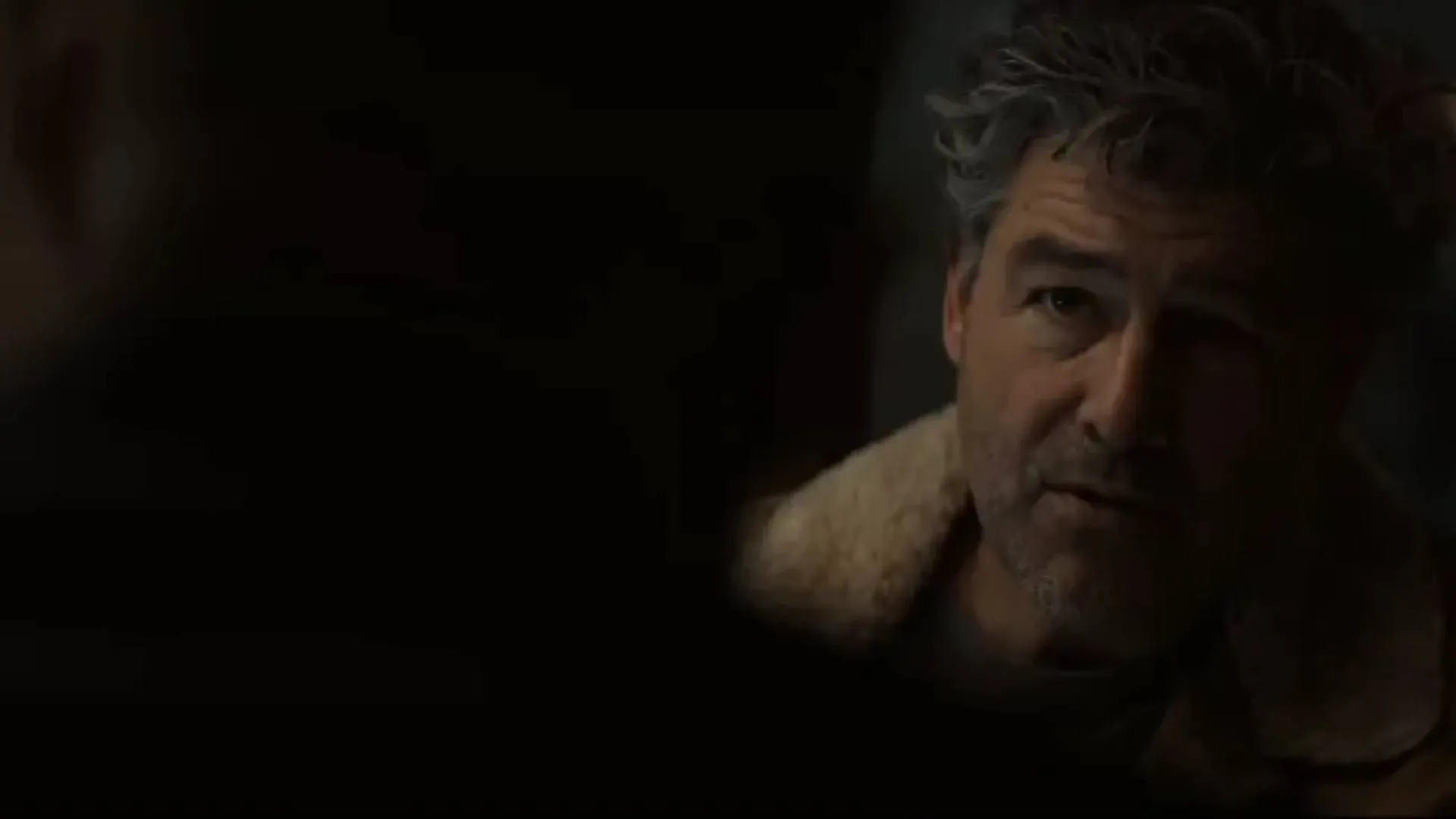
Episode 6 brings John and Hal together in 2026 at a diner. Their conversation turns to Guy Gardner, identified here as the present-day Green Lantern. Hal’s criticism is that Guy has borrowed Batman’s basic public-summoning idea: a beacon placed prominently in the middle of town so residents can summon their local hero.
The wording says more than a simple Gotham name-drop could. Hal does not need to explain who Batman is, what Gotham represents, or why a beacon would be recognizable. The audience within the scene already understands all of that. In storytelling terms, this is diegetic world-building: information communicated as an ordinary part of the characters’ lived world rather than as an explanation aimed solely at viewers.
That approach also keeps the focus on the actual speaker and subject. The line primarily tells viewers something about Hal’s irritation with Guy, and about Guy’s style as a publicly accessible hero. Batman functions as shared cultural shorthand inside the scene. The caped detective is important to the setting, but he is not allowed to hijack the conversation simply because he is Batman.
A shared universe can be present without becoming the plot
Mundy’s explanation makes the creative intention especially clear. The show had already planted other ordinary markers of the larger DCU: John speaks of a giant squid in Metropolis, while Kerry, who is from Gotham, is name-checked in episode 2. Those details are not presented as massive mysteries or crossover detonators. They are pieces of geography, local history and public knowledge.
Shared-universe storytelling means separate stories occupy the same fictional continuity and can acknowledge common places, people or events. The key word is “can.” A connected setting does not require every individual installment to turn into a roster roll call.
In fact, the episode 6 mention illustrates a useful version of continuity management. Gotham and Metropolis can exist in the background while John, Hal and Guy retain ownership of the foreground. A viewer does not need to know every previous DC project to understand that Hal thinks Guy is imitating another hero. Meanwhile, a committed DCU viewer receives confirmation that Gotham’s vigilante is real within this live-action continuity.
That balance is practical for television. Weekly episodes need their own dramatic momentum. If every reference becomes a promise of an imminent appearance, each piece of background texture risks being treated as required homework or a teaser whose payoff must be immediate. A casual mention avoids creating that burden. It enlarges the map without pretending the map is the story.
Why “first live-action mention” is the precise milestone
The episode is not Batman’s first DCU acknowledgment overall. The character had a brief, non-speaking animated cameo in Creature Commandos, which is canon to the DCU. Lanterns episode 6 is instead the first time the DCU’s Batman has been verbally referenced in live action.
That distinction is worth keeping intact. A cameo, a spoken reference, an on-screen appearance and a cast performance are different milestones. They can all signal that a character belongs to a continuity, but they do not provide the same amount of information.
- Animated cameo: confirms a visual or narrative connection, but does not necessarily establish a performer or an ongoing role.
- Live-action verbal reference: establishes that the character is known in the live-action world, while keeping the character off screen.
- Live-action appearance: would show the character within the setting.
- Cast announcement: would identify the performer selected for that version of the role.
At present, only the first two milestones are supported here. The show’s line should not be stretched into confirmation of an actor, a costume, a solo project, a debut date or a specific future crossover. It is connective tissue, not a casting bulletin wearing a cape.
What this does not confirm about DCU Batman
No Batman has been cast for the DCU as of now. That makes the episode’s phrasing especially tidy: Hal refers to a public-facing figure known as the “Bat-guy from Gotham,” and the audience receives a clear Batman connection without the series having to define a particular actor’s version of the character.
Fans have speculated about possible casting, including interest in Reacher star Alan Ritchson, but speculation remains separate from an official role announcement. The careful read is also the boringly responsible read: Lanterns confirms that a Batman exists in its DCU world; it does not confirm who plays him.
It also does not merge the DCU with Robert Pattinson’s Batman. Pattinson’s interpretation belongs to the Elseworlds universe: it is a DC property, but not part of the central DCU continuity. “Elseworlds” is a label used for stories that sit outside the main shared universe, allowing alternate versions of familiar characters and settings to operate without automatically overlapping with the primary timeline.
That separation matters because “Batman exists” is not the same claim as “every Batman project is one Batman project.” DC can have multiple versions of a character across distinct continuities. The Lanterns reference concerns the DCU’s own Gotham-based Batman, while Pattinson’s portrayal remains associated with a different continuity.
The beacon is a small clue about superhero culture
Hal’s complaint about Guy’s beacon provides more than a Batman reference. It suggests a universe in which residents can deliberately call for a hero and expect that signal to mean something. Whether the beacon’s exact mechanics or response process will be explored later is not established, but the concept itself implies an unusually public relationship between a costumed protector and a town.
That is why the comparison lands as character humor. Batman’s signal is not simply a gadget; it is an idea about a city knowing whom to call when ordinary systems fail. Guy adapting that model can be read as practical, vain, community-minded or all three at once. Hal, at minimum, reads it as a rip-off.
The joke therefore has two layers. On the surface, it is a dig at Guy Gardner. Underneath, it is evidence that DCU heroism has recognizable rituals and local brands. Gotham has its Bat-guy. Guy has a town beacon. Metropolis has enough extraordinary history for a giant squid to be discussed. These are not separate boxes of IP waiting for a checklist; they are facts characters carry around in conversation.
What viewers should take from the episode
The immediate takeaway is narrow but meaningful. Lanterns episode 6 contains the DCU’s first live-action spoken Batman reference. It follows Gotham’s earlier mention in episode 2 and sits alongside the show’s Metropolis reference, reinforcing that the series is operating in a broader DCU landscape.
The more interesting takeaway is tonal. Mundy’s comments indicate that the creators wanted these elements to feel real to the characters without turning each one into a marquee event. That is a promising standard for continuity: shared-world details should strengthen a scene’s sense of place, not drain it of personality.
For now, viewers can take the line at face value. Batman is out there, Gotham is on the map, and Hal apparently has no patience for Guy Gardner’s imitation beacon. The DCU’s newest live-action Batman nod is not a bat-signal in the sky. It is a grumpy aside at a diner — a much funnier way to make the world feel bigger.
Lanterns is airing weekly on HBO and HBO Max. For a separate look at another long-running shared universe and its streaming-era complications, see our coverage of Destiny 2’s returning Vault content.