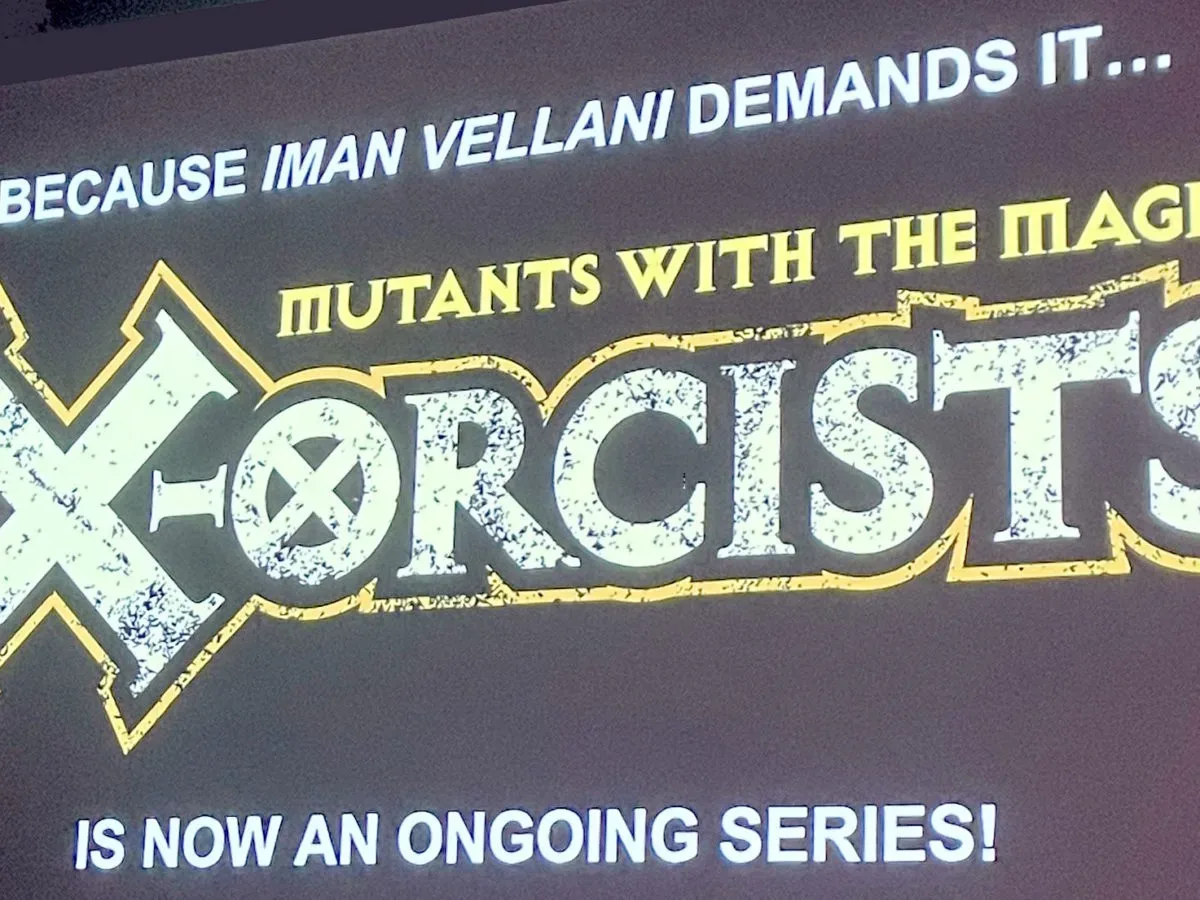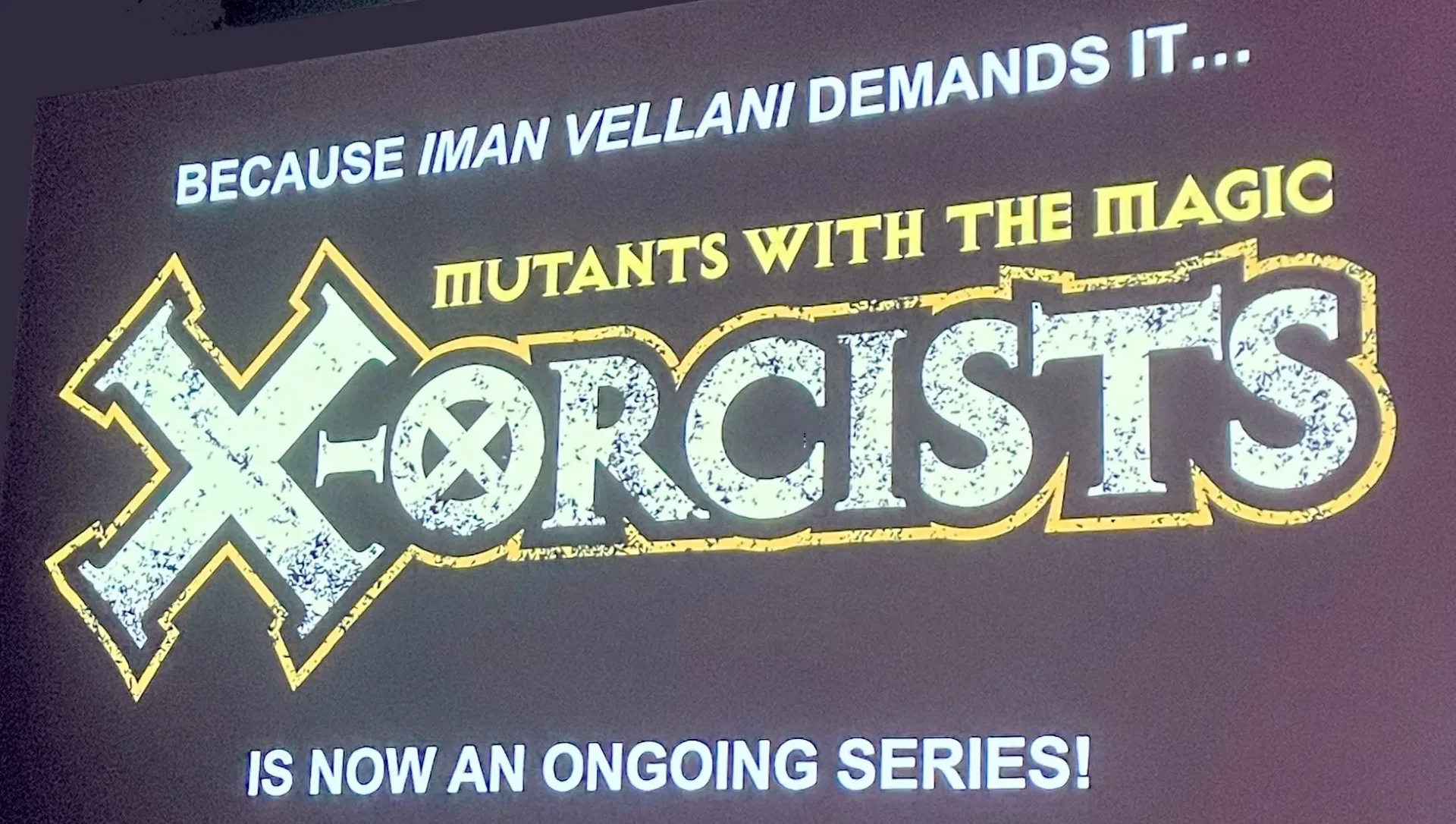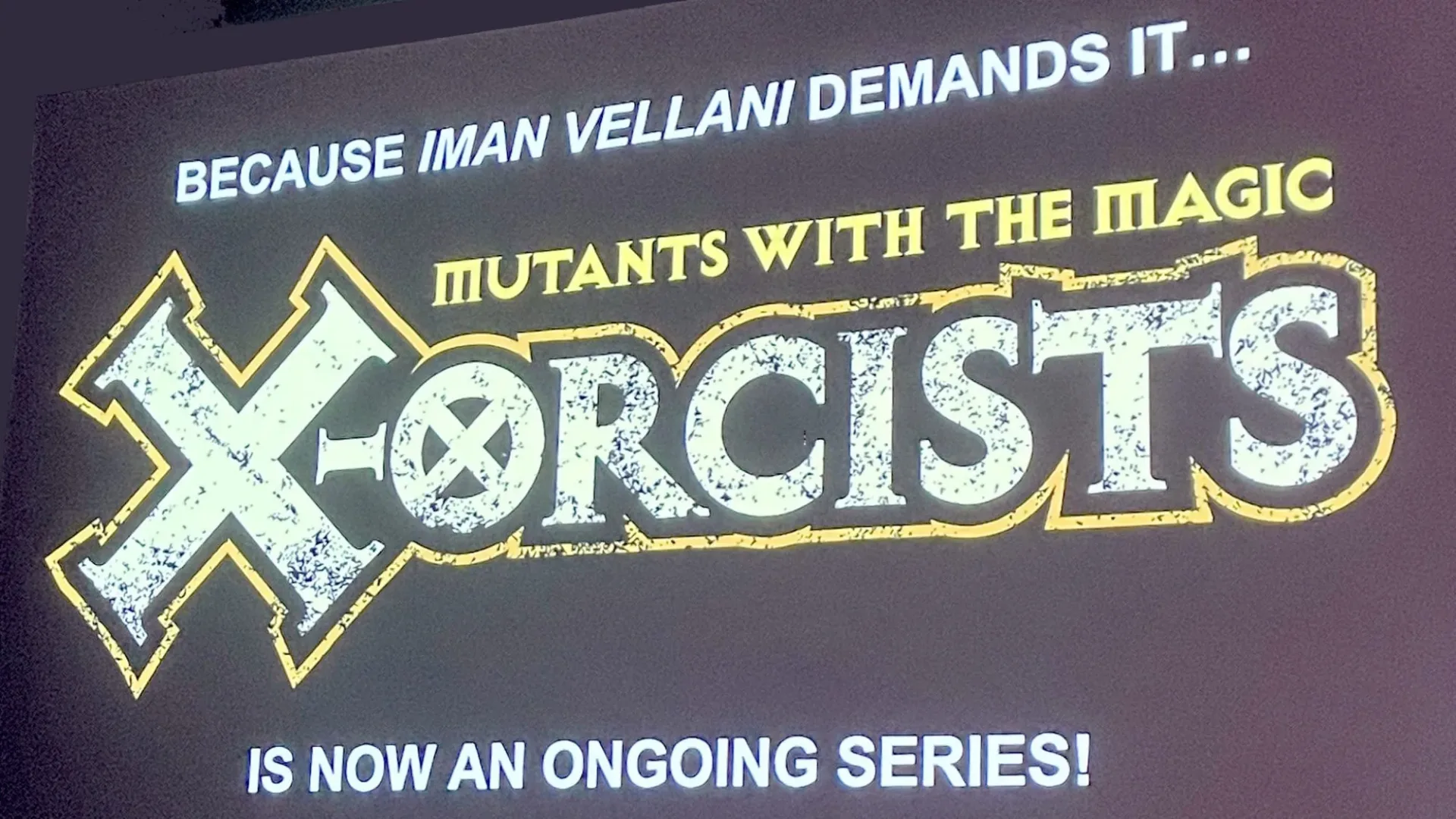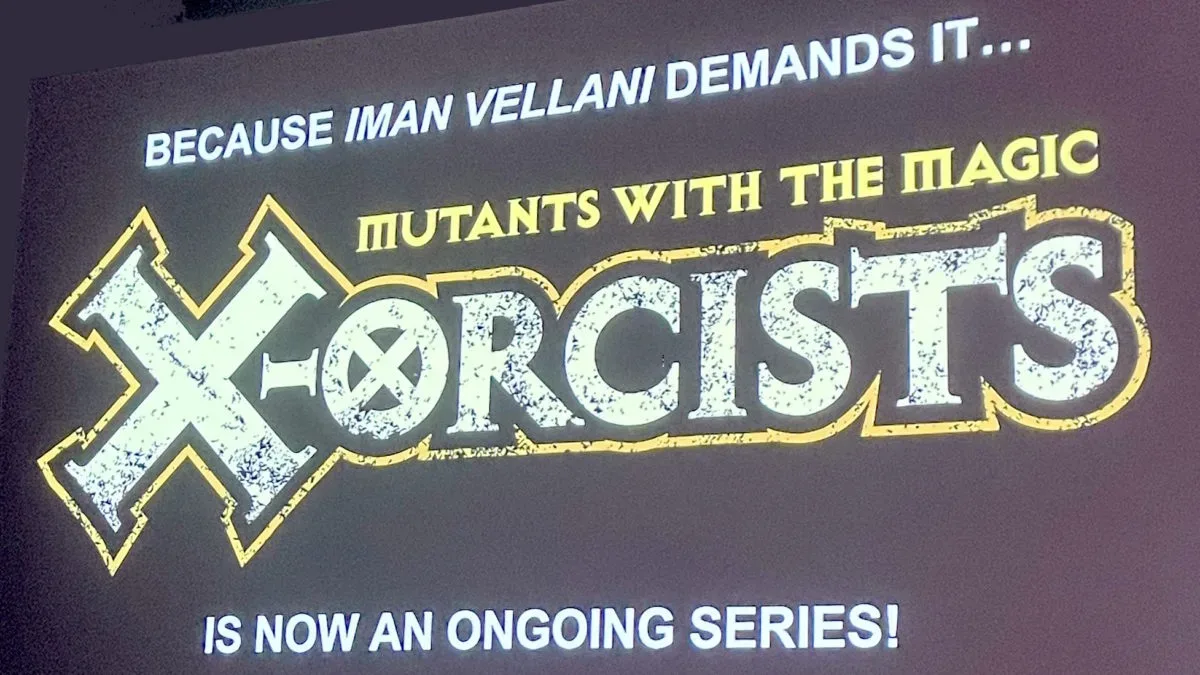
X-Orcists will continue beyond its initially announced five-issue plan. Marvel confirmed at New York Comic Con 2026 that the Magik-led supernatural X-Men series has been changed into an ongoing title before its first issue has arrived in stores.
The announcement came during a Marvel panel after actor and writer Iman Vellani jokingly questioned the prospect of “another miniseries.” Editor-in-chief Steve Wacker then revealed the status change. The exchange appears to have been planned as part of the presentation, but the practical news for readers is straightforward: X-Orcists is no longer being positioned with a fixed five-issue ending.
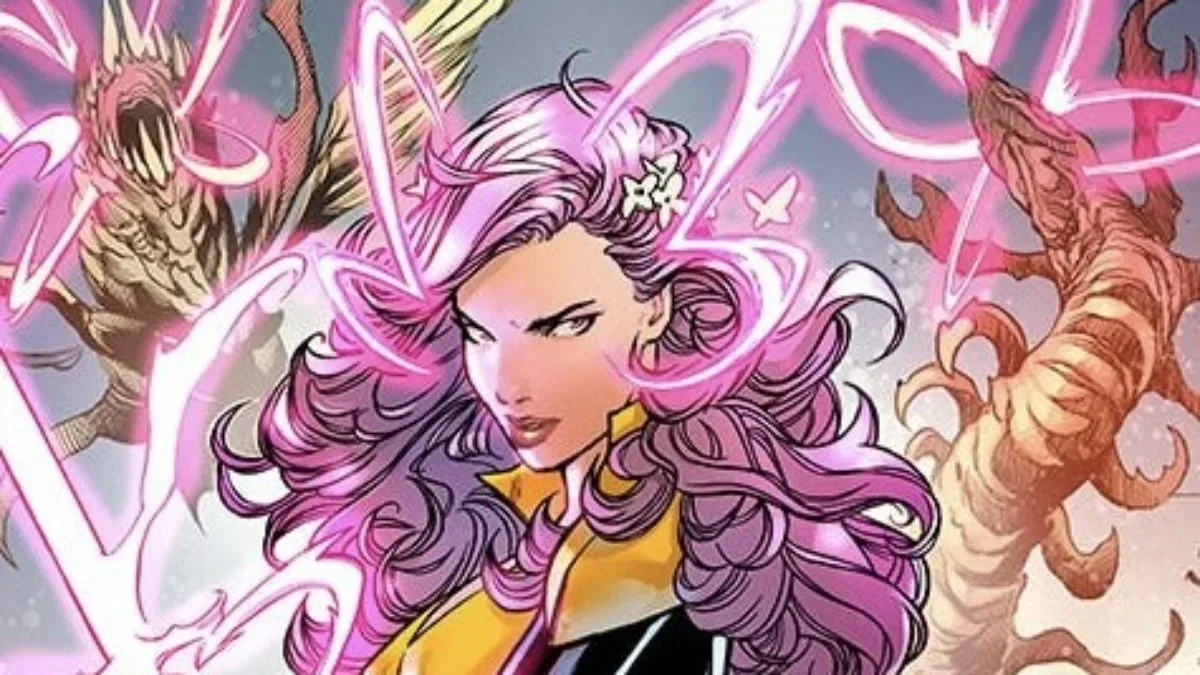
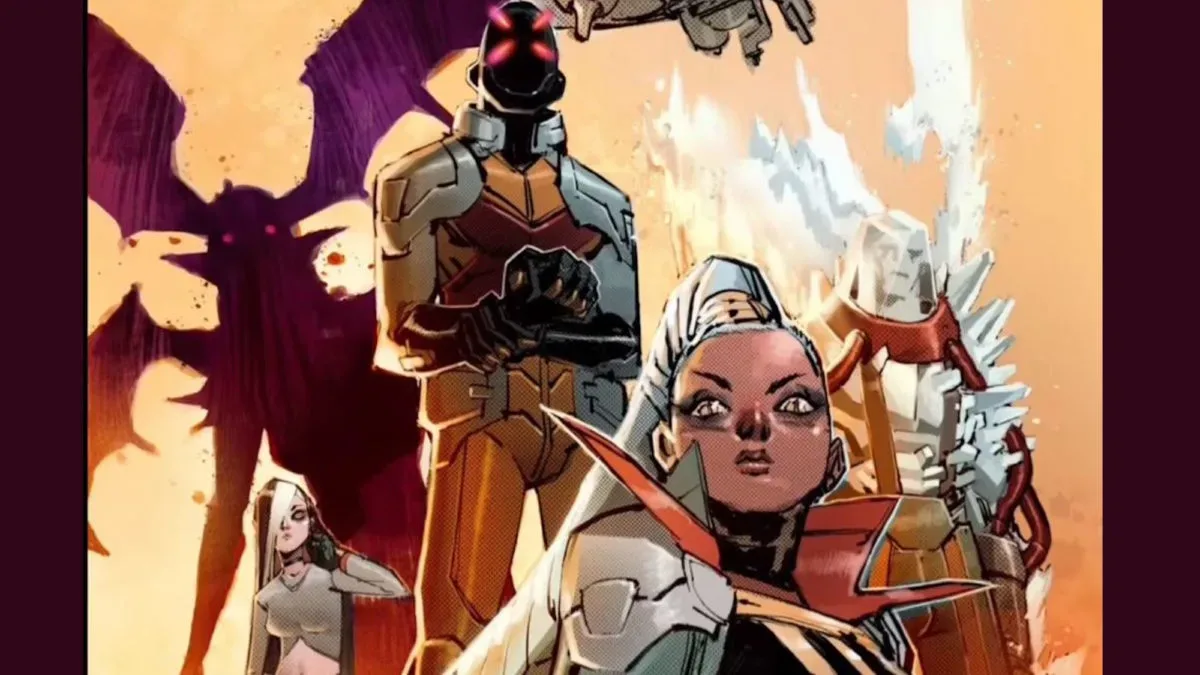
The book reunites writer Ashley Allen and artist Germán Peralta, who previously collaborated on Magik and Magik & Colossus. Their new series takes Magik away from a strictly solo format and places her at the center of an expanding demon-hunting team. Juggernaut and Madelyne Pryor are established members of the lineup, Bloodline joins during the early issues, and Elsa Bloodstone is set to enter in X-Orcists #3.
A series built around Limbo’s danger
The starting threat is an escaped demon from Limbo, the otherworldly realm closely associated with Magik. The creature is attacking humans and mutants, forcing Magik, Juggernaut and Madelyne Pryor into an unusual alliance. Madelyne’s place is especially notable within the group dynamic because she is identified as the Queen of Limbo, while Magik’s history and powers are also inseparable from the realm.
The central monster is not simply something the team can defeat with a direct blast or a larger punch. The solicitation for X-Orcists #2 describes the demon as possessing people and transforming them into horrifying monsters. More importantly, exorcising it kills the person it has possessed. That turns the team’s mission into a rescue problem as much as a supernatural battle: defeating the entity may not be enough if the host cannot survive the process.
Issue #3 identifies the demon as Mawhound and adds another complication. It can possess people and amplify their abilities. In comic-book terms, “amplify” means the entity makes a host’s existing capabilities more formidable, rather than merely controlling an ordinary civilian. That presents a potentially volatile threat in a setting filled with mutants, sorcerers and super-powered figures. The exact limits of Mawhound’s power, and which characters it will target, have not been disclosed.
Elsa Bloodstone joins the roster in January
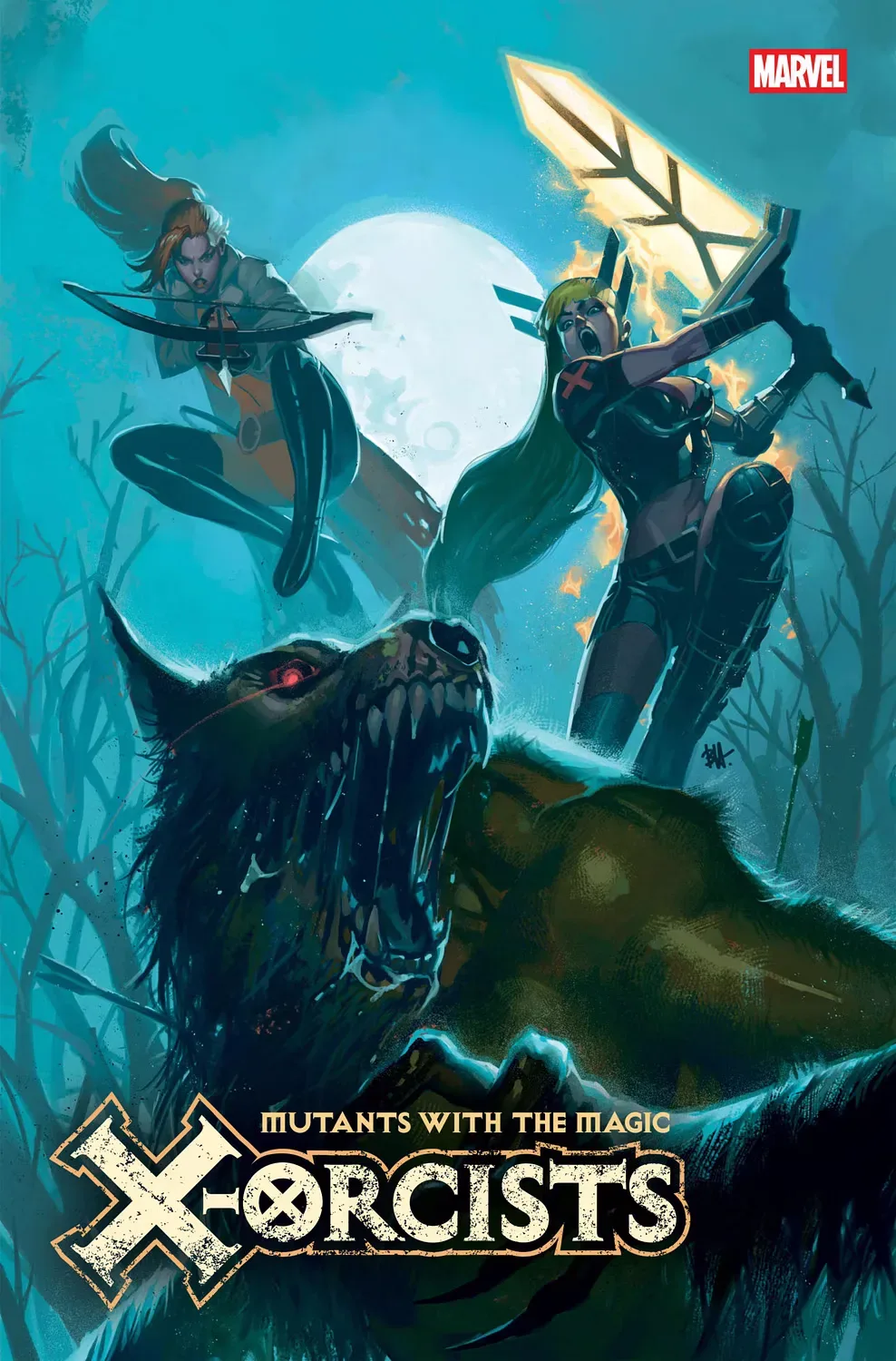
X-Orcists #3 is scheduled to go on sale in January 2027. Written by Allen, illustrated by Peralta and featuring a cover by Ben Harvey, the issue brings Elsa Bloodstone into the team’s pursuit of Mawhound.
Elsa is described in the announcement as the group’s “ultimate monster-slayer,” which makes her a natural addition to a book about possessed hosts, escaped demons and the occult hazards of Limbo. Her arrival broadens the cast beyond the initial Magik-Juggernaut-Madelyne trio without changing the title’s fundamental premise: a specialist crew confronting a supernatural crisis too dangerous for any one member to solve alone.
Bloodline, the daughter of Blade, also joins the story in the second issue. With Bloodline and Elsa entering after the debut, the title is taking a gradual team-building approach rather than introducing every member at once. That leaves the first issue to establish the original crisis and the first response from Magik, Juggernaut and Madelyne, while later chapters add different kinds of expertise to the fight.
- Magik: The team’s central figure, confronting a threat originating in Limbo.
- Juggernaut: An X-Men ally joining Magik against the escaped demon.
- Madelyne Pryor: The Queen of Limbo and a key part of the initial supernatural alliance.
- Bloodline: Blade’s daughter, introduced as the team needs additional help in issue #2.
- Elsa Bloodstone: A monster hunter who joins in issue #3.
What “ongoing” changes—and what it does not
For a comic series, an ongoing designation means it is not being sold as a story with a predetermined final issue number, unlike the original five-issue limited-series plan. It gives the creative team and publisher room to keep publishing further installments if the book remains in that format.
It does not, by itself, reveal how many issues are planned, how long the Mawhound plot will run or whether the roster will remain unchanged. The announcement confirms a status shift, not a full publication schedule. Readers should therefore distinguish between what has been confirmed—an ongoing series and Elsa’s appearance in issue #3—and what remains only a tease, including the identity of the promised returning X-Men villain.
That villain is said to be a major X-Men adversary whose return could unravel mutant magic. “Mutant magic” has not been technically defined in the available details, so it would be premature to treat the phrase as a named system with confirmed rules. What is clear is that the book is framing the eventual villain as a threat with consequences larger than the immediate Mawhound case. The danger may extend beyond stopping one demon and into the magical side of mutant stories more broadly.
The ongoing format makes room for that escalation. A limited series often needs to introduce its conflict, develop the cast and complete its resolution within a firm page count. By removing the five-issue endpoint, X-Orcists can potentially let the early possession mystery, new team members and the teased antagonist develop on separate timelines. That is an analysis of the storytelling flexibility created by the announcement, not confirmation of a specific future plot structure.
The debut and early issue details
X-Orcists #1 is a 32-page, Rated T+ comic priced at $4.99. Allen writes, Peralta provides the interior art and Harvey supplies the cover. The debut introduces a demon that has escaped Limbo and begun terrorizing humans and mutants alike. Magik and Juggernaut team up with Madelyne Pryor to stop it, only to find that the threat demands more help.
X-Orcists #2 is also listed at 32 pages and $4.99, with Allen, Peralta and Harvey returning in their respective credited roles. This is the issue that establishes the severe cost of attempting an exorcism and introduces Bloodline to the mission.
Then comes issue #3 in January 2027, where Mawhound’s ability to possess and enhance people is explicitly highlighted and Elsa Bloodstone comes aboard. The issue’s solicitation asks whether the expanded roster can stop an Omega-level threat. “Omega-level” is being used here as a measure of extreme danger; the announcement does not specify whether the classification applies to Mawhound, a possessed host, the teased villain or another part of the conflict.
Why the Allen-Peralta reunion matters
The most concrete creative continuity behind X-Orcists is the return of Allen and Peralta after their earlier work on Magik and Magik & Colossus. Because Magik is again the central character, the pairing gives the new title a direct connection to recent stories involving her, even as the format changes from a character-focused series into an ensemble supernatural book.
That creative continuity should be more meaningful to prospective readers than the surprise-panel framing of the ongoing announcement. The core question is not merely whether the title has more potential issues; it is whether Allen and Peralta can use that room to build a distinctive team around Magik. The initial cast offers several different angles on the premise: Limbo expertise, raw physical force, monstrous and occult experience, and a dedicated monster hunter’s perspective.
For readers tracking Marvel’s wider mutant line, the series’ villain tease is another reason to watch the early issues. For readers mainly looking for a self-contained supernatural team book, the more immediate hook is the moral trap of its possession story. The team must confront an enemy that turns hosts into monsters while making the apparent solution fatal to the person they are trying to save.
X-Orcists #1 will establish how that dilemma works in practice. Issue #2 raises the stakes with Bloodline, and the January 2027 third issue expands the crew again with Elsa Bloodstone. The series now has the latitude to follow those threads beyond the original five-issue endpoint, while its first announced arc remains rooted in one particularly ugly Limbo problem.
For more recent mutant-comics context, see Betsy Braddock Takes the Name Butterfly in Maximum X-Men.