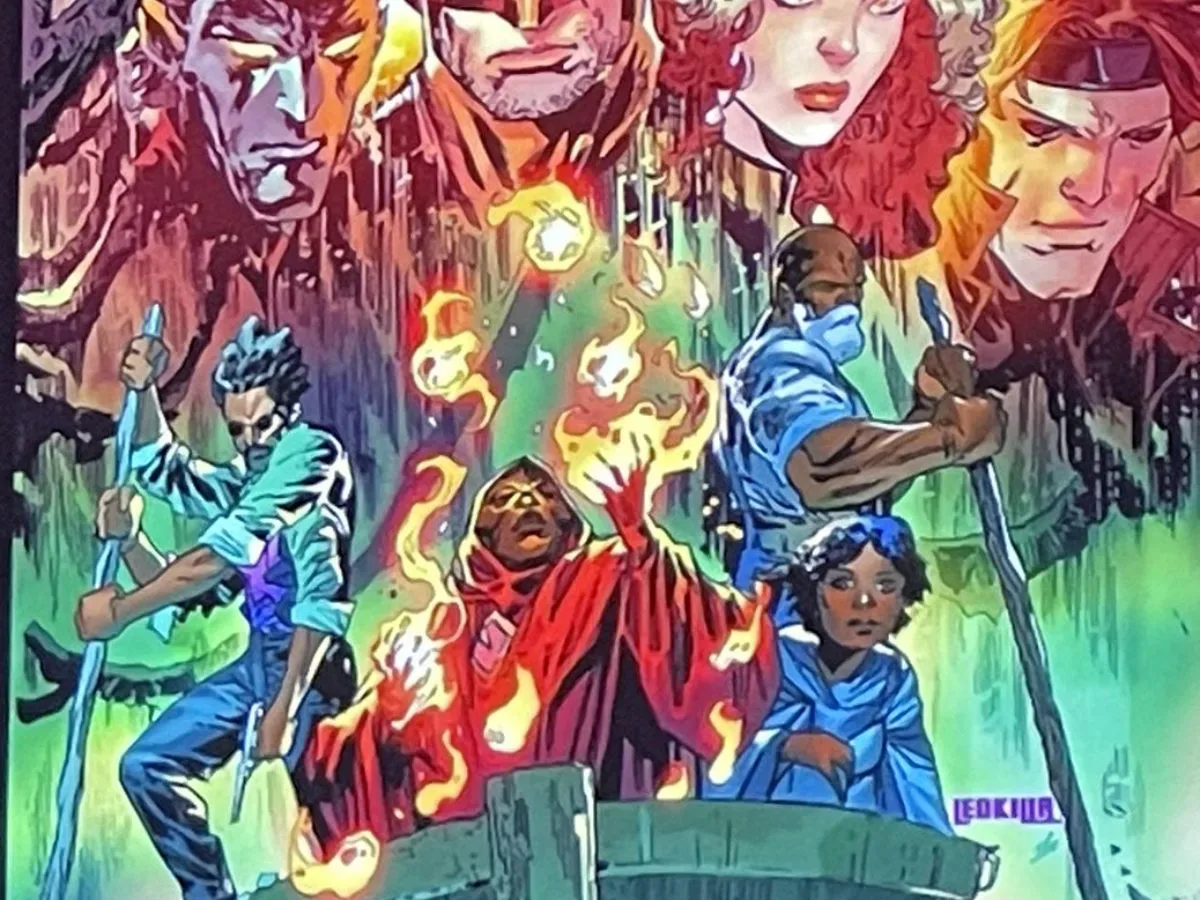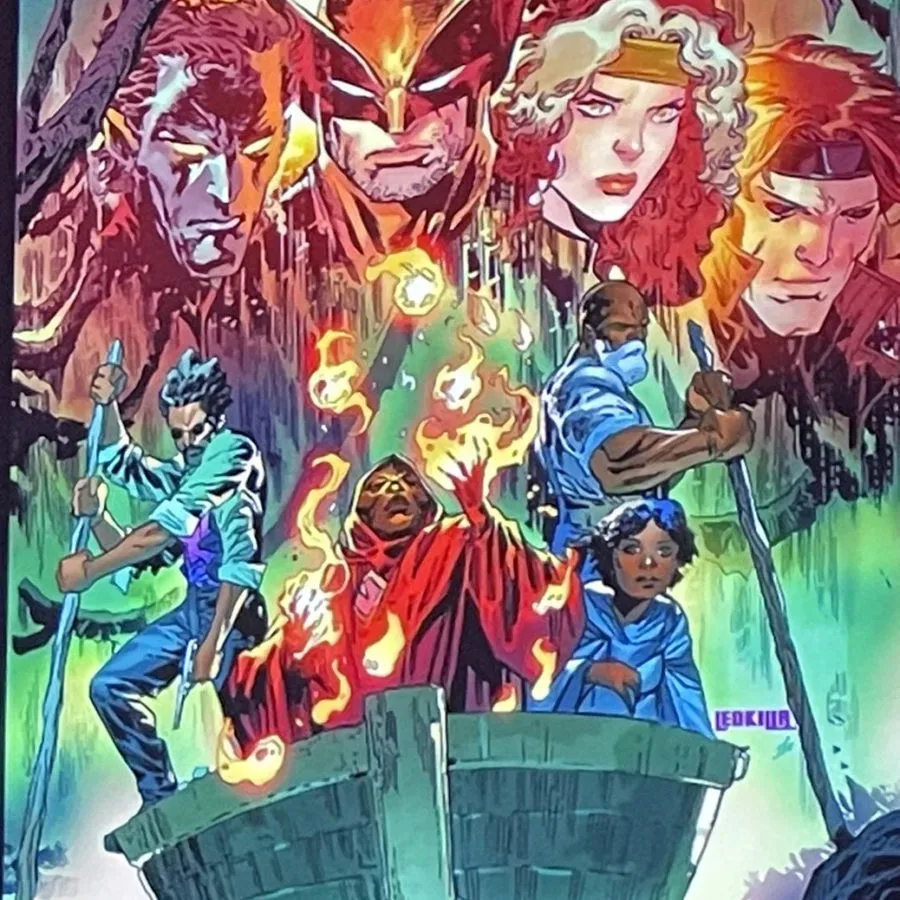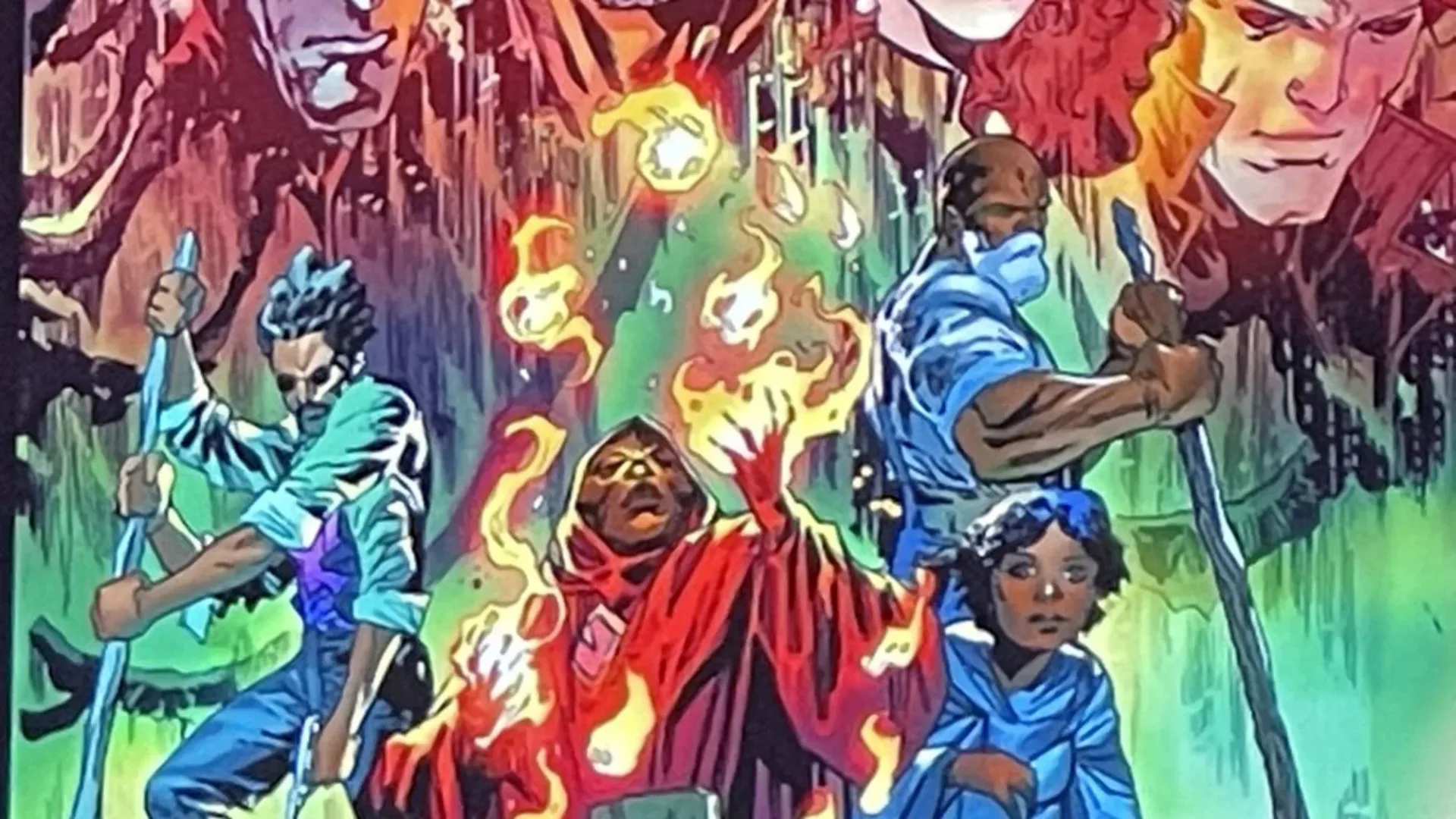
Marvel’s mutant past is about to receive a focused return visit. X-Men: The Regulators, a five-issue limited series written by Mikki Kendall with art by Georges Jeanty, is scheduled to begin in February 2027. The book grows out of the Haven House material introduced in Uncanny X-Men Annual #1, bringing a group of turn-of-the-century mutants into the foreground rather than keeping their story as a fragment of history uncovered by the modern X-Men.
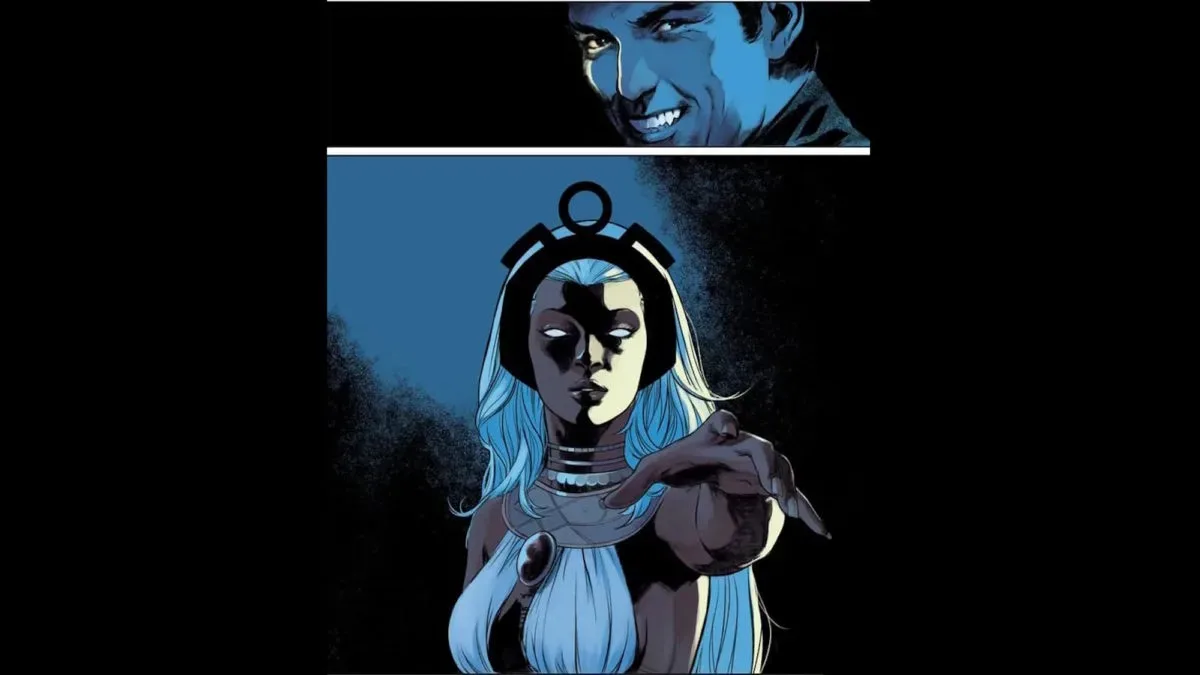
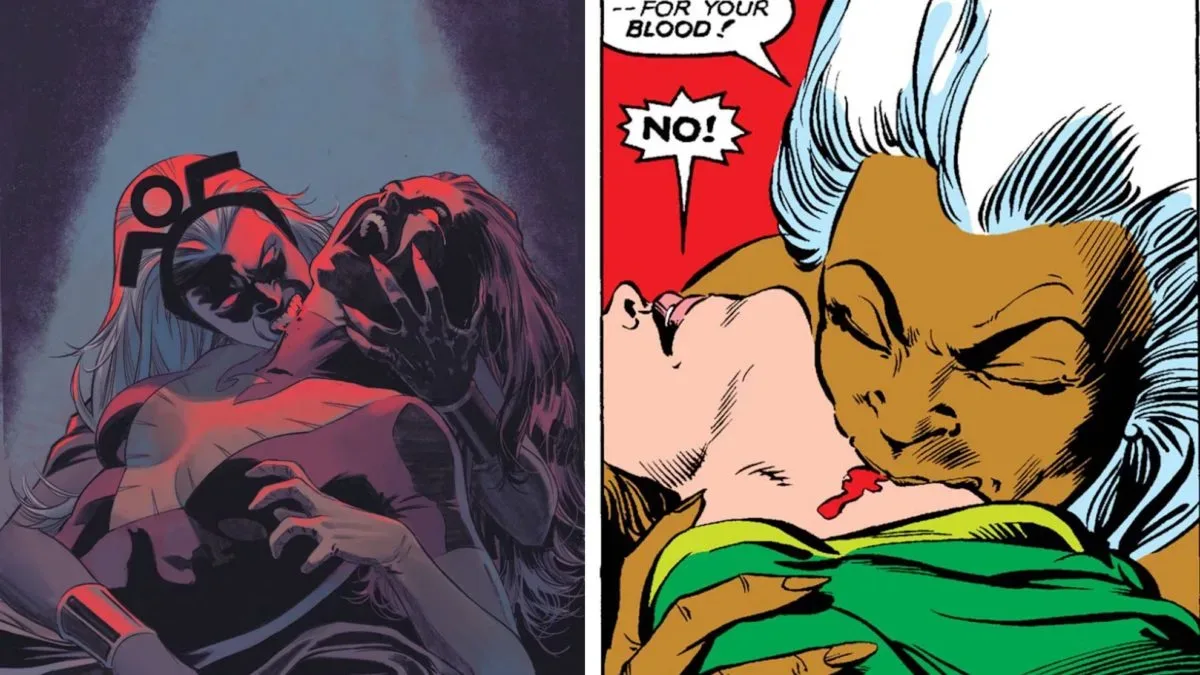
Ken Lashley will provide the cover for the first issue. The central setting is Haven House, a refuge where mutants found shelter amid anti-mutant persecution and American racism in the late 1800s and early 1900s. The new series puts a fresh danger in the bayou before its residents: a threat presented in an alluring guise whose plans could bring disaster to Haven House.
That premise gives the title a distinctive assignment within the larger X-Men line. Instead of following the contemporary team’s next emergency, it returns to a community that existed more than a century earlier, at a point when safety was fragile and deliberately built. The series’ five-issue scope also suggests a defined story rather than an open-ended new ongoing title.
What X-Men: The Regulators is about
The Regulators are a Southern gothic mutant team rooted in a historical setting. Southern gothic is a mode of storytelling that uses a haunted or heightened regional atmosphere to confront social violence, buried history, isolation, and moral decay. In this case, the bayou setting and Haven House’s role as a secret sanctuary naturally fit that framework, but the human stakes are as important as the supernatural or super-powered ones.
Haven House is not described simply as a headquarters. It is a refuge shaped by the intersecting pressures of mutant hatred and racism. That makes its protection an active, ongoing concern, not merely a convenient backdrop for a superhero adventure. For the people within it, survival appears tied to whether a hidden community can remain intact when hostile forces—or manipulation from within—close in.
The setting is also important for what it expands in the X-Men mythology. Marvel’s mutant stories frequently deal with prejudice through a broad metaphor, but this project is explicitly located in the late-19th- and early-20th-century American South. That historical specificity gives Kendall and Jeanty room to explore how mutant identity and racial oppression affect a community in a particular time and place, rather than treating the past as generic scenery for familiar capes-and-powers conflict.
The Haven House cast and what their powers suggest
Four Regulators have been identified, each with a distinct role and capability set. As with many team books, those abilities point toward the different ways Haven House may defend itself, gather knowledge, and endure a crisis.
- Slaughter Freedman has extra arms and is a sharpshooter. The combination makes him a direct combatant, with additional limbs potentially offering an unusual advantage in a fight as well as a striking visual silhouette.
- Mother Witchfire possesses psionic abilities, precognition, healing, and pyrokinesis. Psionic powers refer broadly to powers of the mind; precognition is foreknowledge of possible future events; pyrokinesis is the ability to create or control fire. Taken together, those skills make Mother Witchfire a character who can potentially see danger coming, protect allies, and meet threats with force.
- Lady Henrietta has terrakinesis, an obsidian transformation, golem summoning, and an extended lifespan. Terrakinesis means manipulating earth or soil. Obsidian is volcanic glass, while a golem is an animated constructed being in fantasy tradition. Her powers therefore connect directly to land, defense, transformation, and longevity—an especially evocative collection of abilities for a story about a hidden refuge and the history it leaves behind.
- Michael St. Juniors is a marksman armed with a rifle and served as Haven House’s protector in that era. Unlike the more overtly fantastic power sets, his description emphasizes an assigned responsibility: keeping the sanctuary safe.
An early-days Wolverine also appears to be part of the period setting, although the exact size and nature of his role has not been detailed. That uncertainty matters. Wolverine’s long life makes him a natural bridge between different eras of X-Men continuity, but the stated focus is the Regulators themselves and their connection to Haven House.
How the miniseries connects to Uncanny X-Men
X-Men: The Regulators spins out of Gail Simone’s Uncanny X-Men run, which places the present-day team in Louisiana as they recruit and train new members for an uncertain future. Along the way, the team has been uncovering missing mutant history, including the legacy of Haven House and the people who once lived there.
The connection is meaningful without making the miniseries sound inaccessible to new readers. Kendall co-wrote the annual that established the Regulators, and now takes the lead on their five-issue adventure. That continuity of authorship should be useful: the writer returning to these characters is also returning to a setting and premise she helped introduce. Jeanty, meanwhile, is the series artist tasked with defining the period cast’s visual world across the entire limited run.
For readers tracking the present-day book, January 2027 brings two related Uncanny X-Men issues ahead of the miniseries. Uncanny X-Men #41, by Simone and artist Juan Frigeri, is labeled “Soul Deep, Part Five” and has Sarah Gaunt targeting the New Mutants as she seeks to supplant Xavier’s legacy. Nightcrawler is positioned between the students and Gaunt’s Somber Steel threat.
Uncanny X-Men #42, also by Simone and Frigeri, concludes “Soul Deep.” Sarah Gaunt and her Scavenged confront the Uncanny X-Men in Louisiana after her seven-day vow to destroy Xavier’s legacy reaches its deadline. These January issues have their own immediate plot, but their Louisiana setting and concern with the future of Xavier’s ideals make them clear companions to a February story built around a hidden chapter of mutant survival.
A period story with consequences beyond nostalgia
There is an easy temptation to view historical superhero stories mainly as a way to put familiar concepts in different costumes. The announcement for The Regulators points somewhere more substantial. Haven House is presented as a place of protection born of necessity. A community like that is defined not only by its members’ individual powers, but by rules of secrecy, trust, mutual defense, care, and the danger of somebody exploiting those needs.
The newly announced antagonist is especially notable because the threat is said to arrive in an appealing form. That implies the conflict may not be limited to a straightforward assault on the refuge. An adversary who can gain access, earn trust, or offer something residents urgently want can be more destabilizing than one who merely attacks from outside. That is analysis of the premise, not a disclosed plot point; the identity, motives, and exact methods of this figure have not yet been revealed.
The characters’ powers reinforce the broader premise. Mother Witchfire can anticipate danger and heal wounds, but foresight does not necessarily mean a future can be easily avoided. Lady Henrietta’s earth-linked powers and long lifespan suggest a living connection to place and memory. Michael St. Juniors represents the daily burden of defending a sanctuary. Slaughter Freedman’s sharpshooting and extra arms evoke a fighter prepared for overwhelming odds. Together, they give the miniseries a team whose abilities can serve a refuge’s needs in very different ways.
That blend also separates the Regulators from a standard roster of costumed heroes who happen to cooperate. The available descriptions tie them to Haven House and to an era of danger. Their mission is likely inseparable from the people and location they protect, even as the new bayou threat turns their safety into the story’s immediate pressure point.
What has been confirmed—and what remains unknown
The essentials are firm: X-Men: The Regulators #1 goes on sale in February 2027; the project lasts five issues; Mikki Kendall writes; Georges Jeanty draws; and Ken Lashley supplies the first issue’s cover. The series follows up on the Regulators’ introduction in Uncanny X-Men Annual #1 and returns to Haven House in the late-1800s/early-1900s setting.
Marvel has not disclosed a complete issue-by-issue outline, a full supporting cast, further cover details, or the identity of the alluring new threat. It has also not established how extensively Wolverine will factor into the narrative. Those omissions leave room for the book to make its own discoveries rather than treating the announcement as a full plot summary.
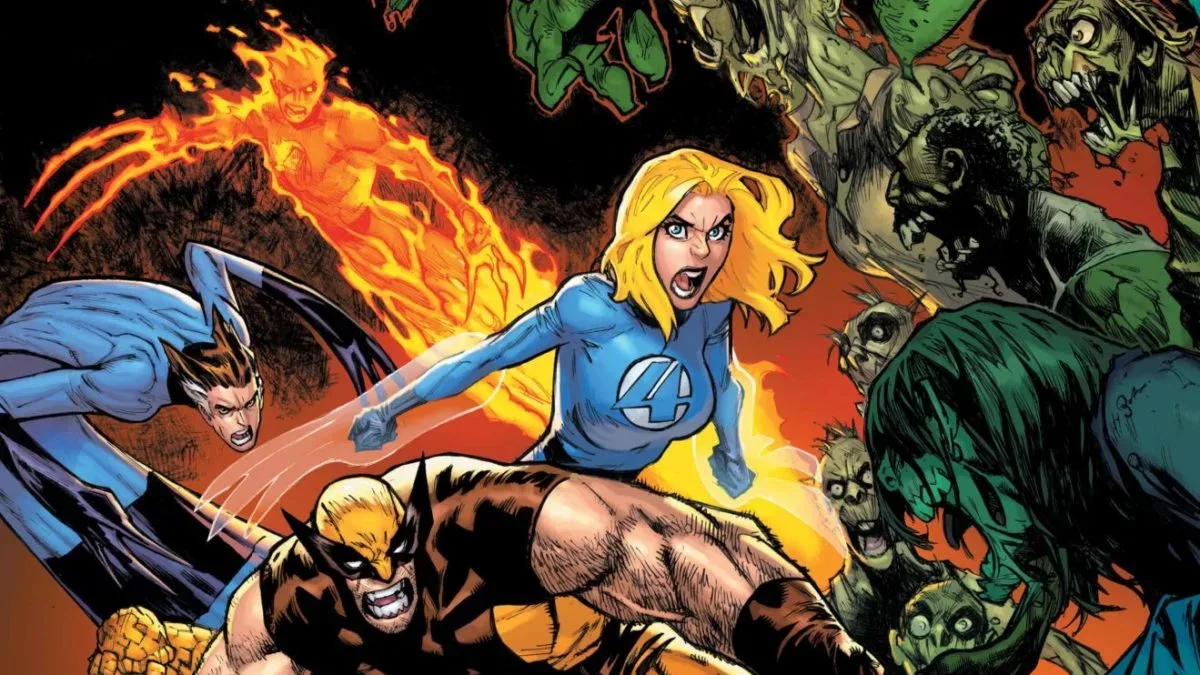
For readers interested in Marvel’s wider 2027 plans, the company is also taking its characters into other formats and stories; for example, a Fantastic Four 2027 story has been outlined separately. But The Regulators is not a crossover pitch or a nostalgia exercise built around the biggest possible guest list. Its promise is more focused: a previously hidden mutant community, its defenders, its history, and a threat capable of tearing its hard-won refuge apart.
With Kendall revisiting characters she helped establish and Jeanty illustrating the miniseries, X-Men: The Regulators has a clear creative identity from the outset. February 2027 will reveal how much of Haven House’s past can be recovered—and what its residents will have to sacrifice to keep a haven from becoming a trap.