A Star Wars story pairing William Shatner, Bea Arthur and Disney Princess discussion was the most-read item in a comics-focused daily roundup dated November 21, 2026. The available listing does not explain the underlying Shatner or Arthur story, so the important point is the unusual crossover appeal suggested by its place above a heavily comics-industry-centered set of headlines.
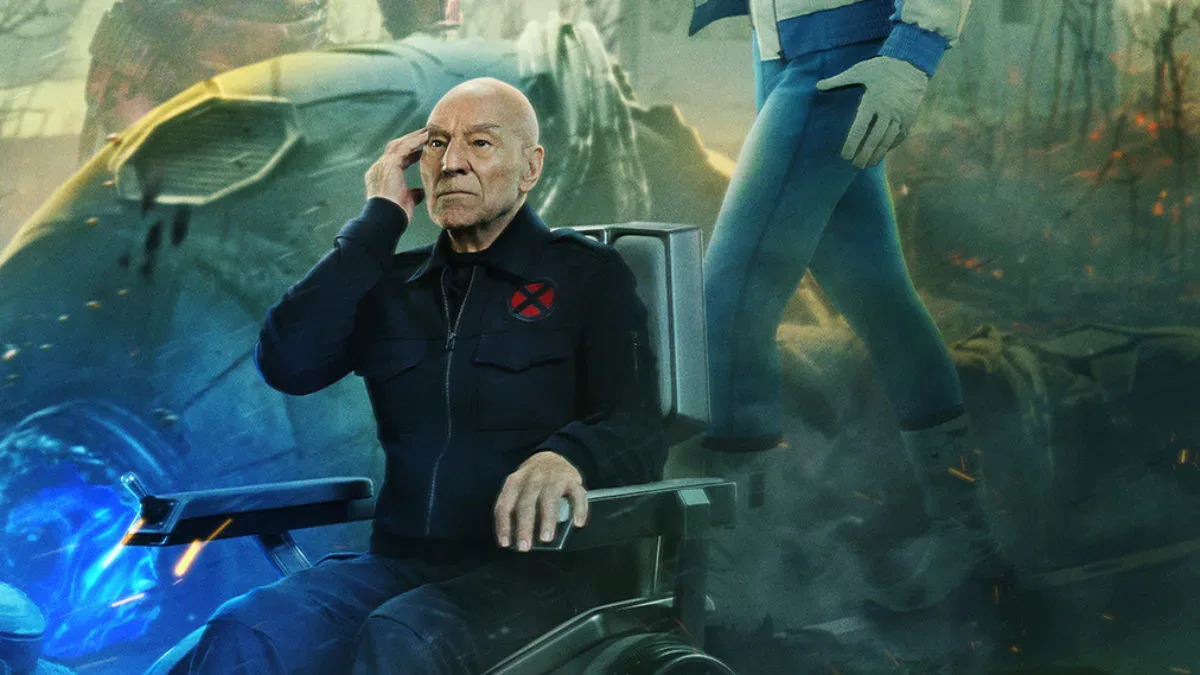
That list was otherwise packed with forward-looking publisher material: full February 2027 solicitation coverage for DC, Marvel, Image, Oni Press and Boom Studios, plus a March 2027 roundup for Dark Horse. It also included reports concerning Mad Cave Studios cancellations and staff layoffs, a response from company president Mark Irwin, and coverage of 11 interconnected character posters for Avengers: Doomsday.
A pop-culture hook in a publishing-heavy news cycle
The Shatner and Arthur headline stands apart because the two performers are recognizable beyond any one current comic-book line. In the roundup, the item is identified as Star Wars: William Shatner All In on Bea Arthur for Disney Princess. That phrasing establishes the subjects and broad Star Wars/Disney connection, but it does not establish what Shatner said, whether an official project exists, or whether Arthur is being discussed as a candidate for any actual Disney Princess designation. Those details should not be inferred from a headline alone.
What can be said is that a surprising celebrity-and-franchise premise appears to have drawn readers in a cycle dominated by catalogs, schedules and industry developments. That is a familiar division in fandom coverage: serial publishing news gives readers practical information about what may be coming next, while an unexpected cultural crossover can pull attention well beyond the most dedicated weekly-comic audience.
Why solicitations matter to comic readers
Solicitations are advance listings used to describe forthcoming releases. They commonly identify titles, issue numbers, creators, cover options and release windows, although the exact information varies by listing. The November 21 roundup points to February 2027 solicits from DC, Marvel, Image, Oni Press and Boom Studios, as well as Dark Horse material for March 2027.
For readers, these listings are a planning tool. They can signal a new series, a returning character, a collected edition or a crossover before release. For stores and collectors, they are also part of the ordering conversation. But a solicitation is not the comic itself, and its details should be treated as advance information rather than a substitute for a finished issue. The prominence of so many solicitation roundups in a single daily list underlines how much audience attention is tied to the release calendar.
Several listed stories also show the wide range of material that can sit beside publisher schedules: character posters for a major superhero film, Kickstarter coverage for a sequel to Parliament Of Rooks, and an item about Krysten Ritter reading Bad Idea Comics’ It Demands Sacrifice. Comics culture routinely intersects with screen franchises, crowdfunding and performance, even when the most immediate reader question remains, “What is arriving and when?”
Industry headlines carry a different kind of weight
Not every highly visible comics item is about an upcoming issue. The roundup includes separate entries on further Mad Cave Studios cancellations and staff layoffs, followed by an item saying Mark Irwin, the company’s president, responded. The listings provide no additional specifics about the number of affected staff, the titles involved, or the contents of that response. Still, their inclusion beside solicitations is a reminder that a release slate and the business circumstances behind it are connected, but not interchangeable stories.
Readers following a publisher’s output may naturally look to solicitations for continuity and new releases. Reports of cancellation or layoffs answer a different question: what is happening to the people and structure that make publication possible? A responsible reading of a daily headline list keeps those questions distinct, especially when the list itself does not provide the full reporting beneath each title.
The longer-running archive is part of the appeal
The November 21 entry also revisits headlines from the same date across the previous eight years. Those archive sections move through Batman delays, X-Men developments, Star Wars publishing, Karate Kid, Doctor Who, Pokémon GO, trading cards, toys, auctions and comic-shop news. The result is less a single-topic report than a snapshot of how broad comics-adjacent fandom can be on any given day.
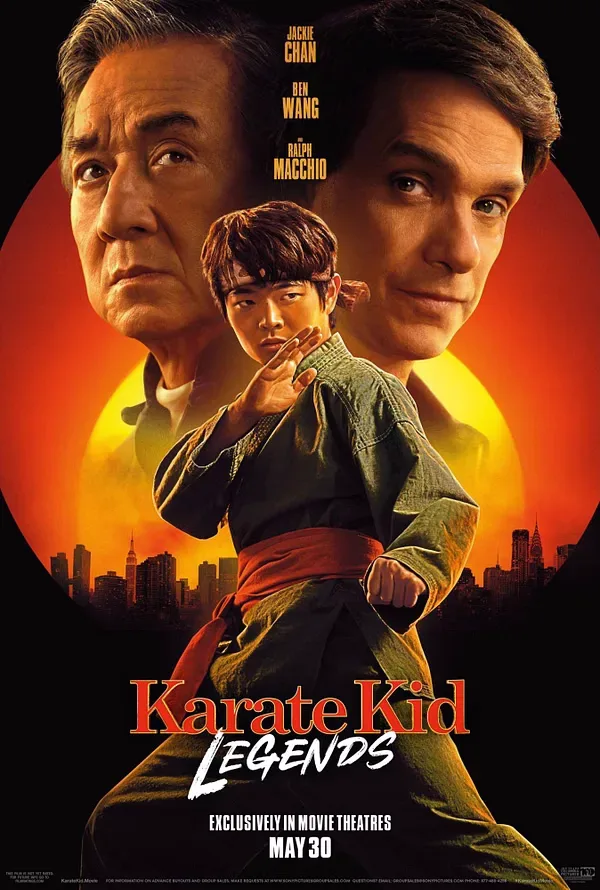
Older entries flagged in the roundup include a 2025 report that Batman #163, by Jim Lee and Jeph Loeb, had been delayed until the end of March 2026; a 2024 item stating that Karate Kid: Legends takes place three years after Cobra Kai; and a 2023 headline about Marvel planning to address Hank McCoy in 2024. These references are archival pointers, not new announcements in the November 2026 list.
That distinction matters. Daily roundups often put fresh stories beside resurfaced items from earlier years, which can make dates easy to blur when scanning quickly. A delayed comic mentioned in an archive section, for example, should be read in its original year’s context rather than as a newly reported delay. The date labels are doing real work.
What this says about attention, not confirmation
The available material supports a narrow but useful conclusion: the William Shatner and Bea Arthur Star Wars/Disney Princess headline attracted more readership than the other listed items for the preceding day. It does not, by itself, confirm why readers clicked or what the underlying story ultimately means for either Star Wars or Disney Princess branding.
It does show how a compact, odd-sounding premise can cut through a dense publishing-news cycle. In the same list, readers were offered official-looking release catalogs, superhero-film artwork, publisher business developments, spoiler-tagged comic discussion and crowdfunding. The Shatner/Arthur title had the clearest immediate novelty, which may explain why it was able to sit at the top without requiring a reader to first know a solicitation schedule or a particular ongoing comic arc.
For fans who enjoy following how entertainment properties travel across formats, that mixture is the real takeaway. Comics news is rarely just comics news: it can involve film marketing, television performers, game-related headlines, collectibles and decades of archive material. For another look at how character relationships and long-running interactive franchises shape fan conversation, see our examination of BioWare’s most memorable RPG romances.
For now, the concrete update is simple. On November 21, 2026, the Shatner-and-Arthur Star Wars item led the daily readership list, while 2027 comic solicitation coverage and industry developments filled much of the rest of the conversation.