Major spoilers follow for Mass Effect, Dragon Age and Star Wars: Knights of the Old Republic.
Great RPG romances are not simply rewards dispensed after enough agreeable dialogue choices. At their best, they are long-form character stories shaped by history, fear, timing, attraction and the player’s willingness to meet someone where they are. BioWare repeatedly understood that distinction. Its romances could be sweet, tragic, sensual, uncomfortable, hilarious or deliberately unresolved, often within the same series.
That range is why these relationships endure. The studio’s most memorable companions were not made compelling by a single flirt option or a final cinematic. They had emotional lives outside the player character: past loves, ideological commitments, grief, bad coping mechanisms, private ambitions and boundaries. Romance did not erase those things. In the strongest cases, it made players confront them.
BioWare also made room for relationships that major games have too often reduced to a joke, a scandal, or a narrow fantasy. Its games included queer love, interspecies practicalities, kink dynamics framed around consent, relationships marked by trauma, casual connections and romance between characters of noticeably different ages. That is a considerable legacy for a set of games built around saving worlds, stopping ancient threats and, apparently, holding emotionally consequential conversations in the middle of military emergencies.
The 12 relationships below stand out not because they all offer the same kind of wish fulfillment, but because each uses romance to reveal something distinct about the people involved.
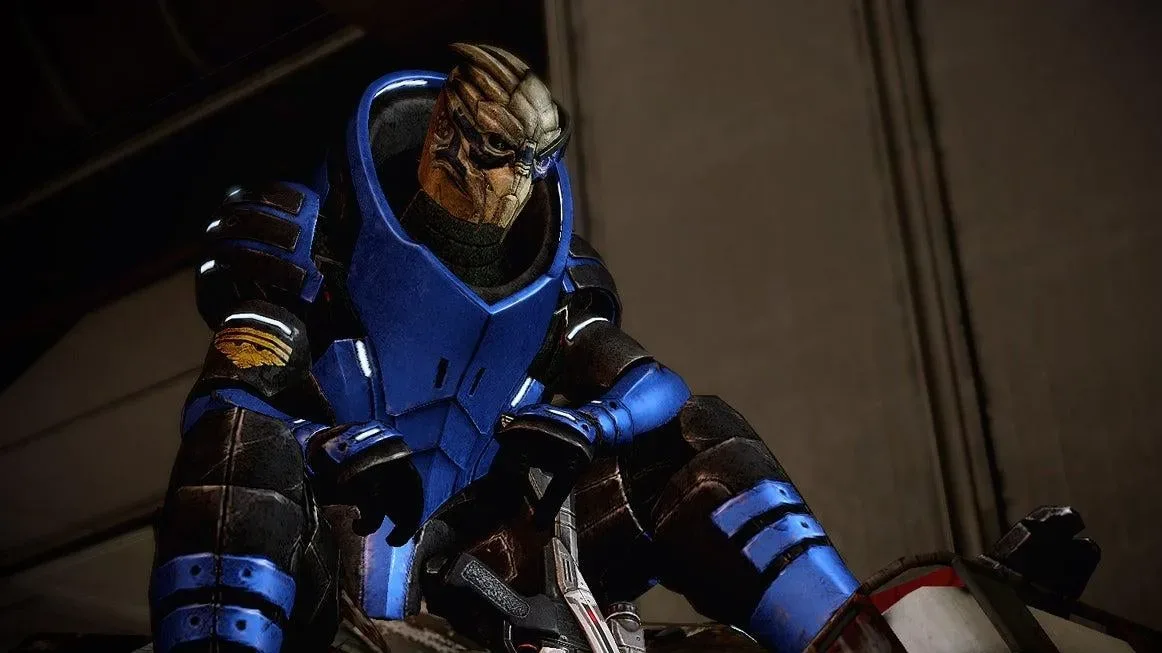
Garrus Vakarian: affection with logistics
Garrus is one of Mass Effect’s clearest demonstrations that a romance can be both sincere and funny. He is an armored turian, an alien species physically unlike Commander Shepard, and the relationship with a female Shepard does not pretend that crossing that species divide would involve no awkwardness. Instead, the games find comedy in the details.
That attention matters. Interspecies romance could have been treated as a superficial novelty, but the Garrus route lets the pair work through its practical complications without stripping away tenderness. It also benefits from Garrus’s role as a capable, witty and reliable presence. The relationship feels earned because it grows alongside a partnership between people who already trust one another under extreme pressure.
Why it works: the writing recognizes that intimacy is not only grand declarations. Sometimes it is two people candidly trying to work out how a relationship can function.
Related coverage includes BioWare's 12 Most Memorable Romances, From Garrus to Dorian.
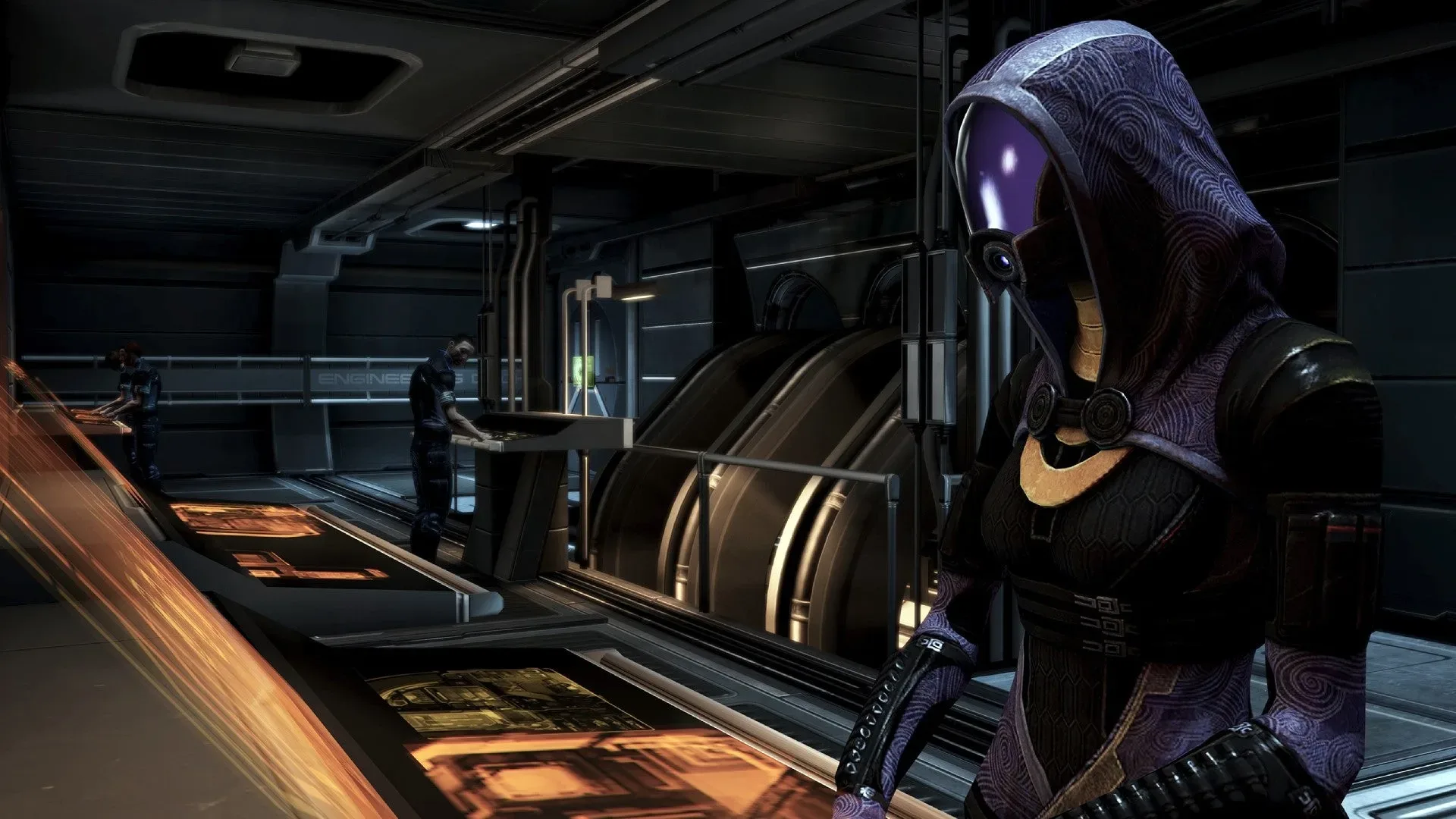
Tali’Zorah: home as a romantic promise
Tali’s relationship with a male Shepard similarly incorporates the realities of her body and circumstances. Her biosuit is not decorative science-fiction costuming: exposure to open air can be life-threatening for her. That condition turns closeness into something requiring care rather than assumption.
Across the trilogy, Tali develops from a technically minded, shy and awkward companion into a more formidable figure without losing the qualities that make her feel recognizably herself. Her romance is especially resonant in Mass Effect 3 because it frames security and belonging as deeply personal desires. For a people who have lived as nomads for centuries, the possibility of a home carries an emotional weight far beyond a conventional romantic gesture.
Why it works: it connects a private relationship to a bigger sense of identity and displacement while retaining Tali’s nervous, sharply funny personality.
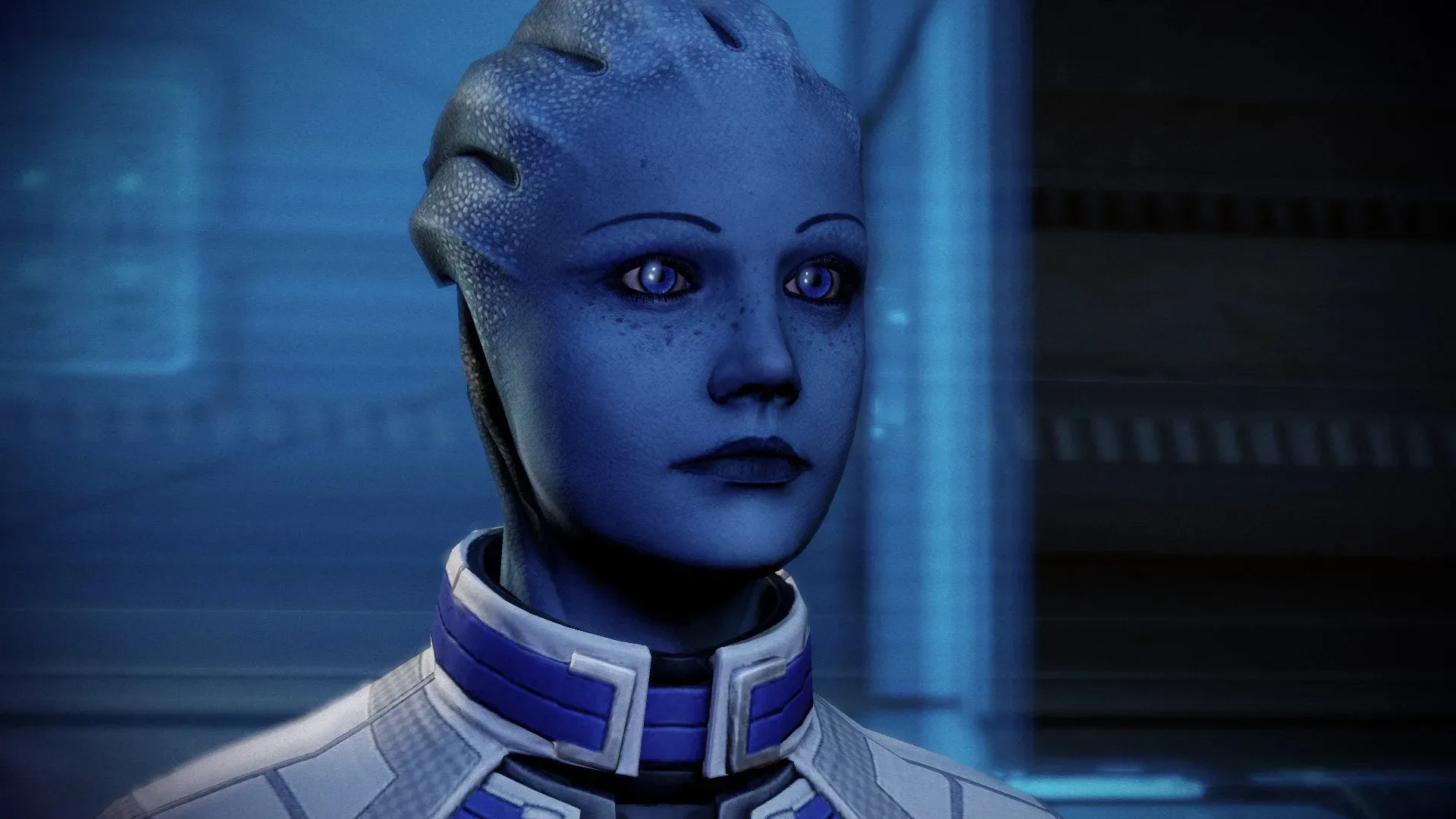
Liara T’Soni: a trilogy-spanning transformation
Liara’s romance has the scale of the Mass Effect trilogy itself. A player who commits to her sees her move from a naive scholar into the head of a somewhat criminal enterprise. That development gives the relationship a useful sense of motion: Shepard is not dating a static archetype but someone whose power, confidence and role in the galaxy change dramatically.
Liara, an asari, can romance either version of Shepard. Her place in the series also became emblematic of the debate around queer relationships in mainstream games, particularly after television coverage attacked Mass Effect’s depictions of same-sex intimacy in 2007. Within the story, though, her appeal is more personal. She offers a future-facing romance, one in which the pair can imagine a family and little blue children even when the wider narrative makes certainty impossible.
Why it works: Liara’s arc combines continuity, personal growth and a strikingly hopeful vision of what could remain after catastrophe.
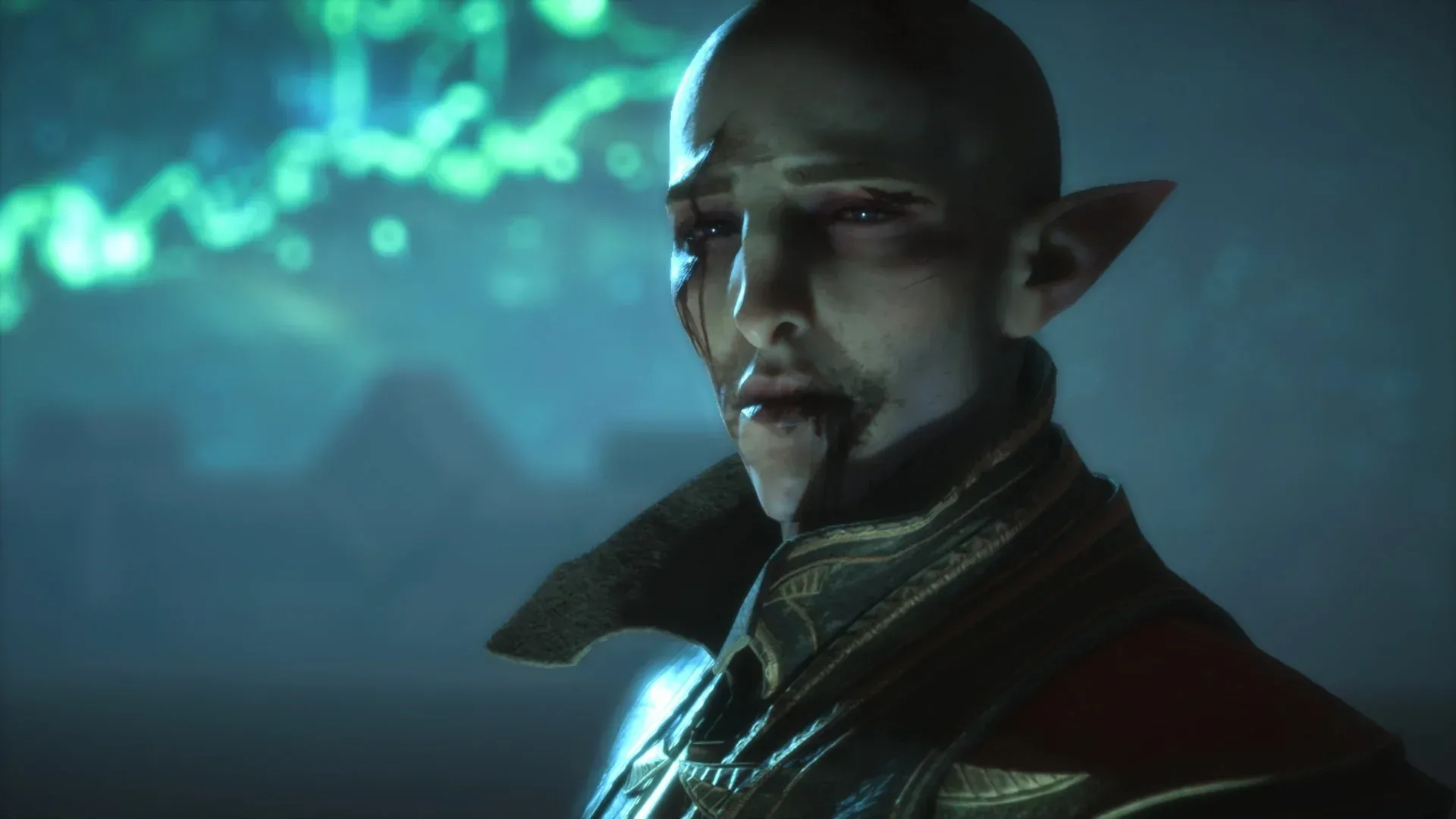
Solas: the romance built to wound
Not every great game romance should be healthy, and Solas is the strongest argument for that uncomfortable proposition. In Dragon Age: Inquisition, a female elven Inquisitor can become involved with the apostate mage after he shares knowledge of elven history and speaks about the fate of his people. The relationship’s apparent intimacy is eventually recast by betrayal.
Solas withdraws at the point where many romances would deliver their emotional payoff. Later revelations establish that he set Inquisition’s crisis in motion, leaving the Inquisitor with a magical hand that is destroying her while the world comes apart. His later role as the central antagonist in The Veilguard only intensifies the contradiction at the heart of the romance: players can understand his convictions and still want to stop him.
Why it works: it refuses to confuse emotional impact with emotional safety. The player’s hurt is not incidental; it is central to understanding Solas as a character.
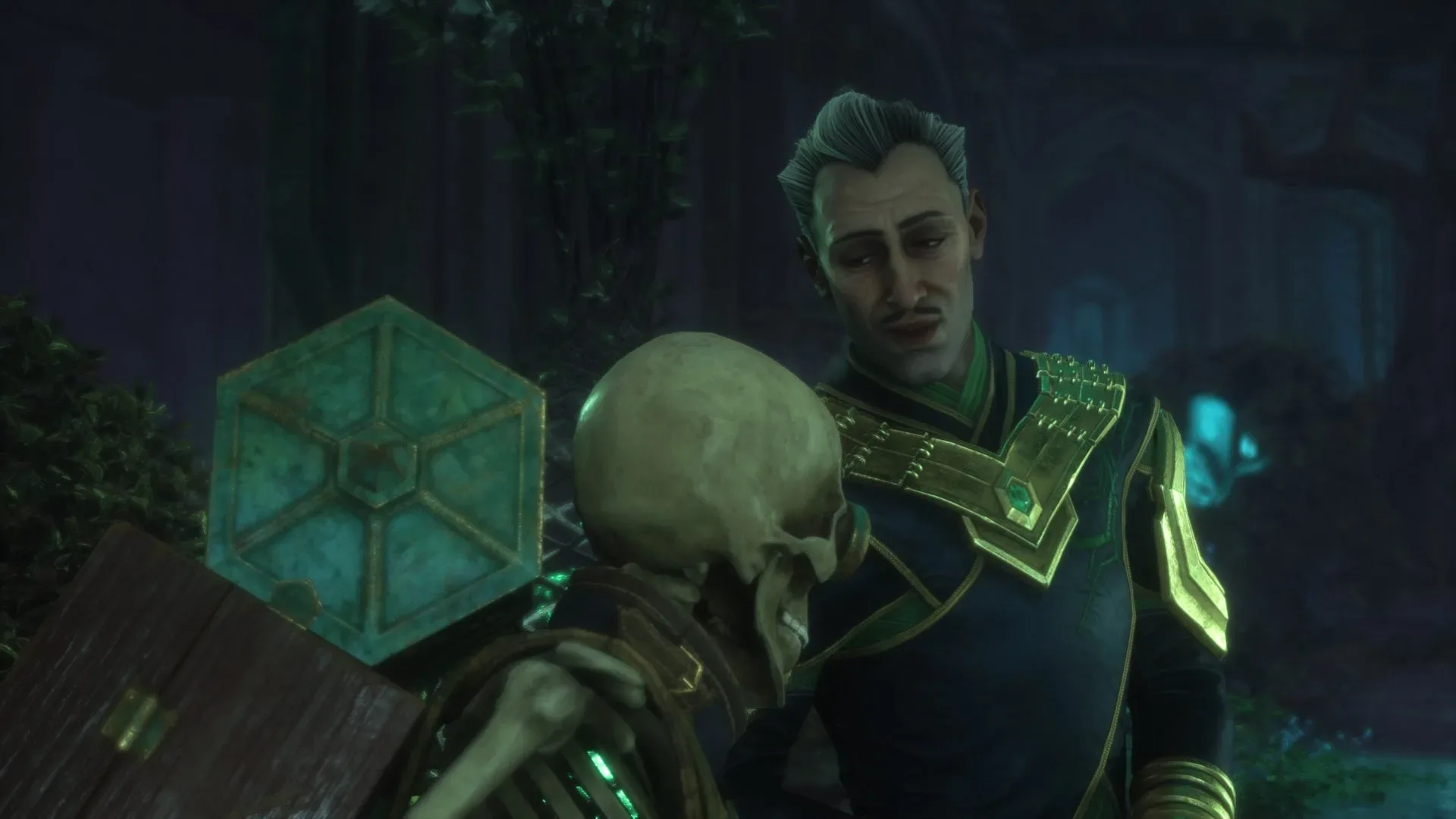
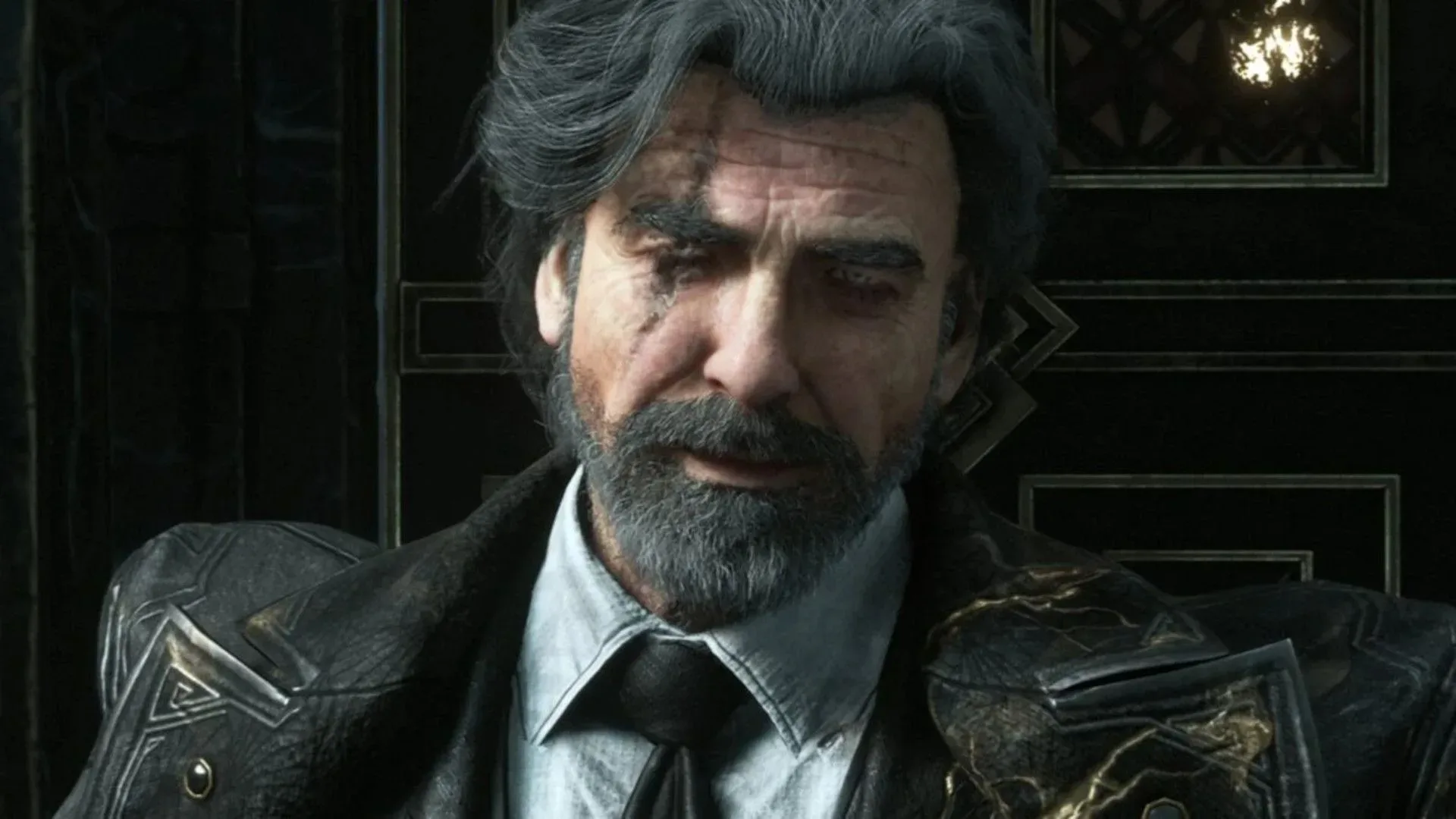
Emmrich: romance beyond the usual age bracket
Emmrich in Dragon Age: The Veilguard is notable because he is presented as an older man in an unusually direct way: gray at the temples, visibly wrinkled and not disguised as ageless fantasy royalty. His relationship with Rook pushes against the longstanding game-industry habit of treating desire as the exclusive domain of the young.
The romance also acknowledges a difficult subject rather than gliding past it. Rook is younger, and Emmrich may die before them, depending on player choices. Mortality becomes part of the relationship’s texture. It is not an abstract tragedy assigned to an ancient elf; it is an ordinary, looming human concern given space in a fantasy RPG.
Why it works: it treats age, attraction and the prospect of loss as real components of adult intimacy, not punchlines or barriers to depicting sex and affection.
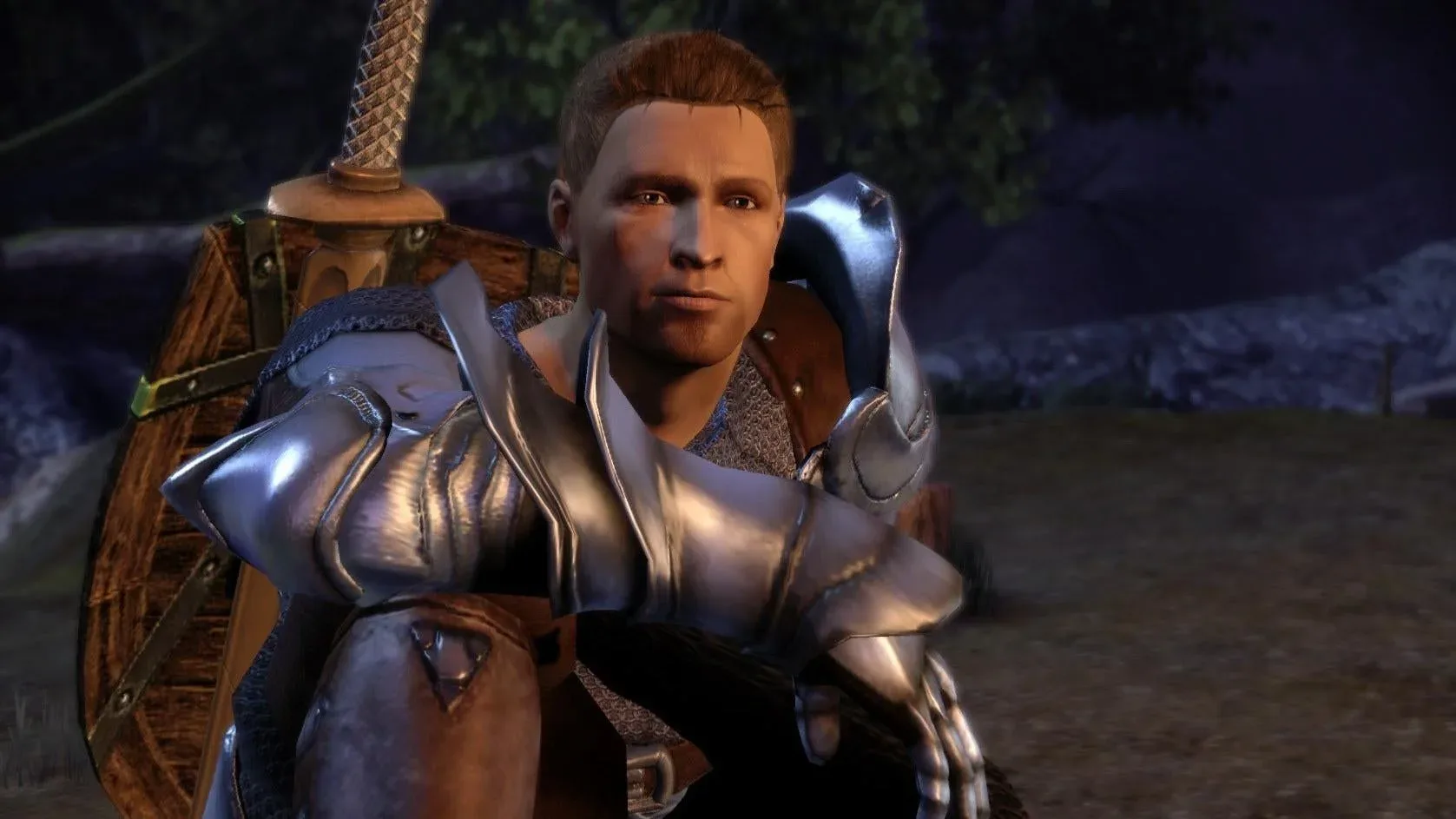
Alistair: warmth amid a doomed calling
Alistair is a classic romantic lead precisely because he is not too polished. In Dragon Age: Origins, he is an orphaned farm boy turned Grey Warden, bound to a ritual involving demon blood and a fate that will eventually kill him. There is plenty of darkness around him, yet he remains the party’s habitual jokester.
That contrast gives him his appeal. Alistair’s humor does not erase his pain or the danger surrounding the Grey Wardens, but it does show a person choosing warmth where he can find it. His battered-armored, golden-retriever energy supplies a needed counterweight to an often grim setting.
Why it works: a romance can be memorable simply because it provides kindness and laughter without denying the stakes of the world around it.
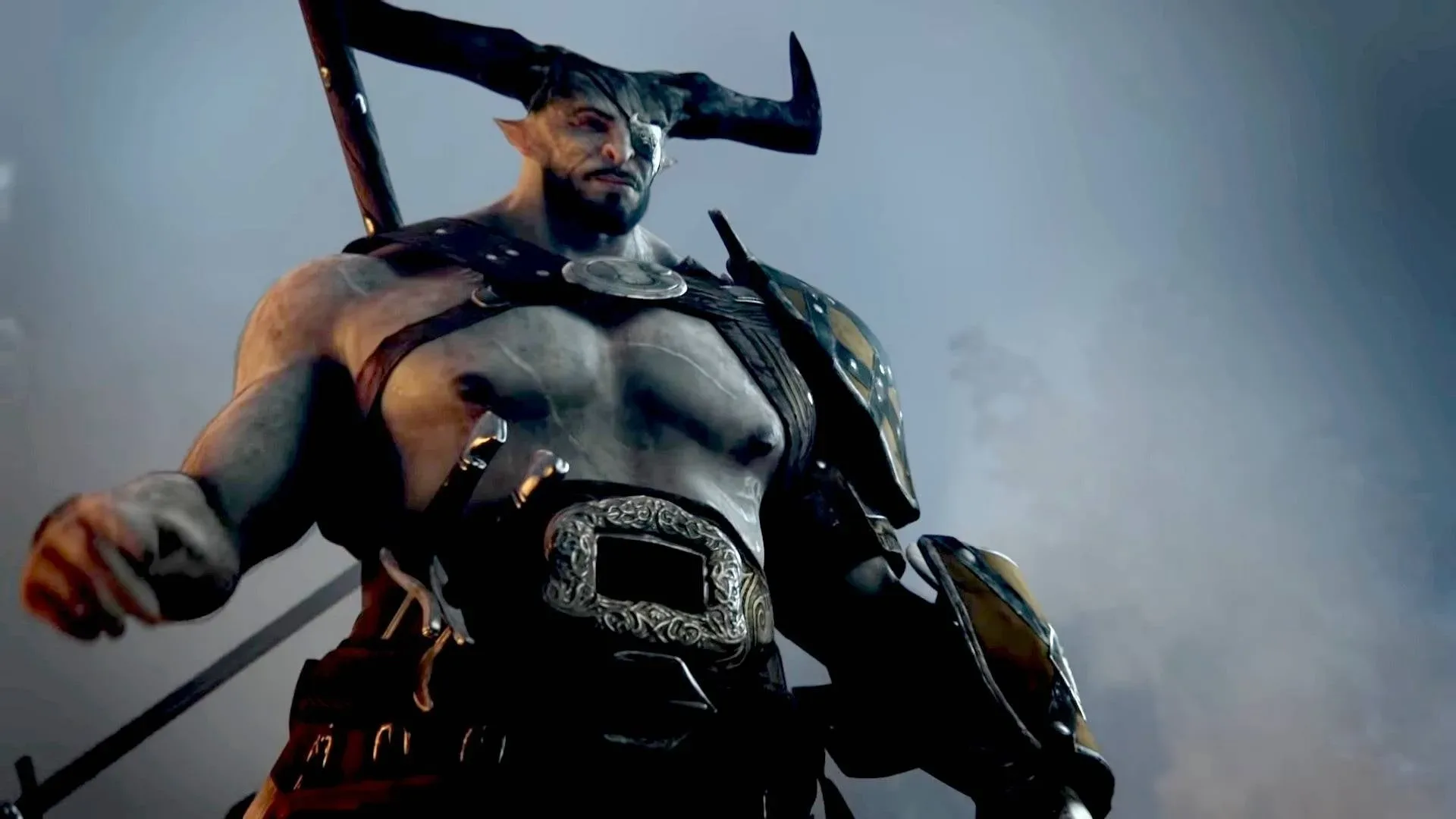
The Iron Bull: boundaries are part of the story
The Iron Bull’s Dragon Age: Inquisition relationship is important for reasons beyond making a horned qunari companion romanceable. It allows for a casual sexual arrangement rather than insisting every intimate connection must become a conventional forever relationship. More significantly, its conversations address safe, sane and consensual boundaries in terms recognizable to people familiar with kink.
Kink, in this context, refers to consensual sexual or relationship practices that fall outside conventional expectations. The important point is not that the game uses the idea for shock value, but that it treats communication, rules and mutual expectations as meaningful. Those discussions avoid presenting kink solely as a gag or as lurid decoration. Freddie Prinze Jr.’s voice performance helps make Bull’s confidence and care feel grounded.
Why it works: the route acknowledges that consent is not a perfunctory box-check. It is a continuing conversation, and that conversation can itself reveal character.
Morrigan: independence without easy domestication
Morrigan’s romance in Dragon Age: Origins is defined by resistance—to heroism, dependence and the assumption that love must soften someone into a more convenient partner. Her frequent disapproval of choices that seem virtuous became a familiar community joke, but it points to an important strength: she maintains a forceful perspective even when she is romantically involved.
A male Grey Warden can have a child with Morrigan, and that child is seen growing across the series. Yet the relationship does not transform into a neat family ending. The Grey Warden gets only brief opportunities to be with them. The result is a love story that leaves a lasting trace while preserving Morrigan’s independence and the uncertainty surrounding the Warden’s life.
Why it works: it understands that commitment and possession are not the same thing. Morrigan does not become less herself to make the romance easier.
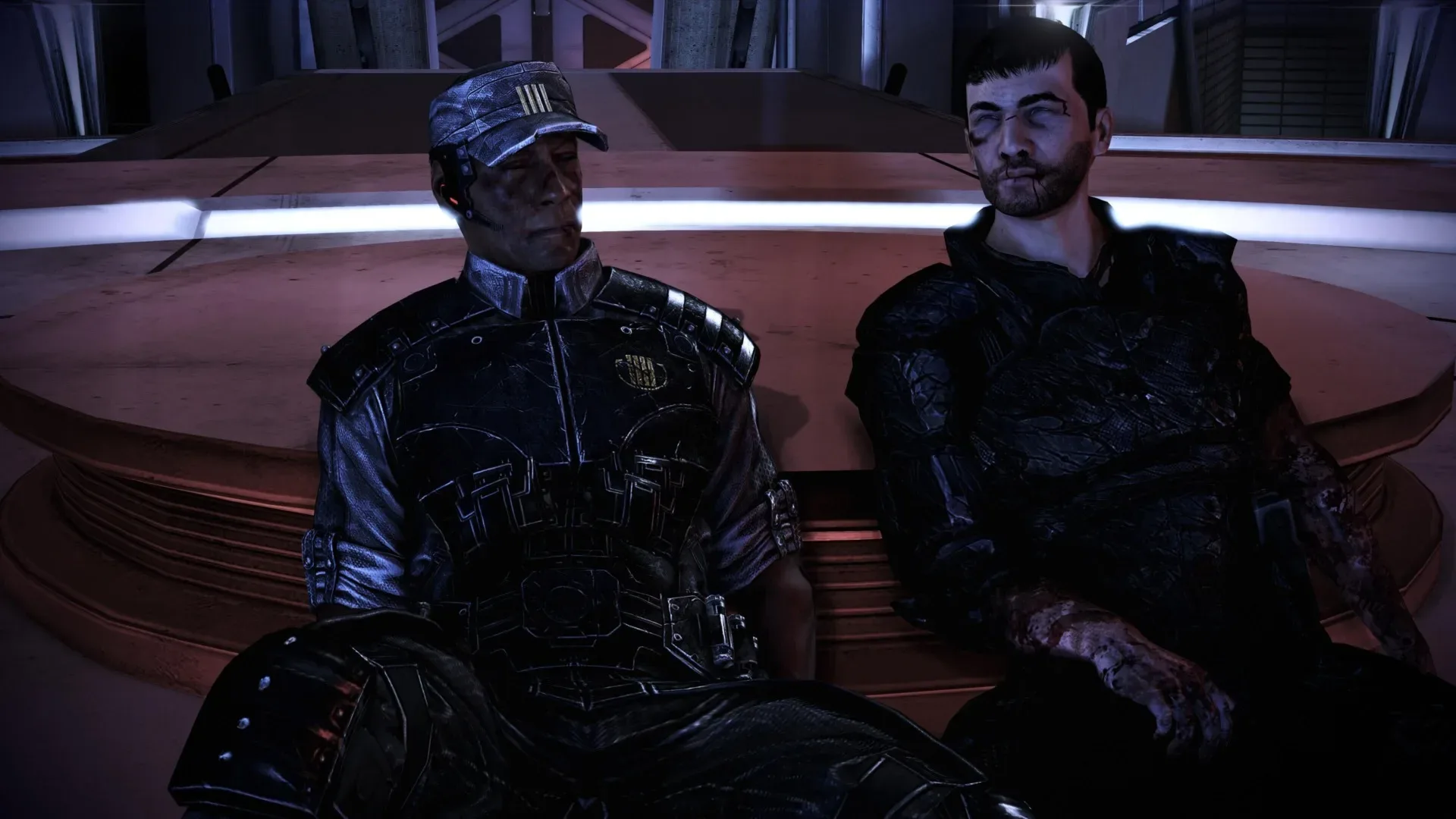
Kaidan Alenko: the power of the slow burn
Kaidan’s romance is at its most potent when viewed over Mass Effect’s full trilogy. He begins as the first male love interest, but a male Shepard could only pursue him beginning in Mass Effect 3, when same-sex relationships for men were added. In that version of the story, the delayed possibility adds a particular charge: years of closeness, distance and unspoken feeling finally lead to an admission when the galaxy is in peril.
That makes the relationship a slow burn, a storytelling term for an attraction or emotional bond that develops gradually rather than resolving quickly. Shepard and Kaidan’s time apart during Mass Effect 2 becomes part of that architecture. When they finally express love as Shepard heads toward the Citadel near Mass Effect 3’s end, the scene carries the accumulated weight of missed time and an uncertain future.
Why it works: it makes timing an emotional force. The romance is not about whether either character feels strongly, but whether they will have enough time to say it.
Carth Onasi: rebuilding after grief
Carth from Star Wars: Knights of the Old Republic represents an earlier example of a BioWare companion carrying grief into romance. He previously had a family and lost them in a Republic orbital strike. His desire for revenge consumed him, leaving the relationship to ask what happens after revenge no longer supplies purpose.
This is a quieter but valuable romantic premise. A player character does not arrive as the person who magically erases Carth’s past. Instead, the potential relationship creates room for him to imagine a life after it. That distinction gives the story dignity: grief is not solved, but a future can still be conceivable.
Why it works: it respects the fact that partners bring entire lives with them, including losses that cannot and should not be rewritten.
Fenris: conflict that must become trust
Fenris in Dragon Age II has endured slavery under Tevinter magisters and developed a profound hostility toward magic. A mage Hawke therefore creates an especially fraught pairing. The game’s Rivalry Romance path, where Hawke consistently challenges Fenris’s hatred of magic users, turns ideological conflict into the relationship’s central pressure.
That setup is not compelling because antagonism is automatically romantic. It works because the route asks whether someone shaped by coercion and prejudice can become vulnerable enough to reconsider what they have been taught. Fenris’s anger has roots, but roots are not excuses. Trust is presented as difficult labor rather than a switch flipped by chemistry.
Why it works: it makes disagreement narratively meaningful while keeping personal growth and accountability essential to any hopeful outcome.
Dorian Pavus: healing is work, not a finish line
Dorian’s Dragon Age: Inquisition romance brings a distinctly queer experience into a fantasy setting. He fled an unsupportive Tevinter family after his sexuality conflicted with its plans for him. His confidence and charm do not mean that history has ceased to affect him. A relationship with the Inquisitor can expose how old injuries complicate intimacy.
What gives the romance its force is Dorian’s desire to deal with that damage alongside someone rather than pretending it never happened. The relationship does not claim trauma can be perfectly managed, nor does it make the Inquisitor responsible for fixing him. It instead values the willingness to do difficult emotional work together.
Why it works: Dorian’s story gives specificity to queer pain while insisting that pain does not foreclose joy, partnership or a better life.
What these romances taught RPGs
These 12 stories are united less by genre conventions than by an unusually broad definition of romance. Some emphasize devotion; others are combustible, casual, painful or deliberately incomplete. Garrus and Tali make logistics part of vulnerability. Liara and Kaidan use the trilogy format to make time itself part of the love story. Solas proves that a romance can be artistically successful even when it devastates the player. Emmrich, Bull and Dorian broaden the kinds of people and relationships permitted to take center stage.
For players, the practical lesson is to approach these routes as character arcs, not completion checklists. Choices around romance can carry spoilers and consequences, especially in stories involving Solas, Morrigan, Fenris, Kaidan and Emmrich. More importantly, choosing a companion based on the kind of story you want—comfort, tragedy, conflict, healing, humor or a relationship outside familiar conventions—will likely yield more than picking the first available flirt prompt.
That variety remains a useful standard for the RPGs that follow. As other creators discuss making the role-playing games they themselves want to play, as in this look at the creative starting point behind Clair Obscur: Expedition 33, BioWare’s romances offer a durable reminder: player choice becomes memorable when it leads to people who feel complicated enough to surprise, challenge and occasionally break the player’s heart.