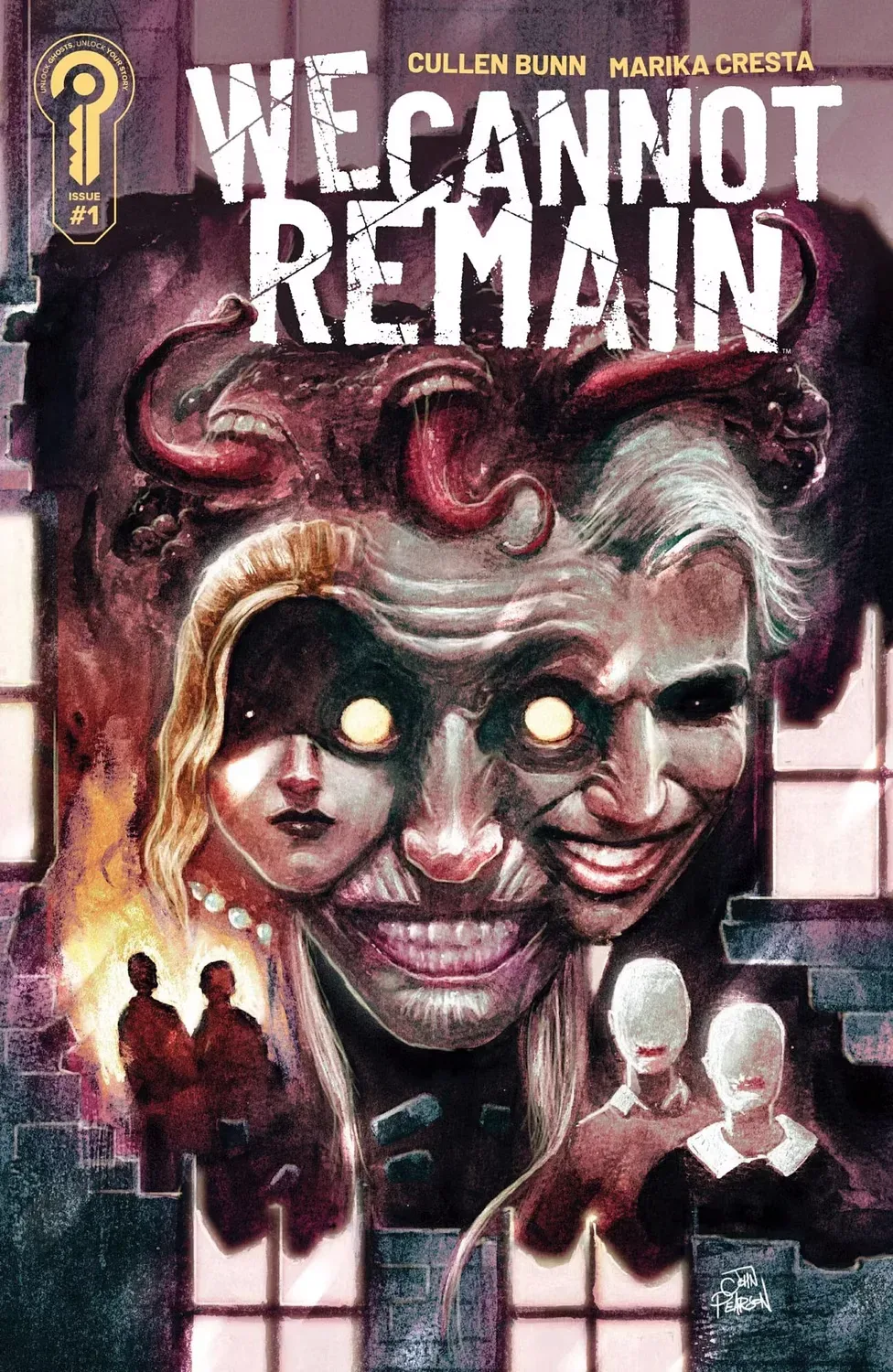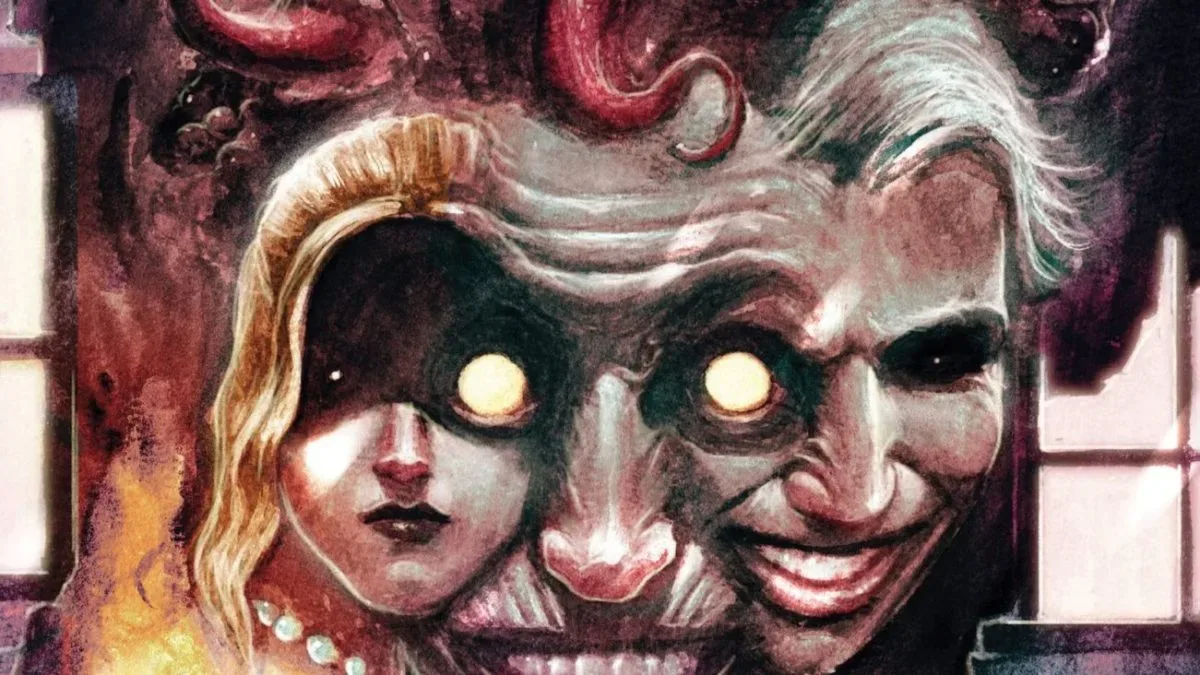
We Cannot Remain is set to reunite writer Cullen Bunn and artist Marika Cresta for a new horror comic arriving from Ignition Press in January 2027. Colorist Ronda Pattison is also part of the creative team. The project follows Bunn and Cresta’s prior collaboration on the psychological thriller Deluge, but its premise shifts the threat to a far more enclosed—and ostensibly protective—setting.
At the center of the series is the Exeter Building, an abandoned property where a group of unhoused people seek refuge after being displaced by developers. The building is not empty. Its floors are haunted individually, with ghosts who have their own motivations and who compel the living residents to face their deepest fears.
That setup gives the comic a clear two-sided pressure system. Its characters are already dealing with displacement and insecurity before they cross the threshold. Once inside, the place that seems to offer cover instead becomes the source of a supernatural ordeal. The promised horror is therefore not simply a monster outside the door; it is a hostile environment that must be navigated room by room, floor by floor.
A refuge that is already compromised
Haunted-house stories often begin with an invitation, a mystery, or a questionable decision to enter somewhere dangerous. We Cannot Remain takes a different emotional route in its stated premise. The Exeter Building is sought out because the characters need shelter. That distinction matters: the building is not framed merely as a spooky destination, but as an option shaped by a lack of safer alternatives.
The series’ haunted floors appear designed to make the building more than a single backdrop. Each level has different ghosts, and those entities are described as having distinct desires. In practical storytelling terms, that can create a changing set of threats as the characters move through the structure. One floor’s haunting may not operate by the same rules, emotional triggers, or objectives as another’s.
“Floor-by-floor” horror also gives the comic an inherently modular format without confirming how its issues will be structured. The phrase suggests that the Exeter Building can reveal itself in stages: spaces can be revisited, new dangers can emerge as survivors push deeper inside, and the building’s history may be uncovered gradually. Those are possibilities embedded in the premise rather than announced plot details, but they help explain why an abandoned building is such an effective framework for a serial horror comic.
What supernatural horror means here
Supernatural horror is horror driven by forces that exceed ordinary explanation—ghosts in this case—rather than a danger that can be understood solely through conventional human motives. The premise does not treat the ghosts as interchangeable background scares. They are described as lingering on separate floors and as determined to force confrontations with fear.
That makes fear itself part of the conflict. A character may need to survive a ghostly encounter, but the situation is also positioned to expose something personal or painful. Horror often gains force when a threat operates on both a physical and psychological level: there is immediate danger, but there is also the question of what the danger reveals about the person facing it. The stated focus on real-world pain alongside the supernatural gives We Cannot Remain an intention beyond a simple haunted-building mystery.
Perseverance at the core of the premise
Bunn has characterized the series as a story about human perseverance in the face of real-world suffering and supernatural terror, before and after death. That description places the living group’s endurance at the center of the book, while also suggesting that the dead are not simply there to provide shocks. The ghosts’ desires may be connected to their own unresolved experiences, even as they endanger the people trying to survive inside the building.
The premise does not establish whether the characters will be able to leave, how many floors the Exeter Building contains, or what caused its abandonment. Those details remain unknown. What is known is that the people entering the building have been pushed there by circumstances, and that every level holds a different form of haunting. That is a focused foundation for a horror series: a limited space, an urgent human need, and a threat that grows more intimate rather than less.
There is also a larger mythology in development around the project, though no further details have been provided about its scope or connections. In genre comics, a mythology generally means the wider body of lore behind the immediate plot: the history, rules, entities, and recurring ideas that make a fictional world feel bigger than one incident. Here, that should not be read as confirmation of a shared universe or a crossover. It only establishes that Bunn has indicated the story reaches toward broader lore.
How it differs from Deluge
The reunion is notable because Bunn and Cresta previously worked together on Deluge, another Ignition Press series. Editor-in-chief Jamie S. Rich has drawn a useful thematic contrast between the two books. In Deluge, monsters came from outside and invaded a location presumed to be safe. In We Cannot Remain, people head inside looking for safety, then discover the danger has been there all along.
That reversal is more than a neat elevator pitch. External-threat stories often build suspense around keeping danger out: maintaining barriers, protecting a group, and deciding who can be trusted when the perimeter fails. An internal-threat story changes the question. There is no assuredly secure room to retreat to, because the refuge itself is compromised. The setting can become an adversary, and the survivors’ safest choices may be impossible to identify.
For readers who followed Deluge, the new project therefore offers continuity in creative partnership without suggesting it will repeat the earlier book’s exact premise. Bunn’s writing, Cresta’s art and Pattison’s colors will be directed toward a different kind of pressure cooker: not a safe space under siege from beyond, but an unsafe sanctuary whose menace is embedded in its architecture and inhabitants.
The creative team and covers
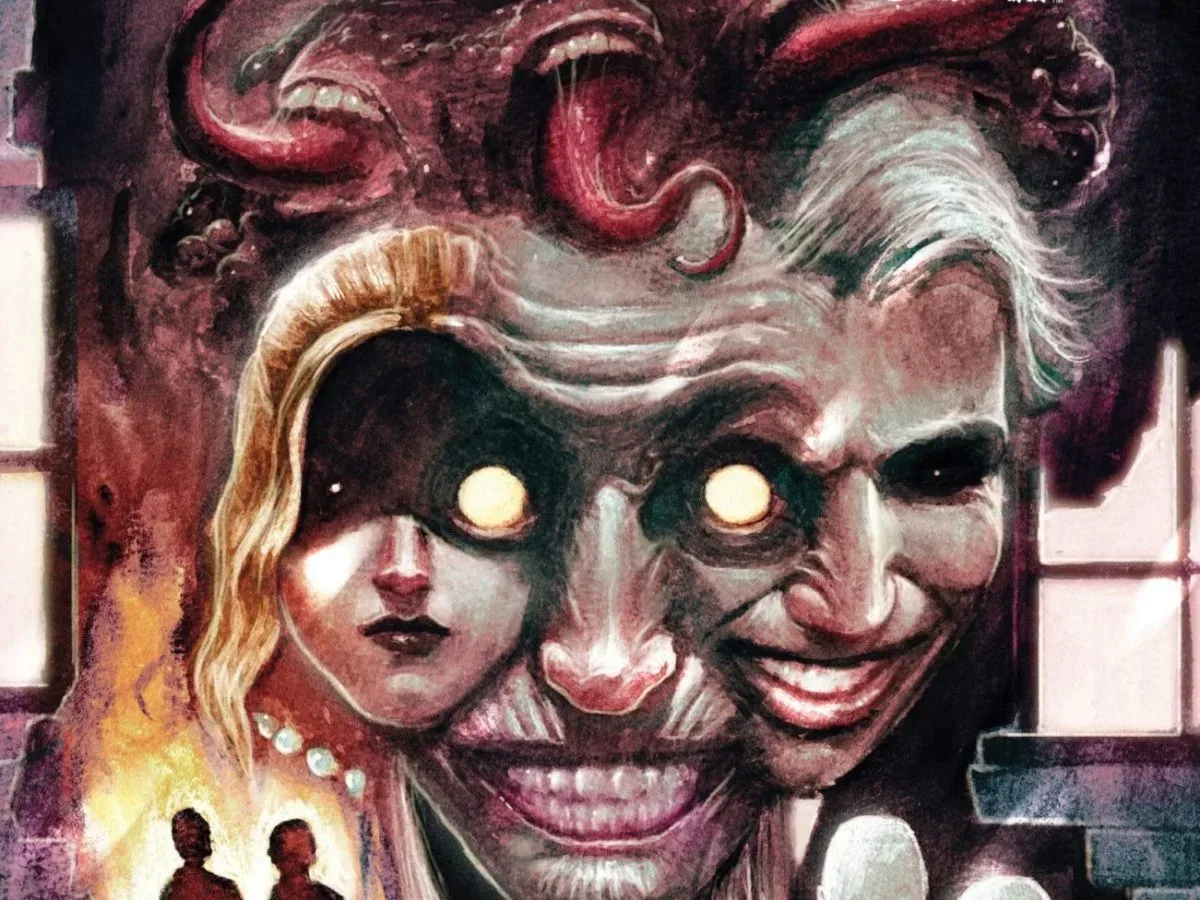
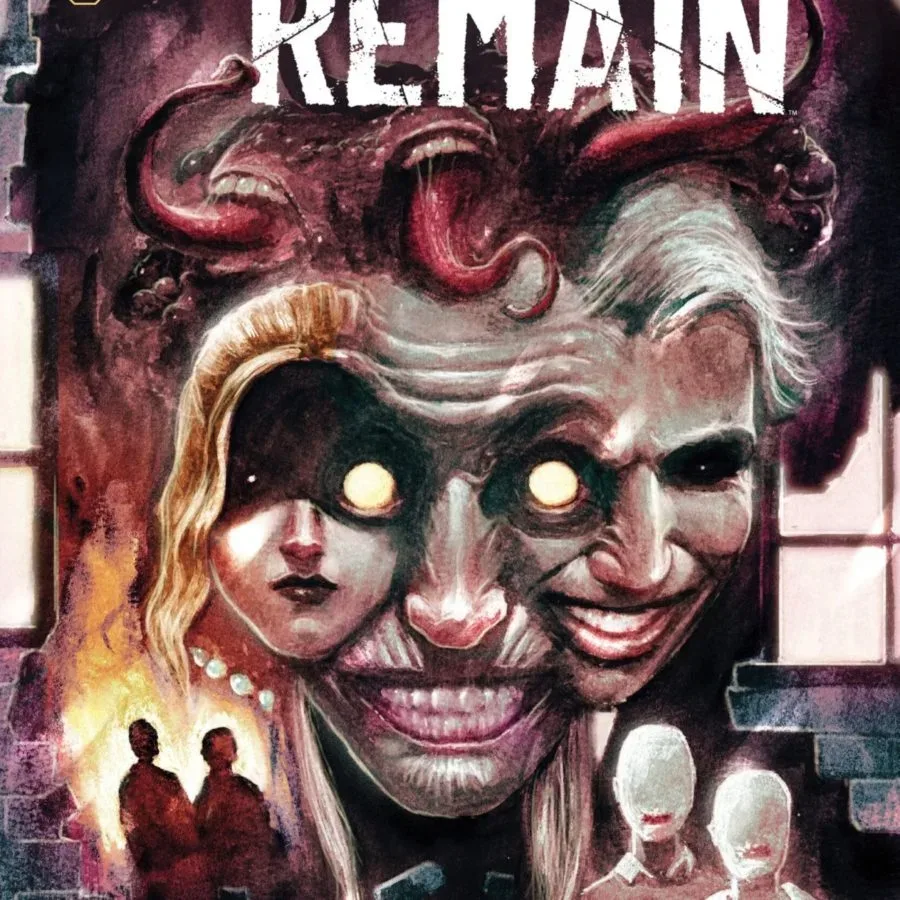
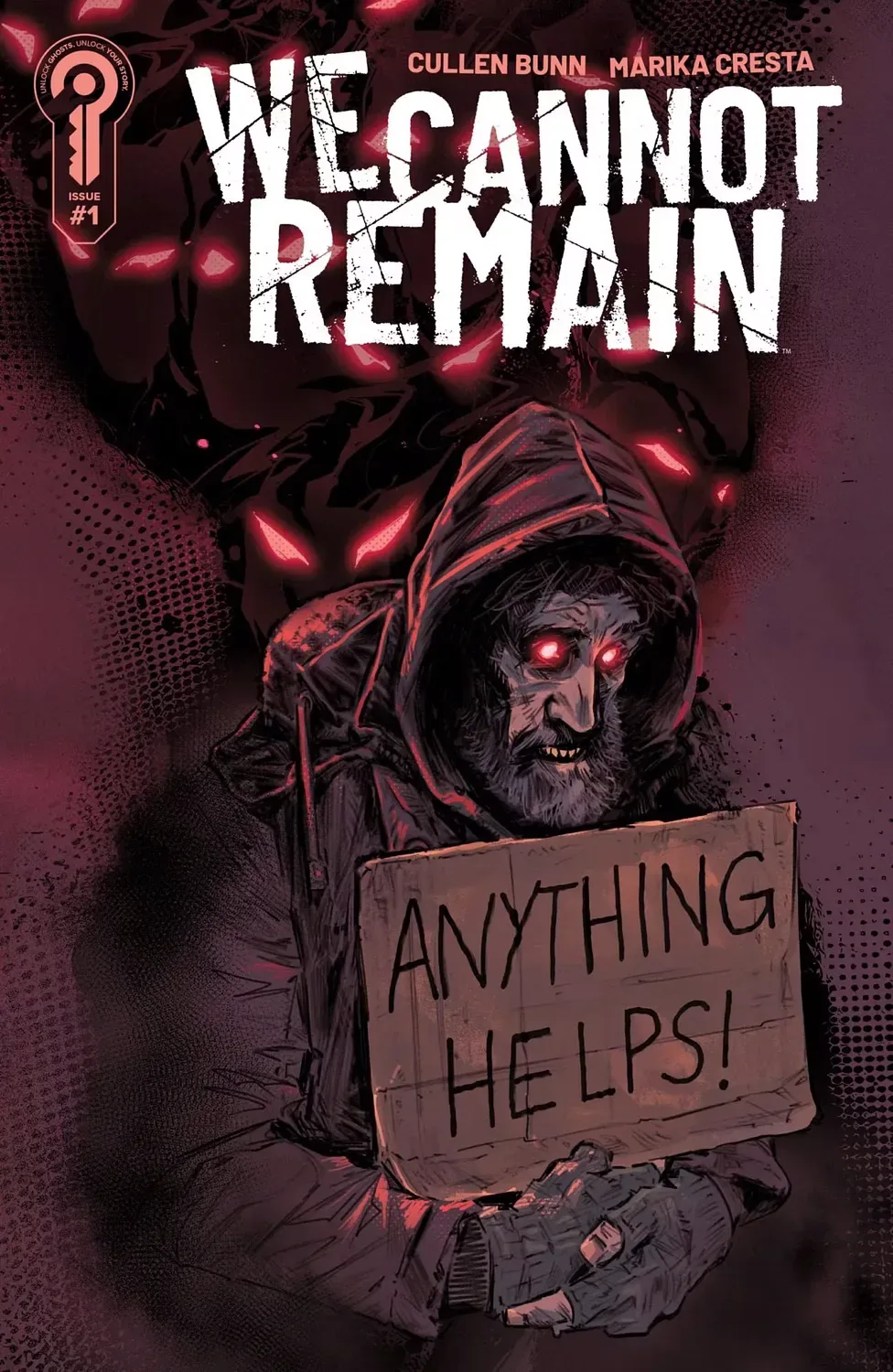
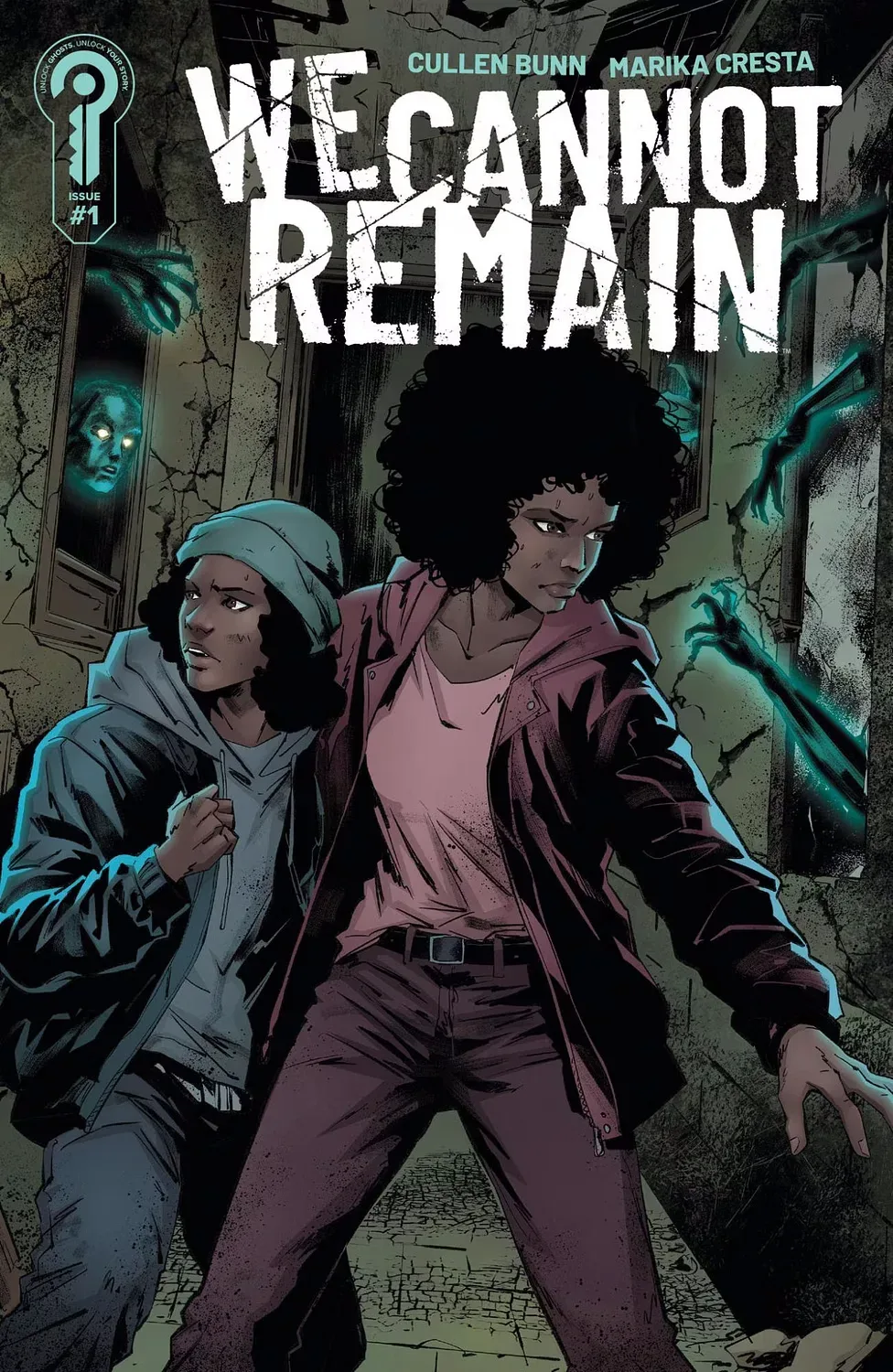
We Cannot Remain #1 is written by Cullen Bunn, illustrated by Marika Cresta and colored by Ronda Pattison. The debut issue will have covers by Cresta, Joëlle Jones, Andrew K. Currey and John Pearson.
Multiple covers give readers several visual entry points into a first issue, though the available information does not identify their specific cover concepts or variants. Cresta’s participation in both the interior art team and cover lineup is particularly fitting for a premiere issue: her visual interpretation will help establish the series’ setting and mood from the first page to the front cover.
Color is especially consequential in a building-based ghost story. Pattison’s credited role signals that the book’s atmosphere will be shaped by more than linework alone. Color can differentiate floors, mark shifts between ordinary and supernatural space, or make the same hallway feel different as a haunting takes hold. None of those techniques have been specifically confirmed for this comic, but they illustrate why the colorist is a core creative credit in a project built around location, dread and spectral presence.
What is confirmed for January 2027
The confirmed release window is January 2027 for We Cannot Remain #1. No issue count, collected-edition plan, pricing, retailer information, or release schedule beyond the first issue’s month has been provided in the available details. Readers should be cautious about assuming the number of installments or the nature of the larger mythology until further information is released.
Ignition Press was founded in July 2024 by Eric Gitter as CEO, Filip Sablik as publisher, Jamie S. Rich as editor-in-chief, and Jeremy Haun as creative director. The publisher began releasing creator-driven original series in the middle of 2025, and We Cannot Remain joins its developing 2027 slate. For another upcoming 2027 comic project connected to that wider slate, see The Caretaker’s cosmic sci-fi mission.
For now, the most compelling part of We Cannot Remain is the tension in its title and premise alike. Its characters cannot safely remain where they were, yet the place they turn to may make remaining there just as perilous. Bunn, Cresta and Pattison have a stark horror engine to explore: a building that offers shelter only by drawing vulnerable people into the fears—and unfinished desires—waiting inside it.