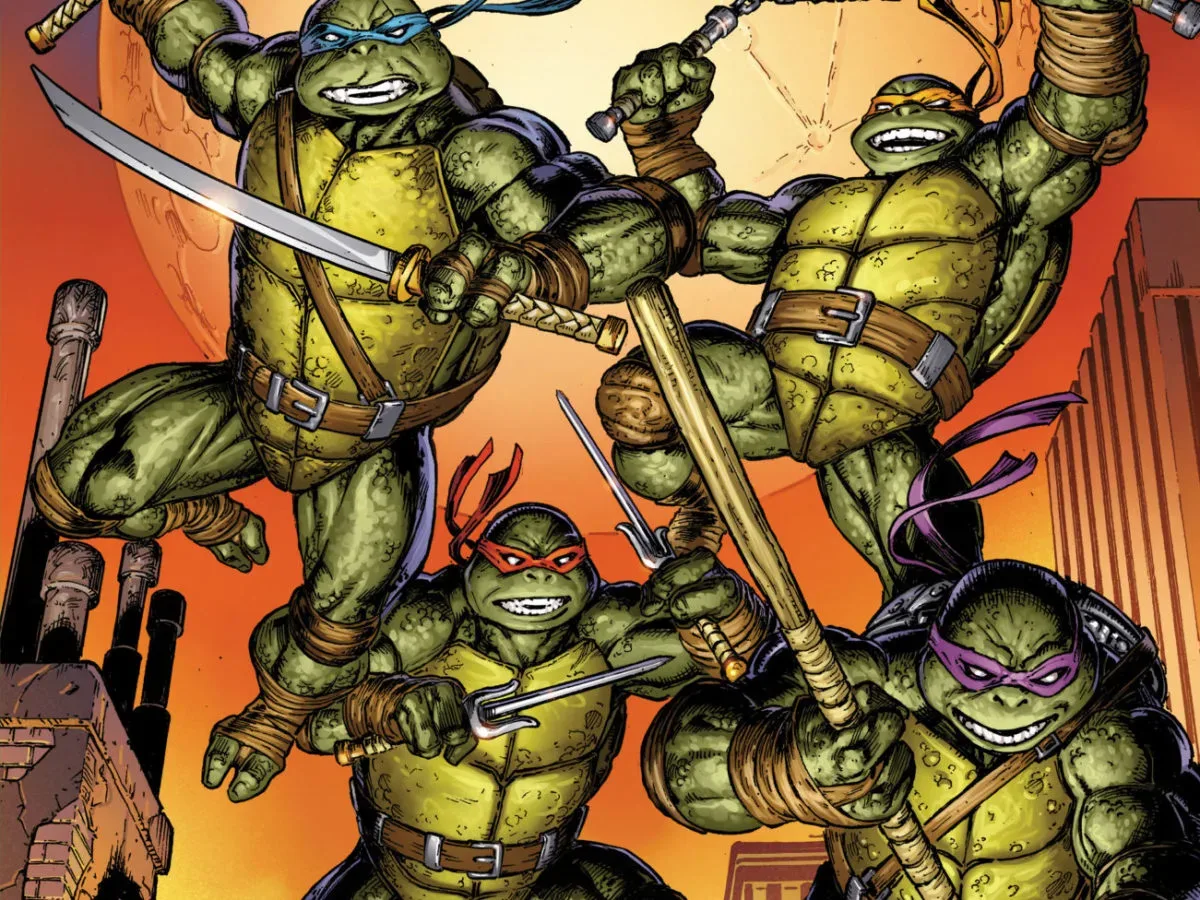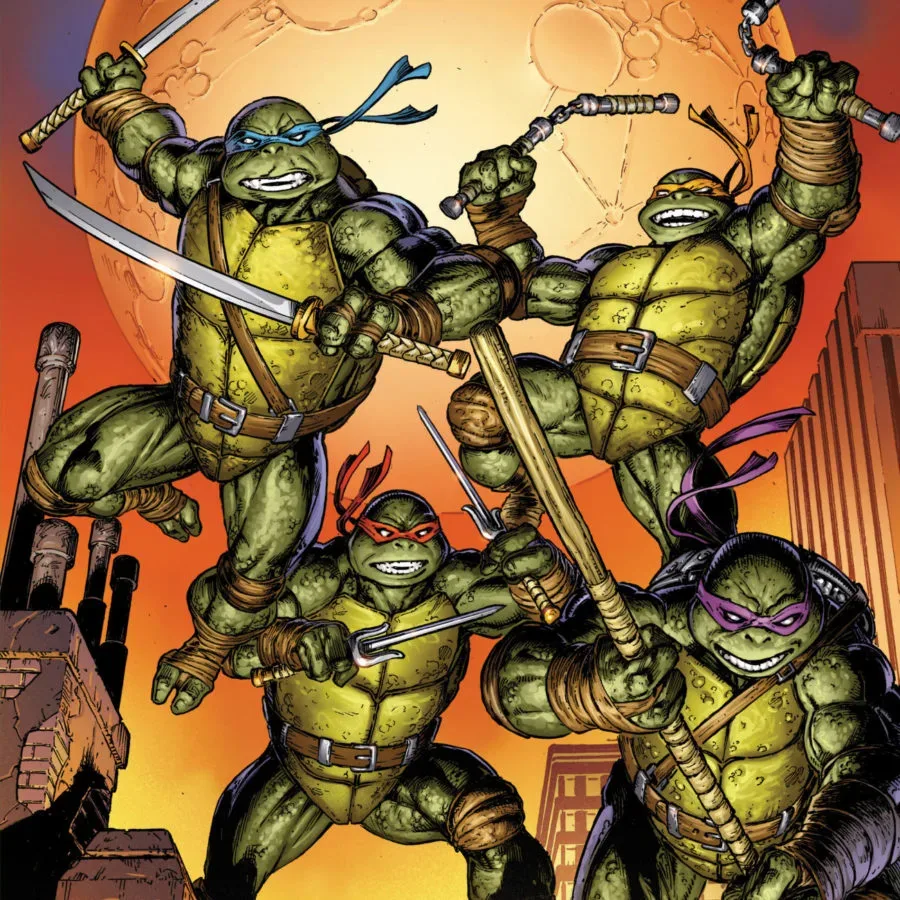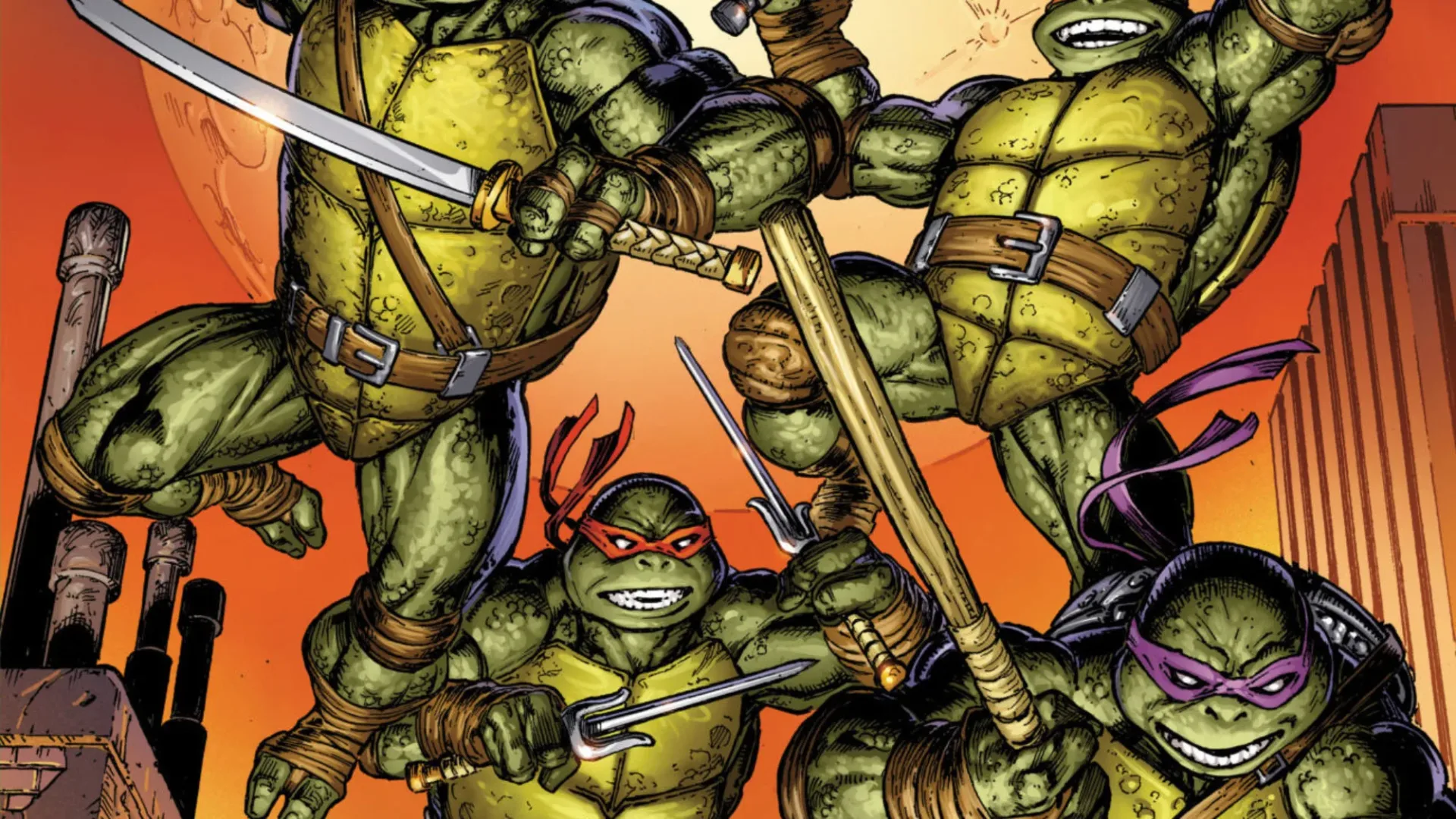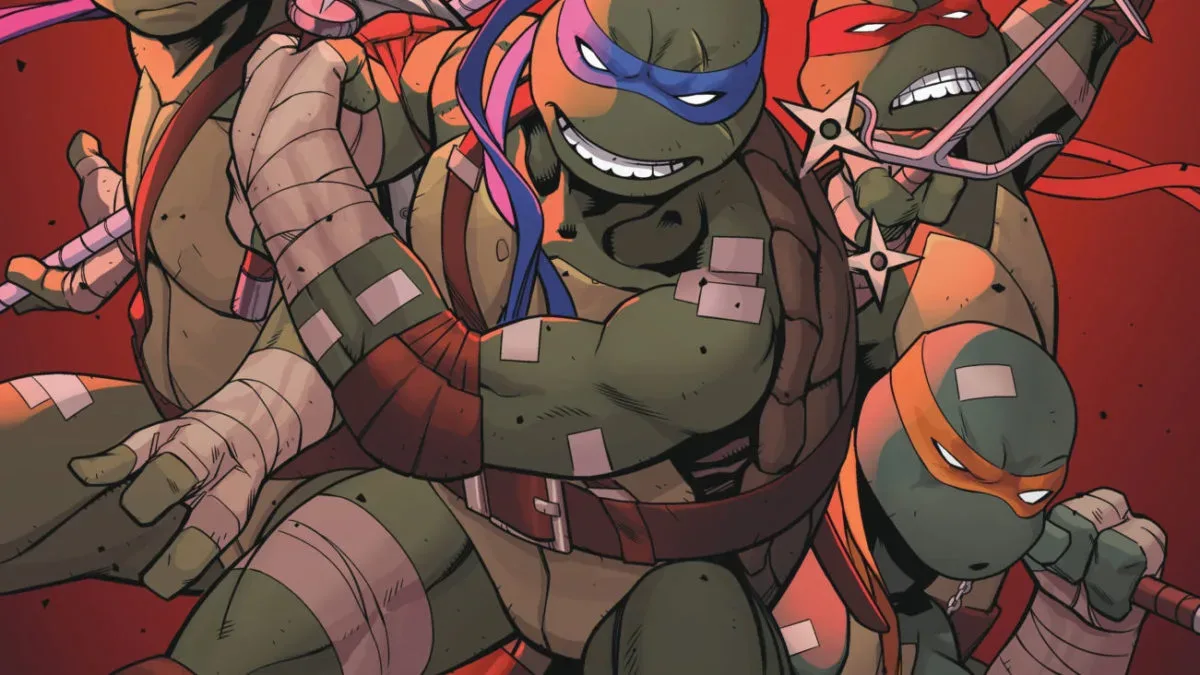
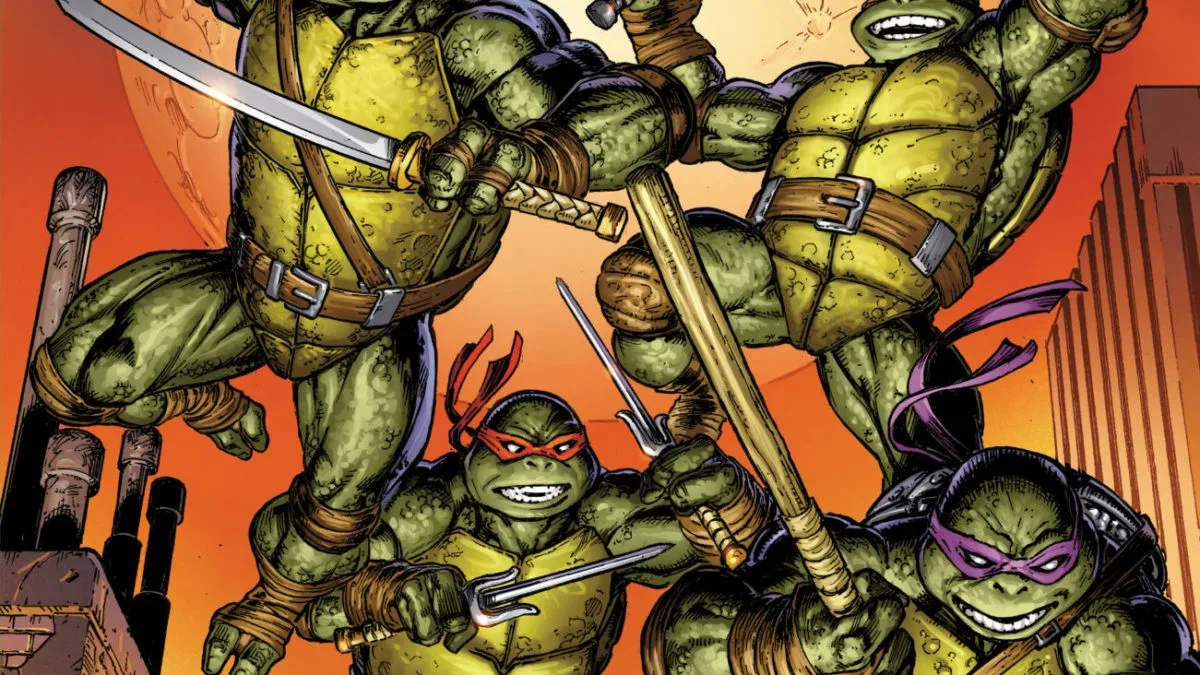
Teenage Mutant Ninja Turtles #25 is positioned as a major reset point for IDW’s flagship Turtles comic. Written by Matthew Rosenberg with art by Juann Cabal, the issue begins a new creative era on January 13, 2027—and it does so by putting the Heroes in a Half-Shell into an all-out conflict spread across New York City.
The official setup calls the story arc War All the Time. Following the events of The City That Never Dies, New York has apparently become unnervingly quiet. That calm will not last: a resurrected enemy is coming for the Turtles, while a vast group of villains turns the city itself into a battlefield.
That is a useful distinction for prospective readers. This is not being presented as a small, isolated mission or a slow-burning first chapter. Issue #25 is being framed as the starting bell for a large-scale story: one city, numerous adversaries, and a conflict intended to be the biggest fight in the series’ history.
A New Team, With New York as More Than a Backdrop
Rosenberg takes over the main Teenage Mutant Ninja Turtles book with #25, joined by Cabal on interior art. The planned setting matters here. Rosenberg was born and raised in New York City and still lives there, and the issue is expressly intended as a celebration of the city. The Turtles’ battles will move through the subway system and across multiple boroughs rather than remaining confined to a single hideout, rooftop, or villain base.
For a franchise whose core identity has long been tied to New York, that approach potentially gives the book a clear organizing idea. The city is not simply the place where the action happens; it is the terrain of the story. Subways, boroughs, crowds, streets, and whatever trouble arrives from above or below ground can all influence how the Turtles move and fight.
Rosenberg has described the intended tone as an over-the-top, brutal, and fun tribute to the many ingredients that make TMNT work: outsized foes, punishing brawls, high stakes, and the dysfunctional but loving relationship between four weapon-wielding brothers. He pointed to 1970s and 1980s New York adventure stories, martial-arts action films, and unconventional coming-of-age comedies as touchstones for the blend.
Those references should be read as creative intentions rather than promises that the comic will reproduce any one prior work. Still, they clarify the target: a kinetic urban adventure with a rougher action edge, but one that has room for the strange humor and family friction that distinguish Leonardo, Raphael, Donatello, and Michelangelo from a more straightforward team of street-level vigilantes.
What Is Known About the Threat
The solicitation is direct on the broad strokes. A newly resurrected old enemy wants to make trouble for the Turtles, and “countless villains” are involved. The supplied reporting identifies that returning foe as Shredder, coming back from Hell with revenge on his mind. It also describes unseen inked pages featuring a message that may be from Shredder.
There is an important degree of uncertainty within that last detail. The material reportedly suggests the speaker may be Shredder, rather than conclusively establishing the identity of the figure behind the note. Readers should therefore separate the official description of a resurrected enemy from interpretation of preview material. What is firmly established by the issue’s promotion is the scale of the attack and the fact that it is designed to bring a familiar adversary back into the Turtles’ lives.
That setup is particularly appropriate for a #25 issue. In serialized comics, a numbered milestone is often used as an accessible entry point, a creative handoff, or both. Here, the issue appears to be serving all three functions: it launches Rosenberg and Cabal’s run, opens a named storyline, and escalates the cast of enemies around a single citywide premise.
“War All the Time” and the Meaning of a Citywide Story
A citywide war is different from merely having a large villain roster. It implies that the Turtles cannot solve the problem by locating one target and winning one showdown. If the book follows its stated premise, the pressure will come from the sense that danger can emerge throughout the city and that movement between locations is part of the narrative engine.
The subway emphasis is especially fitting for TMNT’s visual language. Underground spaces naturally connect to the Turtles’ association with sewers and hidden routes, but public transit also links neighborhoods that might otherwise feel disconnected. A fight that travels through those spaces can make New York feel broad and lived-in while still keeping the action close, crowded, and immediate.
The official language also emphasizes a huge lineup of villains. That can create a simple practical appeal for lapsed readers: an issue built around many threats may offer a broad sample of the franchise’s antagonists without requiring each of them to become the sole focus. The potential challenge, of course, is maintaining the emotional center. Rosenberg’s stated focus on the brothers’ bickering and affection suggests the creative team sees the family dynamic as the anchor amid the larger spectacle.
In other words, the premise is not just “more enemies.” It is a test of how the Turtles function when their central traits—training, weapons, humor, sibling rivalry, loyalty, and familiarity with the city—are all placed under pressure at once.
How This Connects to the Wider TMNT Line
The new flagship chapter arrives while the broader TMNT publishing line continues to involve Shredder. Dan Watters is expected to finish his run as writer of TMNT: Shredder with issue #18 in March. However, Watters is also expected to remain involved in the TMNT universe in a capacity connected to Shredder.
That does not confirm the nature of any story connection between the flagship series and TMNT: Shredder. There is no supplied indication of a crossover, a reading order, or a specific project after issue #18. It does, however, show that Shredder remains a key piece of the line at a time when the main series is building its new conflict around a resurrected longstanding enemy.
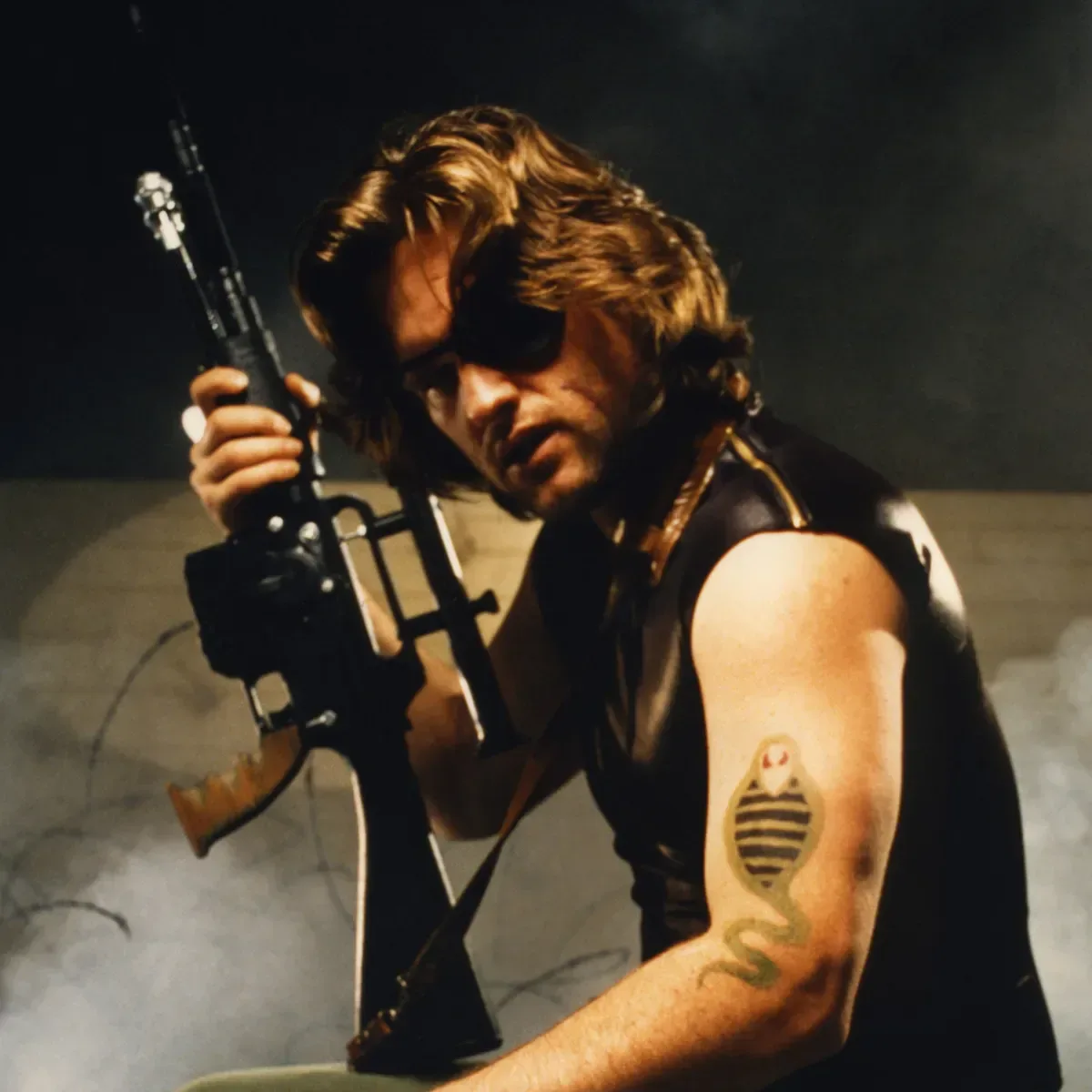
For readers watching the broader comics landscape, the city-focused inspirations also have an interesting thematic overlap with another New York survival story in popular culture. John Carpenter’s work on a new score for an reworking of Escape From New York underscores how enduring the city remains as a setting for heightened genre action. TMNT #25 is pursuing its own very different, mutant-and-ninja version of that urban energy.
Release Details and What Readers Can Expect
Teenage Mutant Ninja Turtles #25 is scheduled to go on sale January 13, 2027, with a listed price of $4.99. The final order cutoff is November 30, 2026. A Mark Bagley variant cover has also been noted.
- Title: Teenage Mutant Ninja Turtles #25
- Writer: Matthew Rosenberg
- Artist: Juann Cabal
- Story arc: War All the Time
- On-sale date: January 13, 2027
- Final order cutoff: November 30, 2026
- Price: $4.99
For regular comic-shop customers, the cutoff is the actionable date: it is the point by which readers can ask their shop to order a copy. That does not mean copies cannot be found later, but it is the clearest way to signal interest before shop orders are finalized.
The larger attraction is the shape of the launch. Rosenberg and Cabal are not easing into a quiet status-quo story. Their opening issue appears built to make a loud declaration of purpose: the Turtles in New York, facing a revived threat and a crowd of villains, with hard-hitting martial-arts action and their famously unruly brotherhood intact. Whether the mysterious returning enemy is revealed exactly as suggested by the reported material is a question for the comic itself, but the scope of the opening move is already clear.