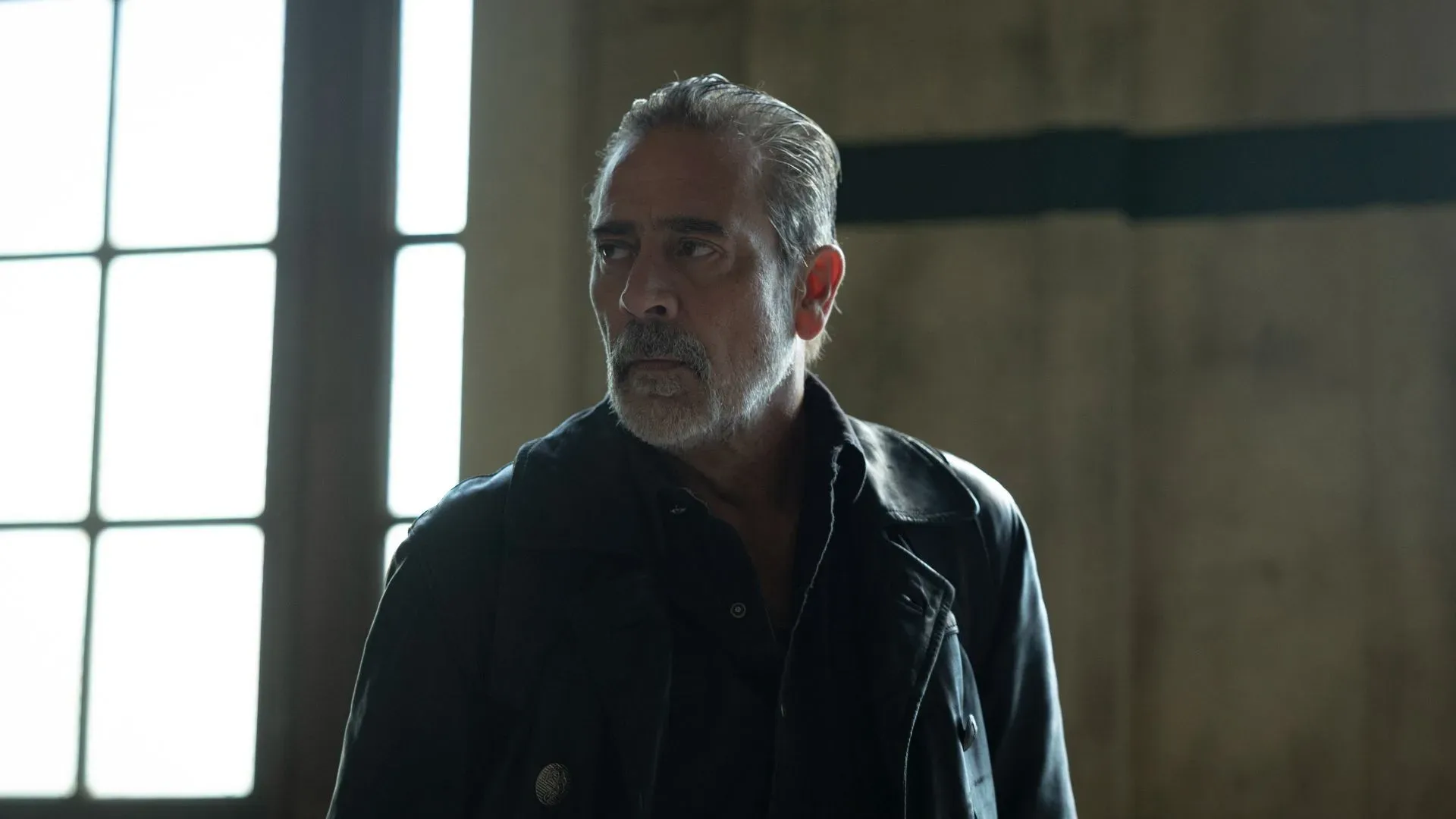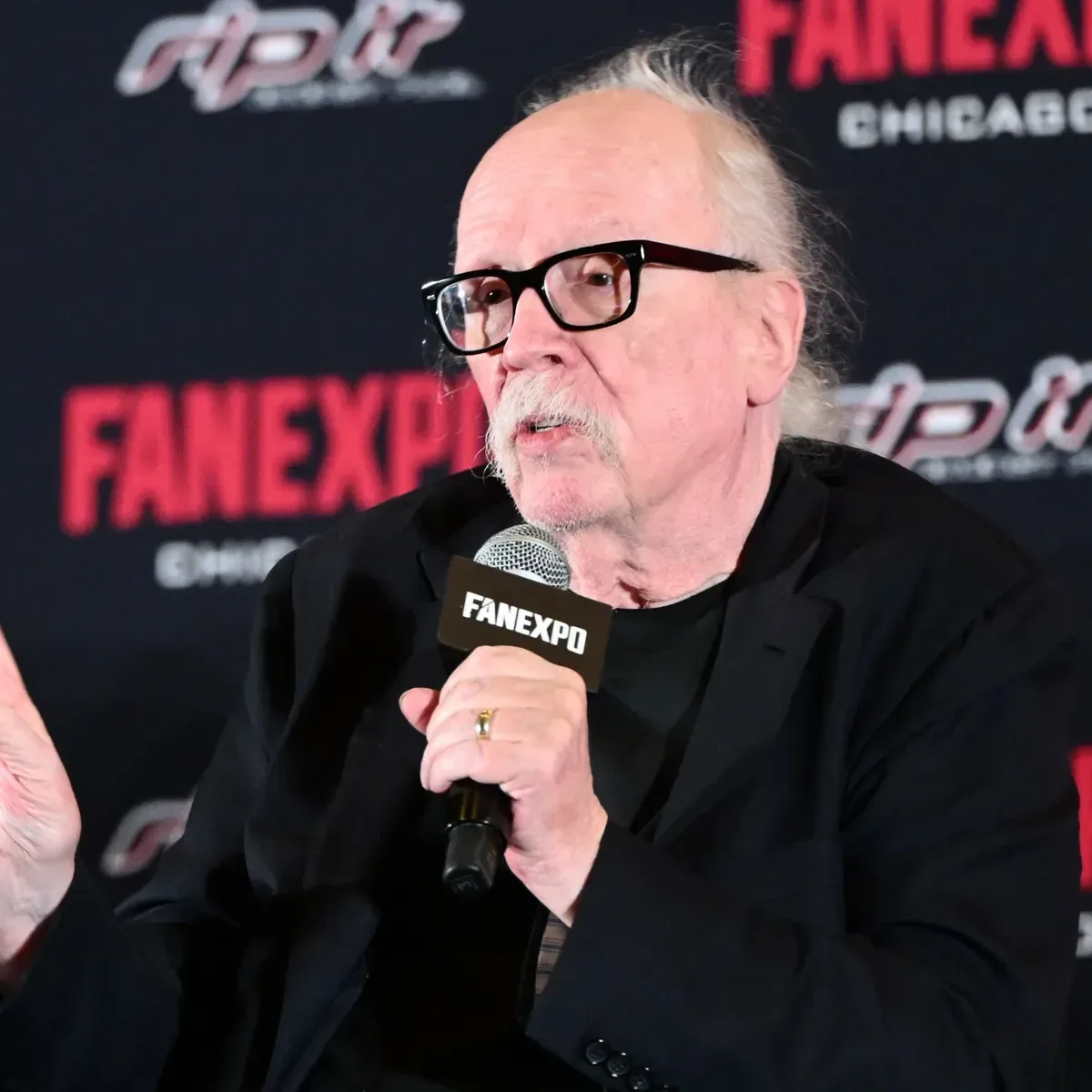
John Carpenter will have a creative role in Zack Snyder’s planned Escape From New York remake: the filmmaker and composer says he will create a newly remade score rather than simply having the production reuse the music from the 1981 film.
Carpenter made the point plainly in a podcast appearance, saying,
“I demanded to be the composer … and they’re not going to use my score, we’re going to remake the score.”
That distinction matters. A reused score would place Carpenter’s earlier recordings into a new film. A remade score means he is involved in shaping a fresh musical version for Snyder’s project. Precisely how closely the new music will follow the original themes, what form the collaboration will take, and when audiences might hear it remain unknown.
A foundational creative voice returns
Carpenter was not merely attached to the 1981 Escape From New York. He directed, co-wrote and scored it. His return as composer therefore brings one of the original film’s central creative voices into the remake at a time when many key details are still unannounced.
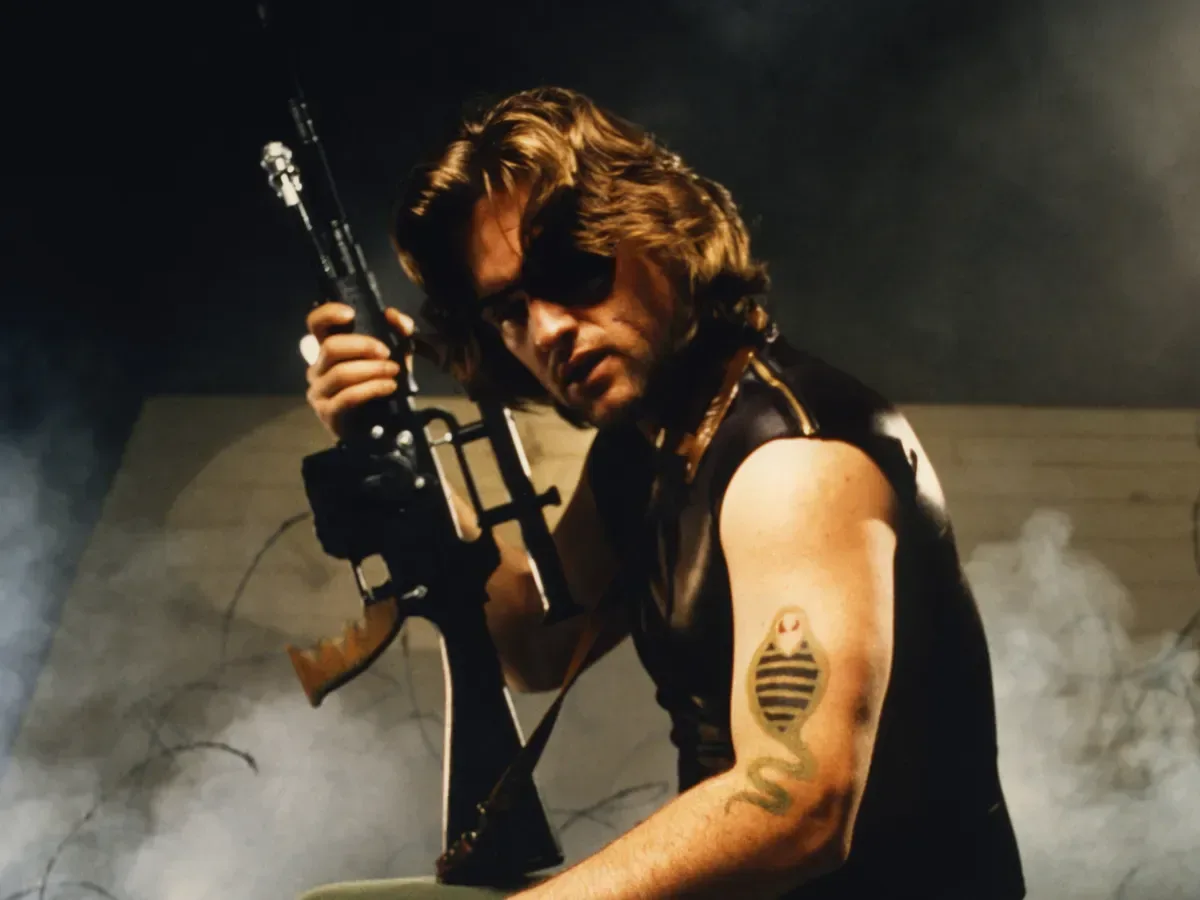
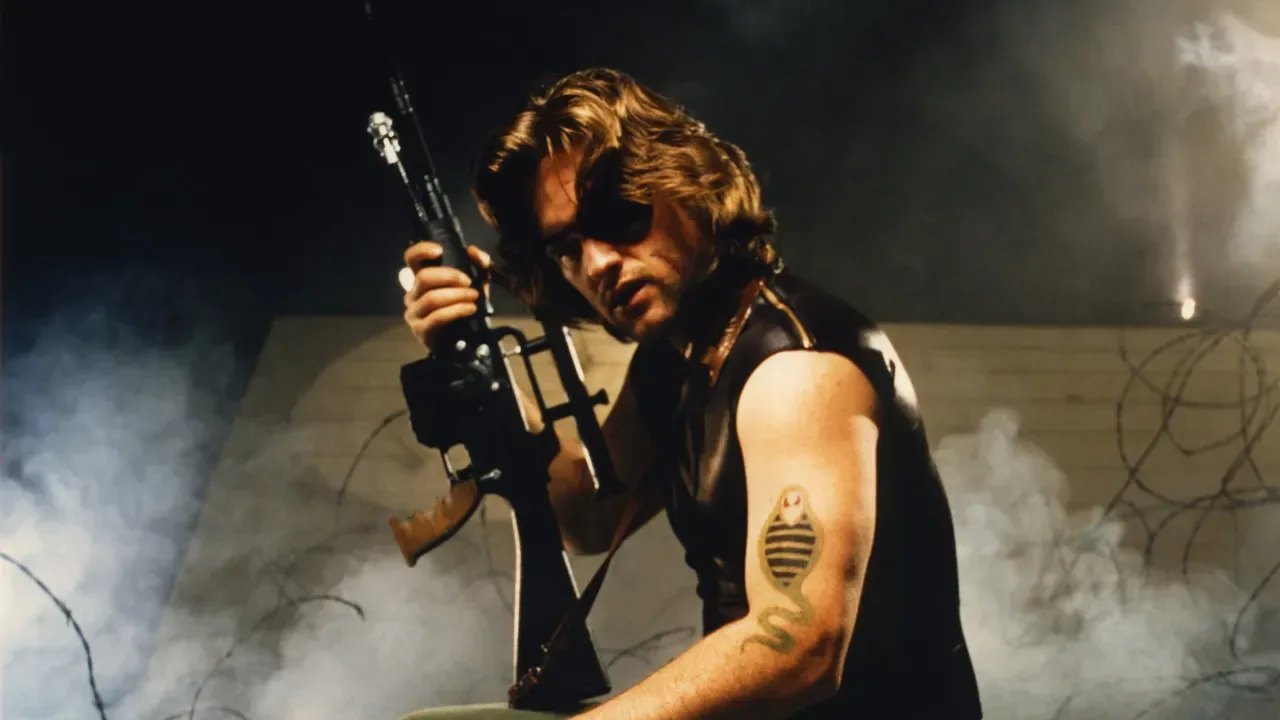
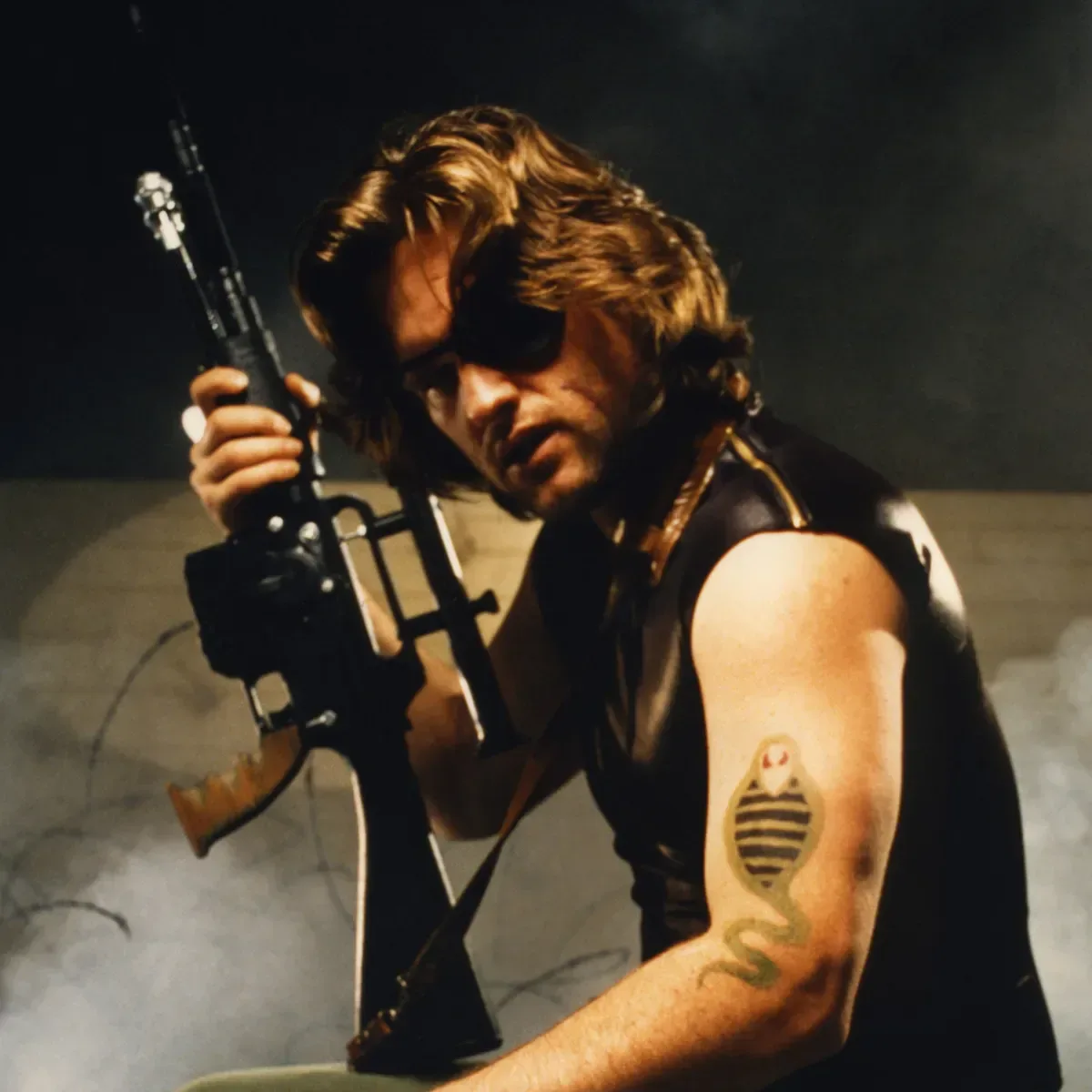
The original starred Kurt Russell as Snake Plissken, an ex-special forces soldier compelled to undertake a 24-hour rescue mission for the President of the United States. Its Manhattan has been transformed into an enormous maximum-security prison. Snake is sent inside to retrieve the President, while explosives implanted in his body impose a brutal deadline on both the mission and his attempt to escape.
That premise is inseparable from the film’s atmosphere: a future city treated as a hostile, sealed-off landscape; a protagonist moving against the clock; and a sense that the institutions supposedly maintaining order are part of the danger. Music has an unusually important job in a story built from pressure, isolation and forward motion. It has to support the dystopian setting without softening the urgency of Snake’s situation.
Carpenter’s stated involvement does not tell viewers whether the remake will preserve particular compositions, rework familiar motifs, or take a substantially different sonic route. It does establish the basic intent: this is not a matter of dropping the original score into a new cut. The score itself is being revisited.
What “remaking the score” can mean
Film music is often described casually as a soundtrack, but the terms can cover different things. A score is the music composed to serve the dramatic action and mood of a film. It may identify characters or places, regulate the pace of a scene, make a setting feel unstable, or signal an approaching turn in the story. A soundtrack, in broader everyday usage, can also include pre-existing songs and other recorded music used in a film.
Carpenter’s comments specifically concern the score. That makes the news less about nostalgia alone and more about authorship. The 1981 film’s director, co-writer and composer is returning to one of its defining components, but has said the new production will receive a new version rather than an untouched reuse of the old work.
For a remake, this approach could offer a useful middle path. The project can acknowledge the original’s musical identity while allowing the score to respond to a different director, cast, edit and staging. Those details are not yet public, so any prediction about the music’s exact style would be premature. Still, Carpenter’s involvement gives the remake a direct artistic connection to the first film that goes beyond its title and premise.
It is also worth separating confirmed information from expectation. Carpenter has confirmed his own intention to compose the remade score. No supplied details establish a release date, production timetable, musical collaborators, track list, recording format, or whether the audience will hear recognizable arrangements from the 1981 picture. Fans should treat those questions as open rather than filling in the blanks from the original.
Carpenter has continued working in music
Although Carpenter has not directed a new film for some time, he has remained active as a composer. His recent scoring work includes David Gordon Green’s Halloween trilogy and the 2022 adaptation of Stephen King’s Firestarter. He also toured in 2025, performing many of his well-known film compositions live.
That recent activity gives important context to the Escape From New York news. The role is not framed as a one-off symbolic credit detached from his current work. Carpenter has continued making and performing screen music, and now intends to revisit a property for which music was part of his original authorship.
The assignment also creates an interesting creative challenge. A remake cannot simply replicate the conditions of 1981, even when it deliberately returns to the same imagined year. The score must function inside Snyder’s movie, with its own performances and construction, while carrying the weight of a film whose sound is already closely associated with Carpenter. A new score can be recognizably connected to an older one without becoming a museum piece; the balance between those goals is likely to be one of the project’s most closely watched elements.
Snyder’s setting keeps the original’s unusual time perspective
News of Snyder’s remake first emerged in June 2026, and much about the film has yet to be disclosed. Casting is among the biggest unanswered questions, including who will play Snake Plissken. Wyatt Russell, who appears in The New Avengers and is Kurt Russell’s son, has already ruled himself out as a replacement for his father.
Snyder has, however, outlined a key part of the remake’s concept. The story will again be set in a dystopian version of 1997, viewed through a 1981 perspective. He has said that the conflict between a United States police force and criminal elements begins on July 9, 1981—the release date of the original film—before the narrative becomes, in his words, “pretty much Escape from New York.”
That framing preserves one of the original’s most distinctive qualities. Rather than update the premise into a forecast about the present day or a distant future, the remake plans to retain a past vision of what 1997 might have looked like. It is a deliberate act of period imagination: a new movie looking back at an old movie’s imagined tomorrow.
For the score, that premise raises an obvious but unresolved question. If the film is maintaining the original’s 1981-to-1997 viewpoint, will its music emphasize continuity with that perspective, or will it find a different way to express it? Carpenter’s confirmation offers no answer yet. What it does mean is that the person who helped define the first film’s musical language will be directly involved in deciding how its new version sounds.
Why this is more substantial than a legacy credit
Legacy creators can be associated with remakes in many ways, from acknowledgments to producer titles to cameo appearances. Composing the score is more concrete. It places Carpenter’s work in the finished film itself, contributing to how scenes build tension and how the remake establishes its world.
That does not settle the broader question of how closely Snyder’s film will resemble Carpenter’s beyond the confirmed setting and basic premise. Nor does it guarantee a particular reception. But it changes the conversation around the project in a meaningful way: the remake will not be musically severed from the person who wrote, directed and scored the 1981 original.
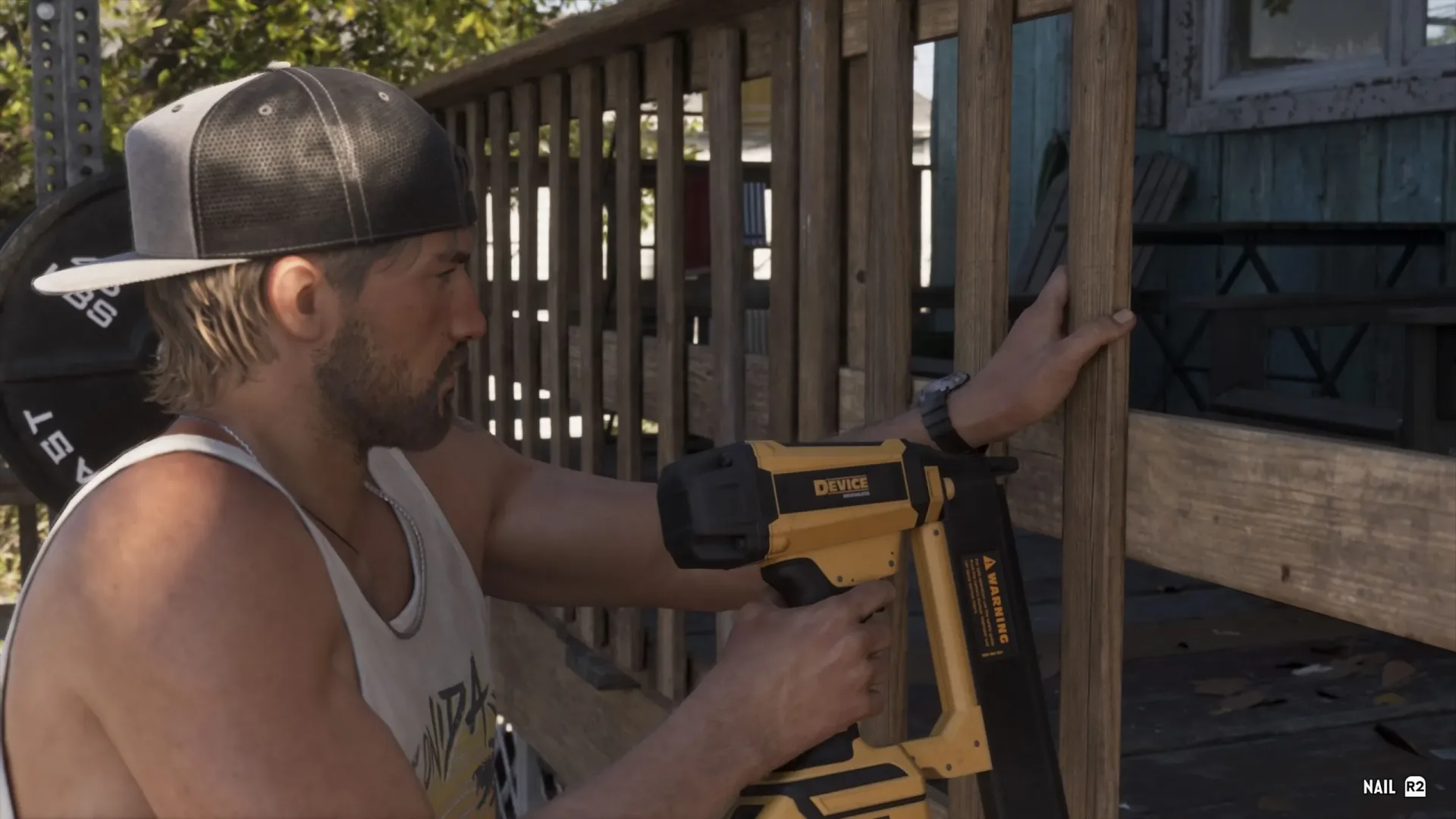
There is a useful parallel, in a different medium, in the way audiences discuss atmosphere and everyday-world detail in major interactive releases; Joking Joystick recently covered why some players have described GTA 6’s simulation as “the Shenmue of 2026”. In both cases, expectations often extend beyond plot mechanics to the texture of a world. For Escape From New York, Carpenter’s renewed musical role is one of the few confirmed creative details that speaks directly to that texture.
Until more is revealed, the clearest takeaway is also the simplest: Snyder’s Escape From New York is moving forward with Carpenter involved, and Carpenter says the production will receive a newly remade score rather than a reuse of his original recordings.