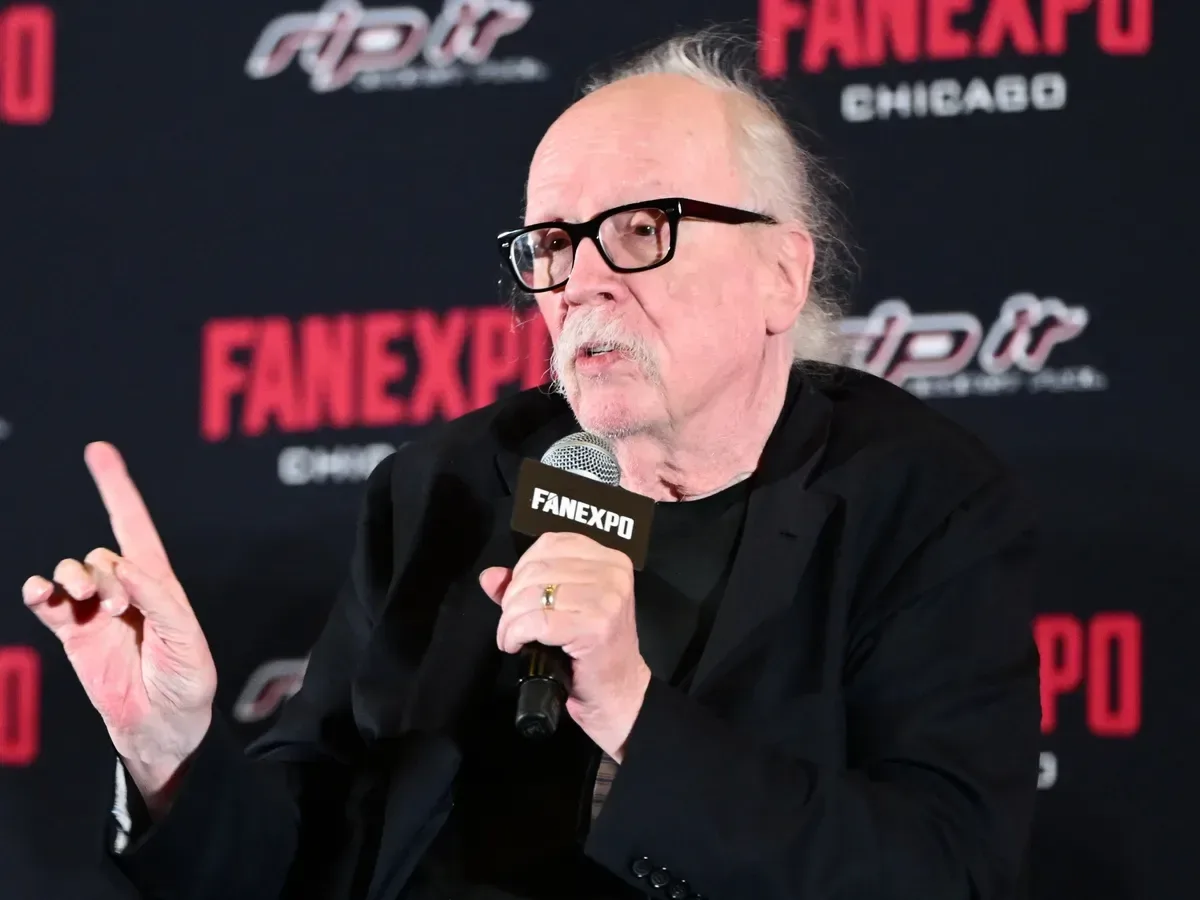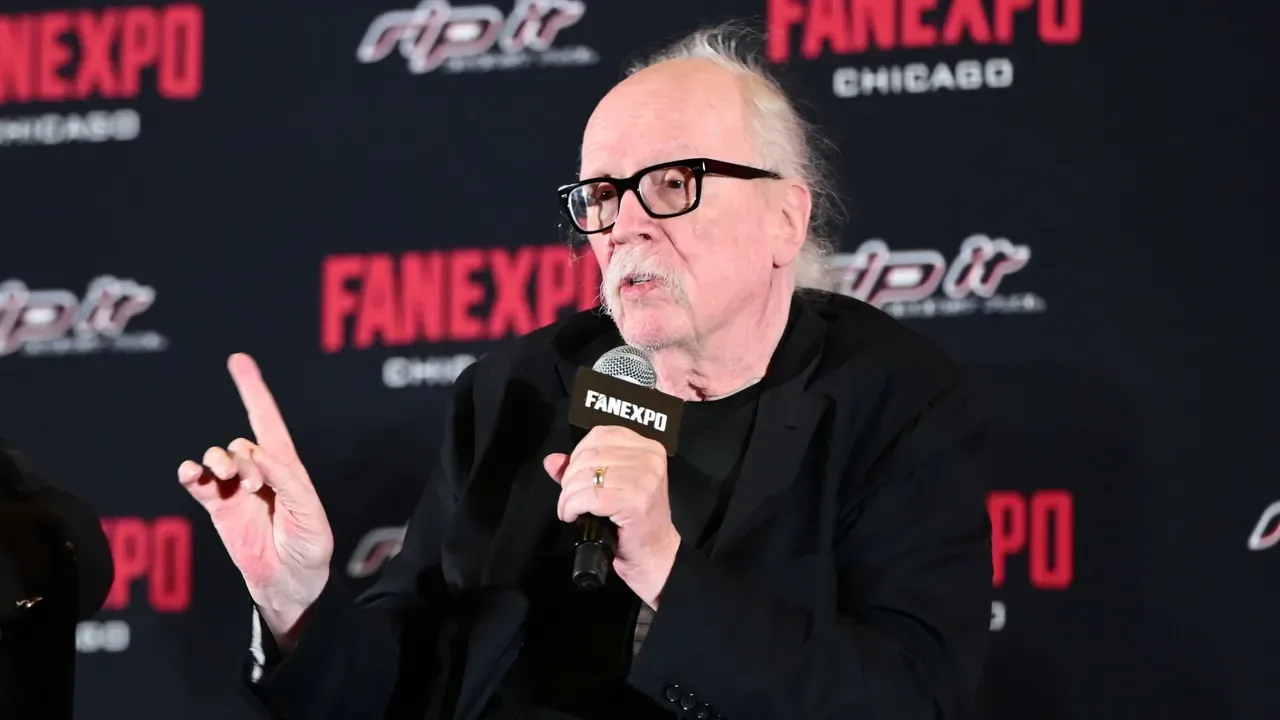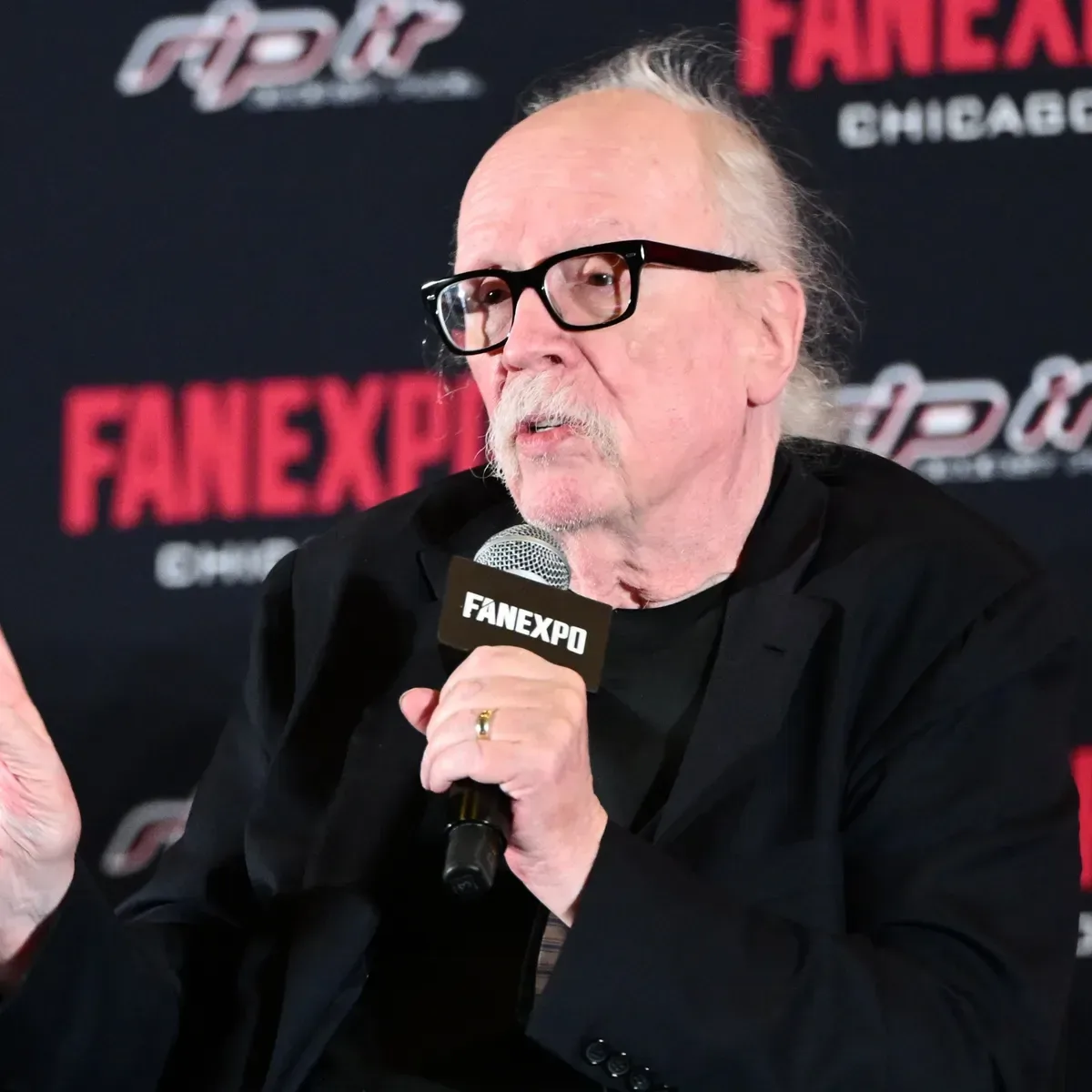
John Carpenter has never been especially interested in sanding down an opinion until it becomes convention-safe. At a recent Chicago convention panel, the filmmaker dismissed 2011’s The Thing in memorably blunt terms, singling out its digital creature effects and its “dental test” as a particularly baffling substitute for the famous blood-test sequence in his 1982 film.
Kurt Russell, who starred in Carpenter’s The Thing, offered the room a neat explanation for the director’s candor: Carpenter does not have much patience for foolishness. Yet the comments have also reignited a more complicated discussion around the 2011 movie. Its poor reputation is real, supported by weak critical and audience aggregates, a $31.5 million worldwide box office total, and a 5/10 critical assessment that objected to its effects-heavy finale. But a portion of viewers argue that the finished film should not be treated as a simple case of creators failing to understand what made the 1982 classic work.
Instead, their central argument is that the prequel may be a record of a production caught between two effects eras. Its director, Matthijs van Heijningen Jr., has since expressed regret over the choice to move further toward computer-generated imagery in post-production. That does not transform the theatrical cut into a hidden masterpiece. It does, however, make Carpenter’s broadside a useful prompt for revisiting why the movie looks and feels the way it does.
A prequel with a confusingly sequel-like title
The 2011 The Thing is a direct prequel to Carpenter’s 1982 film of the same name, rather than a remake of it. It follows Norwegian scientists at an Antarctic research station after they uncover a parasitic alien trapped in ice. Its story is built to lead into the earlier film’s setting and events, which helps explain why Carpenter referred to it as the “Norwegian camp” movie during the panel.
That framing brought an immediate creative problem. Carpenter’s film is deeply admired, so any story that circles its events risks being judged not only on its own scares but on whether it preserves the mystery, tension and texture viewers associate with the 1982 movie. Van Heijningen Jr. directed the 2011 production from a script by Eric Heisserer. The project ultimately earned a 34% critics’ score and a 43% audience score on Rotten Tomatoes.
Carpenter’s criticism zeroed in on two choices. First was the use of digital effects. Second was the prequel’s attempt to create its own diagnostic scene, using teeth rather than blood. The blood test in Carpenter’s movie is remembered because it turns suspicion into an awful, contained experiment: every character becomes a possible monster, and the scene’s tension comes from watching trust collapse in real time. A dental test is not inherently an invalid horror-device idea, but it invites comparison with one of the most celebrated set pieces in the earlier film. Carpenter plainly sees that comparison as a losing one.
The practical-effects argument, explained
The defense of the 2011 movie is not really an argument that computer-generated imagery is automatically bad or that practical effects are automatically good. It is an argument about fit.
Practical effects are physical elements photographed on set: creature models, prosthetics, animatronics and mechanical rigs. CGI, or computer-generated imagery, is visual material created or substantially altered in post-production. In creature horror, the distinction can affect much more than appearance. Physical effects can give performers an object or mechanism to react to, while computer-generated additions can enable transformations and movements that would be difficult to build in the real world.
Fans defending the 2011 film contend that its production initially made extensive use of practical creature work from Amalgamated Dynamics, only for much of that material to be replaced or covered with CGI after studio and production decisions. Their frustration is specifically directed at a perceived mismatch: a prequel to a film celebrated for tactile, grotesque transformations ultimately leaning on digital effects that some viewers found less convincing.
That complaint closely overlaps with the 5/10 assessment of the theatrical film. It argued that the visual effects moved into excessive gore, that some face-morphing moments became unintentionally silly rather than frightening, and that the final act abandoned suspense for a less distinctive computer-generated monster chase. The important point is not that every digital image fails. It is that horror depends heavily on whether an audience accepts what it sees as physically present, dangerous and unpredictable.
Van Heijningen Jr.’s later comments lend significant weight to the production-history side of that critique. In 2023, he said the film landed in an awkward transitional zone: animatronics were treated as old-fashioned while CGI had not reached the standard needed for the intended result. He called the post-production choice to make the creature design in the computer a mistake and said he regretted it.
That is a more precise diagnosis than simply saying the movie has “bad CGI.” It suggests competing assumptions about what audiences wanted at the time. The practical work was reportedly considered too dated or too reminiscent of an 1980s movie. Yet the 1982 film’s connection to that era is not incidental decoration; its tangible effects are part of its identity. In this case, moving away from the earlier movie’s aesthetic may have removed one of the clearest ways the prequel could have earned audience confidence.
Why Carpenter’s judgment and the fan defense can coexist
Carpenter’s reaction is understandable on the evidence of the released movie. The director made the film against which the prequel is inevitably measured, and he dislikes the visual direction it took. His comments do not need to be softened into a technical lecture: he thinks the result was bad, and he said so.
At the same time, the fans defending the 2011 production are making a separate claim. They are not necessarily disputing its box-office outcome, its reception, or the shortcomings of its final effects. They are suggesting that responsibility should be distributed carefully among the director, creature-effects artists and the wider production decisions that reshaped the film in post.
That distinction matters because “the movie” is not always the same thing as every version of its development. Van Heijningen Jr. has acknowledged the misstep. His own comments also show that he understood the scale of the challenge: Carpenter’s version was so highly regarded that many fans saw little need for a follow-up at all. A prequel therefore faced skepticism before its final effects were even considered.
Some supporters still value the movie for how it connects itself to Carpenter’s story, even while calling it a retread. Others take the more modest view that it was unnecessary but worthwhile to have. That is a notably narrower defense than declaring it misunderstood genius, and probably a more persuasive one. A movie can be disappointing in its finished form while still containing elements viewers appreciate, including an effort to respect the continuity of a beloved predecessor.
For more horror-franchise discussion, see our coverage of the planned third film in the 28 Years Later series.
The workprint question remains hypothetical
One especially persistent fan hope concerns workprints said to include the original practical creature effects. A workprint is an unfinished edit used during production or post-production. It can contain temporary shots, alternate material, incomplete sound, placeholder visual effects or scenes that do not survive into the final release. It is not automatically a release-ready “director’s cut.”
Fans have called for the reportedly retained material to be released and remastered, potentially allowing audiences to see a version closer to the practical-effects approach. But it is important to keep the language precise: there is no confirmed plan here for a restored edition, nor evidence that any existing workprint could simply be issued as a polished alternate cut without considerable further work.
Even so, the interest makes sense. The key question is less whether practical effects would have fixed every structural or tonal criticism and more what they would reveal about the film’s original visual strategy. A version featuring substantially more physical creature work could offer a valuable comparison point, especially because the director has publicly regretted the digital pivot.
The sequel that never followed
Van Heijningen Jr. also outlined a possible continuation that would have followed Kate after her escape. In that unused concept, she would be rescued at sea, attempt to warn the world, and face the creature’s emergence at an oil platform near the South Pole. He described the prospect of havoc on the rig as appealing.
That idea remained hypothetical, and the 2011 film’s commercial and critical performance left no indication that it would move ahead. Still, it offers a glimpse of what the filmmakers considered next: not another isolated research-base story, but a new contained industrial environment. Whether that would have escaped the original’s shadow is impossible to know.
For now, Carpenter’s insult has done something more productive than settle the matter. It has separated the argument into its useful parts: the released prequel’s visible flaws, the weight of following a revered horror film, the director’s own regret about CGI reshoots, and the unresolved curiosity around practical material that fans believe has not been seen in a finished form. The 2011 The Thing may remain a divisive prequel, but it is no longer easy to discuss it as though its theatrical cut tells the entire story of how it was made.