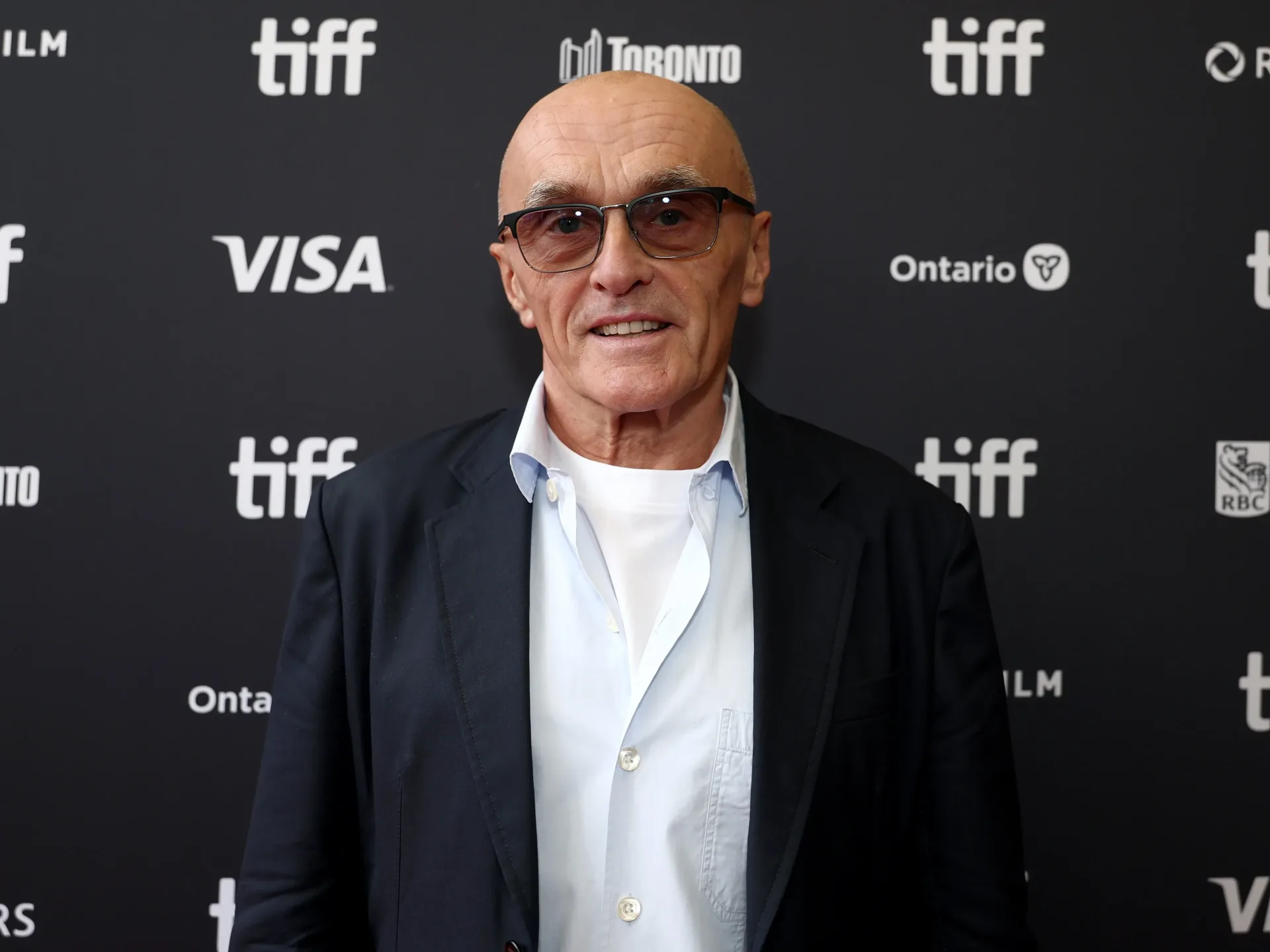
Danny Boyle has offered the most encouraging indication yet that the 28 Years Later trilogy is intended to continue. Speaking at the Zurich Film Festival, Boyle said a third film—currently without a confirmed title—“will get made,” adding that writer Alex Garland already has a script he considers very good.
There is one substantial asterisk behind the optimism: no release date, production start, cast list, or final green light has been publicly detailed. That makes Boyle’s comments a useful creative update rather than a formal announcement of a film entering production. In studio language, a green light is the decision to commit funding and move a project into active production; a completed script and willing filmmakers can exist before that stage.
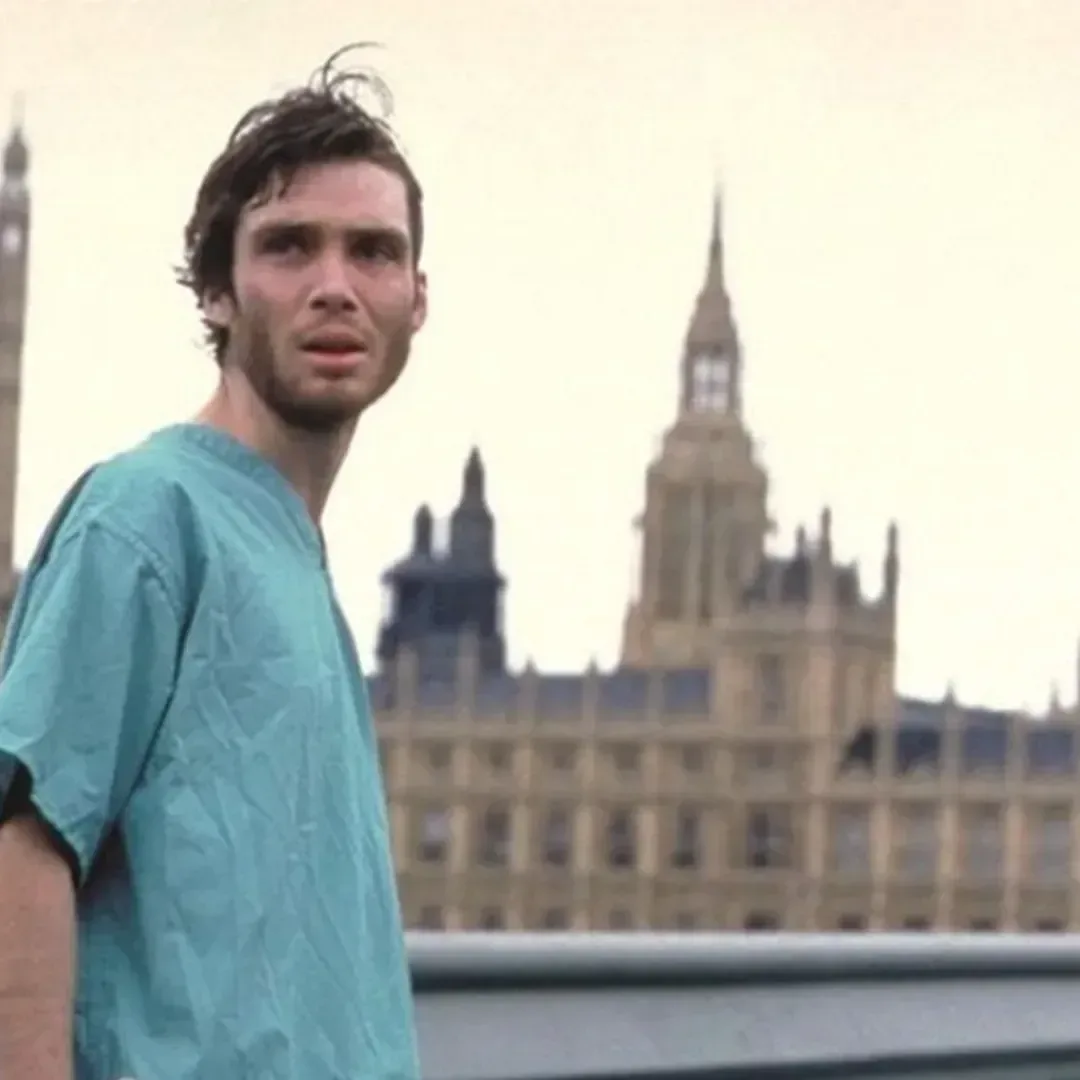
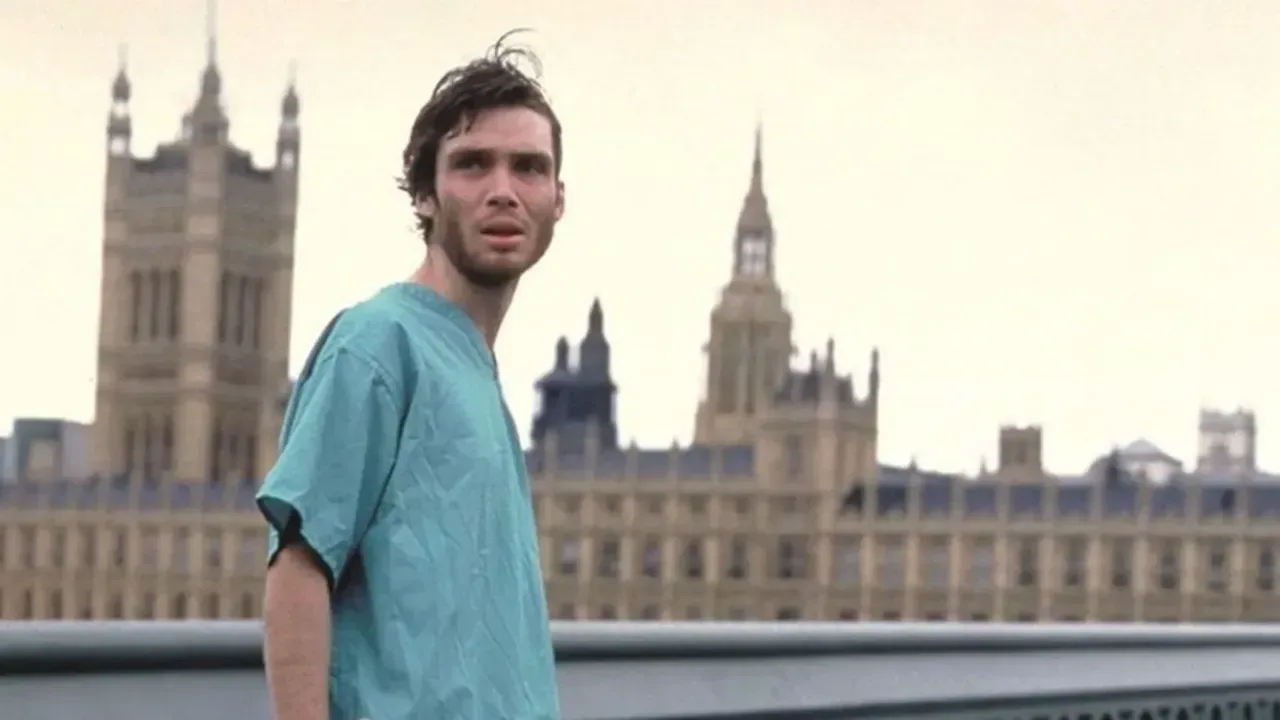
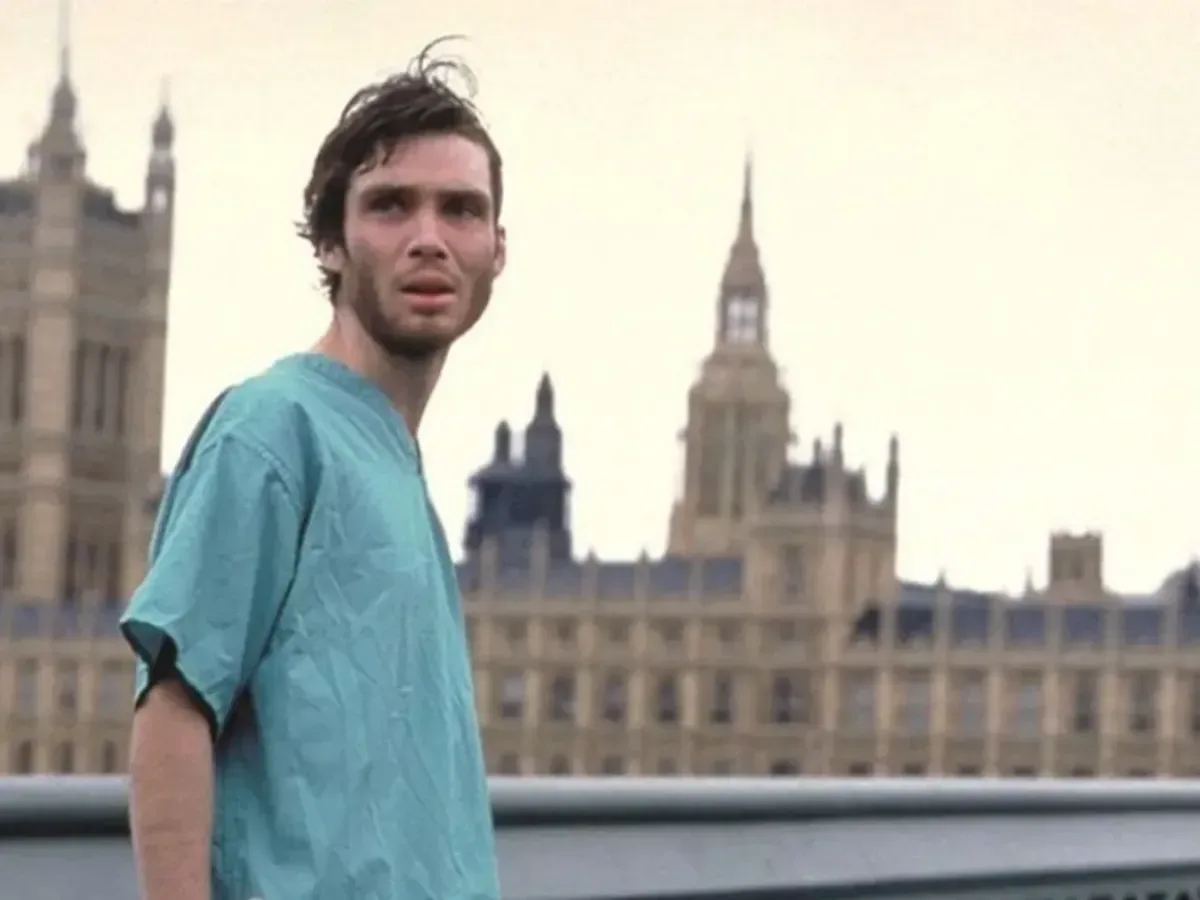
Boyle’s remarks also point to Cillian Murphy having a considerably larger presence in the prospective third chapter. Murphy appeared in a cameo in 28 Years Later: The Bone Temple, and had already said in March that he was interested in seeing the trilogy through. Boyle’s characteristically playful comment about whether Murphy would “take his kit off anymore” came with a nod to the actor’s Oscar win, but the significant detail is simple: Boyle expects Murphy to be in the next film “a lot.”
What is known about the proposed third film
The available pieces suggest a creative team that is not starting from zero. Garland has written the franchise entries to date and has a screenplay ready for the next one. Boyle has repeatedly expressed interest in directing it. Murphy wants to return, and Boyle anticipates giving him a key role.
Those ingredients matter, but they do not settle the business side. The exact status has become a little confusing because the third instalment was reported as moving forward in December, before The Bone Temple reached cinemas in January 2026. Since then, however, there has been no corresponding public confirmation of a start date or a title. Boyle himself did not offer a timeline, saying he was unsure when it would happen.
For viewers, the safest reading is therefore not “the third movie is imminent.” It is that the filmmakers have a script and a stated desire to complete the story, while the timing remains unresolved. The distinction may sound dry, but it prevents a screenplay from being mistaken for a finished production plan.
The Bone Temple’s box office is the complication
The question hanging over the trilogy is not whether its principal creative figures can imagine a third entry. It is whether the commercial case is strong enough for the studio to proceed on the same path and schedule.
28 Years Later earned $151 million worldwide. The Bone Temple, released just over half a year afterward, brought in $58.5 million worldwide—slightly more than one-third of the prior film’s total. That is a sharp gap, particularly for a planned trilogy whose next chapter would depend on the results and audience response to the first two.
At the same time, box office is not a direct synonym for quality or audience enthusiasm. The second film received strong review scores, including an 8/10 assessment, and director Nia DaCosta said the usual indicators she saw for audience reception were positive. Her point was not that ticket revenue did not matter; it was that the film’s perceived reception and its theatrical revenue did not line up neatly.
DaCosta offered one possible explanation: release timing. With The Bone Temple arriving relatively soon after 28 Years Later, some people appeared to believe they had already seen the new film the previous summer. Her account suggests a sequel-identification problem, where audiences may not have fully understood that a distinct follow-up had arrived.
That remains an explanation, not a proven diagnosis. The supplied information does not establish a single reason for the lower gross, and it would be premature to treat timing or confusion as the complete answer. But it does identify a practical issue any third-film campaign would need to solve: making the film’s place in the series immediately clear to casual viewers as well as committed fans.
Why Murphy’s expanded role could matter
Murphy’s return would give the third film a clear point of continuity after his cameo in The Bone Temple. It would also provide a familiar face around which to present the next chapter. Boyle’s wording implies more than another brief appearance, though it stops short of describing the character’s exact story, screen time, or position in the plot.
That restraint is worth keeping. A “lot” of Murphy is not a character synopsis, a billing order, or confirmation that he will lead the film. Nor has a title been confirmed. Still, the prospect is meaningful because it connects the trilogy’s forward momentum to one of the franchise’s most recognizable performers without disclosing story details that have not been announced.
It also illustrates the difference between a cameo and a larger role. A cameo is a brief appearance, often designed to establish a connection or reward attentive audiences. A substantial role would make the returning character more central to the movie’s dramatic engine. Boyle’s comment plainly suggests the latter, while leaving the particulars unknown.
A script is a strong sign, but not a release calendar
Garland having a completed script is the firmest production-related detail in Boyle’s update. Screenplays provide the narrative foundation from which budgets, schedules, casting conversations, and production planning can develop. Yet a screenplay’s existence alone does not guarantee that cameras will roll. Studios weigh projected revenue, costs, release strategy, cast availability, and their wider slate before making a final commitment.
That uncertainty is familiar territory for sequel-watchers. A franchise can have an interested director, an available writer, a returning star, and a story ready to go, while still waiting on the financial decision that turns those assets into a movie. As with other unconfirmed sequel talk, including reports that require readers to separate rumor from announcement, the important question is whether there is a concrete studio commitment rather than merely creative enthusiasm. That distinction is especially important when a potential follow-up has not received a formal announcement.
In this case, Boyle has supplied more than vague interest. He has identified a finished Garland script and said Murphy is expected to be heavily involved. Those are meaningful signals of intent. They are not, however, substitutes for the specific details fans are still waiting for: a title, a production date, a release date, broader casting, and a definitive statement that the project has been approved.
What fans can reasonably take from Boyle’s update
- Garland has written a third-film script: Boyle described it positively, indicating the story is already developed on the page.
- Boyle wants the film to happen: His comments continue his public interest in directing the next chapter.
- Murphy is expected to return in a larger capacity: Boyle said the film would feature a lot of him, beyond the actor’s cameo in The Bone Temple.
- No timeline was provided: Boyle explicitly said he did not know when the movie would be made.
- The final decision is still not publicly settled: The second film’s $58.5 million worldwide theatrical total, compared with $151 million for 28 Years Later, remains an unavoidable part of the picture.
The clearest outcome is guarded confidence. The creative groundwork appears to be there, and Boyle’s certainty that a third movie will arrive gives the trilogy’s supporters a reason to stay hopeful. But hope is not a schedule. Until a title, production plan, or formal studio confirmation emerges, 28 Years 3 remains a screenplay with prominent advocates—not yet a film with a publicly mapped route to cinemas.