A long-running rumor about Rockstar’s post-Grand Theft Auto VI plans has returned with an unusually specific proposition: a sequel to LA Noire, reportedly set in San Francisco and involving the Zodiac Killer case. It is a compelling premise for a series built around period detective work. It is not, however, an announced game.
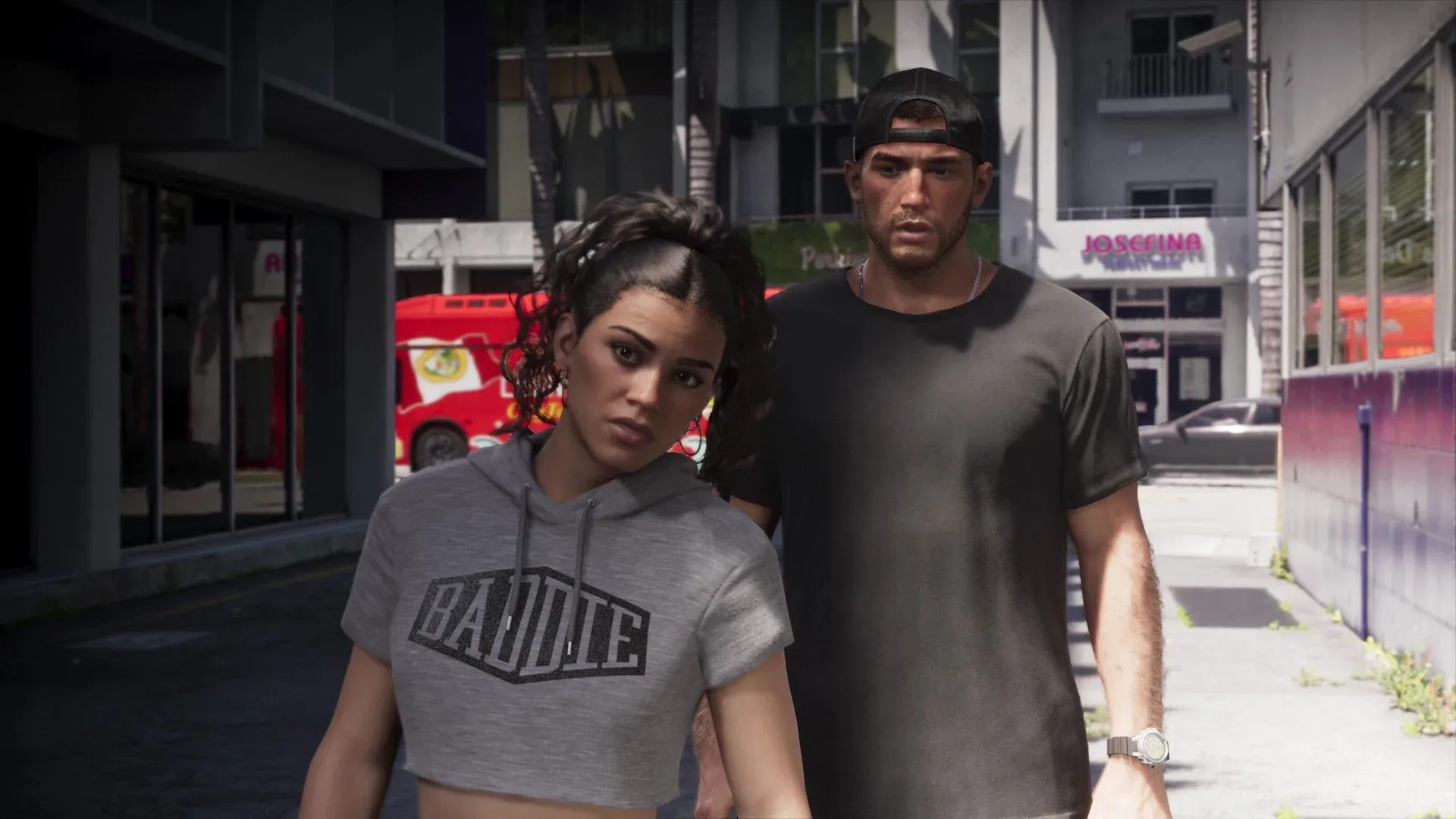
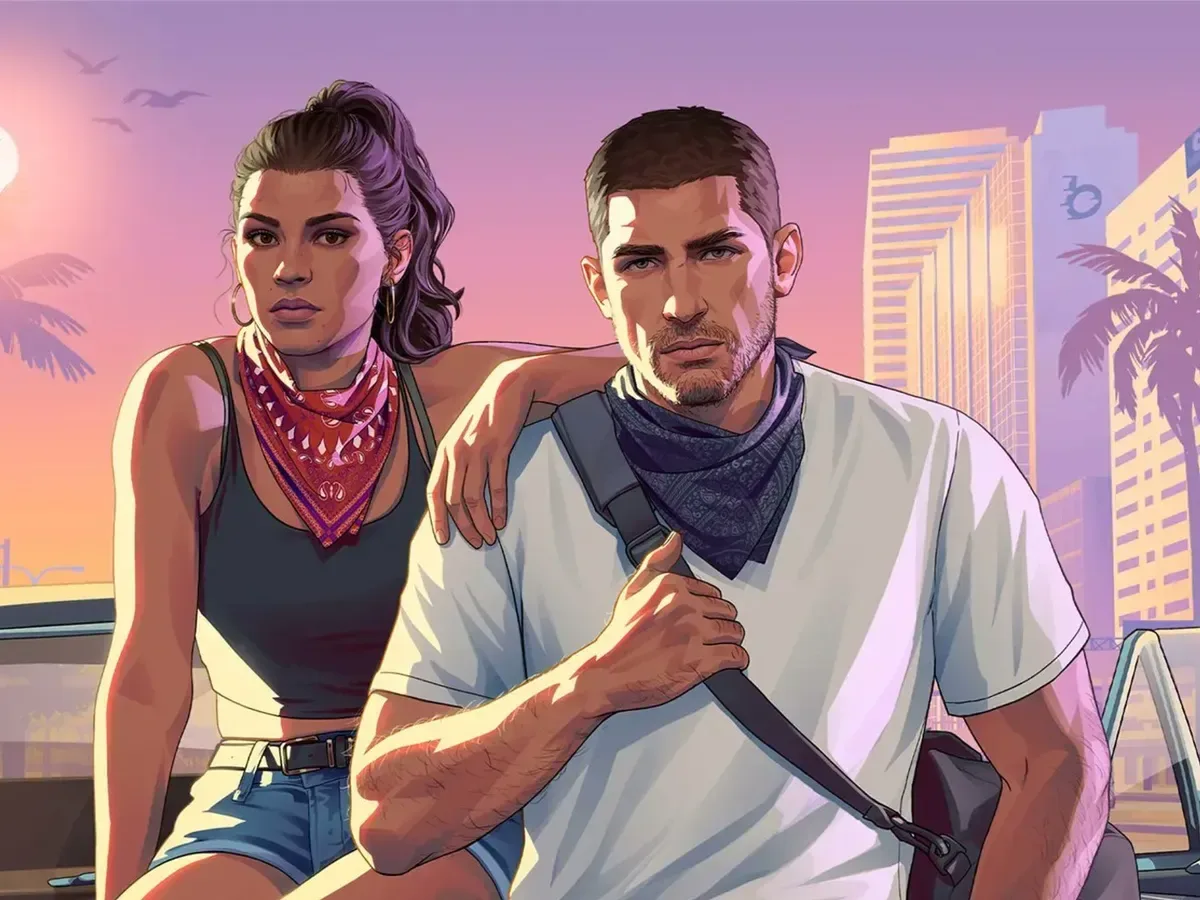
The claim traces back to posts made in 2023 by an anonymous user, later shared more widely on an unofficial fan messageboard. That user reportedly supplied several details about Grand Theft Auto VI that later proved accurate, including claims concerning protagonists Jason and Lucia and a player-driven element to their romantic relationship. That record gives the old LA Noire 2 assertion more reason to be watched than a wholly random rumor. It does not turn it into confirmation.
For now, the firmest official-adjacent signal is simply that Rockstar’s parent company has not ruled out its older series. Take-Two CEO Strauss Zelnick said in April that there was nothing to announce specifically about LA Noire, while adding that the company’s teams consider its legacy intellectual property. That is a deliberately broad answer: it acknowledges that dormant series are part of the conversation, not that any individual project has moved into development.
What the rumor actually alleges
The reported project would move the detective series north from its original 1940s Los Angeles setting to San Francisco. Its purported subject is the Zodiac Killer, the still-unidentified perpetrator linked to a sequence of killings and letters in Northern California. That setting would immediately create a different kind of noir backdrop from the original game’s sunlit, postwar Los Angeles: a new city, a real-world unsolved case, and obvious investigative stakes.
Those ingredients are exactly why the rumor is easy to imagine, but they are also why restraint matters. No developer has announced a setting, a story, a protagonist, platforms, or a development team. There is no official title to attach to “LA Noire 2,” either. The shorthand describes the alleged follow-up, not a confirmed product name.
The original leak also suggested a release no earlier than 2030 and an effort to make the game a major visual benchmark. Both points should be read as predictions, not a schedule or a promise. A date this far away is especially difficult to treat as durable reporting: studio priorities, production scope, technology plans, and the needs of a newly released flagship game can all change well before a project reaches the public.
Why GTA 6 support complicates any timetable
Rockstar’s immediate priority is Grand Theft Auto VI, which is described as only weeks away. Launch is not necessarily the point at which a massive studio stops allocating resources to a game. The rumor discussion anticipates that support for GTA 6 could command substantial manpower through 2027 and perhaps 2028, leaving less room for another large release in the near term.
That is analysis rather than a disclosed internal plan, but it is a sensible distinction for readers weighing an alleged 2030 window. “Support” can cover many different kinds of ongoing work, such as updates, technical maintenance, post-launch content, online operations, and fixes. None of those specifics have been detailed here for GTA 6, and none should be assumed. The broader point is that a project as large as GTA 6 could shape what follows it, even if another team is already exploring concepts elsewhere inside the company.
It also means the apparent choice between a new Red Dead Redemption and a revived LA Noire is probably too neat. Fans naturally frame a studio’s future as a single next-game slot, but the available information does not establish a published sequence of projects. The claim is only that an LA Noire follow-up may be ahead of another Red Dead Redemption in Rockstar’s planning. There is no announcement confirming either game’s development status.
Why LA Noire remains a distinctive candidate for revival
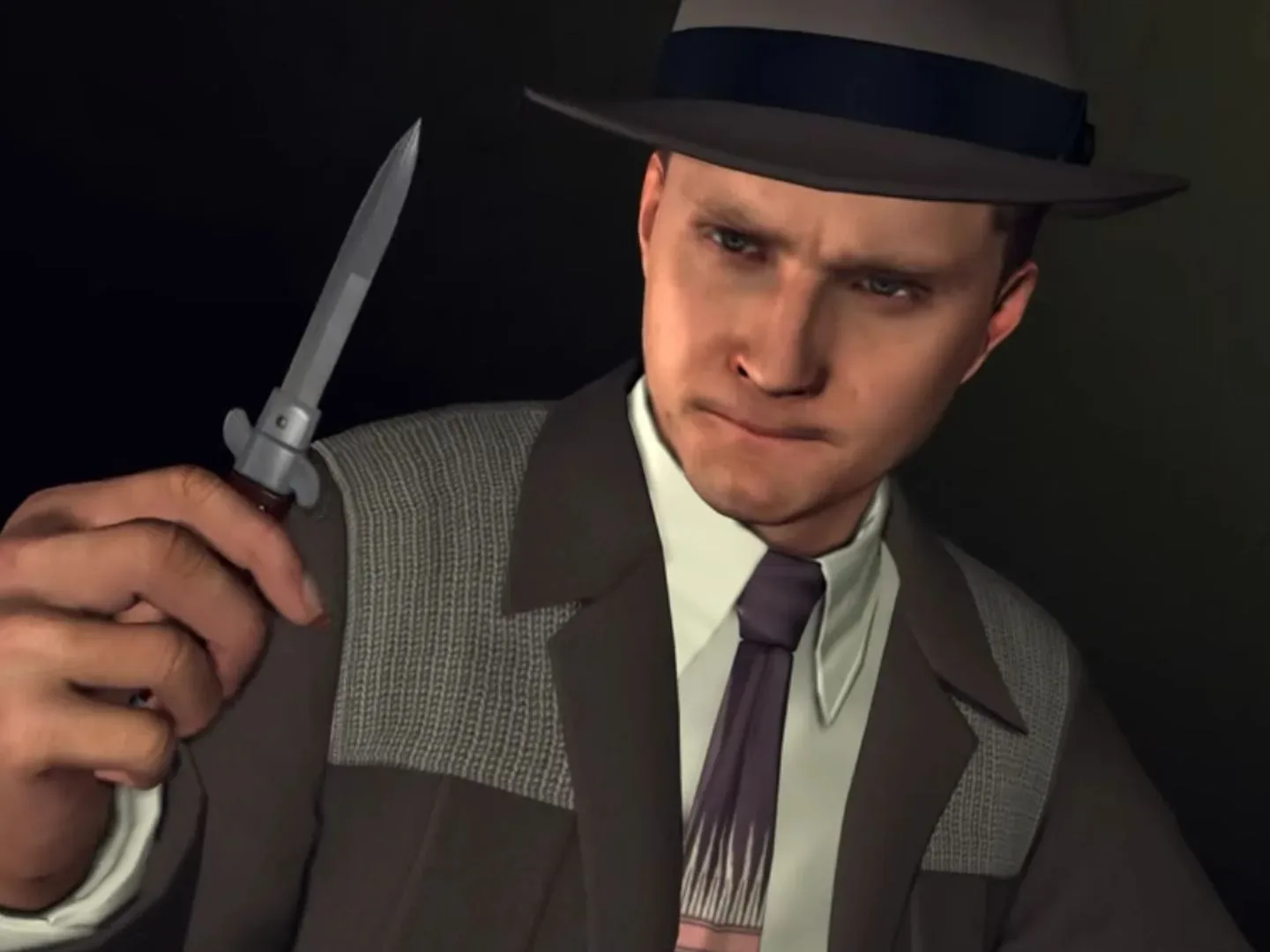
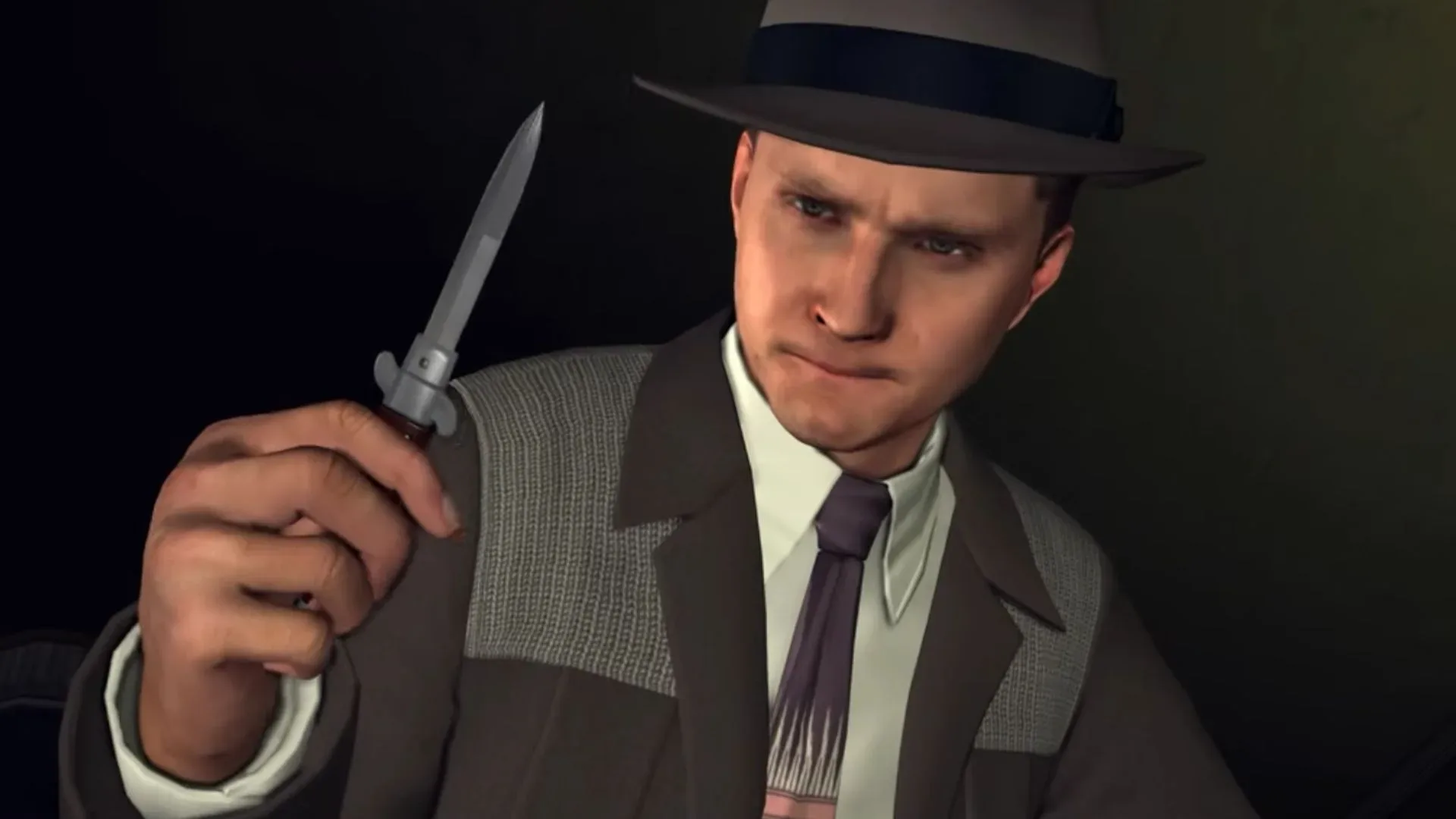
Released 15 years ago, the first LA Noire stood apart from Rockstar’s better-known open-world action games by centering detective work. Its 1940s Los Angeles story involved a drug ring that had reached into the police department, and its noir identity emphasized investigations rather than merely causing trouble in a large city. “Noir” is a term associated with crime stories shaped by moral uncertainty, corruption, danger, and stylized urban atmosphere—an especially natural fit for a police procedural.
A sequel would therefore not simply be another open-world crime game with a vintage coat of paint. The potential hook is investigation: evaluating testimony, following evidence, and making sense of a case. The rumor does not identify any new mechanics, so it would be premature to predict interrogation systems, branching cases, or technical approaches. But the first game’s detective focus explains why a return has continued to appeal to players long after its release.
San Francisco and the Zodiac case would also be a major tonal shift rather than a simple repeat of the first game’s location. Yet an unsolved real-world case presents a storytelling challenge. The report does not say how an alleged game would handle historical facts, whether it would use fictional characters, or whether it would offer a definitive solution. Those are consequential creative questions, and there is no basis to answer them now.
Leak credibility is not the same as confirmation
The strongest reason this particular rumor has resurfaced is the leaker’s reported track record on GTA 6 material. Some previously shared claims matching later-known details can raise the odds that the same person had access to genuine information at the time. That is useful context, but it has limits.
- Accurate details about one project do not prove that every claim in the same set of posts remains correct.
- Long-range plans can be revised, delayed, expanded, or canceled without any public indication.
- Anonymous posts do not provide the accountability or precision of a formal announcement.
- A company considering a legacy franchise is not equivalent to that franchise having an active, greenlit sequel.
That last point is particularly important in light of Zelnick’s comment. “Legacy IP” means previously established intellectual property—in this case, older game series that the company owns or controls. Saying teams think about that catalogue is compatible with many possibilities: a sequel, a remaster, an early concept, or no released project at all. The statement leaves the door open without revealing which door, if any, is being used.
Rockstar has already had to navigate attention around confidential GTA 6 information; for related background on a separate alleged breach case, see the reported FBI case involving an alleged ShinyHunters leader. That broader environment is another reason to separate public confirmation from material that circulates through leaks and fan forums.
What players can reasonably take from this now
There are two credible levels to the story. At the first level, a new LA Noire is an unconfirmed rumor, and neither Rockstar nor Take-Two has announced it. At the second, it is no longer unreasonable to view the series as a property that could return someday: Take-Two has said it continues to consider legacy franchises, and the source of this particular claim reportedly got meaningful GTA 6 details right.
Everything more specific than that remains provisional. San Francisco, the Zodiac Killer, visual ambitions, and a date at or beyond 2030 all belong in the rumor column. The same is true of the suggestion that this would be Rockstar’s next major project after GTA 6 or that it would arrive before another Red Dead Redemption.
For fans of the original, the most encouraging part is not a supposed release year. It is the possibility that Rockstar might revisit a series whose detective format has a clear identity of its own. For everyone else, the practical answer is to wait for Rockstar to speak directly. Until then, this is a credible-looking lead with intriguing creative implications—not a case closed.