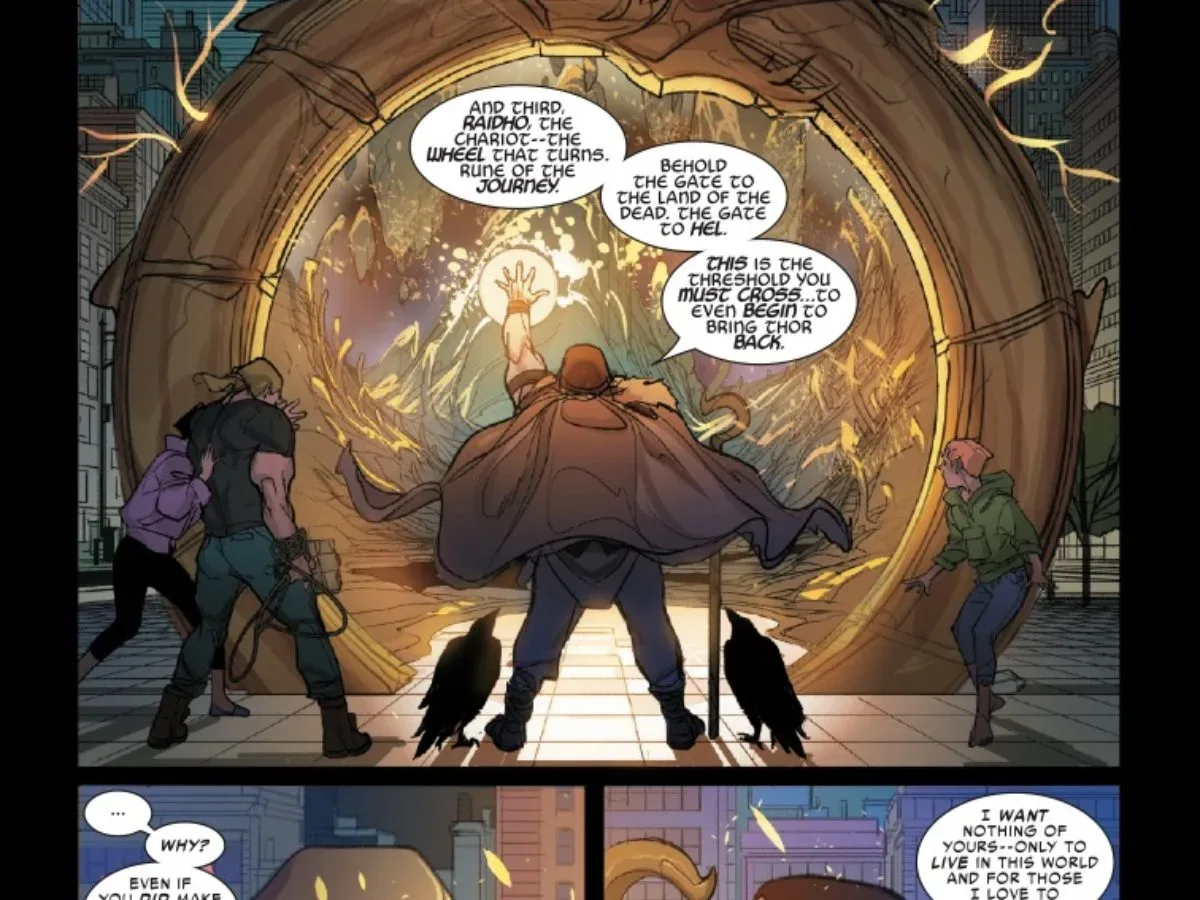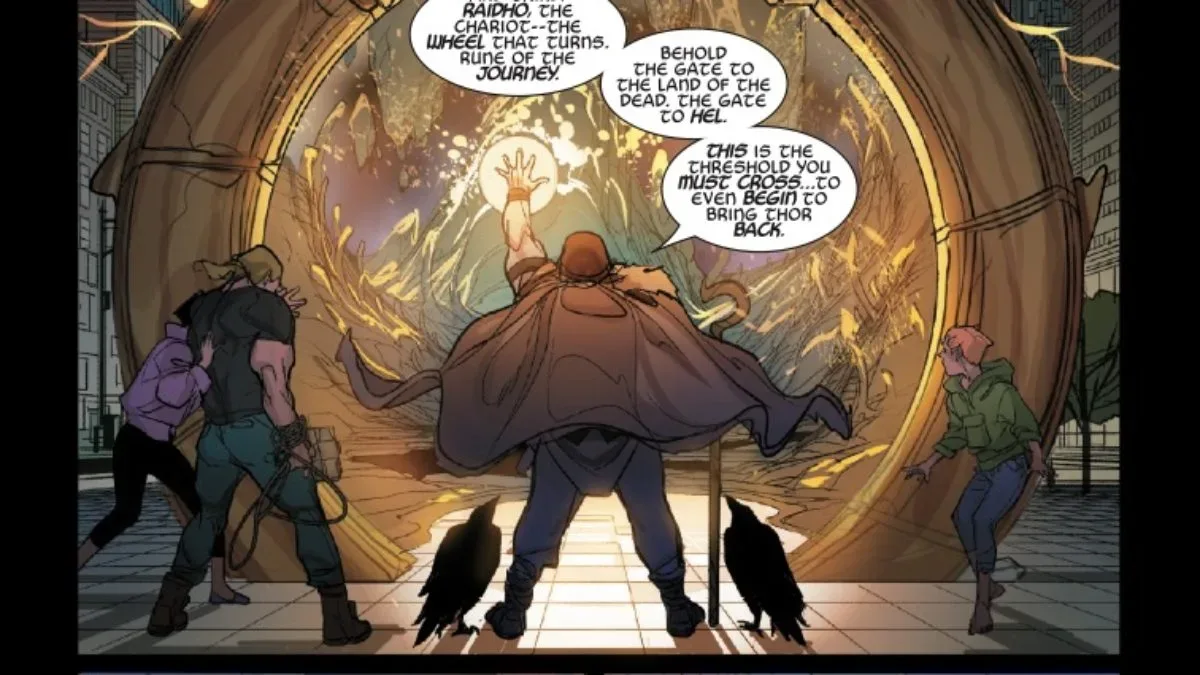
Thor #801 is set to put the God of Thunder’s fate in the hands of an ordinary man. The new issue begins a story billed as a quest for Thor, with Sigurd Jarlson tasked with a mission that reaches into Hel and hinges on restoring a connection between humanity and Asgard.
The premise is deliberately upside-down for a Thor comic. Rather than beginning with Thor charging into danger, the solicited setup places him among the fallen while a mortal must undertake the journey. Sigurd is described as the one person who can call Asgard’s greatest hero back to life. That makes the issue’s central dramatic question less about whether thunder can defeat an enemy, and more about whether one human being can answer a request of the gods.
The official description also points to a wider consequence: rebuilding the bridge between humanity and the gods. In this context, a bridge is not necessarily only a physical road between worlds. It is a useful expression of the story’s apparent concern with connection, belief, and access. Thor’s return seems positioned as part of repairing a damaged relationship rather than simply reversing a death and returning the status quo to normal.
A mortal-led journey into Hel
Sigurd Jarlson is the important new focal point in the synopsis. The character is explicitly framed as ordinary, a choice that gives the book a very different starting lens from one built around gods, warriors, and cosmic power. A mortal protagonist cannot solve every problem by summoning lightning or wielding an enchanted weapon. If the solicitation reflects the issue’s direction, Sigurd’s role will put emphasis on resolve and purpose as he confronts a realm no regular person should casually choose to enter.
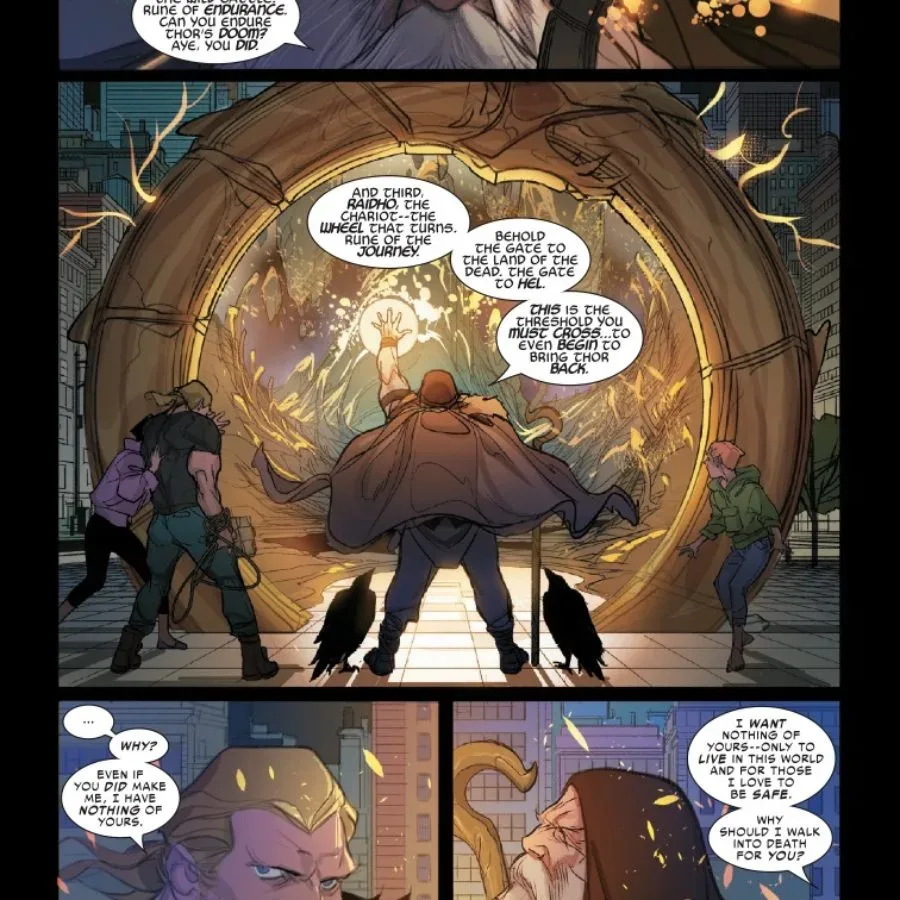
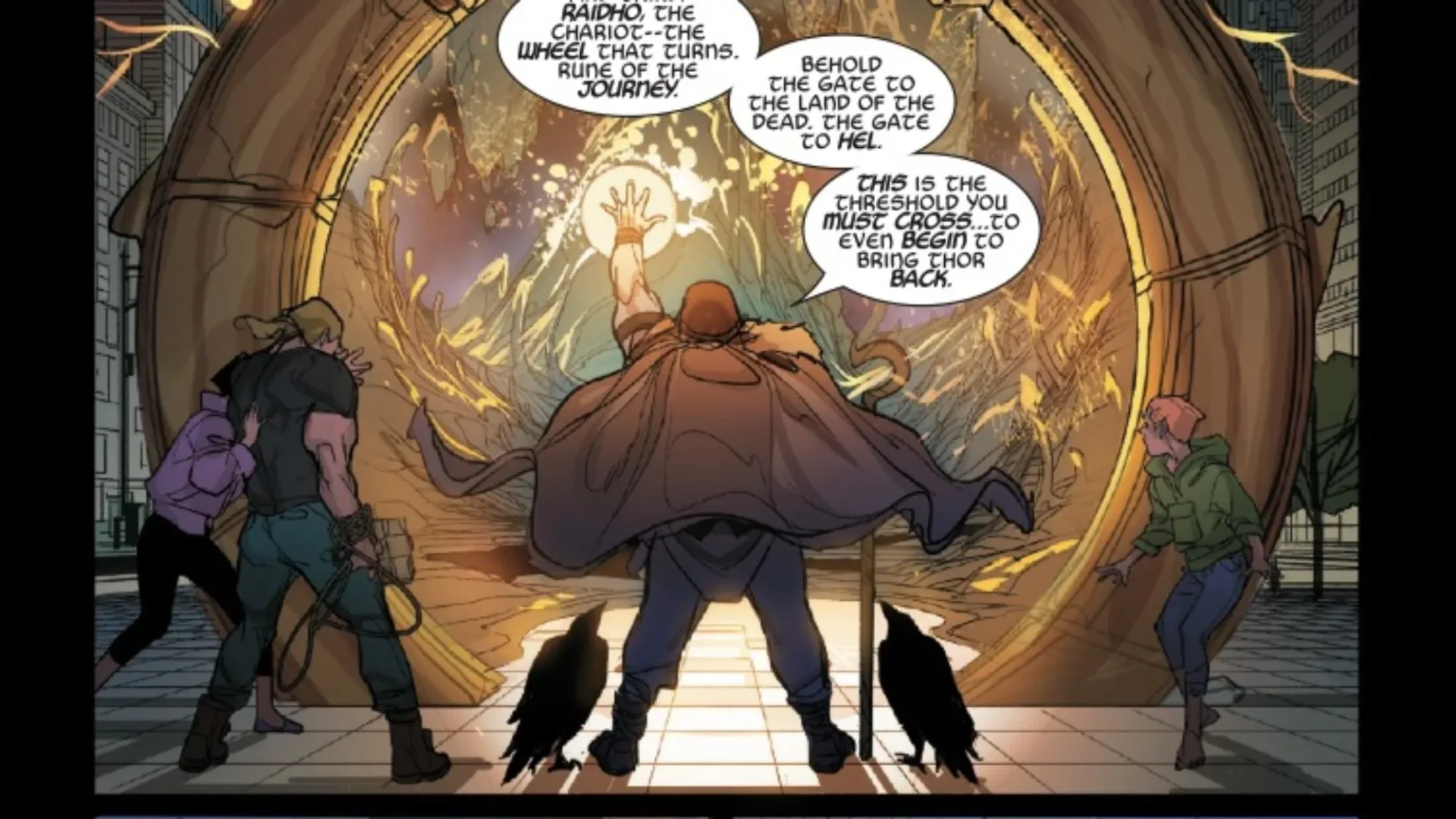
Hel, in the issue description, is the worst possible place for the quest to begin. That establishes the journey as a descent before it becomes a restoration. It also suggests that the route back to Thor will not be clean or immediate: the protagonist must go toward death in order to pursue a return to life.
The wording leaves important details unanswered. It does not explain why Sigurd alone can call Thor back, what condition Thor is in beyond the implication of death, or what form the bridge between mortals and gods will take. Those gaps are central to the hook. Rather than presenting resurrection as a routine superhero reset, the setup frames it as something requiring a particular person and a perilous undertaking.
What “the quest for Thor” signals
A quest story is structured around movement toward a goal, usually with obstacles, tests, and discoveries that alter the traveler. For this opening issue, the stated destination is clear: Hel. The larger objective is Thor’s return. But the solicitation’s focus on humanity being reconnected with the gods makes room for the journey to matter beyond a single character’s revival.
There is also a second thread in the teaser: somewhere in Hel, a man with a hammer begins a journey into mystery. The description does not identify that figure outright, and readers will have to wait for the comic to clarify the scene. Its placement alongside Sigurd’s quest indicates that the book may follow more than one path through its opening chapter, with the mortal’s descent and the hammer-bearing figure’s own journey potentially moving in parallel.
That duality is a strong fit for a Thor-centered story. One side is grounded in the perspective of someone without divine power; the other hints at the mythic, strange, and potentially supernatural side of the title. The premise is less interested in treating Hel as a quick backdrop than in making it the threshold for the whole storyline.
The creative team and issue details
Al Ewing writes Thor #801, with art by Pasqual Ferry and a cover by Alex Ross. The issue is 32 pages, rated T+, and carries a US cover price of $4.99. It is listed for sale on September 23, 2026.
Five variant editions are also listed at the same US price: an Alex Ross Timeless Virgin Sketch Variant, an Alex Ross Timeless Virgin Variant, a Marvel Tokon: Fighting Souls Variant, a Stephen Platt Variant, and a Ben Su Pixar 40th Variant. Variants are alternate-cover editions of the same comic issue, intended for readers who want a different piece of cover art rather than a separate chapter of the story. The supplied listing does not identify any differences in interior content among these versions.
- Title: Thor #801
- Writer: Al Ewing
- Artist: Pasqual Ferry
- Cover artist: Alex Ross
- On sale: September 23, 2026
- Length: 32 pages
- Rating: T+
- US price: $4.99
Why the premise stands out
Superhero stories often ask heroes to save ordinary people. This setup turns that familiar relationship around. Sigurd is not merely an observer of a divine crisis; he is presented as the essential figure in the effort to restore Thor. That changes the stakes of his decisions. The outcome is not framed as a contest of physical strength, but as a mission that needs a mortal’s participation.
It also creates an opportunity for the comic to explore what Thor means to people outside Asgard. The phrase “humanity’s bridge to the gods” does a lot of work in a short solicitation. It implies that the absence of Thor has significance beyond the personal loss of an Asgardian hero. Whether the series interprets that literally, spiritually, or politically remains unknown, but it gives the opening more reach than a simple recovery operation.
The choice of Hel reinforces the stakes without requiring the solicitation to disclose an antagonist or a complete plan. Hel is not presented as a place to visit and leave unchanged. Sigurd’s trip begins at the point the description calls the worst place of all, while the separate hammer-bearing figure’s path is characterized as a mystery. Those elements establish danger and uncertainty while keeping the actual mechanics of Thor’s possible return under wraps.
What readers can reasonably expect—and what remains unknown
The available information supports a few firm expectations: this is the launch of a Thor-focused quest narrative; Sigurd Jarlson is central; Hel is the opening setting for the mission; and Thor’s return is tied to the story’s stakes. It also confirms the main creative team and the issue’s format.
Much else remains intentionally unconfirmed. The description does not say how long the quest will run, whether Sigurd has allies, what threats he will encounter, or what the consequences of Thor’s return might be. It does not state that the hammer-wielding man is Thor, either. Those are questions for the comic itself, not details to assume from a brief setup.
For readers following current superhero comics, the issue arrives with a more mythic premise than a conventional battle tease. Its opening question is personal and daunting: can an ordinary person go into Hel and become the reason a god comes back? That is a clean foundation for a new chapter, and the answer begins in Thor #801.
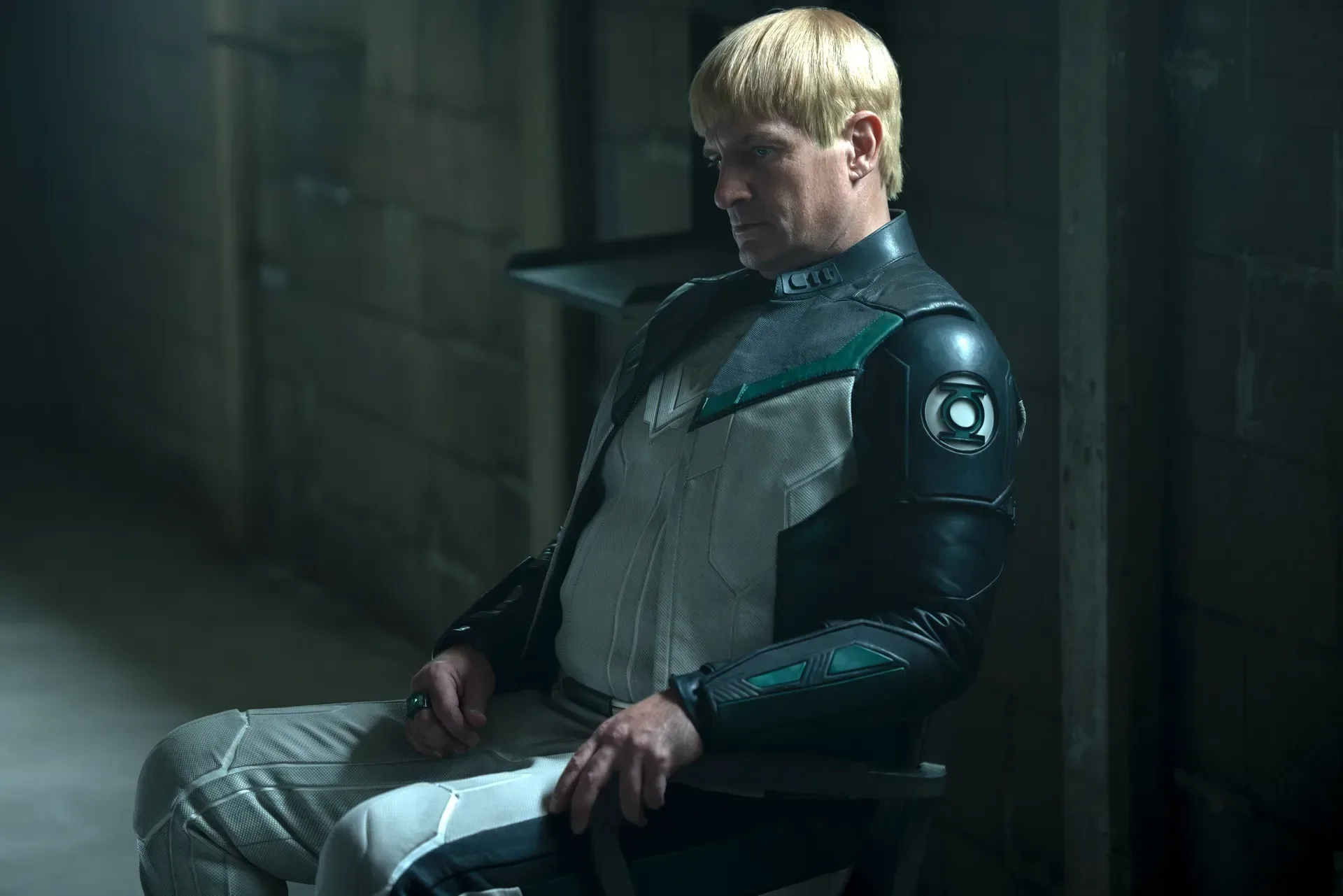
For another recent example of serialized superhero storytelling built around the weight of a legendary identity, see our look at a Green Lantern story where a ring brings obligations beyond brute force.