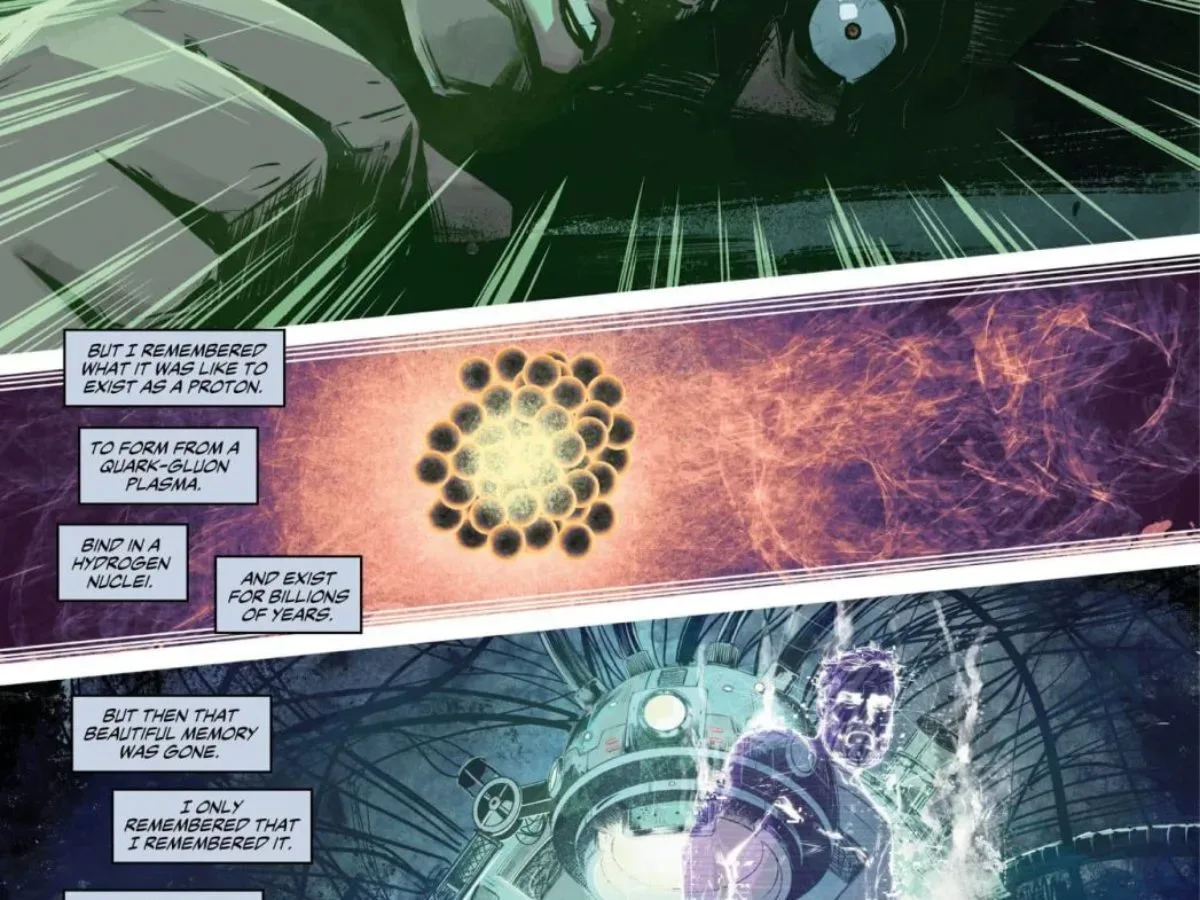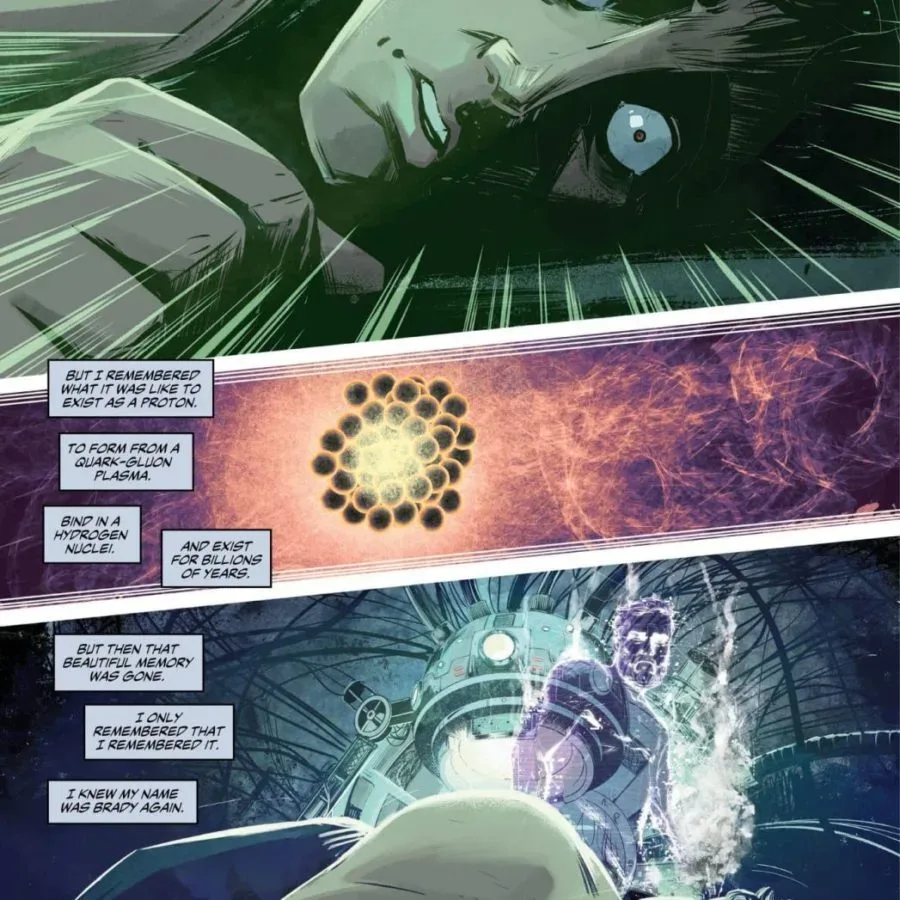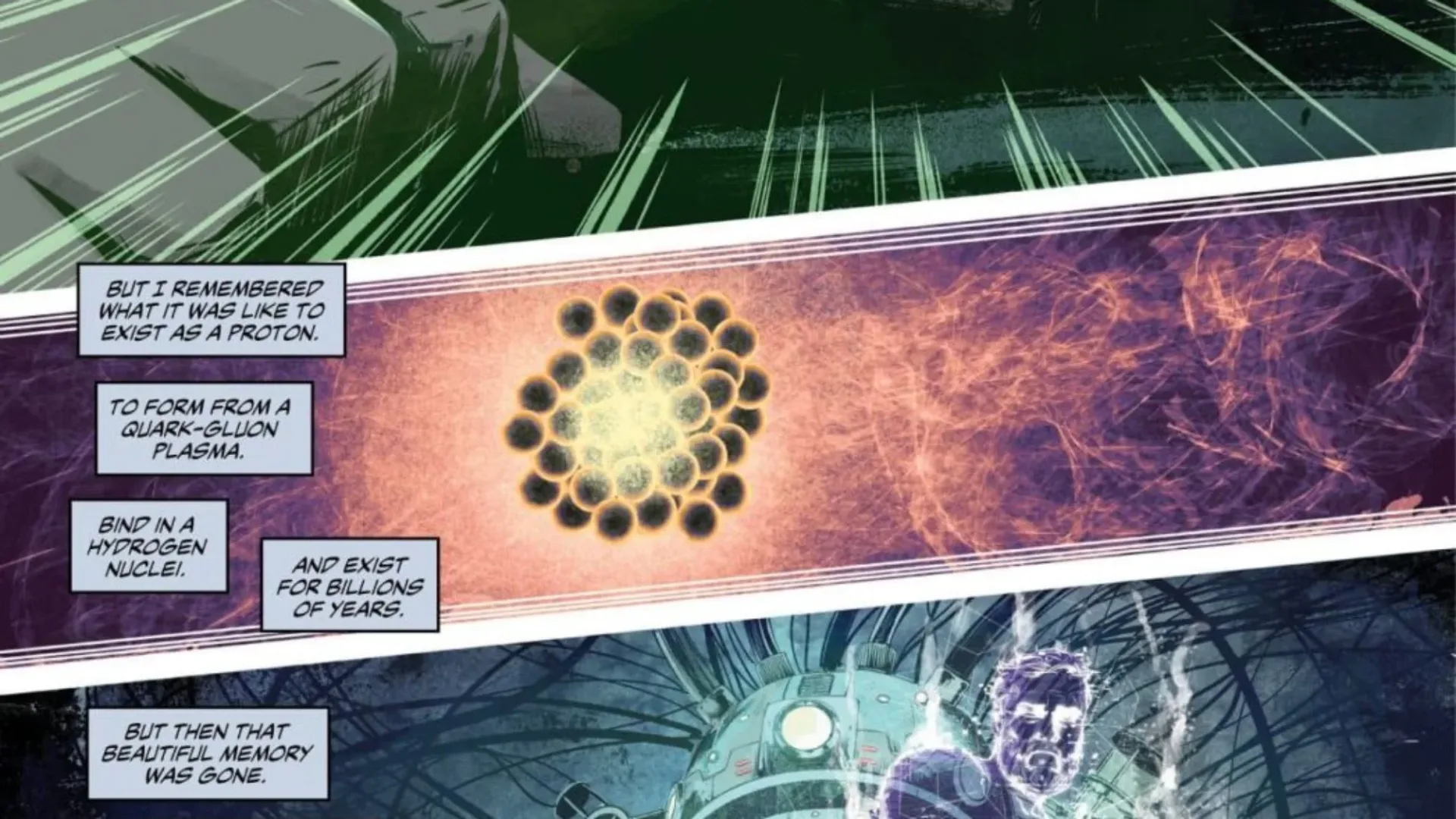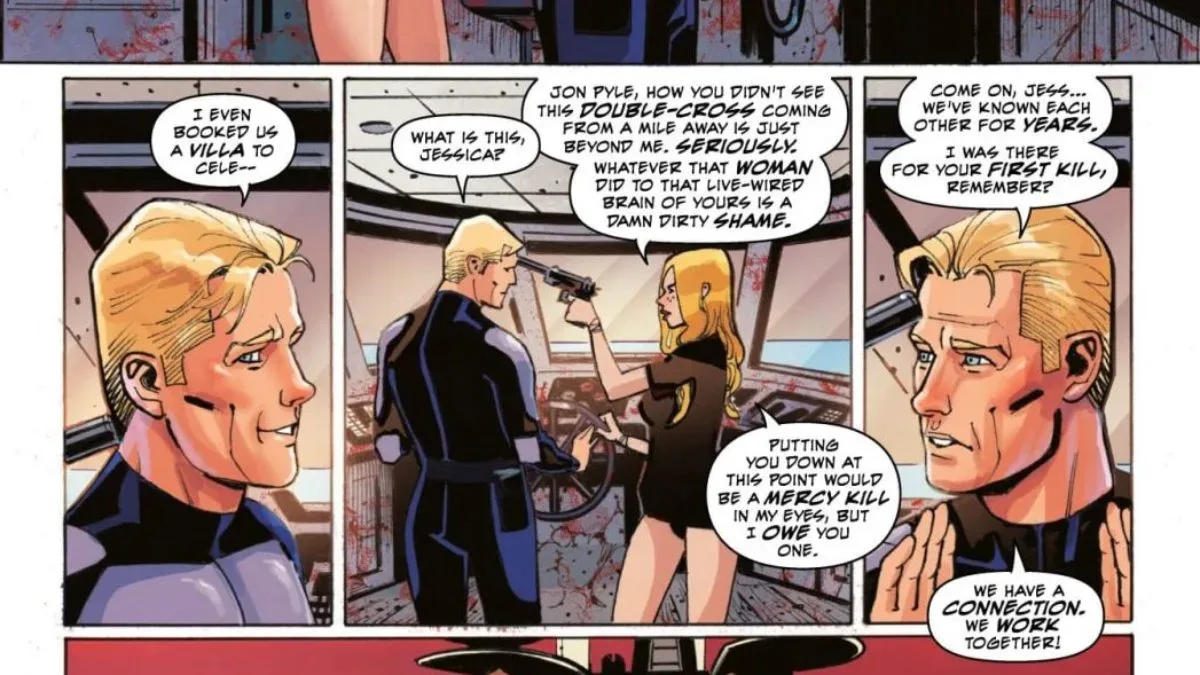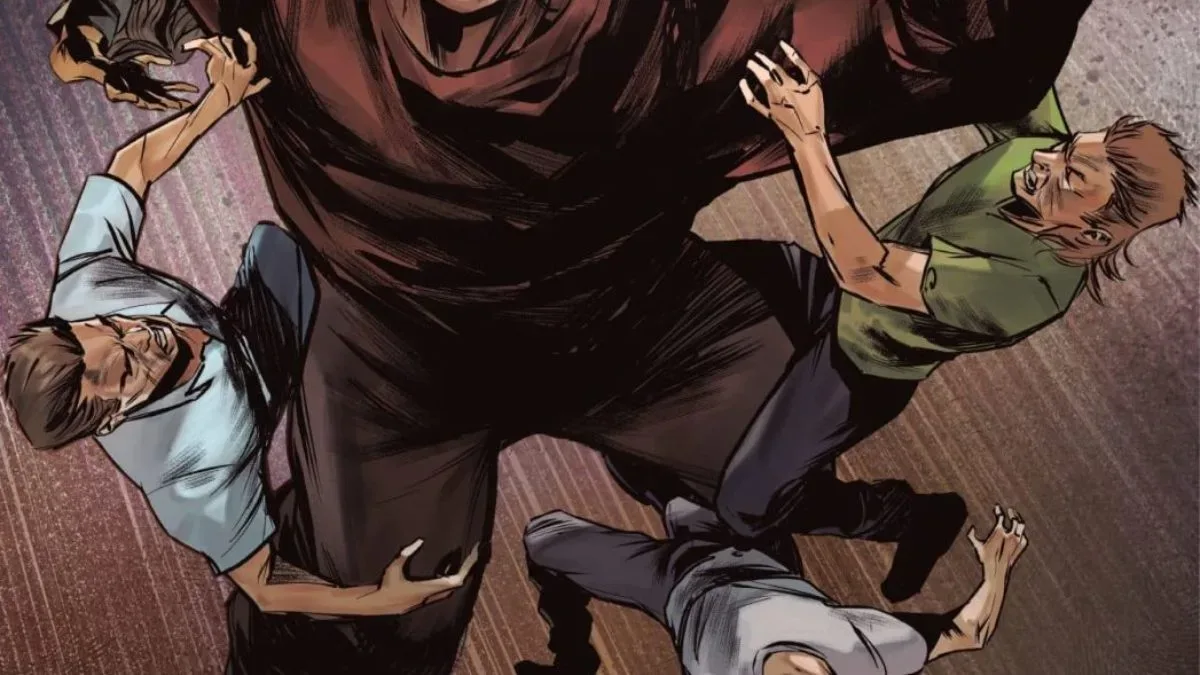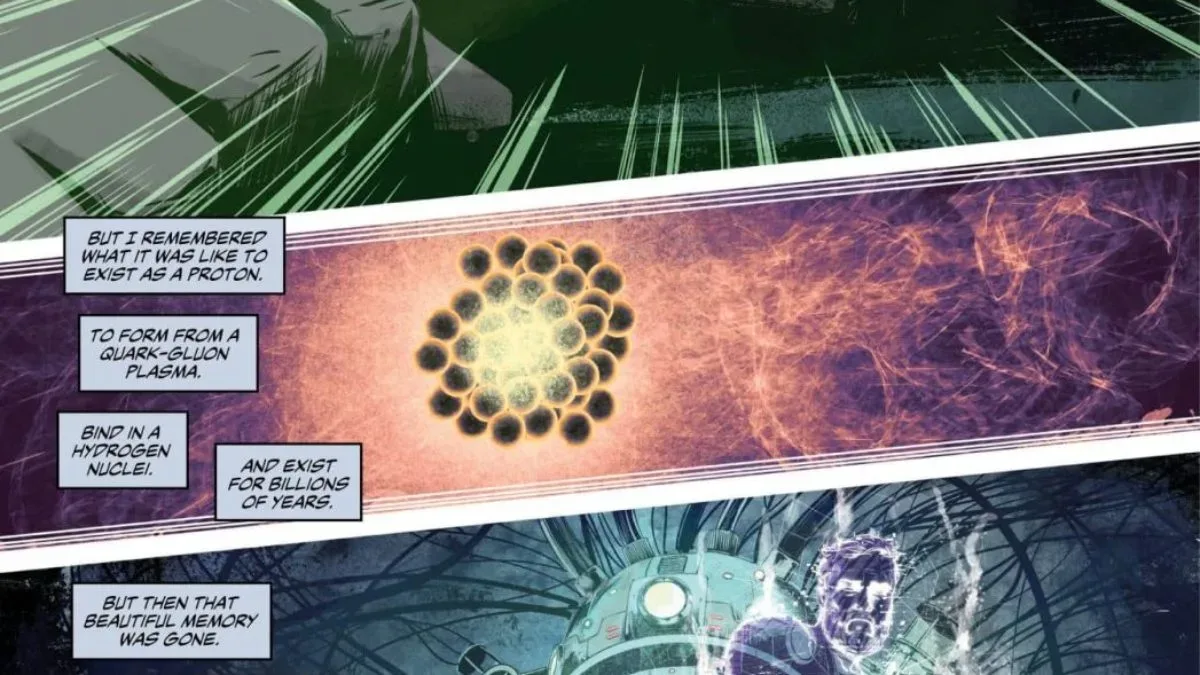
The Omega Book #4 is set to raise the pressure on every front when it reaches shops on November 4, 2026. The new issue from Mad Cave Studios places Brady, Cless and Alexander in separate but seemingly converging crises: Brady is dealing with the aftermath of a machine, Cless crosses paths with a mob in a confrontation expected to turn bloody, and something is going badly wrong with Alexander’s energy.
That would be a heavy enough set of problems for one comic. The stated stakes make them considerably bigger. The Omega Book itself must be destroyed, the conflict between a father and son has to be confronted through forgiveness or repair, and the fate of the universe hangs in the balance.
James Patrick writes the issue, with Pauli Junquera handling both art and cover duties. It carries the order code 0926MA0923 and a listed price of $4.99.
A crisis with personal and cosmic consequences
The setup makes clear that this is not merely a race to stop a destructive object. The prospective destruction of the Omega Book is tied directly to a family relationship burdened by “old sins.” That phrasing leaves substantial room for the comic to define what happened between the father and son, who is responsible, and whether reconciliation is actually possible before events spiral beyond anyone’s control.
Family conflict is often an effective engine for high-concept genre stories because it gives readers an emotional measure for otherwise enormous stakes. “Save the universe” is an immense objective; a damaged relationship between a parent and child is a specific human problem. In this case, the two are not presented as separate tracks. Repairing or forgiving the past appears to be part of the work needed to avert catastrophe.
That does not necessarily mean the issue will offer a clean reconciliation. The description frames mending and forgiveness as alternatives, which matters. Mending suggests an active effort to repair a relationship. Forgiveness can be more unilateral: a person may choose to release a grievance even where the harm cannot be undone. With time running out, the story’s tension may rest in whether the characters can distinguish between those two outcomes.
Brady, Cless and Alexander each face a different kind of danger
Brady is recovering from the effects of a machine, but the available details do not define what the device did, how long recovery will take, or whether the damage is physical, mental or both. Even so, recovery is inherently a vulnerable state in a plot driven by a deadline. A character who has been altered or injured by technology may not be able to participate fully when the group most needs clarity and control.
Cless’s situation is more immediate and violent. The issue description says Cless intersects with the mob in a bloody confrontation that not everyone will survive. That is deliberately broad, so readers should not assume exactly who is at risk or how the encounter unfolds. Still, it establishes that the book’s escalating danger will have a grounded, personal cost rather than remaining solely in the realm of abstract cosmic peril.
Alexander’s energy is also failing in some unspecified way. “Energy” can be a flexible term in speculative fiction: it may describe a literal power source, a supernatural ability, personal vitality, or a force bound to the book’s larger threat. Here, its exact meaning has not been disclosed. What is clear is that the malfunction is serious enough to stand alongside Brady’s recovery, Cless’s deadly encounter and the threat of universal destruction.
The issue’s dramatic structure, based on that setup, appears built around simultaneous pressure points. One character is recovering, another is in immediate physical jeopardy, and another is becoming increasingly unstable. A story with this arrangement can generate urgency without requiring every character to be in the same room: each problem can worsen while the larger mission remains unresolved.
Why destroying the Omega Book is a meaningful objective
The title object is not simply a mysterious artifact in the background. The Omega Book must be destroyed. That makes it a central plot objective and suggests it is too dangerous to preserve, contain or use. The supplied premise does not explain the book’s origins, powers, or prior role in the series, so those details remain unknown. Readers should be cautious about treating it as a conventional magical book, technological database or weapon until the comic defines it more precisely.
Its required destruction nevertheless creates a useful story question: why is an object important enough to give the series its title now beyond saving? Objects that must be destroyed in genre fiction often carry knowledge, power or a connection to the threat that makes their loss difficult. Whether that tension applies here has not been confirmed, but the wording strongly indicates that destroying the book is not a casual cleanup task. It is presented as a necessary response to a shrinking window of time.
There is also a tonal contrast at work. A “book” implies preservation, memory and accumulated information. Destruction implies severance and finality. Paired with a storyline about old sins between father and son, the issue’s premise naturally raises questions about what should be remembered, what cannot be fixed, and what must be relinquished to prevent greater damage. Those are interpretive possibilities rather than confirmed plot points, but they follow directly from the conflict the issue is advertising.
What readers can reasonably expect from issue #4
As the fourth issue, The Omega Book #4 is positioned as an escalation rather than an introduction. The description assumes readers recognize Brady, Cless and Alexander, and it advances existing threads instead of pausing to explain their histories. New readers may still find an entry point in the plainly stated stakes, but readers following the series are likely to get more from the emotional weight of Brady’s recovery and the father-son divide.
The preview language promises three things especially clearly:
- Consequences from the machine: Brady’s condition remains active rather than resolved.
- A lethal human-scale conflict: Cless’s collision with the mob is expected to leave casualties.
- A time-sensitive endgame: Alexander’s worsening energy problem and the required destruction of the Omega Book push the cast toward an urgent decision.
What it does not confirm is equally important. There is no disclosed resolution to the father-son conflict, no identified victim of the mob confrontation, and no explained mechanism behind Alexander’s deteriorating energy. The solicitation is designed to establish pressure, not to reveal the outcome. Readers looking for firm answers will need the issue itself rather than trying to fill in the gaps from the premise.
Creative credits and release details
The Omega Book #4 is published by Mad Cave Studios. James Patrick is credited as writer, while Pauli Junquera is credited for art and the cover. The single-issue comic is scheduled to arrive in shops on Wednesday, November 4, 2026, for $4.99.
For readers keeping an eye on comic-book stories built around escalating supernatural or cosmic stakes, this issue’s blend of personal damage, organized-crime violence and an endangered universe gives it a notably crowded dramatic plate. It also arrives amid a wider run of comic coverage, including an Avengers #1 story centered on Spider-Man’s Mephisto bargain and Aunt May.
The decisive hook for The Omega Book #4 is not only whether the universe can be saved. It is whether its characters can face the harm between them in time to make saving it possible.