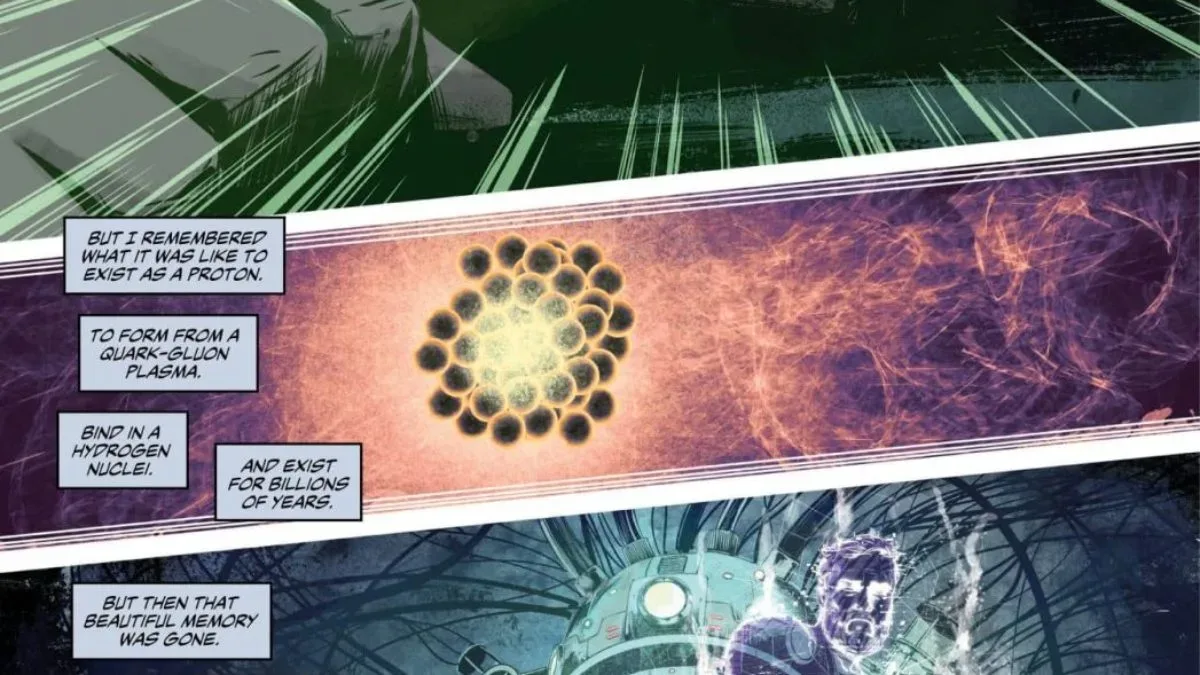
Land of Never #5 is set to bring its wonderland conflict to a harder, more dangerous place when it reaches comic shops on November 4, 2026. The new issue from Mad Cave Studios places a rebellion and a rescue operation on the same collision course: Wendy’s uprising is met with the Floating Man’s brutal idea of discipline, while Jim Hoke and Casey Smith finally locate the strange prison at the center of their search.
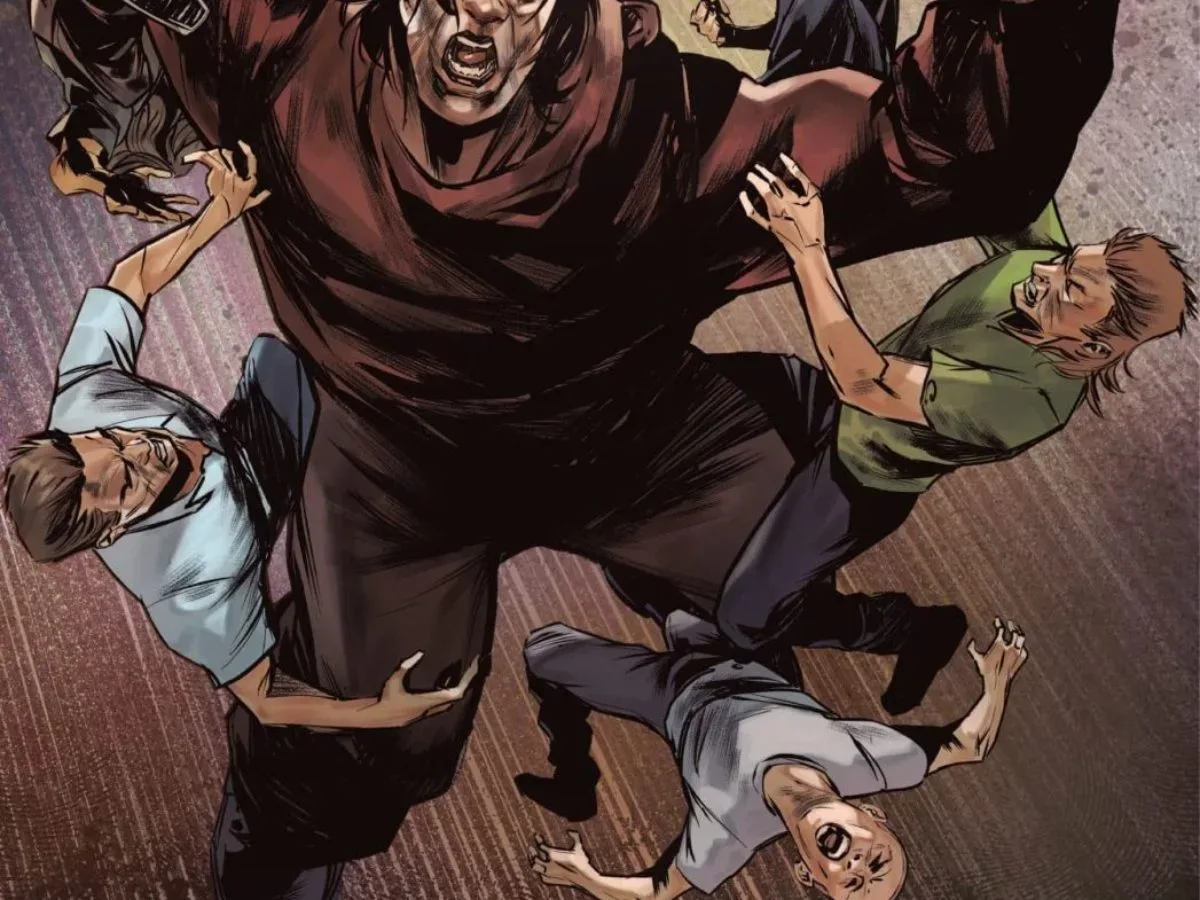
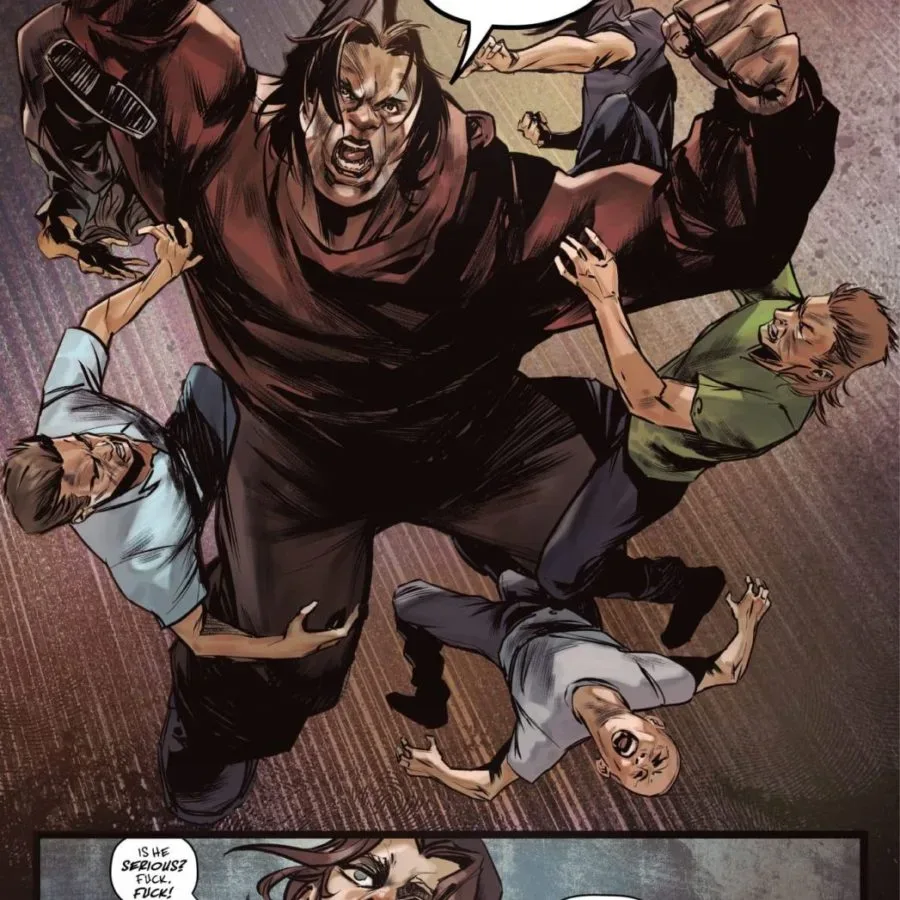
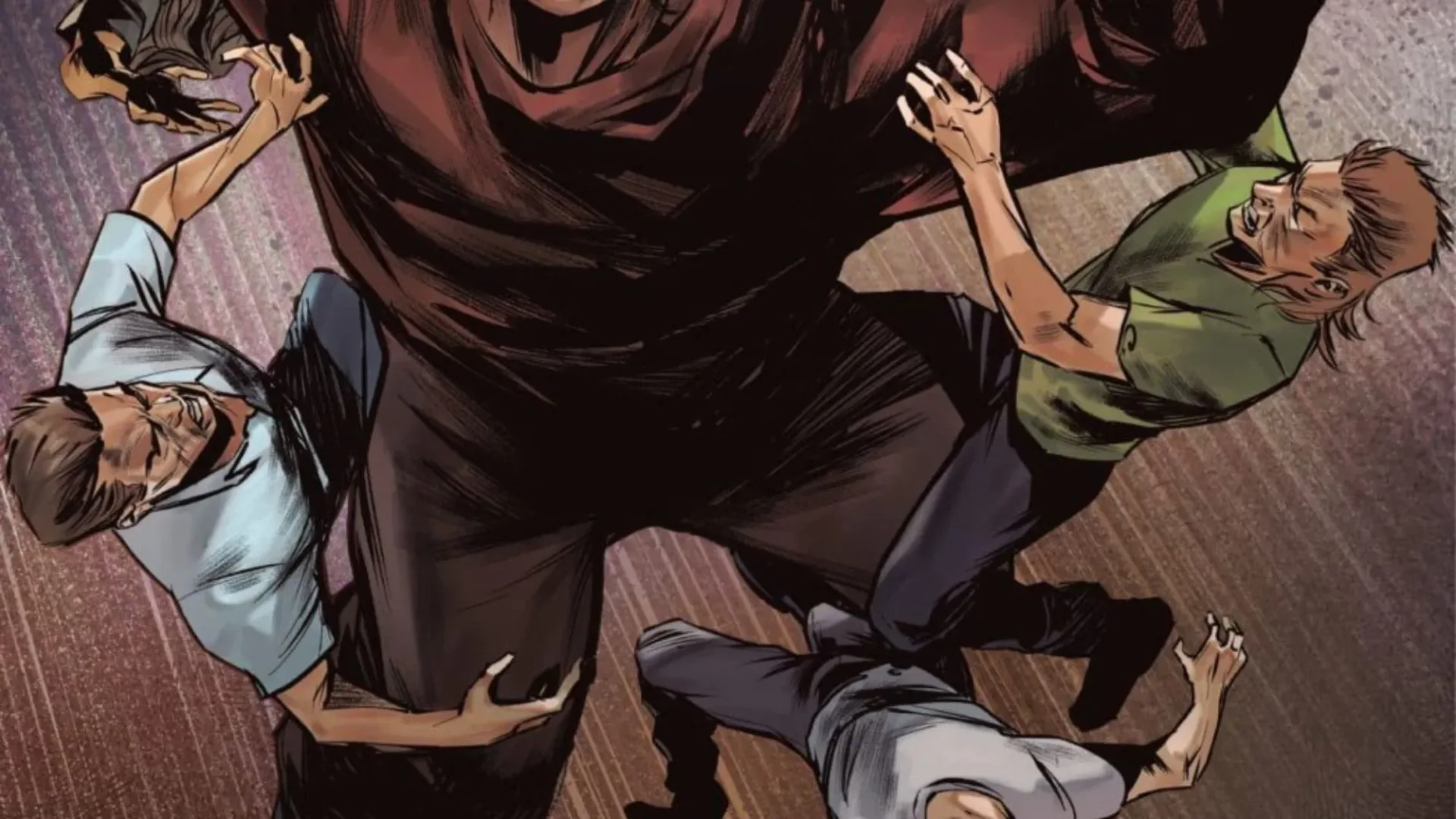
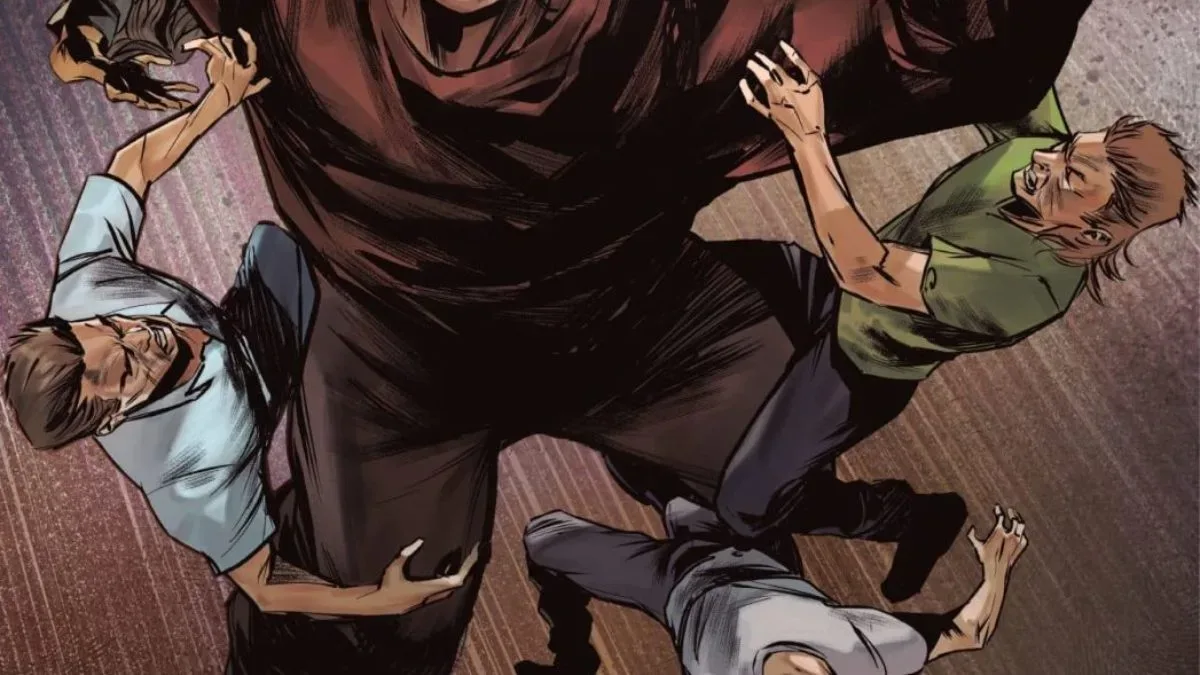
The catch, because no fictional wonderland is permitted to have an easy visitor policy, is that the two fathers encounter an immediate and deeply personal threat when they enter. Their own children attack them. It is a grim escalation for a premise that plays with childhood language and imagery while making it clear that this is no longer a harmless trip through fantasy.
Steve Orlando writes Land of Never #5, with Miguel Mora handling both the interior art and cover. The issue carries the item code 0926MA0916 and a suggested retail price of $4.99.
A revolt with consequences
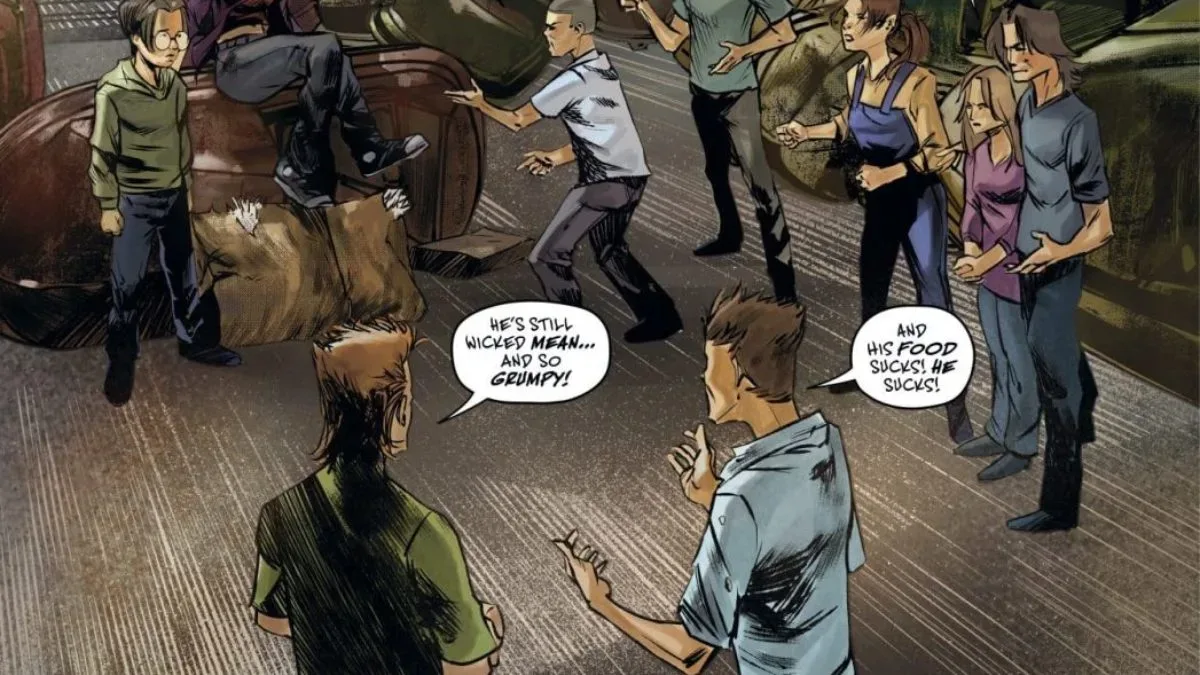
The solicitation frames the issue around Wendy’s rebellion against the Floating Man, an authority figure who continues to cast himself as the “big brother.” That self-appointed family title matters. It turns punishment into something he can portray as guidance, even as his reaction to opposition becomes increasingly severe.
There is a deliberately uncomfortable gap between the language of childhood and the stakes of the conflict. “Wonderland,” “big brother,” and “discipline” could suggest a fairy-tale hierarchy or a playground squabble in isolation. But the issue’s setup says otherwise: one of the lost has already been smashed, and the rebellion has become a matter of deadly consequences.
That contrast appears central to the tension. The Floating Man’s world seems built around warped versions of familiar childhood concepts, but it is also a prison. The terminology is not a decorative flourish; it is a mechanism of control. A figure calling himself a big brother may be attempting to claim the emotional authority of a family role while avoiding every responsibility that ought to come with it. It is the kind of logic that starts with “I’m doing this for your own good” and ends with someone being sent to a carousel-themed dungeon.
What “surreal prison” suggests here
A surreal prison is not simply a jail with unusual wallpaper. In this context, it describes a setting where the dreamlike or absurd quality of the world is tied directly to confinement and danger. The strange environment can make rules difficult to read, allies difficult to recognize, and escape difficult to define. The fact that Jim and Casey “raid” the place also signals that they are not just arriving to negotiate. They are entering hostile ground with a specific objective: finding and recovering their children.
That makes the fathers’ discovery a genuine story breakthrough rather than a routine change of scenery. Up to this point, locating the Floating Man’s wonderland has been a major barrier. Finding it means the search has advanced, but it also removes the protective distance between the adults and whatever has happened to the lost children inside.
Jim and Casey have the worst possible teamwork assignment
Jim Hoke and Casey Smith are described as having never struggled more to get along. Yet their partnership holds together because they reach a breakthrough: the wonderland is found. This gives the issue an additional pressure point beyond the main revolt. Two adults who cannot comfortably work together must coordinate a rescue inside a surreal prison, where the people they are trying to save may already see them as enemies.
The children attacking their fathers is the issue’s most emotionally loaded hook. It complicates the idea of rescue in several ways. The danger is no longer merely external, with adults storming a villain’s domain to retrieve passive captives. The children have agency in the confrontation, even if the circumstances behind that agency remain unknown. Jim and Casey must reckon with the fact that reaching their kids may not mean immediately reaching the people they remember.
It also puts the adults in an impossible-looking position. Defending themselves could risk harming the very children they have come to protect, while refusing to act could leave them unable to proceed. The solicitation does not explain why the children attack or whether the Floating Man is directly responsible, so readers will have to wait for the issue rather than treating any single explanation as settled. But the practical stakes are unambiguous: the rescue is no longer simply about access.
The Floating Man’s “discipline” is the real threat
The Floating Man’s role is especially ominous because he responds to a revolt not by surrendering control, but by doubling down on the language of family hierarchy. Calling himself the big brother positions him as someone who believes he has the right to set rules for everyone else. Calling punishment discipline seeks to make those rules sound caring or necessary.
Issue #5 looks poised to challenge that framing head-on. Wendy’s rebellion is described as furious, but the response is even more brutal. The story’s question is not merely whether a revolt can succeed. It is whether anyone inside the wonderland can resist a system designed to present coercion as protection.
That concept has plenty of bite without requiring the comic to overexplain it. Control works most effectively when it can be made to feel ordinary: a rule, a timeout, a correction, a supposedly benevolent older sibling insisting that everybody stop making such a fuss. The premise takes that familiar language and makes it menacing. The result is a fantasy scenario with an unsettlingly recognizable power dynamic.
Why the issue’s family angle matters
The issue combines two kinds of conflict that can pull in different directions. Wendy’s rebellion is collective: a group stands against the force holding it down. Jim and Casey’s mission is personal: two fathers try to reach their children. Their stories meet in the wonderland, suggesting that the larger fight and the family crisis cannot be separated.
That is useful dramatic architecture. The rebellion gives the setting its broad stakes, while the fathers and children supply the immediate emotional cost. One plot asks whether the Floating Man’s order can be challenged. The other asks whether a damaged family bond can survive the challenge. Neither outcome is provided in the solicitation, and the final question—whether the fathers are already too late—makes clear that merely getting through the door will not count as a victory.
There is also a pointed irony in the idea of adults entering an enchanted realm only to find that their children are the ones driving them back. Fiction has plenty of stories where parents face monsters to protect their kids. Here, the monster problem may have acquired faces they cannot bear to fight. That is a much nastier problem than a locked gate, although a locked gate does have the benefit of not calling you Dad while swinging first.
Creative team and release details
- Title: Land of Never #5
- Publisher: Mad Cave Studios
- Writer: Steve Orlando
- Artist and cover artist: Miguel Mora
- In shops: Wednesday, November 4, 2026
- Suggested retail price: $4.99
- Item code: 0926MA0916
The issue arrives on the same date as several game releases and announcements, including the planned Steam launch of Slumber Realm. For comic readers, though, November 4 is about whether a rebellion can withstand its ruler’s escalating reprisals—and whether Jim and Casey can get through to children who may no longer be waiting to be saved.
Land of Never #5 will be available through comic shops on November 4. Readers looking to continue the story should expect the Floating Man’s childish vocabulary to carry adult consequences, a prison break that is not remotely a clean escape, and a family reunion that has decided to begin with violence rather than hugs.