The Dirt Beneath the Devil #3 is scheduled to reach comic shops on October 7, 2026, continuing a frontier-set mystery in which an inheritance appears to be anything but a simple transfer of property. Written by Dan Panosian, with art by David Ferracci and a cover by Panosian, the $4.99 issue puts June and the surviving heirs under pressure from multiple directions: a pursuing group of Native riders, resurfacing secrets and accusations that threaten to fracture the party from within.
The official setup is deliberately spare on answers. What it makes clear is that William Buckley’s legacy sits at the center of the danger, and that the people left to contend with it cannot agree on whom to trust. For a series built around an inheritance, that is an effective complication. An heir is normally someone granted a legal or familial claim to what remains after a death. Here, the word “remaining” gives the claim a much darker edge. The inheritance is not simply something to receive; it seems to be something people must survive.
A pursuit story where the uncertainty matters
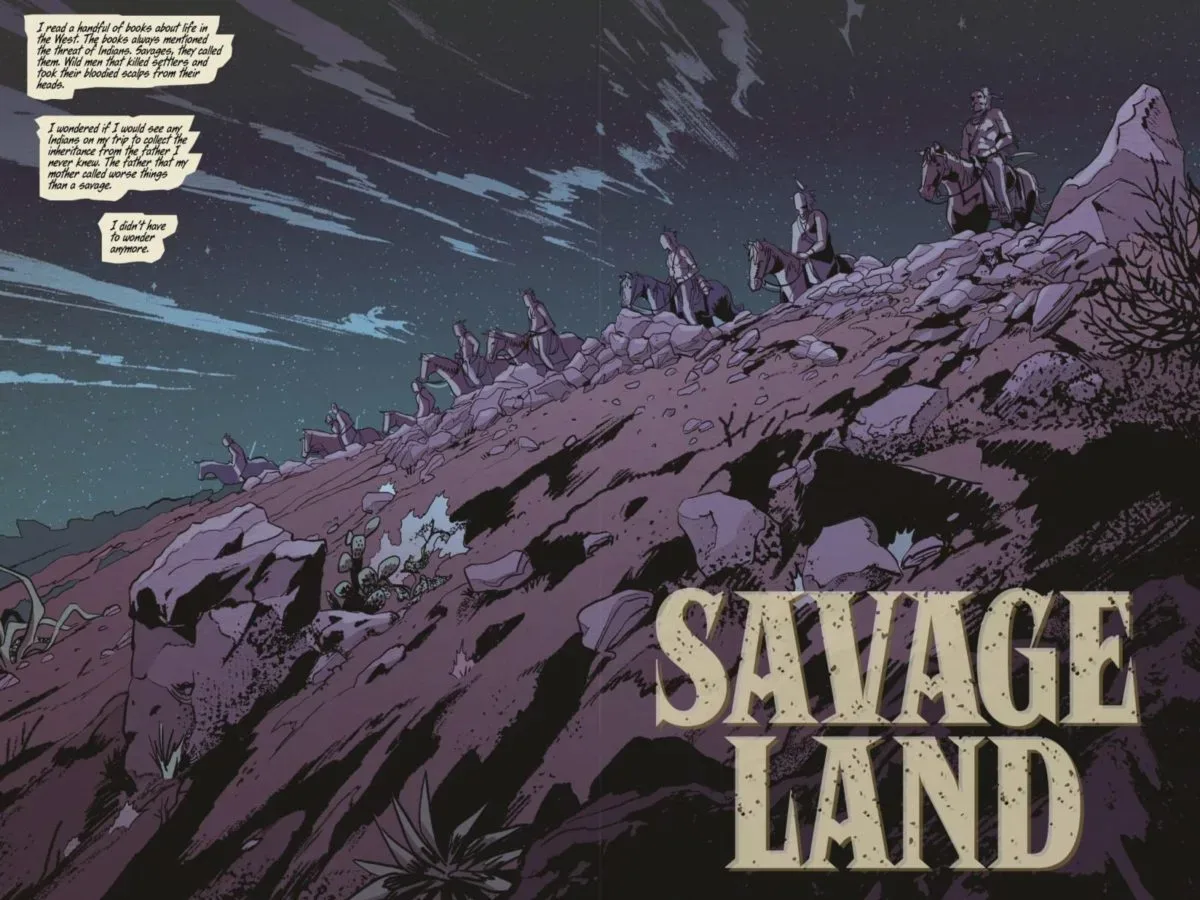
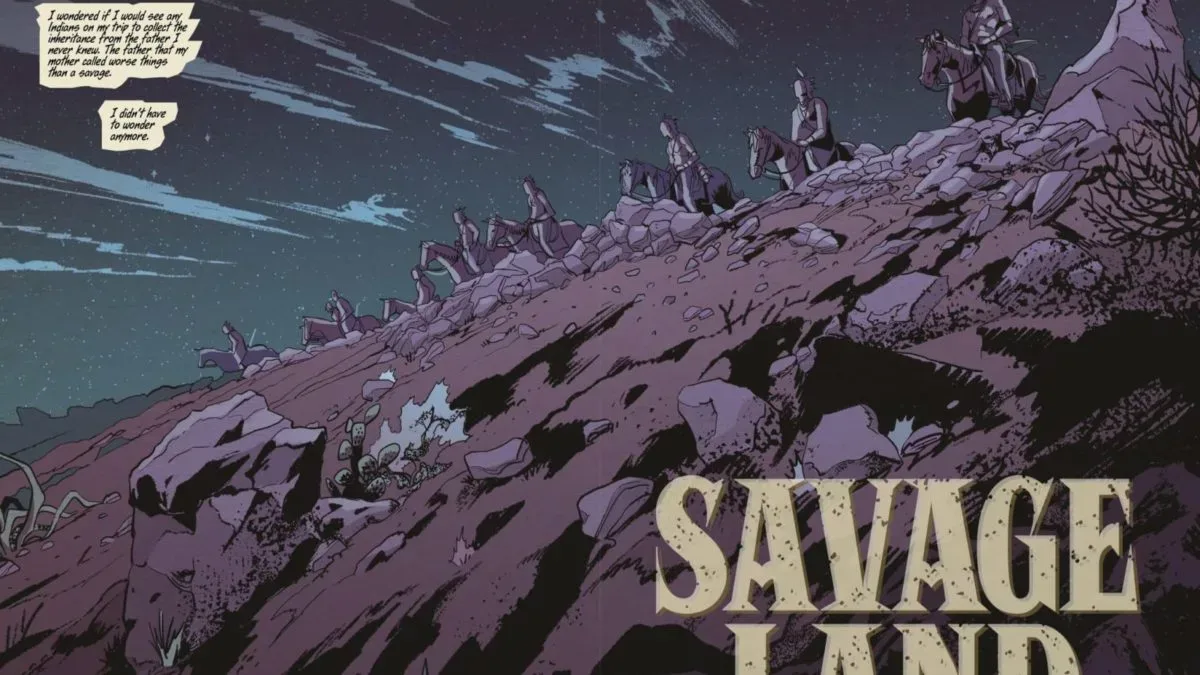
Issue #3 sends June and the other heirs into a violent frontier landscape while they are pursued by Native riders whose intentions have not yet been disclosed. That last detail is important: the available premise withholds their motive. The riders’ presence raises immediate stakes, but it does not establish them as the story’s ultimate antagonists. The larger threat may instead be bound to the inheritance itself, the conduct of the heirs, or the secrets now emerging among them.
That uncertainty is a useful engine for a suspense comic. A pursuit creates external pressure: the group must keep moving, make quick choices and contend with danger beyond its immediate control. Paranoia creates internal pressure: every conversation, unexplained action and fragment of new information can be treated as evidence of betrayal. Combining the two gives the issue a straightforward dramatic question beyond escape: can June and the others determine what is happening before fear makes them their own worst enemy?
The solicited material says that old secrets will come to light and that deadly accusations will turn companions against one another. Those are not interchangeable ideas. A secret is concealed information, while an accusation is an assertion of blame. In a tense group, a revelation can become an accusation quickly, especially when the consequences are potentially fatal. The premise therefore suggests that #3 may be less interested in offering comfortable certainty than in showing how people react when certainty is unavailable.
William Buckley’s legacy is the real question
The central mystery remains William Buckley’s legacy, described as stranger and more frightening than the heirs anticipate. The description does not explain what Buckley left behind, how June is related to him, or why the inheritance has placed several people in harm’s way. Those absences are the point of the preview: they identify the issue’s dramatic center without prematurely resolving it.
“Legacy” carries more weight here than “estate.” An estate generally refers to the assets and obligations a person leaves behind. A legacy can also include reputation, family history, consequences and unresolved harm. The premise’s emphasis on long-buried secrets suggests that the series is using the second meaning as heavily as the first. Whatever the heirs believe they are entitled to, Buckley’s past may be the more consequential thing they have inherited.
For readers following serial mystery comics, issue #3 is positioned as an escalation chapter. The group is already reduced to the “remaining heirs,” then confronted by pursuit and distrust at the same time. That phrasing signals danger without confirming who has been lost, why the group has diminished, or what happened before this point. New readers should expect a chapter that builds on prior circumstances rather than a full entry-point explanation, while current readers have a clear promise that the inheritance plot will be pushed into more threatening territory.
The frontier setting raises the temperature
A frontier setting is often useful to stories of isolation because it limits the safety nets available to the characters. The provided description does not specify a location or period, so it would be premature to draw detailed historical conclusions from the setting alone. It does establish, however, that the characters face a landscape where travel, pursuit and separation matter directly to the plot.
In that environment, distrust has practical effects. A group questioning its own members may struggle to choose a route, decide whom to believe or respond coherently to a threat. The solicitation’s promise of violence means these pressures are not merely emotional. The comic is framing personal suspicion as a survival problem.
That approach also distinguishes the issue from an inheritance mystery that might unfold through documents, lawyers and drawing-room revelations. The premise moves the dispute into motion. June and the other heirs are not calmly sorting through a will; they are under pursuit as secrets surface. The result is a genre blend built from western imagery, horror-tinged mystery and interpersonal conflict.
What the cover imagery signals
The cover imagery offers a similarly heightened clue to the book’s tone. It depicts a woman riding a horse with three eyes and fangs, an overtly unnatural image that aligns with the suggestion that Buckley’s legacy is more terrifying than it first appears. It does not confirm the creature’s place in the plot or explain whether it is literal, symbolic or part of a vision. But it clearly points the book away from a strictly realistic frontier drama.
That visual choice makes the title’s ominous language feel more than metaphorical. The preview has not defined the “devil” or the “dirt” at the heart of the series, and readers should not assume the cover solves that mystery. Still, the image establishes an expectation of horror-inflected strangeness rather than a conventional family dispute. It is a promise of mood, not a plot summary.
Creative team and release details
- Title: The Dirt Beneath the Devil #3
- Publisher: Mad Cave Studios
- Writer: Dan Panosian
- Artist: David Ferracci
- Cover artist: Dan Panosian
- Additional listed cover: Christian Ward cover
- Release date: October 7, 2026
- Suggested retail price: $4.99
For readers interested in another recent comic premise that treats a seemingly ordinary product as the starting point for a life-or-death conflict, see Pop Kill: Big Candy #1 and its fight-for-survival setup.
What to watch for in issue #3
The key question is not simply whether June’s party can evade the riders. The solicitation points toward several connected mysteries: what the riders want, what the heirs are concealing, why the group has become “remaining” heirs, and what William Buckley actually left behind. An issue structured around those questions can advance the series even without revealing every answer. One trustworthy piece of information, one accusation that lands, or one new complication in the pursuit could reshape the group’s understanding of the entire inheritance.
Readers should also keep a distinction between confirmed details and purposeful ambiguity. June, the heirs, the pursuit, the rising paranoia and Buckley’s frightening legacy are all part of the stated setup. The identity of any real villain, the motivations of the riders, the precise nature of the legacy and the meaning of the cover creature remain unrevealed. That is where the tension of The Dirt Beneath the Devil #3 appears to reside: not in a prize waiting at the end of the trail, but in the possibility that every step toward it uncovers a worse truth.