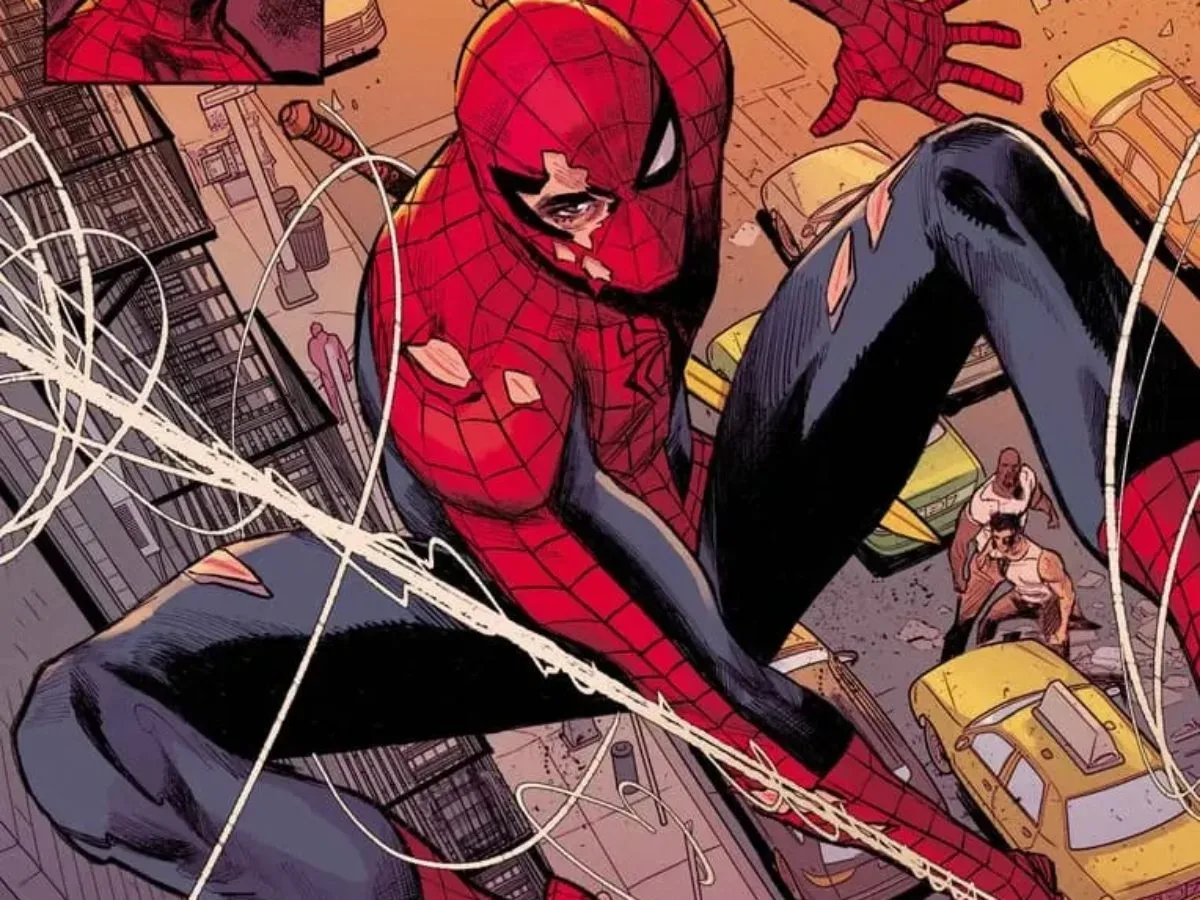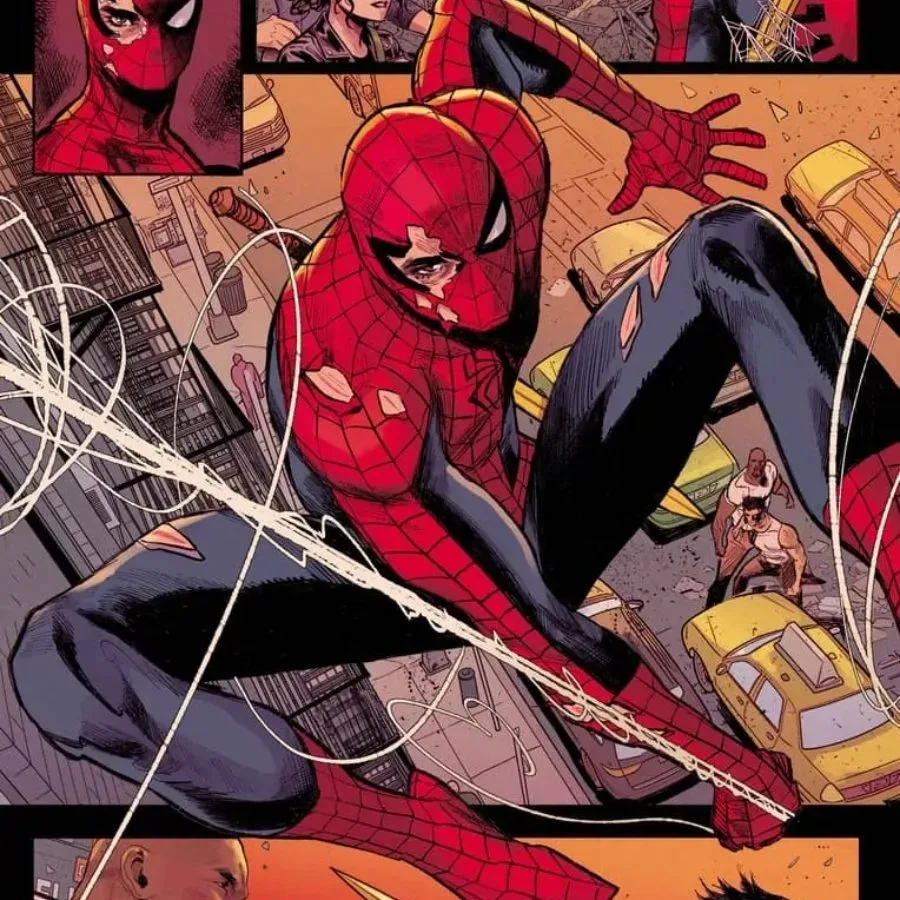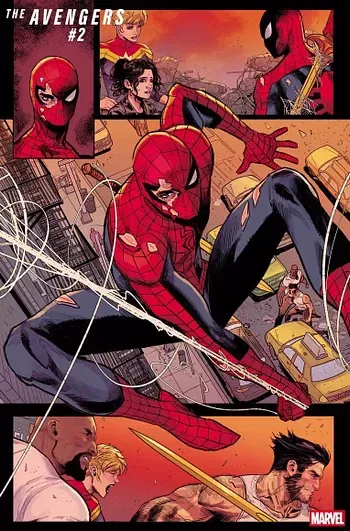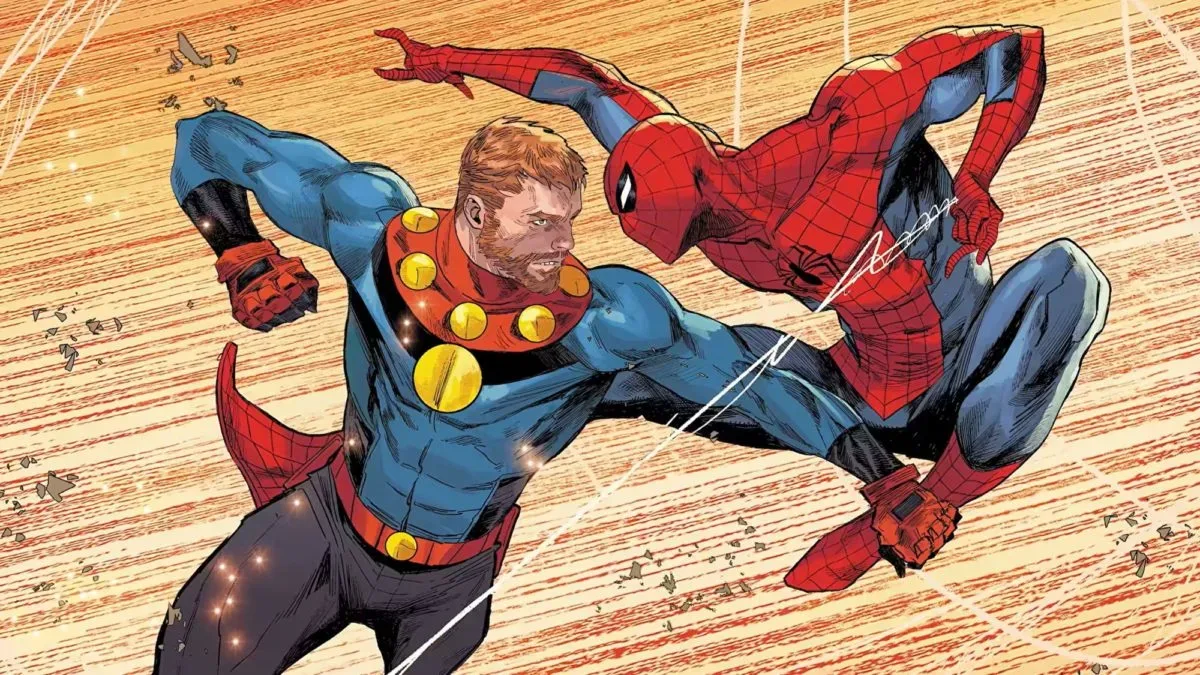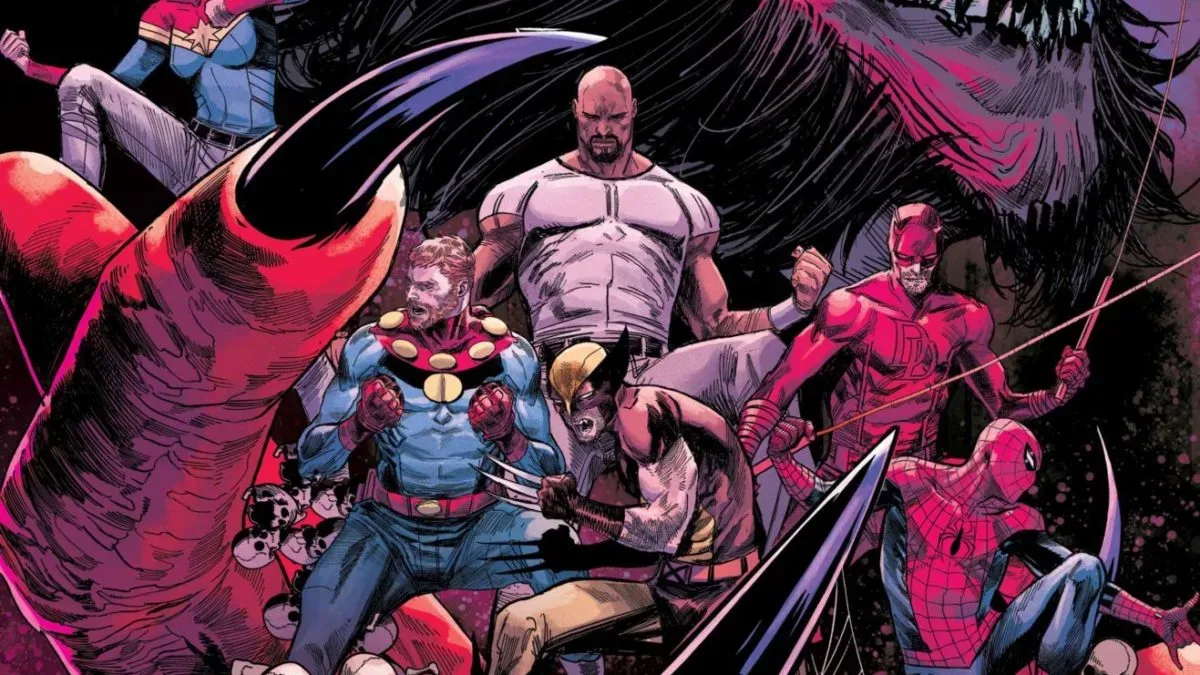
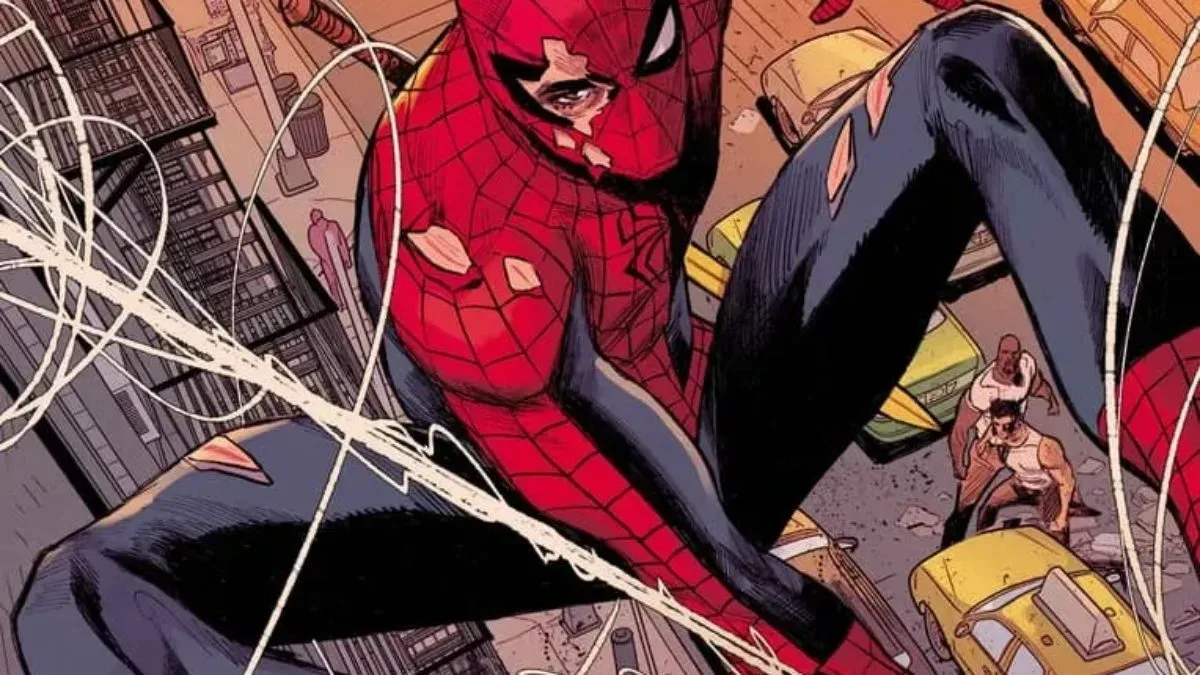
Spider-Man’s reported appointment as the new leader of the Avengers has become a major point of attention for comic-book readers. The development, tied to Avengers #2 by Chip Zdarsky and Marco Checchetto, led a late-November list of widely read pop-culture stories. That is a meaningful result in a news cycle crowded with DC editorial discussion, Marvel crossover revisions, comic-shop business news, action figures, television and music headlines.
The immediate fact is straightforward: Spider-Man is being positioned as the Avengers’ leader. The wider question is much more fun: what does “leader” mean when the person in charge is one of superhero comics’ most famously overextended, financially stressed and personally chaotic heroes? The Avengers have never exactly been a low-meeting, low-drama organization, so putting Peter Parker near the command console has the potential to change the book’s emotional texture even before readers know the full shape of the story.
What is confirmed
The available information identifies Spider-Man as the Avengers’ new leader and connects that status quo to Avengers #2, credited to writer Chip Zdarsky and artist Marco Checchetto. It does not establish how Peter receives the position, whether the entire roster supports the choice, how long the arrangement will last, or what specific mission triggers it. Those are important distinctions, particularly in serialized superhero fiction, where a cover-level premise and a character’s long-term role are not automatically the same thing.
Readers should therefore treat the leadership designation as the central confirmed premise, rather than fill in unannounced details around it. No roster, villain, release plan, plot resolution or broader publishing initiative is established by the information at hand.
For more context, explore 1986 Fleer Basketball: Jordan, Star 101 and the Great Rookie Checklist.
Why Spider-Man in charge is an inherently compelling premise
“Team leader” is a deceptively loaded job in superhero comics. It does not simply mean being the strongest member or the most recognizable name on the cover. In narrative terms, the leader is often the character who must make calls under pressure, reconcile incompatible personalities, accept responsibility when a mission goes wrong and articulate what a team is supposed to stand for.
Spider-Man has an unusually strong relationship with that last idea. His defining heroic identity has long been rooted in responsibility, which makes him an intuitively understandable choice to readers even without knowing the story mechanics behind the appointment. But responsibility is not the same thing as authority. A leader has to delegate, trust other people and sometimes make decisions that leave no clean outcome. Those tensions could provide a natural dramatic engine for an Avengers series led by Peter.
There is also a useful contrast between Spider-Man’s traditional operating mode and the Avengers’ scale. Spider-Man is commonly associated with a personal, street-level perspective: saving individuals, responding quickly and experiencing the consequences of hero work up close. The Avengers name, by contrast, signals a team built for large crises and several powerful personalities moving in the same direction. Bringing Spider-Man’s perspective into a leadership position potentially makes the book less about whether he can take a punch and more about whether he can guide a room full of heroes through the next impossible decision.
Leadership is not the same as power
In superhero-team terminology, a roster is the group of active members attached to a title or organization. A status quo is the current baseline setup of a series: who is on the team, where they operate and what relationships define the book at that moment. Both can change quickly, but they shape the expectations readers bring to every issue.
Leadership sits slightly apart from either concept. It is a storytelling function as much as an in-universe rank. A leader may be the planner, the moral center, the public face, the person holding the team together, or the character whose choices create the main conflict. The most interesting versions tend not to treat authority as a prize. They treat it as a source of pressure.
That is why Spider-Man’s role has immediate narrative promise. The hook is not merely that a familiar character gets a new title. It is the possibility that the title asks something different from him. A capable solo hero can act on instinct. A team leader has to account for everyone else’s strengths, risks and agency. If the series leans into that difference, the premise could explore a side of Spider-Man that action scenes alone cannot.
Zdarsky and Checchetto’s names frame the creative conversation
The credited creative team matters because comics are a collaboration between script and page. The writer determines the dialogue, scene construction, character conflicts and larger plot movement. The artist establishes how those ideas are staged visually: the timing of a reveal, the force of an impact, the body language during an argument and the visual identity of a group of heroes who must remain distinct on the same page.
For a book built around an Avengers leadership shift, those two jobs are especially connected. A leadership story needs scenes of discussion and disagreement as much as it needs spectacle. It must show who is listening, who is resisting and when a decision changes the mood of a room. Likewise, a superhero team must remain legible in motion. Readers need to understand not only what is happening, but who is taking initiative and who is responding.
Avengers #2 is therefore more than a number on a cover in this context. It is the issue directly attached to the leadership conversation and a useful marker for readers following the development. What cannot yet be inferred is the eventual duration or outcome of Spider-Man’s role. Comics readers know that a first major turn can lead to a lengthy era, a sharp reversal, or a setup for a larger conflict; the supplied information does not settle which route this story takes.
Why the news traveled beyond a routine comic-book update
Spider-Man is one of the medium’s most recognizable characters, and the Avengers are one of its most visible team brands. Combining the two produces an instantly legible headline, even for people who are not following every issue. It communicates a clear change in one sentence: Spider-Man is no longer simply alongside the team; he is guiding it.
The attention around that idea also reflects the value readers place on character roles. New costumes, new powers and surprise enemies can generate excitement, but changes in responsibility often invite a different kind of engagement. Fans begin asking what the promotion says about a character, what it might cost them and how peers will react. Those questions can sustain conversation between issues without requiring readers to know every granular piece of continuity.
That accessibility is particularly useful for an Avengers comic. Team books are often places where readers encounter several heroes at once, including characters whose solo titles they may not regularly read. A visible leader gives the group a focal point. For a potential new reader, Spider-Man can be an easy entry point; for a longtime reader, the same setup creates a fresh lens for a character whose core traits are already familiar.
What readers can watch for next
Until more story specifics are established, the best approach is to separate the confirmed status quo from the questions that make it exciting. Readers following Avengers #2 can look for a few practical indicators of what this leadership era is designed to be:
- The nature of the role: Is Spider-Man a formal field commander, a strategic organizer, a temporary choice during a crisis, or something else?
- The team dynamic: Does the series present leadership as consensus-building, conflict management or a burden Peter initially does not want?
- The scale of the book: Will the title emphasize large threats, interpersonal fallout, or a balance of both?
- The visual language of authority: Group compositions, planning scenes and action-page focus can all show how the comic wants readers to understand Spider-Man’s new place.
- The consequences: The most revealing moments may be the costs of a call made under pressure, rather than the announcement of the role itself.
None of those questions presume a particular answer. They are simply the places where a leadership premise becomes a story rather than a headline.
A busy comics conversation, with Spider-Man at its center
The wider late-November discussion was not limited to one Marvel development. Readers were also engaging with a reported Marvel comic-shop market-share result, a new Etrigan origin in The Demon #3, a discussion involving a DC editorial note, a revised Star Wars/Marvel crossover script and the opening of two additional Ultimate Comics stores in North Carolina. That range is a reminder that comics interest does not exist in a vacuum: creators, shops, publisher competition, legacy characters and new releases all feed the ongoing conversation.
Still, Spider-Man leading the Avengers rose above that mix. The premise is simple enough to be immediately understandable and rich enough to invite genuine speculation about character, responsibility and team dynamics. That combination is hard to beat. A hero who usually carries the weight of his own choices is now positioned to carry the weight of the Avengers’ choices too—and that is a superhero promotion with enough built-in stress to power several issues.