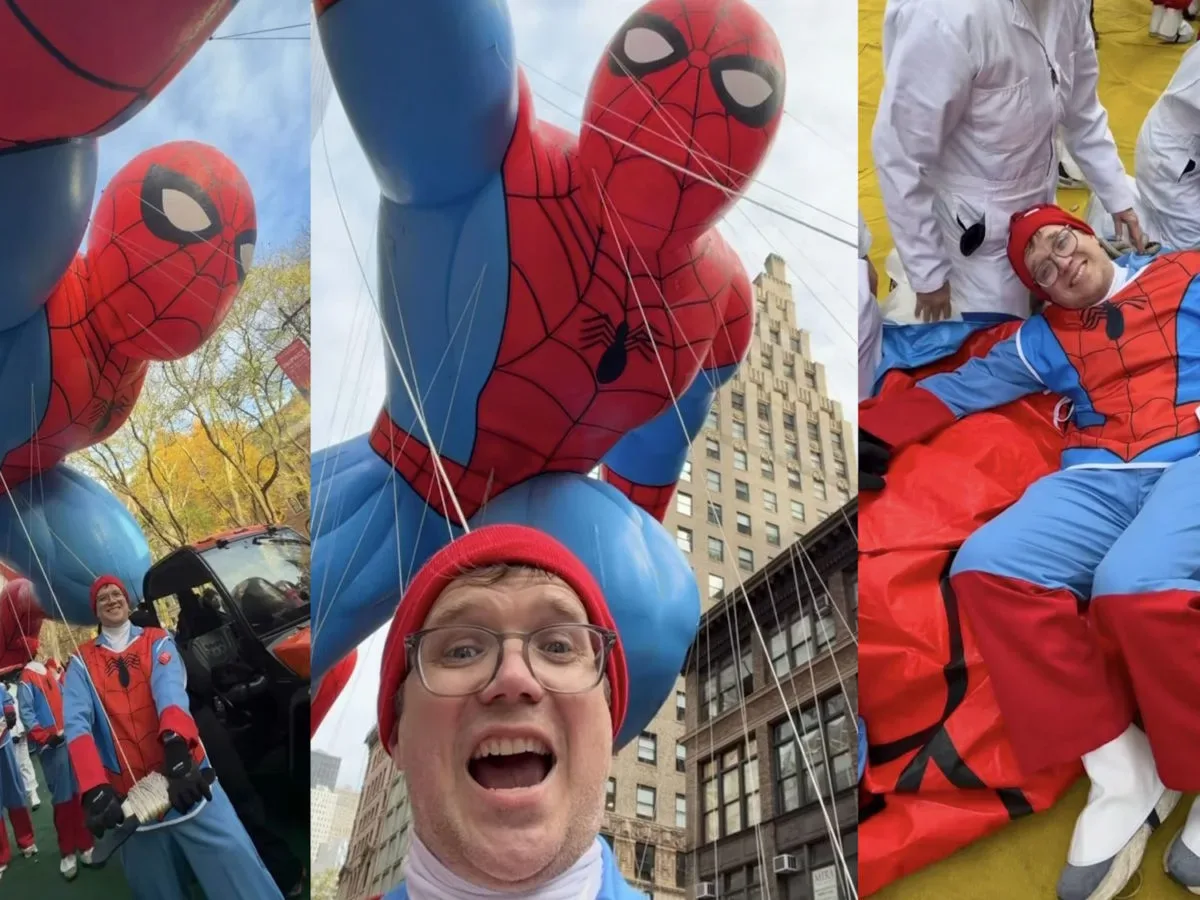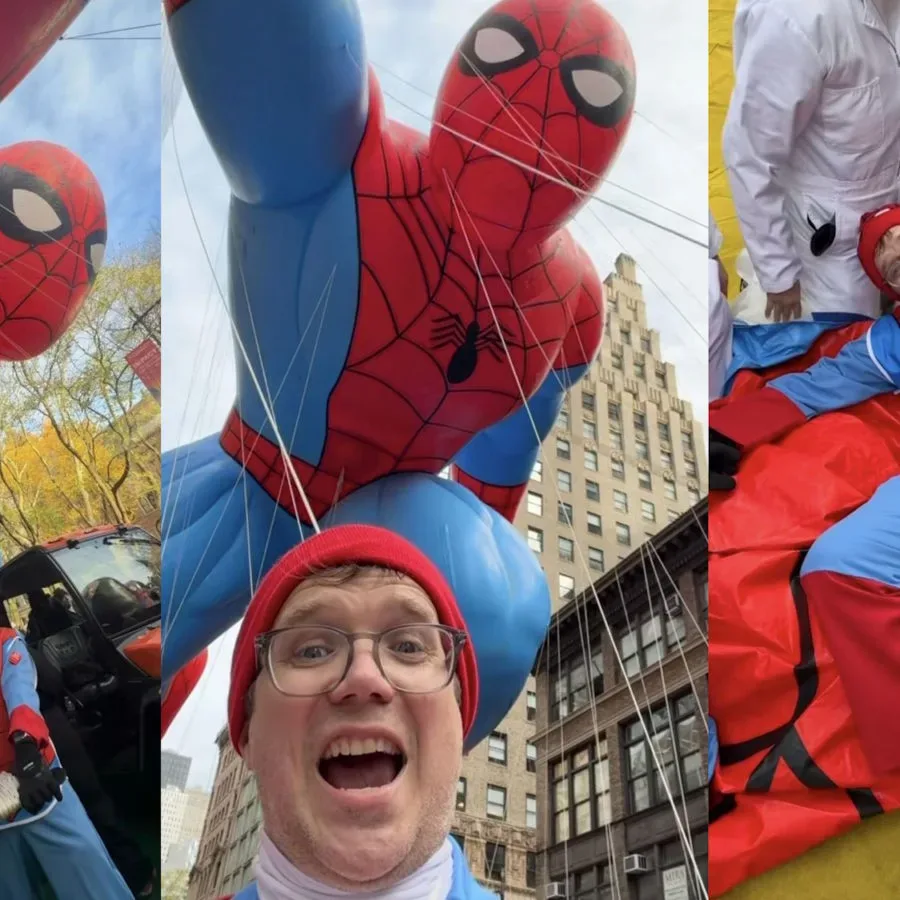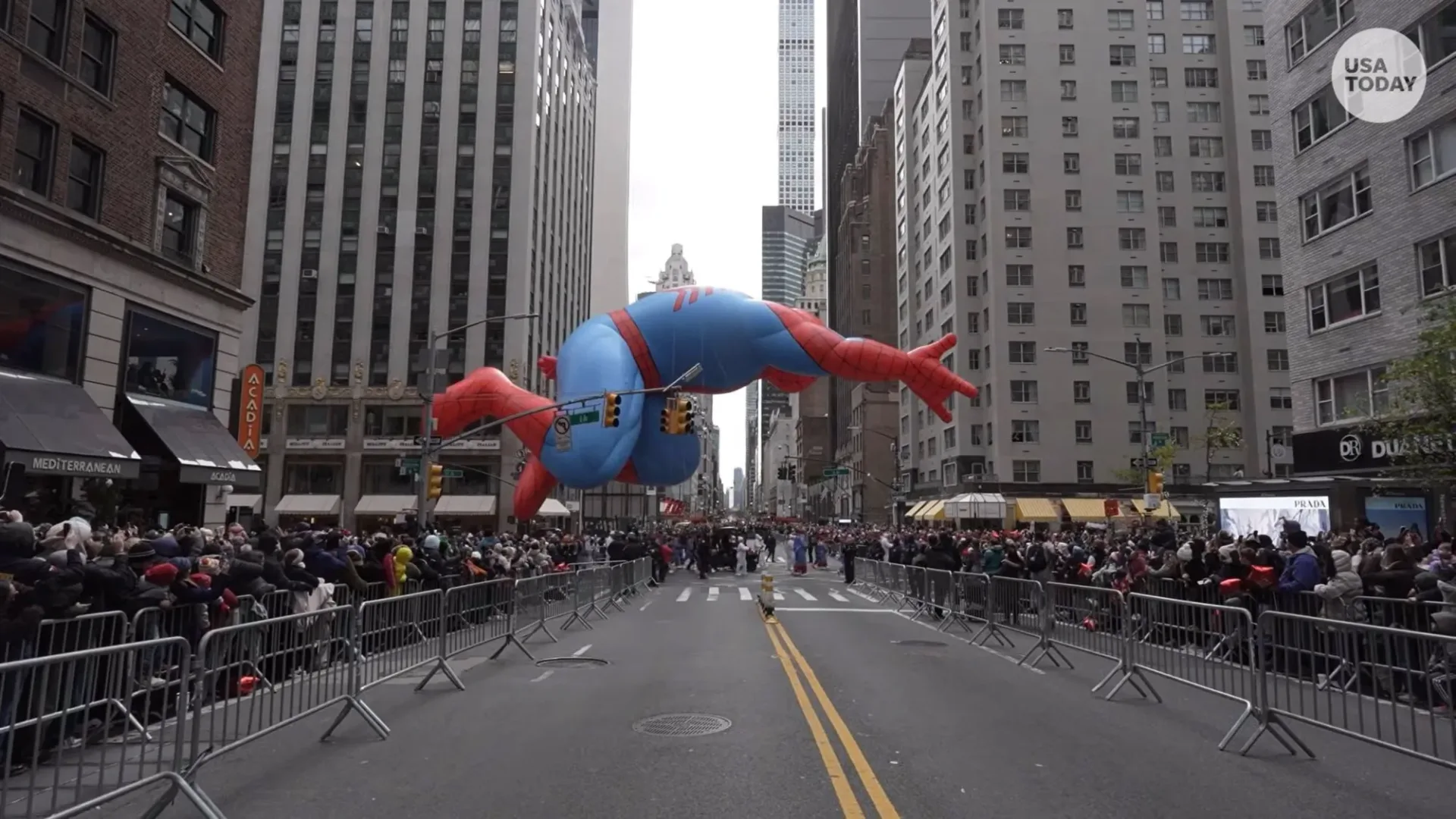
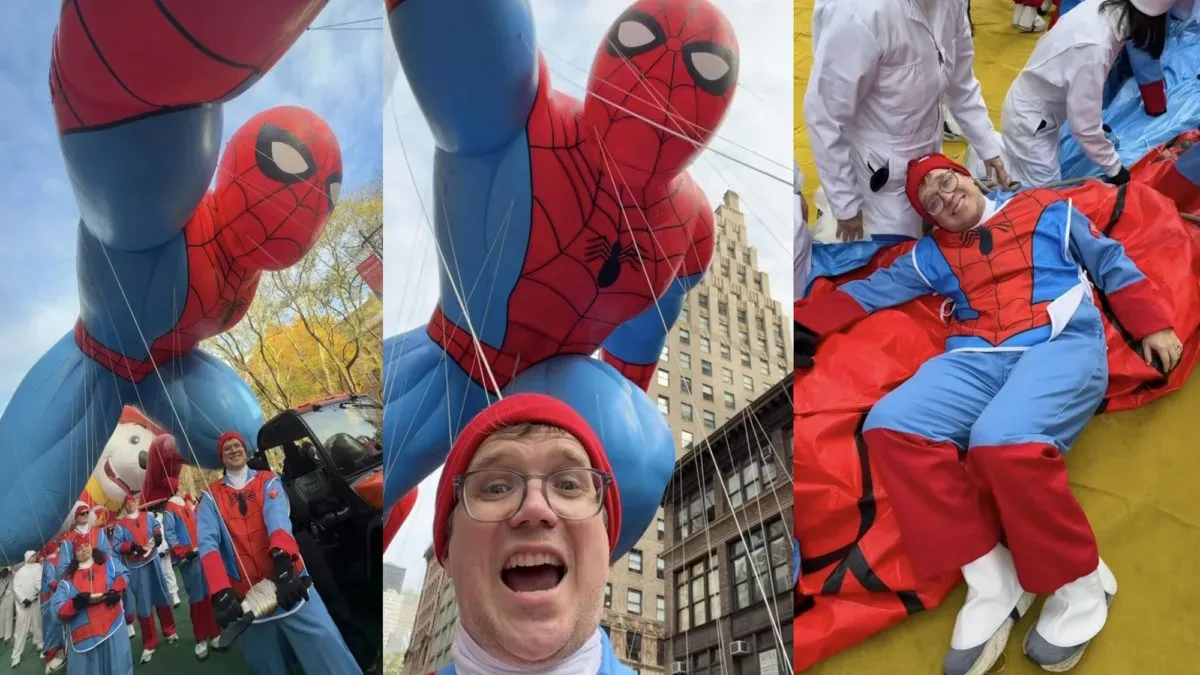
Spider-Man Group Editor Nick Lowe traded editorial duties for a parade-route assignment this Thanksgiving, joining the team that guided the giant Spider-Man balloon through New York. Lowe shared the experience on Instagram, describing himself as a balloon handler and calling the route “the best long walk ever.”
The post offers a charmingly literal expression of the job behind one of pop culture’s biggest public icons. A parade balloon does not simply float above the city on its own; handlers, pilots and captains work together to steer it along the route. Lowe said the work continued after the procession, with the team helping to deflate and pack Spider-Man away until the character’s next outing.
For someone whose day job involves overseeing Spider-Man comics, the role is a particularly fitting one. Editors are generally responsible for the creative and production coordination of a line of comics: working with writers, artists and other contributors, maintaining continuity, and helping guide stories from planning to publication. Balloon handling is obviously a very different kind of responsibility, but both jobs involve looking after a major character with a large and intensely attentive audience.
A very public Spider-Man tradition
Spider-Man’s parade relationship predates the balloon itself. A costumed version of the hero appeared in the Macy’s Thanksgiving Day Parade in the early 1980s. The giant helium balloon followed in 1987, becoming the first Marvel character represented in that format.
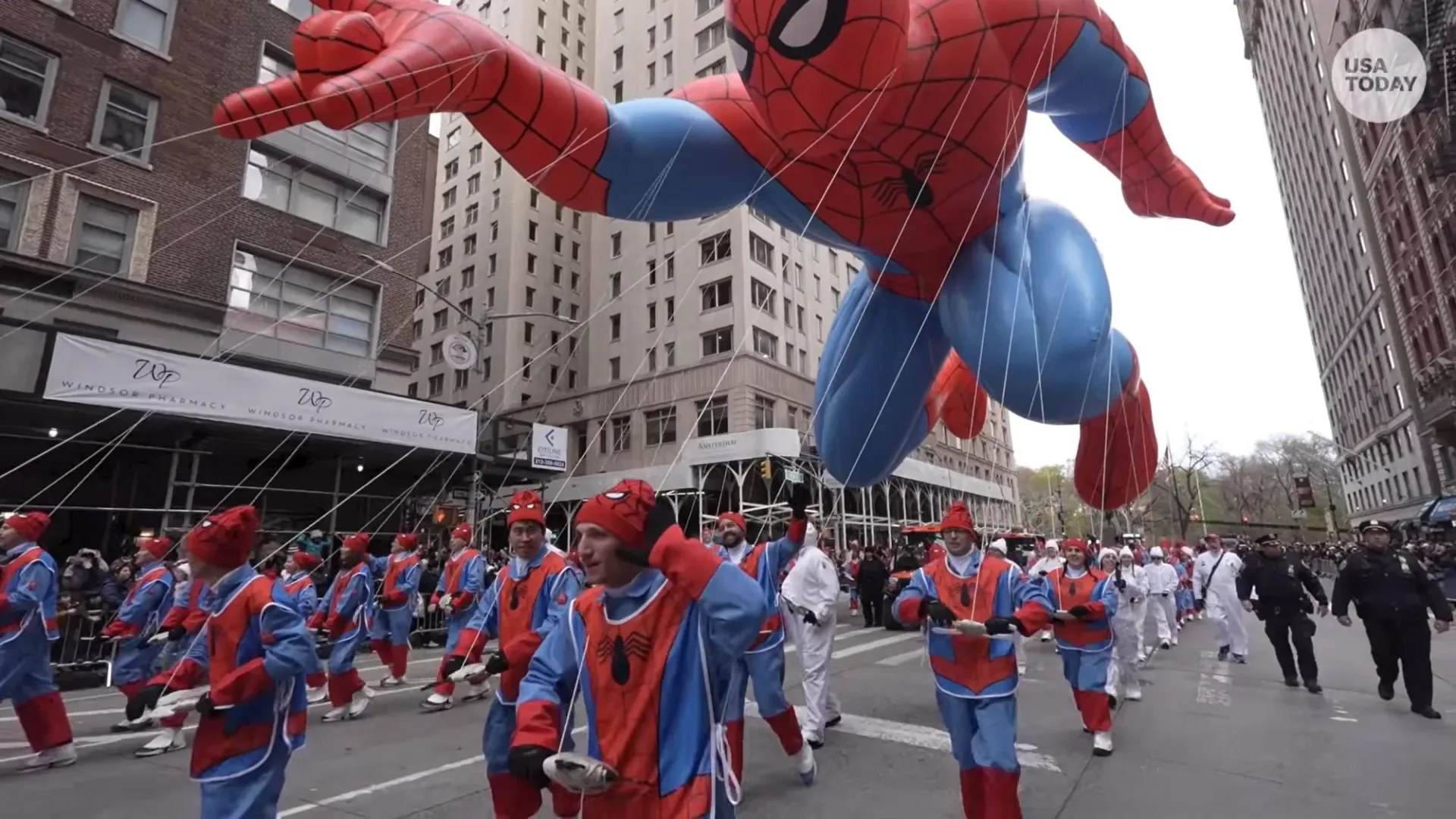
The original balloon was a substantial piece of parade engineering: about 78 feet long and 36 feet wide, filled with roughly 9,500 cubic feet of helium and guided by around 40 handlers dressed in web-themed outfits. Those figures help explain why the handler role is meaningful rather than ceremonial. Moving a large inflated character through city streets requires a coordinated ground crew, while pilots and captains provide the route-level guidance Lowe referenced.
Spider-Man’s first balloon had help from John Romita Sr., one of the defining artists in the character’s visual history. Former Marvel Editor-in-Chief Jim Shooter also contributed to its development after an early version was said to have looked more like a “chubby Spider-baby” than the agile wall-crawler readers knew. It is an unusually direct example of comic-book visual language being translated into a giant three-dimensional public display: getting the silhouette, proportions, eyes and pose right matters when the subject is visible from blocks away.
The balloon ran for more than a decade before retiring after the 1998 parade. Spider-Man returned in redesigned balloon form in 2009 after an 11-year absence. That version used a crawling pose, larger eyes, and deeper red and blue costume colors, and remained in the parade through 2014.
The new balloon looks back to Romita
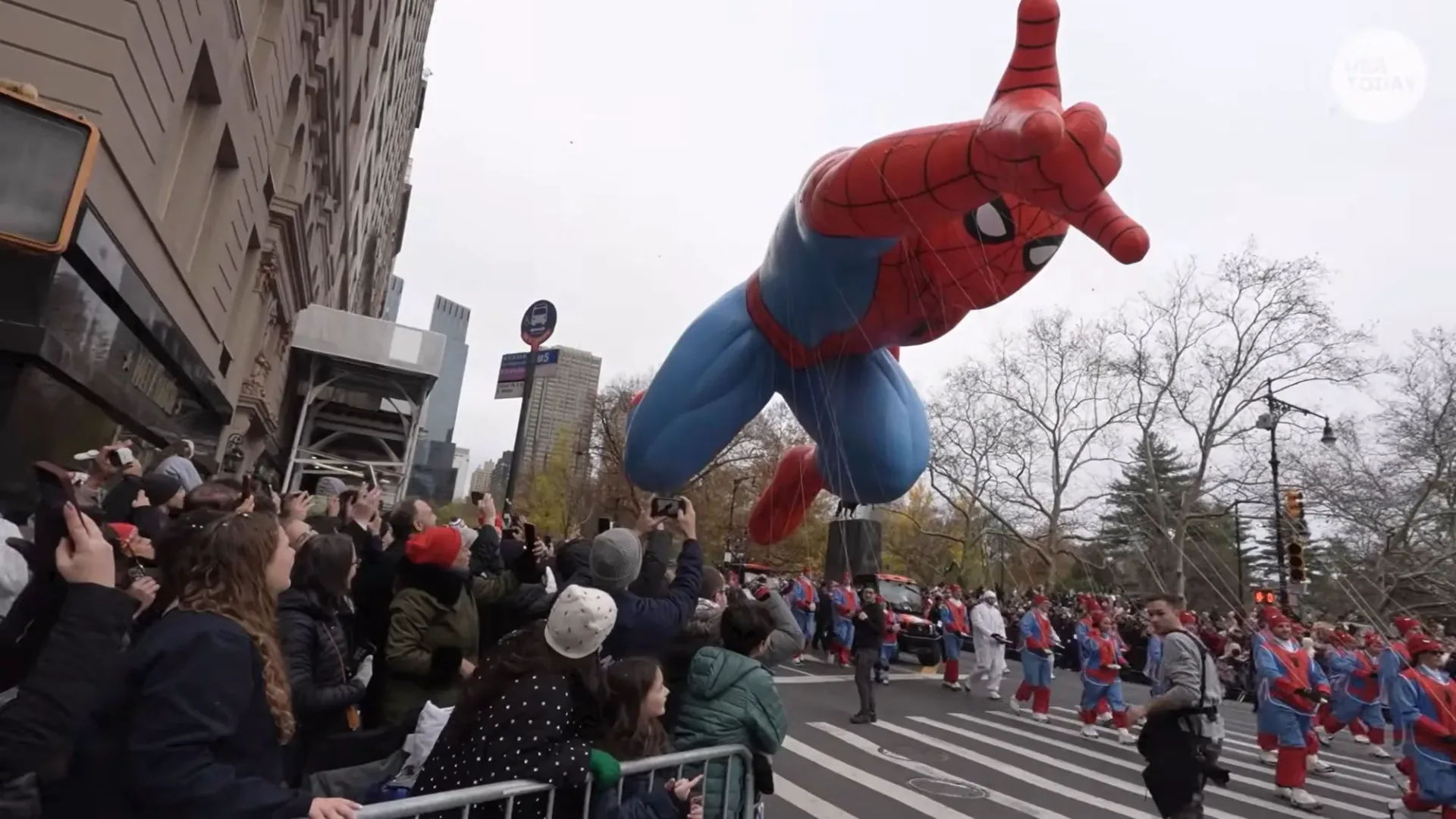
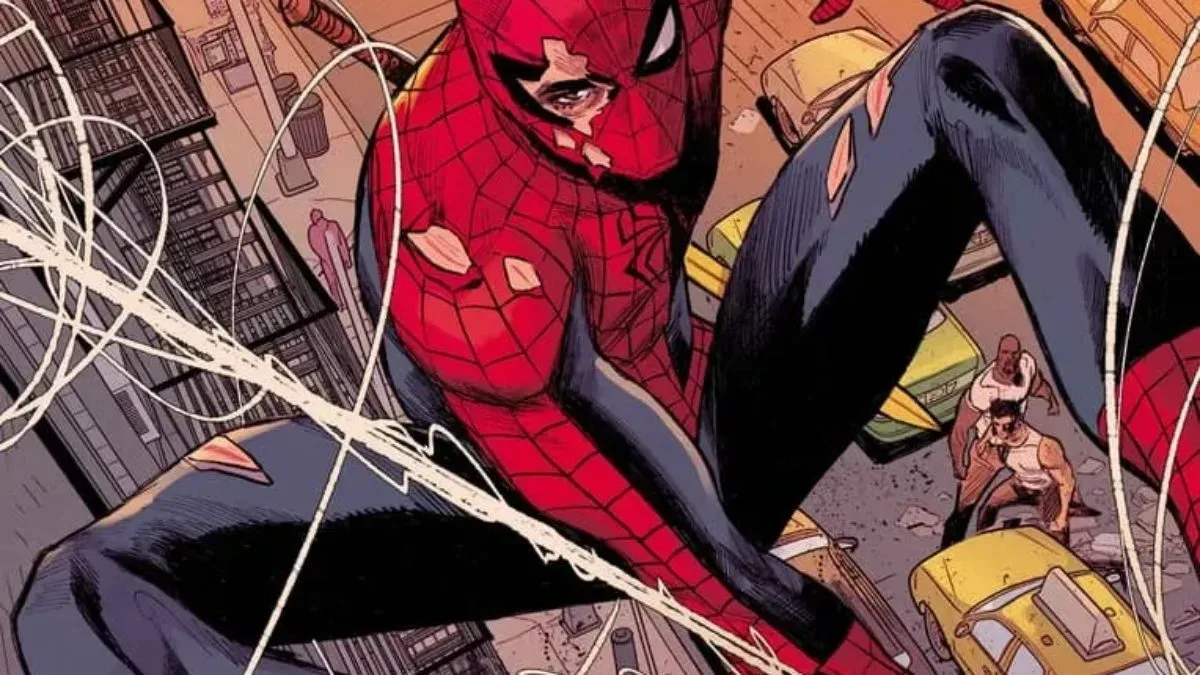
The current Spider-Man balloon debuted in 2024 and returned this year. It is more explicitly rooted in John Romita Sr.’s classic Spider-Man art, with a muscular build and a web-swinging pose. At 44 feet tall, it presents a different approach from the earlier long, crawling balloon: rather than merely enlarging a costume design, it makes the hero’s motion and comic-panel body language part of the attraction.
That creative connection was also recognized during the televised parade coverage, which credited the balloon’s design to Romita. The same coverage noted that Amazing Spider-Man has reached its 1,000th issue. Together, those details underline the unusual durability of the character’s imagery. Spider-Man can appear in a landmark comic issue while a design language associated with a classic artist continues to inform a major live-event balloon decades after the first version took flight.
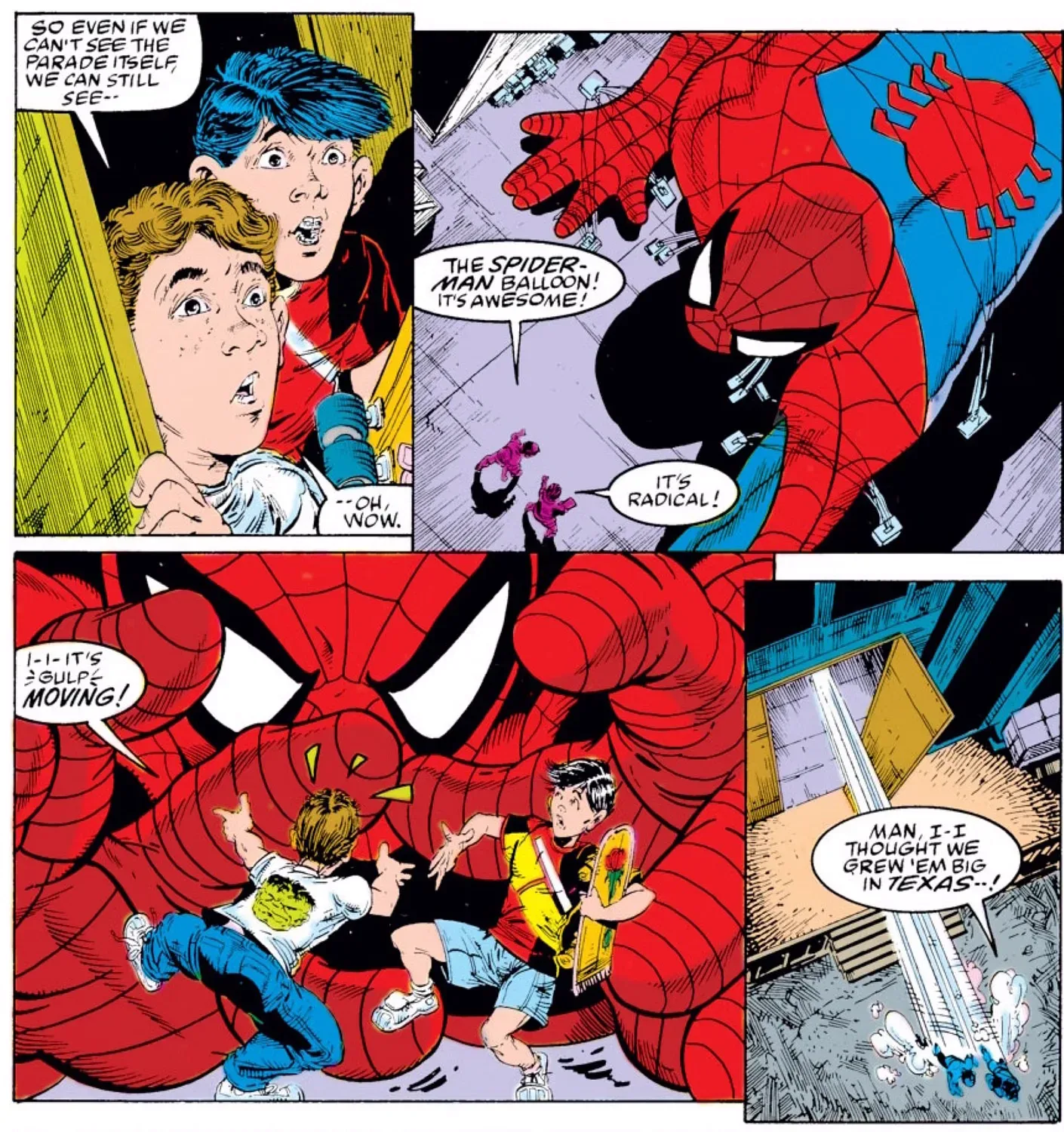
There is precedent for the parade balloon becoming comic-book material in return. During the 1988 Inferno event, the Spider-Man balloon appeared in Amazing Spider-Man. The appearance gave artist Todd McFarlane an opportunity to poke at the contrast between his own Spider-Man approach and the parade balloon’s design. It is a small but revealing crossover between two versions of the same character: the balloon belongs to a mass public event, while comics artists constantly reinterpret Spider-Man on the page.
A bittersweet view from the office
The parade also carried a note of transition for Marvel staff. Sven Patrick Larsen posted from the Marvel Comics offices as the route passed, describing the occasion as bittersweet because it would be the last time staff watched the parade from those offices before Marvel Comics leaves its longtime New York home for Burbank.
That setting gives Lowe’s participation extra resonance. Spider-Man is among the superheroes most identified with New York, and the parade has long turned that association into a physical sight above its streets. An editor responsible for the character helping guide the balloon on what is described as Marvel’s final office-side parade viewing in New York makes the moment more than a novelty social-media post. It is a brief, human-scale connection between a publishing institution, a city-spanning spectacle, and a character whose identity is inseparable from New York’s architecture and energy.
It also demonstrates why recognizable comic art remains so important outside the printed page. The parade balloon is not a panel reproduction, nor does it need to be. It must work at an enormous scale, communicate instantly, survive distance and weather, and remain unmistakably Spider-Man from multiple angles. The enduring visual cues are doing the heavy lifting: oversized white eyes, red-and-blue color blocking, web patterns and a pose that suggests movement.
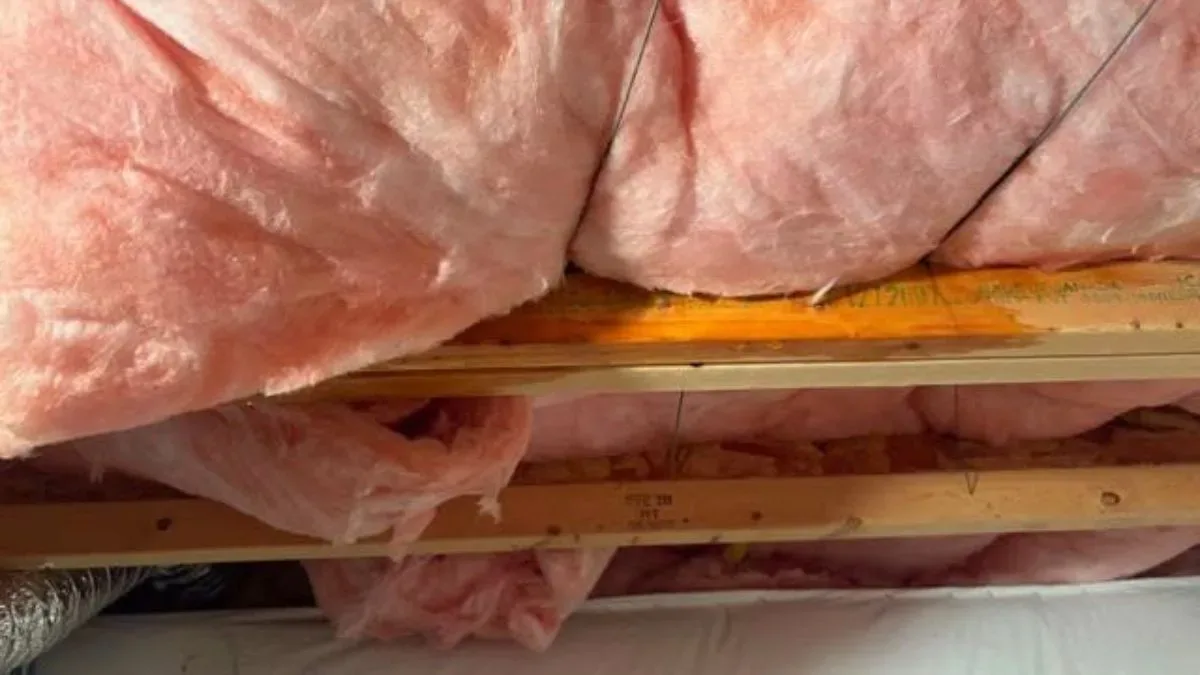
For readers interested in how comic culture extends beyond publishing, physical spaces and their risks remain part of the picture too. A separate story about a damaged comic-store basement shows the far less celebratory side of preserving hobby stock and community spaces: a mouse-chewed pipe turned a comic store basement into a Magic: The Gathering disaster zone.
What Lowe’s role says about the balloon
The practical takeaway from Lowe’s account is simple: the Spider-Man balloon is a collaborative performance, not a remote-controlled mascot. The public sees a superhero floating down the route, but the result depends on teams on the ground and procedures after the parade ends. Lowe’s description specifically acknowledges both the people guiding the balloon during the walk and the unglamorous-but-essential task of deflating and packing it afterwards.
That behind-the-scenes labor has always been part of the Spider-Man balloon’s story. Around 40 handlers guided the 1987 version, and the latest balloon’s return means a new generation of crews is helping move an interpretation shaped by decades of comic art. The format has changed across the 1987 original, the 2009 redesign and the 2024 Romita-inspired design, but the premise remains the same: a character associated with kinetic movement is temporarily made real at an enormous scale and carefully carried through the city.
Lowe’s handler shift is therefore a neat meeting point of professional stewardship and fan-facing tradition. He helps oversee Spider-Man in comics, then joins the crew responsible for steering one of the character’s largest real-world representations. As Marvel prepares to leave its longtime New York offices for Burbank, the image of an editor walking beneath that balloon gives the parade appearance an appropriately Spider-Man-like sense of place: a familiar hero still moving through the streets, one careful step at a time.