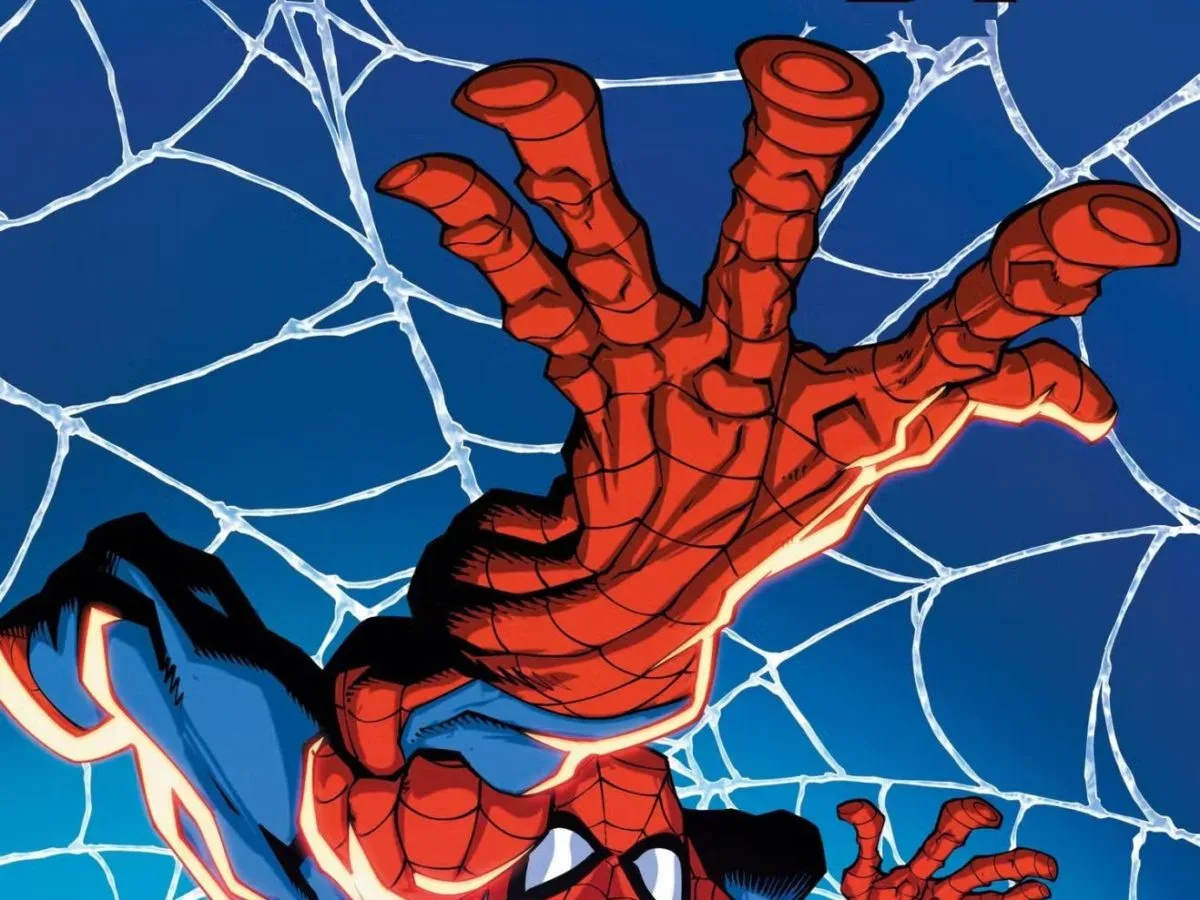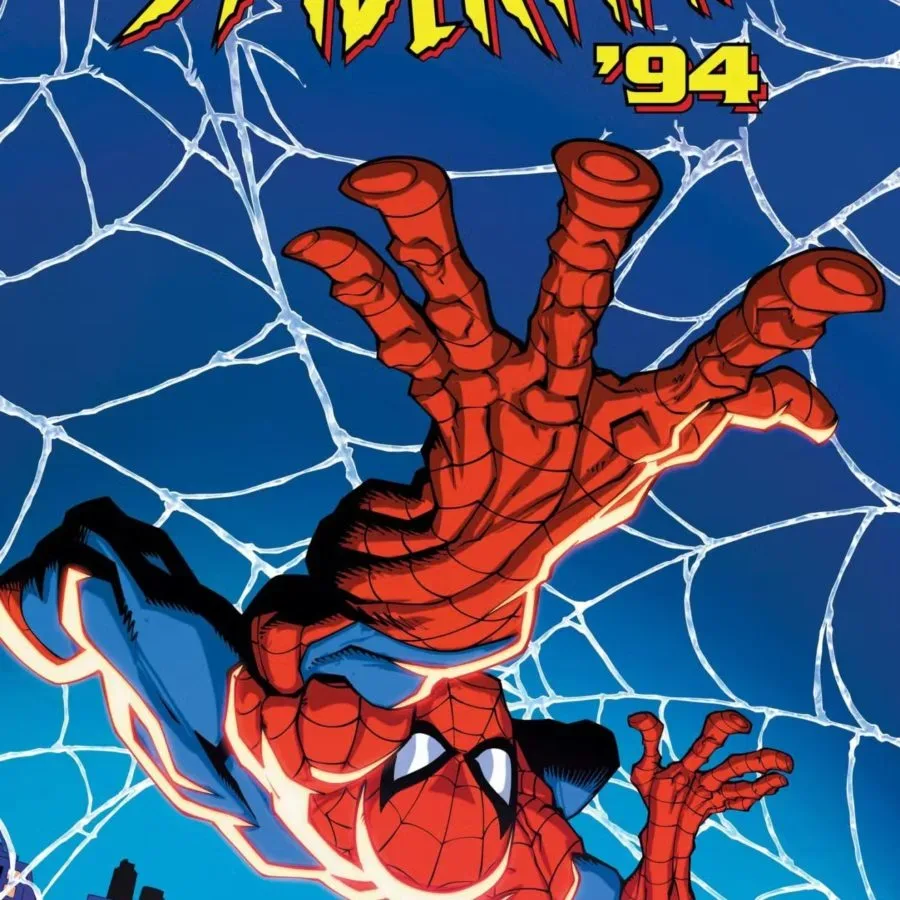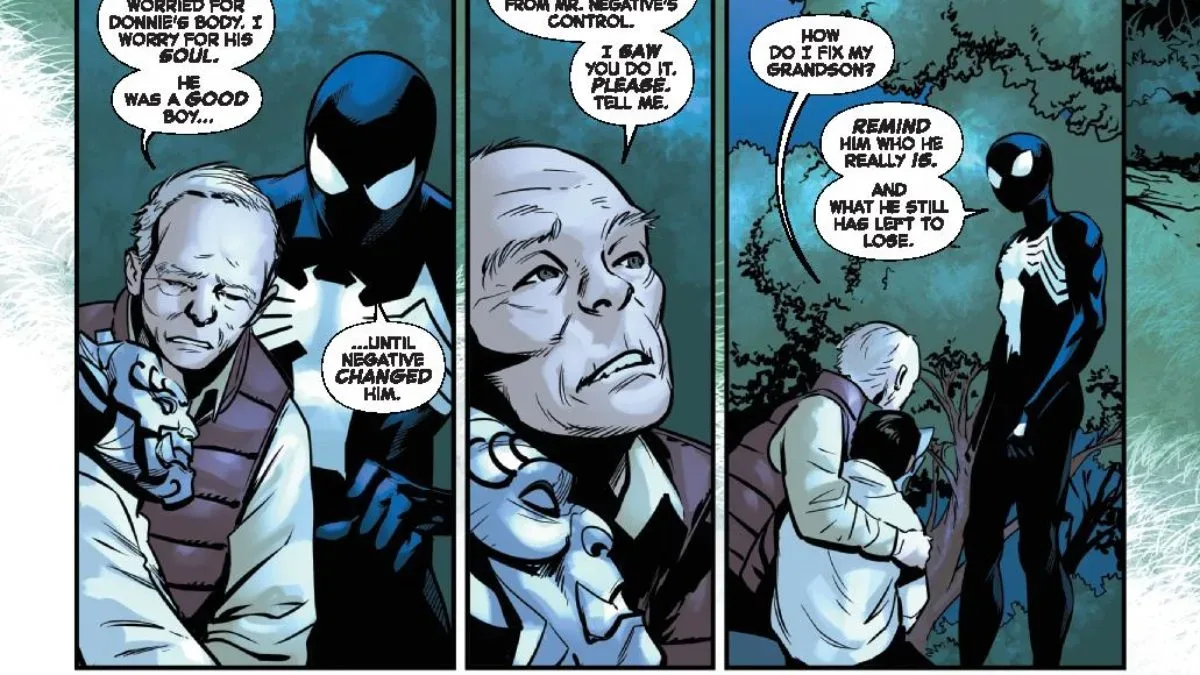
One of the most enduring unanswered questions from Spider-Man: The Animated Series is getting a designated chapter at last. Spider-Man ’94 Annual #1, scheduled for sale on December 9, will be written by original animated-series showrunner John Semper and drawn by Alessio Cammardella. Its stated purpose is unusually specific: it will cover the period immediately after the television finale’s cliffhanger and before the events of the current Spider-Man ’94 comic series.
That makes the annual more than a supplementary one-shot. It is intended to supply the missing explanation for Peter Parker and Mary Jane Watson’s reunion in this particular animated continuity—a resolution that viewers have waited decades to see spelled out.
A cliffhanger built around the real Mary Jane
Spider-Man: The Animated Series ran on Fox Kids from 1994 to 1998, producing 65 episodes across five seasons. Semper served as showrunner, and the series was notable for building longer-running storylines than many earlier animated superhero shows. Its continuity also existed in a loose shared setting alongside other 1990s Marvel cartoons.
Mary Jane’s absence became one of its most consequential continuing plots. At the end of the third season, Green Goblin technology opened an interdimensional portal and Mary Jane was pulled through it. She disappeared into another dimension or limbo, leaving Peter without an answer about her fate.
The story complicated that loss rather than resolving it. A Mary Jane later returned to Peter’s life, and the two became close enough to marry, only for the series to reveal that she was a clone. That version of Mary Jane then died. In other words, Peter did not simply lose a relationship; he lost the person he loved, briefly believed she had come back, and then learned that apparent reunion had been another tragedy.
The finale finally gave Peter a direction, but not an ending. Madame Web offered to help him find the real Mary Jane and transported Spider-Man into the multiverse to begin that search. The show stopped there.
“Cliffhanger” is the key term here. It does not merely mean that a series ended on an emotional beat. The final episode deliberately launched a new objective—Peter’s search across realities—without showing the outcome. Semper has indicated that the ending was left open because further episodes could have been ordered. The contracted 65-episode run ended instead, leaving the search as the animated series’ final unresolved story.
What the annual is positioned to answer
The new annual is being framed as the bridge between two established points. The first is the animated finale, in which Spider-Man departs with Madame Web to locate Mary Jane. The second is the Spider-Man ’94 comic, written by J.M. DeMatteis with art by Jim Towe, which continues the animated continuity after Peter and Mary Jane are back in New York.
That comic establishes the destination, but it has not supplied the route: who Peter encountered, how the search succeeded, why the reunion happened when it did, or what occurred during the gap. Semper’s annual is expected to address those missing pieces directly.
The wording around the project matters. Marvel describes the story as taking place after the show’s cliffhanger and before the Spider-Man ’94 series, rather than presenting it as a vague return to the 1990s cartoon. It is a continuity connector. For readers, that means the annual should be most useful when viewed as an answer to a specific narrative handoff, not simply as another adventure starring the animated version of Spider-Man.
There is one small terminology wrinkle in the published description: it refers to the “season-six cliffhanger,” while the television series itself ran for five seasons. The broader setup is nevertheless clear from the surrounding information—the book concerns the show’s final unresolved multiversal search and leads into the comic continuation.
Why Semper’s involvement is significant
Continuations often face a basic problem: a later creative team may be able to continue the events on the page, but its explanation of an old unresolved ending can still feel separate from the original intent. Semper’s return gives this project a different role. The person who oversaw the animated series is writing the material meant to explain the open thread it left behind.
That does not turn the annual into a recovered television episode. It remains a comic, illustrated by Cammardella, and it is being released as part of Marvel’s modern publishing line. But it offers a rare chance for the showrunner to articulate the missing portion of the story in a new medium.
It also puts the Peter-and-Mary Jane relationship at the center of the book rather than treating it as background continuity. The annual’s description explicitly promises their reunion. Given the animated series’ sequence of disappearance, clone revelation, and Peter’s multiversal departure, explaining that reunion carries emotional as well as logistical weight.
The multiverse is not just a familiar buzzword here
In current superhero storytelling, “multiverse” can be a broad catch-all for alternate worlds and crossover possibilities. In this case, it has a precise story function. The real Mary Jane vanished through an interdimensional portal, and Madame Web sent Peter across realities to look for her. The multiverse is therefore the mechanism that created the show’s final mission.
That distinction should help set expectations. The core question is not simply whether the annual can visit imaginative dimensions. It is whether it can make Peter’s search feel like a coherent continuation of the particular personal crisis the animated series left unresolved: finding the real Mary Jane after losing the clone who had unknowingly taken her place.
There is already a small on-screen signpost for fans. X-Men ’97 included a cameo that showed Peter and Mary Jane together. The Spider-Man ’94 comic likewise places them back in New York. Neither development, however, had laid out the missing journey in detail. The annual is positioned as the account of that journey.
Creative team and covers
Spider-Man ’94 Annual #1 credits John Semper as writer and Alessio Cammardella as artist. Nick Bradshaw is listed for Cover A, while Will Robson is listed for Cover B. A third cover is marked as a 1:25 variant, with its artist not yet named in the provided details.
- Title: Spider-Man ’94 Annual #1
- Writer: John Semper
- Artist: Alessio Cammardella
- Cover A: Nick Bradshaw
- Cover B: Will Robson
- Additional variant: 1:25 cover, artist to be announced
- Scheduled sale date: December 9
For readers who want the cleanest story path, the intended order is straightforward: the final episode of the animated series creates the problem; the annual is set to depict what happened next; and the ongoing Spider-Man ’94 comic picks up with Peter and Mary Jane already returned to New York. The annual’s value is in the middle step, the one that was absent for decades.
Why this kind of continuation matters
There is a practical difference between revisiting a beloved continuity and resolving the exact question that stopped it. Nostalgia can bring back character designs, voices, settings, or familiar villains without changing the status of an old ending. This annual is more focused than that. It has an identifiable responsibility: make the transition from Peter leaving on a multiversal search to Peter and Mary Jane being together again understandable within the animated continuity.
That narrow remit is a strength. It gives the issue a clear dramatic anchor and avoids requiring readers to infer that an unanswered television ending has simply been bypassed. It may also make the annual appealing to two audiences at once: longtime viewers who remember why the final episode hurt, and readers of the current comic who want the absent chapter behind its status quo.
Screen stories continue to find new life in comics, whether as adaptations, expansions, or missing chapters. For another recent example of how established screen properties are being presented in pop-culture coverage, see LEGO One Piece character posters ahead of Netflix’s two-part special. The important difference here is that Spider-Man ’94 Annual #1 is not merely adjacent to its animated predecessor: it is designed to answer the predecessor’s final outstanding plot question.
For Peter Parker, the old finale ended with a promise that the search for Mary Jane had begun. On December 9, Semper and Cammardella’s annual is scheduled to show what came between that promise and the reunion readers have since seen only as a later fact.