Six of Us #2 is set to arrive from Dark Horse Comics on October 21, 2026, and its premise leaves the comfort of a nostalgia-soaked TV reunion well behind. The second chapter of the seven-issue series returns to the cast of The Six of Us, a hugely popular fictional ’90s sitcom whose sunny public image masks something far more serious off camera.
Written by Tom King, with art by Gabriel Hernández Walta, colors by Jordie Bellaire and letters by Clayton Cowles, the issue is titled “The Thing About Killing That Guy.” It promises to explore the moment six young television stars made a decision they cannot reverse—an event positioned before the story’s funeral, reunion and eventual downfall.
That structure is the key hook. Rather than treating the reunion as the sole mystery, Six of Us #2 moves backward to examine the central rupture in the group’s history. The issue’s stated setup places its drama between the bright artificiality of a ’90s studio laugh track and the grim reality beyond the set.
A sitcom image with consequences behind it
On television, The Six of Us was built around the ingredients of a classic crowd-pleaser: six young stars, easy chemistry and dependable laughs. In the comic’s world, America loved the series. But the appeal of Six of Us lies in the collision between that polished image and the private lives of the people expected to maintain it.
The synopsis describes a line the cast crosses that cannot be undone. While the issue title strongly signals the nature of that act, the available details do not establish precisely who was killed, how the event happened or what role each person played. That uncertainty matters. The premise frames the cast not simply as former celebrities reunited by nostalgia, but as people tied together by an escalating secret and its aftermath.
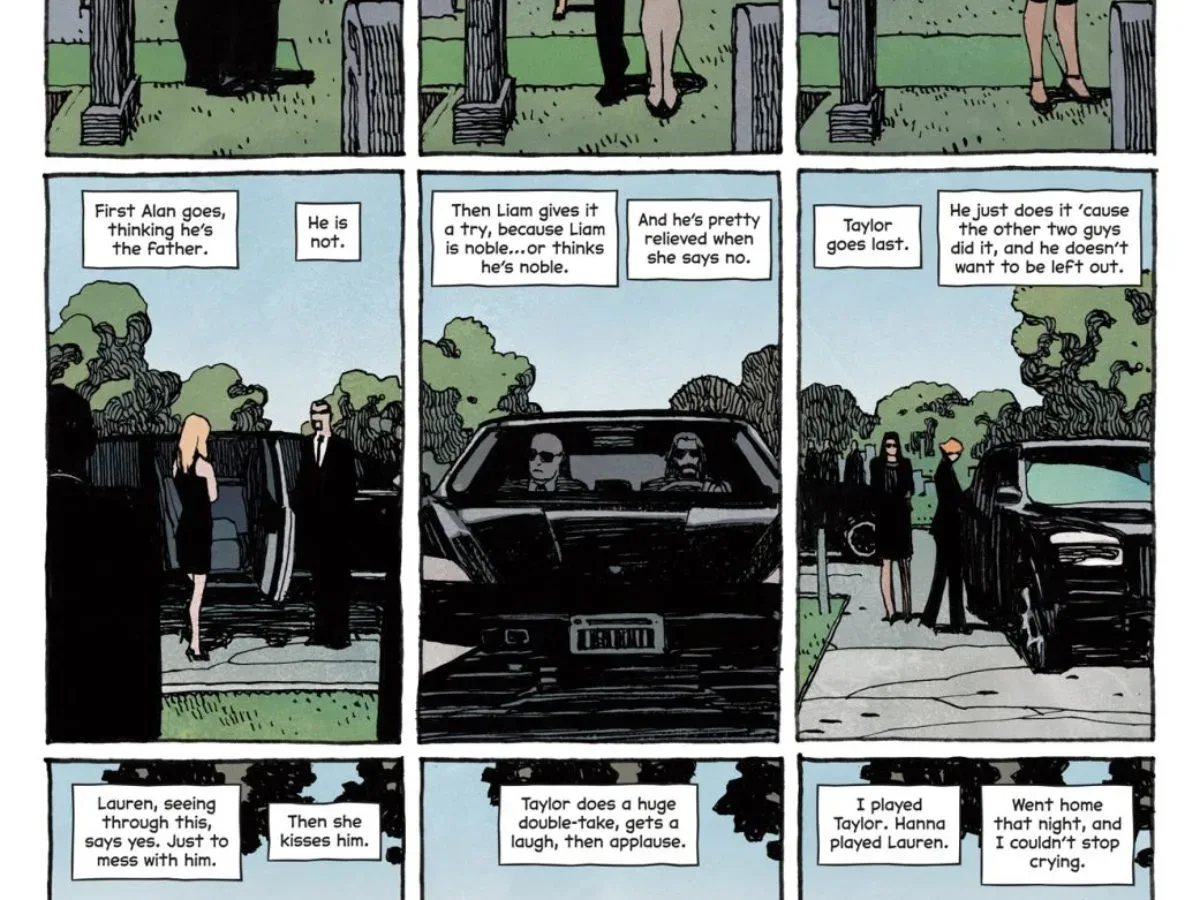
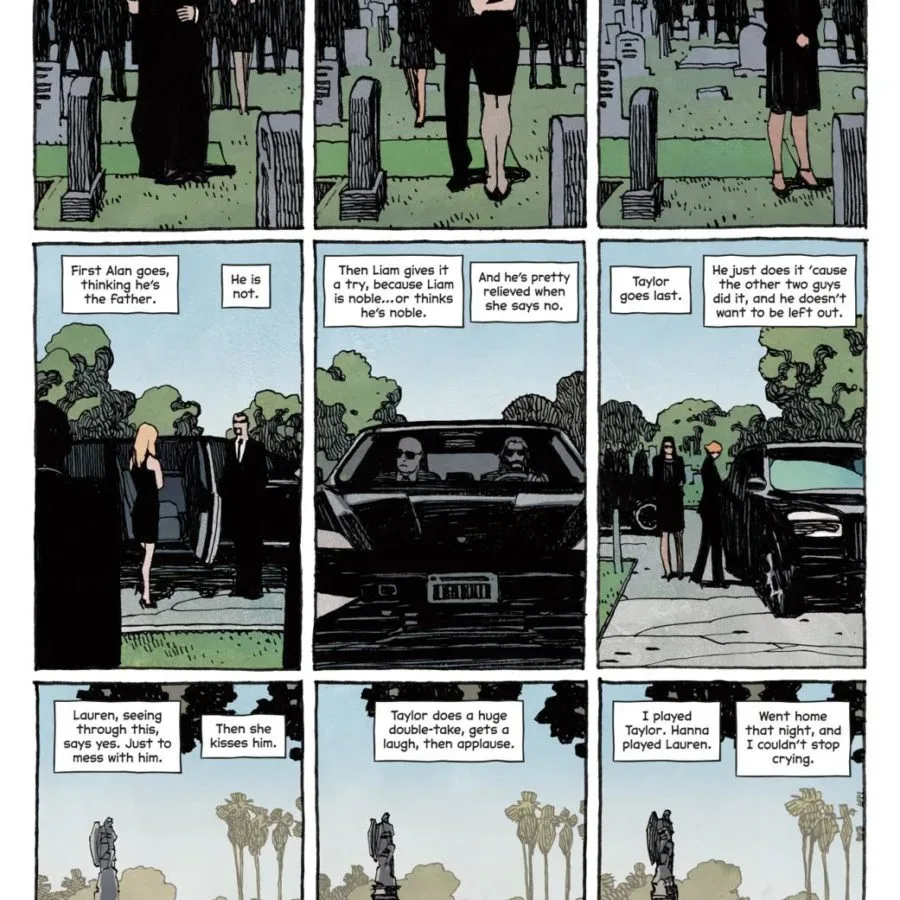
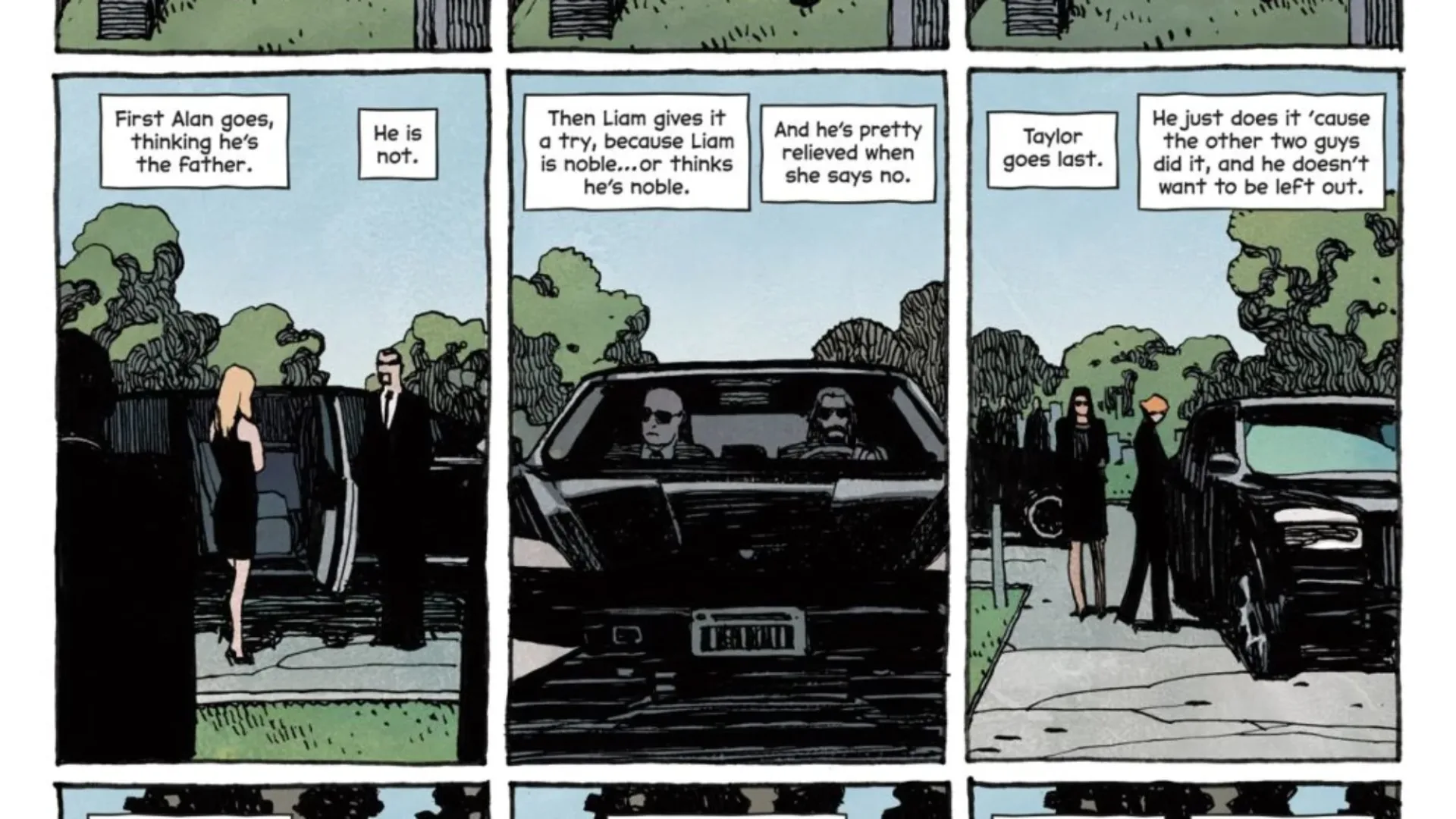
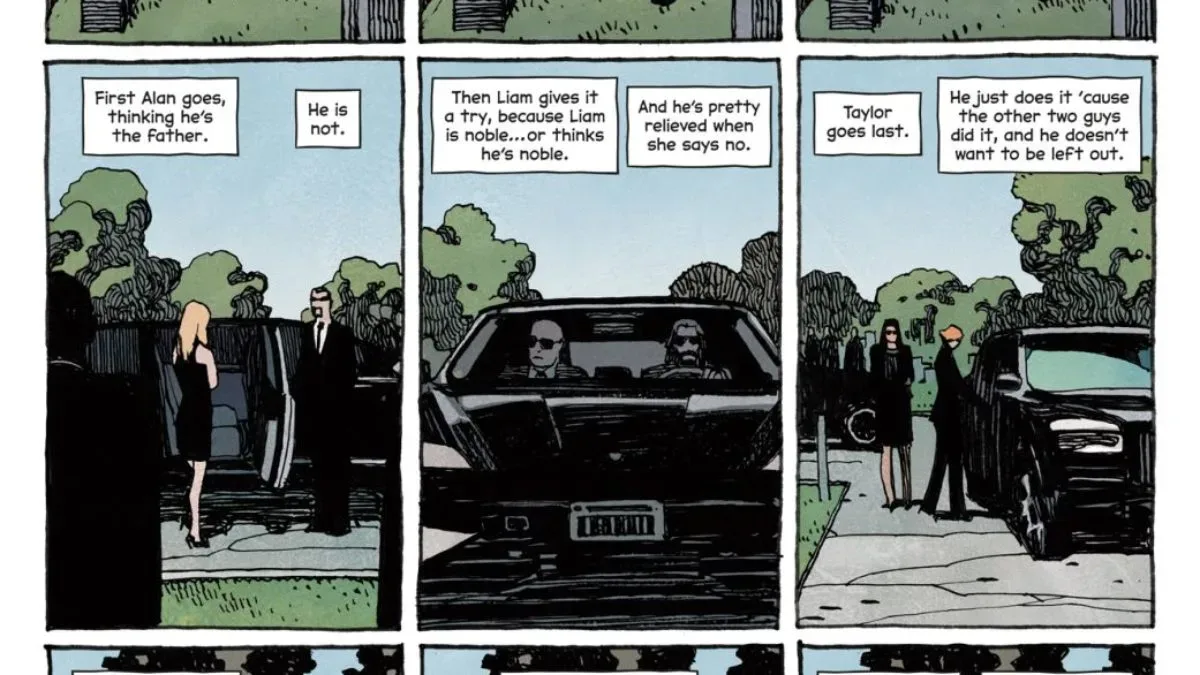
Preview material places the group in a cemetery, an image deliberately at odds with the wholesome personas associated with their old show. Cemeteries and reunions are both places where the past asserts itself, but they do so in radically different ways: one can turn memory into a pleasant public performance, while the other forces a confrontation with loss. This series appears interested in the tension between those two impulses.
What the second chapter is setting up
Issue #2’s official description is less concerned with revealing every answer than with identifying the story’s defining threshold: the instant before a secret becomes permanent. The repeated “before” framing—before the funeral, reunion and fall—suggests a narrative that knows its destination and is now pulling readers toward the cause.
That is a useful distinction for prospective readers. A conventional reunion story often asks whether estranged friends can rebuild an old bond. Here, the connection among the former cast members is apparently inseparable from an act that changed them all. Their shared TV history gives them a recognizable identity in public; their shared private history may be what makes that identity impossible to escape.
The setting also gives the series room to make the mechanics of sitcom presentation part of its storytelling language. A laugh track is prerecorded or amplified audience laughter used to shape the rhythm and reception of comedy. In the context of this story, it represents more than an audio cue: it is a symbol of a viewer being told when a moment is supposed to be funny, familiar or safe. The comic’s premise pits that manufactured warmth against “the darkness just off-camera.”
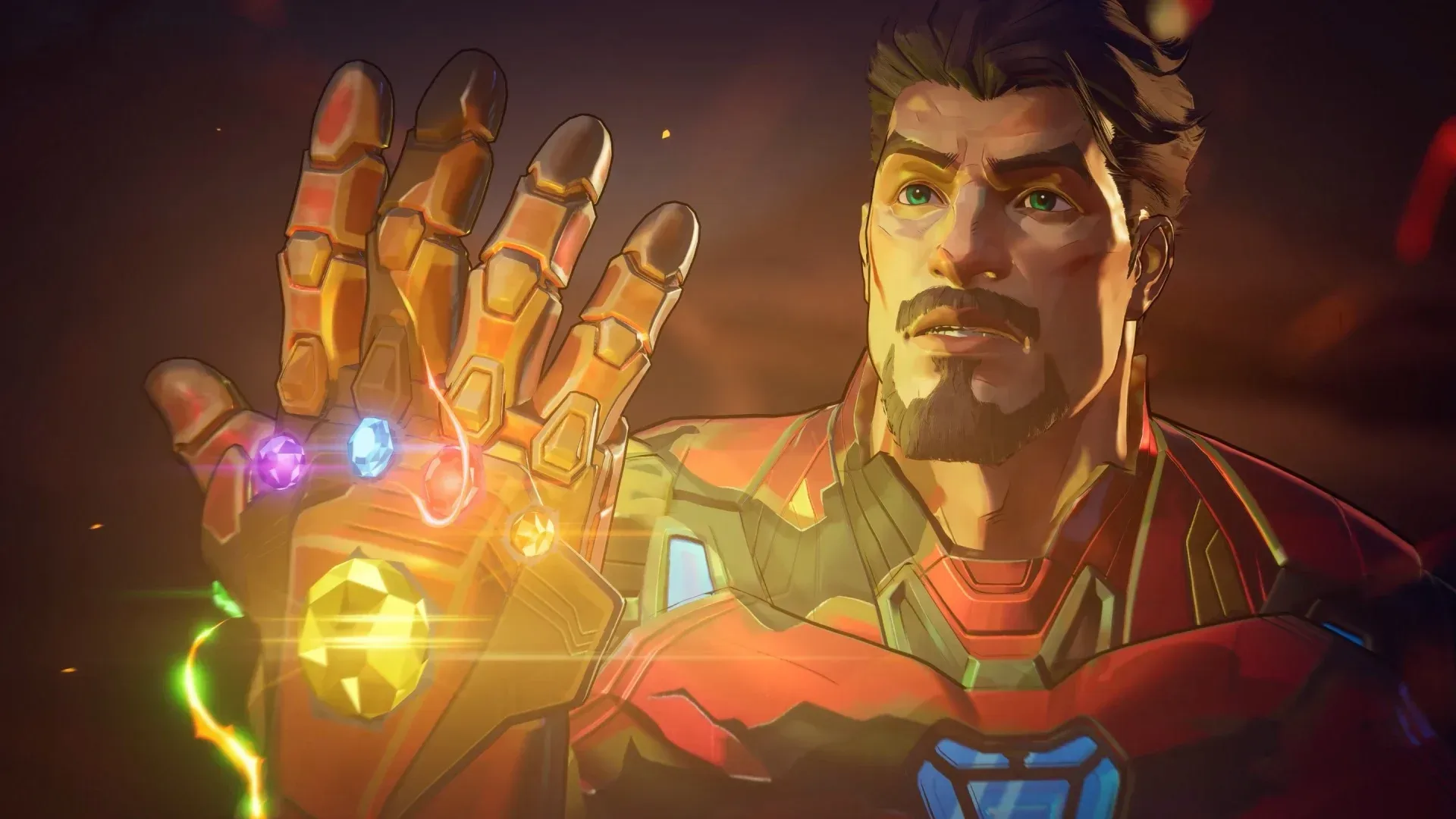
For readers who follow superhero and genre comics as well as broader pop-culture stories, the contrast is notable: comic-book worlds often use bright iconography to conceal trauma or moral compromise. The same pull between spectacle and darkness can be seen in large-scale game adaptations and crossover culture, including Marvel Rivals’ Thanos-focused Endgame event, though Six of Us is taking its conflict in a much more intimate direction.
The creative team and format
Six of Us #2 credits Tom King as writer and Gabriel Hernández Walta as artist, with Jordie Bellaire on colors and Clayton Cowles on letters. Hernández Walta also provides the main cover. The issue is part of a seven-issue limited series, which gives this chapter a clear middle-act responsibility: it needs to deepen the mystery while making the past event feel consequential rather than merely provocative.
The creative roles are worth separating because comics depend on each one to establish tone. The writer determines the underlying events, character dynamics and dialogue; the artist controls how scenes, expressions and settings are staged on the page; the colorist establishes much of the visual atmosphere; and the letterer shapes the clarity and rhythm of speech, captions and sound effects. With a story built on the contrast between sitcom polish and off-camera dread, those disciplines can be especially important.
The supplied material does not detail the issue’s visual approach beyond the cemetery scene, so readers should not assume a specific panel style or color palette. Still, the basic visual opposition is already clear: the remembered glow of television comedy on one side, and a group confronted by the consequences of its past on the other.
Release details, covers and reading considerations
Dark Horse lists Six of Us #2 as a 32-page, T-rated comic with a $4.99 U.S. cover price. It goes on sale October 21, 2026. Alongside the standard edition with a Gabriel Hernández Walta cover, the issue is also listed with two $4.99 U.S. variant covers:
- Cover B: Jill Thompson
- Cover C: Joe Quinones
Canadian pricing is listed at $6.99 for the variants. The issue’s main product identifier is 76156801628400211; the listed identifiers for the Jill Thompson and Joe Quinones variants are 76156801628400221 and 76156801628400231, respectively.
Variants are alternate cover editions of the same comic issue, not separate chapters. For someone following the narrative alone, the main edition and either listed variant should contain the same interior story. For readers who prefer a particular artist’s cover work, the variants provide a visual alternative without changing the reading order.
As the second release in a seven-issue story, Six of Us #2 is likely best approached after the first issue. The promotional description makes the broad premise accessible, but its focus on a reunion, funeral and prior fall indicates that the series is building a connected mystery rather than presenting wholly standalone episodes.
Why the premise stands apart
Nostalgia is often used to restore something beloved: a cast comes back together, audiences revisit familiar characters and old cultural touchstones are presented as comfort. Six of Us uses the same recognizable setup but turns it into a pressure point. The fictional sitcom’s enduring popularity may make the past marketable, yet the people who created it are living with a version of that past that fans never saw.
Issue #2 appears designed to make that divide explicit. The six stars were once known for perfect comic chemistry. Now the story is concerned with whether their bond was built, preserved or broken by something awful. The cemetery imagery reinforces that the series is not merely winking at sitcom conventions; it is asking what can be hidden beneath them, and what happens when the people who hid it can no longer move on.
Six of Us #2 arrives in comic shops on October 21, 2026.