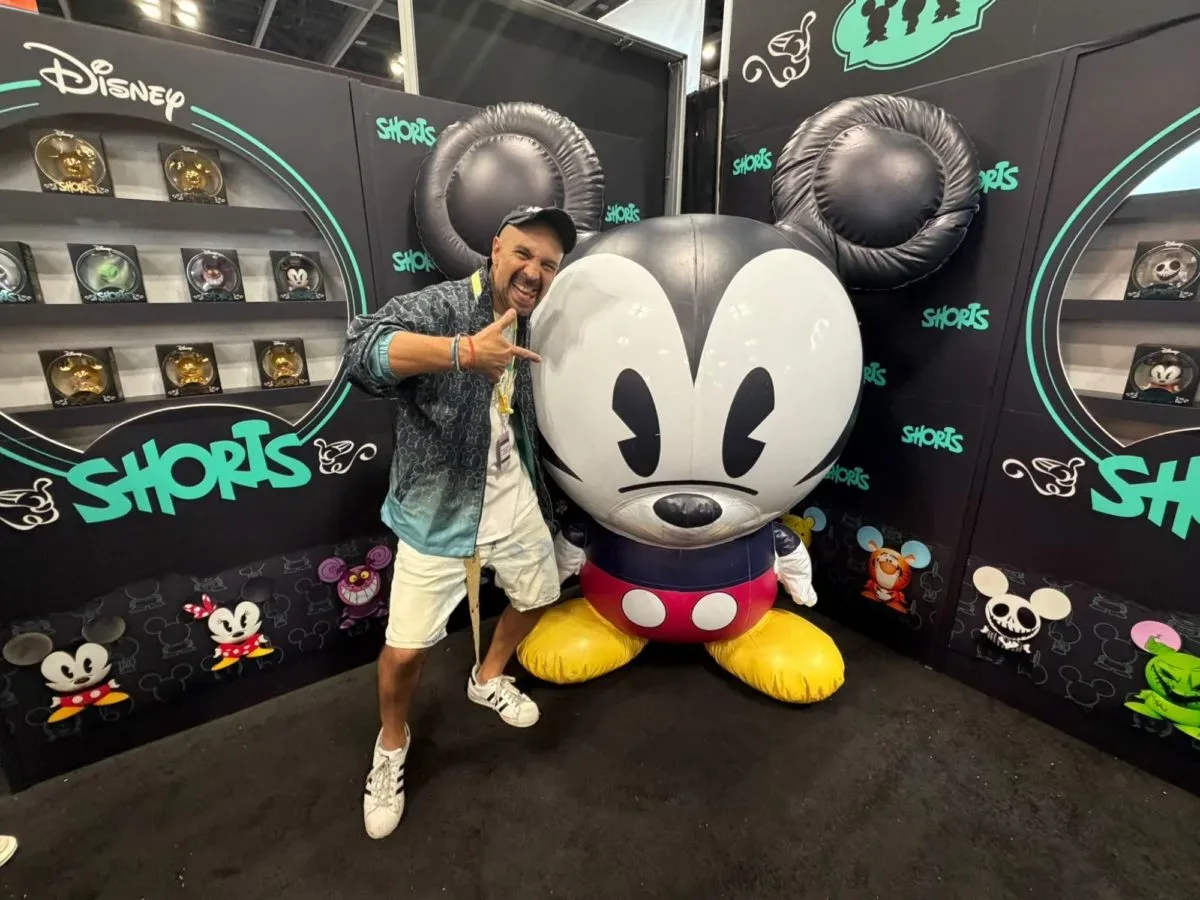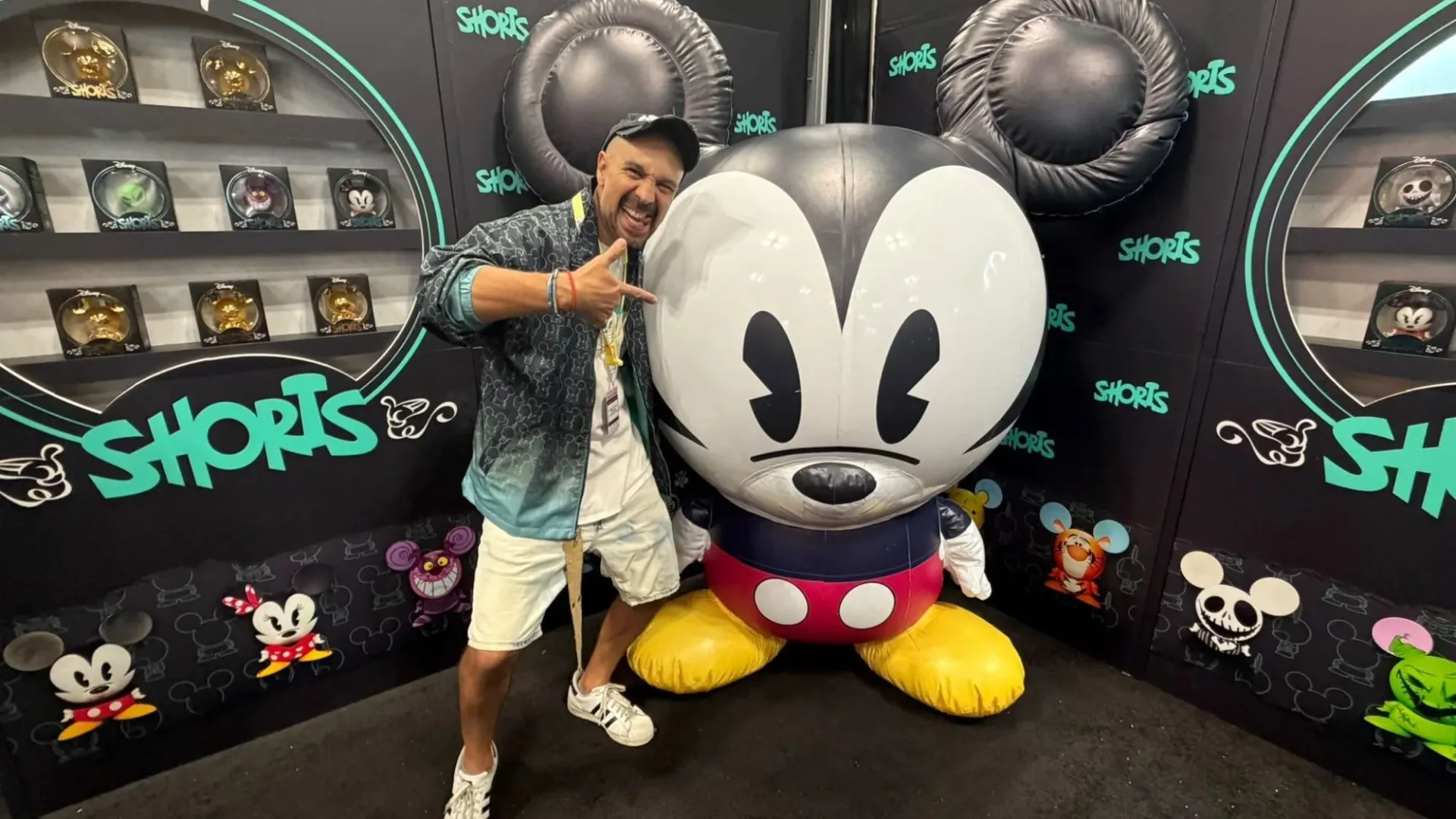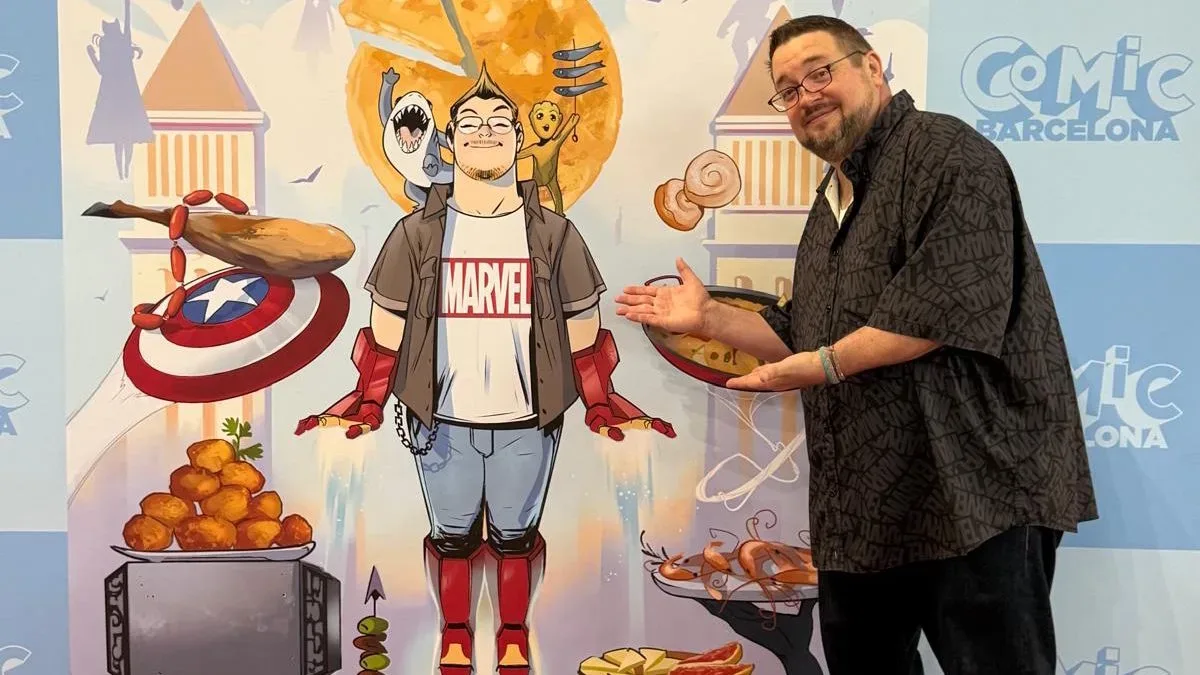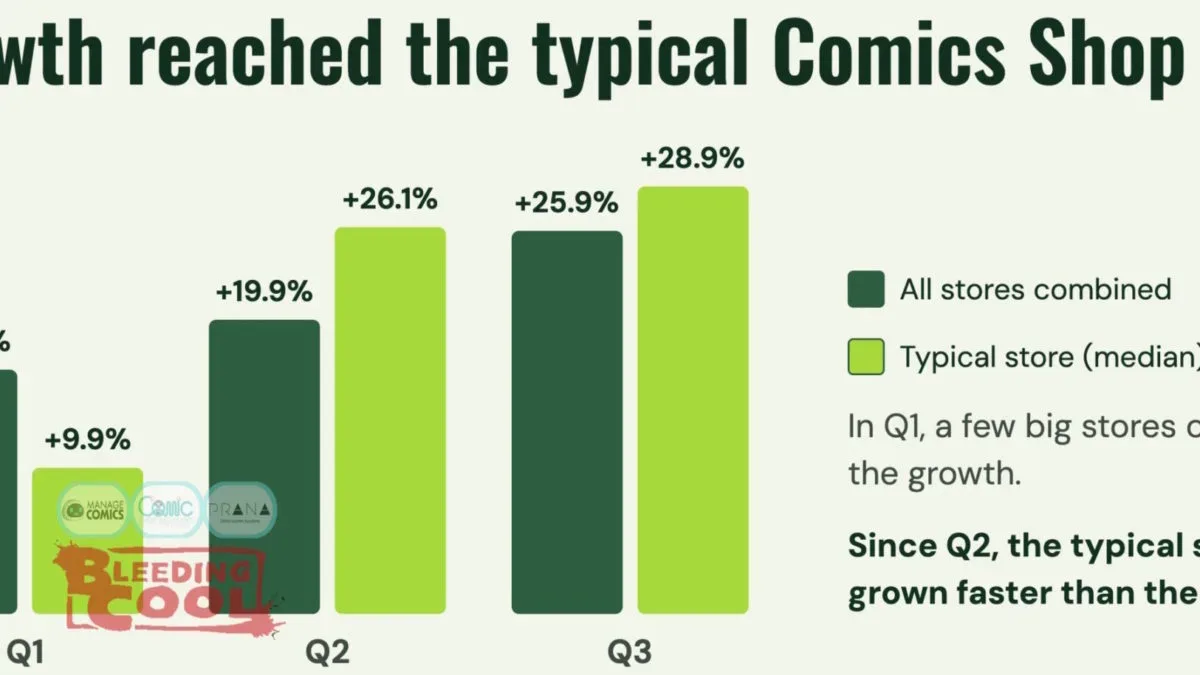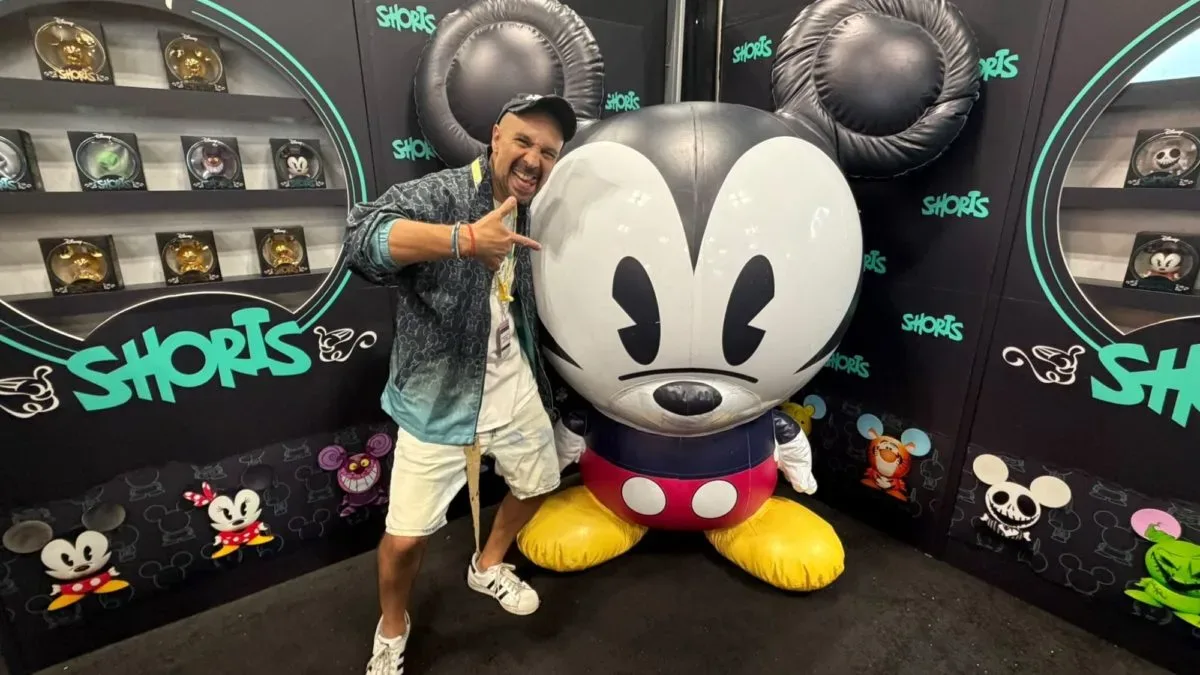
New York Comic Con 2026 is underway at the Javits Center in New York City, bringing the convention’s comics roots together with the wider worlds of television, movies, anime, books, gaming and cosplay. This year also marks NYCC’s 20th anniversary, and the event is framing that milestone through a Coney Island theme expressed through collaborations, merchandise and live performances.
For attendees, the show floor is the convention’s central crossroads: the place where publishers, exhibitors, artists, brands and fans occupy the same sprawling space. A walk through it is less one single attraction than a snapshot of what modern pop-culture conventions are built to hold. Comics may remain foundational, but the floor exists alongside a larger program of panels, screenings, guest appearances, signings, photo opportunities, gaming spaces, family programming and cosplay events.
A 20th-anniversary convention with a Coney Island frame
NYCC’s anniversary theme gives the 2026 gathering a specific celebratory identity rather than treating the 20-year marker as a footnote. Coney Island is attached to themed collaborations, merchandise and performances, creating a thread that can connect activity on the floor with the event’s larger presentation.
That matters because a convention theme does not necessarily replace the many fandoms represented inside the Javits Center. Instead, it can give a major multi-interest event a recognizable shared visual and promotional language. NYCC still encompasses comics, film, television, anime, games, cosplay and books; the Coney Island concept is the anniversary wrapper around that breadth.
“Show floor” is convention shorthand for the main exhibition area, where booths and displays give visitors a direct route to exhibitors and participating creators. It is distinct from spaces devoted to panels and screenings, as well as designated areas such as Artist Alley or Family HQ. In practice, that division helps explain why an event like NYCC can offer many different kinds of engagement at once: browsing, shopping, meeting guests, watching programming, playing games and taking part in costume culture do not all need to happen in one room or follow one schedule.
Comics remain part of a much wider convention mix
ReedPop organizes New York Comic Con, described as the East Coast’s largest pop-culture convention. Its scale is reflected in the range of categories represented rather than a narrow focus on one medium. Comics are joined by movies, TV, anime, gaming, cosplay and books, making the show floor an important shared marketplace and community space for audiences who may arrive with very different priorities.
For comic-book readers, Artist Alley is one of the event’s key companion spaces. The term typically refers to a convention area centered on artists and creators, and its inclusion in NYCC’s program keeps the event tied to the people who make comics even as the overall convention covers many entertainment formats. The presence of exhibitors and Artist Alley means visitors can encounter both the commercial side of pop culture and the creator-facing side during the same trip.
Comic announcements and discussion are not limited to the floor, either. Panels and screenings broaden the program beyond browsing booths, while celebrity guests, signings and photo ops add another set of reasons people may plan their day around specific time slots. That variety makes preparation especially useful: the person seeking an artist may not need the same route or timetable as someone hoping to attend a panel, visit a gaming area or meet a guest.
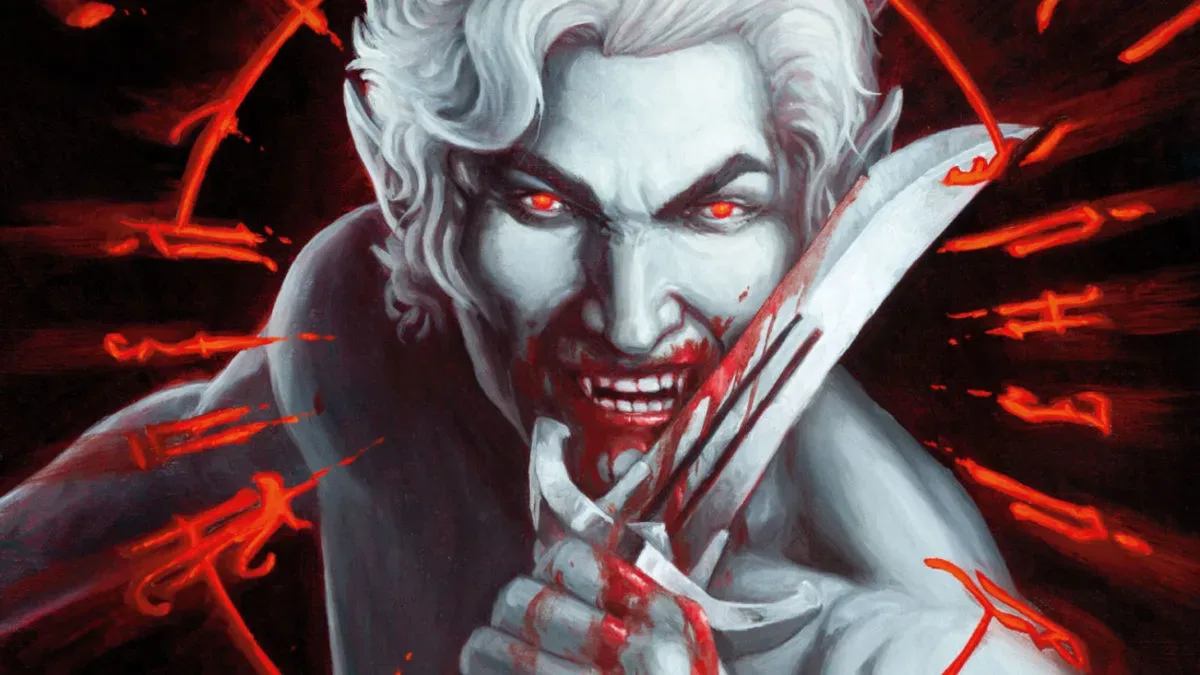
Readers tracking comics beyond the convention can also keep an eye on upcoming projects, including the Baldur’s Gate 3 comic planned for 2027. NYCC’s broad mix is a reminder that comic storytelling increasingly sits alongside games and other media in the same fan conversation, even when each has its own dedicated programming and communities.
What the program means for different attendees
NYCC 2026 lists multiple major areas and activities, each serving a different convention need:
- Exhibitors and the show floor: a hub for participating companies, displays and merchandise.
- Artist Alley: a creator-centered destination within the convention’s comics ecosystem.
- Panels and screenings: scheduled programming that takes visitors away from the exhibition floor for presentations and previews.
- Celebrity guests, signings and photo ops: organized opportunities built around guest appearances.
- Gaming areas: dedicated space for the gaming portion of the convention’s wider entertainment lineup.
- Family HQ: programming or space intended for families within the overall event.
- Cosplay events: a formal place for costume culture, one of the convention’s most visible social elements.
This structure is useful to understand because “going to Comic Con” can mean radically different things to different visitors. One person may spend most of a day looking through exhibitor booths. Another may prioritize scheduled panels. A family might plan around Family HQ, while a cosplayer could treat costume events and the convention’s social atmosphere as the main attraction. Gaming’s inclusion means the event also reaches beyond comics and screen fandom into interactive entertainment.
For practical planning, visitors are likely to benefit from treating the convention as a set of overlapping destinations rather than assuming the show floor alone captures everything. Scheduled items such as panels, signings and photo ops can be approached differently from open-floor browsing. Meanwhile, Artist Alley and gaming areas are specific destinations worth identifying early for anyone whose interests center there. The cited program confirms these areas exist, but it does not establish individual schedules, participating names or availability, so attendees should avoid assuming a particular guest, creator or activity is part of a given day without checking event information directly.
The significance of a shared fandom space
A convention of this kind does more than group merchandise and celebrity programming under one roof. It puts communities that often follow separate release calendars and media formats into close proximity. A comics fan can be near a gaming area; a cosplayer can encounter books, anime and television fandoms; a family can experience a large pop-culture event through a designated family-focused component. The format makes the boundaries between these audiences more porous, while still preserving distinct spaces such as Artist Alley.
The show floor’s role is therefore partly logistical and partly cultural. Logistically, it is a concentrated area for exhibitors. Culturally, it is where the scale of the event becomes visible: different properties, hobbies and fan identities share public space. The anniversary theme adds another communal marker, giving attendees something connected to NYCC itself rather than only to the individual franchises they follow.
There is also a notable piece of industry context hanging over this year’s convention. NYCC 2026 arrives as Marvel Comics has announced that it is leaving the city. No details on the move’s practical consequences are established here, but the timing makes a New York convention with comics at its foundation an especially interesting setting for fans considering the relationship between the city and the industry. It is a reminder that conventions can be both celebrations of current fandom and places where people take stock of changes around the businesses and creators they follow.
What is confirmed—and what should not be assumed
The available information confirms that NYCC 2026 is being held at the Javits Center, that it is the event’s 20th anniversary, and that the program spans exhibitors, Artist Alley, panels and screenings, guests, signings, photo ops, gaming, Family HQ and cosplay. It also confirms the Coney Island anniversary theme and its connections to collaborations, merchandise and performances.
It does not, however, provide a detailed exhibitor list, panel schedule, guest roster, individual merchandise inventory or specifics about the Coney Island performances. A broad convention report is valuable for showing the scope and atmosphere of the gathering, but it should not be mistaken for a complete attendee guide. The useful takeaway is the shape of the event: NYCC remains a large, multi-format pop-culture convention with comics at its core and plenty of distinct paths through its programming.
For the 20th anniversary, that breadth is the point. New York Comic Con is presenting a show where comic-book culture shares space with gaming, cosplay, books, anime and screen entertainment, while the Coney Island theme supplies a unifying anniversary accent. Whether someone heads for exhibitors, Artist Alley, a gaming space or a scheduled event, the Javits Center is once again serving as the meeting place for all of those intersecting fandoms.