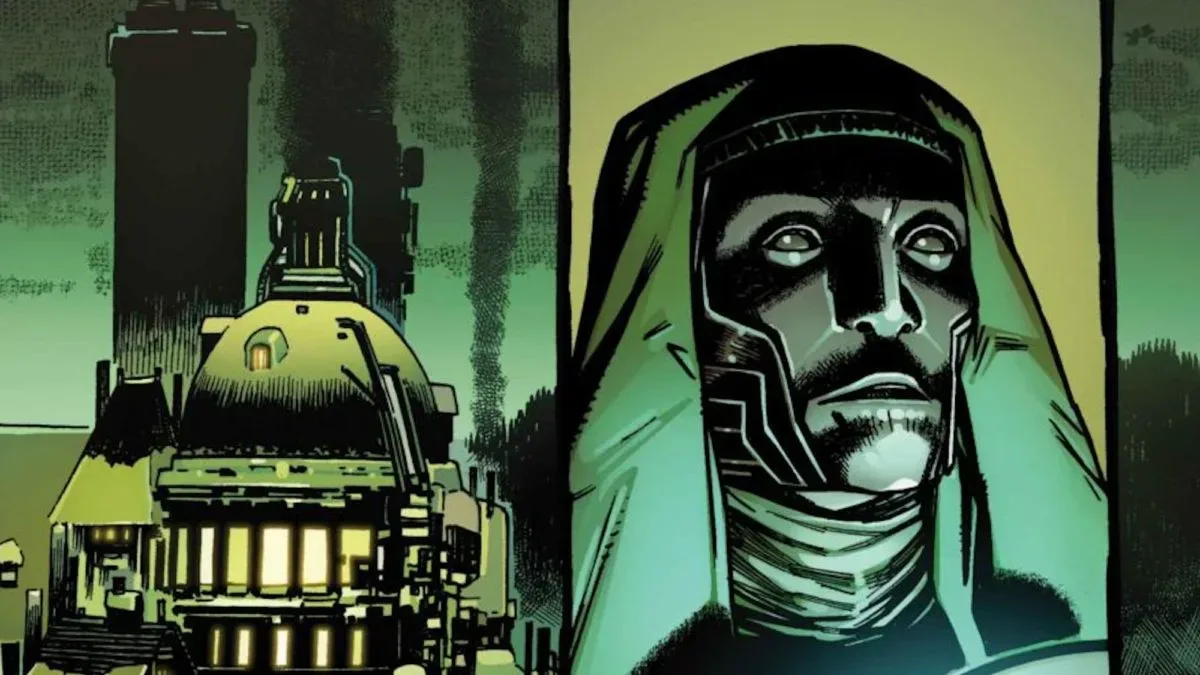
Spoiler warning: This article discusses story developments through Midnight Fantastic Four #3 and premise details for issues #4 and #5.
Midnight Fantastic Four #3 continues to steer Marvel’s famous quartet away from a conventional super-science origin and into something much less stable. The series has framed Reed Richards, Sue Storm, Johnny Storm and Ben Grimm around breaches between realities, unsettling visions and a threat that appears to exist beyond the borders of their world. By the third issue, recurring images of caves, violent waves and a lighthouse have returned, while the book’s larger mystery increasingly points toward physical transformation for the team.
The creative pairing for issue #3 is writer Benjamin Percy and artist Kev Walker. Its core idea is not simply that the characters encounter an alien world, but that contact with a damaged boundary between worlds may change them. That is a significant shift in emphasis for a Fantastic Four story: the danger is not a problem to be studied from a safe distance. It is getting into the people trying to understand it.
A Fantastic Four story built around liminal spaces
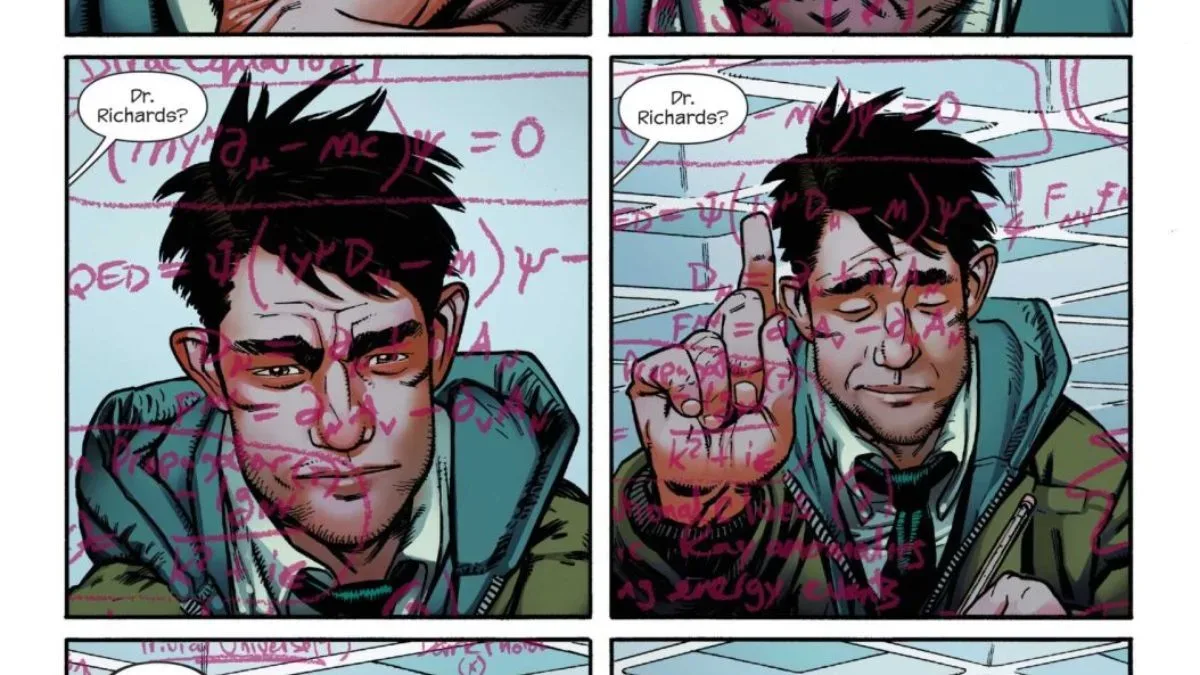
The first two issues establish a bleak, horror-forward route into the group’s formation. Reed’s experiment destroys his university, opens a dimensional portal and results in the death of his student, Victor Von Doom. Sue, Johnny and Ben then become involved as Reed investigates further ruptures in reality.
Those ruptures are described as liminal spaces: threshold zones between separate places or states. In this case, they are spaces between worlds, where towers can be perceived beyond the normal limits of reality. It is a useful horror concept because it makes the familiar unreliable. A cave, a wave, a lighthouse or a tower may be a real object, a recurring vision, a signal from elsewhere, or several of those things at once.
Issue #2 also introduces a warning connected to an Elder God, a figure called the Eater, and methods used to see the towers between realities. The series’ imagery and approach clearly lean into cosmic horror: an atmosphere in which human beings are confronted with forces too vast, alien or poorly understood for easy rational explanation. In a superhero setting, that gives the eventual emergence of powers a more ominous implication than a straightforward accident-of-science setup.
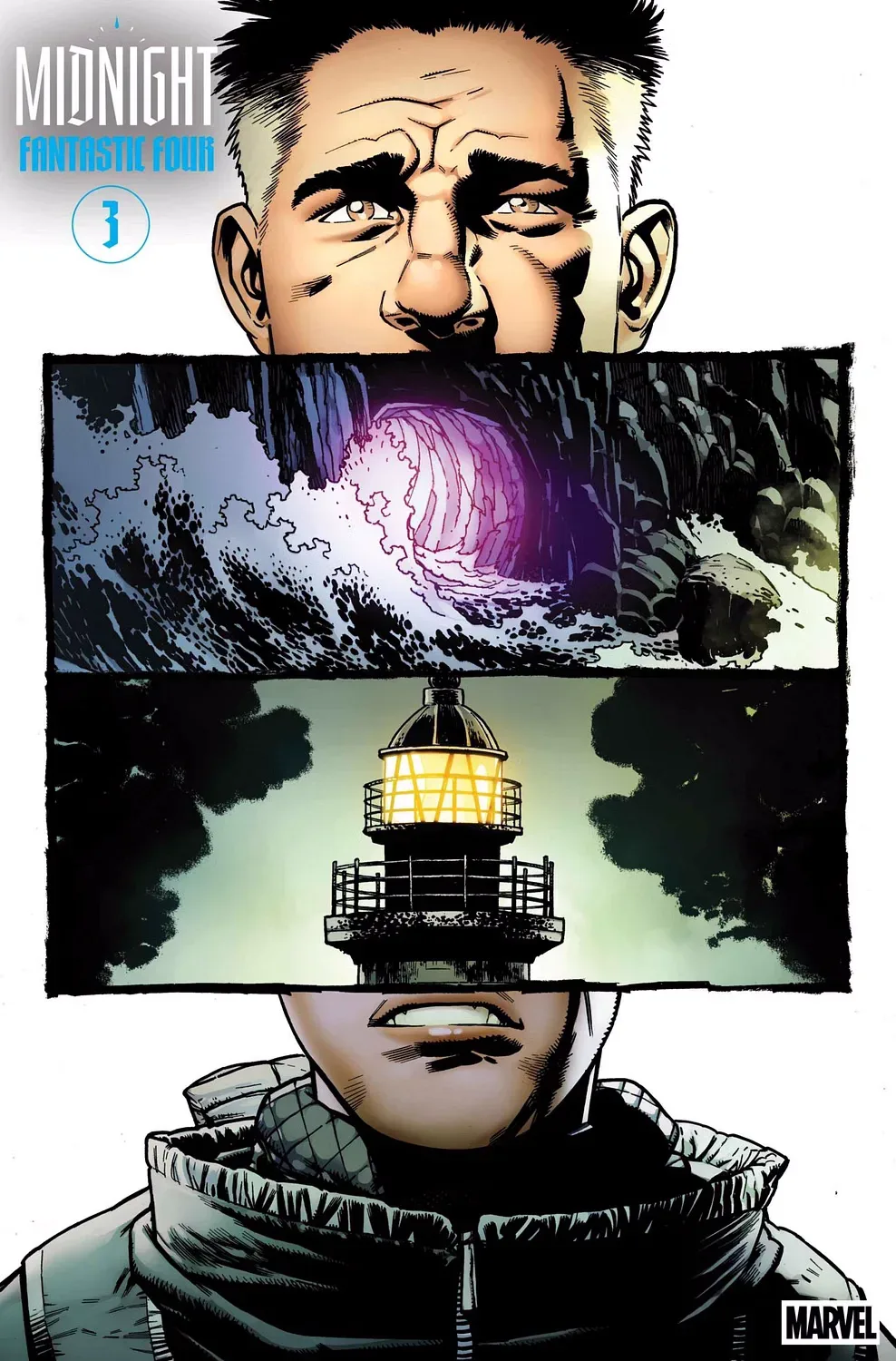
The latest issue revisits the imagery that has been haunting the story from the start. Caves, crashing water and the lighthouse are not presented as loose decorative motifs. Their recurrence suggests that the Four are being drawn toward a common source, or perhaps that something on the other side has been reaching toward them. The story has not supplied a final answer, so it is important to separate what is on the page from interpretation: the team is moving deeper into a pattern of reality incursions, while the exact mechanism and meaning of their changes remain unresolved.
The power-origin question is becoming the central mystery
The solicited material for the series indicates that the team’s physiologies will continue changing. That makes a link between the dimensional exposure and the group’s eventual abilities a strong possibility, though it remains a developing plot point rather than a fully explained fact. The premise effectively turns a familiar superhero question—how did these people become extraordinary?—into a body-horror mystery.
Body horror is horror focused on unwanted, uncontrollable or disturbing change to the body. It does not require any one particular visual style; narratively, its power comes from removing a character’s certainty that their own body is known and dependable. That concern fits this version of the Four especially well. If Reed, Sue, Johnny and Ben are changing because they crossed a cosmic threshold, their abilities may initially feel less like gifts than evidence that the threshold crossed back.
That approach also puts pressure on Reed’s usual role within the group. He is the character others are likely to expect to diagnose the phenomenon and produce an answer. Yet the premise has positioned him at the center of the original disaster. If he cannot account for what is happening, intelligence is no longer an immediate shield against the unknown; it becomes another source of tension. The upcoming issue descriptions explicitly say the others look to Reed while the situation grows more strained.
For Ben in particular, the series appears poised to make the eventual “Thing” element part of an escalating horror transformation. The title’s moonlit imagery and the ongoing changes to the Four naturally invite that reading, but the available material does not establish the exact form or timing of Ben’s final condition. The important point is the framework: the book is treating transformation as a suspense engine, not merely a recognizable landmark to get through on the way to a standard team status quo.
Victor Von Doom’s return has a gruesome new dimension
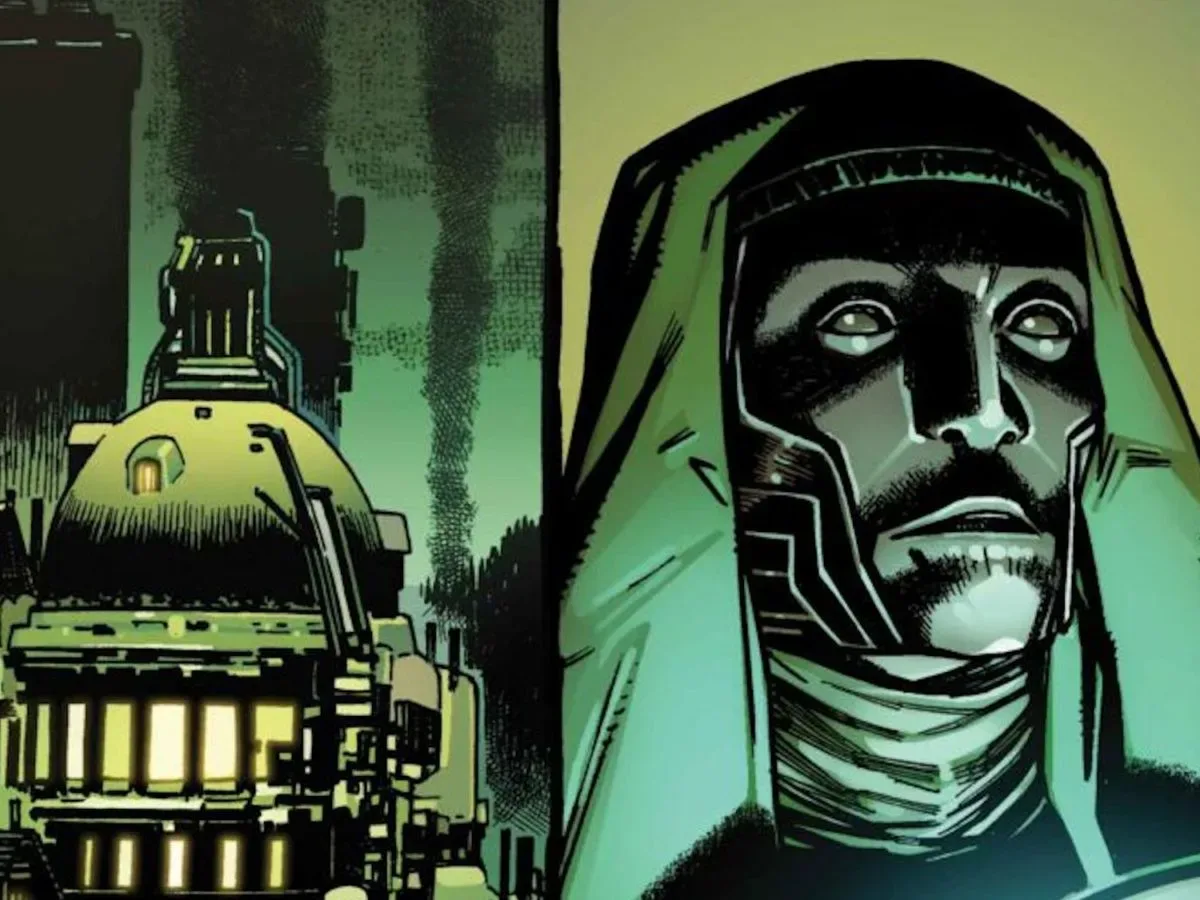
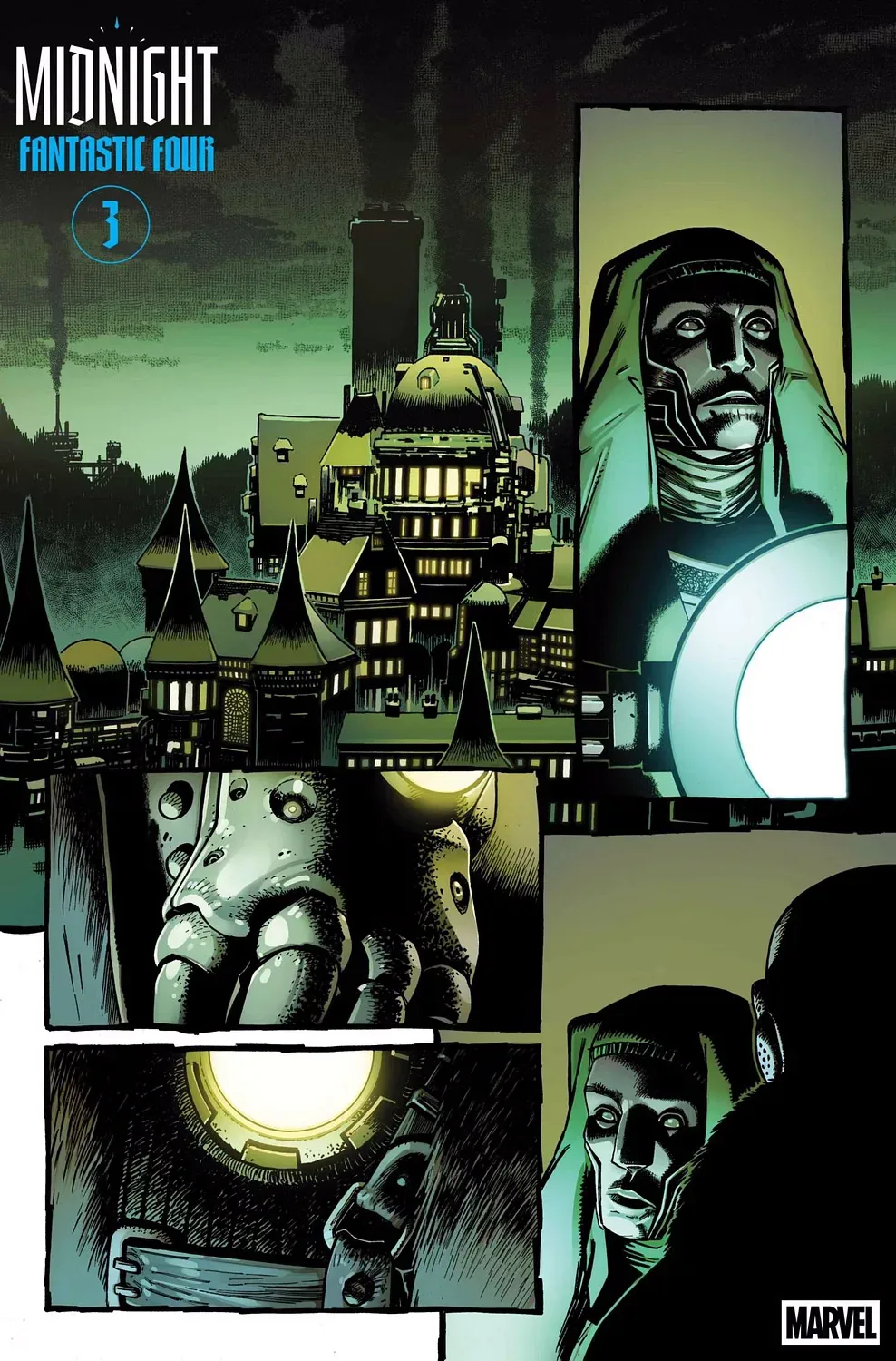
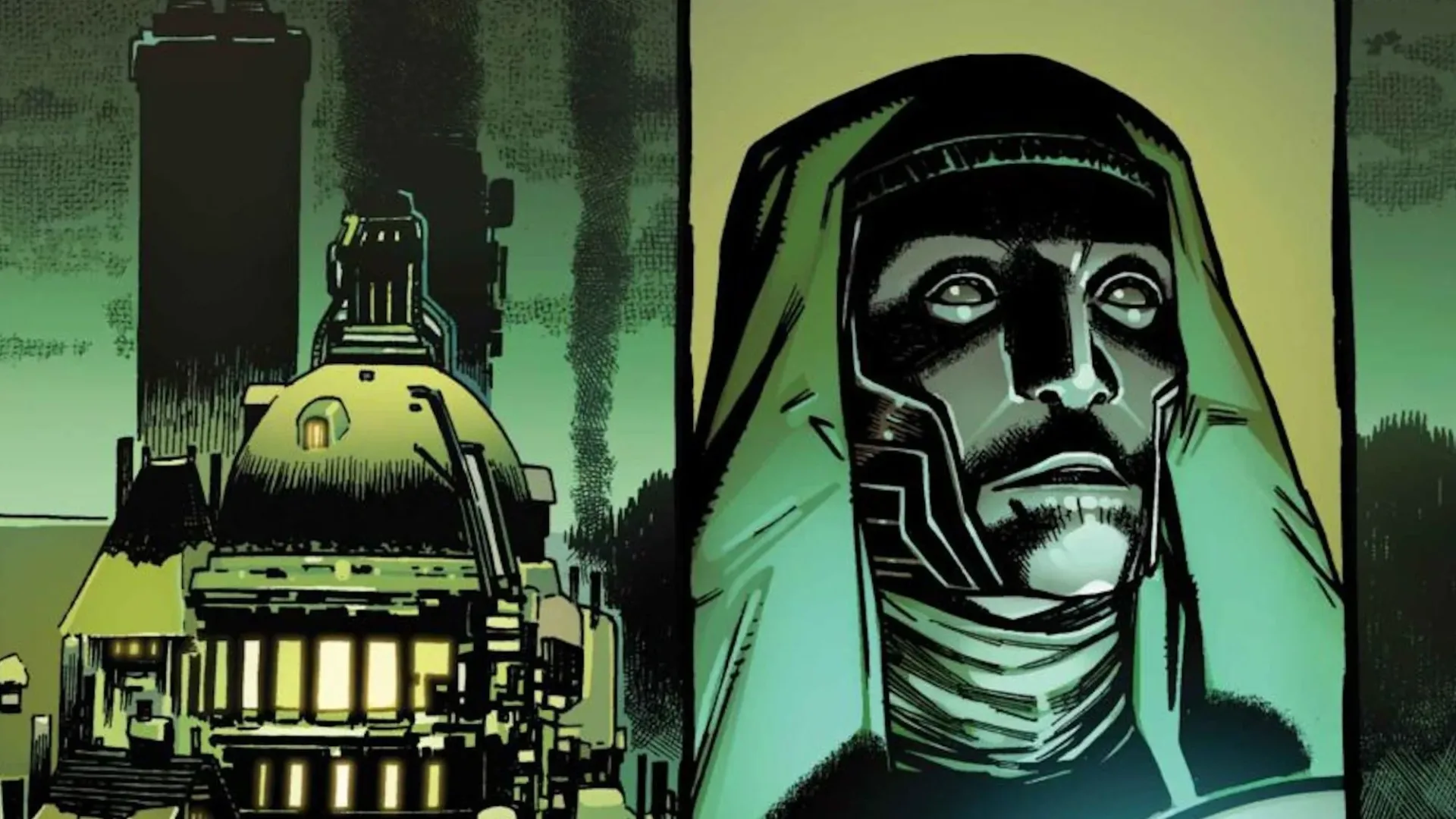
Victor Von Doom is another major point of departure. The story begins with his death following Reed’s portal incident, but issue #3 indicates that Victor’s mother is rebuilding him. The account is deliberately grisly and evokes reanimation fiction, a branch of horror centered on restoring the dead through forbidden knowledge, technology or occult practice.
The detail that Victor’s mother is the Latverian Doctor Doom makes this more than a simple revival tease. It rearranges the usual expectation around the Doom identity and establishes an active, frightening figure behind Victor’s return. Rather than a resurrection that neatly resets the character, the setup suggests that reconstruction itself may be part of the horror. What comes back, how complete it is, and what influence his mother has over it are questions the series can use to build suspense.
This parallel is meaningful. The Four are seemingly being altered by contact with other realities, while Victor is being physically restored after death. Both threads concern identity under extreme change: whether a person remains themselves when their body, memory or place in the world has been broken apart. The series has not confirmed that the transformations are identical or directly connected, but their proximity gives the book a coherent horror vocabulary.
The Jornada del Muerto setting and what follows
Issue #3 sends the Four to Jornada del Muerto in New Mexico. The solicitation ties the setting to the site of the first atomic-bomb detonation and Los Alamos, while the group investigates residue left by another world after a crack in the firmament. In this context, “firmament” functions as a poetic name for the boundary or vault of the world: a barrier that should be intact, but has opened.
The choice of location supports the story’s collision of scientific history and cosmic unease. A place associated in the issue description with a pivotal scientific event becomes the stage for evidence that science has encountered something it cannot contain. That does not mean the comic is making a stated historical claim beyond its own setup. Instead, it uses the location to add weight to the team’s discovery: reality itself has left traces behind.
Issue #4 raises the stakes by having the team return from a monolith in the desert without either memories or a record of what happened. Memory loss is particularly effective for this kind of story because it deprives characters of the evidence needed to investigate their own crisis. If they cannot recall the encounter, they cannot confidently distinguish a symptom from a clue, or a personal fear from an external intrusion.
Its solicitation also identifies a cosmic artifact as a possible factor in their abnormal minds and bodies. “Possible” matters here. The wording leaves room for the artifact to be a cause, a trigger, an instrument, or only one piece of a much larger reality-breach puzzle. The series’ use of uncertainty is doing real dramatic work: no one, including the characters, seems to have a complete model of what they have touched.
What issues #4 and #5 promise
Midnight Fantastic Four #4 is written by Benjamin Percy with art by Marcelo Ferreira. The standard cover is by Kev Walker, while the listed variants include work by Ferreira, Ben Harvey, Stonehouse and Mark Spears. The issue is listed at 32 pages for $4.99.
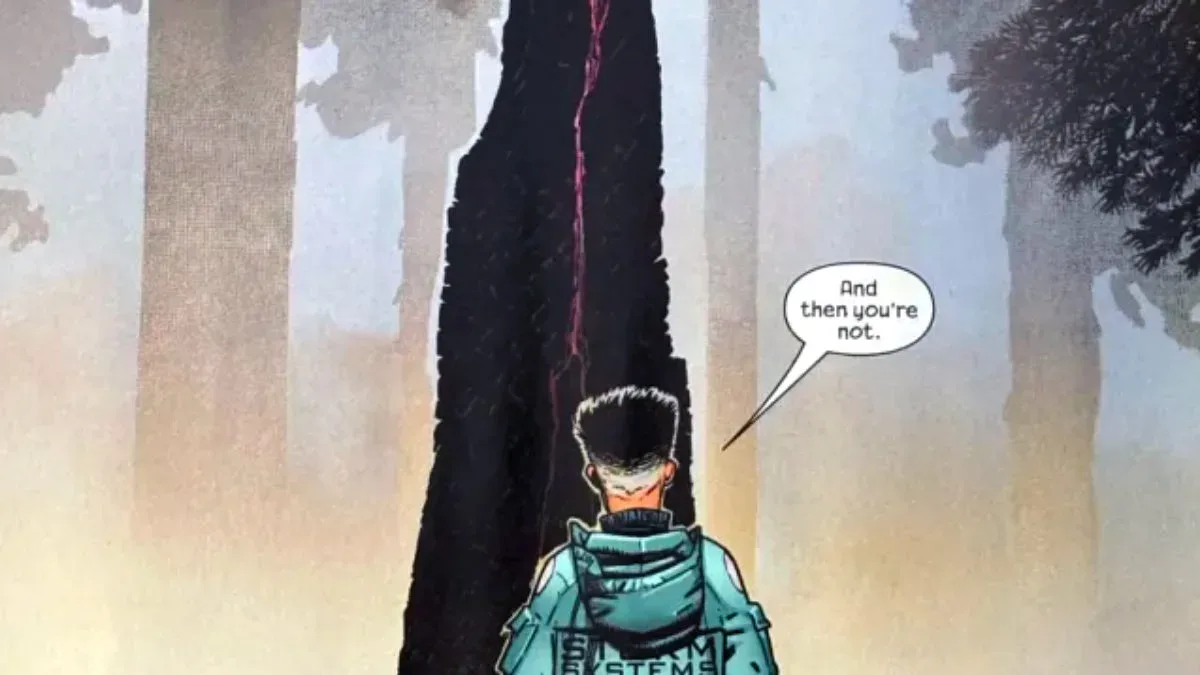
Midnight Fantastic Four #5 keeps Percy and Ferreira together and advances the physiological-change plot. Its description says the team’s alterations continue, that tensions rise as Reed fails to provide answers, and that a new threat stalks the woods around Storm Systems HQ. It is also listed at 32 pages for $4.99, with a February 10, 2027 on-sale date. Walker provides the main cover; additional listed variants include Ferreira, Harvey, a horror-homage cover still to be announced and a Skan gallery variant.
Those upcoming beats suggest that the series will not leave its horror in the desert. The move from a remote monolith to the woods around the team’s headquarters implies an erosion of safe ground. Whether the new threat is related to the dimensional leak, the cosmic artifact, Victor’s return or an entirely separate danger has not been confirmed.
Readers following Marvel’s broader horror-branded material may also want to keep an eye on the developing Midnight X-Men storyline. For Midnight Fantastic Four, though, the defining appeal is already clear: it is using recognizable Marvel foundations—brilliant Reed, the Storm siblings, Ben Grimm and Doom—but making every piece of the foundation feel unstable.
Issue #3’s return to its lighthouse-and-wave imagery gives the series a sense of a recurring nightmare rather than a chain of disconnected strange events. As the Four approach their transformations and Victor is rebuilt, the key question is no longer merely what lies behind the breach. It is how much of that other world the characters will carry with them when they return.