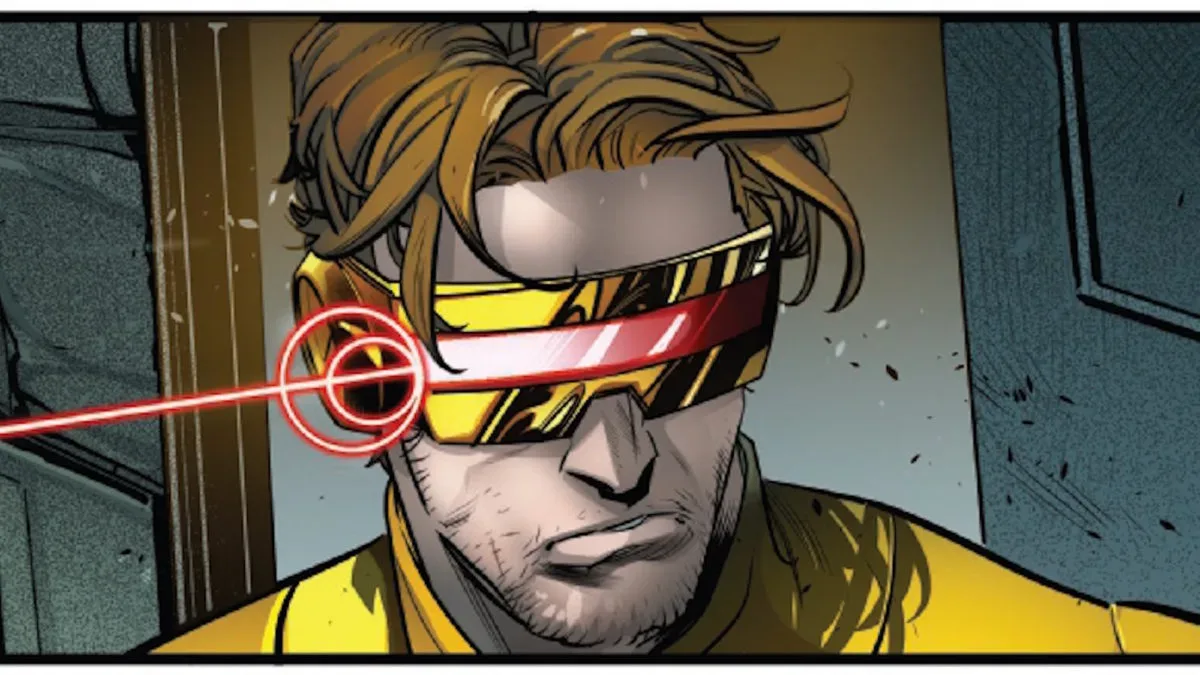
Reed Richards has always made scientific curiosity look like a superpower. Midnight Fantastic Four #1 asks what happens when that curiosity becomes something less heroic: an all-consuming fixation on answers humanity may not be prepared to receive.
Marvel’s new Fantastic Four horror story arrives on October 7, 2026. Written by Benjamin Percy with art and a cover by Kev Walker, the 40-page first issue is rated T+ / Parental Advisory and carries a $5.99 US cover price. Its premise is stark: an obsessive scientist pursues the hidden secrets of the universe, discovers new dimensions, and leaves himself plus three other people changed in strange and frightening ways.
That setup does more than put a darker coat of paint on a familiar superhero team. It puts the central tension directly on Reed’s defining trait. The Fantastic Four’s adventures are frequently built around exploration, invention, and the conviction that the unknown can be understood. Here, the unknown appears to push back.
A Fantastic Four story built around the cost of knowing
The solicitation frames Midnight Fantastic Four as a tale of “existential dread,” a term worth unpacking. In horror, existential dread is not merely fear of a monster or danger in a room. It is anxiety rooted in a more destabilizing realization: that the universe might be far larger, stranger, and less controllable than people believed. An answer can be terrifying precisely because it changes how characters understand themselves and their place in reality.
That makes alternate dimensions especially useful terrain for this kind of story. A new dimension is not just a new location with unusual scenery. It represents a break in the rules. If Reed discovers a place beyond the known universe, readers are invited to ask what else his science failed to account for—and whether crossing that threshold has consequences no invention can reverse.
The official setup does not identify the three people transformed alongside the scientist or explain the exact nature of their condition. That uncertainty is part of the pitch. The immediate stakes are personal and physical, but the larger question is broad: can humanity survive contact with what was found?
Why Reed Richards fits the premise
Reed is a particularly effective focal point for a Fantastic Four horror story because he is not described here as a victim of random bad luck. He is the person who chooses to keep looking. The premise calls him obsessive, changing the meaning of scientific investigation from a noble pursuit into a possible blind spot.
There is a meaningful distinction between curiosity and obsession. Curiosity is an impulse to learn. Obsession is curiosity that can no longer accept limits, competing responsibilities, or warnings. When the person crossing that line is a world-class intellect, the danger is not that he lacks the tools to open a door. It is that he may have every tool necessary to open it and insufficient reason to stop.
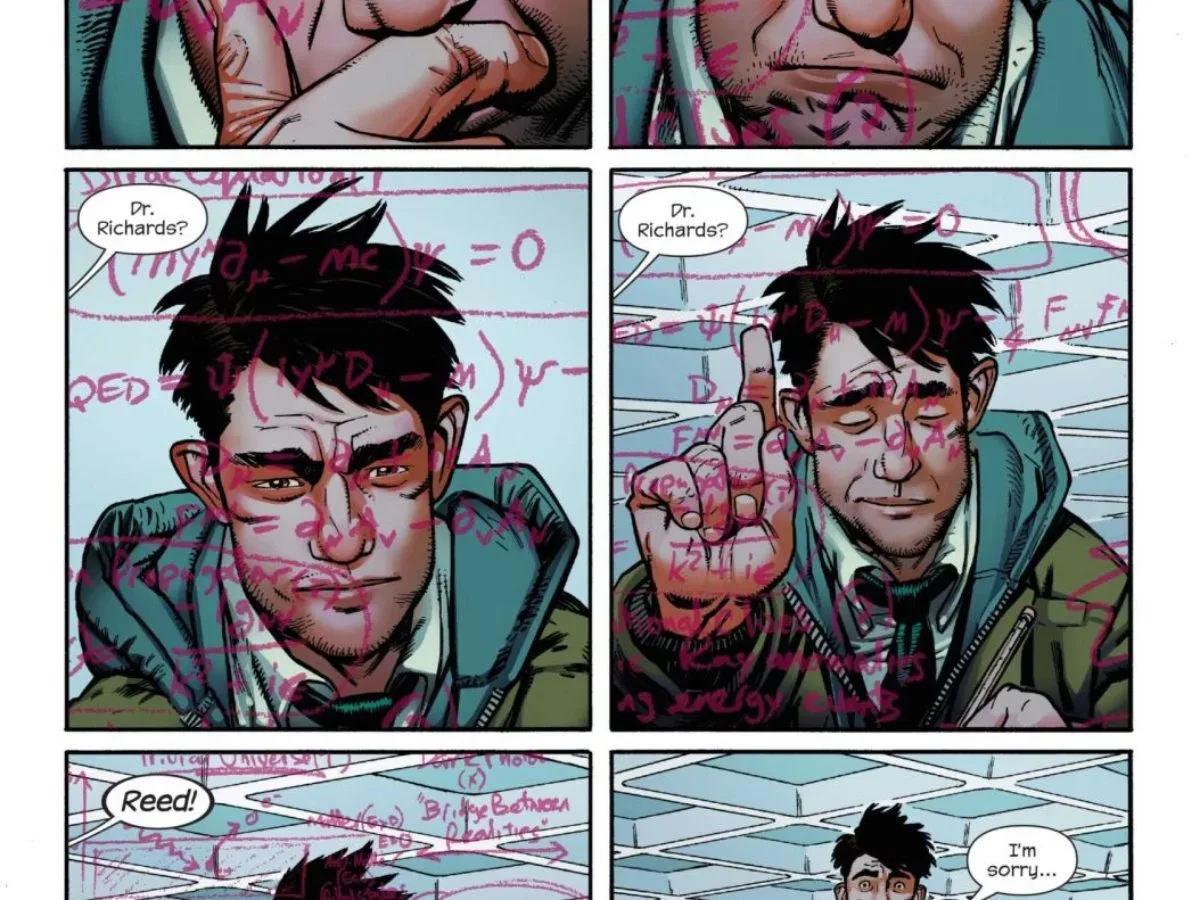
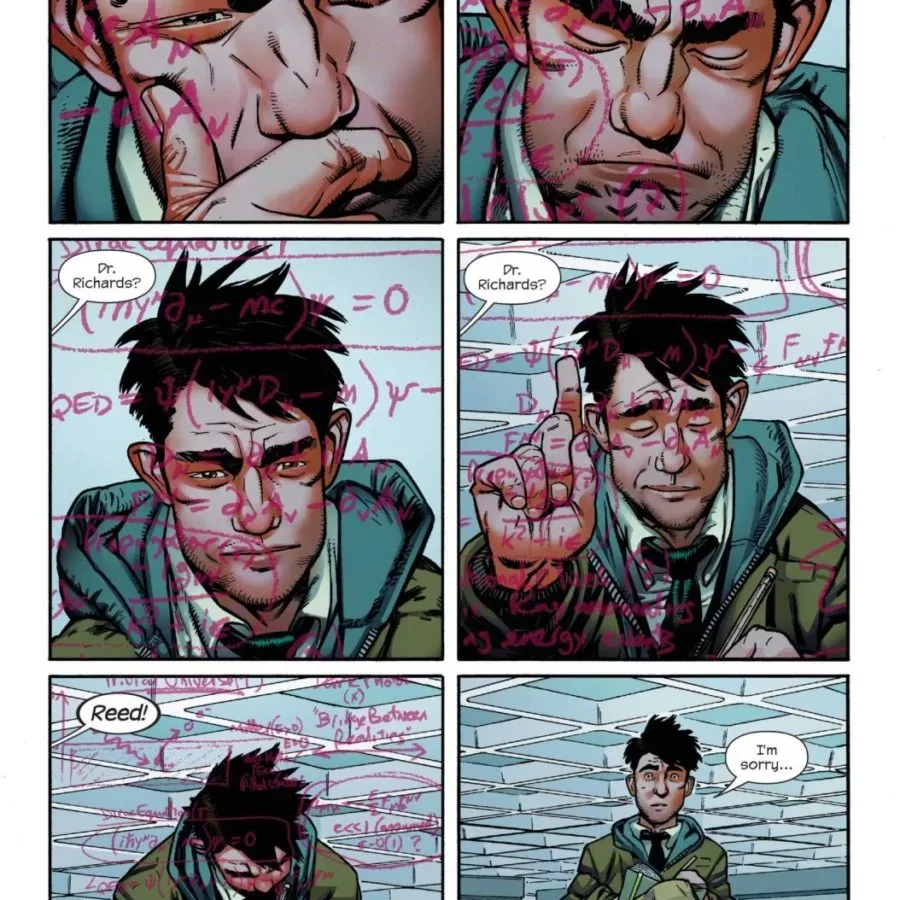
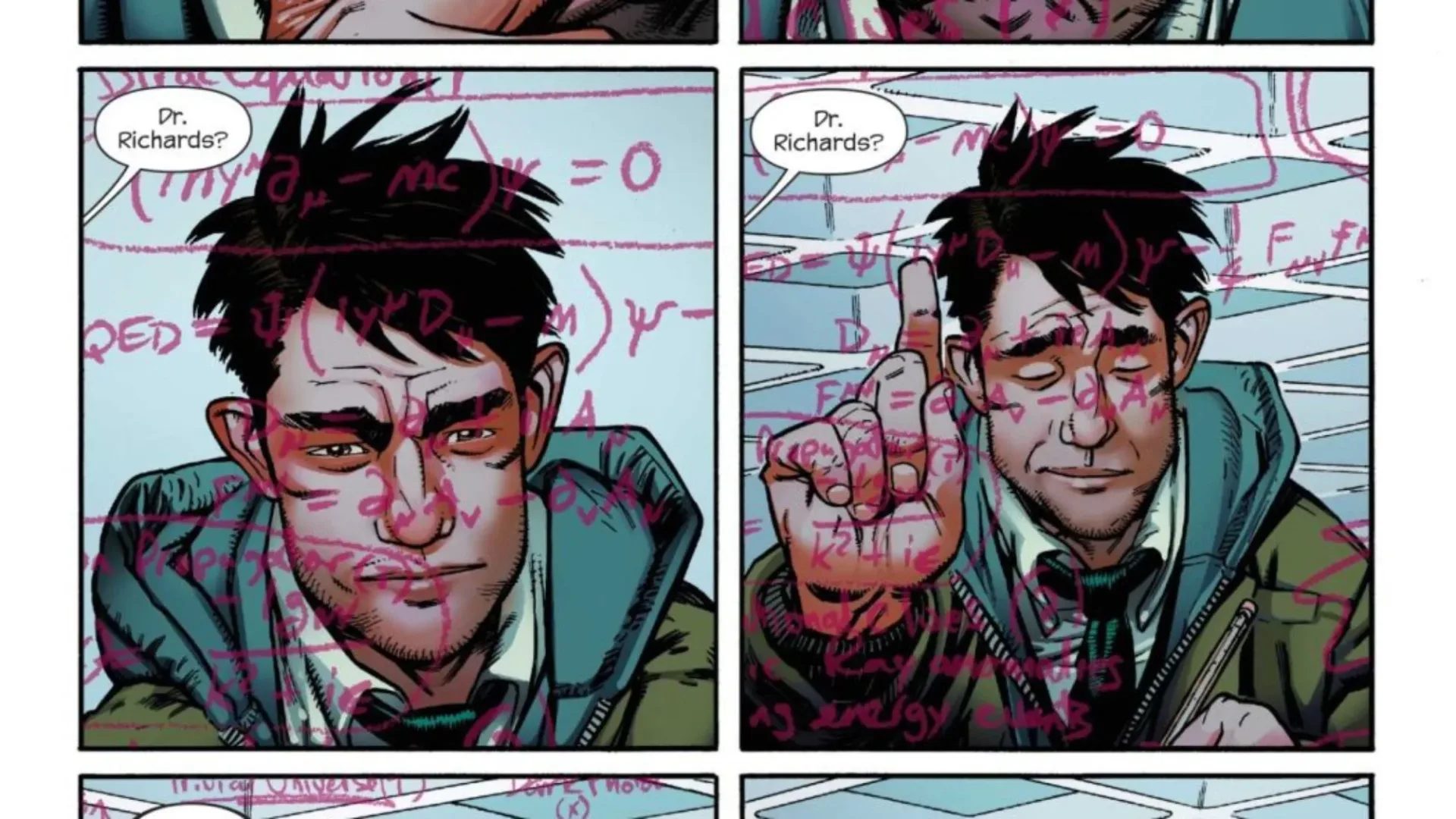
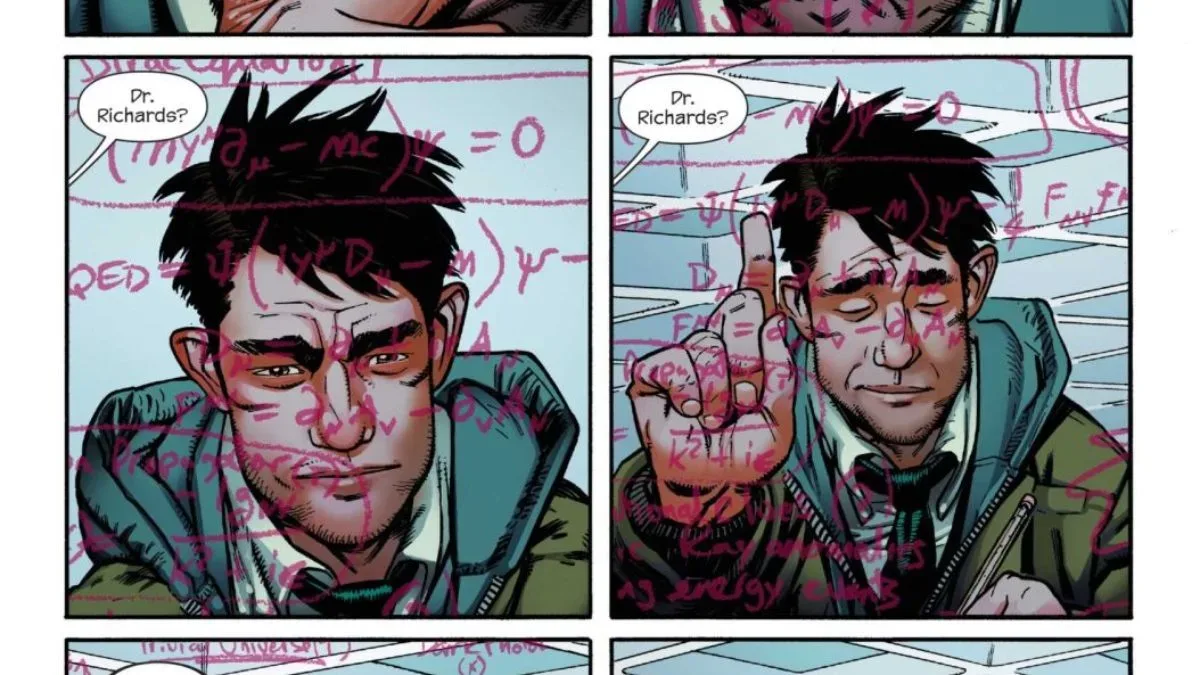
Preview material indicates that Reed’s fixation carries professional consequences, including his university firing him. That detail gives the supernatural premise an earthly point of friction. Before the new dimensions inflict their horrors, ordinary institutions have already recognized a scientist whose priorities have become alarming. It suggests a story interested in pressure and deterioration, not only the spectacle of a cosmic event.
It also gives the title’s “midnight” mood a functional role. This is not simply the Fantastic Four encountering danger in the dark. The series is positioning their first steps into discovery as steps into a space where rational certainty, bodily safety, and professional stability are all eroding.
Percy and Walker bring horror credentials to the assignment
Benjamin Percy is credited as writer, with prior Marvel work including Wolverine and Punisher. Kev Walker handles the interior art and cover; his cited credits include Infernal Hulk and Doctor Strange. Those credits do not reveal the plot of Midnight Fantastic Four, but they clarify the kind of creative pairing Marvel is presenting: a writer and artist associated with characters and stories that can sustain menace, violence, unsettling imagery, and supernatural pressure.
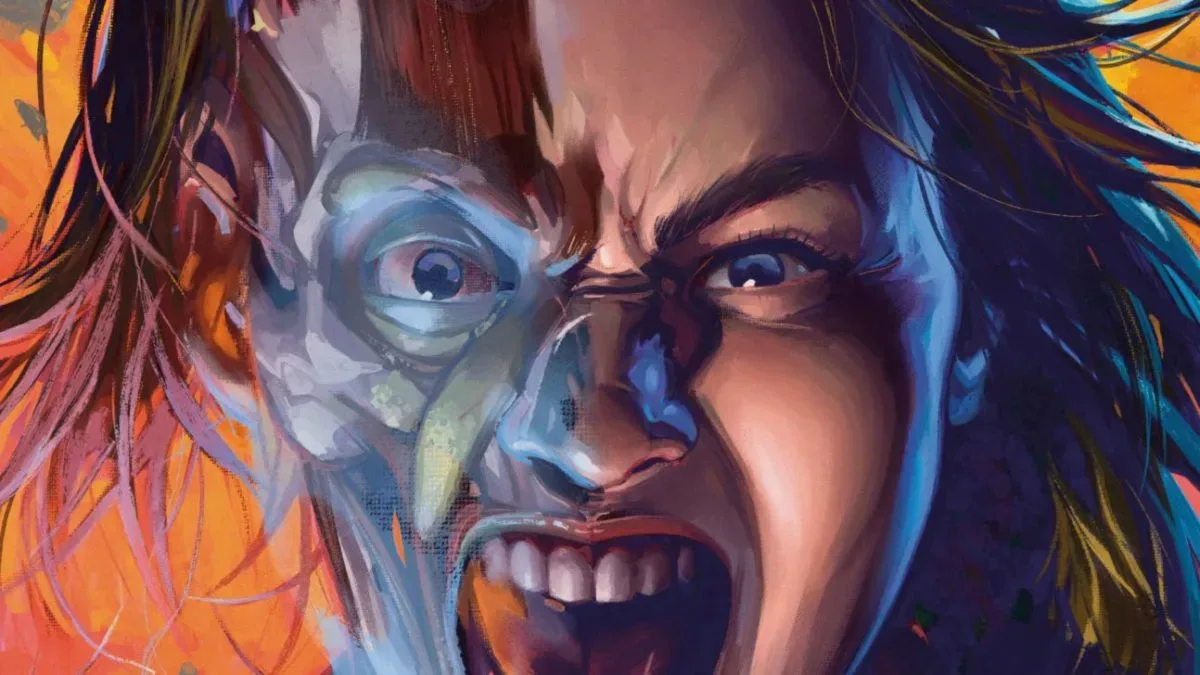
Walker’s role on both art and the cover may be particularly important for a book centered on people warped by dimensional contact. Horror comics depend on pacing and revelation, but they also depend on deciding what should be seen clearly, what should be glimpsed, and what should remain ambiguous. A frightening transformation can land through its anatomy, its aftermath, or the reaction of someone forced to look at it. The solicitation promises horrifying changes without providing a clinical explanation, leaving room for the visual storytelling to establish the book’s specific kind of unease.
Percy’s stated premise, meanwhile, places character motivation at the center. A new monster or a hostile universe matters more when it is connected to a decision someone made. Reed’s attempt to expose the universe’s secrets is not background information; it is the engine that puts four people in danger.
What is known—and what remains deliberately unclear
For readers deciding whether this is a horror-book detour or a full reworking of the team, the currently available details support a few firm expectations:
- The story centers on an obsessive scientist and forbidden cosmic knowledge.
- Four people are altered after an encounter with newly discovered dimensions.
- The tone is explicitly horror-driven, with existential dread named as a core ingredient.
- Reed Richards’ obsession is central to the setup, and preview material shows professional fallout from it.
- The issue is rated T+ / Parental Advisory.
There are also important unanswered questions. The solicitation does not say how the characters are warped, what the new dimensions contain, whether the transformations can be undone, or how this version of the team relates to other Fantastic Four material. It does not provide a series length, either. Those absences are not gaps to fill with assumptions; they are the mysteries the debut issue is selling.
The parental-advisory label is a useful signal rather than a plot summary. It tells prospective readers that Marvel considers the content aimed at older teens and above, consistent with the series’ advertised horror approach. It should not be treated as confirmation of any particular level of gore or subject matter beyond that designation.
Covers and buying options for issue #1
Midnight Fantastic Four #1 is listed with a standard edition and several variants, all shown at $5.99 US and $7.50 CAN in the solicitation material. The announced cover lineup includes a Ryan Stegman Midnight Bloodbath variant, Ben Harvey Midnight Special and Midnight Special Virgin variants, E.M. Gist’s Midnight Horror Homage variant, a Clayton Crain three-part connecting variant, a Jeehyung Lee Midnight Gallery 1:25 variant, a Ben Harvey Midnight Special Virgin 1:50 variant, and a Rod Reis Virgin 1:100 variant. Leinil Yu and Rod Reis variants are also listed.
Terms such as 1:25, 1:50, and 1:100 refer to retailer incentive ratios. In practical terms, a store must order a specified quantity of qualifying copies to be eligible to purchase one of those incentive editions. They are different purchasing arrangements, not story chapters, and availability at any particular shop can vary.
One listed edition is called an Uncloaked 2nd Printing. The listing establishes that the named edition exists in the material provided, but it does not explain its timing, art treatment, or distribution circumstances. Readers looking for a particular cover should check directly with their preferred comic shop rather than presume every variant will be stocked.
The appeal is the clash between wonder and warning
The strongest idea in Midnight Fantastic Four #1 is not simply that the Fantastic Four are facing something scary. It is that the scientific impulse usually associated with their greatest adventures may be the threat’s point of entry. “Secrets best left unknown” is familiar language in cosmic horror, but Reed Richards gives it an unusually sharp edge. He is the kind of character expected to find the answer. This premise asks whether finding it is the disaster.
For readers who enjoy superhero comics when they stretch into a distinct genre, that is the hook: an exploration story where exploration itself becomes suspect. The book’s 40 pages have a lot to establish—an obsessive Reed, three other altered people, dimensions beyond accepted knowledge, and a mood substantial enough to justify the Midnight branding. Percy and Walker’s first issue will determine whether the series’ fear comes mainly from the transformations, the unknown worlds, or the possibility that Reed cannot stop reaching for the next answer.
Either way, the pitch makes one thing clear. This is not a routine trip into the negative zone of superhero peril, followed by a clean solution and a return to the lab. The discovery is presented as a rupture, and the people who crossed into it may not come back unchanged. For another recent look at how pop culture uses cosmic imagery in a very different register, see Pokémon and ESA Take Pikachu to Space for World Space Week 2026.