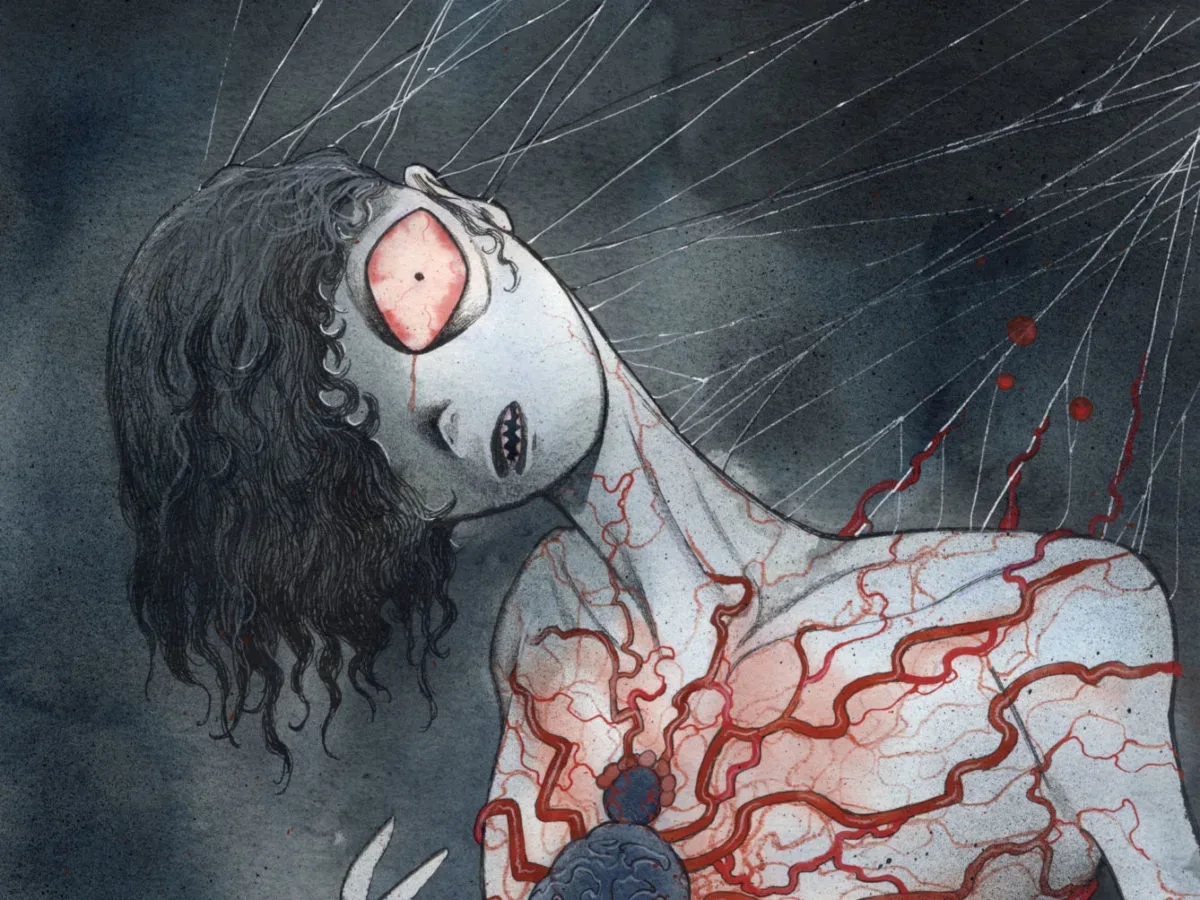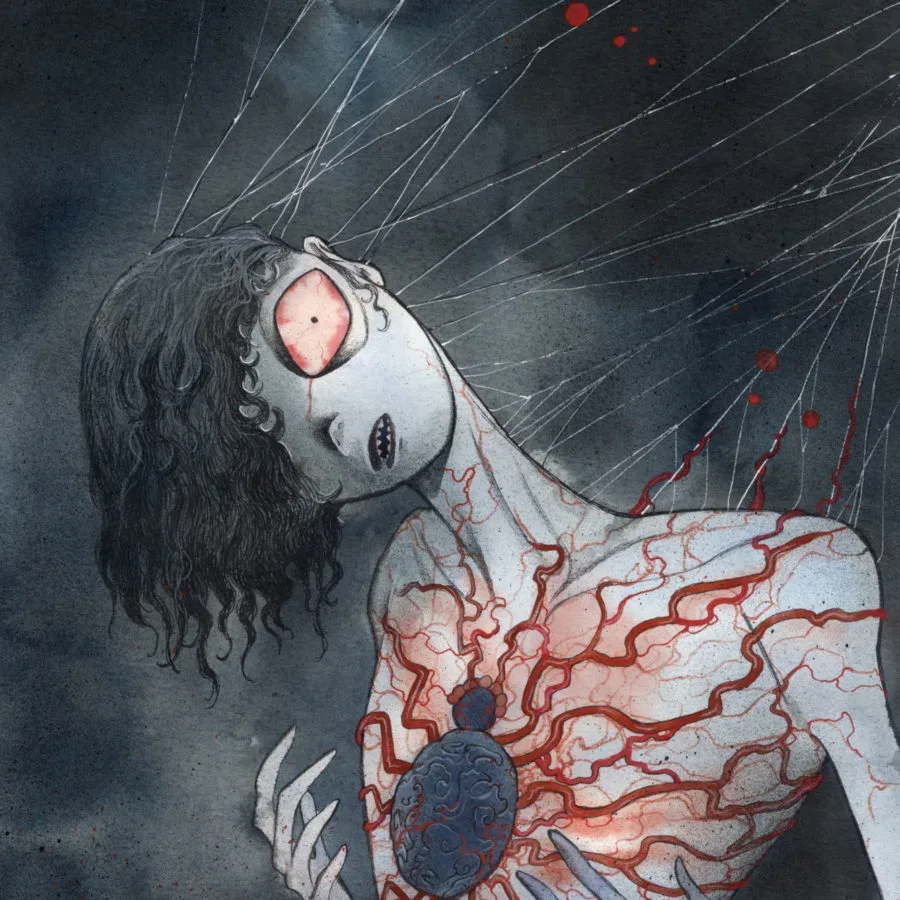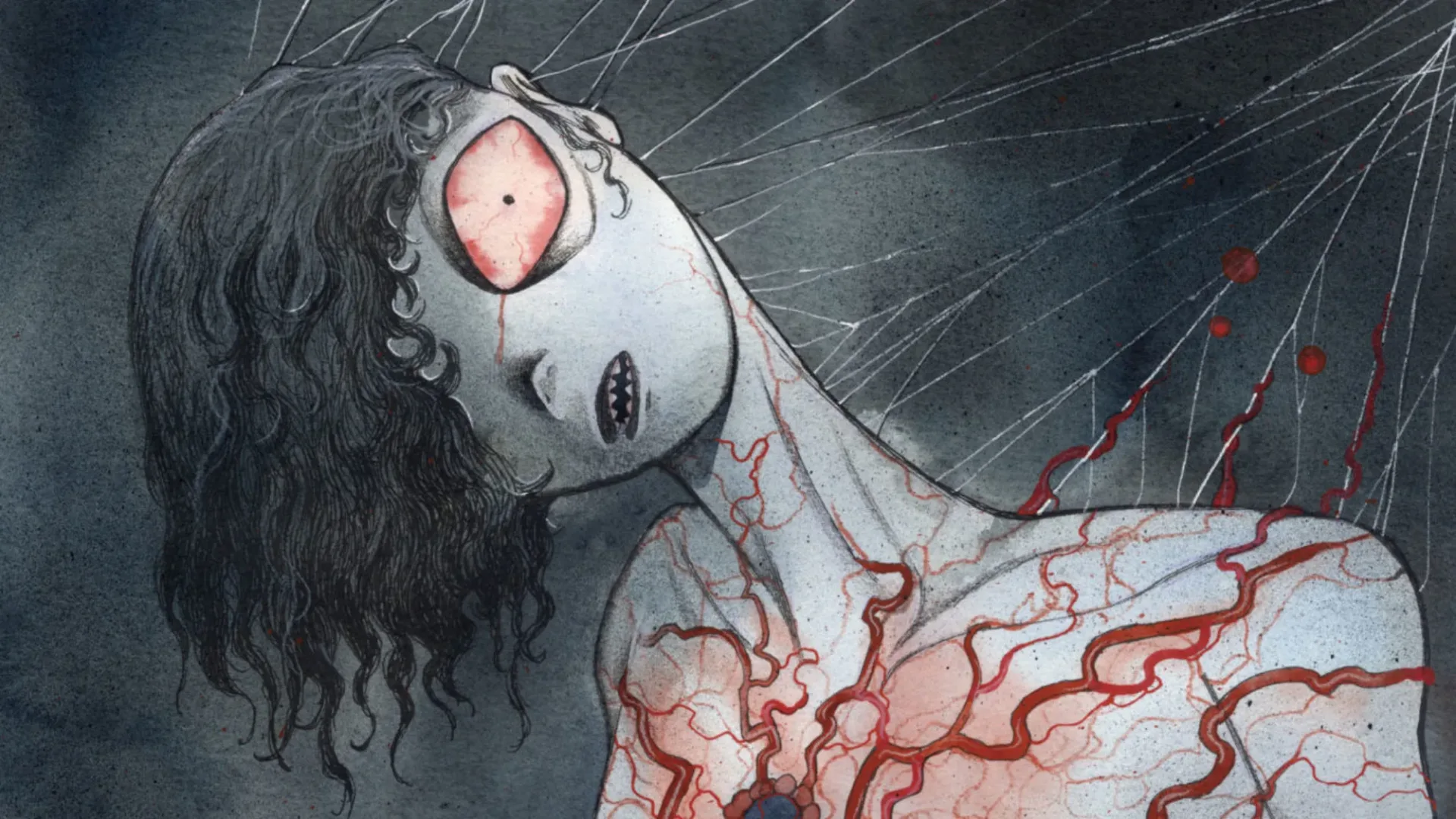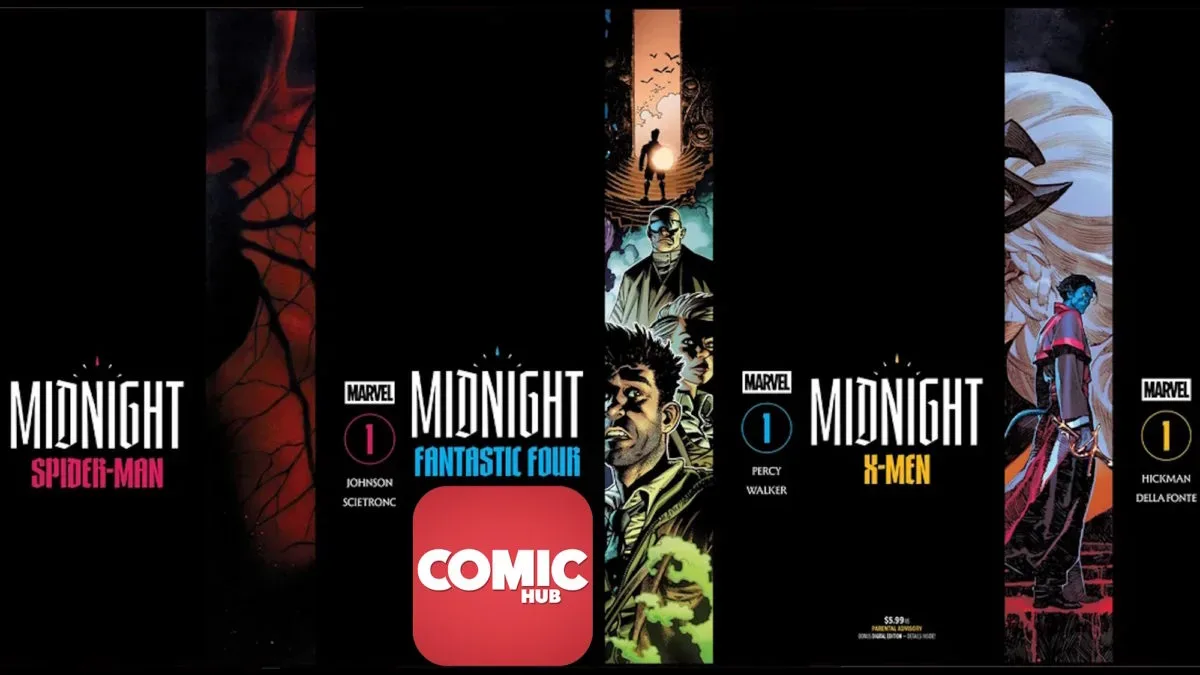
Marvel’s horror-leaning Midnight Universe will continue in January with fourth issues for Midnight Spider-Man, Midnight Fantastic Four and Midnight X-Men. Each 32-page, Parental Advisory issue is listed at $4.99 with a digital code, and each has a cover program that emphasizes a shared, unsettling visual identity while leaving room for the three titles’ separate stories.
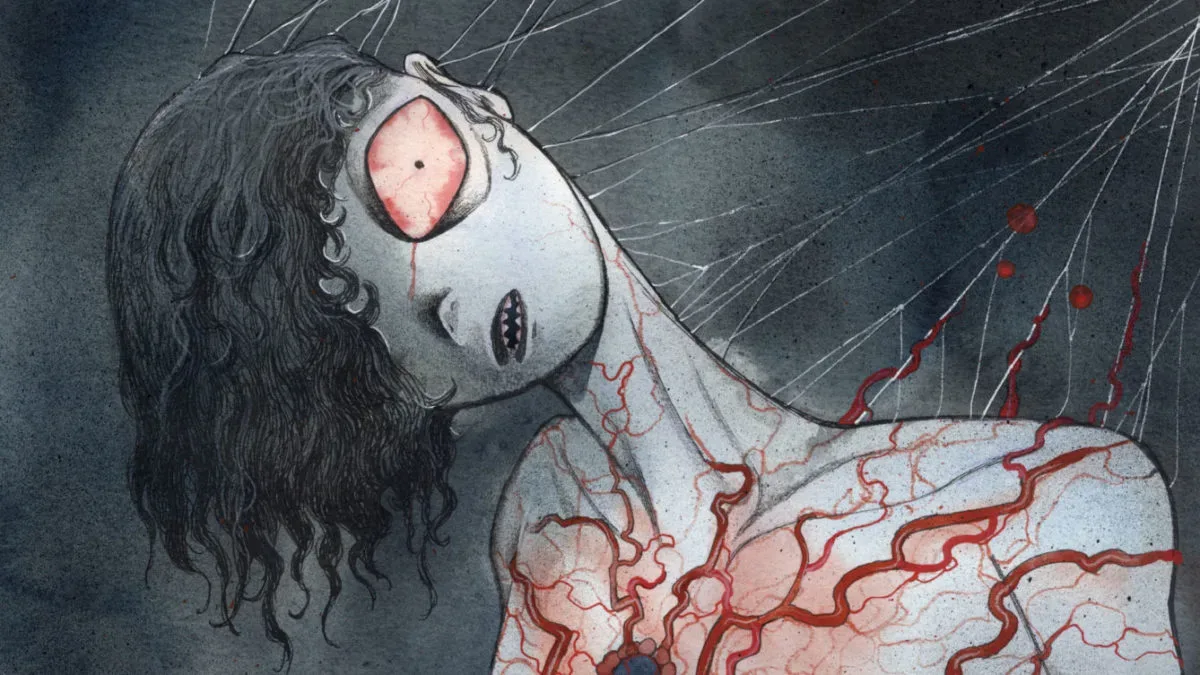
The headline artists are Mark Spears and Declan Shalvey. Spears is handling the Midnight Gallery Cover E variants across all three #4 issues, while Shalvey provides Midnight Gallery Bloodbath Cover B variants. Midnight Spider-Man #4 also receives a Midnight Special Cover C by Peach Momoko and a Midnight Horror Homage Cover D by Kei Zama. Zama’s Spider-Man image is described as an homage to Alien, making it the most explicitly identified genre reference in the set.
For comic readers, the covers are not just an alternate storefront display. They establish what the Midnight line is trying to do with three of Marvel’s biggest superhero corners: use familiar names as entry points for stories framed by body horror, paranoia, mystery and creature-feature imagery. The January solicitations support that direction, from a city frightened of Spider-Man to the Fantastic Four returning changed from an encounter they cannot remember, and an X-Men conflict that places mutants and humans on opposing sides.
A shared cover structure, with different visual lanes
The three books share a basic cover map. Every #4 has a main cover, Shalvey’s Cover B Bloodbath variant, a Cover C Midnight Special, a Cover D Midnight Horror Homage and Spears’ Cover E Midnight Gallery variant. That consistency matters because it makes the books read as one branded line even when their casts, creators and plot hooks differ.
Variant cover is the standard comics term for an alternate cover attached to the same interior issue. A reader choosing a variant is still buying the same story and page count as the regular edition; the difference is the exterior artwork and, sometimes, the ordering structure. In this case, the main covers are credited separately from the themed variants, while the series-wide labels make it easier to identify which designs belong together.
Spears’ Cover E editions carry a 1:25 designation. That is an incentive variant: shops typically qualify to order one of those editions for every 25 copies of the relevant issue they order under the publisher’s program. It does not describe story content or guarantee an aftermarket value. It does tell buyers and retailers that the edition has a different distribution setup from a regular-order cover. Anyone seeking the Spears covers should ask a local comics shop how it handles incentive variants, rather than assuming every store will have one on the shelf.
Shalvey’s “Bloodbath” theme is more direct. The supplied descriptions characterize these covers as blood-soaked images designed to foreground the terror of the Midnight setting. It is a strong fit for a line asking readers to view Spider-Man, the Fantastic Four and the X-Men through horror conventions rather than conventional heroic iconography.
The Midnight Special covers offer another recurring category. On Midnight Spider-Man #4, Momoko’s Cover C is specifically positioned as a Midnight reimagining of a Marvel hero. The remaining Special covers are by Skan for Midnight X-Men #4 and Ben Harvey for Midnight Fantastic Four #4. Meanwhile, the Horror Homage label signals a genre-aware angle rather than an ordinary character portrait. The X-Men homage artist is still listed as to be announced; Stonehouse is credited for the Fantastic Four homage, and Zama for Spider-Man.
Midnight Spider-Man #4: a city fears its web-slinger
Midnight Spider-Man #4 is written by Phillip Kennedy Johnson, drawn by Scietronc and has a main cover by Steve Beach. Its premise flips the usual public image of Spider-Man: New York City is said to be sheltering behind locked doors from a mysterious horror called Spider-Man. An outcast police officer is pursuing the truth behind the “Parker Incident,” while another thread concerns the birth of the world’s second synthetic mutant.
The solicitation also promises the first appearance of one of Spider-Man’s “most monstrous predators.” A first appearance means a character’s debut in the issue. It is a notable story detail, but the available information does not name the character, explain its powers or establish its future role. The useful expectation is simply that issue #4 introduces a new threat framed as a predatory monster, not that it resolves the mystery around Spider-Man.
Momoko and Zama make this the most distinctly individualized cover package among the three January books. Momoko’s Midnight Special variant brings a separate interpretation of the hero to the line, while Zama’s Alien-inspired Horror Homage reinforces the title’s monster premise. The connection is thematic: a story positioning Spider-Man as an object of fear is paired with a cover that openly draws on sci-fi horror language.
That does not mean the cover itself confirms a crossover, a licensed connection or a plot appearance from Alien. A horror homage is visual commentary and genre shorthand. It can signal mood efficiently without making claims about continuity. For readers who prefer the standard narrative presentation, Beach’s Cover A remains the main-cover option.
Midnight Fantastic Four #4: memory loss after the monolith
Midnight Fantastic Four #4 comes from writer Benjamin Percy and artist Marcelo Ferreira, with a main cover by Kev Walker. The issue follows the Four after they return from a monolith in the Jornada del Muerto desert. Their problem is not merely an unusual trip: they have no memory or record of what happened during the experience.
The aftermath is physical as well as psychological. Their minds and bodies are behaving strangely, and the solicitation connects those changes to a cosmic artifact they encountered. That is a concise but effective horror setup. Memory loss creates a gap in the characters’ own evidence; bodily changes mean the mystery cannot be safely left in the past. The artifact is presented as a possible cause, not a confirmed explanation, so the issue’s tension rests partly on uncertainty.
This branch of the line appears to use cosmic mystery as its route into horror. Marvel’s first family is associated here with a return from an impossible place and an encounter whose effects may have followed them home. Shalvey’s Bloodbath cover, Stonehouse’s Horror Homage, Ben Harvey’s Midnight Special and Spears’ Gallery variant give collectors several tonal approaches around the same underlying premise.
The “hidden world” phrasing attached to the issue suggests the scope may extend beyond the monolith itself, but it does not establish what that world is or whether the team will revisit it in #4. Readers should treat the solicitation as a setup for investigation and transformation rather than a full plot synopsis.
Midnight X-Men #4: threats from both sides
Midnight X-Men #4 is written by Jonathan Hickman with art by Matteo Buffagni and a main cover by Dike Ruan. Its solicitation uses the blunt slogan “No Mutants. No Mercy,” then lays out a conflict in which letters go out, all sides are summoned and both humans and mutants issue threats.
Specific clues are embedded in that outline. A one-eyed ronin discovers something that could unravel plans laid long ago, while a half-healed wound is being concealed in shadow. The wording implies a story built around secrets, mobilization and a conflict that has not yet fully erupted. It deliberately withholds who sent the letters, what the threats demand and whose wound is hidden.
That degree of restraint is worth preserving. The solicited material identifies a confrontation, but not its winner, its true instigator or its consequences for the wider Midnight line. What can be said is that Midnight X-Men #4 takes the horror-inflected concept toward suspicion and social fracture, instead of the creature-chase framing of Spider-Man or the altered-return mystery of the Fantastic Four.
Its variant group includes Shalvey’s Bloodbath Cover B, Skan’s Midnight Special Cover C, an as-yet-uncredited Horror Homage Cover D and Spears’ 1:25 Midnight Gallery Cover E. For anyone building a matched set of the three Gallery editions, the X-Men issue is part of that line-wide run even though its homage contributor has not been announced.
What to check before ordering
The practical distinction among these editions is straightforward, but it can prevent confusion at a shop counter or in an online preorder listing.
- Check the issue title and number: all three are #4s, but they are separate books with different stories and creative teams.
- Check the cover letter and artist: Cover B is Shalvey’s Bloodbath design on each title, while Spears is the Cover E Gallery artist on each title.
- Do not confuse the Special and Horror Homage labels: they are separate covers. On Midnight Spider-Man #4, Momoko is Cover C and Zama is Cover D.
- Ask about the 1:25 edition early: Spears’ Gallery covers use an incentive ratio, which can affect how individual retailers offer them.
- Keep story expectations separate from cover appeal: all variants for a given issue lead to the same credited interior story; cover choice does not unlock extra pages or a different plot.
The January trio is therefore a coordinated release rather than a single crossover issue: three horror-shaped takes on major Marvel properties, linked by cover branding and a repeating group of artists. It is also a reminder that comics cover programs can serve two audiences at once. Readers can select a cover that best matches the story’s tone, while physical collectors can pursue a themed Shalvey or Spears run across the line. Marvel’s broader presence in games and licensed projects continues elsewhere too, including a recent Marvel season in Monopoly Go!, but the Midnight books are using the medium’s most immediate physical canvas—the cover—to make their horror pitch.