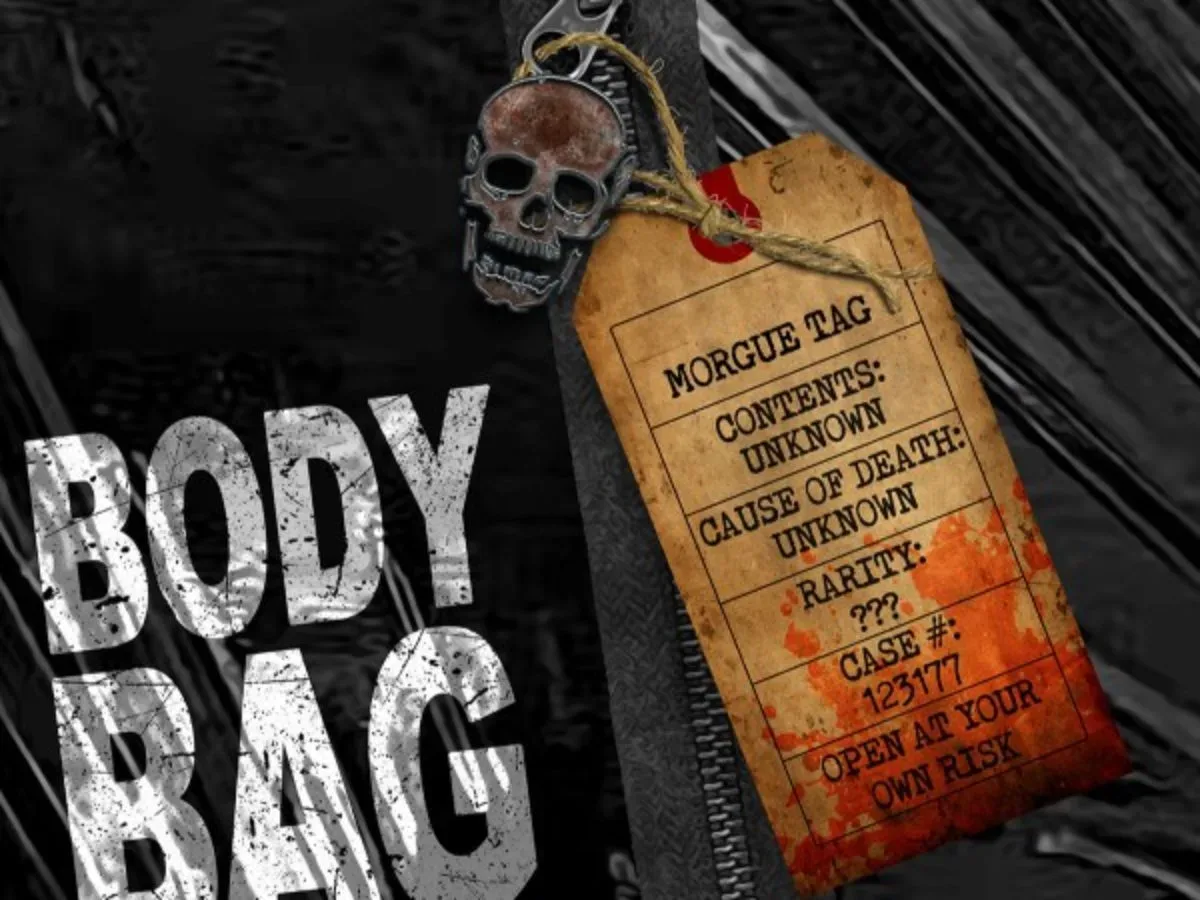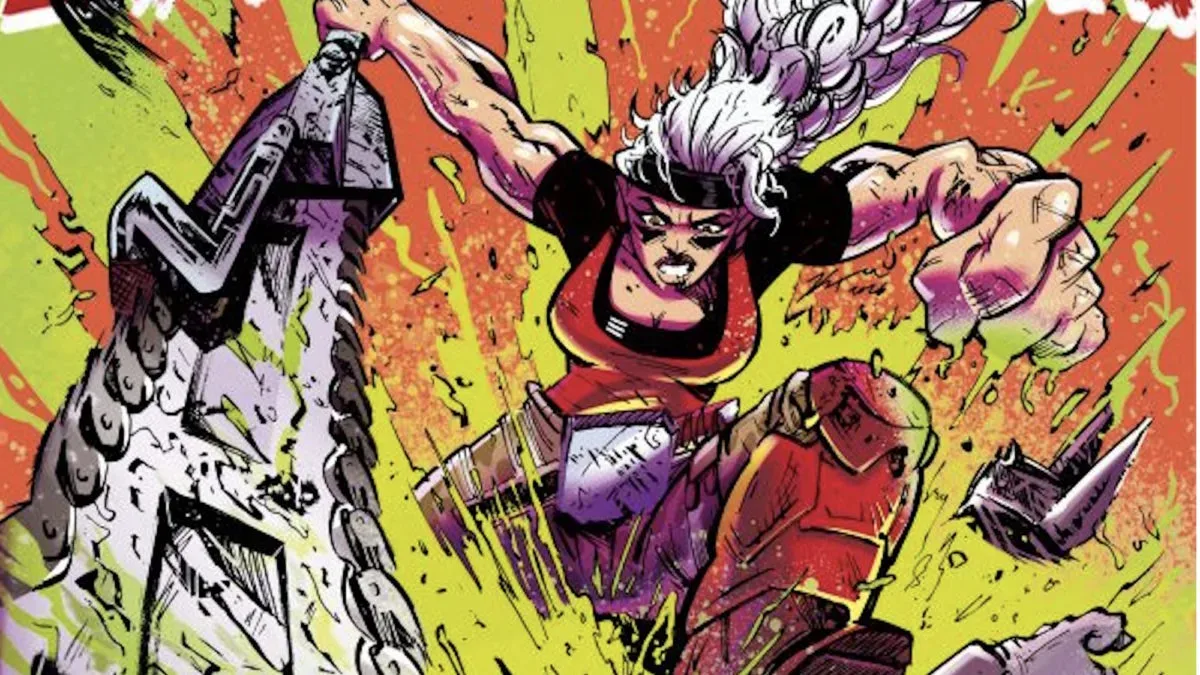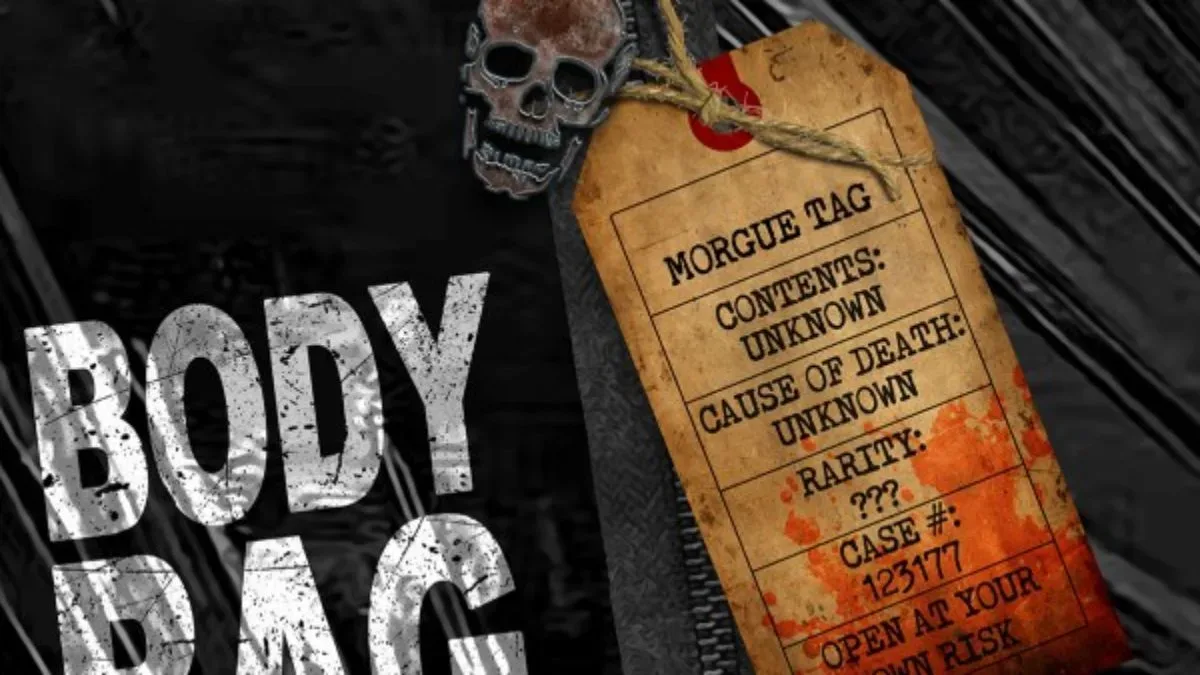
What was meant to be a mystery-cover comic release has become a very public lesson in expectations. Keenspot and creator Mark Spears have made Mark Spears’ Graveyard Shift #1 Body Bag Edition fully returnable following widespread complaints from collectors and comic shops about duplicate covers, unclear expectations and the overall experience of opening the bags.
The change is particularly notable because it is described as the first time in nearly 27 years that Keenspot has asked Lunar Distribution to make one of its releases fully returnable to and from comic shops. It also covers bags that have already been opened, a key point in a controversy built around buyers needing to open the product to discover which cover they received.
What collectors expected from the Graveyard Shift blind bags
The Body Bag Edition was solicited as a blind bag containing one random exclusive cover from a pool of eight, along with a Time Card trading card. In collecting terms, a blind bag is sealed packaging that conceals the specific item inside. The appeal is uncertainty: a buyer may pull a common version, a harder-to-find variant, or in some programs an exceptionally scarce chase item.
This release also advertised rarity ratios ranging from 1:50 to 1:20,000 for a hand-signed and sketched edition. A ratio such as 1:50 generally communicates that a particular version is intended to appear once for every 50 units, while 1:20,000 signals a dramatically scarcer chase. Those figures naturally encourage buyers to open multiple bags, especially when the product is framed around a set of covers rather than a single standard edition.
But many customers appear to have approached Graveyard Shift #1 with another point of comparison in mind: the prior year’s Mark Spears’ Monsters blind-bag releases, the Hallowe’en and Winter Horrorland editions. Those programs combined to sell more than 700,000 copies. Their popularity helped establish an expectation of a particular type of collecting experience, including meaningful variety across multiple openings.
Instead, buyers began reporting that they repeatedly received the same common Body Bag Exclusive Cover H. The discussion spread through collector communities and podcasts, with one widely repeated account alleging 24 identical covers from 25 opened bags. That is an individual report rather than independently established evidence of the overall distribution, but it illustrates why the reaction became so intense: a blind-bag product relies on purchasers believing the concealed assortment is being distributed in a way that makes continued opening feel worthwhile.
Keenspot says the confusion was a communication failure
Keenspot has acknowledged that the Body Bag Edition was made as originally solicited, but said its packaging and marketing did not adequately distinguish this program from the earlier Mark Spears blind bags. The publisher said it failed to recognize that collectors would reasonably assume the new bags worked in the same way as those previous releases.
That distinction matters. A product can technically contain a randomly selected cover from a defined group while still disappointing buyers who expected a different mix, packaging approach or collectible structure based on a previous branded release. The core dispute was not simply whether the eight covers existed. It was whether the presentation gave buyers a clear enough picture of the experience they were actually buying into.
Collector complaints focused on two related questions:
- Whether the bags had been mixed effectively enough to produce the kind of variety buyers expected after opening several copies.
- Whether the advertised rarity ratios reflected results collectors were seeing in the real world.
Neither issue is trivial in a hobby where consumers often buy sealed products specifically because they are chasing variants. Unlike picking a visible cover from a comic-store shelf, blind-bag buying transfers control over the exact item to the packaging and stated odds. When a common result appears again and again, frustration can rapidly become distrust, even if the product’s basic contents meet its original description.
For readers following comic publishing more broadly, this is also a useful reminder that a variant cover is usually the same comic issue with different cover art, not necessarily different interior story content. The collectible value comes from the art, scarcity, condition and demand for that particular version. That makes accurate explanations of assortment and odds especially important: buyers are often purchasing the possibility of a specific cover, not merely access to the issue itself.
Returns are available, but the process runs through comic retail
Mark Spears said that opened bags can be returned and directed buyers to their distributor or comic store for further details. In practice, the distribution-side return procedure described for the release is Lunar’s standard affidavit process.
That process does not mean returned books will simply be shipped back intact. Shops must strip the covers and render copies unsellable, then discard or recycle the destroyed comics. Retailers are also advised to hold proof of destruction for two weeks after the return cycle in case an audit is required.
This is an important practical distinction for collectors. The publisher and distributor have created a route for returns, but individual customers will normally need to work with the shop from which they bought the bags. The retail return itself is tied to a formal destruction procedure rather than a conventional resale or restocking process. Anyone affected should contact their original seller first, explain what edition they purchased and ask how that store is handling the return program.
Useful steps for buyers and shops
- Keep purchase details: receipts, order confirmations and any relevant communication with the seller can help a shop identify the transaction.
- Do not assume every retailer will use the same customer-facing method: the stated return framework operates through distribution and shops, so buyers should request instructions from the point of purchase.
- Confirm what is being returned: identify the issue as Mark Spears’ Graveyard Shift #1 Body Bag Edition and note whether the bag has already been opened.
- For retailers, retain required evidence: the stated process calls for proof of destruction to be kept for two weeks after the applicable return cycle.
Why the decision matters beyond one comic
Blind bags occupy an awkward but often successful space between comics publishing and the wider collectibles market. They can generate excitement, support a large group of artists or covers, and turn a regular release into a community event. Yet their value proposition is fragile. The product must provide enough clarity for buyers to understand what is random, what is scarce and what kind of experience they should reasonably expect.
The Graveyard Shift situation shows how prior success can raise the stakes. The earlier Mark Spears blind bags were not just background products; they created a reference point. With more than 700,000 copies sold across the two prior editions, they were a significant part of how collectors interpreted the new Body Bag Edition. When the new release appeared to yield repeated copies of Cover H for many buyers, the gap between expectation and outcome became the story.
Making the product returnable is therefore more than a customer-service gesture. It is an acknowledgement that communication around collectible products can be as consequential as the physical contents. The publisher’s response does not settle the broader debate over the reported distribution pattern or the rarity ratios, but it gives buyers and retailers a remedy after a release that many felt did not match the experience implied by its branding.
It may also affect how collectors approach future mystery comic products. Before purchasing multiple blind bags, it is worth checking whether the publisher has clearly identified the full cover pool, any stated pull ratios, how the assortment is packaged and whether the program is meaningfully comparable to prior releases carrying the same creator or branding. That is not a guarantee against duplicates; randomness can always produce streaks. It does, however, make it easier to distinguish a clearly disclosed gamble from an expectation built largely on past precedent.
The appeal of a sealed mystery item is the possibility of surprise. In this case, the surprise many customers say they received was the same cover again. Keenspot’s return decision gives comic shops a formal path to address that dissatisfaction, while putting a spotlight on how much trust a blind-bag release asks of its audience. For another recent comic-industry order story, see Chainkata #1 reportedly clearing 250,000 orders ahead of its debut.