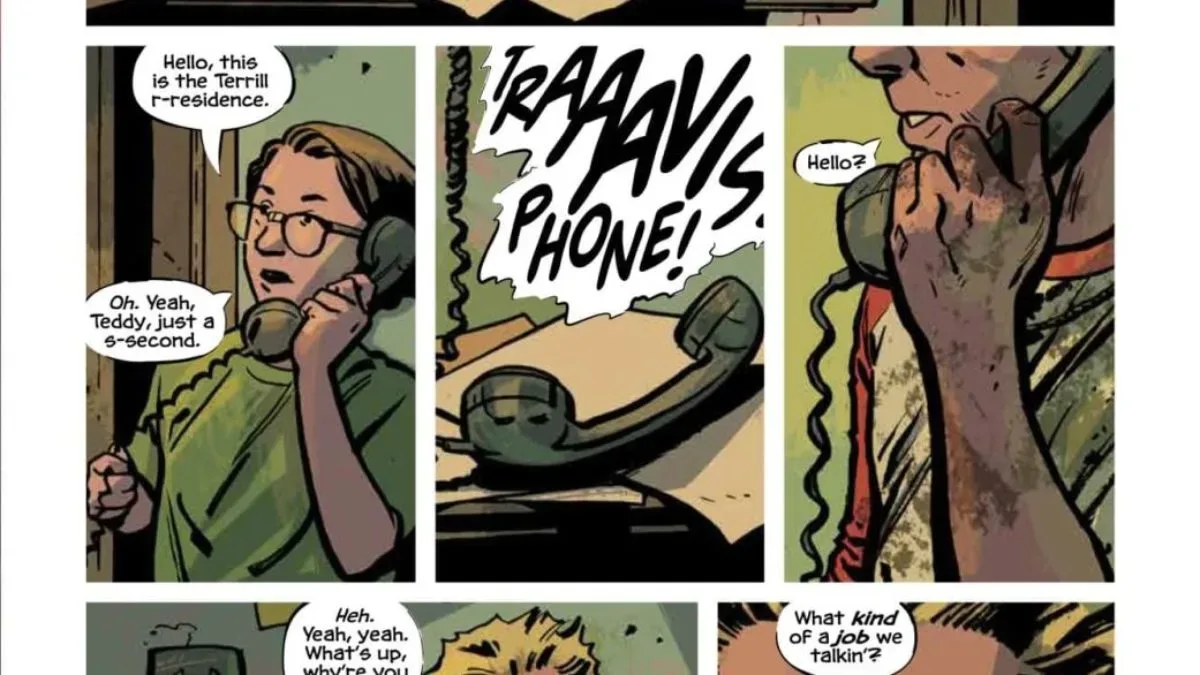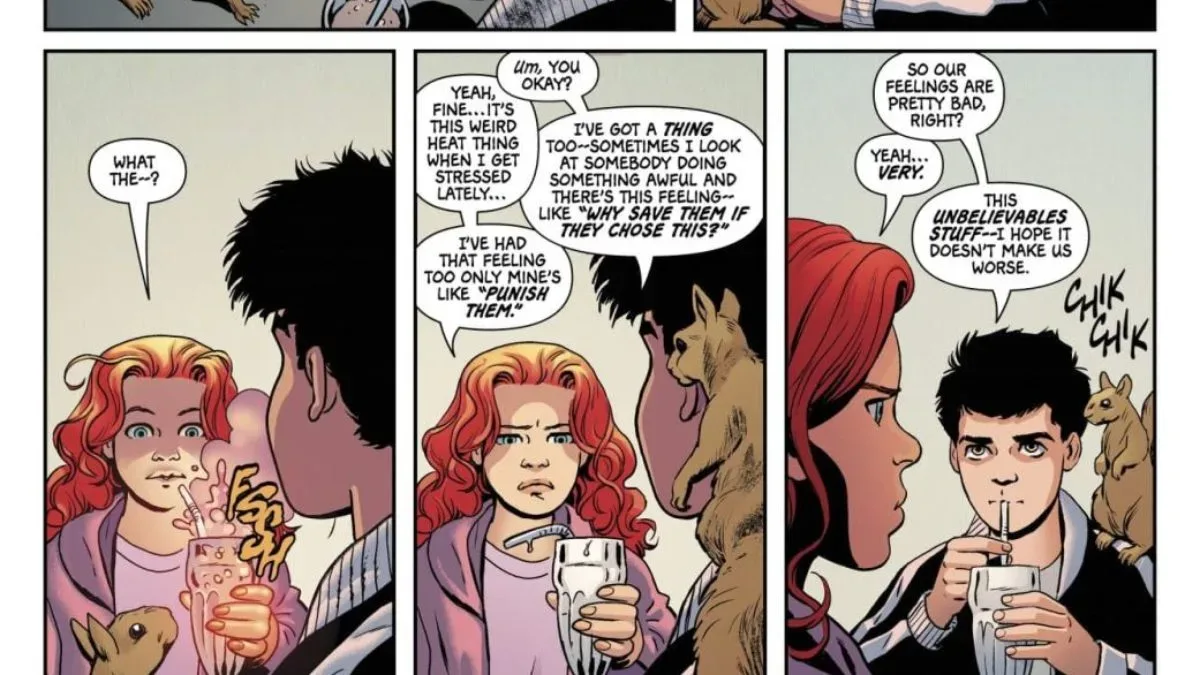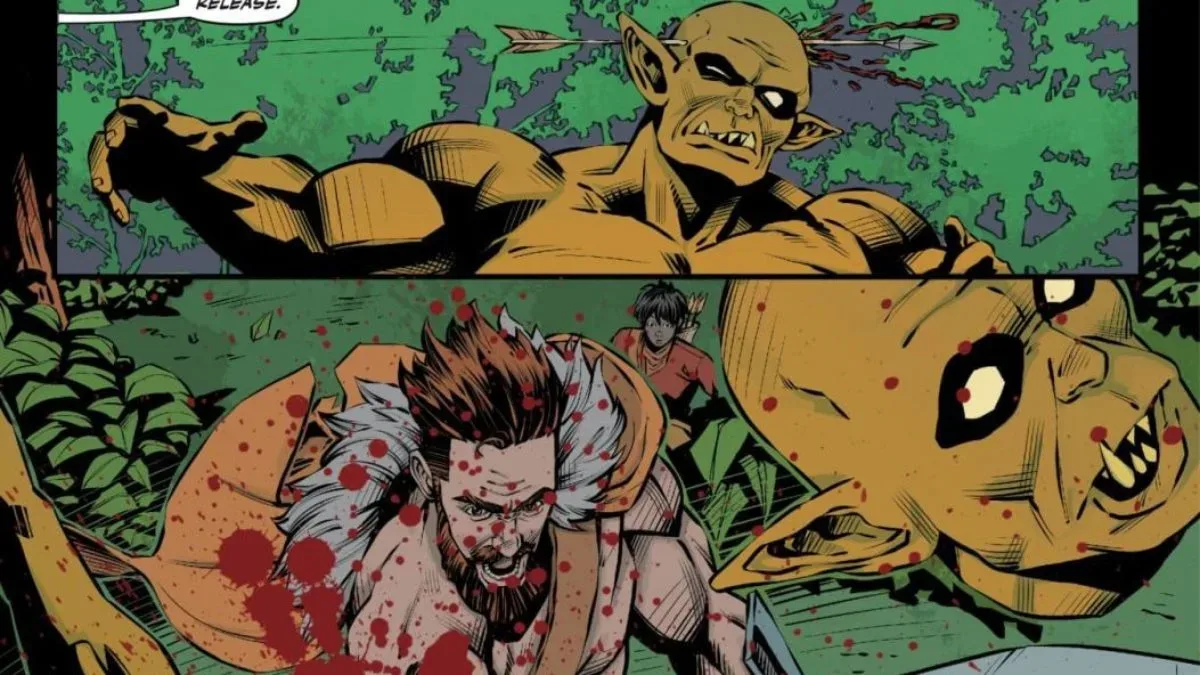
Lost Fantasy #12 is positioned as a major turning point for the series: the conclusion of its third story arc, “Fall of the Hunters.” The issue is scheduled to reach shops on September 23, 2026, from Image Comics, carrying a $4.99 suggested retail price.
The central setup is compact but suitably ominous. Help arrives through an unlikely ally, yet it is apparently already too late to stop the immediate crisis. Barriers separating worlds are collapsing, and something is making its way through. That makes this less a simple victory-lap finale than a story built around escalation, delayed rescue and consequences that may extend beyond the arc’s existing conflict.
A finale built around consequences, not just a rescue
“Help arrives too late” is one of those fantasy-story premises that does a great deal of work in a few words. It suggests that the essential dramatic question may not be whether characters can avert disaster entirely, but what remains once the disaster has already begun. An ally can still change the direction of events, protect survivors or reveal a new path forward. But their arrival does not erase what came before.
That distinction matters for an arc finale. A conventional rescue ends a problem. A late rescue can close one chapter while creating a larger one, especially when the accompanying threat is not limited to a person, army or monster already known to the cast. In this case, the premise identifies the danger only as “something” breaking through the failing walls between worlds. The lack of specificity is deliberate setup, not a confirmed description of the intruder.
In fantasy terms, a world barrier is simply a dividing boundary between separate realms or planes of existence. It can be physical, magical or conceptual; the available information does not define how Lost Fantasy handles it. What is clear is its narrative function. If that boundary fails, a conflict that may have seemed local can become much broader, opening the story to dangers, people or rules from elsewhere.
What the preview setup establishes
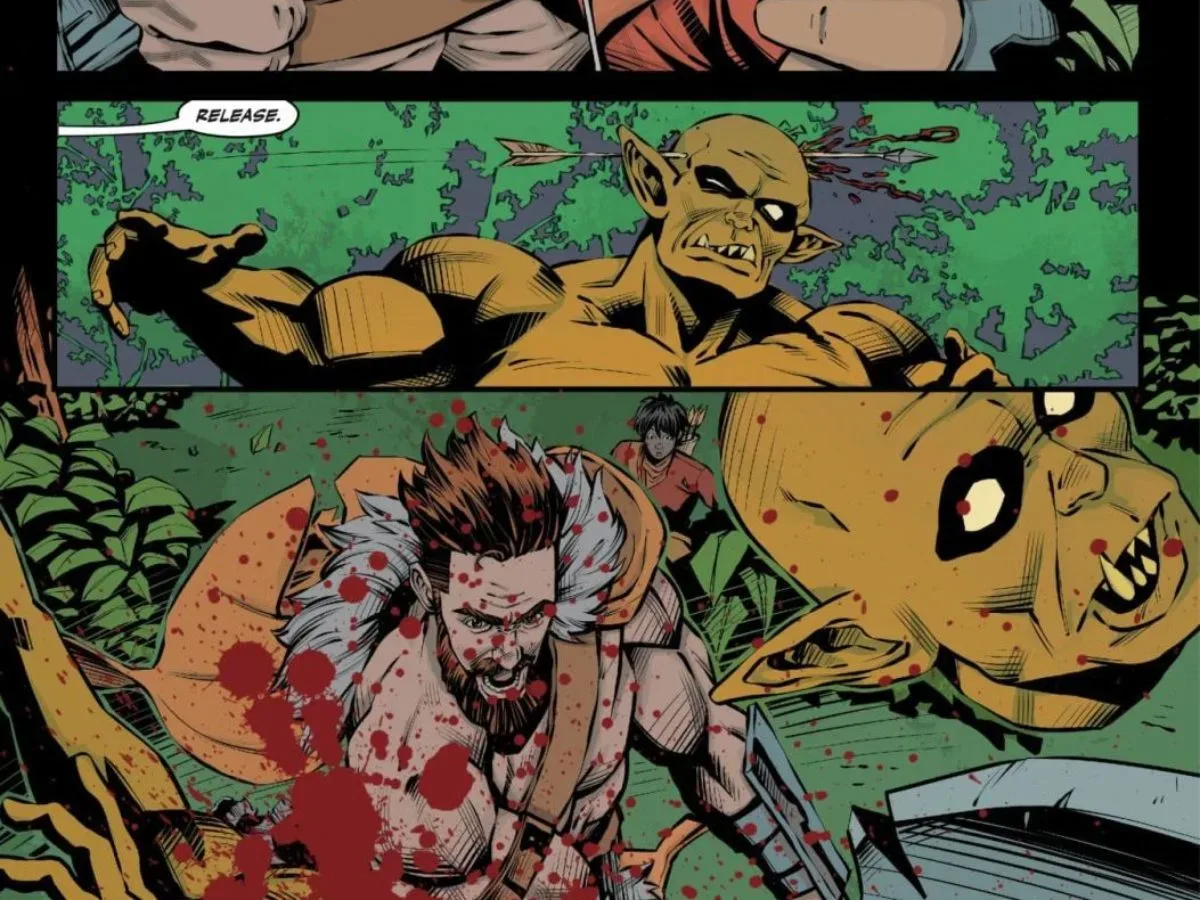
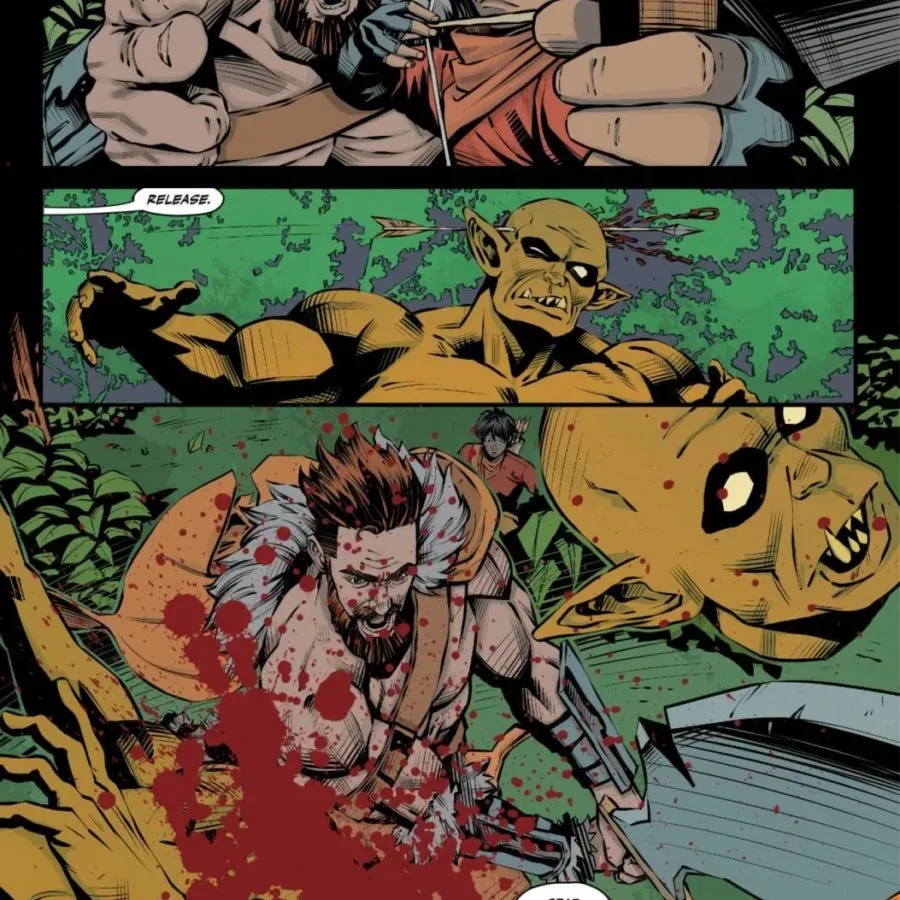
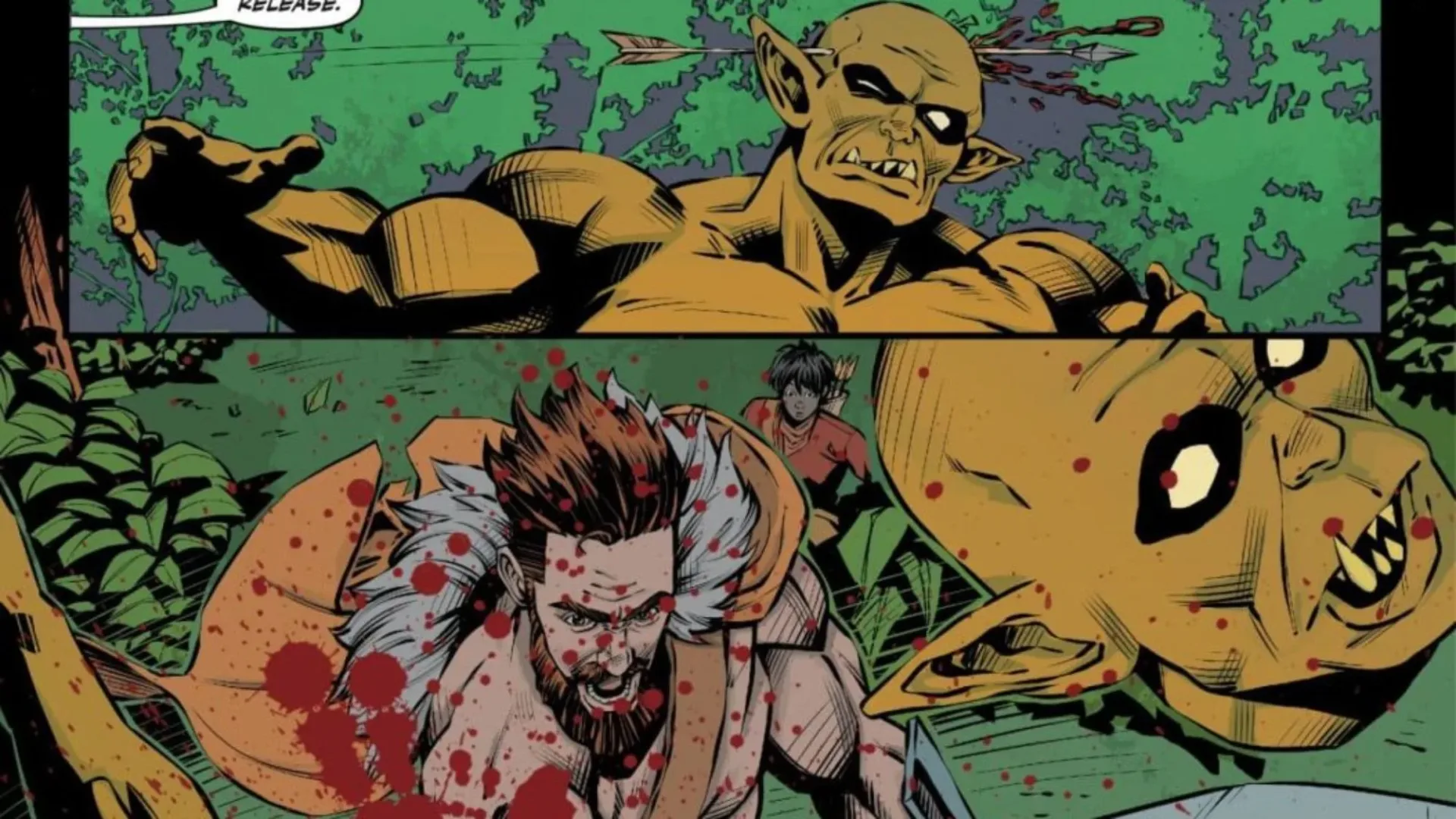
The material associated with the issue also points to a personal thread of loss. Preview-page descriptions indicate a father teaching his son archery, followed by a violent attack that destroys the family’s home and kills the boy’s relatives. That is a grim sequence, and it is worth treating it as story setup rather than assuming exactly where it fits in the series timeline or how directly it connects to the issue’s central dimensional crisis.
Even so, the emotional purpose is fairly legible. Archery instruction establishes a bond and passes on a practical skill; the attack turns both into something heavier. A weapon lesson can become an origin point for survival, grief or revenge. The available material does not confirm the young character’s future choices, so readers should not treat any broader characterization as settled fact. But the preview clearly frames loss as part of the issue’s dramatic texture.
That personal scale sits in sharp contrast with the arc’s wider premise. A family tragedy is intimate, immediate and irreversible. Worlds collapsing into one another is vast and abstract. Putting both in the same issue gives the finale room to address stakes at two levels: what is happening to an individual, and what may happen to reality around them.
Who is credited on Lost Fantasy #12?
The issue’s promotional material names Curt Pires, Franklin Jonas, Timmy Heague, Luca Casalanguida, Mark Dale and Micah Myers among the creative team. The final product listing specifically credits Curt Pires as writer and Alex Diotto for art and cover. Those are the roles identified in the listing, while the broader set of names reflects the additional credited contributors attached to the issue materials.
The comic is described as a giant-size finale. That label signals a larger-than-standard climax in presentation, although no page count is provided here. Readers should avoid reading it as a guarantee of any particular format, bonus feature or additional story content beyond the fact that the issue is being promoted as a substantial arc-ending installment.
Why the “Fall of the Hunters” ending matters
Arc conclusions have two jobs that can pull against each other. They need to offer payoff for readers who have followed the preceding chapters, while leaving enough unresolved pressure to sustain whatever comes next. Lost Fantasy #12 appears designed around that tension. It is explicitly the end of “Fall of the Hunters,” but the failure of boundaries between worlds and the arrival of an unknown presence imply that resolution may come with a cost.
That is different from saying the issue will launch a particular new arc, introduce a named villain or permanently remake the setting; none of those details have been confirmed. The more defensible expectation is that the climax will involve a situation too large to be neatly contained by the time assistance arrives.
There is also a useful distinction between an arc finale and a series finale. An arc finale completes a defined segment of an ongoing narrative. It may settle the Hunters conflict while preserving larger mysteries and character problems. The wording around Lost Fantasy #12 identifies it as the conclusion to the third arc, not the end of the series itself.
Keeping the signal separate from the promotional noise
Some of the accompanying promotional copy leans into fictional AI-overlord jokes and grandiose threats. Those passages should not be confused with verified plot information about Lost Fantasy #12. The concrete details are the issue’s release date, price, publisher, credited creators, the close of “Fall of the Hunters,” an unlikely ally arriving too late, the collapse of walls between worlds and an unspecified presence breaking through.
That separation is especially useful in an era when AI-themed material can blur the line between a work, its marketing and unrelated online spectacle. For a related pop-culture discussion about the misuse of AI-generated material, see Zelda Williams’ call for fans to stop sharing AI videos of Robin Williams.
For comic readers, the practical takeaway is straightforward: Lost Fantasy #12 is an arc-closing issue intended to land both an emotional blow and a high-concept fantasy escalation. Its confirmed premise promises a rescue that cannot fully undo the damage, a breach between worlds and a threat still deliberately held in shadow. Whether that makes for closure, catastrophe or both is the question the issue is set up to answer.