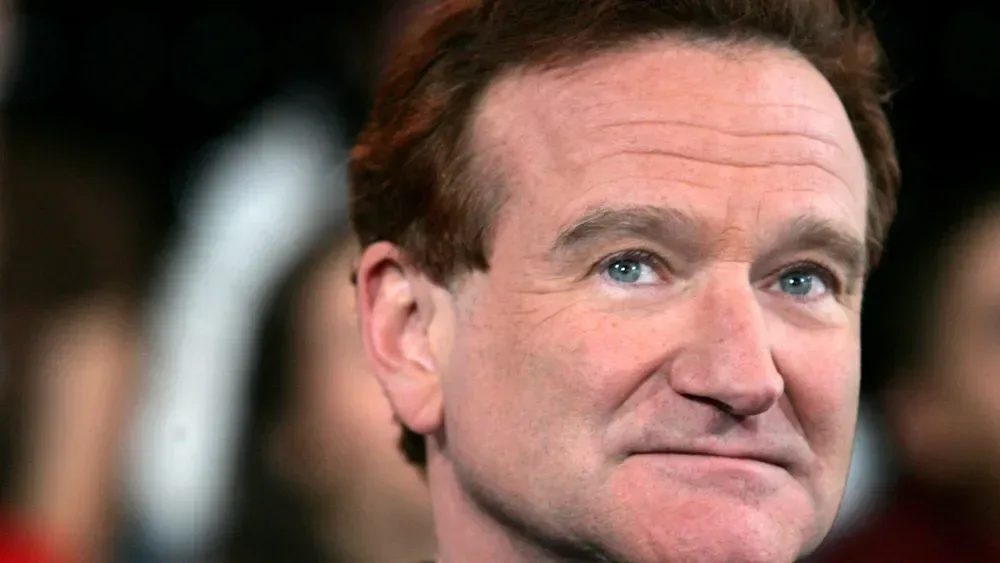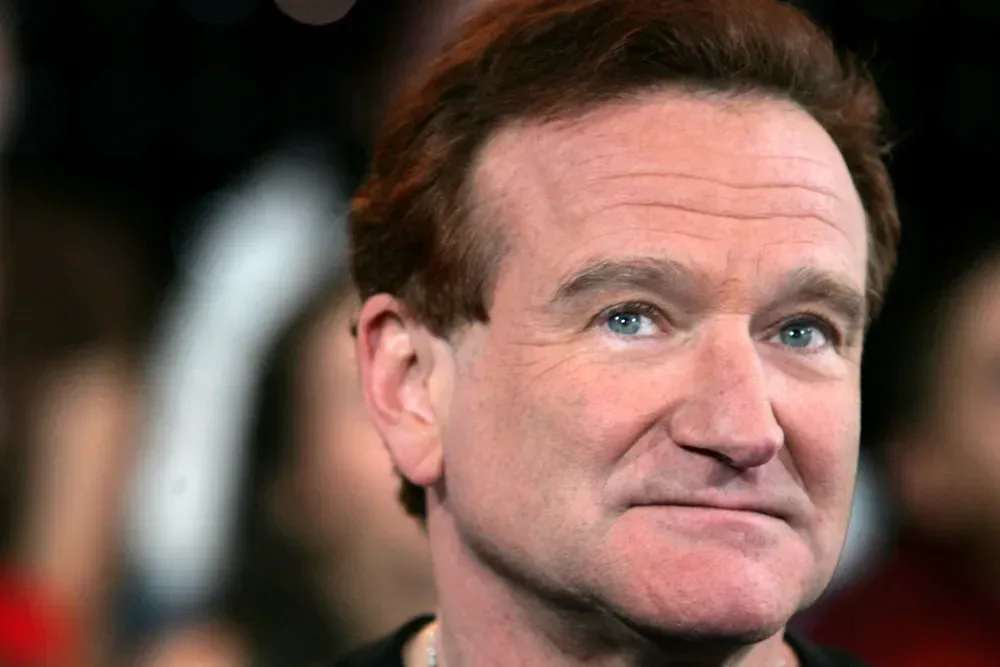
Zelda Williams has renewed her call for people to stop creating and circulating AI-generated videos featuring her late father, Robin Williams. Her message is direct: affection for a performer does not give audiences permission to turn that person’s image and voice into a reusable digital prop.
In a post on X, Zelda Williams addressed a circulating clip presented as a supposedly private video of Robin Williams. She said it was clearly AI-generated and criticized both its robotic-sounding voice and the decision to make it in the first place. Her core objection was not confined to whether the imitation was convincing. It was that someone had chosen to use a dead person’s likeness to strengthen a message or persuade an audience.
“Just because he’s gone does not mean he’s now your puppet. Have some shame,” Zelda Williams wrote.
A request that has been made before
This is not Zelda Williams’ first public request on the subject. In October 2025, she asked people on Instagram to stop sending her AI videos of her father. She said she did not want to see them and asked people not to assume she would find the material meaningful or understandable. She also said the videos were not what he would have wanted.
Last month, Zelda Williams and her brothers, Zak and Cody, revived Robin Williams’ Instagram account. They described that effort as a way to push back against widespread AI misuse of his voice and likeness on the platform.
Robin Williams died in 2014 at age 63. His film work includes Jumanji, Good Will Hunting, Dead Poets Society, Hook, and Mrs. Doubtfire. That enormous and recognizable body of work is part of why imitations can travel so quickly online: audiences already know the cadence, energy, characters, and emotional associations connected with his performances.
The issue is not merely whether a clip looks real
AI-generated video is a broad label for media produced or altered with artificial-intelligence systems. In this case, the relevant concern is synthetic recreation: video or audio made to resemble a real person, even though that person did not record or perform the material. A clip can be unconvincing in details and still be harmful, especially if viewers mistake it for authentic footage or share it without checking.
Zelda Williams’ post makes that distinction clear. She argued that the voice in the circulating clip did not sound convincing, but she did not present poor quality as the main problem. The larger issue, in her view, is authorship and intent. A human being, she noted, decided to use a machine to make Robin Williams appear to say something. The technology does not erase the person behind that decision.
That is an important point for anyone encountering celebrity clips in algorithm-driven feeds. The question is not only, “Can I spot flaws?” It is also, “Who benefits if I believe or amplify this?” A familiar face or voice can make a claim feel more trustworthy, more emotional, or more shareable. When the person depicted cannot consent, correct the record, or object, the stakes become sharper.
Why “private video” labels deserve extra skepticism
The clip Zelda Williams discussed was described as private. That framing can make material seem exclusive and therefore credible: viewers may assume that something supposedly hidden must be genuine. But privacy is not evidence of authenticity. It is a story attached to a file, and it can be used to discourage scrutiny.
Practical caution does not require technical expertise. If a video makes a deceased performer appear to speak on a current dispute, endorse a position, deliver a fresh message, or provide unusually convenient proof, it should be treated as unverified unless there is clear, trustworthy confirmation. Reposting with a disclaimer is not always a solution, either. A disclaimer may not travel with the clip, while the synthetic video itself can spread widely and be seen out of context.
- Do not assume familiarity proves authenticity. A recognizable voice or face is precisely what makes a synthetic clip persuasive.
- Be wary of emotionally loaded framing. Labels such as “private,” “leaked,” or “never-before-seen” can invite rapid sharing before basic questions are asked.
- Do not send the material to relatives or collaborators. Zelda Williams has explicitly asked people to stop sending AI videos of her father to her.
- Consider whether sharing serves any legitimate purpose. If a clip exists chiefly to provoke, persuade, or gain attention through a dead person’s simulated words, passing it along extends that use.
Fandom has limits
Online communities often describe imitation, remixing, and references as celebrations of a performer’s legacy. There is a meaningful difference, though, between discussing a past role and generating a new apparent performance from someone who cannot agree to it. The first points audiences back to work that actually exists. The second can place words, expressions, or arguments onto a person who never made them.
Zelda Williams’ objection challenges the convenient idea that admiration automatically makes this behavior harmless. A person may sincerely enjoy Robin Williams’ work and still contribute to a misleading or cruel circulation cycle by treating a fabricated video as a novelty. Intent matters, but impact matters too—particularly for his family, who have had to make the request publicly more than once.
Her criticism also focuses on a recurring online contradiction. People may condemn manipulation while sharing a manipulated clip because it supports their preferred argument, entertains them, or appears to have been made in tribute. That distinction collapses once a fabricated performance is used as evidence or emotional leverage. The fact that a video is technically impressive—or technically poor—does not supply permission.
What responsible engagement looks like
For viewers, the most useful response may be the least dramatic one: do not boost the clip. Avoid reposting it as a joke, replying with it, or sending it to the people closest to the performer. Report options vary by platform and circumstance, but withholding attention is a practical first step when synthetic media relies on engagement to reach more people.
For fan communities, there is also value in keeping the boundary clear. Celebrating a performance from Mrs. Doubtfire or revisiting Good Will Hunting is not the same thing as treating an AI output as the actor’s latest statement. One centers work Robin Williams actually made; the other risks creating a false extension of his voice.
The broader internet has become crowded with content that asks viewers to make a snap authenticity judgment. That problem reaches beyond celebrity likenesses, as digital claims and circulating material can quickly become difficult to separate from their context—an issue also visible when platforms confront posts involving leaked game material and disputed online posts. But Zelda Williams’ message is especially personal and unusually unambiguous: her father’s death should not turn his identity into public raw material for AI-generated persuasion or entertainment.
Her request does not depend on a complicated technical standard. It asks for a human one: let Robin Williams rest, and stop using a simulated version of him as a puppet.