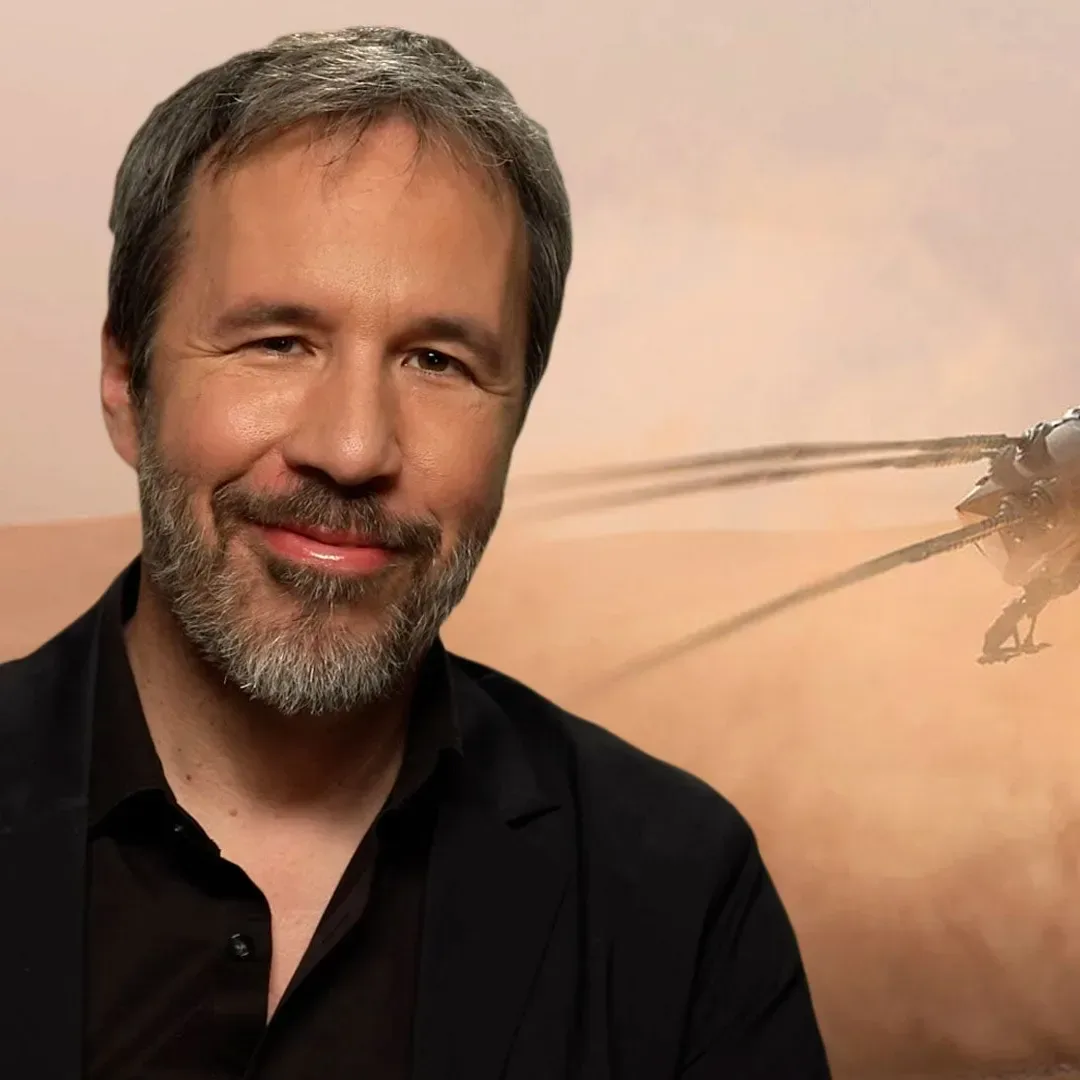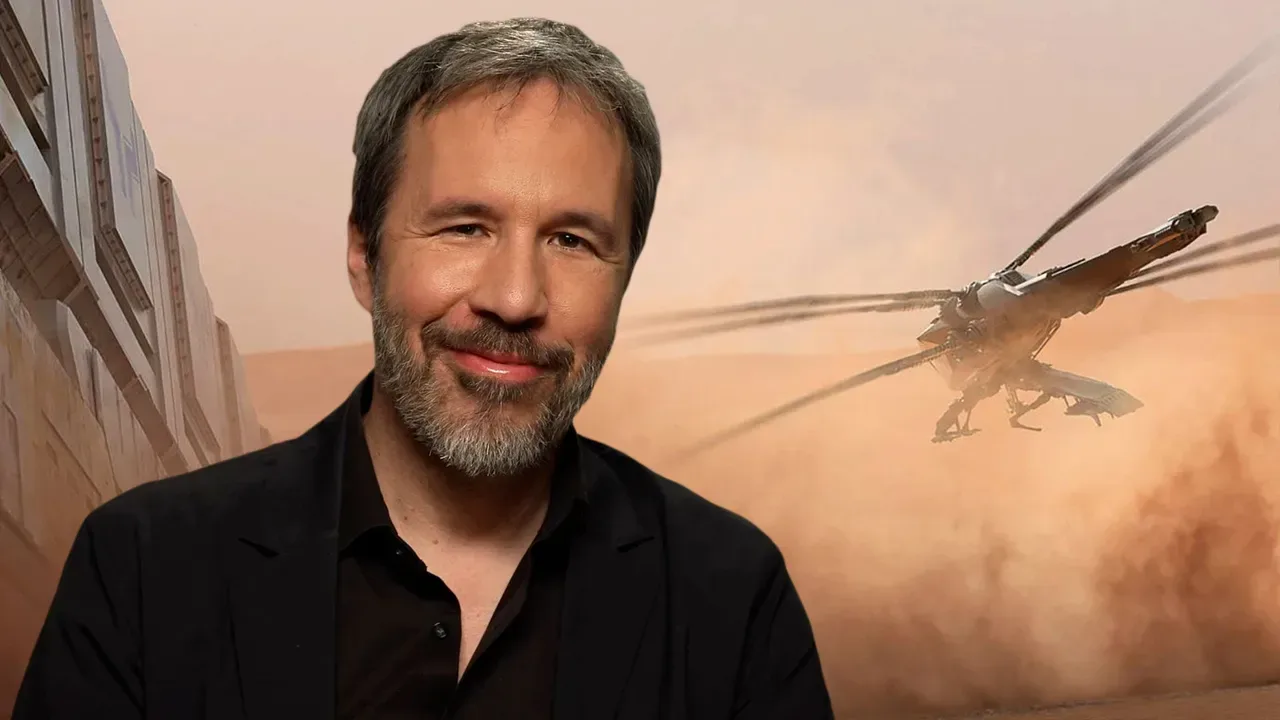
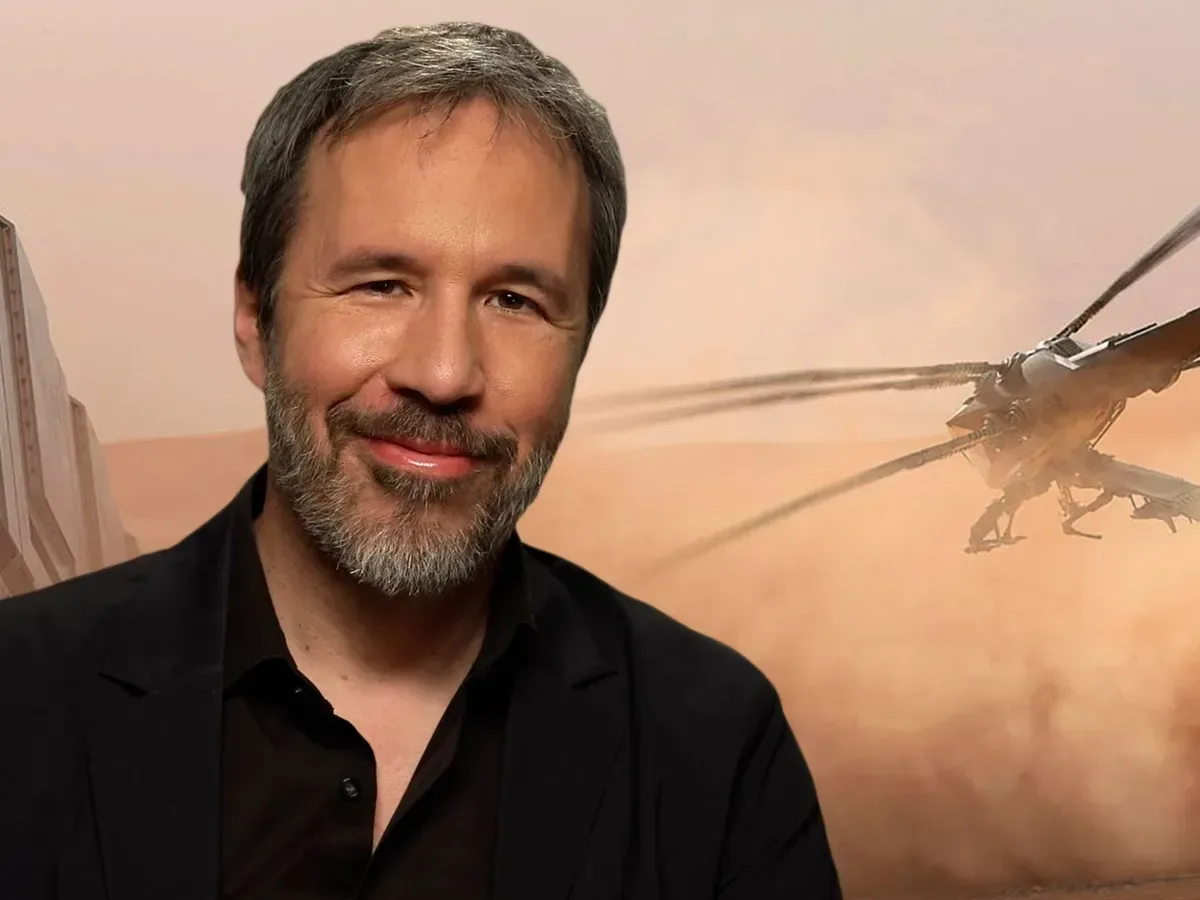
Denis Villeneuve used an appearance honoring his contributions to cinema to make two very different points: one sober, one deliberately mischievous. First, the filmmaker argued that art made by people working together has particular value as artificial intelligence reshapes creative industries. Then, with the next James Bond film hanging over every entertainment rumor mill like an Aston Martin parked in a red zone, he pretended he was about to name the new 007.
He did not name the new Bond. No casting decision was announced, and nothing has been officially confirmed by Amazon MGM Studios. But the joke landed because the appetite for an answer is plainly enormous—and because Villeneuve is attached to direct the 26th Bond film.
The core of Villeneuve’s AI argument: process matters
Villeneuve framed filmmaking as a search rather than a straightforward exercise in delivering a finished product. Every film, he explained, begins with a question he needs to investigate. The audience may or may not identify that question, but its presence guides the work.
That idea informs his concern about AI. In the speech, he contrasted creating something with a prompt against travelling to a real location with actors and a crew, encountering the difficulties of production, and learning through the work. His emphasis was not simply on whether one method could produce a usable image, scene or story. It was on what happens to the people making it.
“More important than the result is the process,” Villeneuve said, arguing that process is how human experience finds meaning.
In this context, a prompt is the written instruction entered into a generative AI system to request material such as text, imagery or other media. Villeneuve’s point was not a technical comparison of tools or output quality. It was a philosophical and creative one: a prompt-led result and a collaborative production can be very different experiences even if both eventually produce something audiences can watch.
That distinction matters in film because “the process” encompasses more than pressing record. It includes performers responding to one another, a crew solving practical problems, decisions made in real places, and the personal development that comes with attempting difficult work. Villeneuve described the latter path as a real adventure that can make him better at his craft.
He also acknowledged the financial friction in that position. A producer, he joked, may view one path as more expensive than the other. The humor is pointed: cost, speed and scale are central pressures in screen production, while an artist may put equal or greater weight on discovery, collaboration and the meaning gained while making the work.
Why Dune: Part Three sits at the center of his remarks
Villeneuve connected the broader AI discussion to the concerns he sees within Dune: Part Three. He described the film as involving Paul and Chani fighting to provide their children with a better world than the one they received. That parental concern, he suggested, reflects a wider worry about what kind of future today’s children will inherit.
The director’s larger question was about what defines a human being and what human expression is worth. It is a substantial theme to raise while discussing AI because the debate is often reduced to efficiency: how quickly can a task be done, and how much will it cost? Villeneuve’s remarks instead place value on the human relationships and experience embedded in artistic work.
His comments do not amount to a detailed policy proposal, nor do they define a single rule for all uses of AI in filmmaking. They do, however, make his own preference clear. He wants human beings to continue making art together, and he described that collective practice as a heritage he wants to pass to his children.
For audiences, that helps clarify the perspective behind the statement. This was not merely a defense of old-fashioned production logistics or a complaint about a new technology. Villeneuve presented collaborative creation as part of art’s purpose. The value, in his view, resides not only in what reaches a screen but also in the human endeavor required to make it.
The Bond non-announcement, explained
After the weightier portion of the speech, Villeneuve pivoted into a tease designed to set off every nearby Bond alert. With the blessing of his new friends at Amazon, he said, he would reveal who the next James Bond would be. He began the line—“The new James Bond is…”—then immediately stopped, joking that Amy Pascal was about to have a heart attack.
It was a gag, not a reveal. Its punchline depends on the fact that a Bond casting announcement is closely guarded and consequential. Villeneuve offered the audience the shape of the scoop without the scoop itself, then left the speculation exactly where it was.
The practical takeaway is simple: there is still no officially confirmed actor for Bond. A director’s on-stage joke should not be treated as evidence that any rumored candidate has been selected, eliminated or is about to be announced.
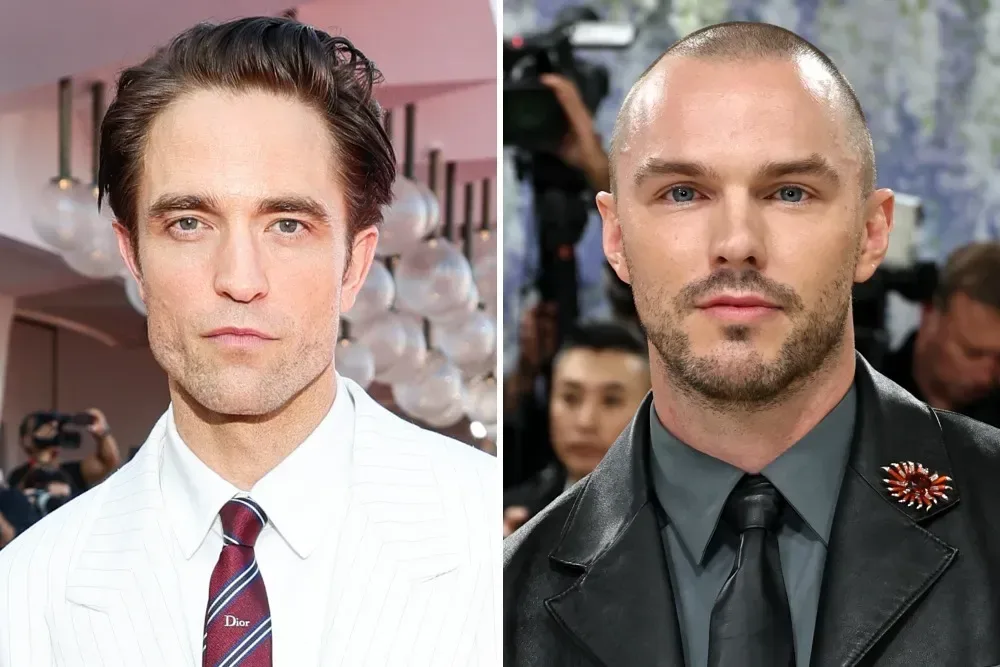
That does not make the subject any less lively. Reports have linked several performers to the role, including Robert Pattinson, Nicholas Hoult, Jack Lowden, Callum Turner and Josh O’Connor. Pattinson was reported to have screen-tested, while Hoult was said to have entered consideration. The group has been discussed as a shortlist, but the available information remains reporting and rumor rather than a studio confirmation.
What a screen test means—and what it does not
A screen test is an evaluation in which a performer is filmed so decision-makers can assess how they read on camera and, depending on the test, how they fit a character, scene, costume or intended tone. A reported screen test can indicate serious consideration. It is not the same thing as a signed deal, a finalized casting choice or a public announcement.
That distinction is particularly useful in a franchise as visible as Bond. A list of names can quickly take on the false appearance of official status once it is repeated online. Yet the confirmed state of play remains narrower: the next actor has not been publicly named by Amazon MGM Studios.
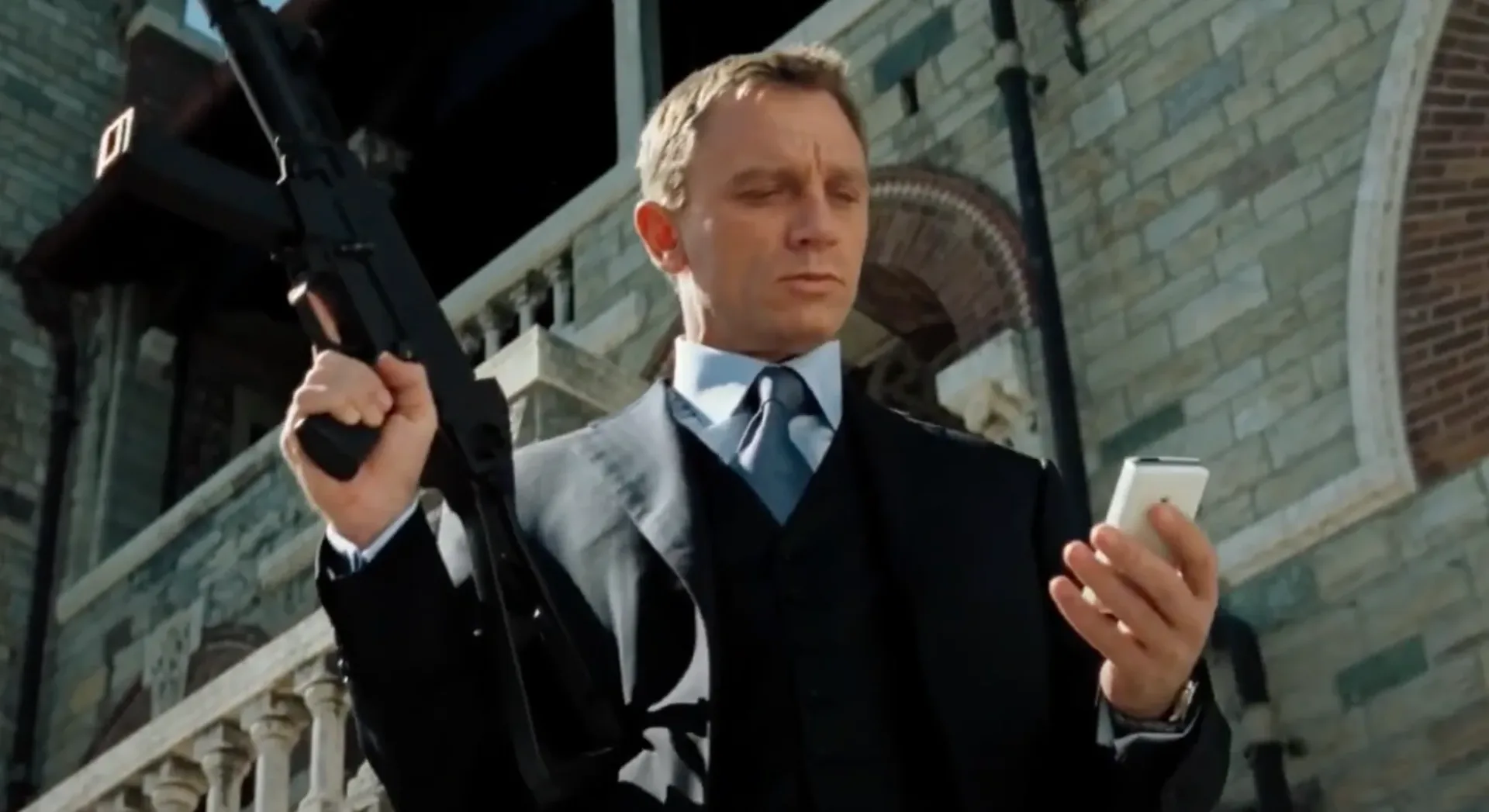
Lowden has appeared to be the fan favorite in some of the conversation, while former Bond Daniel Craig has appeared to support O’Connor. Neither fan sentiment nor a former star’s preference settles a casting decision. Both simply illustrate why the role attracts such intense attention. Bond is not merely another lead part; it is a long-running screen identity that audiences immediately measure against previous interpretations while demanding something new.
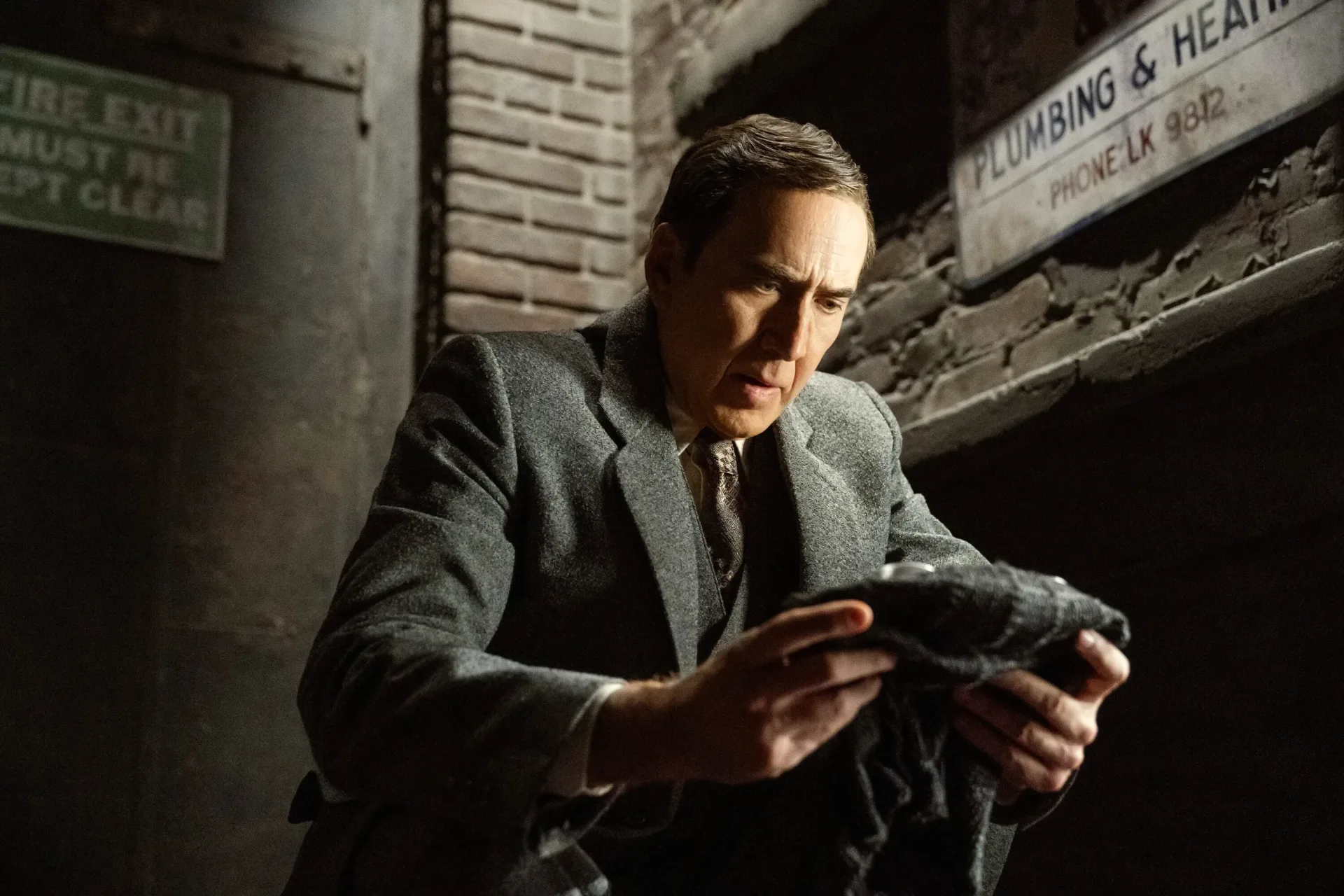
There is also a broader genre-casting conversation running alongside Bond speculation. For example, the question of how performers and characters stay distinct within franchise projects has surfaced in other comic-book and genre coverage, including Nicolas Cage’s comments on keeping Ben Reilly fresh after Spider-Noir. That does not tell us anything definitive about Bond’s casting, but it does underline why big roles can become a public conversation well before a finished project arrives.
What is actually known about the two Villeneuve projects
Villeneuve’s speech joins two separate strands of anticipation around his work. One is the still-unresolved search for the next 007. The other is Dune: Part Three, which is set to arrive in theaters on December 18, 2026.
The film’s release window will also bring three Dune: Part Three popcorn buckets, including one designed with two sandworm mouths. It is a playful merchandising detail next to a speech about artistic meaning, but it captures the unusual range of modern blockbuster culture: a director can be discussing the future of human creativity while a giant, toothy collectible snack container waits in the wings.
For now, the newsworthy part of Villeneuve’s Bond moment is its restraint. He knowingly leaned into the expectation that he might provide an answer, then declined to do so. His AI comments, by contrast, were direct. He sees a meaningful difference between asking a system for an output and undertaking a difficult artistic journey with other people. Whether the industry follows that principle amid its economic pressures is a much larger question—one he is clearly determined to keep asking.