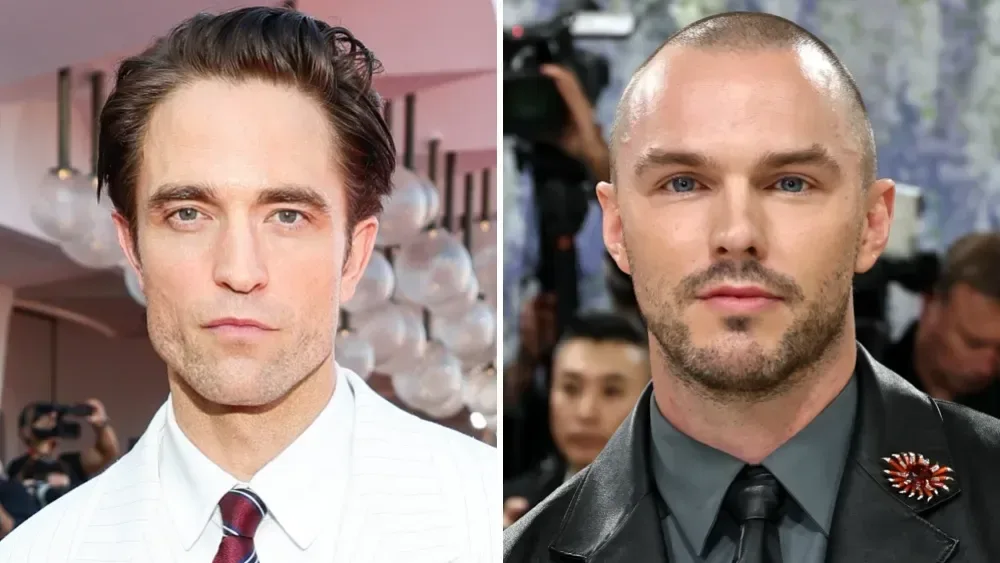
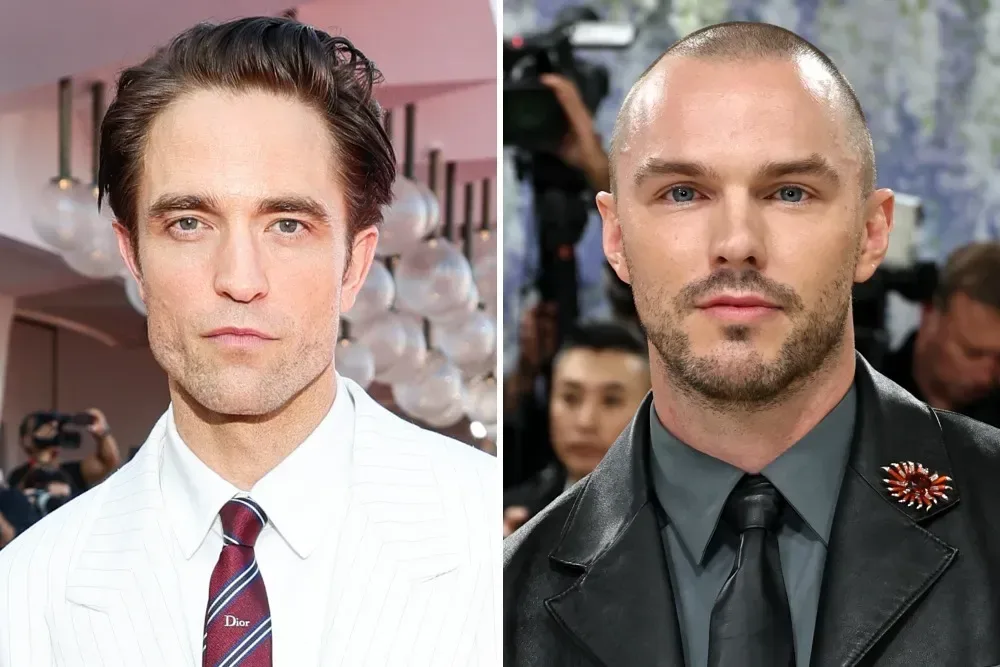
The search for the next James Bond may have moved beyond the usual rumor mill and into a more serious stage: Robert Pattinson and Nicholas Hoult reportedly took screen tests for the role of 007. Neither casting nor a release plan has been officially confirmed, and Amazon declined to comment on the speculation. Still, a screen test is notably different from simply being one of many names floated by fans, pundits and entertainment coverage.
The two actors would follow Daniel Craig, whose 15-year tenure as Bond set a substantial benchmark for whoever takes over the tuxedo, the Aston Martin keys and cinema’s most enduring espionage assignment. The next film is commonly referred to as Bond 26, meaning the 26th entry in the film series. Denis Villeneuve is attached to direct, while Steven Knight has been hired to write the screenplay. Producers Amy Pascal and David Heyman are the new stewards guiding the property.
What a screen test actually signals
A screen test generally gives filmmakers a chance to assess an actor on camera in material that approximates the part. It can help answer questions that filmographies and meetings cannot: how an actor reads in the role, whether their physicality suits the character, how they handle a particular tone, and how their presence translates under the lighting, wardrobe and framing of a large-scale production.
It is not, however, a contract or an announcement. Casting is a process with multiple decision-makers, and a tested performer can still be passed over. The reverse is also true: an eventual choice may emerge from a stage of the process that is not publicly reported. The only firm takeaway here is narrow but meaningful—Pattinson and Hoult are reportedly being considered closely enough to have tested.
That distinction matters in a franchise with a global profile. A Bond lead must be able to carry action, romantic intrigue, dry humor, danger and emotional stakes across an entire film, while also serving as the public face of an international series. The job is not simply about reproducing previous Bonds. It is about finding someone who can make a new interpretation feel credible while remaining recognizably Bond.
Why Pattinson is a plausible contender
Pattinson brings extensive franchise experience to the conversation. He stars as Batman for DC Studios and previously appeared in both the Twilight and Harry Potter franchises. That background does not automatically make anyone a natural fit for 007, but it does mean he has worked within the pressures and expectations that surround globally recognized characters.
His connection to Villeneuve is another notable piece of context. Pattinson appears in the director’s upcoming Dune: Part Three, giving the actor an existing professional link to the filmmaker now tasked with shaping Bond’s next screen chapter. Familiarity from one production does not determine another casting decision, but it can mean a director already has a useful sense of an actor’s approach and screen presence.
For Pattinson, the central casting question would likely be one of contrast as much as capability. Batman and Bond are both famous British-created characters with a taste for shadows, expensive machinery and perilous work, but they occupy very different dramatic spaces. Bond’s appeal has historically involved poise, charm and a controlled social performance as much as combat. A new lead would need to find a version of that balance appropriate to the script rather than merely carry over traits from another cape-and-cowl role.
Related coverage includes Robert Pattinson and Nicholas Hoult Reportedly Screen-Test for James Bond.
Why Hoult’s résumé keeps him in the frame
Hoult has similarly spent substantial time working in major film franchises. He played in the 2010s X-Men prequel series and plays Lex Luthor in DC’s Superman movies. He is also set to appear in the Amazon MGM Studios film How to Rob a Bank, which is due in theaters on Nov. 13.
His current association with Lex Luthor offers a reminder that franchise casting is not a simple exercise in assigning performers to a single recognizable lane. Playing a comic-book antagonist and potentially playing Bond demand different things. The former centers on a villain; the latter requires the actor to anchor the audience’s point of view. But both types of role demand clarity, charisma and the ability to work at a blockbuster scale.
Hoult’s presence in the reported testing process also reinforces a practical point about the Bond search: experience inside a recognizable property may be valuable, but it is only one part of the equation. The future 007 will be chosen for the particular direction Villeneuve, Knight, Pascal and Heyman want the series to take. A screen test can be where those creative instincts become much easier to judge.
Hoult’s DC work places him in the orbit of another high-profile franchise conversation, including the newer version of Lex Luthor examined in a look at the longstanding Clark Kent and Lex Luthor dynamic. The comparison is not about shared characters—Bond and Luthor could scarcely be further apart—but about the unusually visible conditions around roles that come with decades of audience expectations.
The wider field remains uncertain
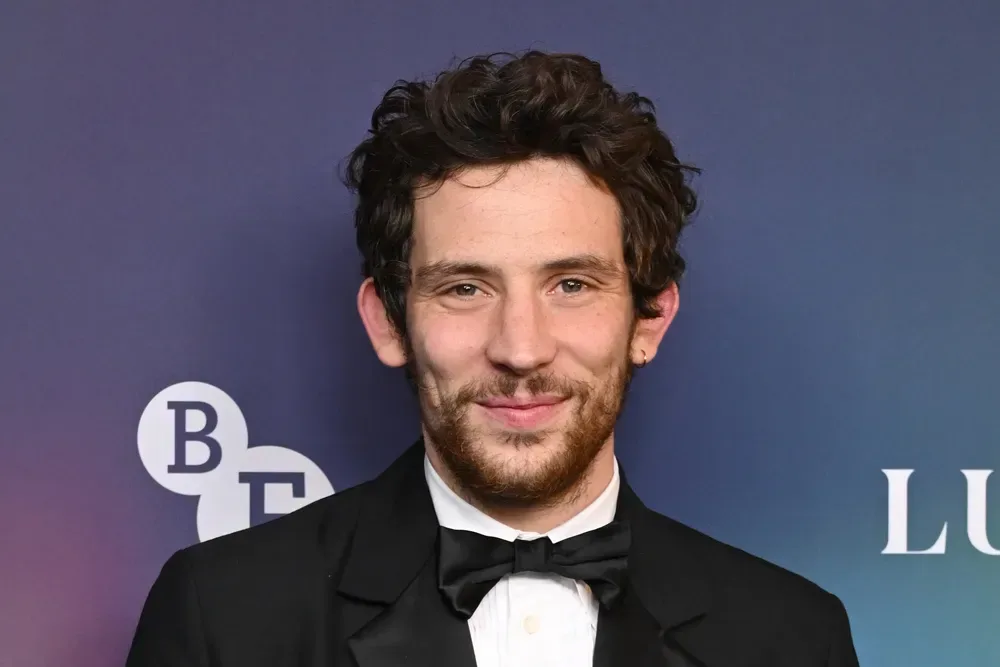
Pattinson and Hoult are not the only names linked to the role. Callum Turner, Josh O’Connor and Jack Lowden have all been cited as rumored contenders, while Harry Styles has reportedly had discussions about the part. Theo James has not been ruled out, either. Those reports should still be treated as reports, not as a confirmed shortlist or proof that every named actor has had the same level of involvement.
Former Bond Pierce Brosnan has expressed support for Turner. Gary Oldman has backed Lowden, his Slow Horses co-star, and said he believes the next Bond has already been selected. Yet there has been no official casting announcement, so Oldman’s assertion remains unverified in public terms.
The volume of names reflects the peculiar status of Bond casting. Few roles generate this much attention before a deal is announced. Every hint of a meeting, screen test or endorsement can become a referendum on what audiences think the character should be: younger or more experienced, familiar or surprising, classically suave or reshaped for a new era. Those debates can be entertaining, but they do not substitute for confirmation.
Villeneuve and Knight are the key creative anchors
The most consequential confirmed elements are behind the camera. Villeneuve is set to direct, and Knight is writing. That pairing makes the screenplay and its intended tone central to any discussion of the lead actor. Bond casting is often treated as if it were an isolated talent contest, but the choice will exist inside a specific story, a specific directorial style and a long-term plan established by the producers.
In practical terms, the selection will need to work on several levels at once. The performer must make sense for the first story Knight is writing. They must be able to sustain the role if the new era becomes a multi-film commitment. And they must be distinct enough that the post-Craig transition feels deliberate rather than like an imitation exercise.
That is why reported tests for Pattinson and Hoult are worth watching without treating them as a finish line. Both have experience carrying the obligations of franchise filmmaking, both are British actors, and both have recognizable bodies of work. Yet the question remains not who is most famous, nor whose supporters make the loudest case. It is who best fits the next version of James Bond that this creative team intends to make.
Until the producers or studio formally name their 007, every candidate remains exactly that: a candidate. The reported screen tests make Pattinson and Hoult two of the clearest signals so far that the long-running search is advancing, but the license to confirm remains firmly unused.