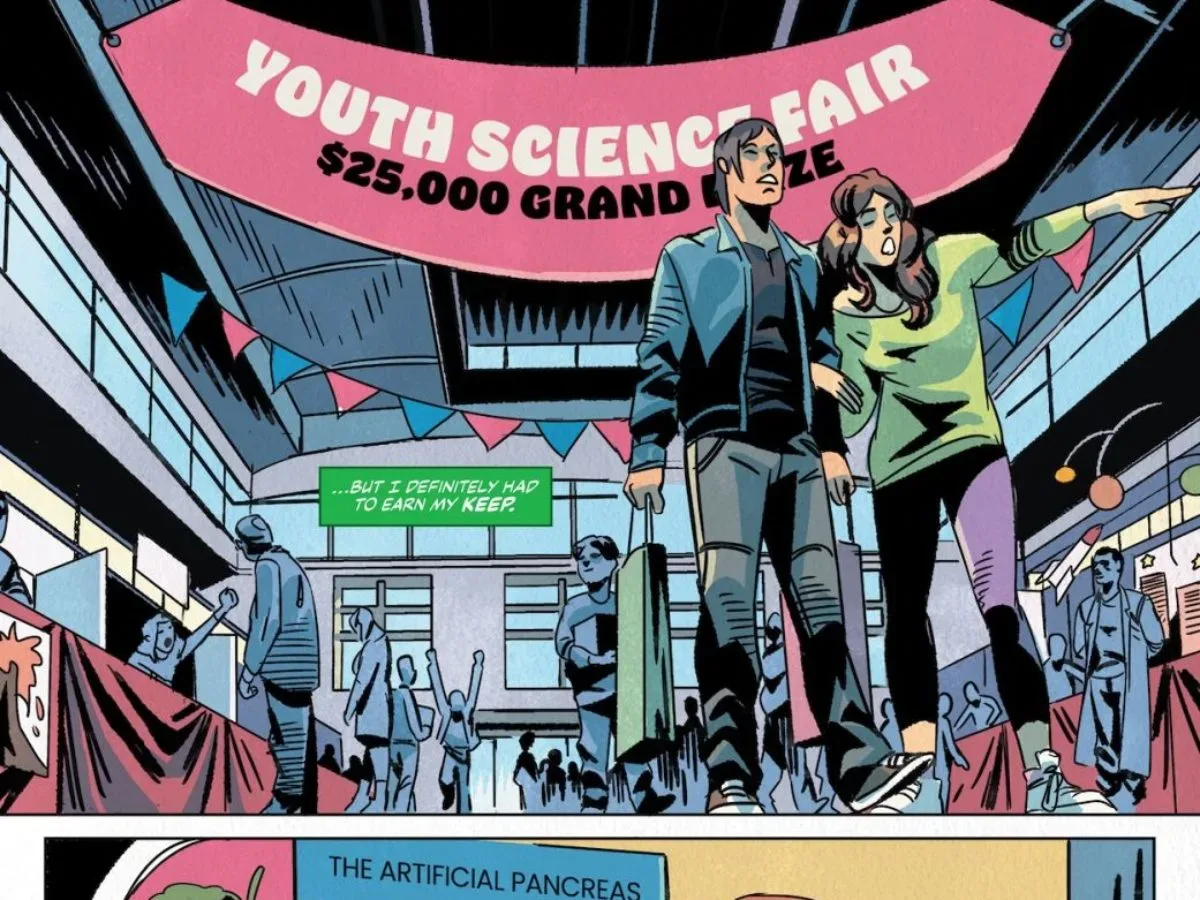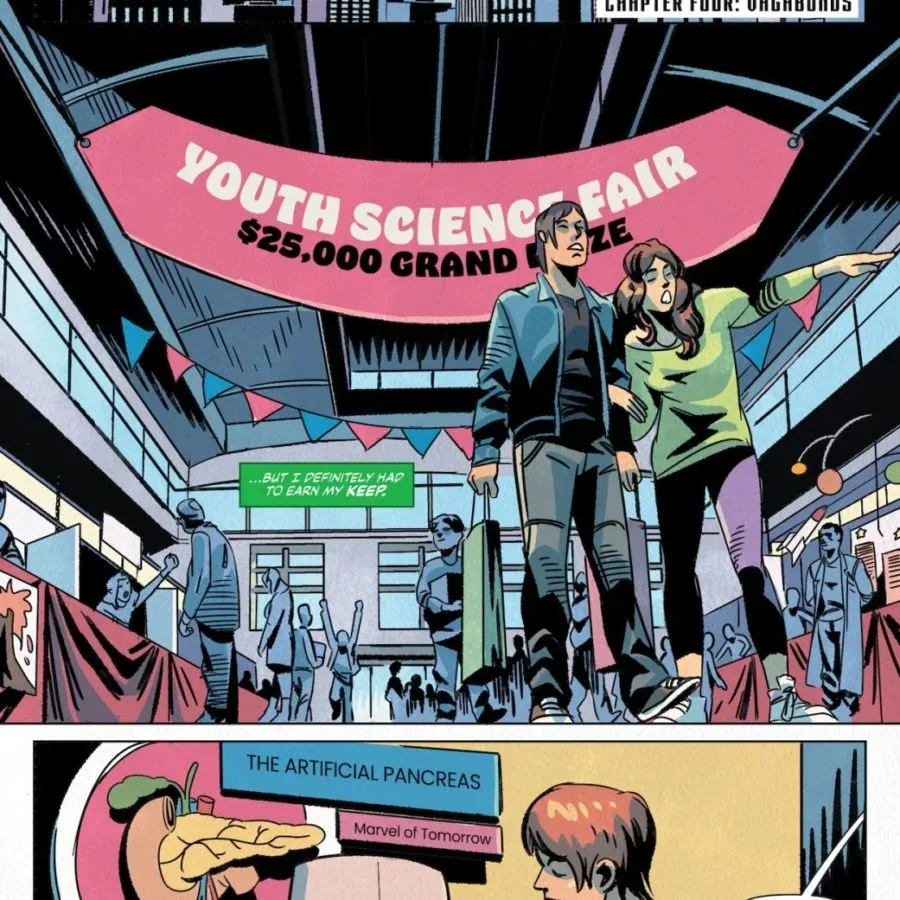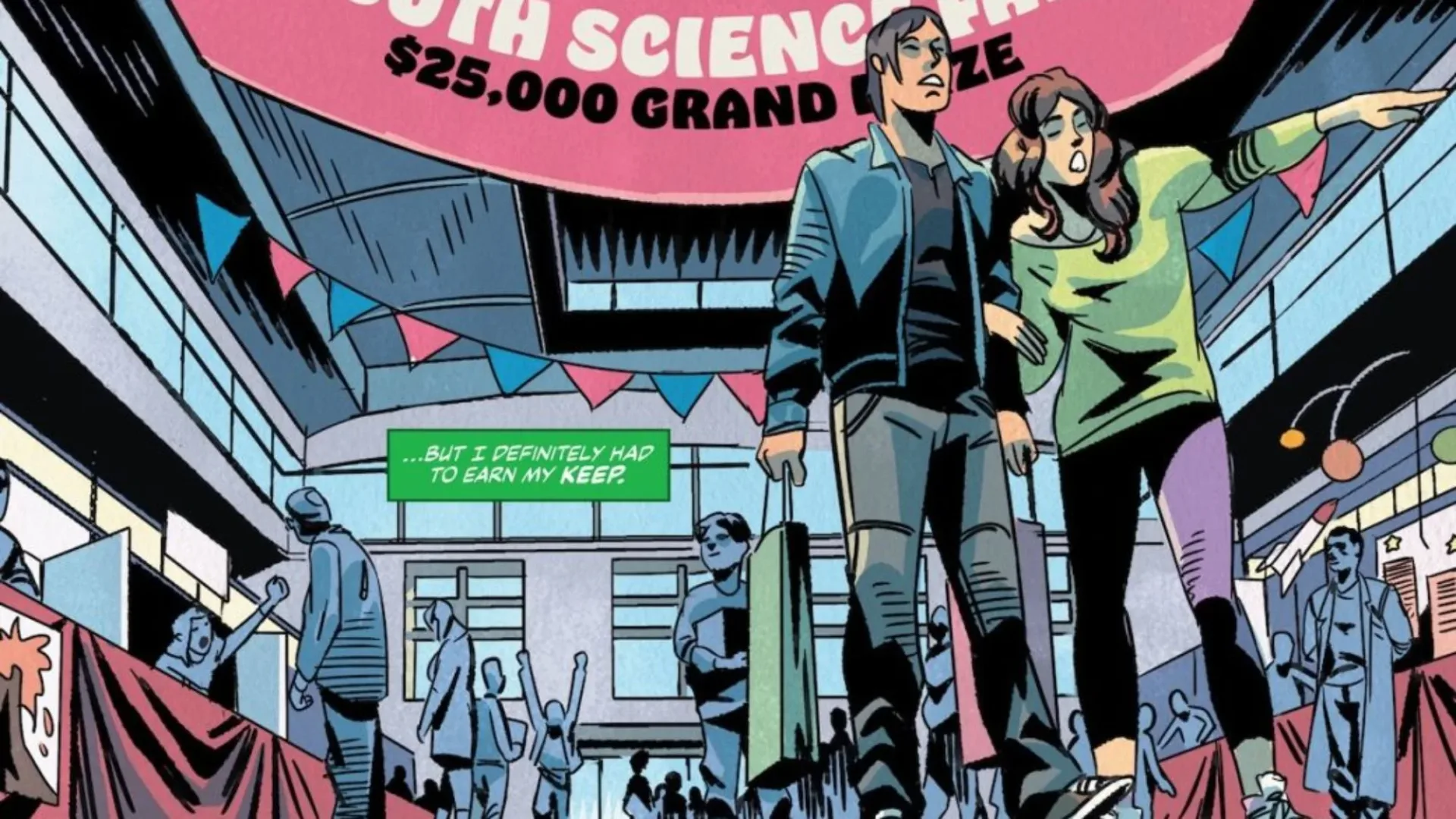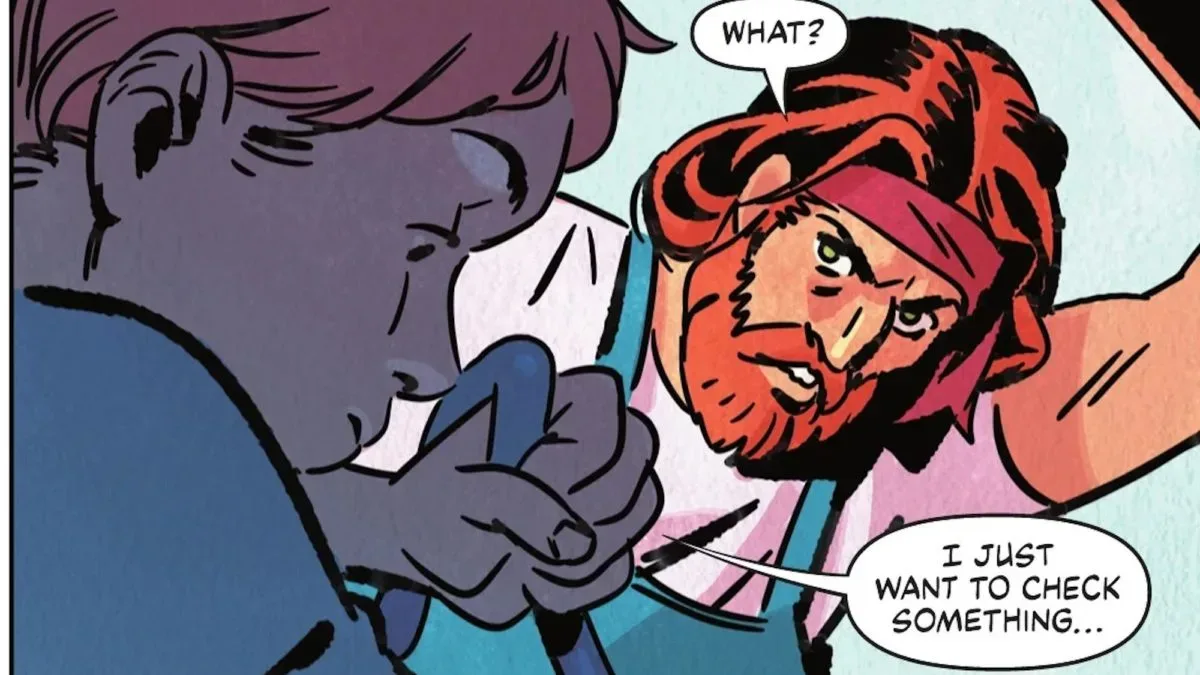
Action Comics #1104 will continue the Lex Luthor: Year One storyline when it reaches comic shops on November 11, 2026. Its central premise is deceptively simple and loaded with consequence: Lex Luthor has moved back to Smallville, and a young Clark Kent has found a new best friend.
That friend is Lex.
The issue frames that connection as more than a nostalgic childhood meeting between two of DC’s most enduring adversaries. It asks whether Clark’s decency, loyalty, and influence can actually guide Lex toward a better future—or whether the friendship only makes the eventual divide between them more tragic. In a Superman story, that is a big question. Clark is often defined by the belief that people can choose to do better. Lex, meanwhile, is defined here as the future villain whose choices may resist every opportunity to change.
A Year One Story Built Around a Familiar Rivalry
Lex Luthor: Year One places the spotlight on a period before the defining Superman-versus-Lex conflict has fully taken shape. Rather than presenting Lex only as the established mastermind readers recognize, the storyline returns him to Smallville and positions him beside Clark at a much earlier point in their lives.
For more context, explore Top 10 SNES Action Games Ranked by Combat Variety, Stage Design and Replay Value.
That setup immediately changes the emotional equation. Clark does not meet Lex as a known enemy. He sees a potential friend. Readers, however, approach the relationship with the knowledge that Lex becomes one of Superman’s defining foes. The tension comes from that gap between what Clark believes is possible and what the audience expects.
The solicitation makes the issue’s dramatic engine explicit: can Clark steer Lex “to the straight and narrow?” That phrasing is important because it turns the story into a question of influence rather than prediction. Lex’s future reputation hangs over the narrative, but the character’s present actions still matter. The comic is interested in the possibility—however uncertain—that meaningful friendship might affect a person before their worst traits harden into a permanent identity.
Why Smallville Matters
Smallville is not merely a backdrop for this chapter. It is the place where Clark Kent’s values are taking shape, making it a natural setting for a story about whether those values can reach someone as formidable and troubled as Lex Luthor.
Bringing Lex into that environment creates a striking contrast. Clark’s Smallville is associated with an earnest, formative period of life: a setting where a friendship can begin without the weight of public identities, global stakes, or the familiar Superman-Luthor feud. Lex’s arrival places a future source of conflict inside that world. The result is a premise where everyday friendship carries unusual narrative pressure.
There is also an element of dramatic irony at work. Dramatic irony is the storytelling device in which readers know something important that one or more characters do not. Clark’s optimism is sincere because he is dealing with the Lex in front of him. Readers know where Lex is widely expected to end up. Every moment of trust, kindness, disagreement, or warning can therefore acquire a second meaning.
The question is not simply whether Clark can “fix” Lex. The more compelling possibility is that the comic may examine what friendship can and cannot accomplish when a person has their own ambitions, resentments, and choices. The issue’s premise does not promise redemption. It presents redemption as a possibility that must contend with the future readers already know.
The Cover Image Adds a Darker Signal
The listed cover art is by Chris Brunner, and the preview description points to a notably ominous image: Lex walking away from a burning Smallville sign while carrying a gas can. A cover is not a complete plot summary, and it should not be treated as confirmation of every event inside the issue. But visually, it establishes a sharp counterweight to the solicitation’s hopeful focus on Clark’s friendship.
Fire, a gas can, and a damaged sign are blunt visual signals of danger and destruction. Set against the idea of Lex as Clark’s new best friend, that imagery suggests that whatever warmth the relationship contains may coexist with troubling behavior, suspicion, or an early indication of the impulses that will define Lex later.
For readers deciding whether to follow the issue, the contrast is likely the key appeal. The story is not being sold as a purely gentle Smallville friendship tale. It is a story about a friendship developing beneath a visible warning sign.
What the Issue Means for Clark and Lex
Clark Kent’s role in this premise is especially interesting because he represents a form of moral confidence that is different from force. He cannot simply impose goodness on another person. If the story’s question is whether he can influence Lex, then his tools are likely to be trust, example, patience, and the willingness to see the best in someone else.
That is a difficult position in any character-driven story. It requires Clark to take a risk: he must believe that treating Lex as a friend is worthwhile even when warning signs may be present. The premise may also test the limits of that faith. Being compassionate does not mean ignoring harm, and caring about a friend does not guarantee that the friend will reciprocate or change.
For Lex, the setup offers a different kind of pressure. He is not introduced here simply as an opponent to be defeated. He is a young person entering Clark’s life at a time when he might still be open to connection. That does not erase the dark reputation attached to the name Lex Luthor, but it gives the character space to be examined as someone whose future remains narratively contested.
That distinction matters in a “Year One” approach. The label generally signals an origin-focused story: a work that examines formative circumstances and early choices rather than relying only on the fully established version of a character. Here, the focus is not on a newly introduced costume or power set. It is on the potential origins of a relationship that will eventually become one of DC’s central conflicts.
Creative Team and Edition Details
Mark Waid writes Action Comics #1104, with interior art by Patricio Delpeche and cover art by Chris Brunner. The standard issue carries a suggested retail price of $4.99.
Several additional cover editions are listed:
- Ryan Sook cover — $5.99
- Manny Vincent Carbonilla cover — $5.99
- Mahmud Asrar cover — $5.99
- Mike Del Mundo cover — $7.99
Those editions give collectors and regular readers multiple cover options, while the core story remains centered on Lex’s return to Smallville and his emerging friendship with Clark. Readers seeking a particular cover should check with their local comic shop ahead of release, since shop ordering and shelf availability can vary.
What to Watch for in Action Comics #1104
The available details point to a character-focused chapter rather than a story defined by a straightforward physical confrontation. The central stakes are personal: whether Clark’s influence means anything to Lex, how Lex responds to genuine friendship, and whether the narrative will reveal the first serious cracks in their bond.
That makes the issue potentially appealing to readers who want a Superman-related story that approaches the mythology from an earlier, more intimate angle. Clark and Lex are often understood through the scale of their later conflict: Superman’s ideals against Luthor’s intellect, power, and hostility. Action Comics #1104 instead looks at the smaller but more unsettling idea beneath it all—what happens when the person destined to become your greatest enemy is, for now, your closest friend?
Action Comics #1104 is scheduled to arrive in shops on Wednesday, November 11, 2026.