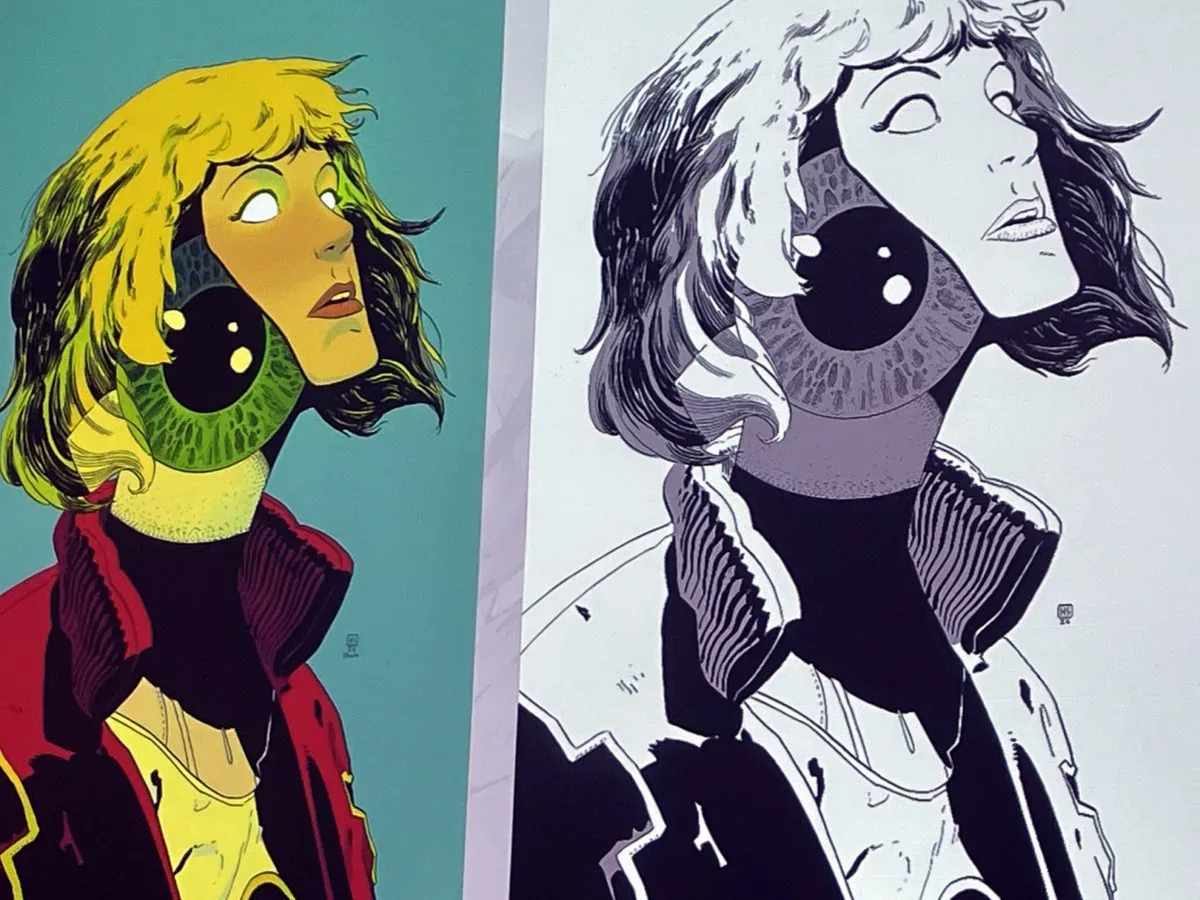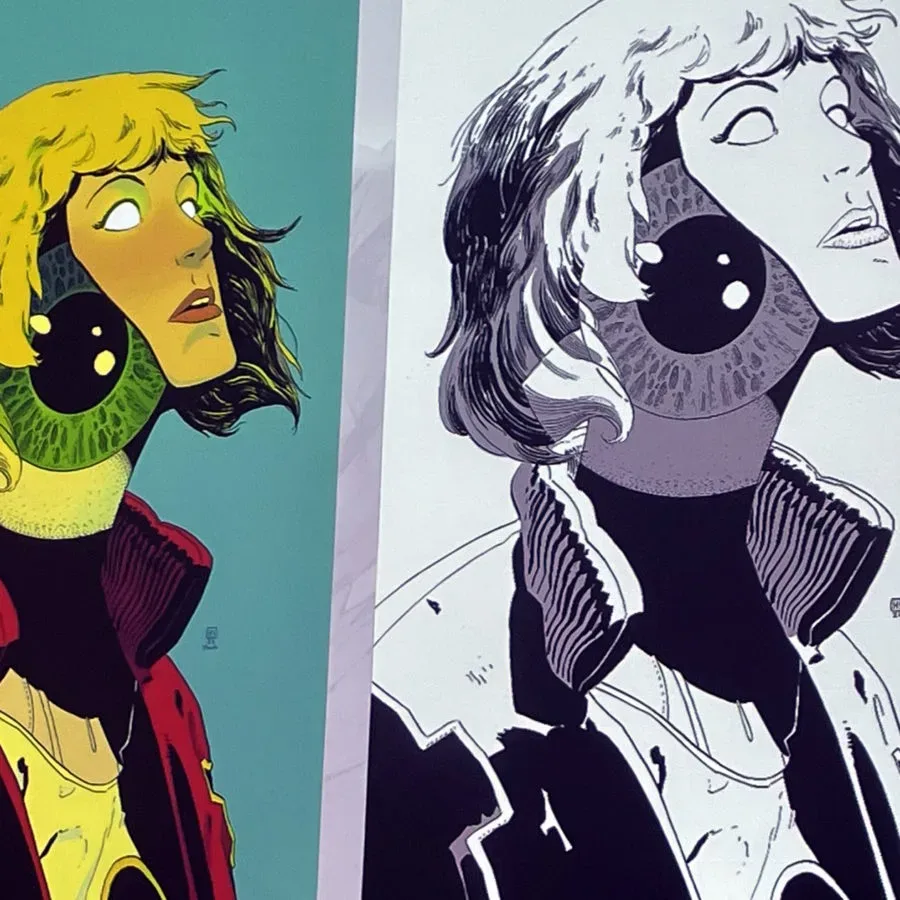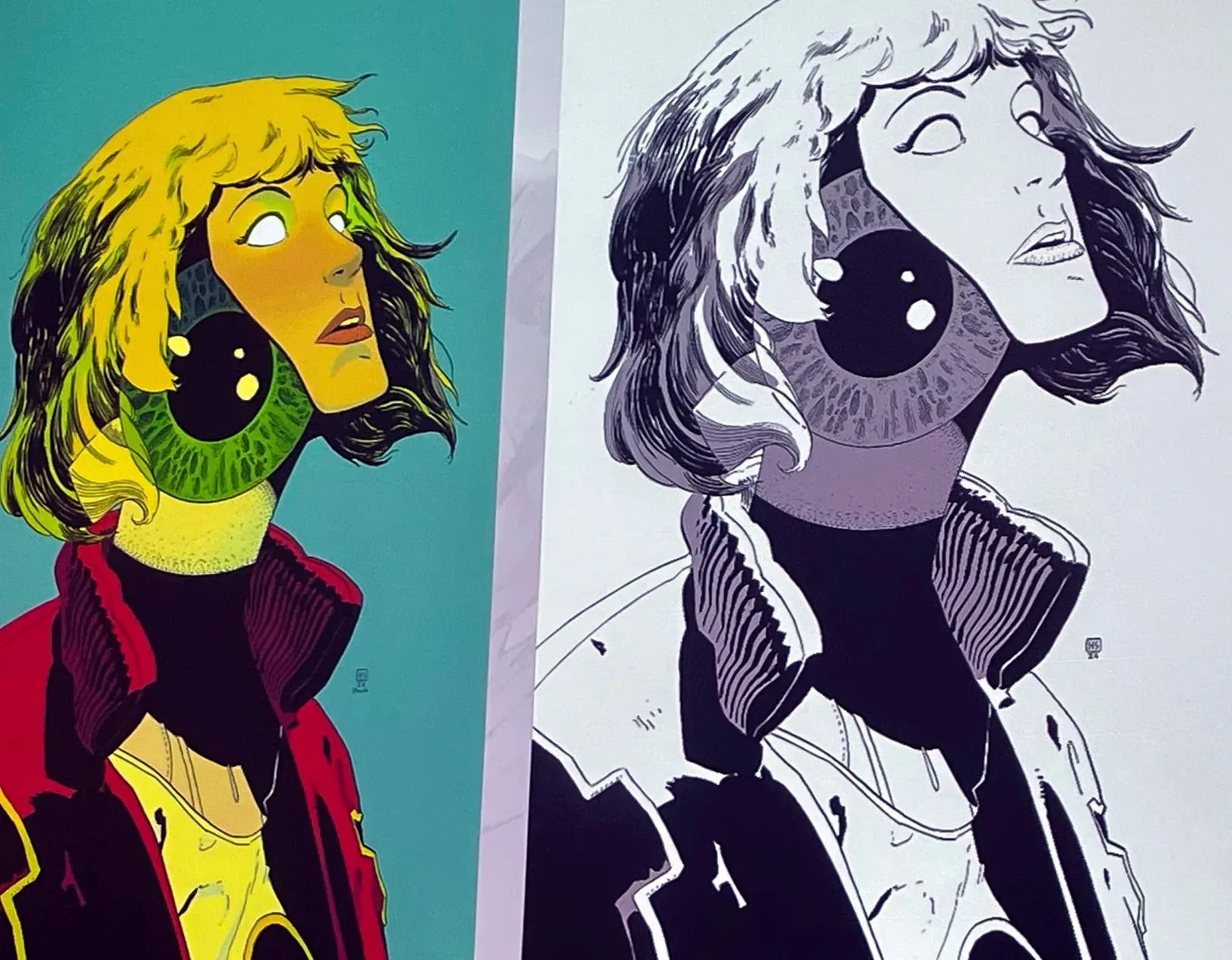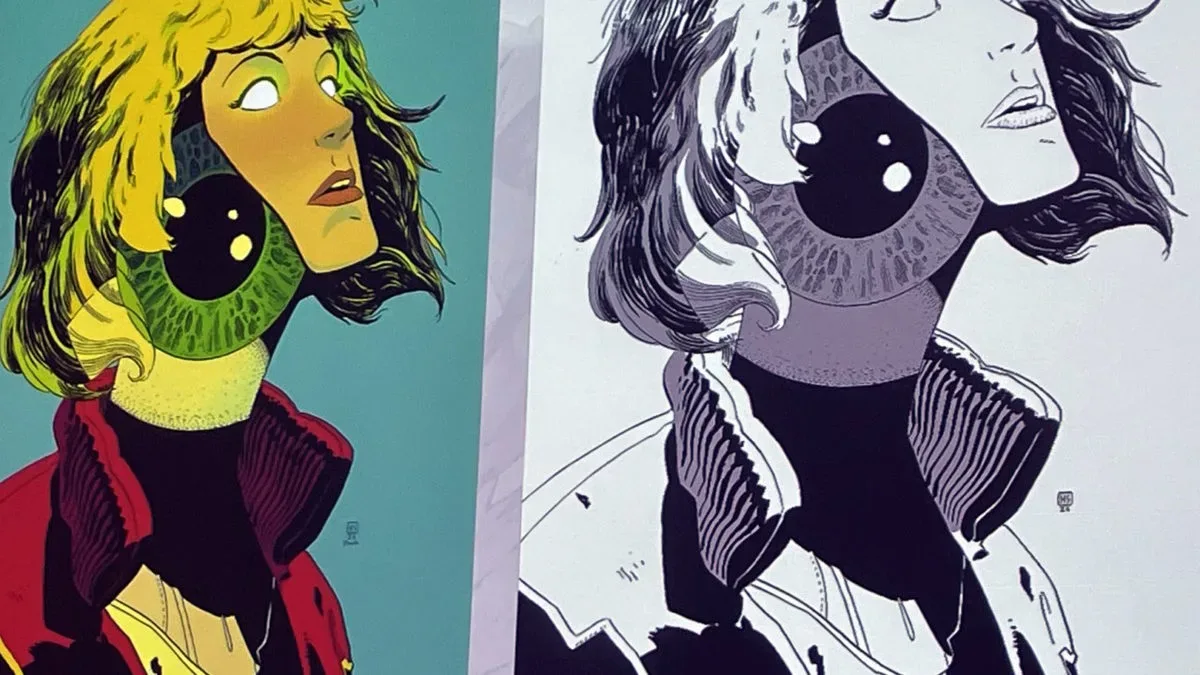
Legion of Super-Heroes #3 is set to widen its young, future-facing superhero ensemble with the arrival of Timber Wolf and Kid Quantum. The issue, written by Joshua Williamson with art and cover work by Hayden Sherman, is scheduled for November 11, 2026, at a listed price of $3.99.
The expansion arrives alongside a far more ominous promise for the team’s Lightning Lad: the issue’s official copy says he will suffer his first “heartbreaking loss” as a superhero. It also puts him in the path of Brainiac 1 of 5 and Matter-Eater Lad, two names that signal a deliberately offbeat and potentially complicated introduction to the Legion’s dangers.
That combination—new teammates, weird enemies, and a blunt warning that “one will die”—frames the third issue as more than a straightforward roster-building chapter. The series is positioning its heroes as young people energized by the possibility of changing their world, but not protected from the costs of trying.
Timber Wolf and Kid Quantum expand the team
Timber Wolf and Kid Quantum are the newly confirmed additions for Legion of Super-Heroes #3. Their arrival continues a stated plan to bring more familiar Legion figures into the series as it progresses, rather than treating the initial lineup as a fixed final roster.
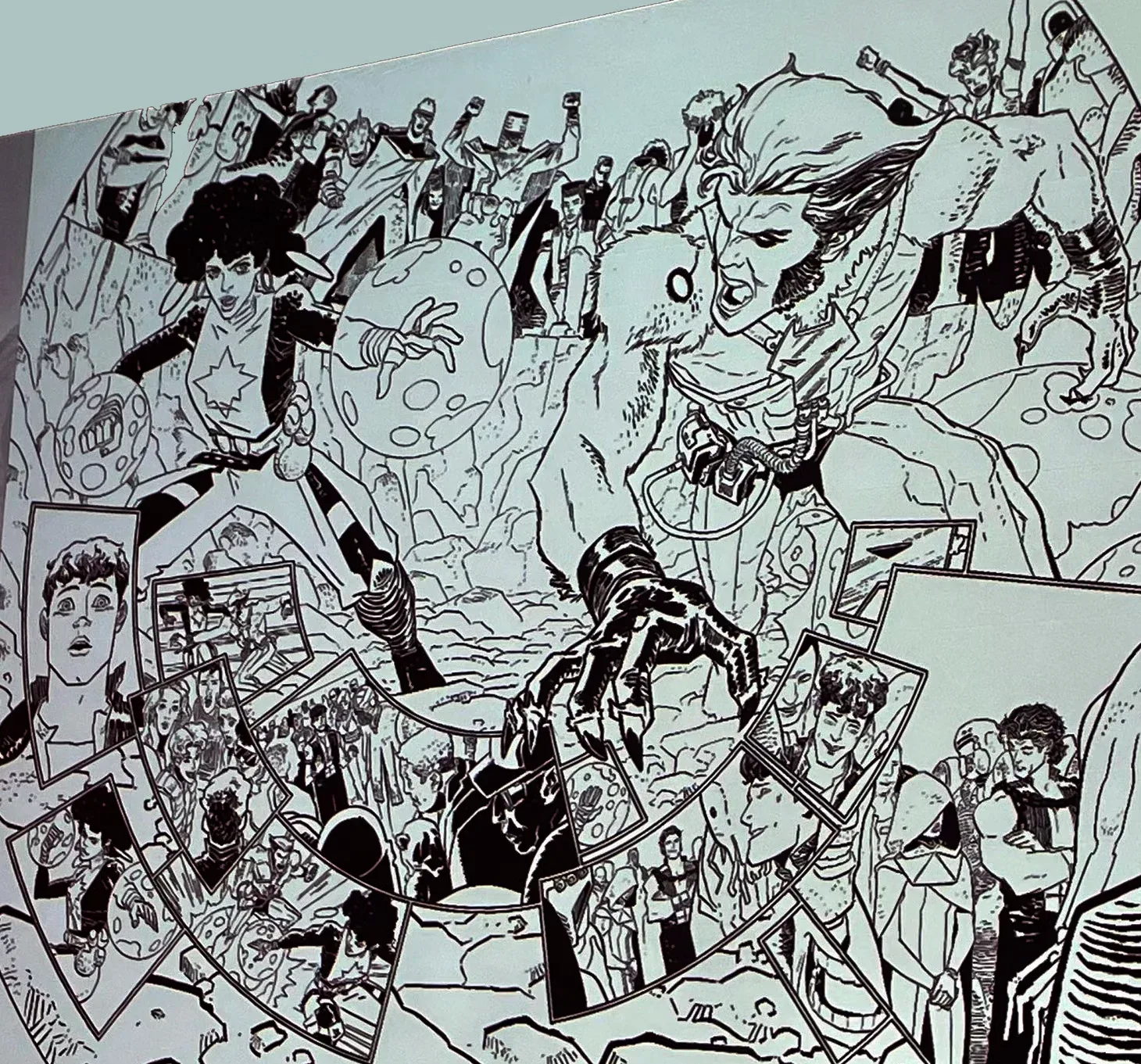
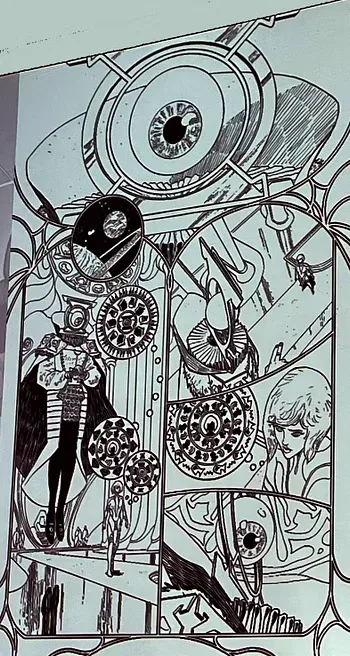
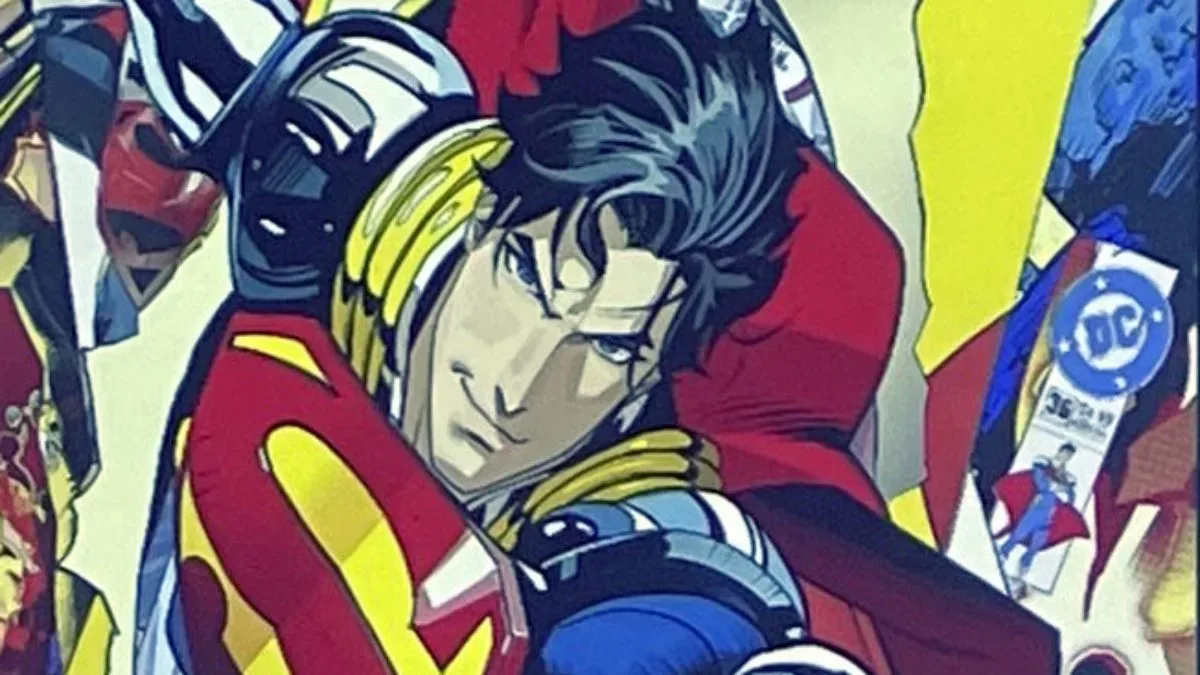
Sherman’s newly shown art includes a large multi-panel sequence featuring a snarling, feral-looking Timber Wolf alongside other Legionnaires. That visual emphasis matters. Even before readers know his precise role in the issue, the image points toward a character whose physicality and wild presentation can create a strong contrast with a team associated with far-future settings, broad science-fiction ideas, and youthful idealism.
Kid Quantum’s inclusion offers a second new point of interest, though the available details do not outline the character’s part in the plot or abilities in this version of the team. The confirmed fact is the meaningful one: issue #3 is not merely teasing potential future recruitment. It is adding both characters to the cast.
For a Legion story, cast growth carries particular narrative weight. A large team gives a creative team room to juxtapose personalities, points of view, and different responses to a crisis. It can also make a single loss feel more disruptive: the wider the circle of young heroes, the more emotional and practical consequences a tragedy can have for those left behind. That is analysis of the setup, not confirmation of who is in danger; the issue’s promotional language keeps that central answer under wraps.
Lightning Lad’s first real lesson in heroism
The solicitation frames Lightning Lad as someone who initially sees superhero life as “fun and games,” only to be confronted by enemies and a devastating personal event. This is an important distinction in the series’ stated approach. The book is not presenting its young heroes as already-seasoned icons who understand every consequence of wearing a costume. It is interested in the moment when enthusiasm meets responsibility.
“ONE. WILL. DIE.”
That is the issue’s headline-level tease, and it should be read carefully. It establishes a fatality as the intended shock of the chapter, but it does not identify the character. The accompanying description specifically identifies Lightning Lad as experiencing the loss, which is not necessarily the same as saying Lightning Lad dies. Until the comic arrives, readers should treat any more specific conclusion as speculation.
The potential enemies are just as striking. Brainiac 1 of 5 and Matter-Eater Lad are named as Lightning Lad’s first enemies, followed by the suggestion that they are attempting to explain the dangers facing the new Legion. The question mark built into the solicitation’s phrasing is doing a lot of work. It hints that the apparent conflict may not be as simple as heroes versus villains, and that Lightning Lad may have to process vital information at the same time he is enduring a loss.
In comic-book solicitation language, a solicitation is advance sales and promotional copy describing an upcoming issue. It is designed to establish the core hook without giving away every plot beat. Its heightened promises should therefore be understood as intentional marketing language, while still being the clearest official indication of the issue’s basic conflict and release details.
A future world with its own visual language
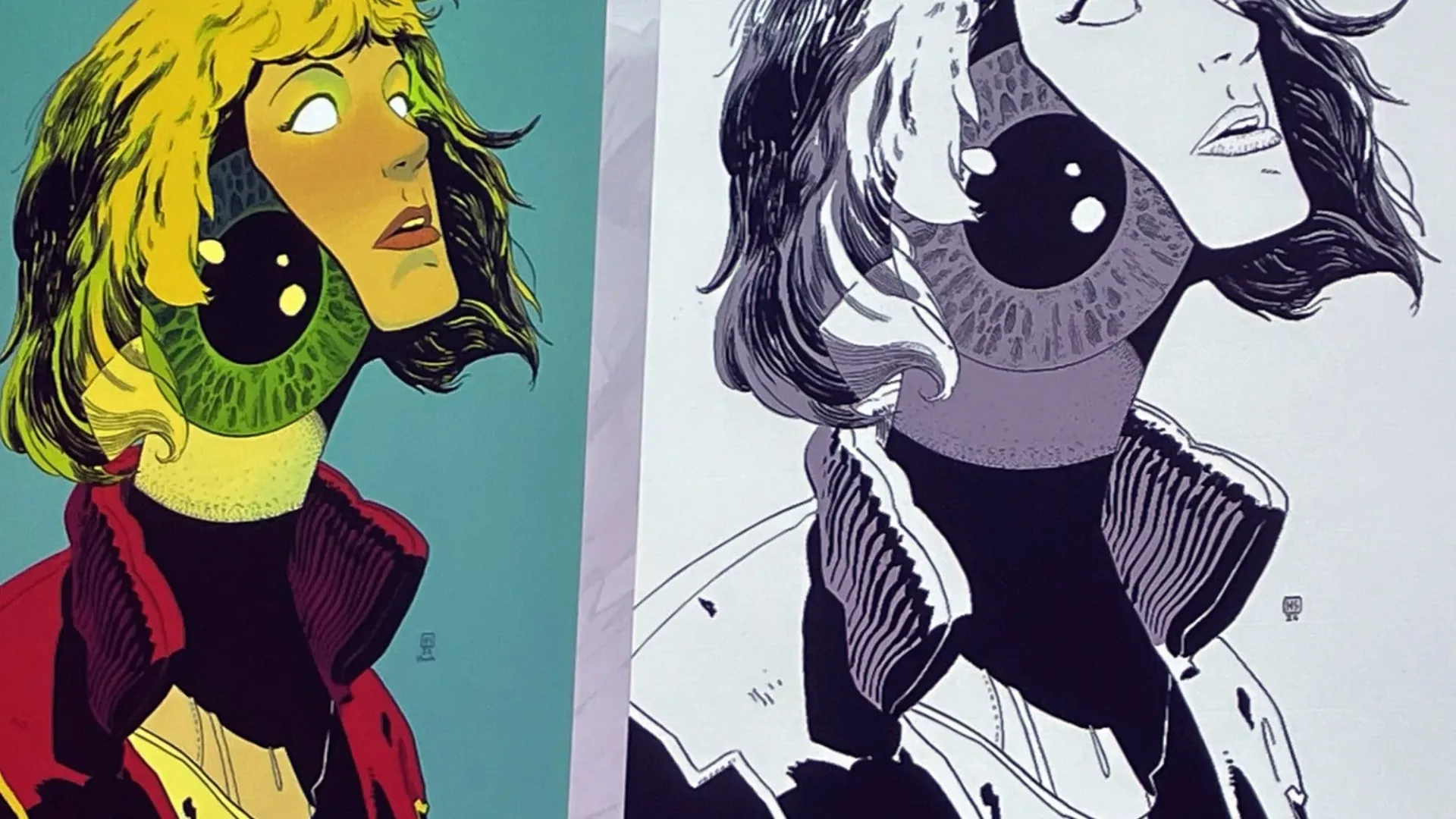
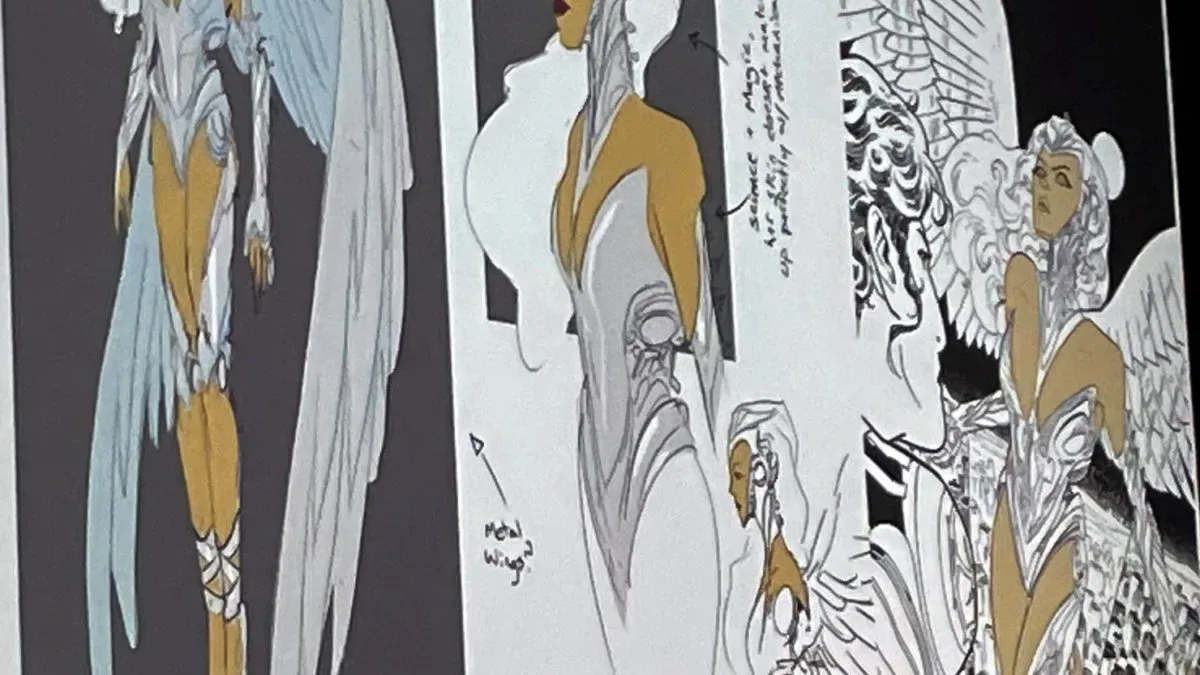
The material previewed for the series also focused on the world-building in Sherman’s art. Among the shown pages were scenes of Saturn Girl speaking with the Emerald Empress, while colored interiors offered another look at the series’ futuristic atmosphere.
One especially specific creative detail is the visual language developed for Titan’s telepathic people. Titan is Saturn Girl’s homeworld, and the art team has created an actual visual system for portraying communication associated with its telepathic population. A visual language in comics can mean a recurring set of graphic choices—such as symbols, layouts, shapes, marks, or other design cues—that communicates an idea without relying solely on ordinary dialogue balloons.
The significance here is not just decorative. Telepathy is inherently difficult to make legible on a printed page because it is communication occurring outside conventional speech. A dedicated visual language gives readers a way to recognize that difference immediately and can make a fictional society feel more distinct. The preview information does not describe the system’s exact appearance or rules, so it would be premature to define how it functions. But its existence signals a desire to make the book’s far-future setting readable through design as well as plot exposition.
Emerald Empress also has an unusually consequential position in this version of the future: she is running the Green Lantern organization. That detail places the conversation with Saturn Girl in a potentially significant institutional context. It suggests that the book’s future is not built only around the Legion’s school-age or early-career viewpoint; larger organizations and established power structures are active around them too.
That overlap between young heroes and entrenched institutions fits the series’ broader theme. Williamson has described the premise as being about kids who love superheroes and want to change the future. The complication is that changing a future means encountering systems, dangers, and losses bigger than a single person’s optimism. Issue #3 appears set to test precisely how much that optimism can withstand.
What readers can take from the preview—and what remains unknown
The confirmed information provides a useful, limited picture of the issue:
- Timber Wolf and Kid Quantum join the cast in Legion of Super-Heroes #3.
- Lightning Lad encounters Brainiac 1 of 5 and Matter-Eater Lad.
- Lightning Lad experiences a first heartbreaking loss as a hero.
- The issue explicitly teases that one character will die.
- Saturn Girl and Emerald Empress appear in newly previewed pages.
- Emerald Empress leads the Green Lantern organization in the series’ future.
- Sherman has developed a visual language for Titan’s telepathic people.
- The issue is listed for release on November 11, 2026, for $3.99.
Equally, several points remain deliberately unresolved: the identity of the character who dies, the exact nature of the threat that Brainiac 1 of 5 and Matter-Eater Lad are trying to explain, the roles Kid Quantum and Timber Wolf will play in the immediate story, and how Emerald Empress’s Green Lantern leadership connects to the Legion’s central crisis.
Those open questions are what make the issue’s promotional material more compelling than a simple membership announcement. Adding recognizable heroes can be an invitation for readers to see how a new creative team interprets them. Pairing those additions with Lightning Lad’s first devastating failure or loss makes the expansion feel unstable in a productive way: the Legion is growing, but its members are also learning why being a hero is more difficult than they imagined.
There is also an appealing tension between the previewed imagery and the solicitation’s emotional stakes. On one side, the comic promises inventive alien-world design, a feral Timber Wolf showcase, and a future in which the Green Lantern organization is led by Emerald Empress. On the other, it centers a young hero finding out that the job can hurt. The result is a science-fiction superhero book whose spectacle is meant to coexist with a coming-of-age pressure point.
For readers following comics beyond this particular DC future, that character-first approach to action is also part of the appeal of other genre adaptations, including the forthcoming Street Fighter film’s character-specific combat approach. Here, however, the immediate question is not how a fighter’s style is translated, but what Lightning Lad becomes after the first loss he cannot simply power through.
Release details
Legion of Super-Heroes #3
Writer: Joshua Williamson
Artist and cover artist: Hayden Sherman
Release date: November 11, 2026
Listed price: $3.99
With more classic Legion characters expected to enter the series over time, issue #3 looks positioned as a key early turning point. It will introduce Timber Wolf and Kid Quantum, deepen the book’s distinctive future setting, and place Lightning Lad at the center of a tragedy whose consequences are likely to matter well beyond one shocking tagline.